Top 5 Castles around Rotzo
Best castles around Rotzo offers a glimpse into the region's historical significance and rugged natural beauty. Situated on the Asiago Plateau in the Vicenza Pre-Alps, Rotzo is characterized by its mountainous terrain and strategic location. The area is notable for its numerous World War I fortifications, which served as defensive structures during the conflict. These historical sites are integrated into the landscape, providing insights into military architecture and past events.
Best castles around Rotzo
- The most popular castles is Forte…
Last updated: August 23, 2026
Forte Interrotto
Highlight • Historical Site
Tip by

Fort Belvedere-Gschwent
Highlight • Historical Site
Translated by Google •
Tip by

Sign up now to discover places like this
Get recommendations on the best single tracks, peaks, & plenty of other exciting outdoor places.
Sign up for free
Forte Verena
Highlight • Historical Site
Translated by Google •
Tip by

Fort Corbin (WWI)
Highlight • Historical Site
Translated by Google •
Tip by

Castello di Meda and Hermitage
Highlight • Historical Site
Translated by Google •
Tip by
Sign up for free to discover even more castles around Rotzo.
Sign up for free
Already have an account?
Start today with a free account
Your next adventure awaits.
Login or Signup
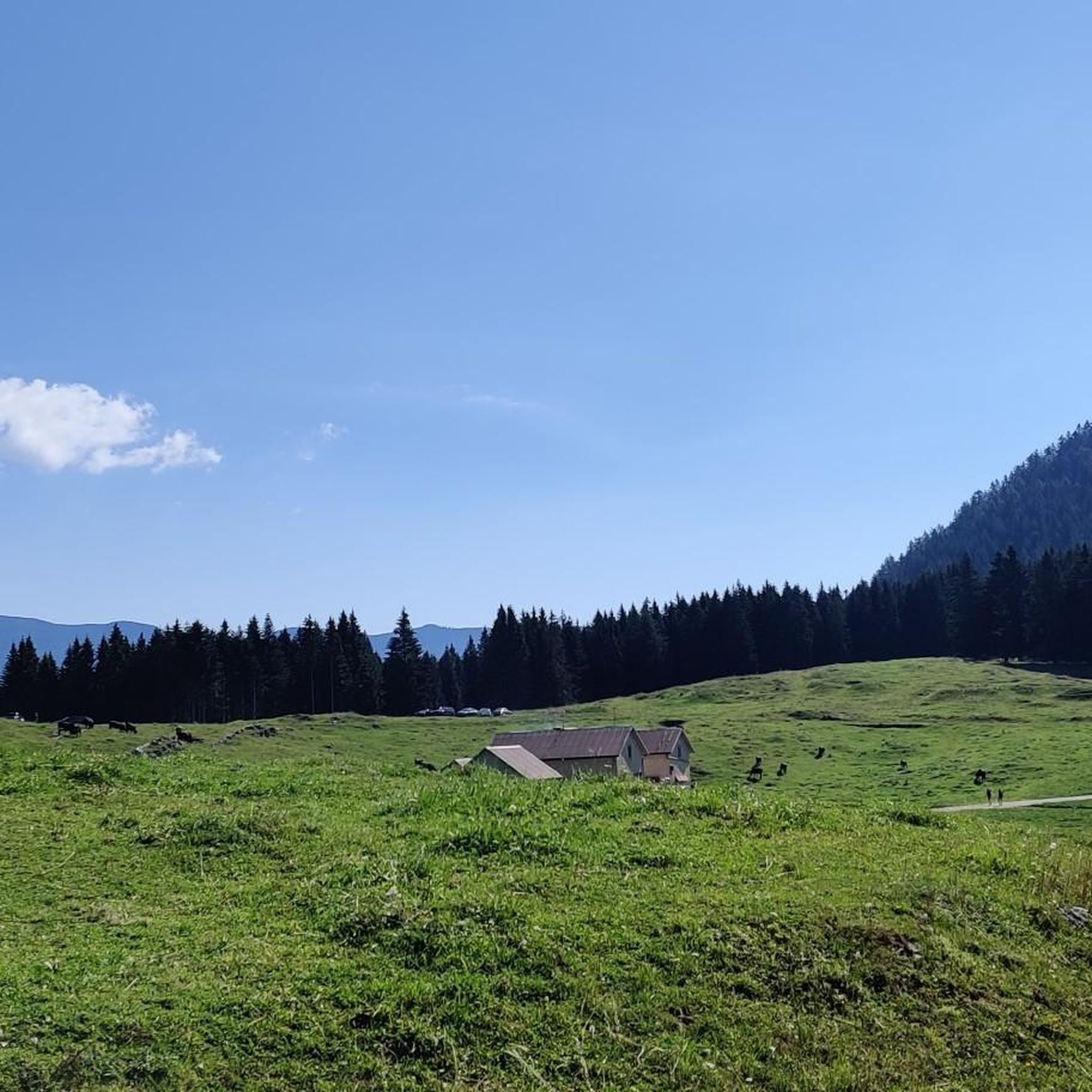
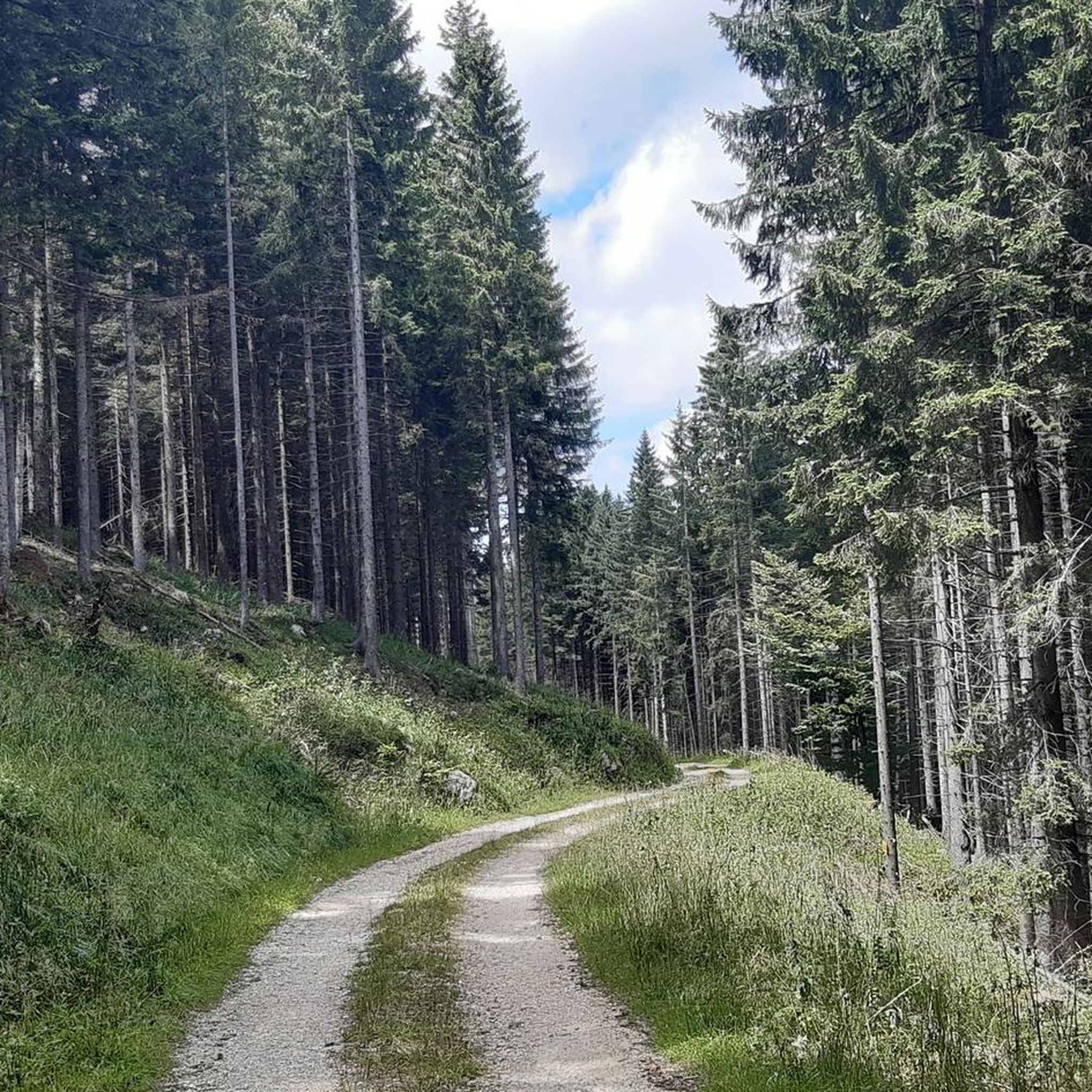

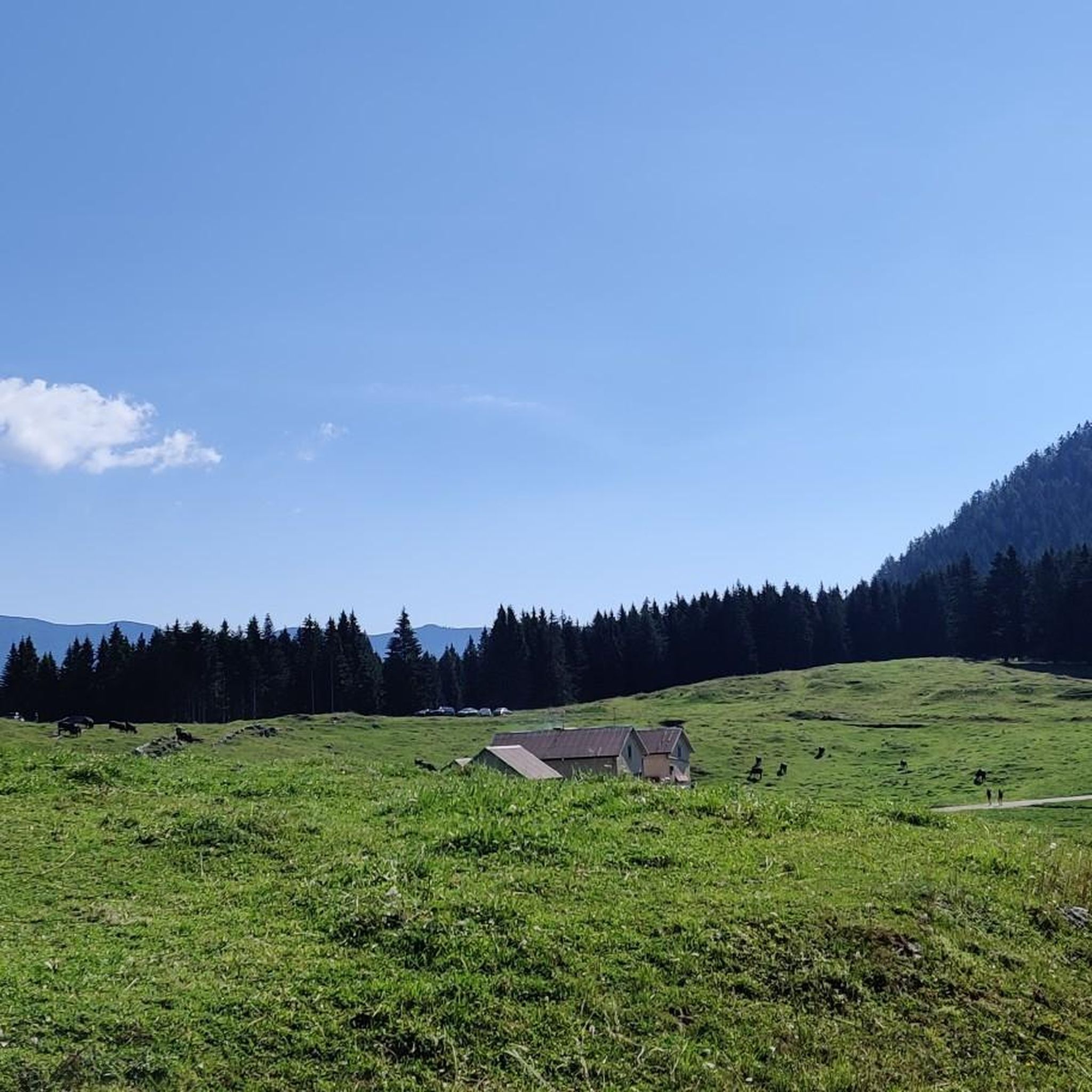
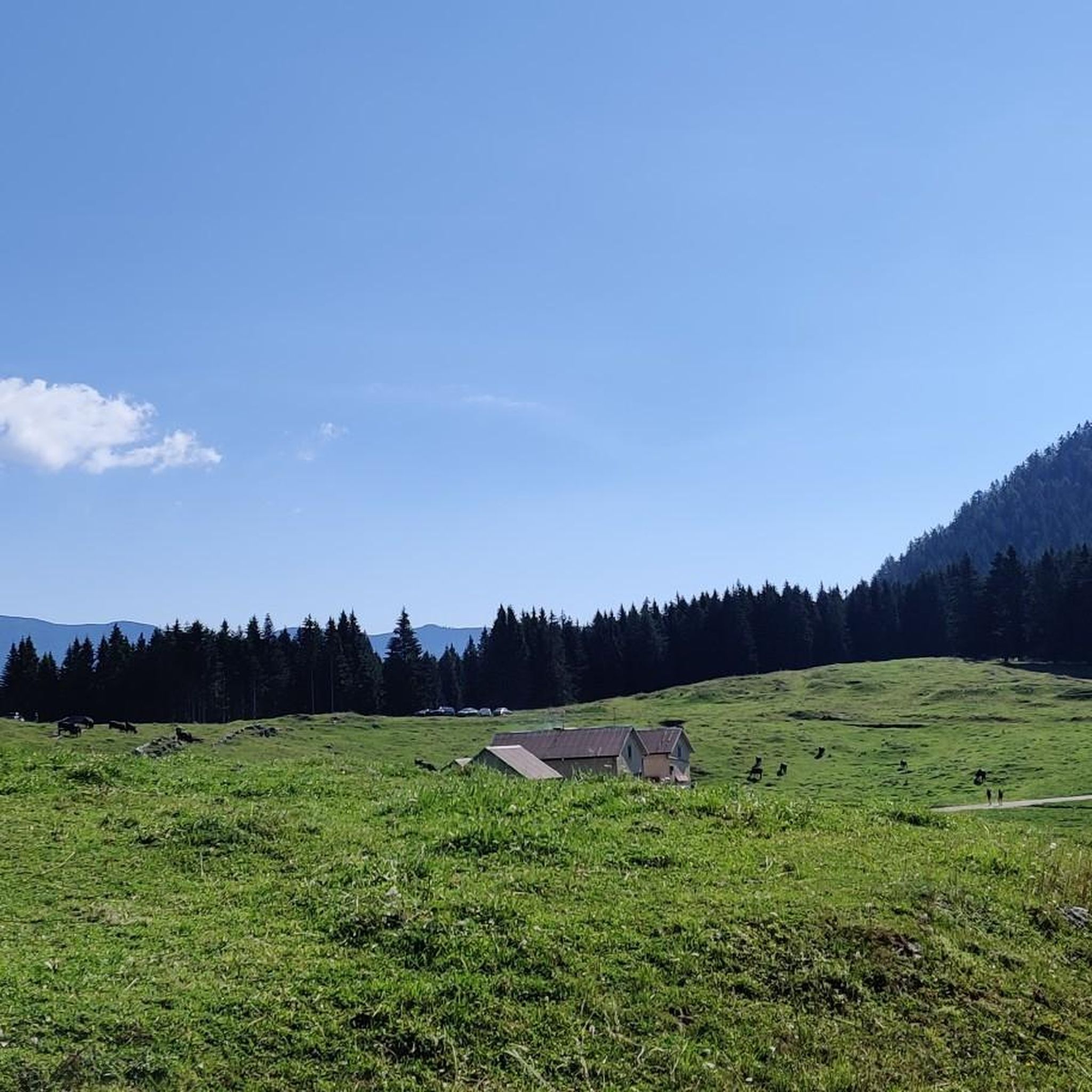
Tips from the Community

The Italian fort that seems to have fired the first cannon shot against the Habsburg army and from there the war on the plateau began. It was immediately bombarded and put out of action by the Habsburg army which bombarded it from the fort of cima Vezzena, Spitz Verle
0
0

"...The fort was still, austere. A place that spoke of men tested by cold, fear, and anticipation. In that moment I felt small, but also strangely attuned..."
0
0


Entrance to the actual fort is subject to a fee.
0
0

It is a defensive military barracks built in the second half of the 19th century, entirely in stone, which overlooks the town of Camporovere and dominates the entire central basin of the Plateau. From a historical point of view, the Forte Interrotto represents a completely exceptional case. It was in fact born from a military architecture project that still followed late medieval canons, recognizable in the 6 gigantic central arches and in the imposing lateral bastions with 115 positions for riflemen. In 1916 it was occupied by the Austro-Hungarians and transformed into a stronghold of the imperial line.
1
0

Just below the summit of Mount Verena is the Mount Verena fort, a defensive bastion on the plateau of the 7 municipalities.
0
0

military fort of the great war. remarkable and well detailed information both on the fort and on the period of the great war.
1
0

Forte Belvedere was designed by Lieutenant Rudolf Schneider and built between 1908 and 1912, not far from the town of Óseli. Located on a spur of limestone rock at an altitude of 1,177 metres, at the time it marked the state border between the Kingdom of Italy and Austria-Hungary. In 1996 the municipality of Lavarone purchased Forte Belvedere and enhanced its structure: every year it is visited by more than 28,000 people, as can be read on the Fort's website: https://www.fortebelvedere.org.
2
0
Frequently Asked Questions
What kind of historical sites can I expect to find around Rotzo?
The historical sites around Rotzo primarily consist of World War I forts and strongholds, rather than traditional medieval castles. These structures offer a unique blend of military history and architectural interest, providing insights into past events on the Asiago Plateau.
Which forts offer the most immersive historical experience?
For an immersive experience, consider visiting Fort Belvedere-Gschwent. It's one of the largest WWI forts in the area and includes a museum where you can explore its preserved rooms and learn about its significance as a border defense between Italy and Austria-Hungary.
Are there any forts known for their strategic importance or unique history?
Forte Verena, known as 'the Dominator of the Plateau,' holds significant historical importance as the site where the first Italian cannon shot of WWI was fired. Its central location at 2,015 meters offered a commanding view of the Asiago plateau.
Which forts offer the best panoramic views of the surrounding landscape?
Forte Interrotto provides beautiful views of Camporovere and Asiago, especially at sunset. Similarly, Castello di Meda and Hermitage, despite its feudal castle being long gone, offers a wide view of the Astico Valley from its rocky peak.
Are the forts around Rotzo suitable for families with children?
Yes, some forts are family-friendly. Fort Belvedere-Gschwent is noted as family-friendly, offering a museum experience that can engage younger visitors. Exploring the structures and learning about history can be an educational outing for all ages.
What outdoor activities can I do near these historical sites?
The area around Rotzo offers various outdoor activities. You can find numerous hiking trails, such as the Monte Verena Historic WWI Trail or the Fort Campolongo Loop. For more options, explore the Hiking around Rotzo guide. There are also mountain biking and road cycling routes available, detailed in the Road Cycling Routes around Rotzo guide.
What is the best time of year to visit the forts around Rotzo?
The best time to visit is generally during the warmer months, from late spring to early autumn. This allows for comfortable exploration of the outdoor fort structures and access to hiking trails. Winter visits might be possible, but some areas could be covered in snow, requiring appropriate gear.
Are there any lesser-known historical sites or forts worth exploring near Rotzo?
While not a traditional castle, Fort Corbin (WWI) is a significant and well-preserved fort that was once the largest and most complex on the plateau. It offers a deep dive into WWI history and is privately maintained, often providing refreshments and guided tours.
What other historical attractions are in the Rotzo region besides the WWI forts?
Beyond the WWI forts, you can explore the Bostel Archaeological Park in Rotzo. This site showcases the remains of an ancient mountain village from the Iron Age, offering a glimpse into the early inhabitants of the plateau.
How much time should I plan for visiting a fort?
The time needed can vary. For larger forts like Fort Belvedere-Gschwent, especially with its museum, you might want to allocate 2-3 hours. Smaller or more ruinous sites might take 1-1.5 hours to explore thoroughly, not including travel time.
What do visitors enjoy most about the forts around Rotzo?
Visitors frequently appreciate the historical significance and the opportunity to step back in time. Many enjoy the unique architecture of the forts, the panoramic views they offer, and the sense of history that permeates these WWI strongholds. The blend of military history with the rugged natural beauty of the Asiago Plateau is a major draw.
Most popular attractions around Rotzo

Get inspired with the komoot mobile app


Explore more
Looking for the best castles somewhere else? Discover other guides around Rotzo:
