Top 10 Caves around Borgo Valsugana
Best caves around Borgo Valsugana offer a diverse range of underground experiences within the Valsugana region. This area is characterized by its geological formations, including karstic caves and sinkholes, shaped by natural forces over millennia. Visitors can explore both natural wonders and historical sites, many of which are remnants of World War I. The region provides opportunities for various levels of exploration, from accessible sites to those requiring expert guidance.
Best caves around Borgo Valsugana
- The most popular caves is…
Last updated: June 30, 2026
Siesòn Cave (or Sciasòn Chasm)
Highlight • Cave
Translated by Google •
Tip by

Cima Caldiera Logistics Base Caves (World War I)
Highlight • Historical Site
Translated by Google •
Tip by

Sign up now to discover places like this
Get recommendations on the best single tracks, peaks, & plenty of other exciting outdoor places.
Sign up for free
Quota 2093 / Biancardi Gallery WW1
Highlight • Historical Site
Translated by Google •
Tip by

Busa del Can Sinkhole
Highlight • Cave
Translated by Google •
Tip by

Buso dei Quaranta
Highlight • Cave
Translated by Google •
Tip by
Sign up for free to discover even more caves around Borgo Valsugana.
Sign up for free
Already have an account?
Start today with a free account
Your next adventure awaits.
Login or Signup
Popular around Borgo Valsugana
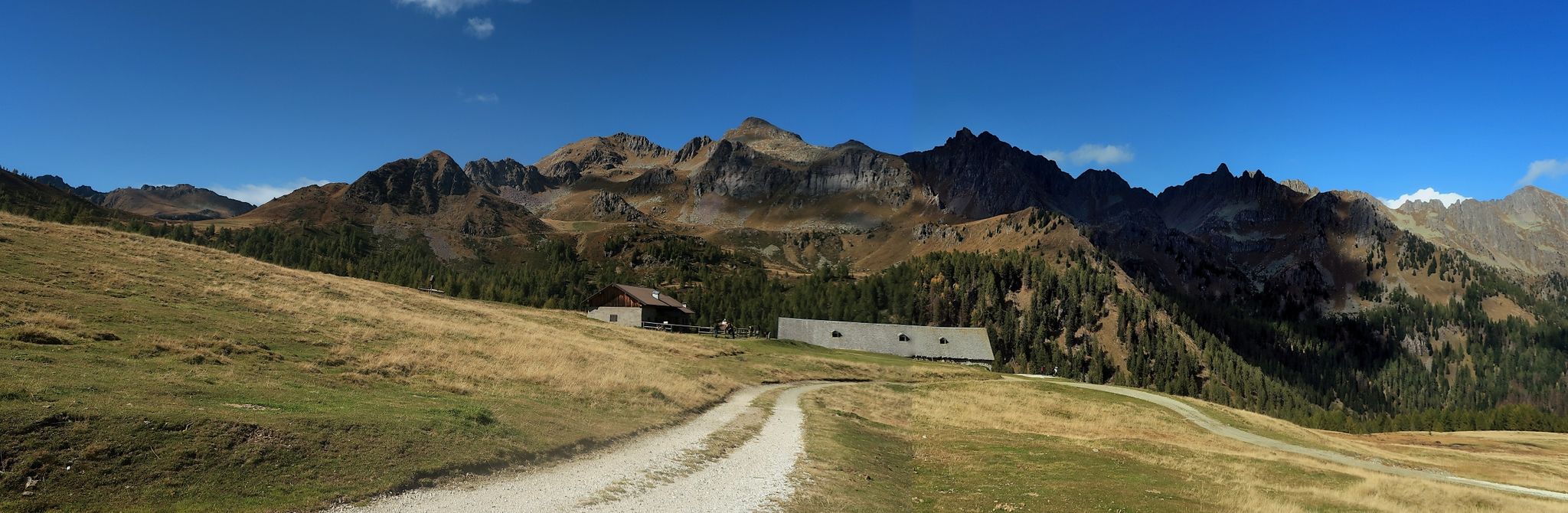
Cycling on Italy’s Tesino Plateau – around Cima d'Asta
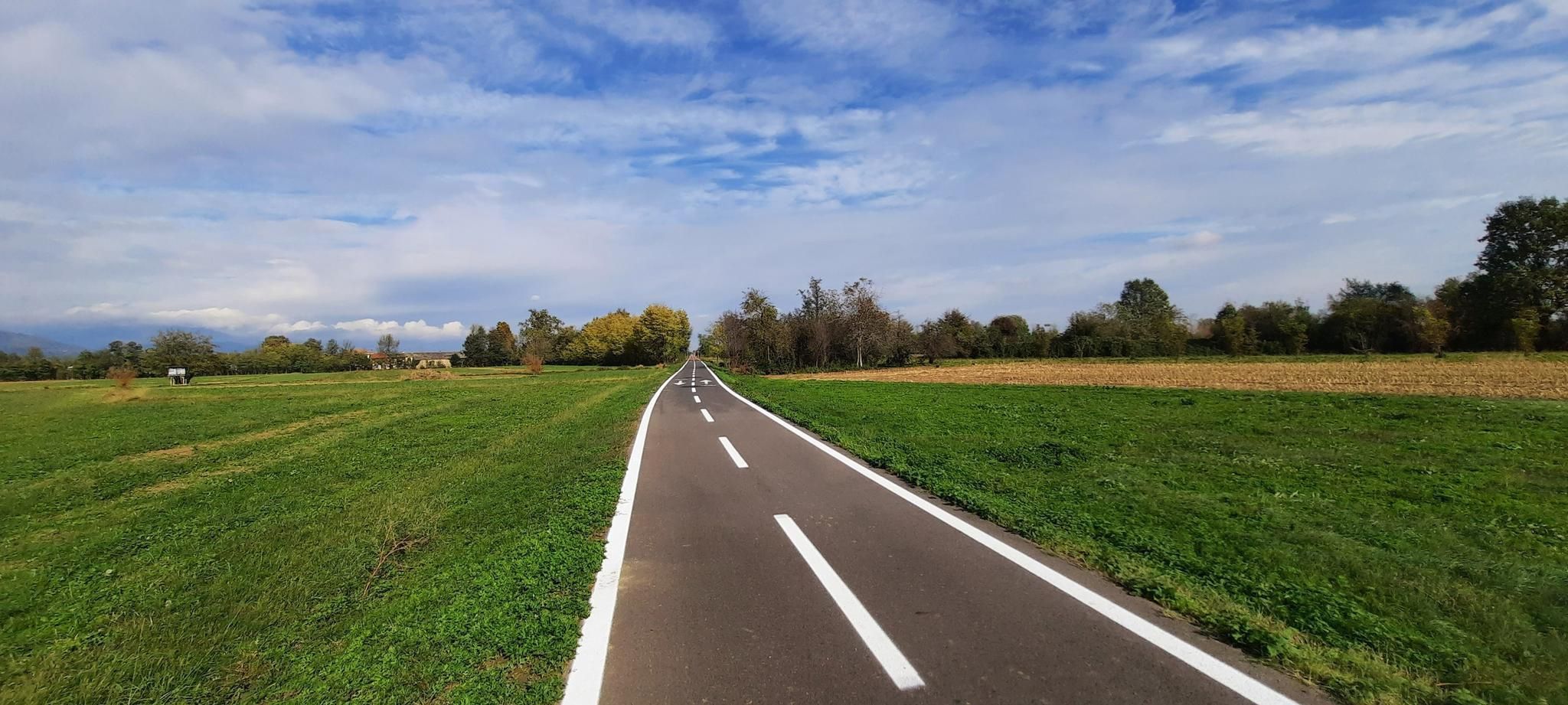
Ride across the Italian Alps – Pedemontana cycle route
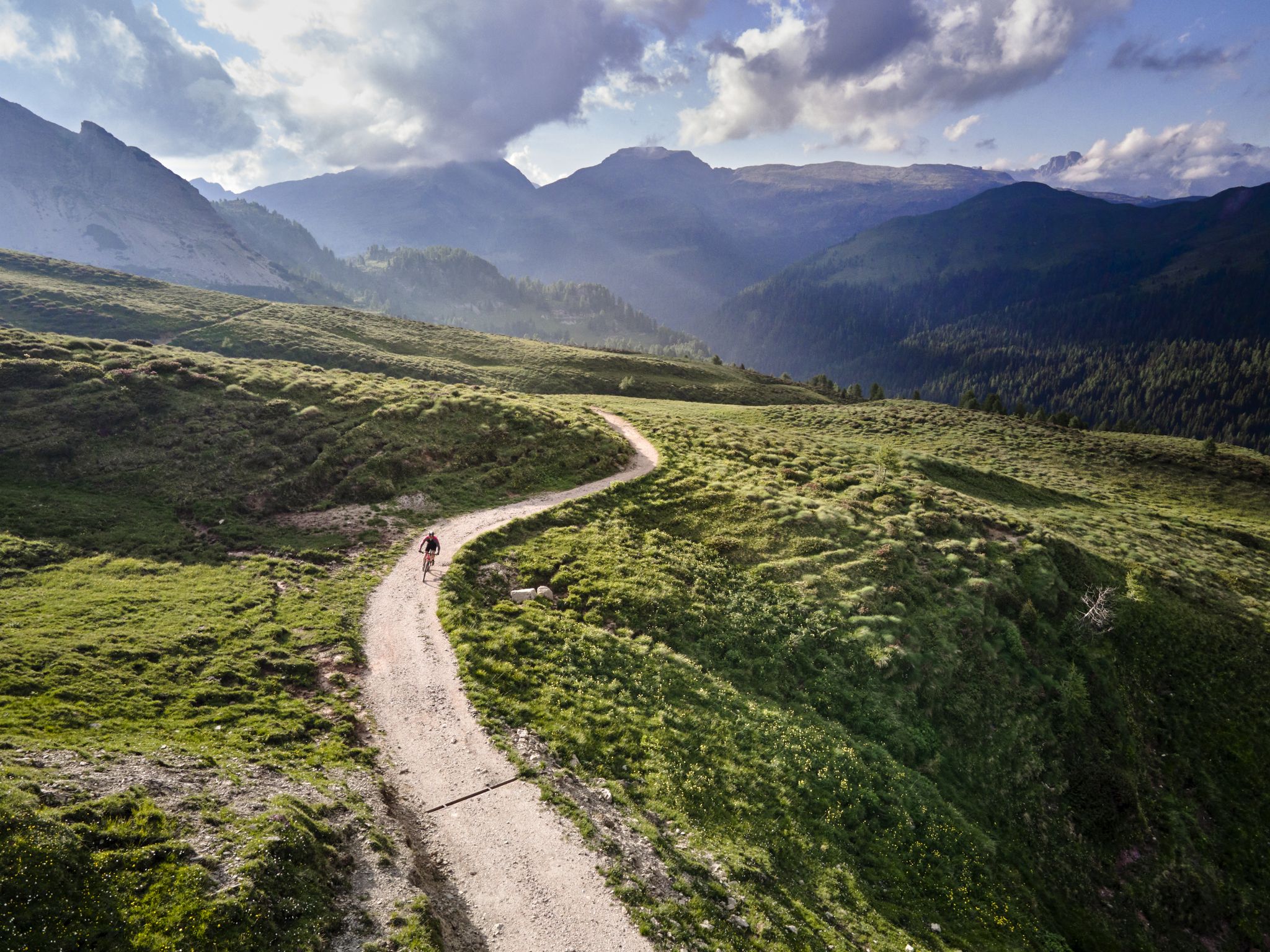
Mountain biking in the heart of the Dolomites
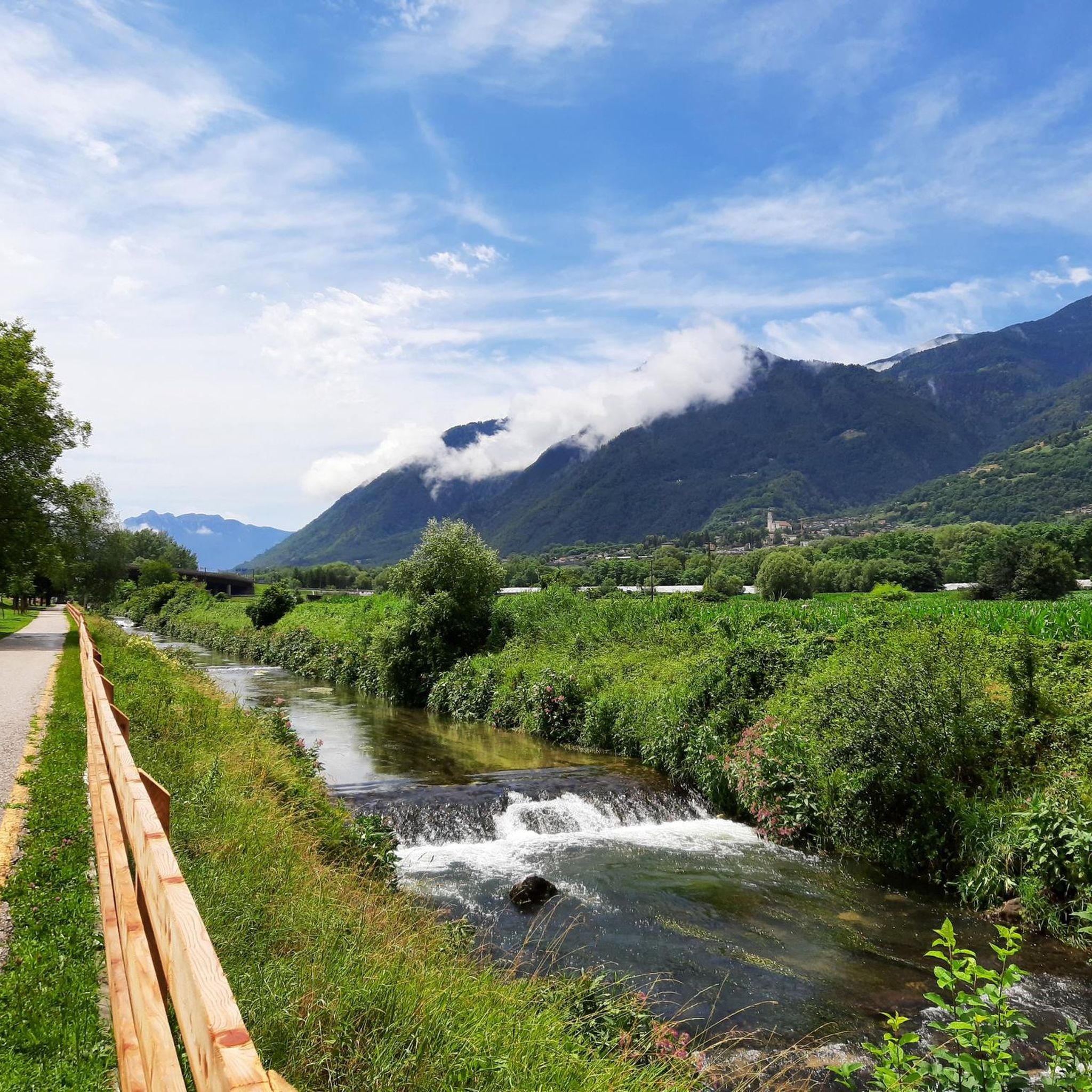
Hiking around Borgo Valsugana
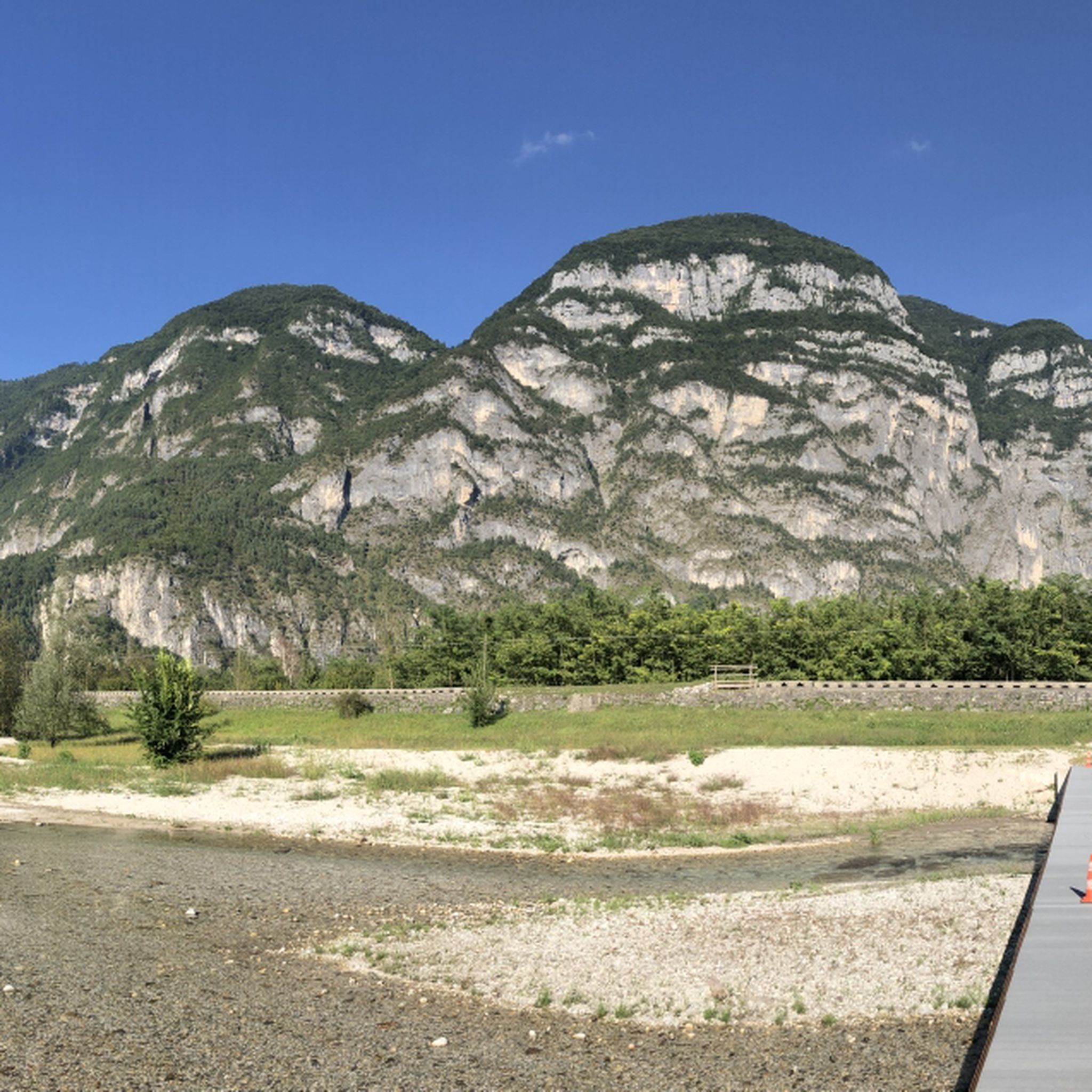
Road Cycling Routes around Borgo Valsugana
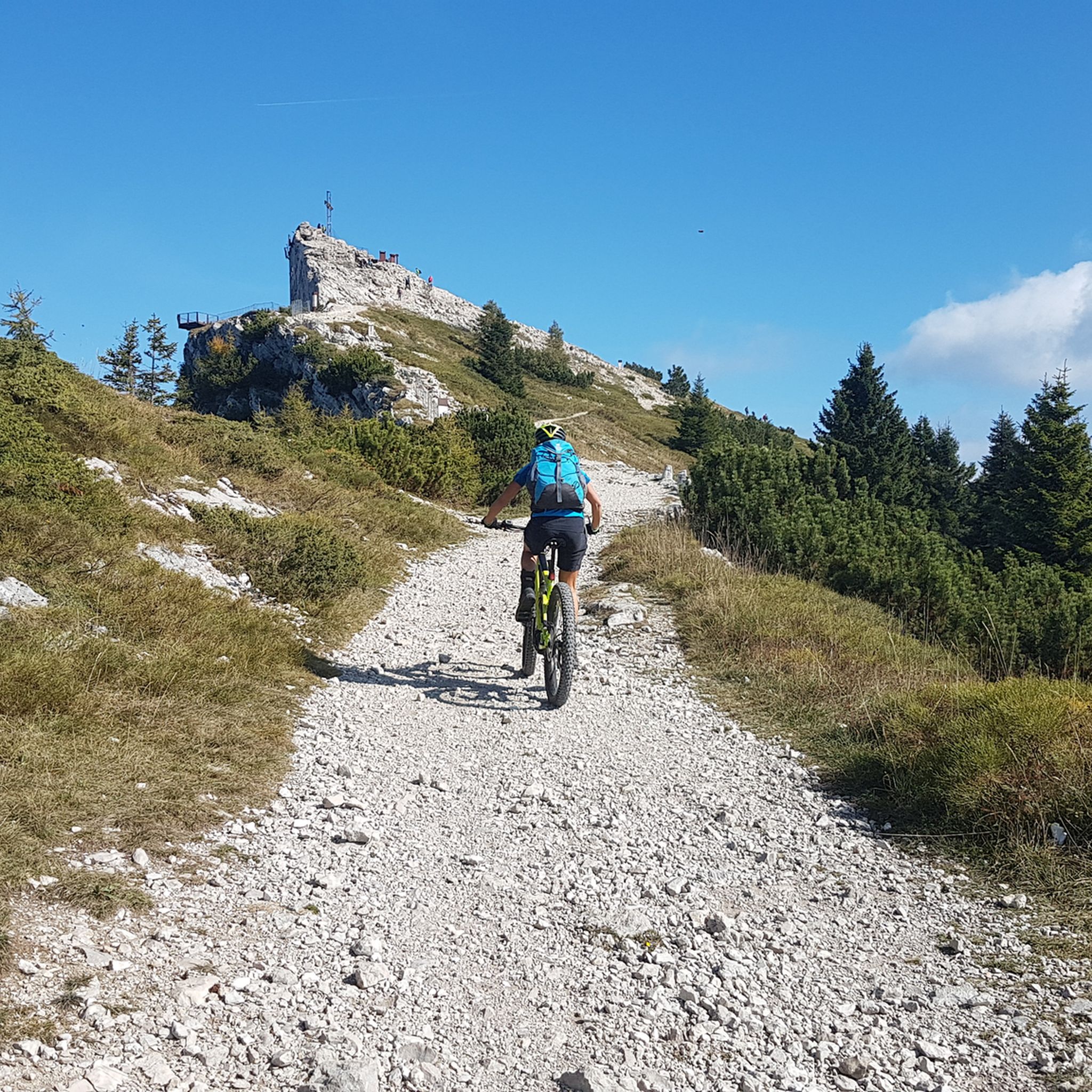
MTB Trails around Borgo Valsugana
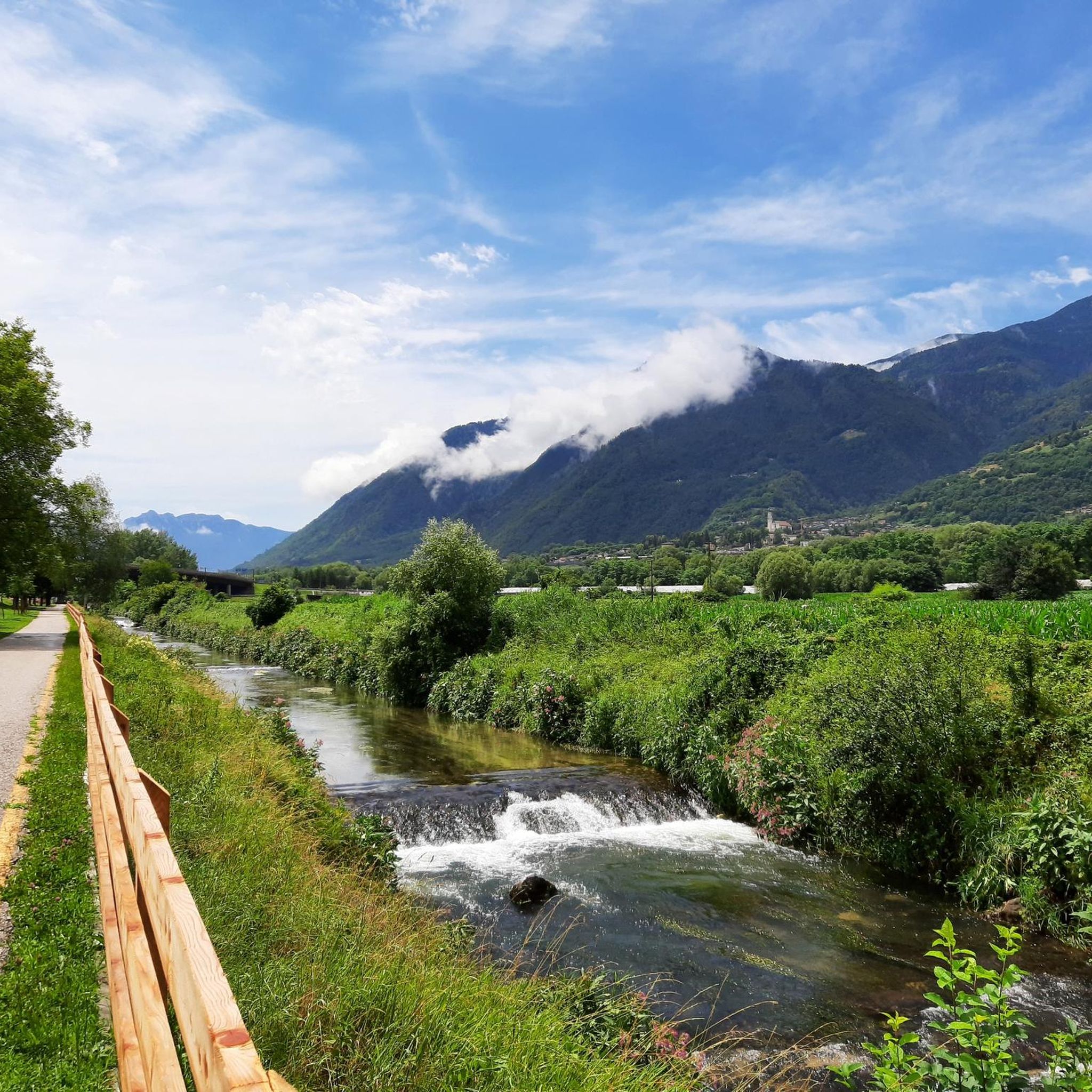
Cycling around Borgo Valsugana
Running Trails around Borgo Valsugana
Gravel biking around Borgo Valsugana
Mountain Hikes around Borgo Valsugana
Other adventures around Borgo Valsugana


Tips from the Community

Very steep section that leads to the top of Ortigara, it is useful to have a headlamp with you
1
0

The tunnel was initially an Austro-Hungarian machine gun emplacement (2093 m), designed to defend the overlooking 2101 m of Mount Ortigara. It was later captured by the Alpine troops during the first attack on June 10, 1917, becoming the headquarters of the Italian command of Colonel Pietro Biancardi, from whom it takes its current name. A must-see on the trail connecting the summit of Mount Ortigara to the Agnella Pass: fascinating, steep, and facilitated by steps and ropes. The imperial emplacements are accessed by descending into a shaft using metal supports (technical descent, only for experts).
1
0
During the First World War, in view of the Battle of Ortigara in 1917, the area on the eastern slopes of Cima Caldiera was transformed into an Italian logistics base of enormous tactical importance: one of the main storage centers for food, ammunition, tools and materials needed for combat and the sustenance of the troops. It was located on the slope sheltered from enemy fire, but close to the front line, to which it was connected by a web of walkways; it was accessible via a wide and comfortable road from Piazzale Lozze, which is now used as a path; the six tunnels dug one after the other, connected internally by a single corridor, served as warehouses and were hidden from view by external wooden barracks that, leaning against the rock, covered the entrances. Two interesting tables show the inventory of the goods stored: food for the soldiers, daily rations and materials for the Engineers.
0
0

the sinkhole is quite impressive and quite intimidating
0
0

Trenches along the path that leads to Cima Caldiera. They are part of the Eco Museum of the Great War. The trenches and the excavated cavities served as warehouses for supplies for the troops of Ortigara.
0
0

The diameter and depth of the chasm are impressive. It's scary. I advise caution in the cold months (and not only) as there is ice everywhere and the area becomes a skating rink, although there are protective barriers. I speak from lived experience....
2
0

Karst gorge typical of this type of mountain. There are many throughout the plateau, just look carefully at the maps
1
0

Unpaved stretch, not too demanding, from where you can enjoy very beautiful landscapes and on occasion not very frequented passages
1
0
Frequently Asked Questions
What types of caves can I explore around Borgo Valsugana?
The region offers a diverse range of underground experiences, from natural karstic formations like sinkholes and chasms to historical World War I sites. You can find caves with impressive stalactites and stalagmites, as well as those that served as military emplacements or logistics bases.
Are there any family-friendly caves in the Valsugana region?
Yes, the Caves of Castello Tesino are equipped for guided tours and are more accessible to the general public. They are suitable for children at least 110 cm tall, offering a chance to see fabulous stalactites and stalagmites, and even evidence of prehistoric cave bears.
Which caves offer a glimpse into the region's history?
You can explore several historical caves. The Quota 2093 / Biancardi Gallery WW1 was an Austro-Hungarian machine gun emplacement that later became an Italian command headquarters. The Cima Caldiera Logistics Base Caves (World War I) served as storage for supplies during the Battle of Ortigara. The Caves of Castello Tesino also preserve fossils of the prehistoric cave bear, Ursus Speleus Ros.
What are some of the most impressive natural cave formations to see?
The Siesòn Cave (or Sciasòn Chasm) is an impressive karst sinkhole, descending 46 meters as a well. The Buso dei Quaranta is another spectacular collapse sinkhole. The Grotta di Costalta is one of Trentino's largest caves, featuring formations shaped by ancient glaciers. The Grotta del Calgeron is known for its unique cylindrical holes formed by swirling stones.
When is the best time to visit the caves around Borgo Valsugana?
Many guided cave tours, such as those for the Grotta di Costalta and the Caves of Castello Tesino, are typically available during the summer months. For the Grotta del Calgeron, the inner sections are best accessed during dry periods, usually in winter. Be aware that the Siesòn Cave can have ice year-round, requiring caution in colder months.
Are there caves suitable for expert explorers?
Yes, several caves are reserved for skilled or expert visitors. The Grotta di Costalta requires a specialized guide and prior booking. The Cave of Bigonda, renowned as the widest cave in Trentino, is exclusively for expert explorers due to its challenging nature and susceptibility to sudden flooding, requiring guidance from the Gruppo Grotte Selva. The inner sections of Grotta del Calgeron also require expertise and specific conditions.
What should I know about accessibility and safety when visiting these caves?
Accessibility varies greatly. Some caves like the Caves of Castello Tesino are equipped for guided tours and are more accessible. Others, such as the Grotta di Costalta, Cave of Bigonda, and the inner parts of Grotta del Calgeron, are for skilled or expert visitors only and often require specialized guides and equipment. Always check specific requirements and safety precautions for each cave, especially regarding ice or potential flooding.
Can I find any wildlife or ancient remains in the caves?
Yes, the Grotta di Costalta has yielded remains of ibex bones, a species long extinct in the Trentino mountains. The Caves of Castello Tesino are significant for preserving evidence of the prehistoric cave bear, Ursus Speleus Ros, through fossils and fragments found within.
What outdoor activities can I combine with a visit to the caves?
The Borgo Valsugana area offers various outdoor activities. You can find numerous routes for running, gravel biking, and road cycling. Many of these routes allow you to explore the natural beauty of the Valsugana region, including views of Lake Caldonazzo and Lake Levico.
What do visitors enjoy most about the caves around Borgo Valsugana?
Visitors appreciate the impressive and spectacular nature of the karst formations, such as the deep chasms and sinkholes. The historical significance of the World War I tunnels and logistics bases also draws interest. Many find the experience of exploring these underground environments fascinating, especially the unique geological features and the sense of discovery.
Are there any caves with unique geological features?
Absolutely. The Grotta del Calgeron is notable for its unique cylindrical holes, which were formed by swirling stones that carved out the rock over time. These stones are still visible within the holes they created. The Grotta di Costalta also showcases formations shaped by the continuous flow of crystal-clear water from melting ancient glaciers.
Most popular routes around Borgo Valsugana
Most popular attractions around Borgo Valsugana

Get inspired with the komoot mobile app


Explore more
Extend your search for the best caves by checking out these guides of the top ones around Borgo Valsugana:
