Top 5 Castles around Roccasecca
Best castles around Roccasecca are found in a town in the Lazio region of central Italy, known for its historical significance and strategic location. Situated on Mount Asprano, Roccasecca offers views of the Liri Valley. The area is notable for its medieval fortresses and ancient architectural remains, including structures associated with Saint Thomas Aquinas. This region provides a blend of historical exploration and natural landscapes.
Best castles around Roccasecca
- The most popular castles is Cicerone Tower and Megalithic Walls of…
Last updated: October 16, 2026
Cicerone Tower and Megalithic Walls of the Acropolis of Arpino
Highlight • Historical Site
Translated by Google •
Tip by

Acropolis of Civitavecchia (Arpino)
Highlight • Historical Site
Translated by Google •
Tip by

Sign up now to discover places like this
Get recommendations on the best single tracks, peaks, & plenty of other exciting outdoor places.
Roccasecca
Highlight • Settlement
Translated by Google •
Tip by

Ladislao Castle
Highlight • Castle
Translated by Google •
Tip by
Ruins of the Feudo di Montenero and Torre di Montenero
Highlight • Historical Site
Translated by Google •
Tip by

Start today with a free account
Your next adventure awaits.
Other adventures around Roccasecca

Tips from the Community

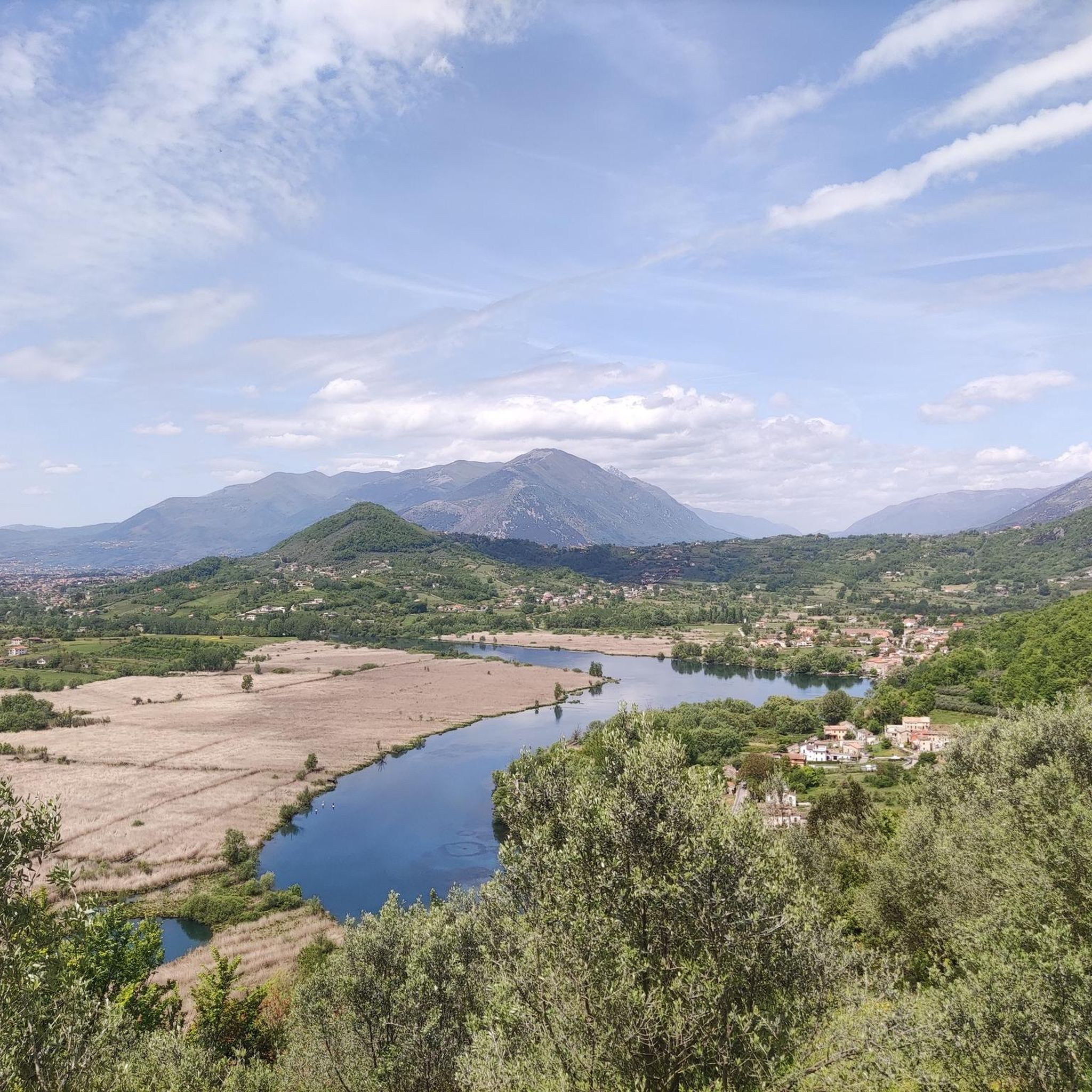
A charming Roman/Medieval village. You can admire the ancient walls of the acropolis of Civitavecchia di Arpino and the tower of the famous composer Cicero. The site offers a magnificent view of the Liri Valley and glimpses of the Comino Valley.
0
0

It is found along the path of San Benedetto going up from Arpino
3
0
The acropolis, with its pointed arch and Cicero's tower, is located above Arpino along the path of San Benedetto
3
0

Roccasecca, located in the province of Frosinone, is a city rich in history and culture. Famous for being the birthplace of St. Thomas Aquinas, it offers interesting historical sites such as the Castle of the Counts of Aquino and the Church of San Tommaso. The village is an excellent destination for those who are passionate about history and want to explore the roots of one of history's greatest philosophers.
1
0

According to some, it can be placed in the middle of the Iron Age between the VIII/VII century BC. the pointed arch of the acropolis of Civitavecchia is the only survivor of its kind in the whole Mediterranean area. This is a typical shelf arch which forms a "scea" door. The whole Acropolis is beautiful, as is the view from up there.
4
0

Acropolis of Arpino, commonly called the Acropolis of Civitavecchia, is an important site for the knowledge of the megalithic architecture of southern Lazio.
2
1

Quiet and panoramic place with the ancient acropolis.
0
0

The Acropolis of Arpino is an archaeological site close to the town of Arpino, one of the most important for the knowledge of the megalithic architecture of southern Lazio, not only for the large extension of the walls but also for their age, greater than that of other sites (according to some, it can be placed in the middle of the Iron Age, 8th/7th century BC), and classifiable according to the scale created by Giuseppe Lugli in the second way. The civitas vetus of the city, a typical example of Volsca fortification, represents one of the best preserved city walls built in polygonal work in pre-Roman times. It was probably the original nucleus of the primitive Volsco settlement (people of the 7th-6th century BC). Of particular significance is the presence of a "pointed arch", the only one of its kind that has survived in the entire Mediterranean area. This is a typical corbel arch, which constitutes a so-called scea door.
3
0
Frequently Asked Questions
What is the historical significance of the castles around Roccasecca?
The castles in the Roccasecca area are deeply rooted in history, serving as defensive strongholds and strategic points. The most prominent, the Castle of the Counts of Aquino, founded in 994, is particularly significant as the traditional birthplace of Saint Thomas Aquinas in 1225. Other sites like the Cicerone Tower and Megalithic Walls of the Acropolis of Arpino showcase pre-Roman fortifications and unique architectural elements.
Can I visit the birthplace of Saint Thomas Aquinas?
Yes, the Castle of the Counts of Aquino in Roccasecca is traditionally recognized as the birthplace of Saint Thomas Aquinas. While largely in ruins, you can explore the site and the medieval district of Castello, where the 'house of St. Thomas' is located, featuring a monumental pointed arch.
What kind of views can I expect from the castle ruins?
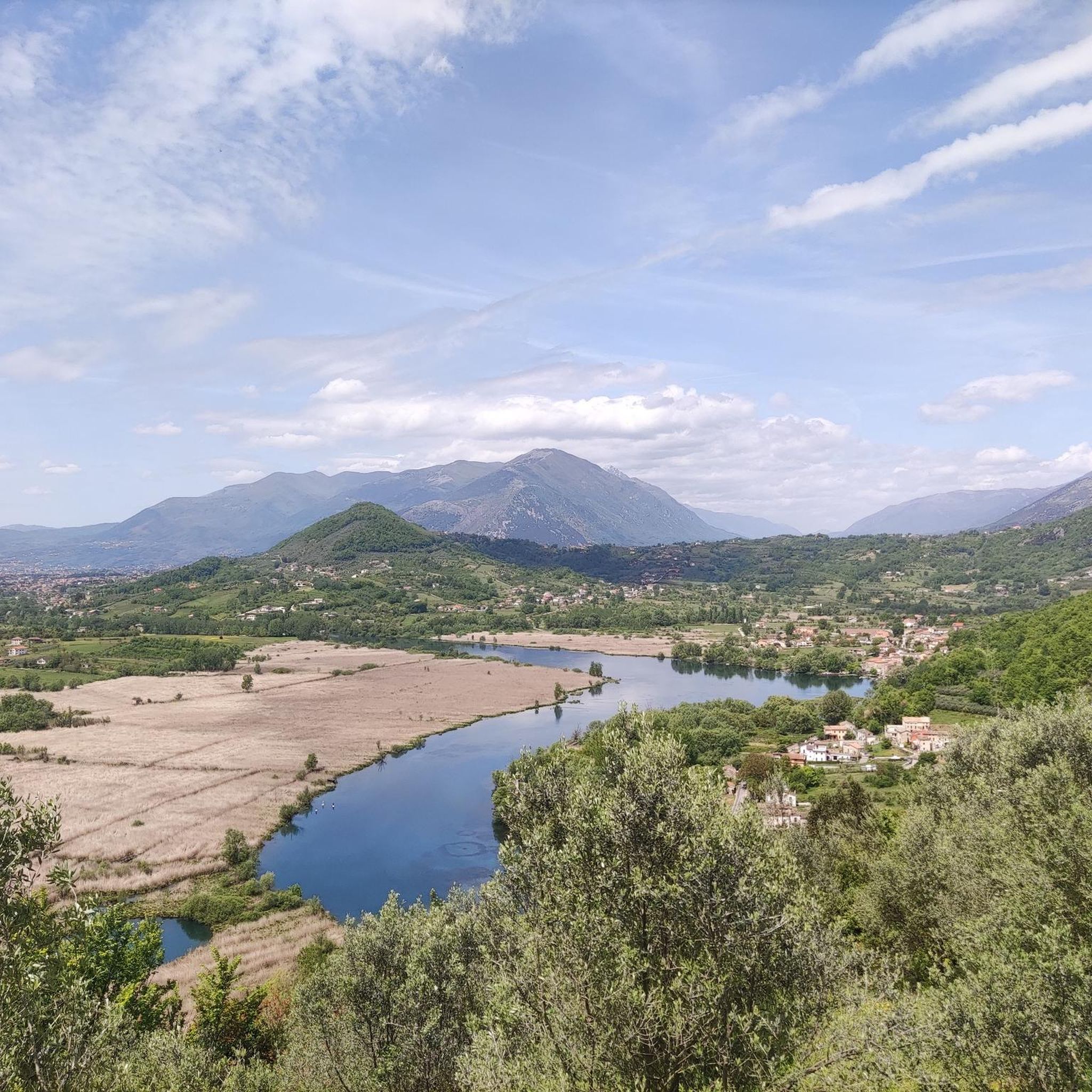
From the summit of Roccasecca, where the Castle of the Counts of Aquino is situated on Mount Asprano, you can enjoy breathtaking panoramic views of the Liri Valley and the surrounding Ciociaria woods. The Acropolis of Civitavecchia (Arpino) also offers excellent vistas.
Are there any unique architectural features among the castles?
Yes, the Cicerone Tower and Megalithic Walls of the Acropolis of Arpino feature a unique 'pointed arch,' which is the only one of its kind to have survived in the entire Mediterranean area. The Castle of the Counts of Aquino also displays a mix of Romanesque and Gothic elements, with fragments of perimeter walls and various turret shapes.
What outdoor activities can I do near the castles?
The Roccasecca area offers various outdoor activities. You can find numerous hiking trails, including routes like the 'Roccasecca – Church of San Tommaso loop' or the 'Church of San Tommaso – Castle of the Counts of Aquino loop'. There are also MTB trails and cycling routes for exploring the region.
Are there family-friendly castle visits in the Roccasecca area?
While the castles are primarily historical ruins, exploring sites like the Castle of the Counts of Aquino and the Acropolis of Civitavecchia (Arpino) can be an engaging educational experience for families interested in history and archaeology. The open-air nature of many sites allows for exploration, though some areas may have uneven terrain.
How long does it take to explore the main castle sites?
Exploring the main sites like the Castle of the Counts of Aquino and the medieval district of Castello can take a few hours, allowing time to appreciate the ruins, views, and historical context. For sites like the Cicerone Tower and Megalithic Walls of the Acropolis of Arpino, plan for a similar duration, especially if you wish to walk along the ancient walls.
What is the best season to visit the castles around Roccasecca?
The best season to visit the castles around Roccasecca is typically spring or autumn. During these times, the weather is pleasant for exploring the outdoor ruins and hiking the surrounding trails. Summers can be hot, while winters might be chilly, though the historical sites are accessible year-round.
What other historical sites are worth visiting near Roccasecca?
Beyond the main castle, the area offers other significant historical sites. The Ladislao Castle, though repurposed over centuries, has parts dating back to the 13th century. Additionally, the Ruins of the Feudo di Montenero and Torre di Montenero offer insights into ancient Roman and Byzantine fortifications.
Are there hiking trails that lead to the castles?
Yes, there are hiking trails that incorporate or lead near the castles. For instance, the 'Church of San Tommaso – Castle of the Counts of Aquino loop' is a moderate 9.7 km hike that allows you to explore the castle and surrounding area. You can find more options on the hiking guide for Roccasecca.
What do visitors enjoy most about Roccasecca?
Visitors particularly appreciate Roccasecca for its rich history and cultural significance, especially its connection to Saint Thomas Aquinas. The blend of ancient acropolises, megalithic walls, and medieval castle ruins, combined with the panoramic views of the Liri Valley, makes it a compelling destination for history enthusiasts and those seeking scenic exploration.
Most popular attractions around Roccasecca

Get inspired with the komoot mobile app


Explore more
Looking for the best castles somewhere else? Discover other guides around Roccasecca:
