Top 4 Castles around Montelanico
Castles around Montelanico are situated in a charming town nestled in the valley of the Lepini Mountains, within the province of Rome. This area boasts a rich history dating back to Roman times, with significant development during the Middle Ages around the year 1000. While not home to grand, fully preserved castles, Montelanico offers remnants of its medieval past through defensive structures and historical sites. Exploring these locations provides insight into the region's historical significance and defensive strategies.
Best castles…
Last updated: June 30, 2026
Giardini di Ninfa
Highlight • Natural Monument
Translated by Google •
Tip by

Historic Center of Sermoneta
Highlight • Historical Site
Translated by Google •
Tip by
Sign up now to discover places like this
Get recommendations on the best single tracks, peaks, & plenty of other exciting outdoor places.
Sign up for free
Ninfa Gardens and Medieval Tower
Highlight • Historical Site
Translated by Google •
Tip by

Caetani Castle, Sermoneta
Highlight • Castle
Translated by Google •
Tip by

Baronial Palace of Gavignano
Highlight • Castle
Translated by Google •
Tip by

Sign up for free to discover even more castles around Montelanico.
Sign up for free
Already have an account?
Start today with a free account
Your next adventure awaits.
Login or Signup
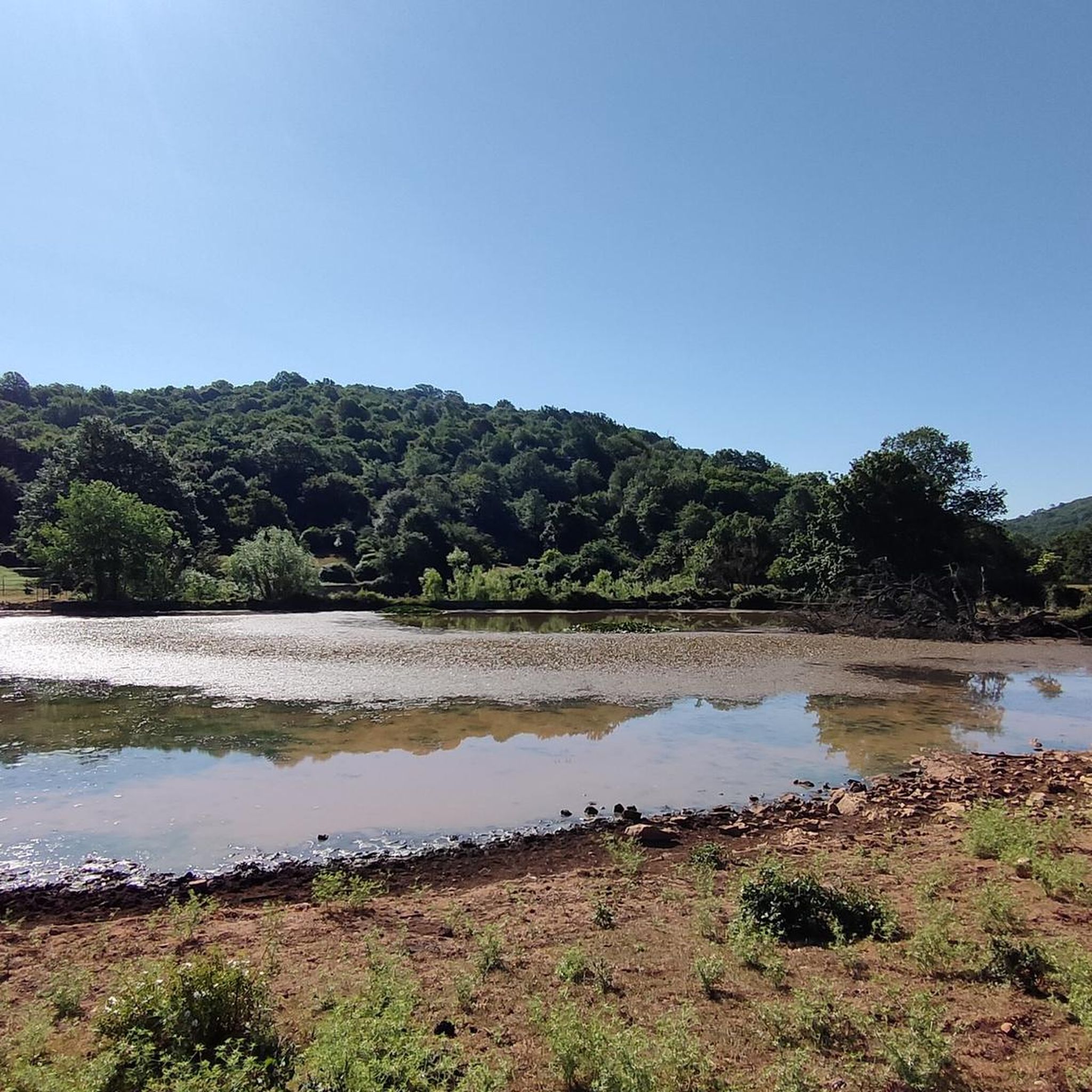
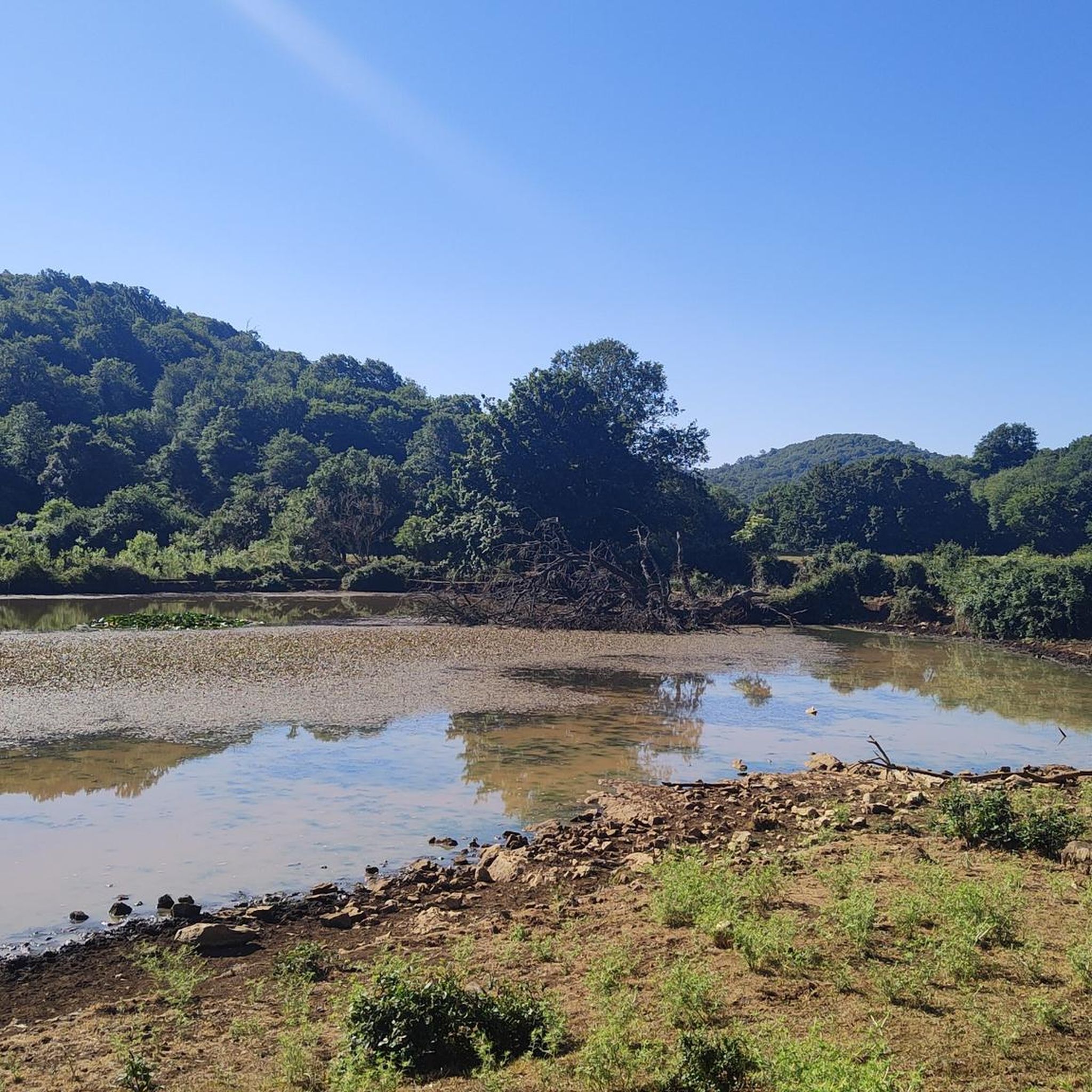
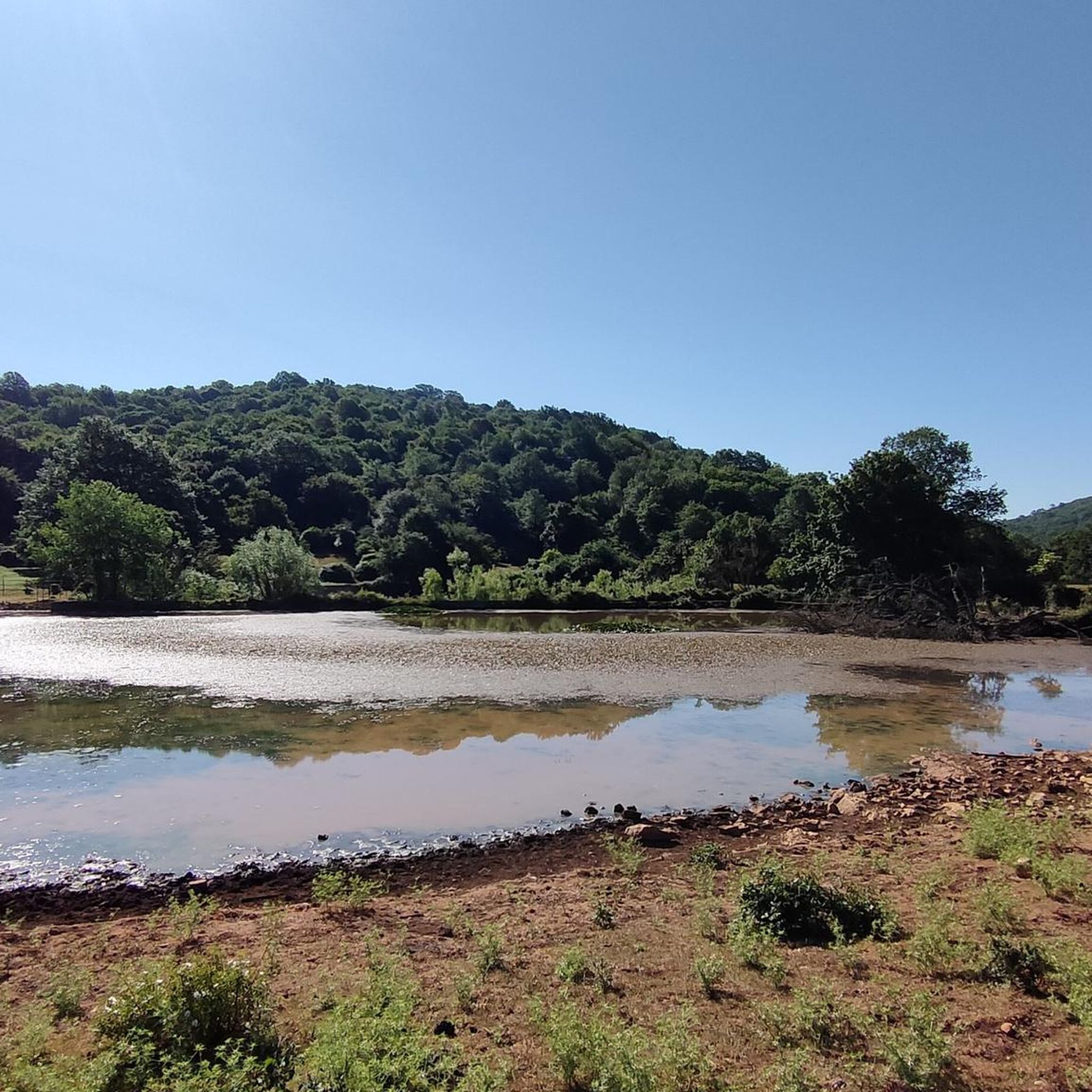
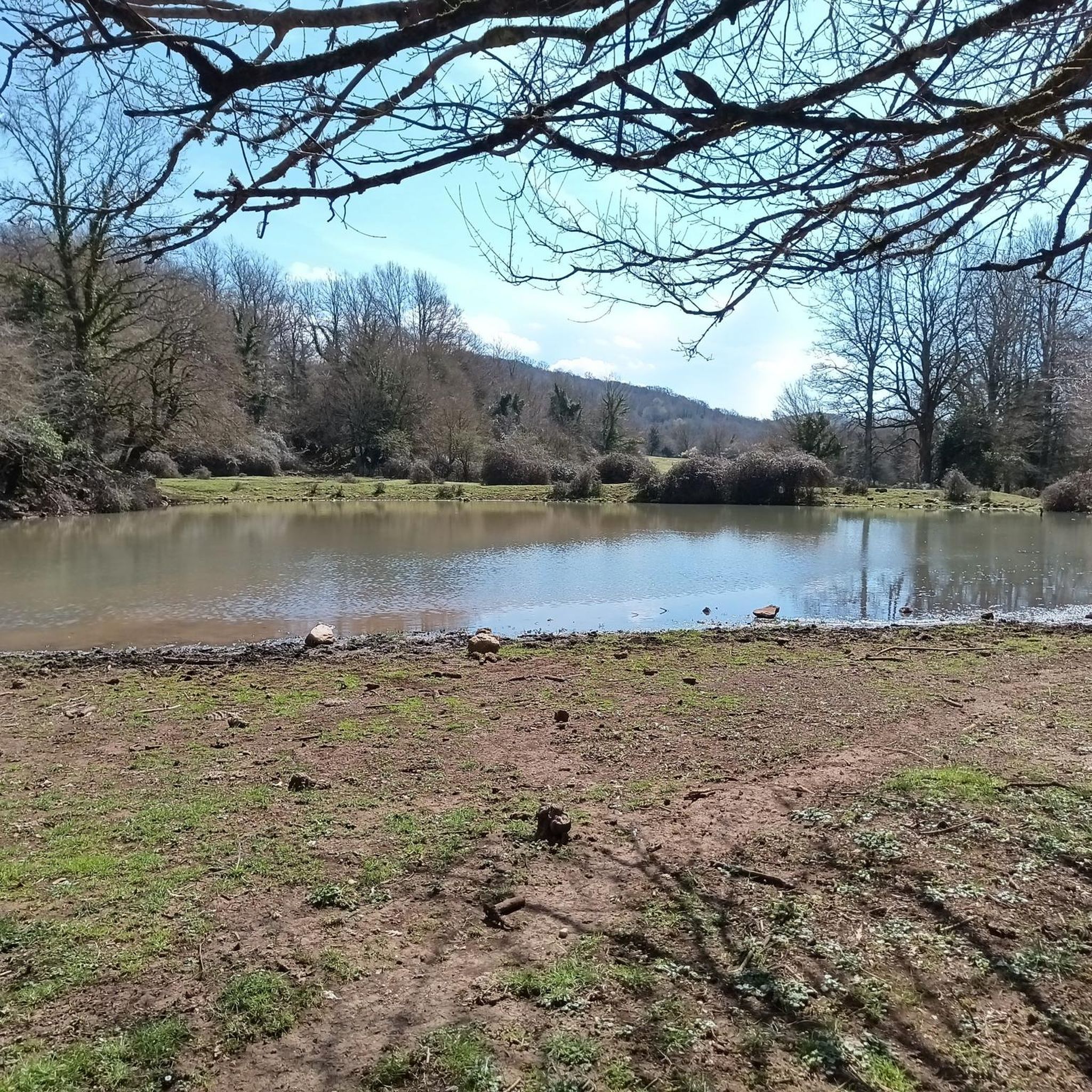

Tips from the Community


Very beautiful places and absolutely worth seeing ❤️
0
0

Sermonata lies on the steep southern slope of the Monti Lepini, a low mountain range north of the Pontine Plain. Behind a city wall lies a medieval town center and the Castello Caetani hilltop castle, which is reached via a few steps. A wonderful view awaits those who find their way up. https://de.wikipedia.org/wiki/Castello_Caetani
0
0

For visits, consult the website of the Caetani foundation or the LIPU of Latina.
0
0

Nice to wander around the narrow streets of the town
0
0

Very characteristic and suggestive village not to be missed
0
0
Beautiful place, I passed there along the southern Via Francigena
0
0
Spectacular medieval town that deserves a visit to its spectacular alleys
0
0
Frequently Asked Questions
What kind of historical sites and castles can I explore around Montelanico?
Around Montelanico, you'll discover remnants of medieval defensive structures and historical town centers rather than grand, fully preserved castles. The Historic Castle of Montelanico itself is now integrated into the town's medieval center, offering winding alleyways and visible defensive wall remains. Other notable sites include the historical mentions of the Castle of Collemezzo and the Castle of Pruni, which were part of the region's medieval fortifications. Further afield, you can visit the impressive Caetani Castle in Sermoneta and the Baronial Palace of Gavignano, which has been significantly transformed but retains its historical essence.
Are there any family-friendly castle-related attractions near Montelanico?
Yes, for a family-friendly experience that combines nature and history, consider visiting the Giardini di Ninfa. This natural oasis is set amidst the medieval ruins of an ancient village, including castle remnants, and is often described as one of the most beautiful gardens in the world. It offers a unique blend of lush vegetation, streams, and historical structures, making it an engaging visit for all ages.
What are some of the most popular historical sites to visit in the Montelanico area?
Beyond Montelanico's own medieval center, the Historic Center of Sermoneta is highly regarded. It's a timeless medieval town featuring the prominent Caetani Castle. Another popular destination is the Giardini di Ninfa, which combines a stunning English garden with medieval ruins, including a tower, offering a unique historical and natural experience.
Can I find good viewpoints or scenic spots near the castles?
Absolutely. The Caetani Castle in Sermoneta, situated on the steep southern slope of the Monti Lepini, offers wonderful panoramic views from its hilltop position. Similarly, the Ninfa Gardens and Medieval Tower provide splendid views of the Pontine countryside, extending all the way to the sea from nearby Norma.
What outdoor activities can I combine with visiting castles around Montelanico?
The Montelanico area is excellent for outdoor enthusiasts. You can find numerous routes for hiking, running, and cycling. For hiking, explore options like the 'From Campo di Segni to Monte Lupone - ring tour' or the 'Loop of Mount Lupone from Segni'. Cycling routes include scenic rides like the 'Fountain of the Putti loop from Montelanico'. You can find more details and routes in the Hiking around Montelanico, Running Trails around Montelanico, and Cycling around Montelanico guides.
Are there specific hiking trails that pass by or near historical castle sites?
While Montelanico's own medieval center is best explored on foot within the town, the broader region offers trails that connect to historical areas. For instance, the Historic Center of Sermoneta, with its castle, is often part of more challenging routes in the Lepini Mountains. You can explore various hiking options in the Hiking around Montelanico guide to find routes that might incorporate these historical points of interest.
What is the best time of year to visit the castles and historical sites in the Montelanico region?
The Montelanico region, like much of central Italy, is pleasant to visit in spring (April-June) and autumn (September-October) when the weather is mild and comfortable for exploring historical sites and engaging in outdoor activities. Summer can be hot, especially in July and August, but still enjoyable, particularly if you plan visits for mornings or late afternoons. Winter offers a quieter experience, though some attractions might have reduced hours.
What do visitors enjoy most about the historical sites and castles in this area?
Visitors frequently highlight the unique atmosphere of these historical locations. For instance, the Historic Center of Sermoneta is praised as a 'timeless town wrapped in a unique and evocative atmosphere' with 'spectacular medieval alleys'. The Giardini di Ninfa are celebrated for their 'floral splendor' and being a 'natural oasis located among the medieval ruins', offering a truly romantic and beautiful experience.
How can I learn more about the history of Montelanico and its medieval past?
Montelanico's history is deeply intertwined with its medieval development, centered around its original castle from 1154. The town changed hands between powerful families like the Counts of Ceccano, Segni, and Barberini. Exploring the current Medieval Town Centre allows you to walk through centuries of history embedded in its architecture. For broader regional context, you might find additional information on the official tourism website for the Lazio region: visitlazio.com.
Are there any specific tips for visiting the Giardini di Ninfa?
The Giardini di Ninfa are an extraordinary English garden. Visitors recommend checking the website of the Caetani foundation or LIPU of Latina for current visiting hours and booking information, as access is often guided and requires advance planning. It's an area of 8 hectares with over 1300 plant species, best appreciated through a guided tour.
Is the Baronial Palace of Gavignano worth visiting?
The Baronial Palace of Gavignano is a significant historical site, originally built by the Counts of Segni. While it has undergone many transformations since its destruction in 1495, it became a substantial castle-residence. It's notable for being the birthplace of Pope Innocent III. Recent interventions have aimed to restore its ancient medieval aspect, offering a glimpse into the region's noble past.
Most popular routes around Montelanico
Most popular attractions around Montelanico

Get inspired with the komoot mobile app


Explore more
Looking for the best castles somewhere else? Discover other guides around Montelanico:
