Top 18 Castles around Gubbio
Best castles around Gubbio are found in this captivating medieval town in Umbria, Italy, which boasts a rich history reflected in its impressive array of fortified structures. Nestled in the surrounding countryside, these sites offer unique features and reasons to visit, from grand civic palaces to ancient ruins. The city walls still run around the historic center, embedded in a landscape and a panorama that showcases its strategic importance. Gubbio's medieval urban planning and architectural prowess make it a compelling…
Last updated: October 16, 2026
Historic Center of Gubbio
Highlight • Historical Site
Translated by Google •
Tip by

Biscina Castle
Highlight • Castle
Translated by Google •
Tip by
Sign up now to discover places like this
Get recommendations on the best single tracks, peaks, & plenty of other exciting outdoor places.
Antognolla Castle
Highlight • Castle
Translated by Google •
Tip by

Fortress of Aries
Highlight • Castle
Translated by Google •
Tip by

Rocca di Umbertide
Highlight • Castle
Translated by Google •
Tip by

Sign up for free to discover even more castles around Gubbio.
Already have an account?
Start today with a free account
Your next adventure awaits.
Popular around Gubbio
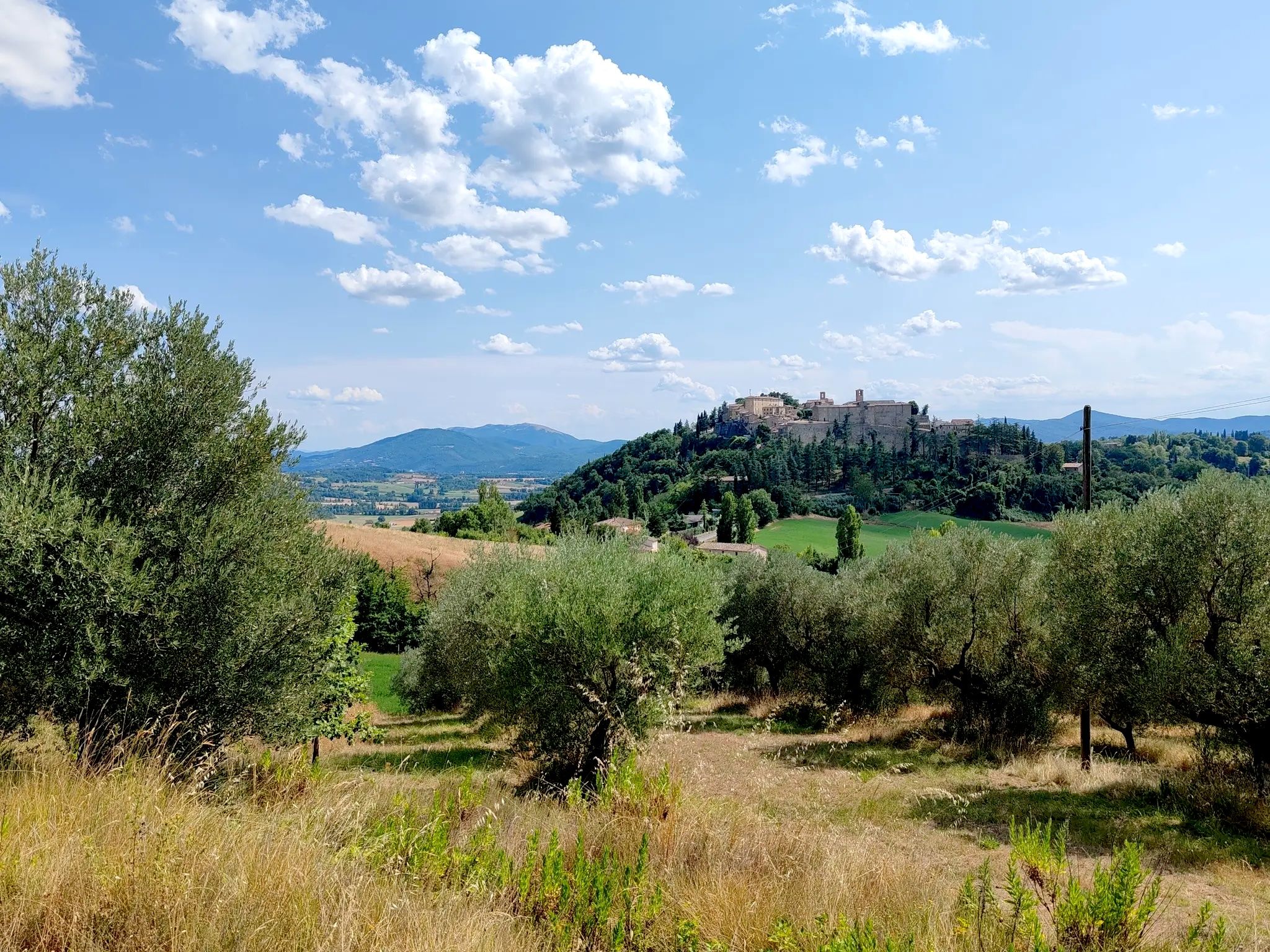
Day rides in the heart of Umbria – a Journey through History
Apennine Cycle Route (Part 1) - From Liguria to Umbria
In the footsteps of St. Francis - Cammino di Assisi
Cycle the St. Francis Way in Italy – Via del Nord
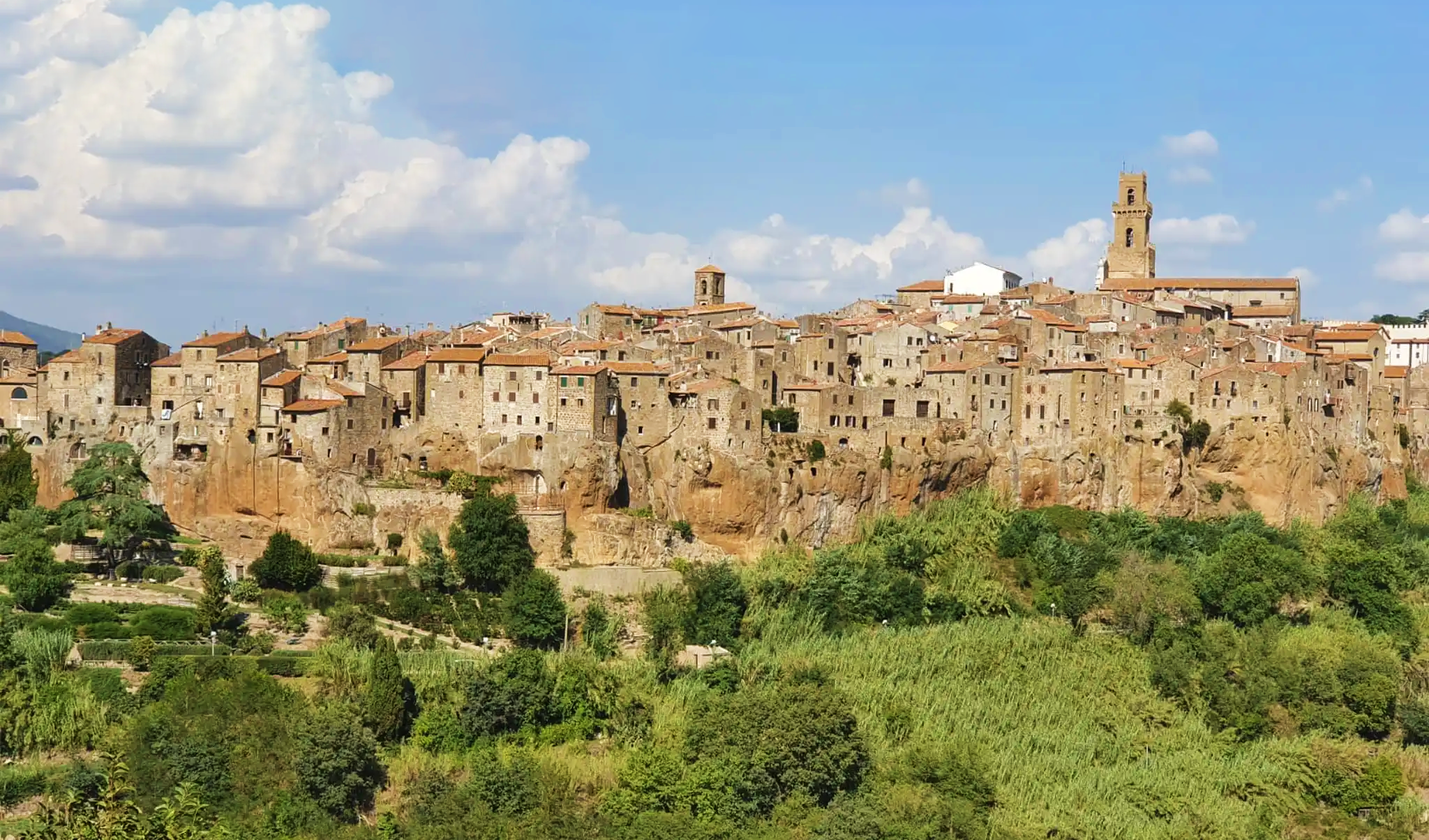
Italy coast to coast by bike – Orbetello to Senigallia
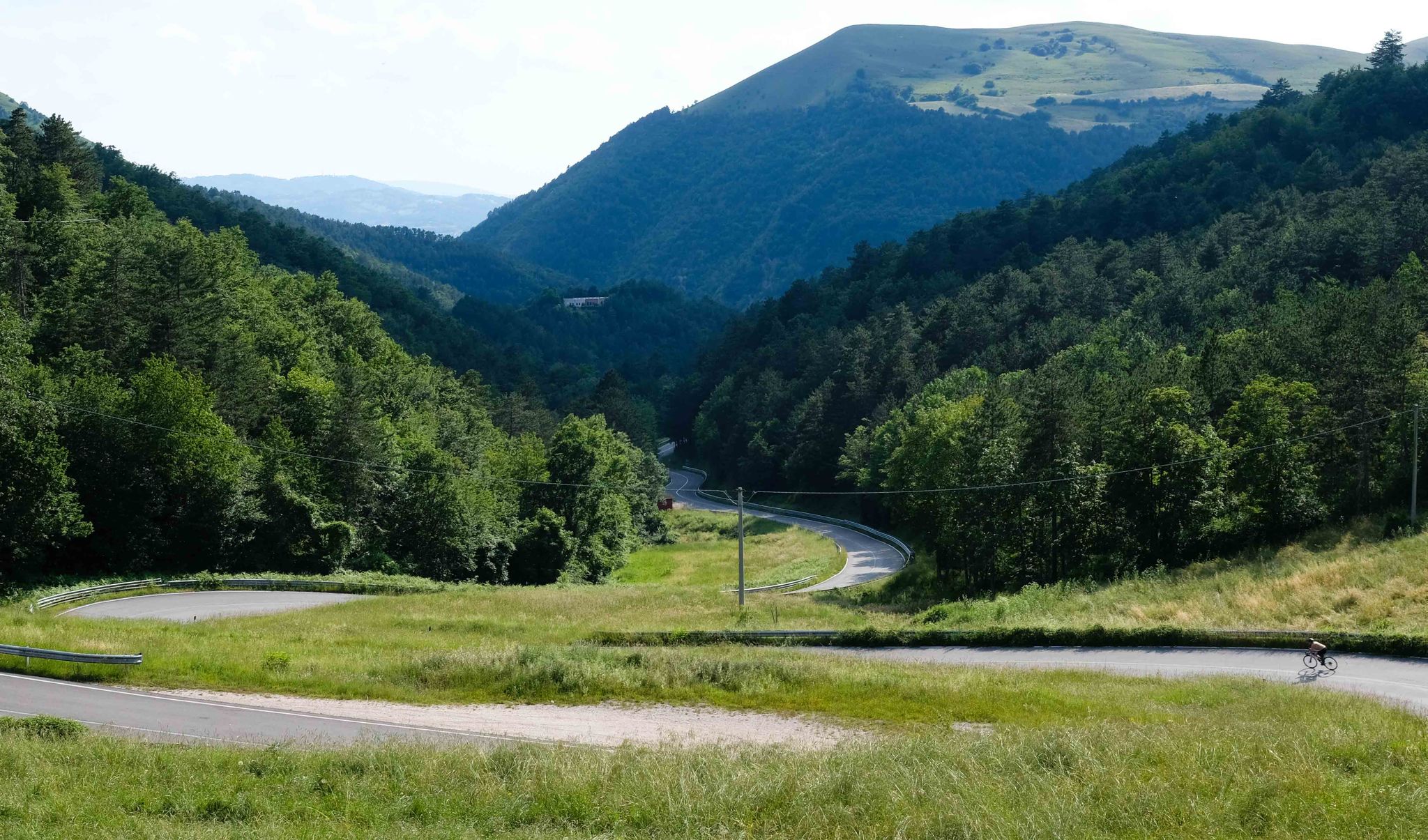
Italy’s Coast to Coast – pedalling from the Adriatic to Tyrrhenian Sea
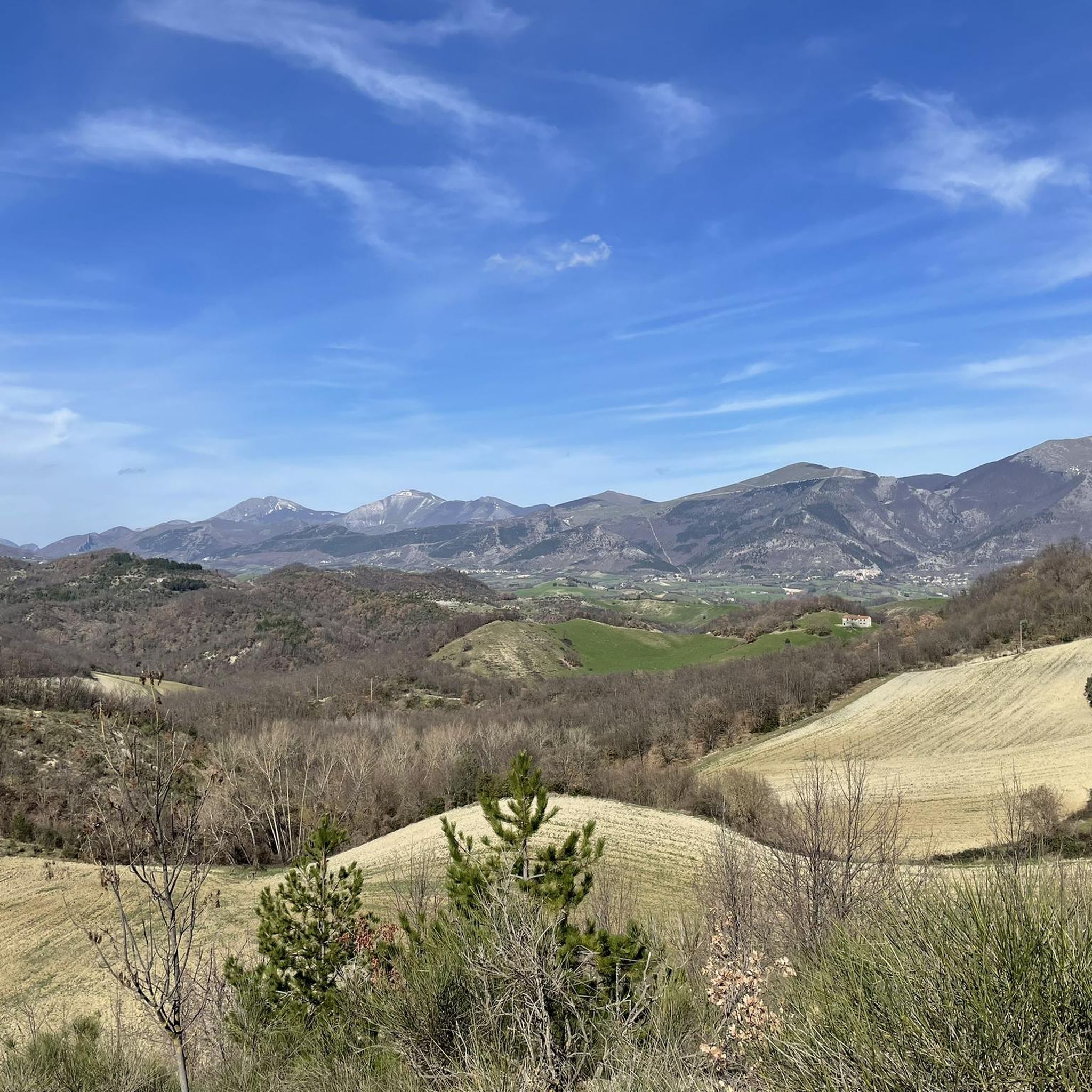
Hiking around Gubbio
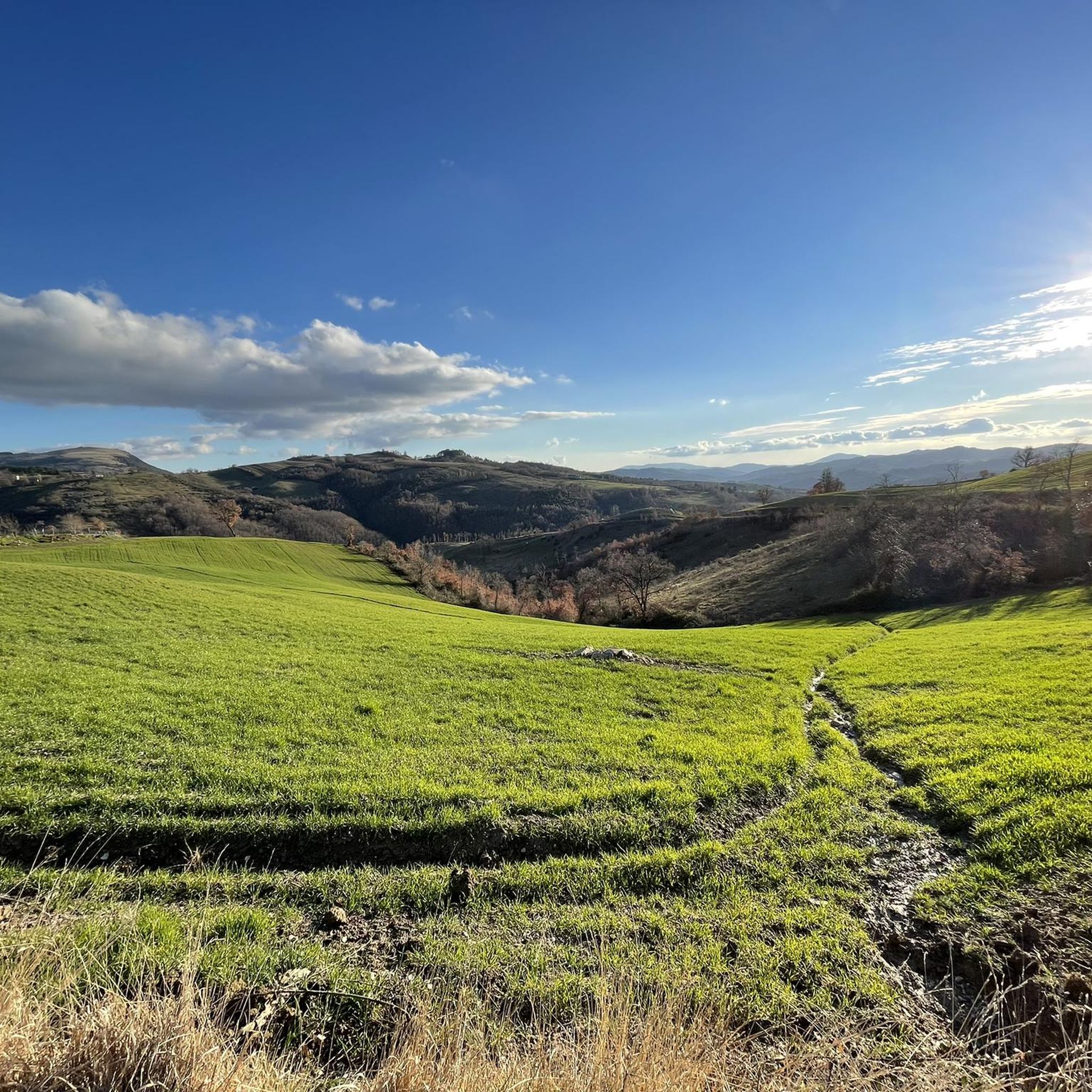
Road Cycling Routes around Gubbio
Cycling around Gubbio
MTB Trails around Gubbio
Other adventures around Gubbio


Tips from the Community

Antognolla Castle, located on the slopes of Monte Tezio and now part of an exclusive golf club, owes its name to the ancient Antognolla family of Perugia. First mentioned in 1174 for the presence of a Benedictine monastery, it became a fiefdom in 1399 at the behest of Pope Boniface IX. Over the following centuries, it was at the center of conflicts between noble families, until it passed to the Oddi family in 1628 and then to the Guglielmi family in 1836. After a period under the Agnelli family, it was recently restored to become a luxury resort.
0
0

The Aries fortress, near Montone, has very ancient origins, it was built by the Fortebracci family on the remains of an ancient fortress to defend the primitive population. There is news of it since the year one thousand, but it is from 1376 that the fortress begins to intertwine its history with the Fortebracci family. In that year Oddo III, father of the famous Braccio, conquered it, bringing it back under the hegemony of the nearby Città di Castello.
0
0

Umbertide is located in a green valley bathed by the Tiber.
1
0

There is no certain information on the date of foundation of this castle nor on the origin of its name. Biscina, derived from the word "biscia", could refer to the course of the Chiascio river which draws curves downstream that recall the movement of a snake. What is certain is known that between the 10th and 14th centuries the castle was part of a complex of fortifications belonging to the Bigazzini di Coccorano, the local lords. Today the structure is in a state of abandonment, the last renovation dates back to the seventies but the complex was seriously damaged by the 1984 earthquake.
1
0

The medieval town of Gubbio has almost completely preserved its appearance. The city walls, which still run around the historic center with buildings from different eras - from the Middle Ages to the Renaissance - on the beautiful slopes of the mountain, are architecturally unique, embedded in a landscape and a panorama that takes the visitor's breath away.
2
0
The castle complex, which can be seen from afar, dates back to the twelfth century and belonged to the Coccorano family. In earlier times it connected three important points in the surrounding region and was of strategic importance in order to be able to defend against possible enemies. Over the years it passed through the hands of numerous owners who had it restored several times.
4
1

Gubbio is the city of pilgrims. Super welcome. The Monastery of San Francesco at the foot of the city is recommended. Ask someone from Gubbio to tell you about the race of the candles, you will be fascinated by it
0
0

A legend tells of the taming of the "Wolf of Gubbio" by Francis of Assisi. The wolf is considered an attribute of Francis.
1
1
Frequently Asked Questions
What are some of the most historically significant castles and fortified structures around Gubbio?
Gubbio is rich in history, with several notable structures. The Historic Center of Gubbio itself is considered one of the most beautiful medieval cities, built entirely of stone and beautifully preserved. While not a castle in the traditional sense, the Palazzo dei Consoli is an undisputed symbol of Gubbio's medieval power and autonomy, housing the Civic Museum and the ancient Iguvine Tablets. Further afield, Antognolla Castle has a history dating back to a Benedictine monastery in 1174, and Biscina Castle, though now a ruin, was a strategically important complex from the 12th century.
Are there any family-friendly castles or historical sites to visit near Gubbio?
Yes, several sites are suitable for families. The Fortress of Aries is noted as family-friendly and offers an excellent panoramic view, easily accessible on foot or by bicycle. The Rocca di Umbertide, a mighty fortress from 1389, is also considered family-friendly and is a symbol of the nearby town of Umbertide, with its historic center still surrounded by medieval walls.
What kind of outdoor activities can I do near the castles around Gubbio?
The area around Gubbio offers numerous opportunities for outdoor activities. You can find many trails for hiking, mountain biking, and gravel biking, especially leading to sites like the Fortress of Aries. For more structured activities, you can explore various routes for hiking around Gubbio, running trails, and road cycling routes. Some castles, like Castello di Magrano and Castello di Petroia, are set within vast estates with walking paths and even offer unique activities like truffle hunting and falconry.
Which castles offer accommodation or a luxurious experience?
For a luxurious stay, Antognolla Castle has been restored to become a luxury resort, complete with an exclusive golf club. Similarly, Castello Gubbio (also known as Castello di Magrano) retains its medieval exterior but offers a luxurious and comfortable atmosphere inside, set within a vast estate. Castello di Petroia, a 12th-century fortress, has been converted into an elegant relais with luxury suites and authentic Umbrian experiences.
Are there any castles near Gubbio that offer panoramic views?
Absolutely. The Historic Center of Gubbio itself provides breathtaking panoramas from its elevated position. The Palazzo dei Consoli features a panoramic terrace with stunning views of the town. The Fortress of Aries is situated in an excellent panoramic and strategic position, offering wide views of the area. Additionally, the remains of the Rocca Maggiore del Monte Ingino offer a spectacular 360-degree panorama of Gubbio and the surrounding landscape.
What is the best time of year to visit the castles around Gubbio?
The best time to visit the castles and explore the Gubbio region is generally during the spring (April to June) and autumn (September to October). During these seasons, the weather is pleasant for walking and outdoor activities, and the natural scenery is particularly beautiful. Summers can be hot, while winters are cooler but offer a different, quieter charm.
Can I visit castles that are still well-preserved or are they mostly ruins?
You'll find a mix. The Historic Center of Gubbio is exceptionally well-preserved. Castles like Antognolla Castle, Castello Gubbio (Magrano), and Castello di Petroia have been thoughtfully restored and are in excellent condition, often serving as luxury accommodations. However, some, like Biscina Castle, are largely in a state of abandonment or ruin, offering a glimpse into their past strategic importance rather than a full interior visit.
Are there any castles with unique historical anecdotes or connections?
Yes, several castles have fascinating stories. Castello di Petroia is historically significant as the birthplace of Federico da Montefeltro, a renowned Renaissance Duke. Castello Gubbio (Magrano) has a unique connection, having been owned by descendants of Napoleon Bonaparte since 1830. Castello di Giomici has a colorful past, including being involved in battles and reportedly sheltering the 19th-century bandit Cinicchia, known as the 'Robin Hood of Umbria'.
What kind of architecture can I expect to see among Gubbio's castles and fortified buildings?
Gubbio's structures showcase a range of medieval architecture. The Palazzo dei Consoli is a prime example of elegant yet sober Gothic architecture. Many castles, like Castello di Giomici, feature classic medieval defensive structures with thick stone walls, towers, and battlements. The Historic Center of Gubbio itself is a testament to medieval urban planning, with its stone buildings and city walls reflecting different eras from the Middle Ages to the Renaissance.
Are there any hidden or less-known castles worth exploring near Gubbio?
While some castles are well-known, others offer a more secluded experience. Castello di Giomici, an 11th-century fortress, is strategically located on a hill and offers a chance to immerse oneself in centuries of history within a meticulously preserved setting, providing a tranquil escape. The remains of the Seconda Rocca della Cima, a 14th-century medieval castle, are largely in ruins today but remain an important historical landmark for those interested in exploring less-trodden paths.
What do visitors enjoy most about the castles and historical sites in Gubbio?
Visitors frequently appreciate the well-preserved medieval appearance of Gubbio's historic center and the architectural uniqueness of its city walls. The imposing presence and historical significance of structures like the Palazzo dei Consoli are often highlighted. Many enjoy the blend of historical grandeur and natural beauty offered by castles set in the Umbrian countryside, as well as the panoramic views from various viewpoints. The komoot community has shared over 100 photos and given 88 upvotes to the castles around Gubbio, indicating a strong appreciation for their beauty and historical value.
Most popular attractions around Gubbio

Get inspired with the komoot mobile app


Explore more
Looking for the best castles somewhere else? Discover other guides around Gubbio:
