Top 5 Caves around Vigo Di Fassa
Best caves around Vigo Di Fassa are found within the broader Trentino region, which is characterized by its Dolomite landscapes and rich geological history. The area features formations from ancient tropical seas and volcanic activity, offering diverse underground environments. While Vigo di Fassa itself is known for outdoor activities, significant natural cave systems require travel further into Trentino. The region provides opportunities to explore both natural geological formations and historical sites with cave elements.
Best caves around Vigo Di Fassa
…Last updated: June 30, 2026
World War I Caves
Highlight • Cave
Translated by Google •
Tip by

Tschetter Loch Cave
Highlight • Cave
Translated by Google •
Tip by

Sign up now to discover places like this
Get recommendations on the best single tracks, peaks, & plenty of other exciting outdoor places.
Sign up for free
Austrian World War I Tunnel on Via Ferrata Bepi Zac
Highlight • Historical Site
Translated by Google •
Tip by

Italian World War I Position at Lech della Campagnola
Highlight • Historical Site
Translated by Google •
Tip by

Cave with Ancient Rock Paintings
Highlight • Cave
Translated by Google •
Tip by

Sign up for free to discover even more caves around Vigo Di Fassa.
Sign up for free
Already have an account?
Start today with a free account
Your next adventure awaits.
Login or Signup
Popular around Vigo Di Fassa
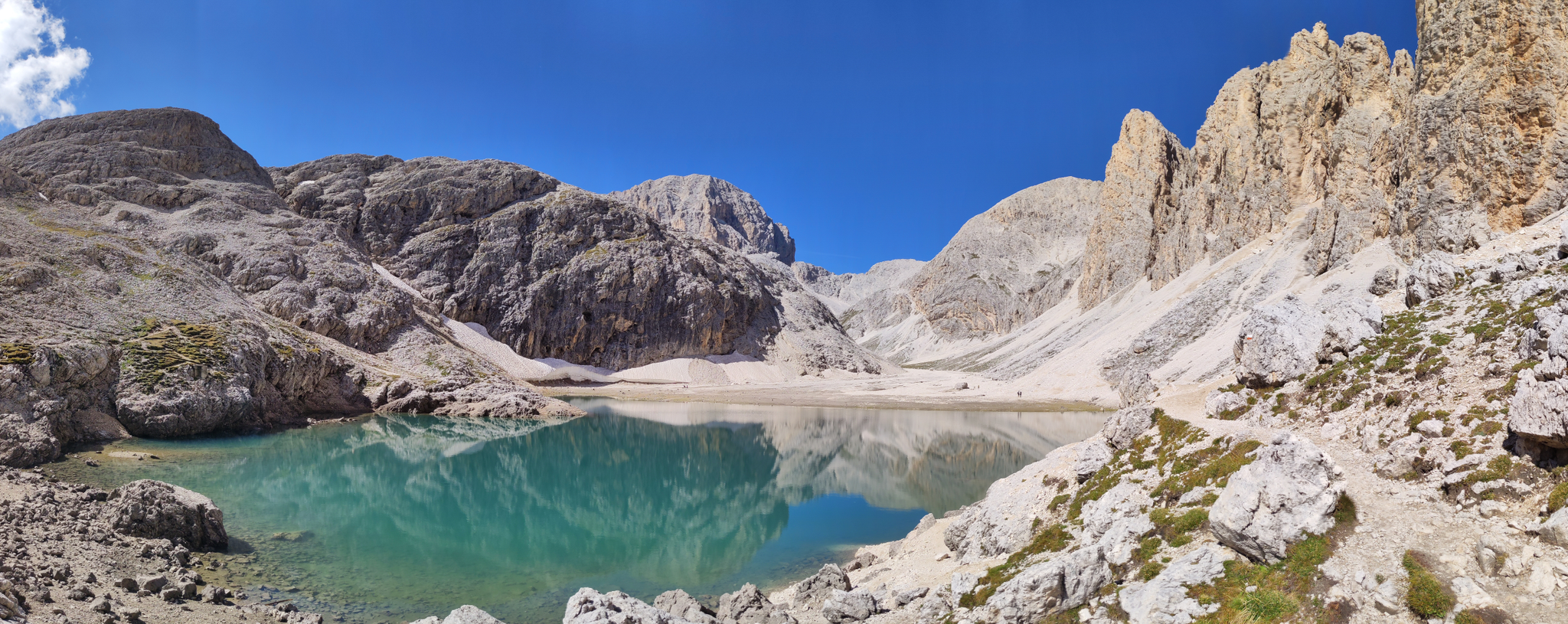
Dolomiti Trek-King – autumnal wonder
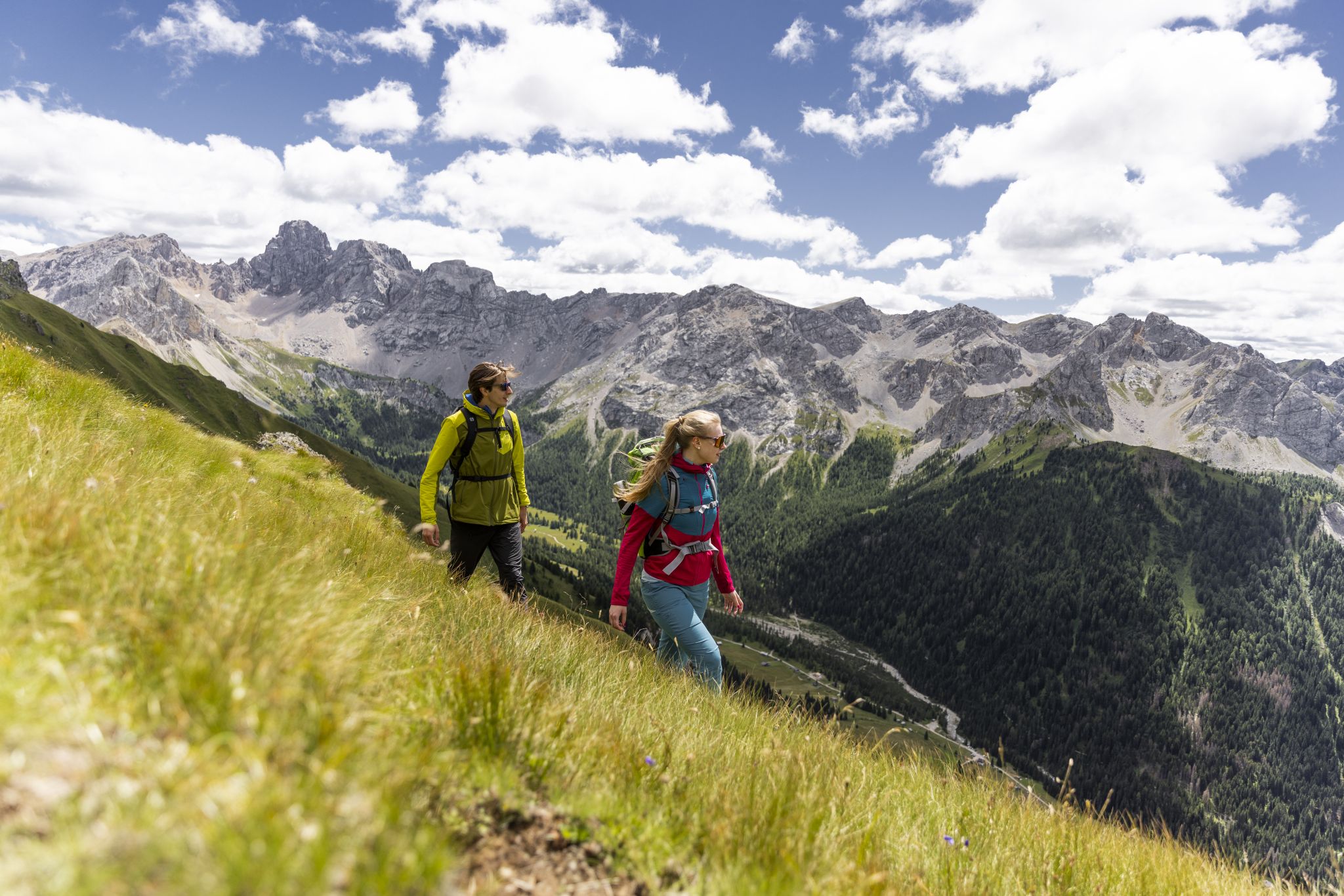
Exploring the heart of the Dolomites – five hikes in Val di Fassa
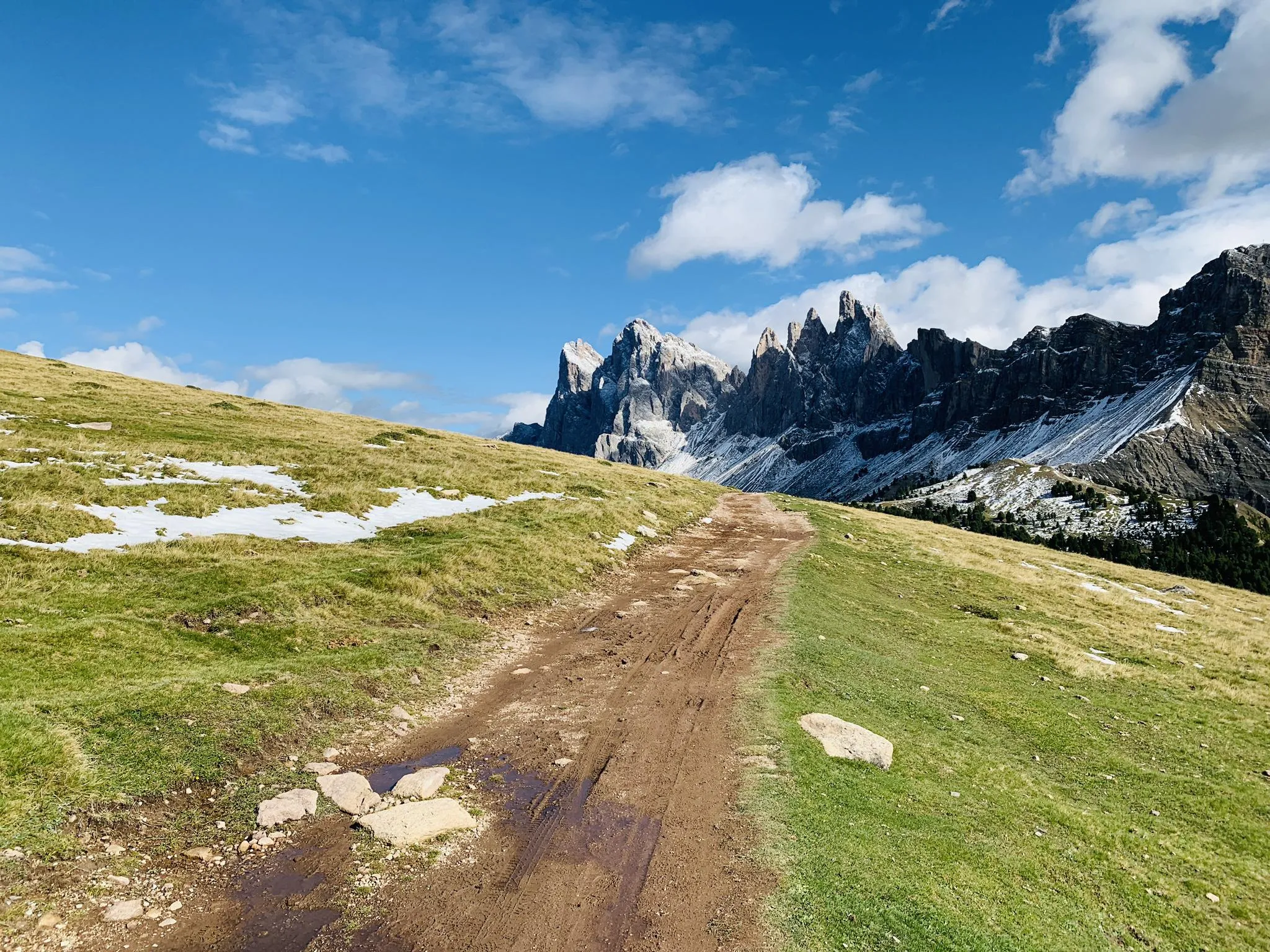
Between gorges and peaks – Dolomites UNESCO Geotrail
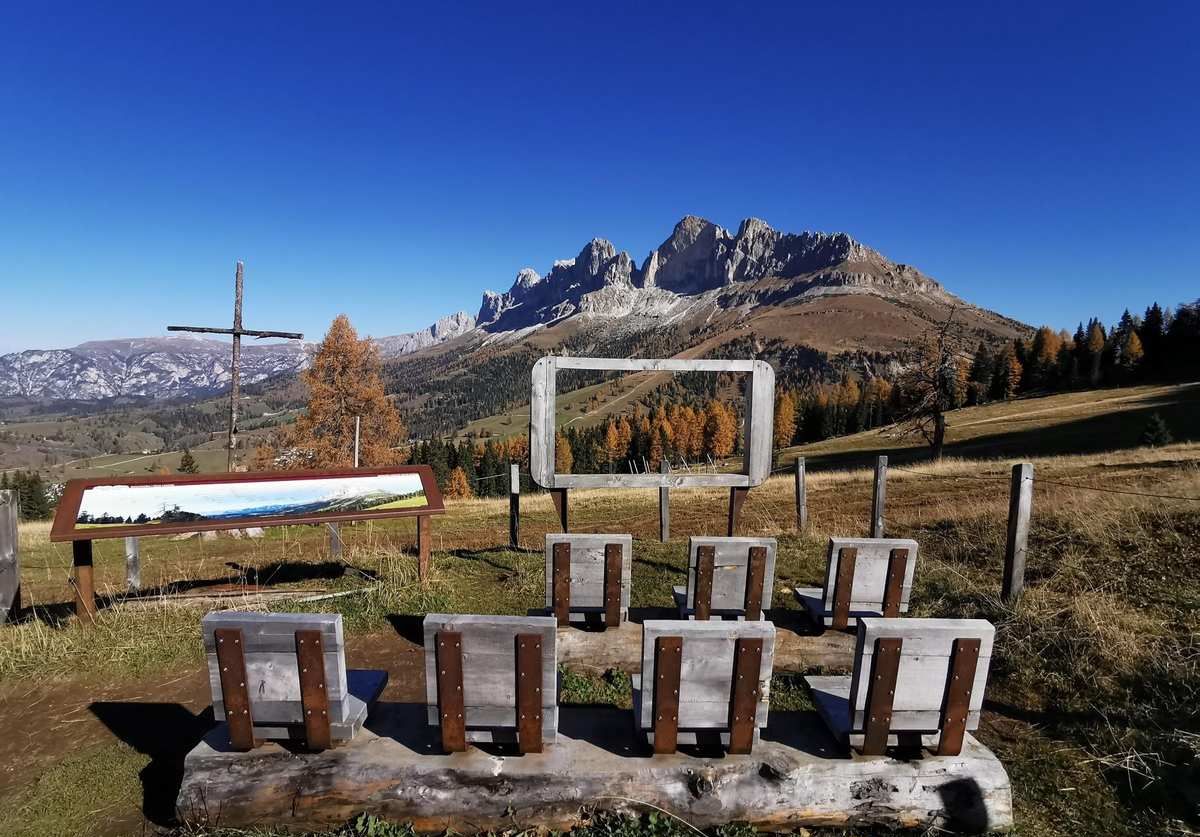
Exploring the beautiful Val d'Ega – hiking in the Dolomites
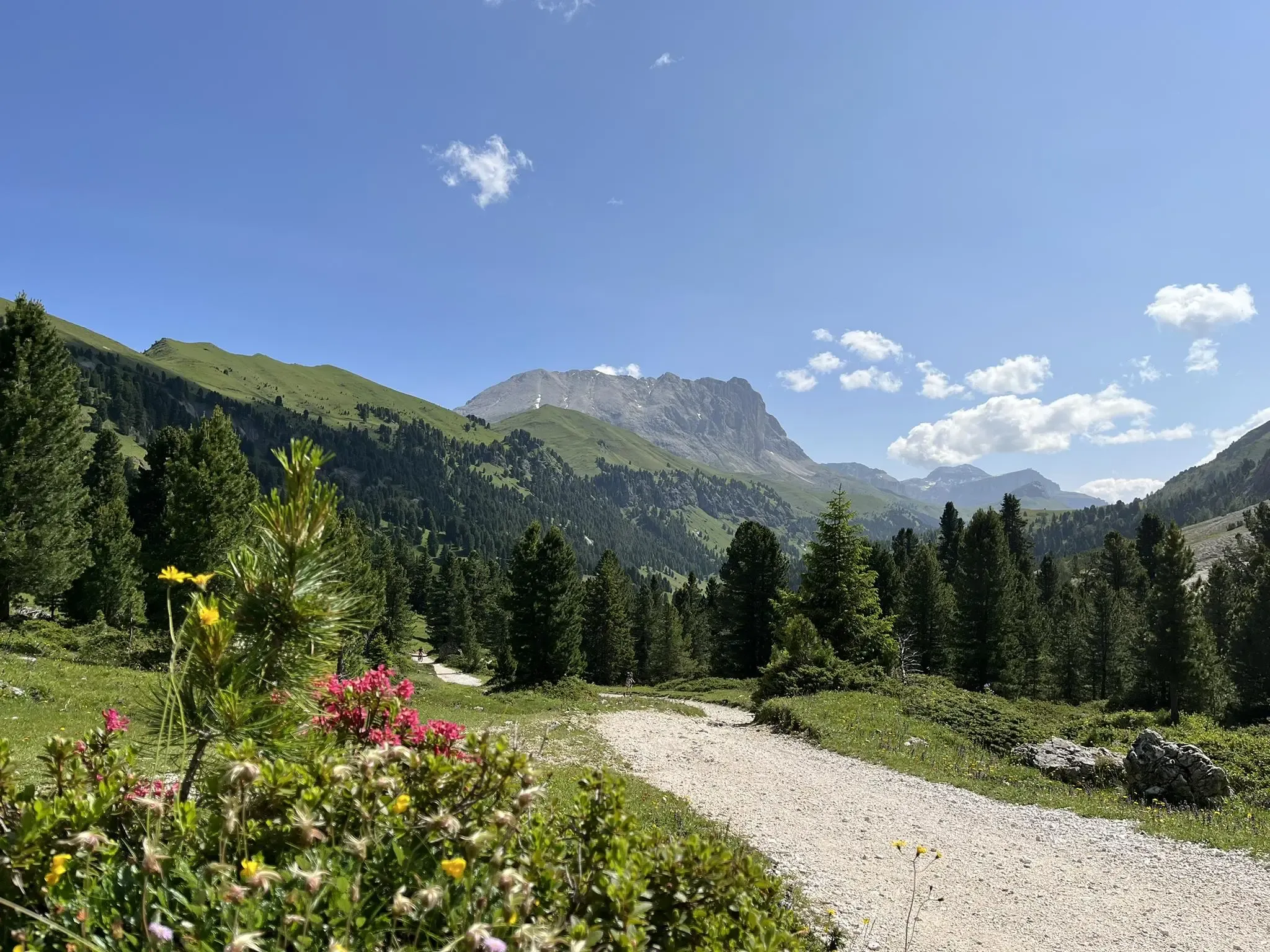
Three days in the Val di Fassa – Dolomiti Trek-King
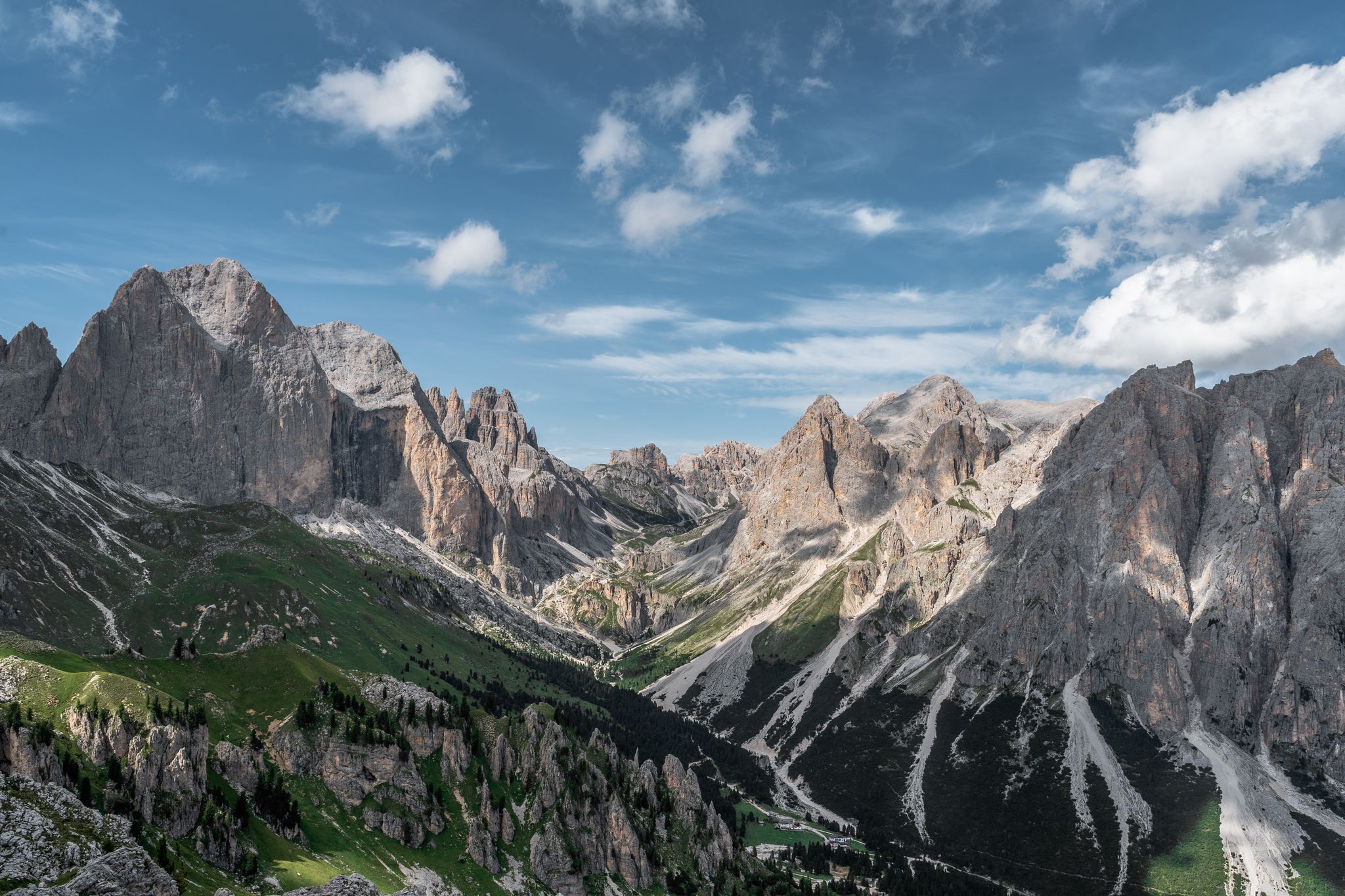
Between lakes, refuges and forests – trekking in the Fassa Valley Dolomites
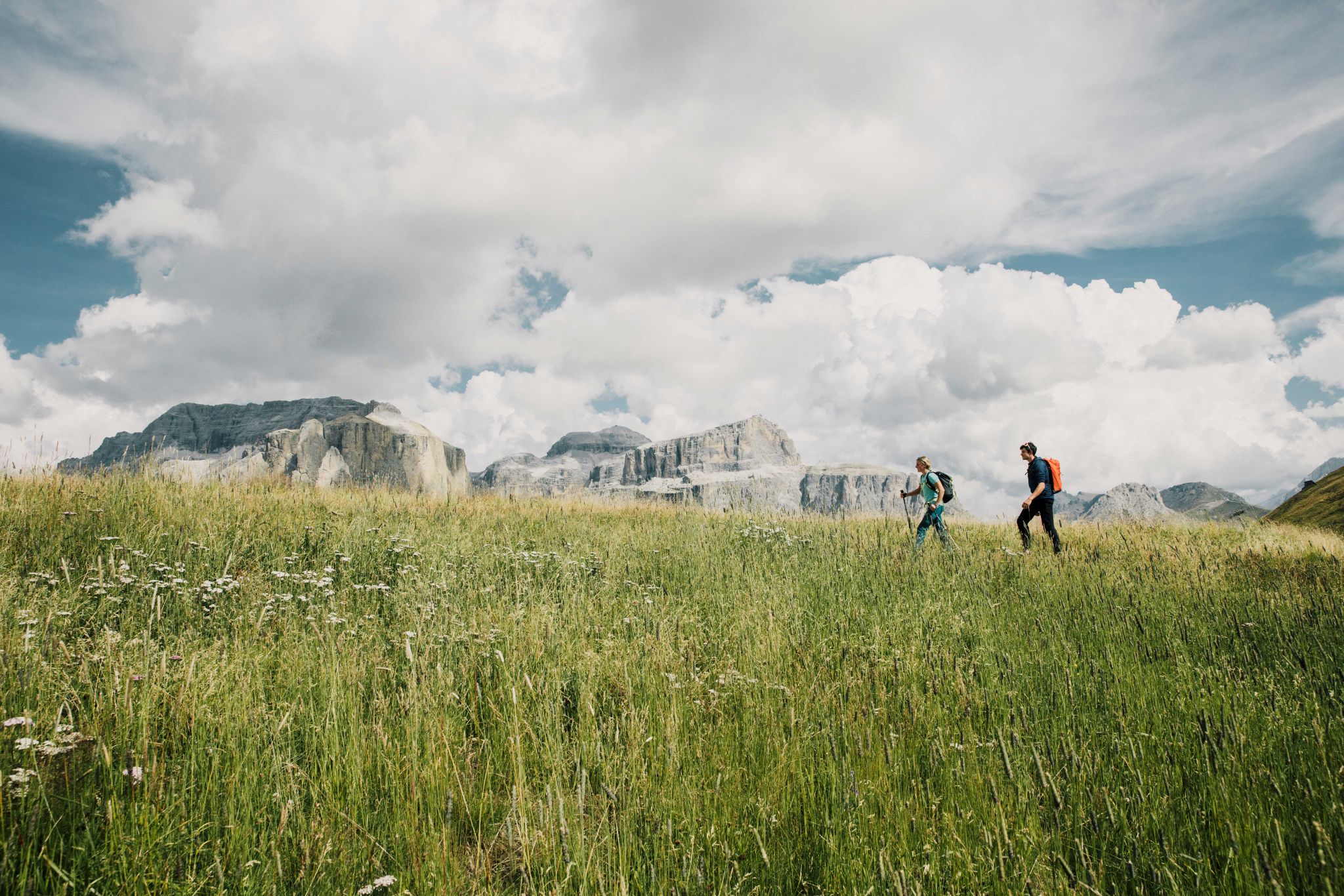
From refuge to refuge in the Fassa Dolomites – Dolomiti Trek-King
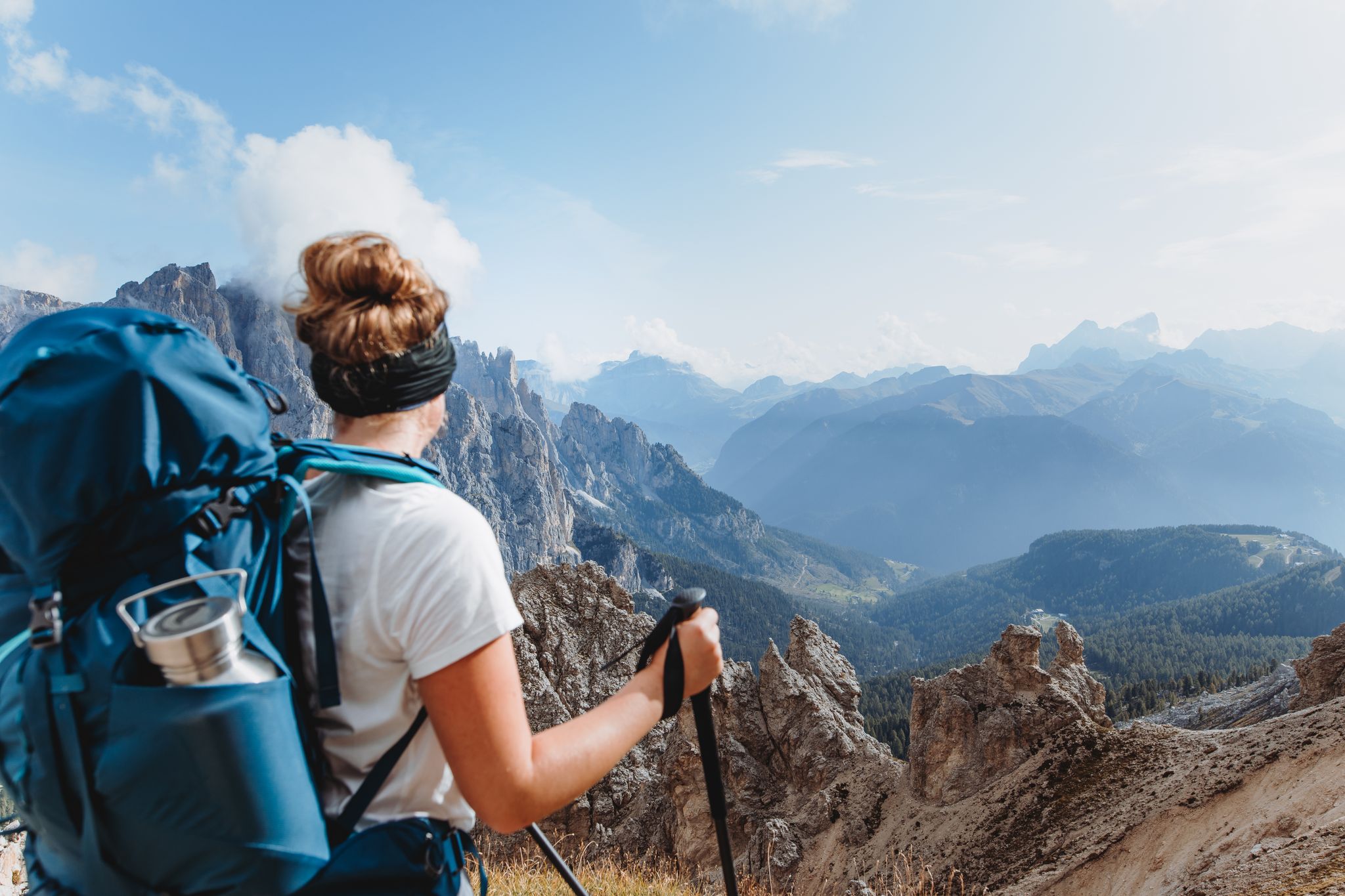
4 days of intense hiking in the Dolomites – Schlern-Rosengarten Nature Park
Finding freedom in the Dolomites – 5 days bikepacking
Erlebniswege in den Eggentaler Dolomiten
Other adventures around Vigo Di Fassa


Tips from the Community

Someone has gone to the trouble of setting up a climbing route here through the damp roof. The graffiti is of course not old.
2
0


While the Austrian positions from World War I are at the top of the mountain, the Italian positions are here. Caves and trenches. A mountain full of history. The steep descent also starts here🥾
0
0

Beautiful war trail. Well maintained via ferrata and also the caves
0
0

I was here on the 29th stage of my crossing of the Alps: https://www.komoot.com/de-de/tour/834311432 I was here on a stage of my crossing of the Alps. A crossing of the Alps in two months and 45 stages: The 800-kilometer-long Yellow Via Alpina. You can find the film about the hike here: https://youtu.be/tVTeKg0li54 A book with the many stories and lots of information about the tour is available here: https://viaalpina.soziales4u.de/shop All stages are documented with GPX data and can be downloaded. There are numerous photos for each tour. An overview is available there: https://www.komoot.de/tour/868201126 You can read more about the 800 kilometers through the Alps here: https://soziales4u.de/viaalpina/
0
0

The few extra meters are always worthwhile, as they give new great views and an impression of what was impossible to achieve, especially in times of war.
0
0

Beautiful bench by the waterfall (small) in a field hole
1
0

Accessible from Weißlahnbad on the Bärenfalle path.
1
0
Frequently Asked Questions
What types of caves can I explore near Vigo di Fassa?
While Vigo di Fassa itself doesn't have major natural caves, the broader Trentino region offers diverse underground experiences. You can find natural geological formations like Tschetter Loch Cave, historical sites with cave elements such as the Italian World War I Position at Lech della Campagnola, and even religious shrines built into caves like the Madonna della Grotta Shrine.
Are there any significant natural cave systems in the Trentino region?
Yes, the broader Trentino region, particularly the Valsugana area, is home to impressive natural cave systems. Two notable examples are Calgeron Cave and Bigonda Cave, both near Selva di Grigno. These offer extensive galleries, underground rivers, lakes, and unique geological formations.
What is unique about Calgeron Cave?
Calgeron Cave, located near Selva di Grigno, is popular among speleologists. It's approximately 3610 meters long, with the initial 2 kilometers accessible year-round. It features large horizontal galleries, ponds, siphons, and rivers, including an 80-meter-long cavern and 11 lakes. The cave also boasts suggestive concretions like a multi-meter-wide calcite basin, stalactites, and stalagmites. You can find more information at visittrentino.info.
What should I know before visiting Bigonda Cave?
Bigonda Cave, also near Selva di Grigno, is the largest cave in Trentino with over 27 km of tunnels. It's an active cave with numerous horizontal tunnels on three levels and about 50 internal lakes and siphons that vary with rainfall. Visits are typically only possible during the winter season when it's less rainy, and only with expert speleologists accompanied by the Gruppo Grotte di Selva. Learn more at visittrentino.info.
Are there any historical cave sites around Vigo di Fassa?
Yes, the area features historical cave sites, particularly those related to World War I. The Italian World War I Position at Lech della Campagnola allows visitors to explore caves and trenches that were part of Italian positions during the war. Similarly, the World War I Caves offer insights into the wartime history of the region.
What is the accessibility like for Tschetter Loch Cave?
Tschetter Loch Cave is a natural formation in the Dolomites with a spring outflow. It is accessible, but only with appropriate equipment and cave knowledge. It is strongly advised never to enter alone.
Can I find a place of worship in a cave near Vigo di Fassa?
Yes, the Madonna della Grotta Shrine is a small cave under a rock that serves as a place of worship. It's known for its spiritual atmosphere and offers views of a rose garden.
What outdoor activities can I do near these caves?
The region around Vigo di Fassa is excellent for various outdoor activities. You can find numerous road cycling routes, mountain biking trails, and gravel biking opportunities. For example, explore the 'Passo Valles and Passo del San Pellegrino' for road cycling, or the 'Moena Village – Lusia Pass' for mountain biking. You can find more details on these activities in the respective guides for Road Cycling Routes around Vigo Di Fassa, MTB Trails around Vigo Di Fassa, and Gravel biking around Vigo Di Fassa.
Are there any family-friendly cave experiences?
While the more extensive natural caves like Calgeron and Bigonda require specialized equipment and guidance, the Madonna della Grotta Shrine offers a more accessible and serene experience suitable for families, being a small cave under a rock with a place of worship and views of a rose garden.
What geological features characterize the caves in the Trentino region?
The caves in the broader Trentino region are characterized by a rich geological history, with formations dating back millions of years from ancient tropical seas and volcanic activity. Features include large horizontal galleries, underground rivers and lakes, siphons, and impressive concretions like stalactites, stalagmites, and calcite basins.
What do visitors appreciate most about the cave-related sites near Vigo di Fassa?
Visitors often appreciate the unique blend of natural beauty and historical significance. For natural caves like Tschetter Loch Cave, the opportunity to fill up drinking water and take a break in a rare natural setting is valued. At historical sites like the Italian World War I Position at Lech della Campagnola, the impressive views and the historical context of the trenches and caves are highly regarded.
Most popular routes around Vigo Di Fassa
Most popular attractions around Vigo Di Fassa

Get inspired with the komoot mobile app


Explore more
Extend your search for the best caves by checking out these guides of the top ones around Vigo Di Fassa:
