Top 6 Caves around Canal San Bovo
Best caves around Canal San Bovo are situated in Trentino's Vanoi Valley, an area known for its diverse geological formations. The region features a unique intersection of Principal Dolomitic rock and plutonic granite, offering insights into sedimentary, metamorphic, and magmatic rock types. This geological setting contributes to the presence of various cave systems and historical tunnels. The natural landscape surrounding these sites provides additional opportunities for exploration.
Best caves around Canal San Bovo
- The most popular caves is Grotta dell'acqua…
Last updated: October 16, 2026
Grotta dell'acqua nera
Highlight • Cave
Translated by Google •
Tip by

Bus de la Bela
Highlight • Cave
Translated by Google •
Tip by

Sign up now to discover places like this
Get recommendations on the best single tracks, peaks, & plenty of other exciting outdoor places.
Castello Tesino Caves
Highlight • Cave
Translated by Google •
Tip by

Old Road of the Cismon Gorge
Highlight • Gorge
Translated by Google •
Tip by

Stoli del Totoga with panoramic walkway
Highlight • Historical Site
Translated by Google •
Tip by

Sign up for free to discover even more caves around Canal San Bovo.
Already have an account?
Start today with a free account
Your next adventure awaits.
Popular around Canal San Bovo
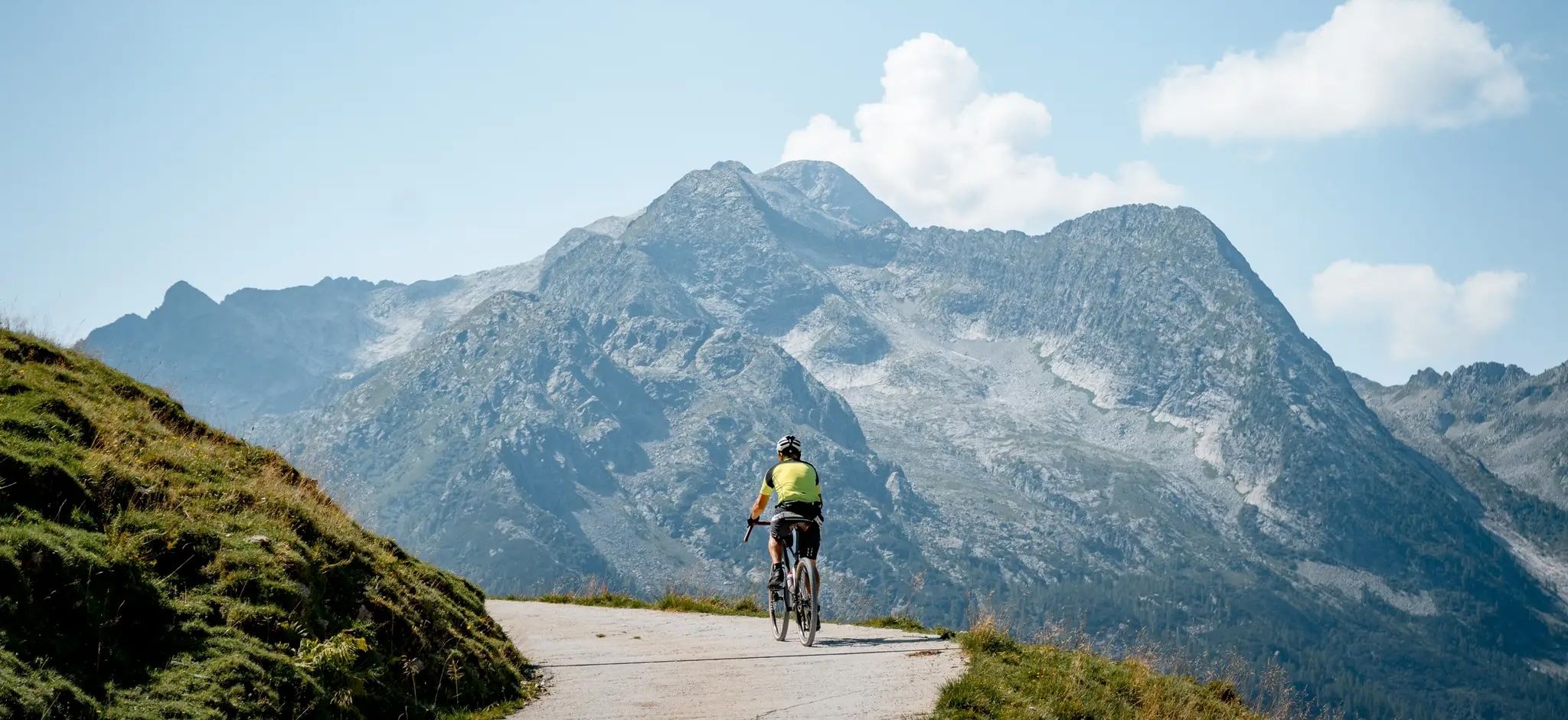
Gravel cycling in Trentino – The gateway to the Dolomites
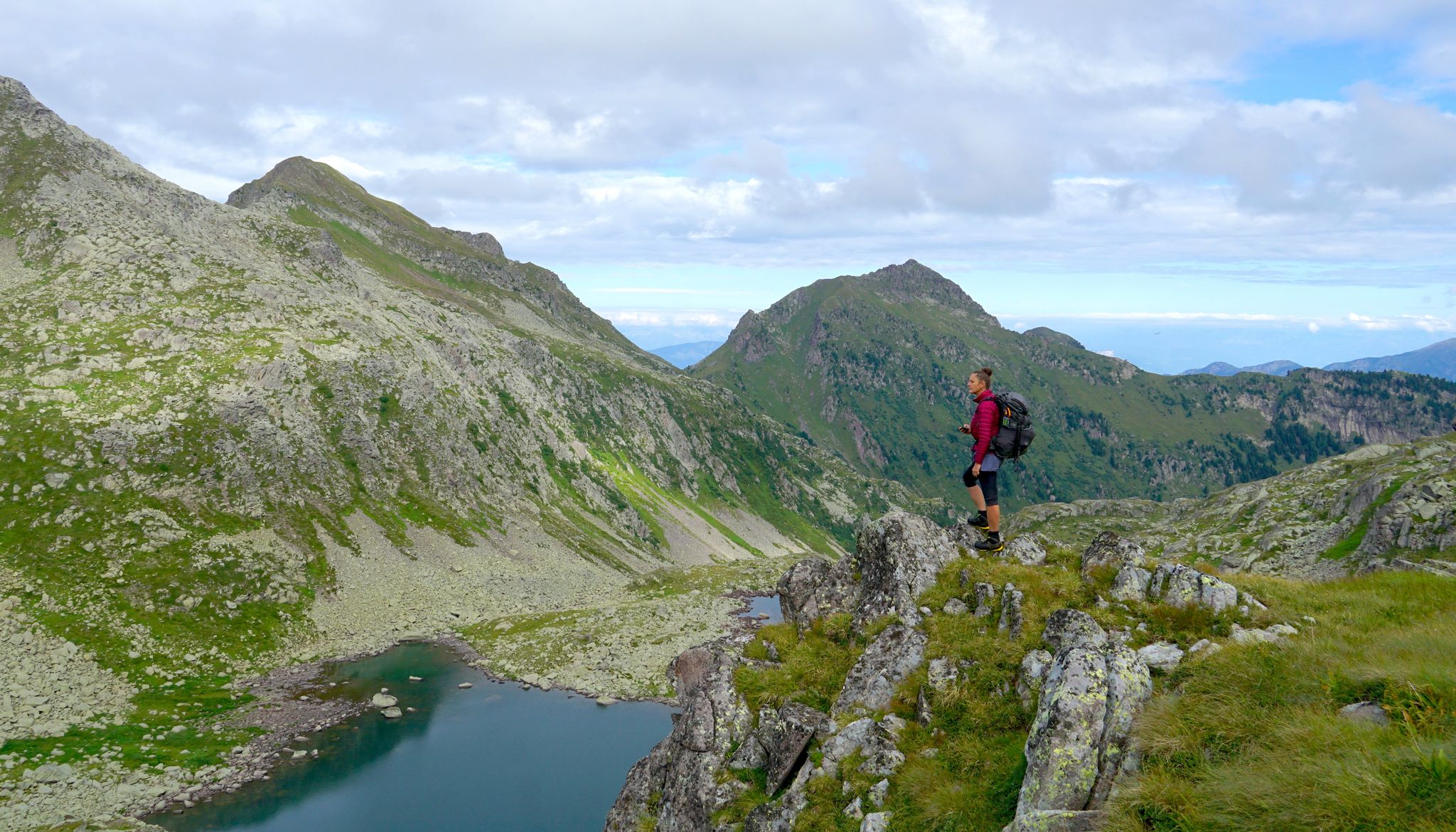
Translagorai – dreamy trekking through the wild heart of Trentino
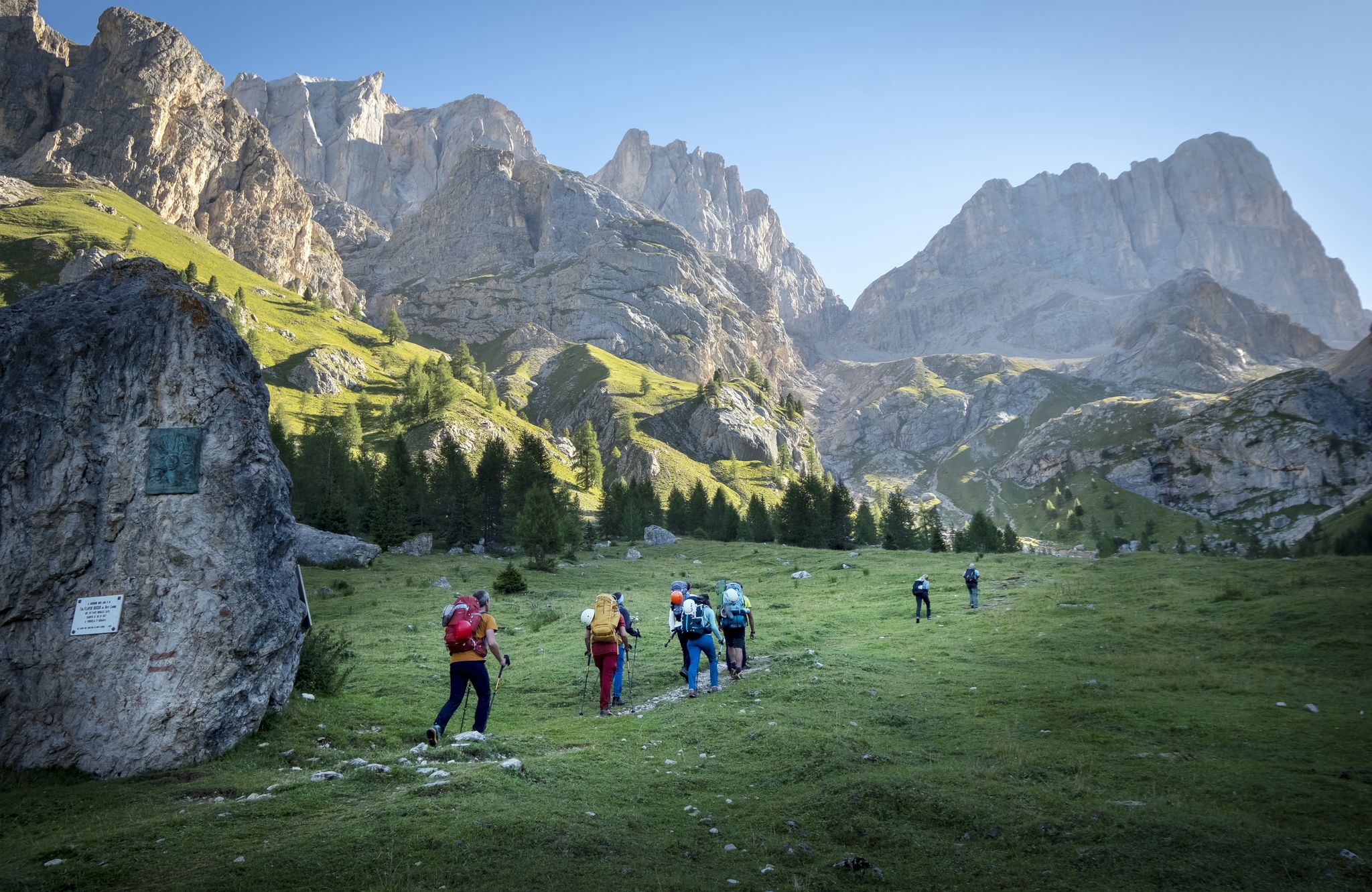
The Path of Peace – journey into Trentino's history
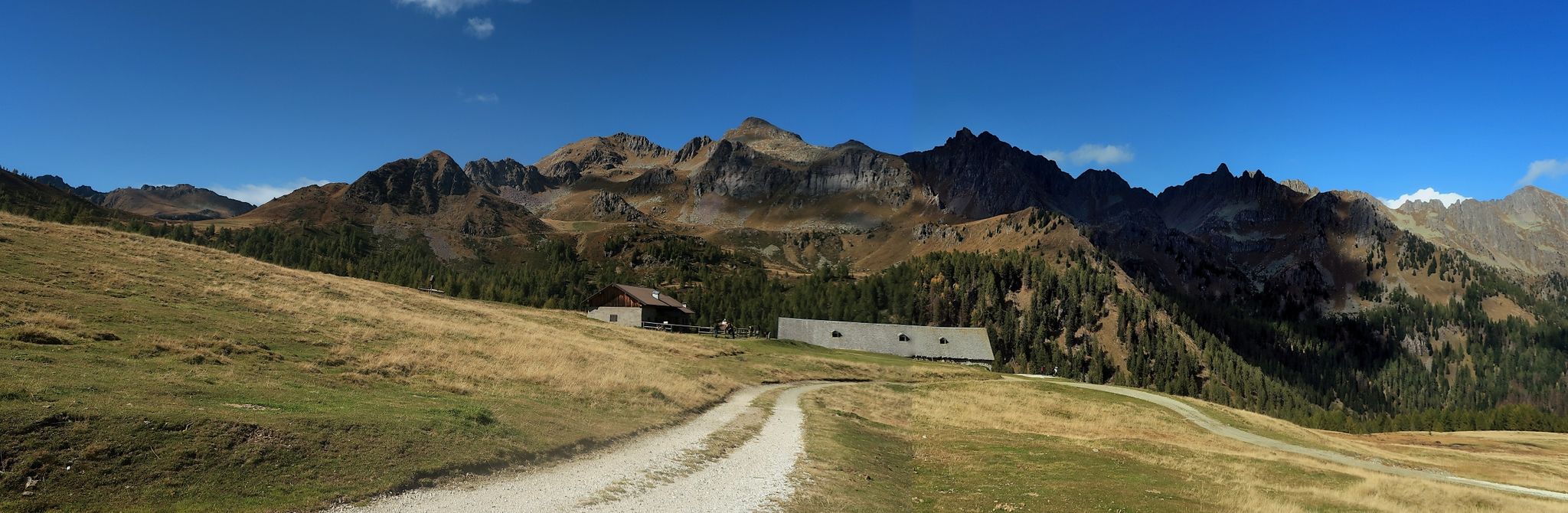
Cycling on Italy’s Tesino Plateau – around Cima d'Asta

Fantastic autumnal cycling routes through Trentino – Italy’s MTB hotspot
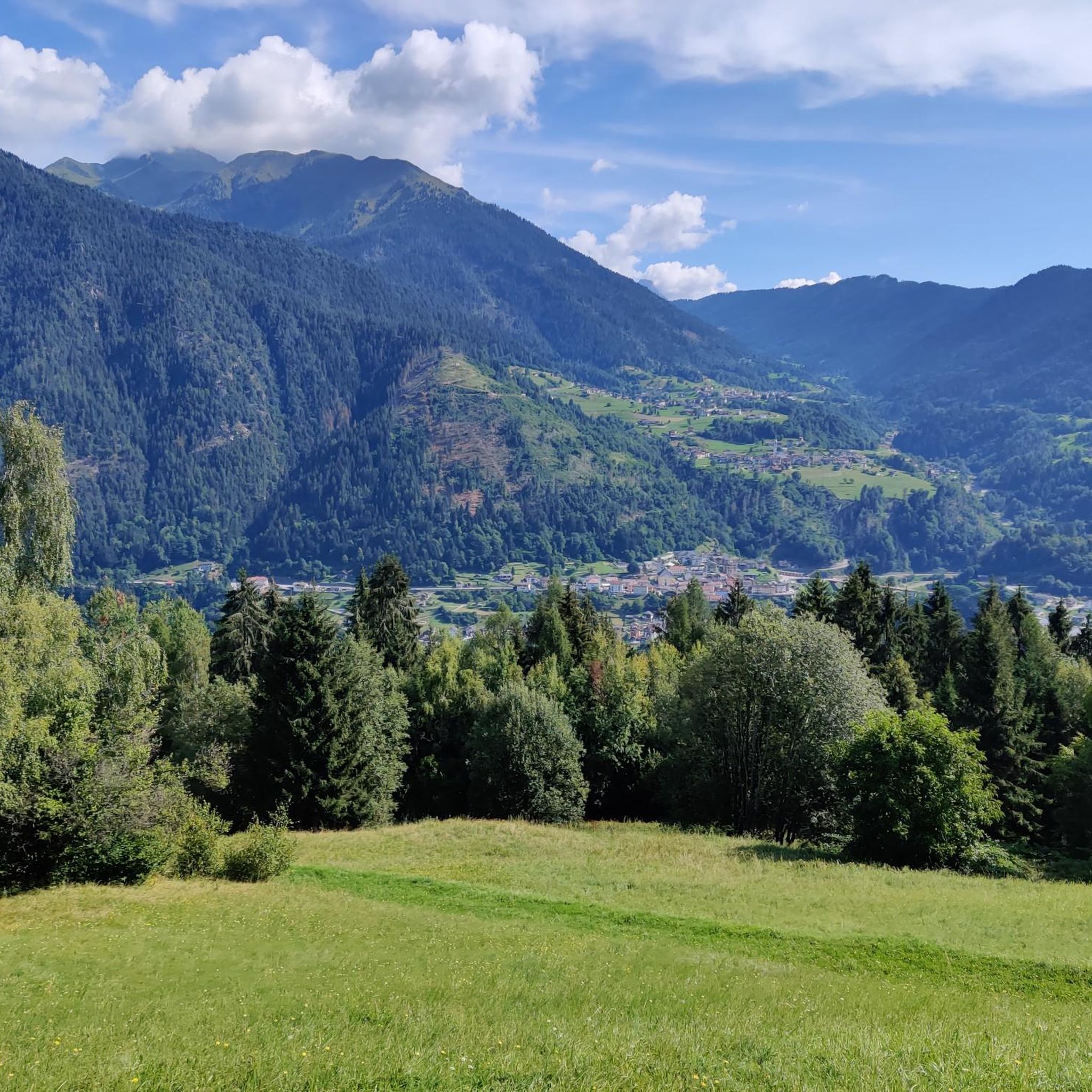
Hiking around Canal San Bovo
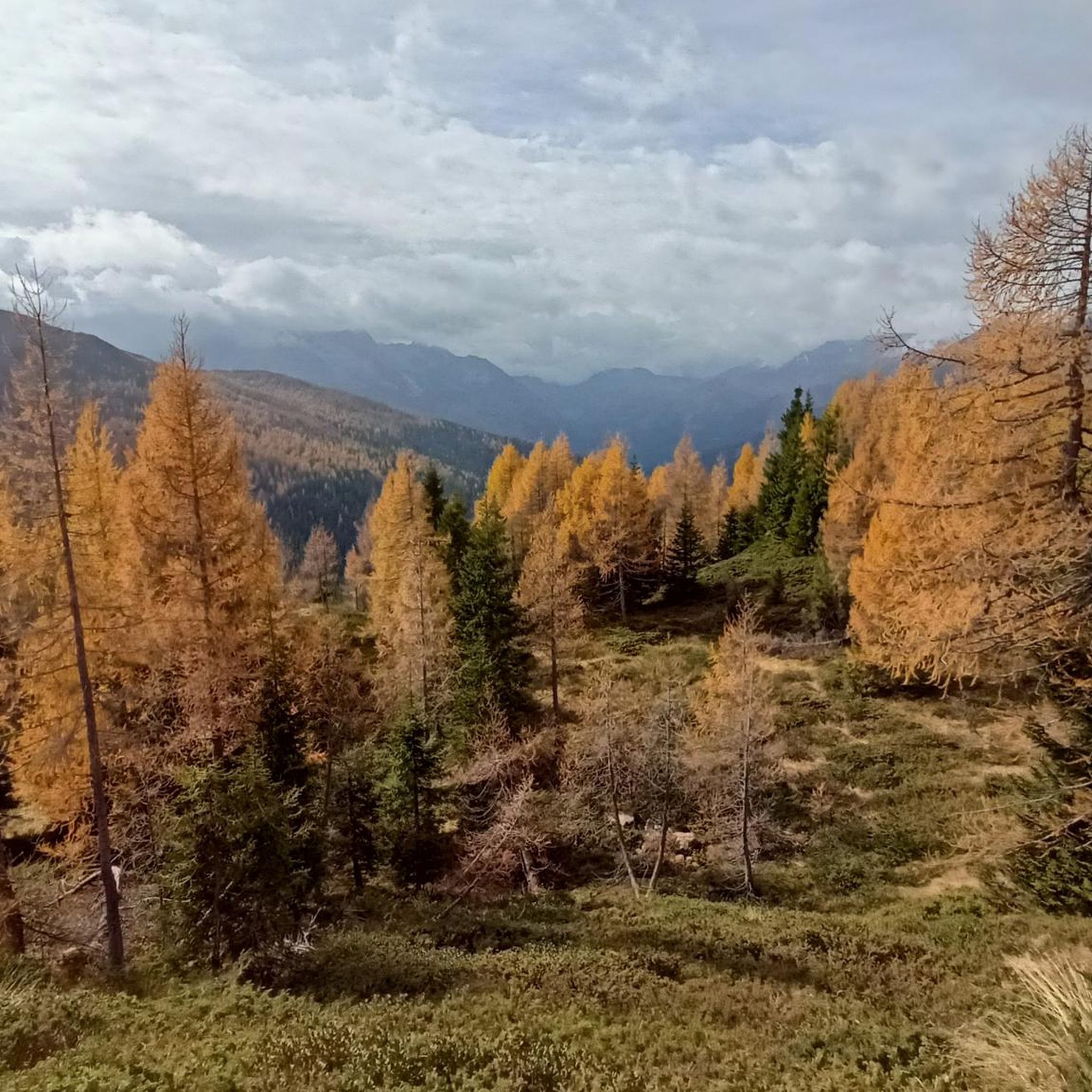
MTB Trails around Canal San Bovo
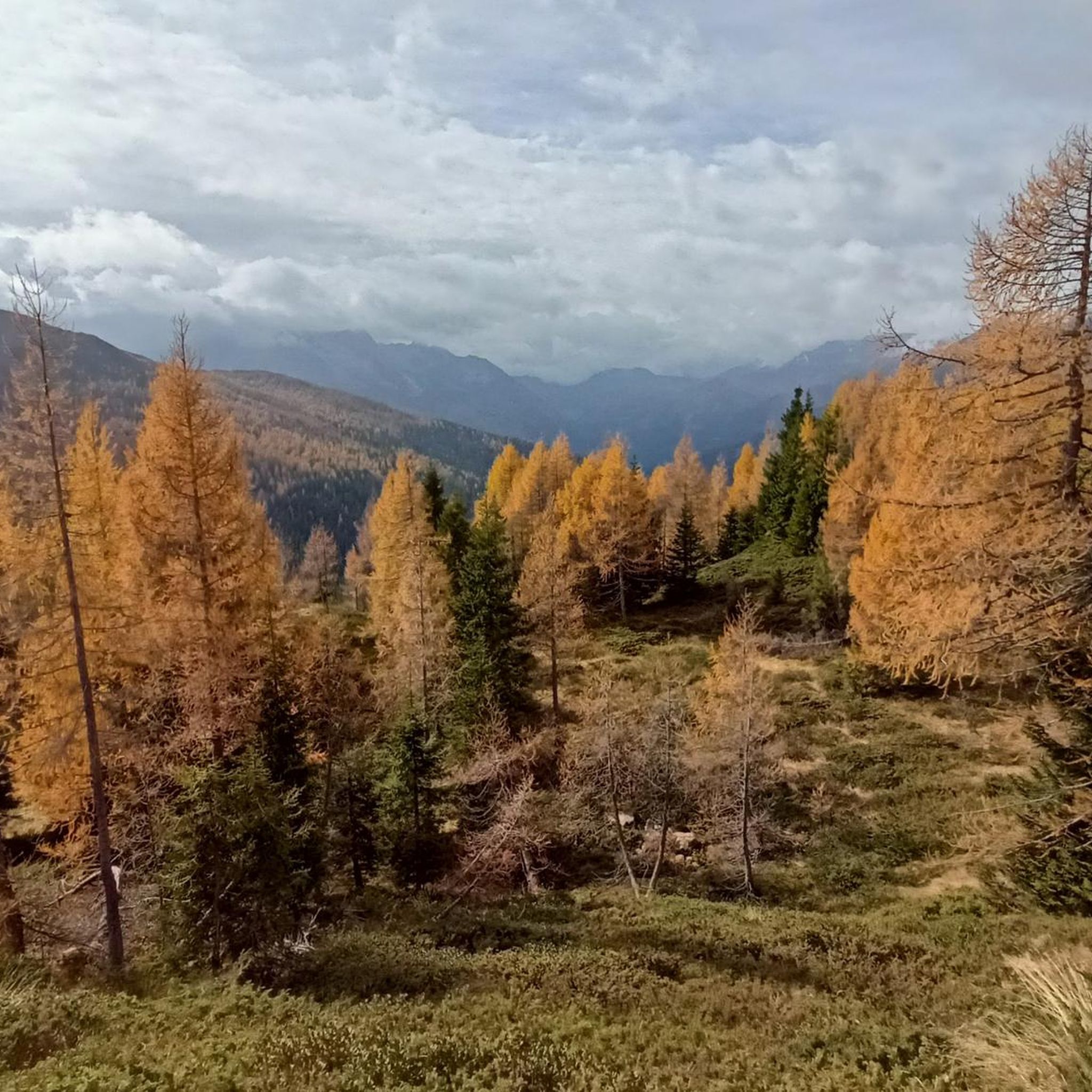
Road Cycling Routes around Canal San Bovo
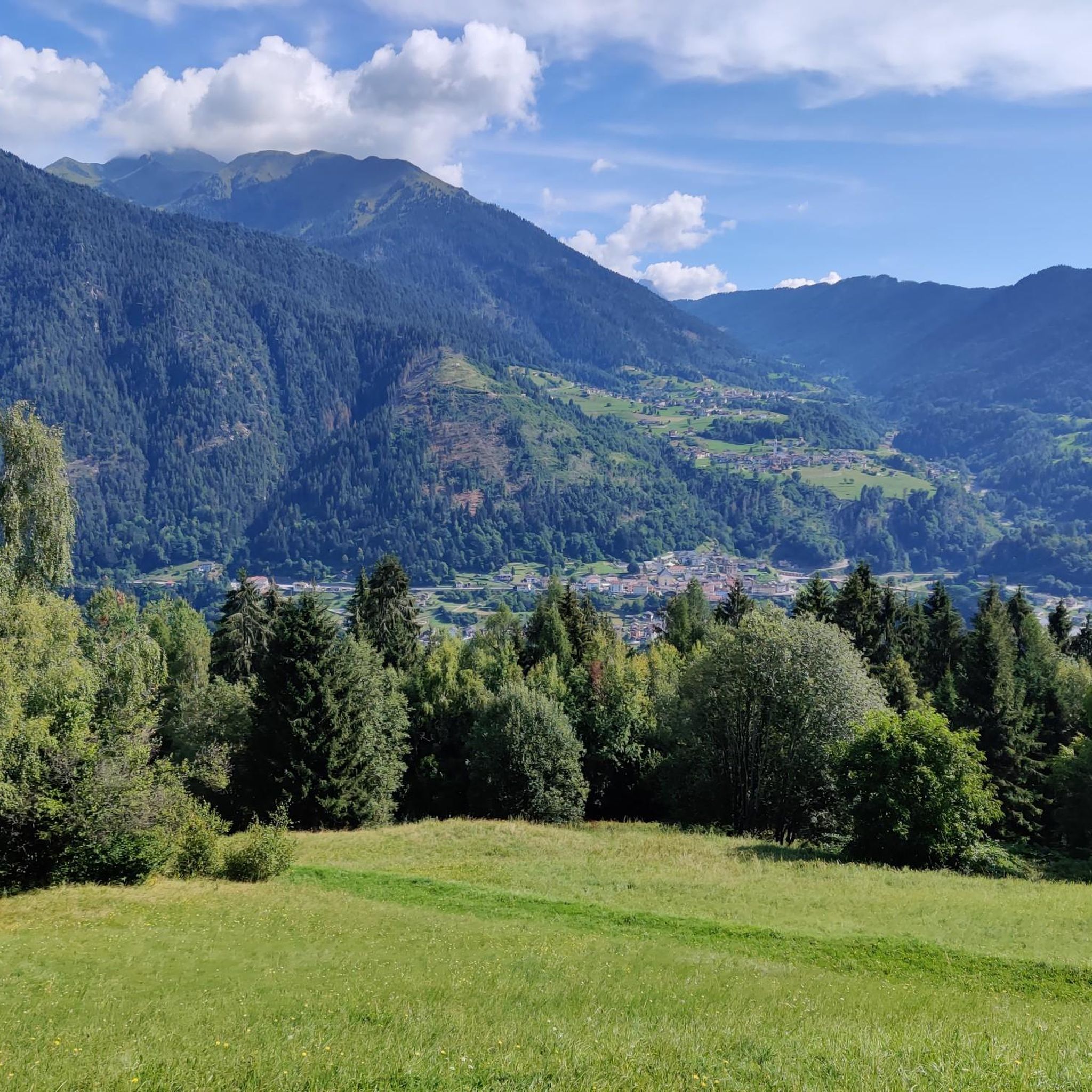
Running Trails around Canal San Bovo
Cycling around Canal San Bovo
Other adventures around Canal San Bovo


Tips from the Community

Cave discovered in 1927, named in the local dialect Bus de la Lora, it is explored for about 450 meters. It was a refuge for the cave bear according to studies carried out.
0
0

Excursion for trained people, trekking equipment!
0
0
Stunning view of the Vanoi Valley from the walkway that juts out into the void from the stoli of the First World War
0
0

Suggestive place: with little sun!
0
0

The large entrance hall of this cave conceals a deep, dark mouth, filled by an underground stream that is always well-fed, even in dry periods. This is the entrance—reserved for cave divers—to a vast and intricate network of cavities deep within the mountain. The water is actually clear, and it is thought that the name derives from the dark moss-covered floor, over which the stream flows before flowing into the Senaiga. Due to the cave's complex morphology and technical difficulties, exploration began only in the 1970s, and so far, cave divers have discovered a 1,600-meter stretch of siphons and difficult passages. In the 1930s, dye injections proved that this cave communicates with the Castello Tesino Caves, a few kilometers away. Furthermore, an examination of the fine sand found inside, rich in granite crystals, testifies to a significant contribution of water coming from the Cima d'Asta group, much higher and much more distant!
2
0
This large cave has various names: Bus de la Bela, Bus de la Vecia, Bus de la Tosa, Grotta di San Donato, and Grotta dell'Orso. The skeleton of an Ursus Spalaeus (Cave Bear) was found there, a prehistoric animal of imposing size that surpassed that of today's grizzly bear: 3.5 meters (standing) and weighing almost 1 ton. Three explanatory panels at the entrance tell its story. The skeleton is visible free of charge at the Lamon Town Hall. The remains of this mammal have been found in numerous caves across Europe, an environment they used as a dwelling and for hibernation. They often competed with prehistoric humans for ownership of the cave, and one theory suggests they became extinct precisely because of predation by our ancestors. In ancient times, the bones found were attributed to dragons or griffins! Opposite the cave, climbing a short, exposed ramp equipped with a cable leads to a beautiful waterfall. https://it.wikipedia.org/wiki/Ursus_spelaeus
0
0
Road that overlooks a deep gorge of the Cismon torrent. The old asphalt road is currently closed for works and it is very difficult to cross the torrent on the dam wall
0
1

Old road that runs alongside the infamous "strada statale 50 del Grappa e del Passo Rolle" and reaches the border with Trentino-Alto Adige. It is one of the most well-known and appreciated mountain roads in the Alps, especially for the suggestive scenarios and natural landscapes in which its route winds.
3
0
Frequently Asked Questions
What unique geological features can be found in the caves around Canal San Bovo?
The caves in Trentino's Vanoi Valley, particularly Grotta dell'acqua nera, are situated at a unique geological intersection where Principal Dolomitic rock meets the plutonic granite of Cima d'Asta. This allows for the observation of sedimentary, metamorphic, and magmatic rock types, making it a significant site for geology enthusiasts.
Are there any historical caves or tunnels in the Canal San Bovo area?
Yes, the area features several historical sites with cave-like tunnels. Stoli del Totoga with panoramic walkway offers tunnels dating back to the First World War, providing panoramic views of the Vanoi Valley. Additionally, the Cavallazza Tunnels and World War I Trenches are equipped paths with historical significance from the Great War.
Which caves are known for paleontological discoveries?
Bus de la Bela is a notable paleontological site where remains of Ursus spelaeus (Cave Bear) were discovered. A skeleton of this large prehistoric mammal is preserved and visible at the Lamon town hall.
What kind of outdoor activities can I do near the caves in Canal San Bovo?
Beyond cave exploration, the region offers various outdoor activities. You can find numerous hiking trails, including the challenging Monte Cauriol Loop or the moderate Monte Totoga Loop. There are also MTB trails like the Siega de Valzanca loop, and running routes such as the Navoi Wellness Trail.
Are there any caves suitable for experienced speleologists or cave divers?
Grotta dell'acqua nera features a vast and intricate network of cavities with a 1,600-meter stretch of siphons and passages that have been explored by cave divers. The Grotta La Fosca also includes submerged sections, offering an adventurous experience for those equipped and guided for such exploration, often with organized speleology activities through the Vanoi Tourist Consortium.
What is the best time to visit the caves and surrounding natural areas?
The Vanoi Valley and its caves are best visited during seasons with stable weather conditions, typically spring, summer, and early autumn. This allows for comfortable exploration of the caves and enjoyment of the surrounding natural beauty, such as Col della Remita and Col del Bùio.
Are there any family-friendly options for exploring the area around Canal San Bovo's caves?
While many caves in the region offer more specialized experiences, the area around the Old Road of the Cismon Gorge is noted as family-friendly, offering scenic views and trails. For cave exploration itself, it's advisable to check with the Vanoi Tourist Consortium for guided tours suitable for families.
What do visitors appreciate most about the caves in Canal San Bovo?
Visitors appreciate the diverse geological formations, the historical significance of sites like the WWI tunnels, and the unique paleontological discoveries. The natural landscape surrounding the caves, offering opportunities for hiking and enjoying scenic views, is also highly valued by the komoot community.
Where can I find information about guided tours or speleology activities for Grotta La Fosca?
For information regarding visits and organized speleology activities for Grotta La Fosca, it is recommended to contact the Vanoi Tourist Consortium. They can provide details on guided tours with experts, which are often necessary for exploring this specialized cave system.
Are there any viewpoints or scenic spots near the caves?
Yes, Stoli del Totoga with panoramic walkway offers stunning views of the Vanoi Valley from its historical tunnels. The Old Road of the Cismon Gorge also provides suggestive scenarios and natural landscapes as it winds alongside a deep gorge.
What is the difficulty level for exploring the caves in Canal San Bovo?
The difficulty varies significantly. Some caves like Grotta dell'acqua nera are described as challenging due to complex morphology and technical difficulties, often requiring cave diving expertise. Historical sites like Stoli del Totoga are recommended for trained individuals with trekking equipment. For specific caves, it's best to inquire about guided tours or access requirements.
Most popular routes around Canal San Bovo
Most popular attractions around Canal San Bovo

Get inspired with the komoot mobile app


Explore more
Extend your search for the best caves by checking out these guides of the top ones around Canal San Bovo:
