Top 4 Caves around Morciano Di Romagna
Best caves near Morciano Di Romagna are primarily found in the surrounding region, with the Grotte di Onferno standing out as a significant natural attraction. This area is characterized by its unique geological formations, including gypsum karst complexes. The landscape features ancient chalk cliffs and valleys, shaped by millennia of natural processes. Morciano Di Romagna serves as a gateway to exploring these underground environments and the rich natural reserves nearby.
Best caves around Morciano Di Romagna
- The most popular caves…
Last updated: June 30, 2026
Onferno Caves
Highlight • Cave
Translated by Google •
Tip by

World War II Shelters (Rifugio 91)
Highlight • Historical Site
Translated by Google •
Tip by

Sign up now to discover places like this
Get recommendations on the best single tracks, peaks, & plenty of other exciting outdoor places.
Sign up for free
Refuge 1 (1944) Cave Entrance
Highlight (Segment) • Cave
Translated by Google •
Tip by
View of San Marino from the exit of the Onferno Caves
Highlight • Viewpoint
Translated by Google •
Tip by

Start today with a free account
Your next adventure awaits.
Login or Signup

Tips from the Community


The Onferno Caves are a karst complex of caves located in the chalk.
1
0
World War II shelters
0
0

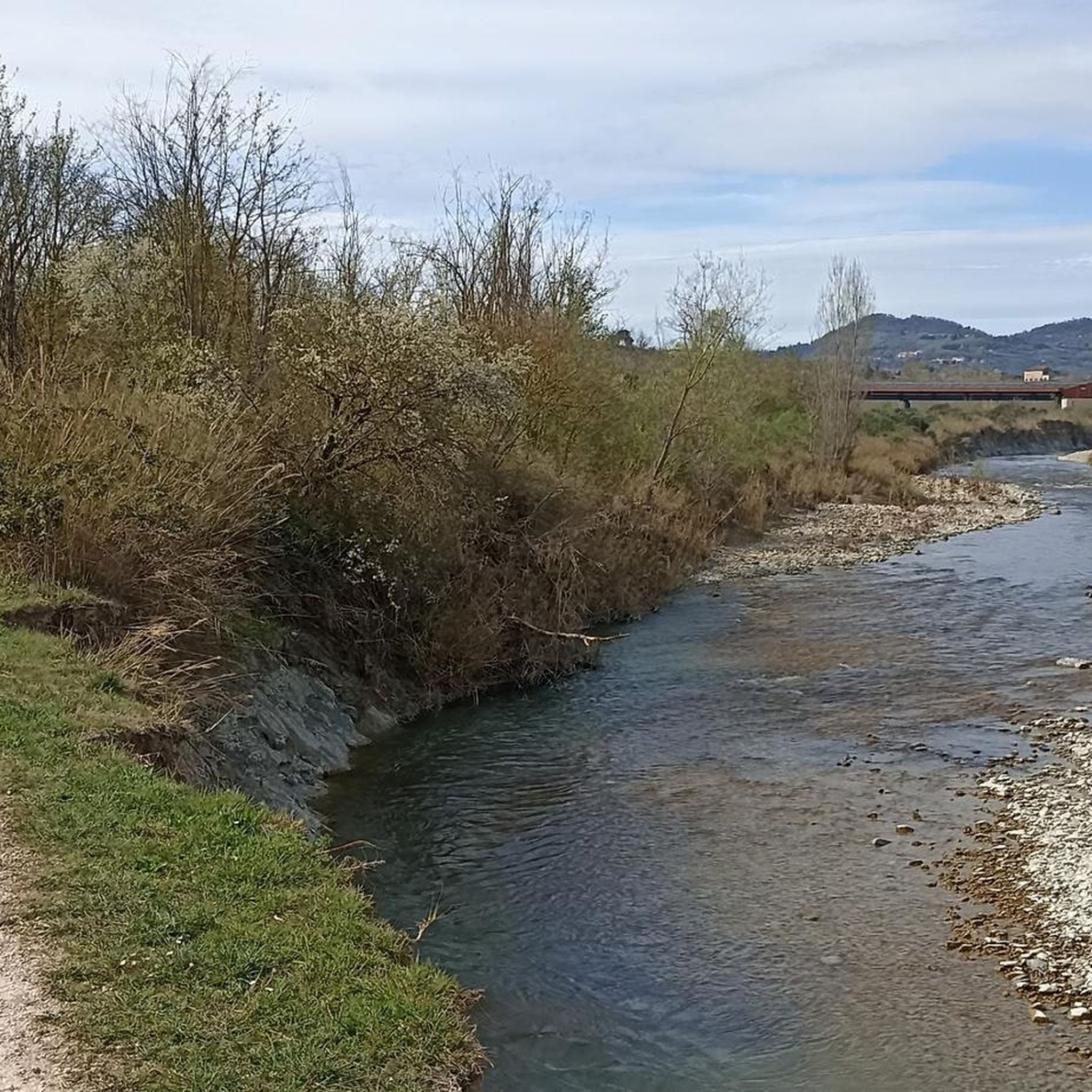
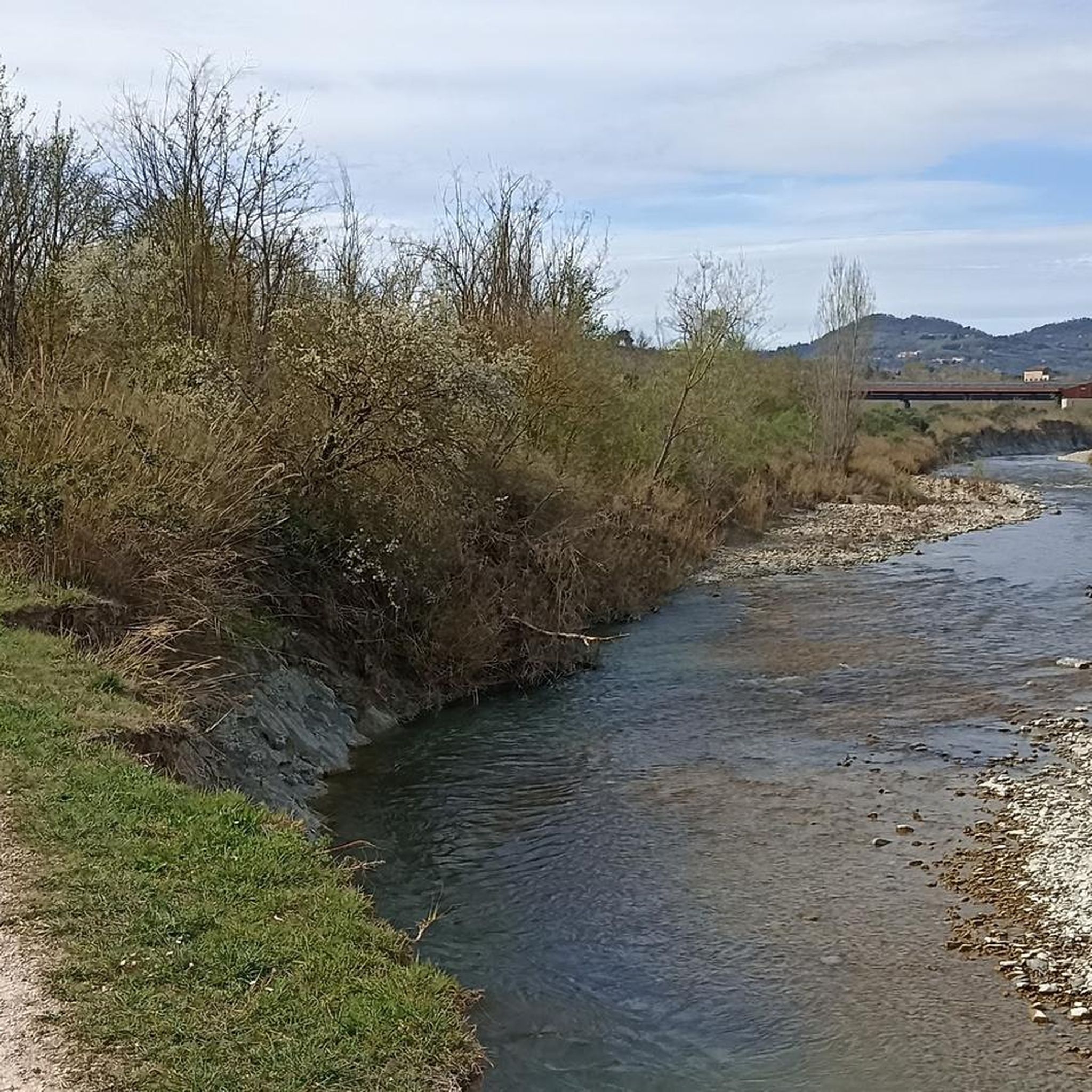
This second part - for those descending from Monte Scudo - is equally interesting in particular because two refuges from the Second World War are clearly visible. Attention ⚠️ the first part of the path is covered by vegetation (at least during the summer when I walked it). There are so many joints that it's really hard to see where you're going. Follow the trail. The second part of the path after the caves is much cleaner probably because it is traveled from below from where there are signs for the provincial sp41 after Trarivi (near the church of Peace)
0
0
Interesting to see, it's not clear to me if they were military posts or for civilians. In shelter 2 there is stagnant water
2
0

Inside the Nature Reserve there is the Grotta di Onferno, 700 m long and 70 m deep, with a difference in height of about 70 m originating from some streams that descending from Monte Croce, reached the chalky cliff, begin an underground path, to resurface more Valley. The exploration of the cave took place in 1916 by Lodovico Quarina, who went up the cave from the resurgence to the sinkhole. Today's guided tours retrace this direction and allow you to admire the typical alabastrines of the chalky caves. Near the exit there are some rooms enlarged by collapse phenomena. In the Quarina Room the vault is animated by mamelons, curious conical structures among the most beautiful and largest in Europe that indicate the base of a layer of plaster. The cave houses the most important bat colony in the region, with eight different species. Since the summer of 1989, the cave has been open to the public, it is a sort of natural tunnel that is easy to access through the two entrances and just as easily walkable (thus unique in Emilia-Romagna). (Source: https://prolocogemmano.it/grottedionferno/)
3
0

For the visit to the caves bring stuff not to worry if it gets dirty. The passages are narrow and you crawl the rocks. But it is suggestive and worth it. Highly recommended
2
0
For the visit to the caves bring stuff to soil. The passages are narrow and you crawl the rocks.
0
0
Frequently Asked Questions
What kind of caves can I explore near Morciano di Romagna?
The region around Morciano di Romagna offers a mix of natural gypsum caves and historical man-made shelters. The most prominent natural attraction is the Onferno Caves, known for their unique geological formations. Additionally, you can find historical sites like the World War II Shelters (Rifugio 91) and Refuge 1 (1944) Cave Entrance.
What makes the Grotte di Onferno unique?
The Grotte di Onferno are considered among Italy's most important gypsum caves, formed within an isolated chalk cliff. They feature deeply grooved meanders, large underground rooms, and distinctive conical structures called 'mammelloni.' Unusually for a gypsum cave, calcite speleothems are also present. The caves are also renowned for hosting the largest and most diverse bat colony in the Emilia-Romagna region.
Are there any historical cave sites in the area?
Yes, near Morciano di Romagna, you can visit historical sites that served as shelters during World War II. These include the World War II Shelters (Rifugio 91) and Refuge 1 (1944) Cave Entrance. These locations offer a glimpse into the area's past, with some shelters containing stagnant water.
What wildlife can be found in the caves near Morciano di Romagna?
The Grotte di Onferno are particularly famous for their bat population. They host the largest and most diverse colony of bats in the Emilia-Romagna region, with over 8,000 individuals belonging to eight different protected species, making them a vital ecological site.
How long do tours of the Grotte di Onferno last, and what should I expect?
Guided tours of the Grotte di Onferno typically last approximately 60-90 minutes. Visitors are equipped with helmets and electric torches for an adventure-filled exploration of the natural, unlit environment. The internal temperature remains constant at around 12-14°C year-round.
What should I wear when visiting the Grotte di Onferno?
Due to the constant cool temperature (12-14°C) inside the Grotte di Onferno and potentially wet and slippery surfaces, comfortable clothing and suitable closed-toe shoes are highly recommended. It's advisable to wear clothes you don't mind getting dirty, as some passages can be narrow and require crawling.
Is there a visitor center or museum at the Grotte di Onferno?
Yes, the Onferno Nature Reserve, which encompasses the Grotte di Onferno, includes a Visitor Center, a Naturalistic Museum housed in the ancient Pieve di Santa Colomba, and a Botanical Garden. The museum provides insights into the geology, speleology, vegetation, and fauna of the reserve through interactive exhibits.
Are the Grotte di Onferno suitable for families?
Yes, the Grotte di Onferno offer an adventure-filled and educational experience that can be enjoyed by families. The guided tours are designed to be accessible, and the presence of a Naturalistic Museum and Botanical Garden within the reserve adds to the family-friendly appeal.
What outdoor activities can I do near the caves around Morciano di Romagna?
The area around Morciano di Romagna offers various outdoor activities. You can find numerous hiking trails, such as those along the Conca River valley, with options ranging from easy to moderate. Cycling and gravel biking routes are also popular, exploring the scenic landscapes and nearby villages. For more details, explore the Hiking around Morciano Di Romagna or Cycling around Morciano Di Romagna guides.
What is the best time of year to visit the Grotte di Onferno?
The Grotte di Onferno maintain a constant temperature of 12-14°C year-round, making them accessible in most seasons. However, the surrounding Onferno Oriented Nature Reserve is particularly pleasant for walking trails and enjoying the diverse flora and fauna during spring and autumn. Summer also offers a cool escape from the heat.
Are there any viewpoints near the caves?
Yes, near the Onferno Caves, you can find the View of San Marino from the exit of the Onferno Caves, offering panoramic vistas. Additionally, the historic 'Castrum Inferni' (Onferno Castle), now a small village, provides excellent views of the Conca Valley and San Marino.
Is parking available for visitors to the Grotte di Onferno?
Yes, the Grotte di Onferno, being part of a well-established nature reserve, typically offer designated parking facilities for visitors. It is advisable to check the official reserve information for specific parking locations and any potential fees before your visit.
Most popular routes around Morciano Di Romagna
Most popular attractions around Morciano Di Romagna

Get inspired with the komoot mobile app


Explore more
Extend your search for the best caves by checking out these guides of the top ones around Morciano Di Romagna:
