Top 6 Caves around Mascalucia
Best caves around Mascalucia are primarily volcanic caves formed by ancient lava flows from Mount Etna in Sicily, Italy. These geological formations offer insights into the region's volcanic history. The area provides various opportunities for exploration, showcasing the power of lava flows to sculpt the landscape. Mascalucia serves as a base for discovering these unique underground tunnels and chambers.
Best caves around Mascalucia
- The most popular caves is Grotta d'Angela, a cave that is 40 meters long with 2 entrances. It is reachable in ten minutes on foot along a well-marked path.
- Another must-see spot is Case del Vescovo Caves, a lava cave with multiple openings. It was historically used as a summer deposit for snow and offers a cool environment.
- Visitors also love Grotta Catanese, a cave distinguished by its bell-shaped entrance. Entry requires a descent of approximately 10 meters over large boulders.
- Mascalucia is known for lava caves, volcanic caves, and historical snow deposits. The region offers a variety of caves to see and explore, from easily accessible to those requiring specialized equipment.
- The caves around Mascalucia are appreciated by the komoot community. Users have contributed 8 photos and 10 upvotes, highlighting the appeal of these natural features.
Last updated: May 18, 2026
Case del Vescovo Caves
Highlight • Cave
Translated by Google •
Tip by

Grotta d'Angela
Highlight • Cave
Translated by Google •
Tip by
Sign up now to discover places like this
Get recommendations on the best single tracks, peaks, & plenty of other exciting outdoor places.
Sign up for free
Grotta di Piscitello
Highlight • Cave
Translated by Google •
Tip by

Grotta Catanese
Highlight • Cave
Translated by Google •
Tip by

Grotta Arcimis
Highlight • Cave
Translated by Google •
Tip by
Start today with a free account
Your next adventure awaits.
Login or Signup

Tips from the Community

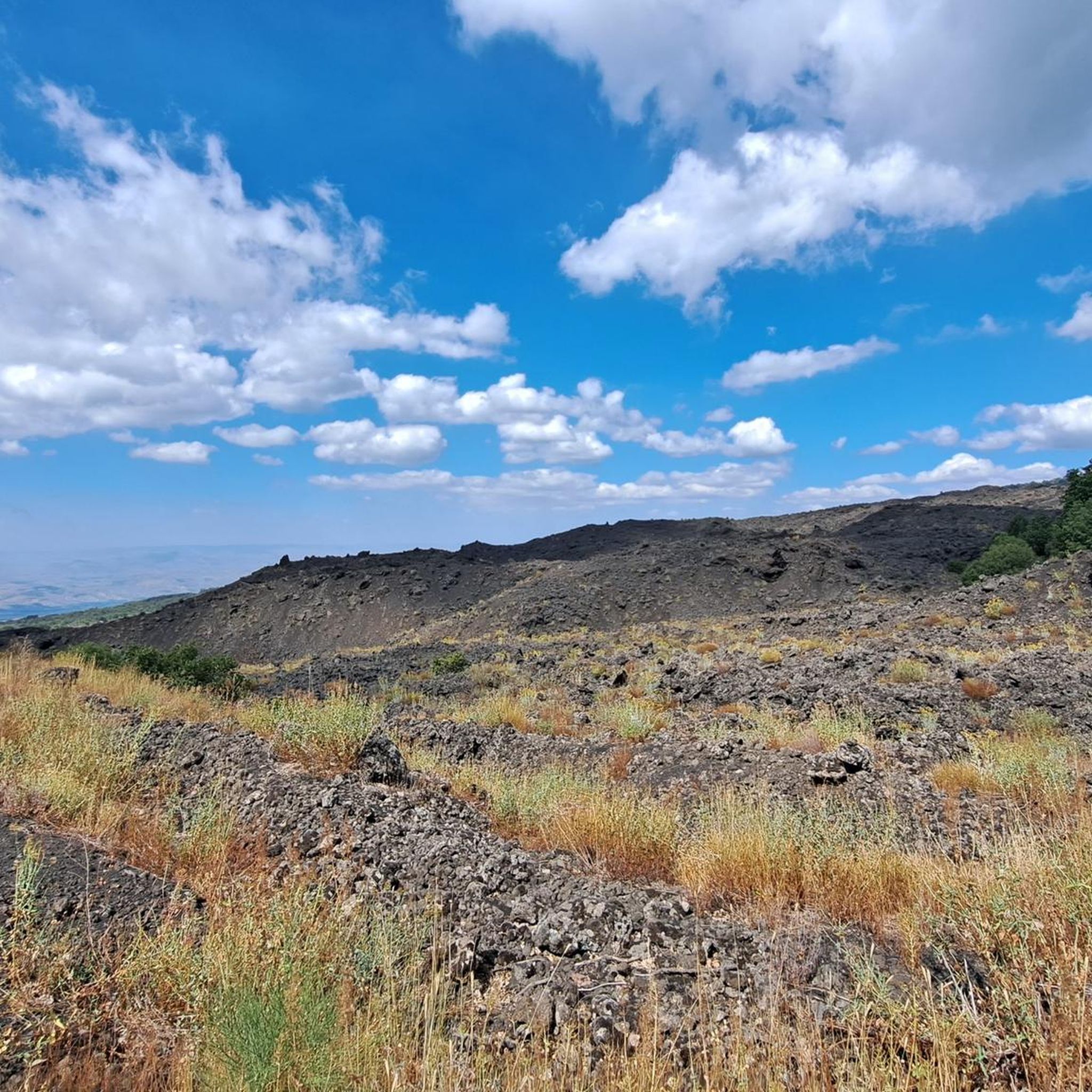
Lava cave formed during the volcanic eruption of 1669.
1
0


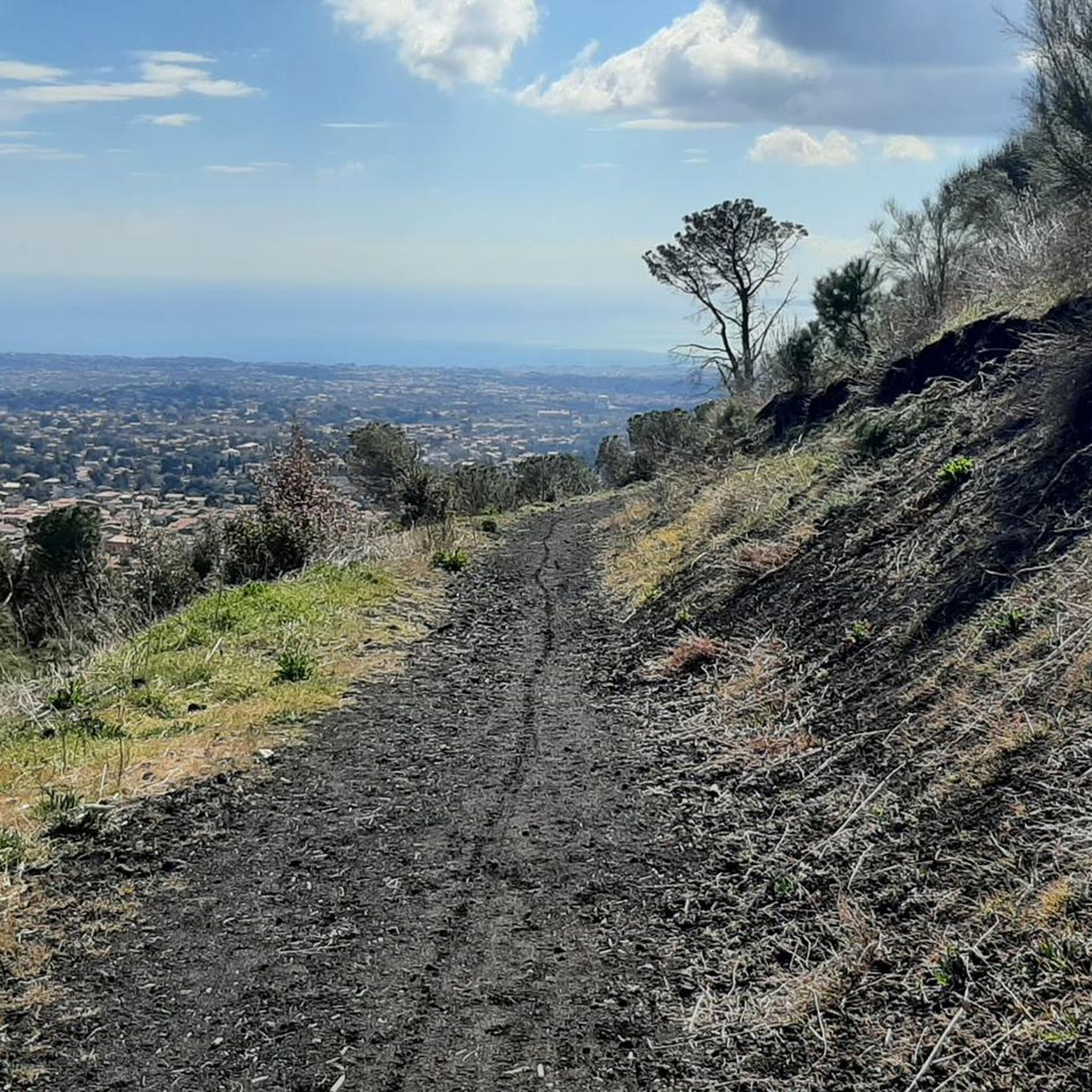
The Piscitello lava flow cave has an easy-to-access entrance. The 786 trail that leads to the Piscitello cave is in some places impassable by bike due to the presence of some sections on the 1669 lava flow that are really heavy due to the presence of large moving stones and some "steps" along the path. In other places the broom vegetation hinders the passage.
0
0
From via Grotte Catanesi follow the arrows. Unique feature: the bell-shaped cave entrance. To enter the cave you have to descend about 10 meters through a path over large boulders.
0
0
"It is a sliding tunnel divided into several branches with some sections interrupted by collapses of the vault. Only the southern branch can be traveled comfortably, the others are narrow and the harshness of the lava rock makes proceeding painful" from Mongibeddu.it
0
0
Lava flow cave generated during the eruption of 1780. It is 40 meters long with 2 entrances respectively at the beginning and at the end of the cave.
0
0

Fresh lava cave with different openings, excellent refreshment point on the hottest days. Formerly used as a summer deposit for snow, it can now be visited via a small wooden ladder or externally. The basal part, on the other hand, can only be reached with speleological equipment.
0
0
Cool cave dug by the flow of lava with different openings, an excellent resting point on the hottest days. Formerly used as a summer deposit for snow, it can now be visited via a small wooden ladder or externally. The basal part, on the other hand, can only be reached with speleological equipment.
0
0
Frequently Asked Questions
What types of caves can I explore around Mascalucia?
The caves around Mascalucia are primarily volcanic caves, formed by ancient lava flows from Mount Etna. They offer unique insights into the region's geological history, featuring intricate underground tunnels and chambers. Some, like the Case del Vescovo Caves, even served historically as snow deposits.
Are there any easily accessible caves for visitors near Mascalucia?
Yes, Grotta d'Angela is easily accessible. It's a 40-meter-long lava cave with two entrances, reachable within a ten-minute walk along a well-marked path. The Grotta di Piscitello also has an easy-to-access entrance.
Do any caves around Mascalucia require specialized equipment or offer a more adventurous experience?
Yes, for a more adventurous experience, Grotta Catanese features a unique bell-shaped entrance and requires a descent of approximately 10 meters over large boulders to enter. The basal sections of the Case del Vescovo Caves can only be reached with speleological equipment, though parts are accessible via a small wooden ladder.
What historical significance do the caves around Mascalucia hold?
Many of the lava caves, such as the Case del Vescovo Caves, were historically used as summer deposits for snow. This highlights their role in local traditions and resource management before modern refrigeration, providing a natural cool environment.
Are there family-friendly caves to visit near Mascalucia?
For families looking for a straightforward cave visit, Grotta d'Angela is a good option due to its easy accessibility via a well-marked path. The Grotta di Piscitello also has an easy-to-access entrance, making it suitable for families.
What outdoor activities can I do near the caves around Mascalucia?
The area around Mascalucia offers various outdoor activities. You can find numerous routes for road cycling, mountain biking, and gravel biking. These routes allow you to explore the volcanic landscape and natural beauty of the region.
Do I need a permit to visit the caves around Mascalucia?
Generally, permits are not required for casual visits to the more accessible caves around Mascalucia. However, for exploring the broader Etna region's more complex cave systems or engaging in speleological activities, it is advisable to check with local authorities or specialized guides. For more information on Etna's caves, you can visit euroetnatourism.it.
What should I wear when visiting the caves?
Even on hot days, the interiors of lava caves are significantly cooler. It's recommended to wear layers, including a light jacket or sweater. Sturdy, closed-toe shoes with good grip are essential, especially for caves with uneven terrain or boulder descents like Grotta Catanese.
What are the geological features of the caves in this region?
The caves are primarily lava tubes and tunnels formed by ancient volcanic eruptions from Mount Etna. They showcase various features like multiple openings, bell-shaped entrances, and sliding tunnels. These formations are direct results of lava flows sculpting the landscape, offering a glimpse into the volcano's powerful history.
Is there parking available near the caves?
While specific parking details for each cave may vary, the caves are generally located in areas that allow for nearby parking, often along access roads or designated spots. For example, Grotta d'Angela is reachable via a well-marked path, implying some form of nearby access.
What do visitors enjoy most about the caves around Mascalucia?
Visitors appreciate the unique geological formations and the natural refreshment these caves offer, especially on hot days. The Case del Vescovo Caves are noted as an 'excellent resting point.' The sense of adventure, even in easily accessible caves like Grotta d'Angela, is also a highlight.
Most popular attractions around Mascalucia

Get inspired with the komoot mobile app


Explore more
Extend your search for the best caves by checking out these guides of the top ones around Mascalucia:
