Top 15 Caves around Randazzo
Best caves around Randazzo are primarily volcanic caves, including lava tubes, formed by ancient eruptions on the northern slopes of Mount Etna. This region offers unique insights into Etna's volcanic activity and geological history. Exploring these caves provides a rare perspective on the powerful forces that shaped the landscape.
Best caves around Randazzo
- The most popular caves is Serracozzo Cave, a cave that is a lava tube with openings allowing light to enter. It is known for its dramatic…
Last updated: August 23, 2026
Serracozzo Cave
Highlight • Cave
Translated by Google •
Tip by

Ascent to Grotta dei Lamponi
Highlight • Cave
Tip by

Sign up now to discover places like this
Get recommendations on the best single tracks, peaks, & plenty of other exciting outdoor places.
Sign up for free
Rifugio Santa Barbara
Highlight • Mountain Hut
Translated by Google •
Tip by

Schadlish Cave
Highlight • Cave
Translated by Google •
Tip by

Snow Grotto
Highlight • Cave
Translated by Google •
Tip by

Sign up for free to discover even more caves around Randazzo.
Sign up for free
Already have an account?
Start today with a free account
Your next adventure awaits.
Login or Signup
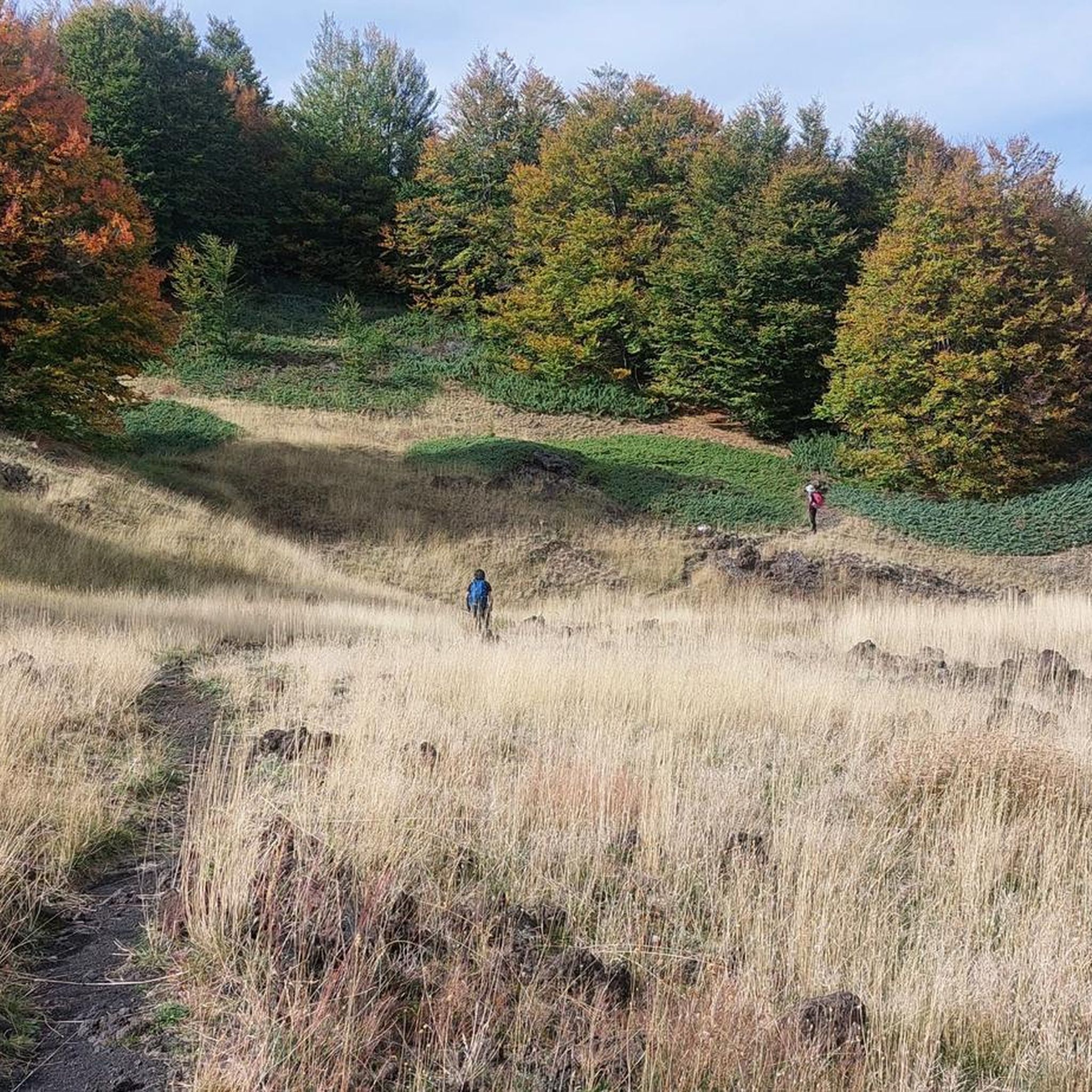
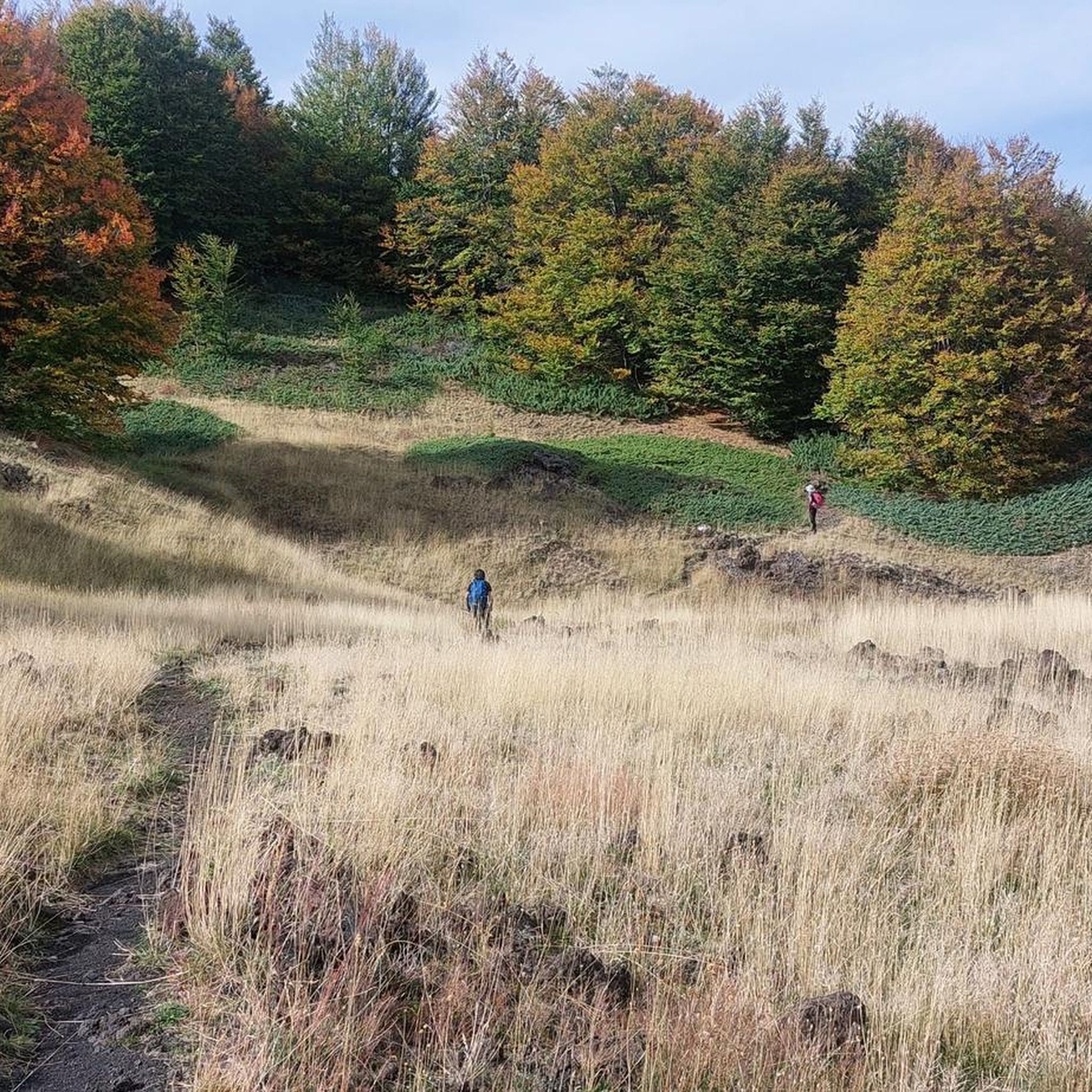
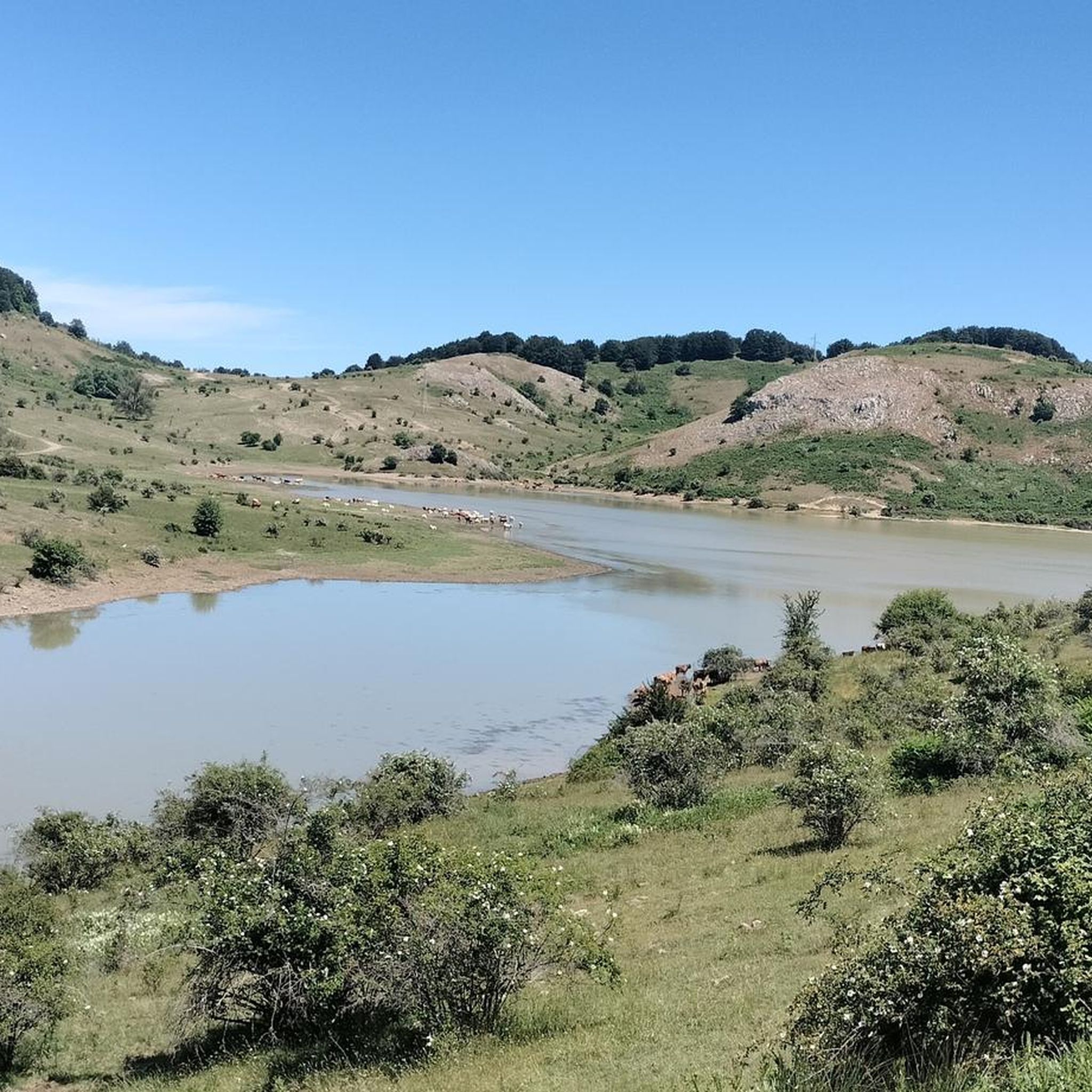
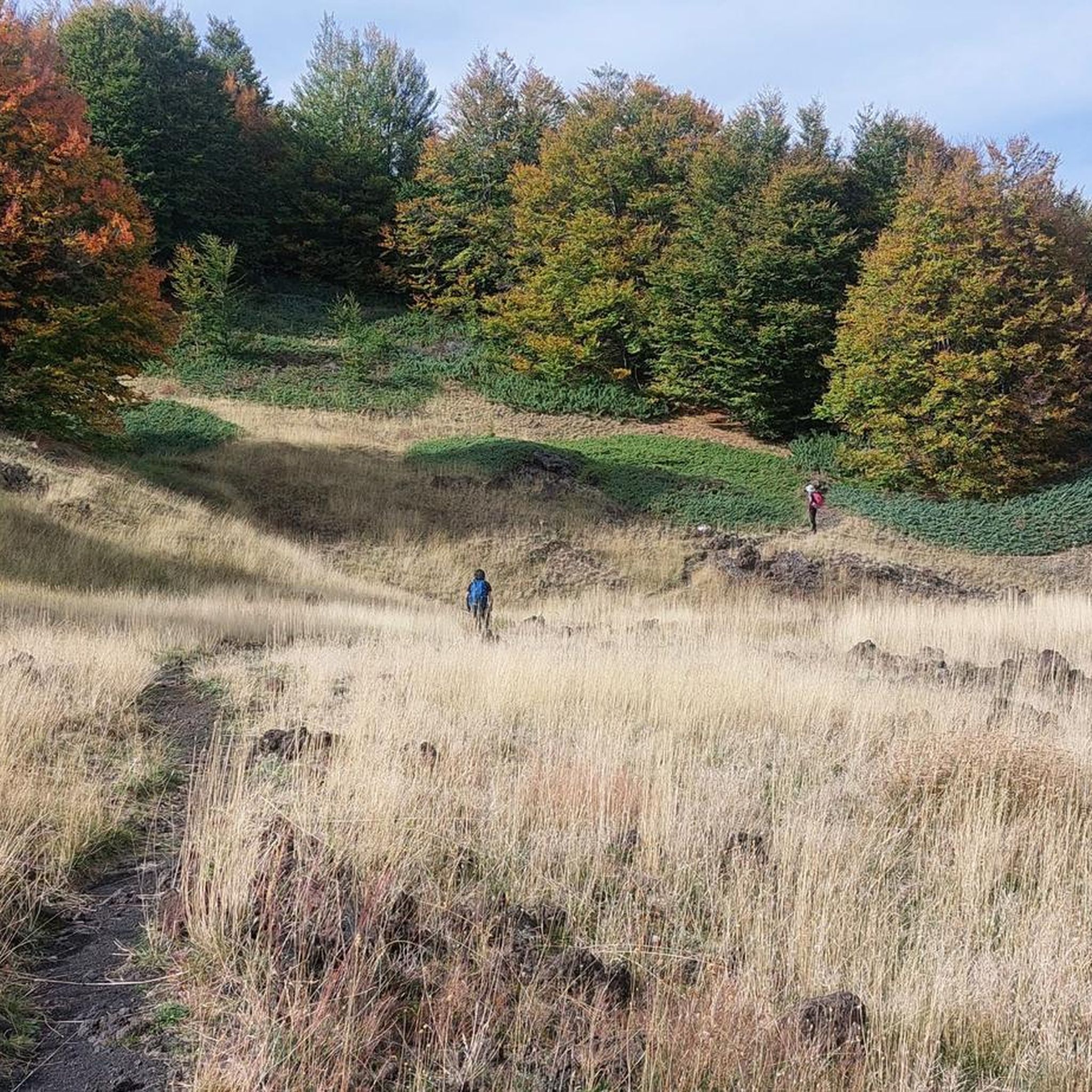
Tips from the Community


Deep cave not visitable. Located near a shelter unfortunately now closed by the forestry.
1
0

The Santa Barbara refuge is located in the Etna Park, immersed in a suggestive landscape of woods and lava flows. Recently renovated, it has a fireplace with a wood reserve and can be used as a bivouac. It is an excellent starting point for excursions around the volcano.
1
0

One of the most beautiful lava tunnels on the north side of Mount Etna is the Serracozzo Grotto (surely often visited, but not signposted). A lava tunnel is not a cave, but rather one formed during an eruption, when a crust forms on the surface of the slowly flowing lava in flatter terrain. This "tunnel" is easy to enter (assuming there's no threat of a thunderstorm (flooding!) or ice and snow making entry dangerous). Don't forget your flashlight; two cave-ins in the ceiling provide sufficient light until halfway through the tunnel, after which it becomes very shallow and pitch-dark in places. It's worth exploring!
0
0

Approx. 115m long volcanic grotto. A few meters off the main path. Signposted.
0
0

It is located a very short distance from the track, following an uphill path. The cave is also slightly uphill... it is not very high, nor one of the most spectacular. But it is really easy to reach
0
0
This cave was formed from a lava flow that cooled and solidified on the outside, but continued to flow inside, leaving a hollow space behind. The Grotta Serracozzo is particularly impressive because it has collapsed in two places, allowing daylight to enter.
0
0

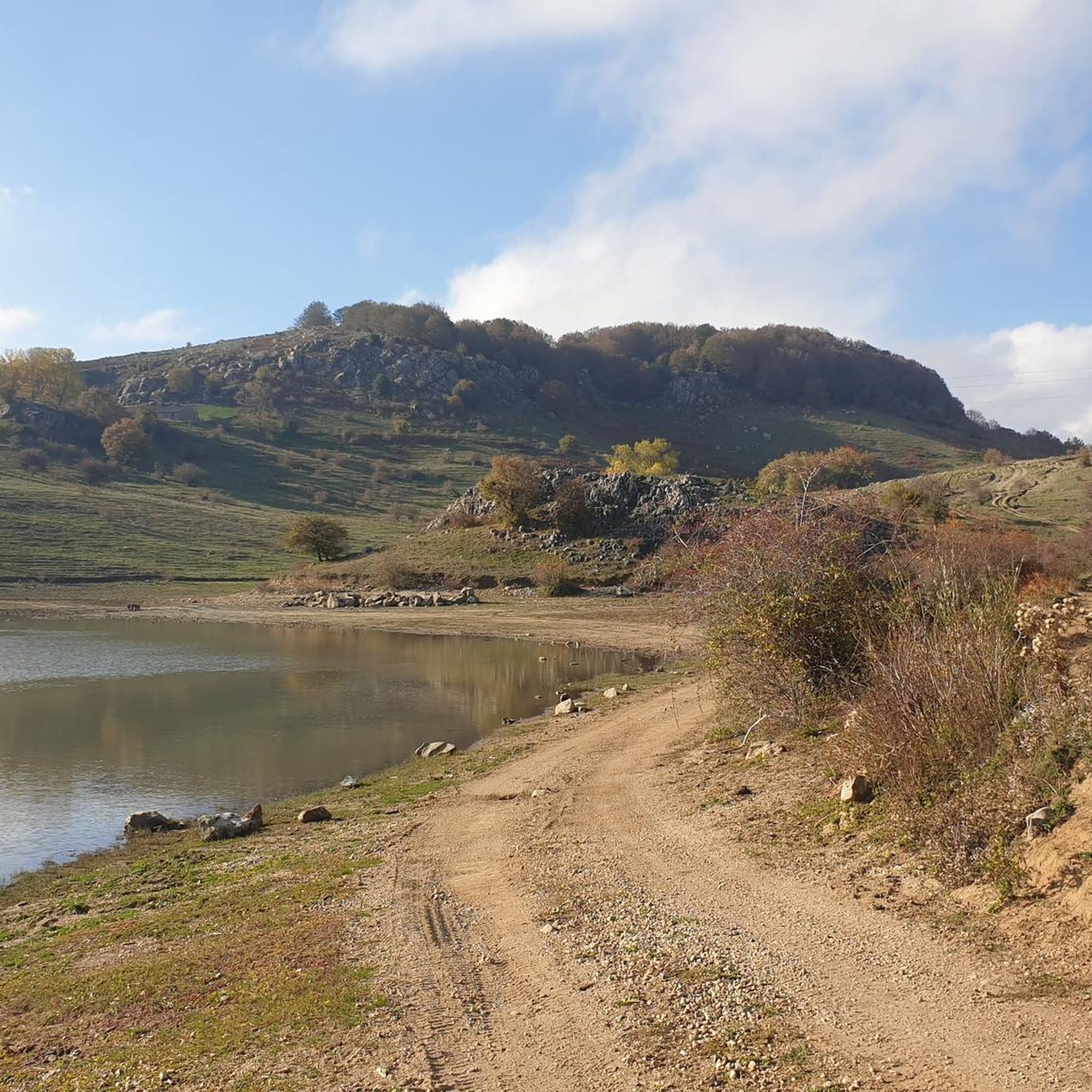
There is no equipped area. The cave is fenced off because it is an overhanging well. Good connection. The view of Etna and the crater of Monte Nero degli Zappini in the foreground is spectacular.
0
0
Frequently Asked Questions
What are the most accessible caves for a general visit near Randazzo?
For a visually stunning and relatively accessible experience, consider Serracozzo Cave. It's a lava tube with natural light entering through ceiling collapses, creating captivating effects. The initial part is easy to access. Another option is Grotta dei Lamponi, known for its easy accessibility and fascinating internal rock formations, though a professional guide is recommended for safety.
Are there any caves near Randazzo that are suitable for families?
Yes, Serracozzo Cave is generally considered suitable for families due to its relatively easy access and captivating light effects. Grotta dei Lamponi is also noted for being easily accessible, making it a good choice for less experienced explorers, including families, especially with a guide.
What kind of unique geological features can I expect to see in the caves around Randazzo?
The caves around Randazzo are primarily volcanic lava tubes, offering unique insights into Mount Etna's activity. You can see formations created by flowing lava, such as 'stripes' on the walls of Serracozzo Cave. The Grotta del Gelo, or Cave of Ice, is particularly unique for its perennial glacier, making it the southernmost in Europe, with impressive ice stalactites and stalagmites.
What is the best time of year to visit the caves near Randazzo?
The best time to visit depends on the specific cave. For most lava tubes, spring and autumn offer pleasant hiking weather. However, for the Grotta del Gelo, which harbors a perennial glacier, summer might be preferred to experience the contrast with Sicily's warm climate, though it still requires appropriate cold-weather gear and ice equipment. Always check weather conditions on Etna before heading out, as they can change rapidly.
Do I need any special equipment or permits to explore the caves?
For caves like Snow Grotto, a flashlight is essential as it's pitch-black inside. For more adventurous caves like Monte Nunziata Cave or the basal part of Case del Vescovo Caves, ropes, stairs, or full speleological equipment may be required. The Grotta del Gelo demands experienced hikers with crampons and ice axes. It's always recommended to go with a professional guide for safety, especially for less accessible caves. Access regulations for Etna Park caves should also be considered, and guides can help navigate these.
Are there any hiking trails that incorporate cave visits near Randazzo?
Yes, many hiking routes in the Etna Park area will lead you to or near these caves. For example, Schadlish Cave is described as a rewarding detour off a trail. You can find various hiking options in the region by exploring the Hiking around Randazzo guide, which includes routes like 'Grotta di Schadlish dal Rifugio Pirao – giro ad anello nel Parco dell'Etna'.
What are some of the more challenging cave explorations available?
The Grotta del Gelo is the most challenging, requiring a 7-9 hour trek and specialized equipment like crampons and ice axes due to its perennial glacier. Monte Nunziata Cave also offers a more adventurous exploration, requiring ropes and a stair for visitation. The basal part of Case del Vescovo Caves can only be reached with speleological equipment.
Can I bring my dog to the trails leading to the caves?
While many outdoor trails in Etna Park are dog-friendly, specific regulations for caves or protected areas might vary. It's advisable to check with Etna Park authorities or local guides regarding dog access directly into the caves themselves. For general dog-friendly trails, you can often find options around the park.
How long should I plan to spend exploring a cave near Randazzo?
The duration varies greatly by cave. For easily accessible caves like Serracozzo Cave or Schadlish Cave, you might spend an hour or two. However, the trek to Grotta del Gelo alone can take 7-9 hours, plus time for exploration. Always factor in travel time to the trailhead and the specific demands of the cave you plan to visit.
Are there places to eat or stay near the cave entrances?
The Etna region has several refuges and small towns like Randazzo that offer amenities. For example, Serracozzo Cave is easily reachable from Rifugio Citelli, which may have nearby cafes or restaurants. Rifugio Santa Barbara is another option for rest or even overnight stays if registered, and serves as a starting point for excursions. Randazzo itself offers various accommodation and dining options.
What is the historical significance of the caves around Randazzo?
These caves, primarily lava tubes, are a direct result of Mount Etna's ancient eruptions, offering a geological timeline of the volcano's activity. For instance, Grotta del Gelo and Grotta dei Lamponi formed during the prolonged eruption of 1614-1624, while Grotta Serracozzo is from the 1971 eruption. Historically, some caves like Grotta del Gelo were vital sources of ice for the downstream coast, and Snow Grotto (Grotta dei Ladroni) has legends of bandits using it as a hiding place.
Are there any less crowded caves to visit for a more tranquil experience?
While popular caves like Serracozzo Cave can attract visitors, exploring some of the lesser-known or more challenging caves like Monte Nunziata Cave or Grotta dei Lamponi (with a guide) might offer a more secluded experience. The demanding trek to Grotta del Gelo naturally limits visitor numbers, providing a unique and tranquil encounter with nature for those prepared.
Most popular routes around Randazzo
Most popular attractions around Randazzo

Get inspired with the komoot mobile app


Explore more
Extend your search for the best caves by checking out these guides of the top ones around Randazzo:
