Top 8 Castles around Castelvetrano
Best castles around Castelvetrano, located in western Sicily, Italy, offer a blend of history and natural beauty. The region features significant historical sites, including ancient Greek civilization remnants and naturalistic complexes. Its historical landscape manifests in various forms, from natural reserves with ancient remnants to palaces built upon older fortifications and archaeological parks.
Best castles around Castelvetrano
- The most popular castles is Wonderful view of Salemi, a viewpoint and historical site that offers insights into Italy's unification. This location…
Last updated: June 30, 2026
Wonderful view of Salemi
Highlight • Viewpoint
Translated by Google •
Tip by

Historic Centre of Salemi
Highlight • Historical Site
Translated by Google •
Tip by

Sign up now to discover places like this
Get recommendations on the best single tracks, peaks, & plenty of other exciting outdoor places.
Sign up for free
Salemi Norman Castle and ruins of the ancient church
Highlight • Castle
Translated by Google •
Tip by

Grifeo Castle – Regional Museum of Prehistory of the Belice
Highlight • Castle
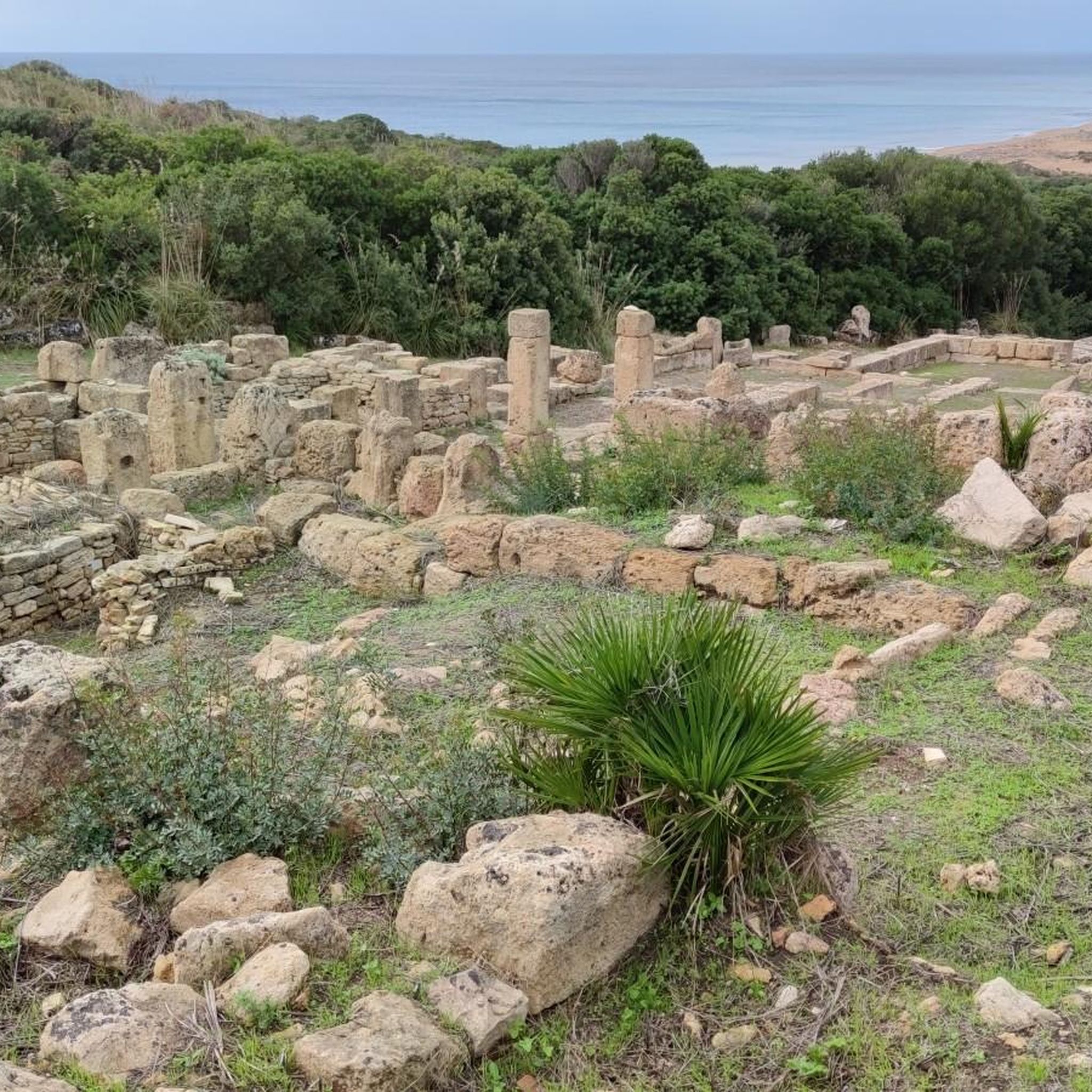
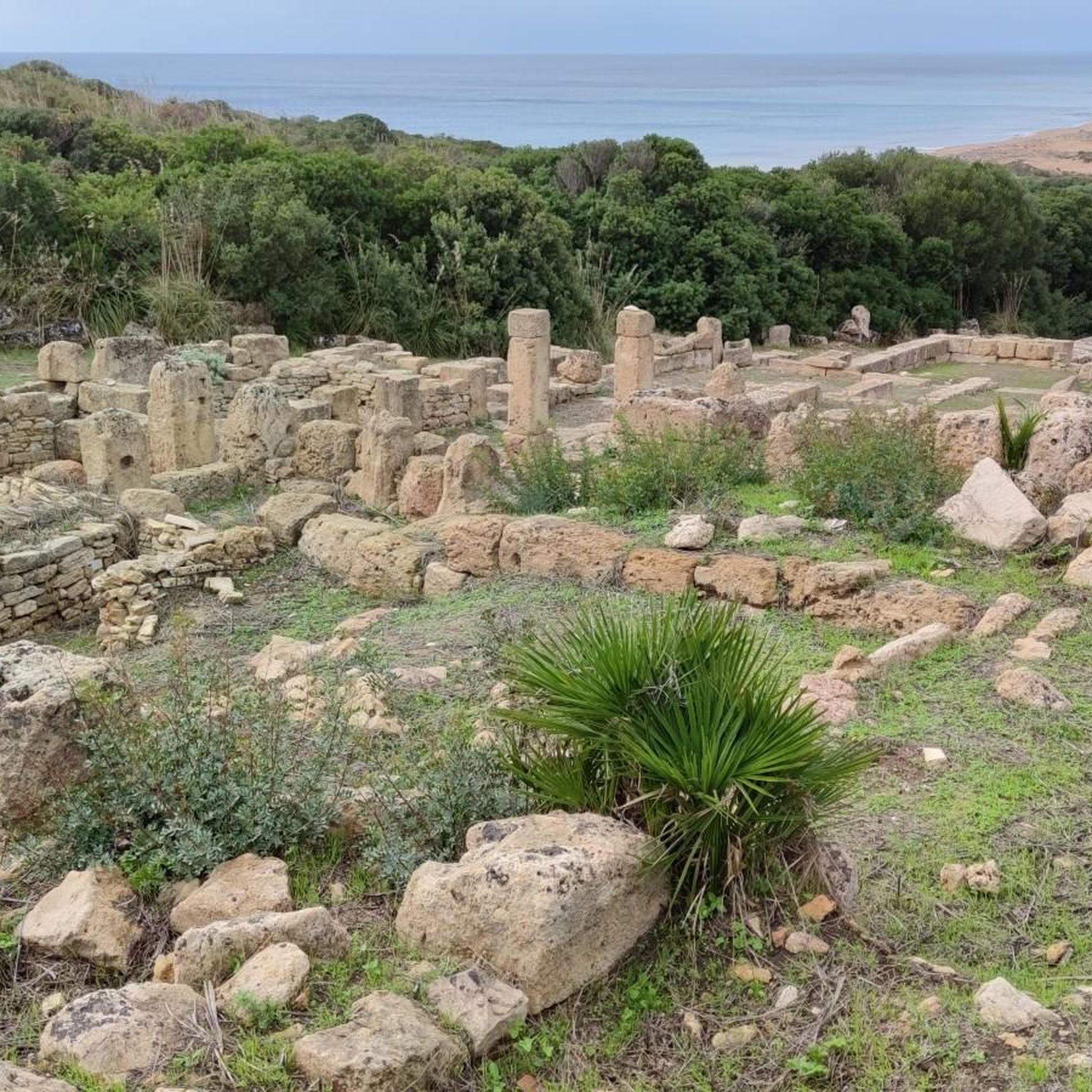
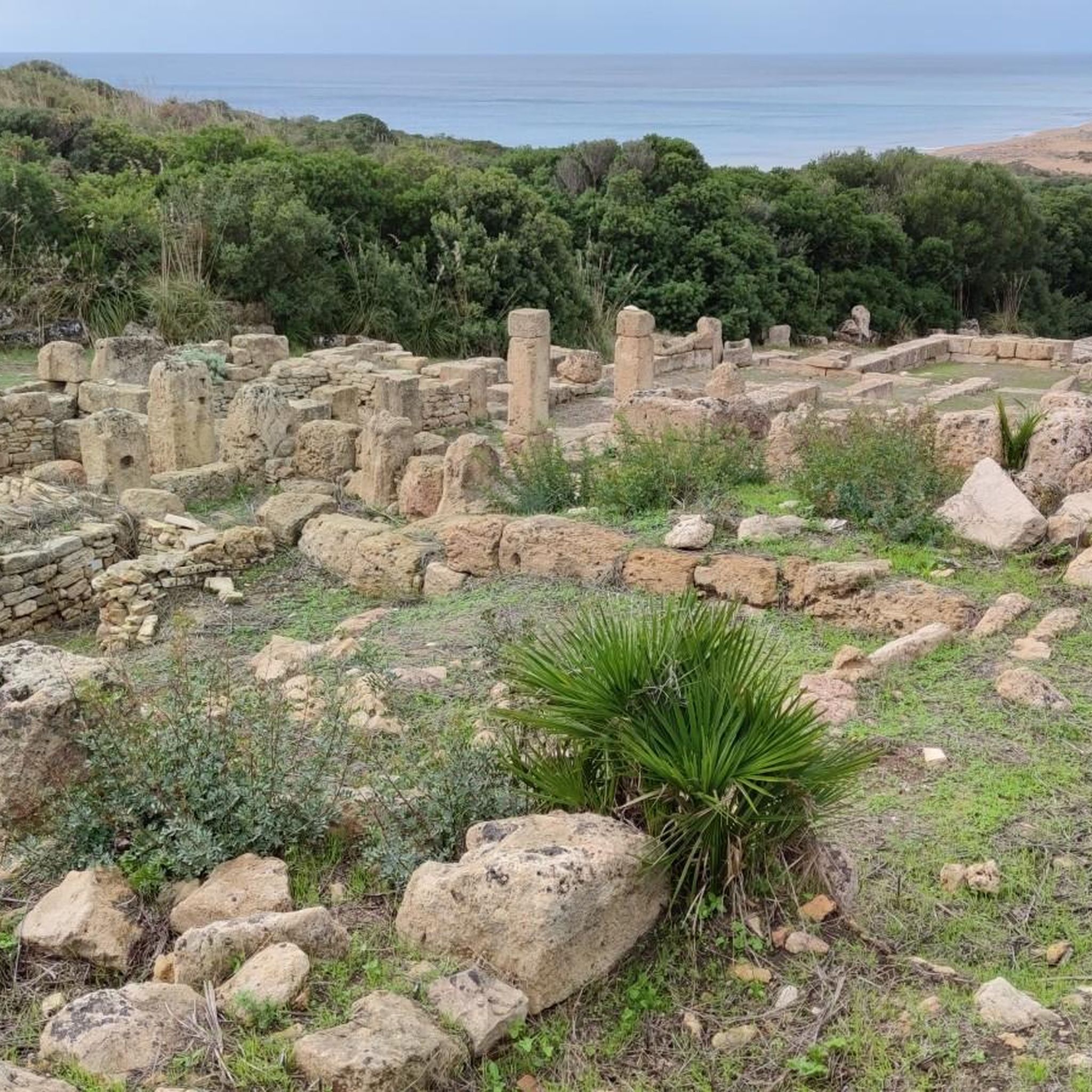
A few km from the town of Partanna rises the Strait called today "Archaeological Park". Since the beginning of the twentieth century in Contrada Stretto …
Translated by Google •
Tip by
Norman Castle of Salemi
Highlight • Castle
Translated by Google •
Tip by
Sign up for free to discover even more castles around Castelvetrano.
Sign up for free
Already have an account?
Start today with a free account
Your next adventure awaits.
Login or Signup
Popular around Castelvetrano
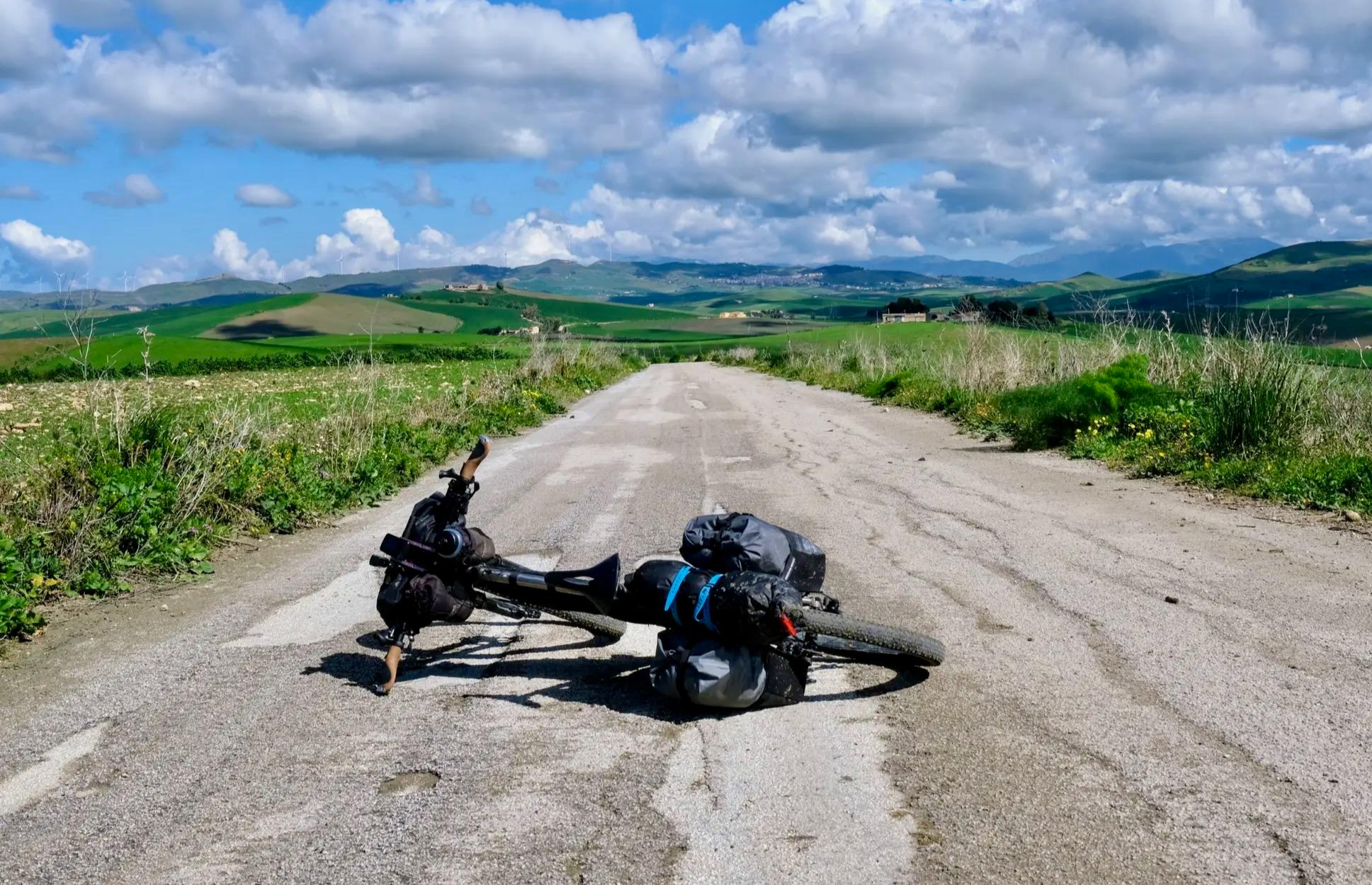
Scent of oranges – Sicily by bike between Agrigento, hinterland and Palermo
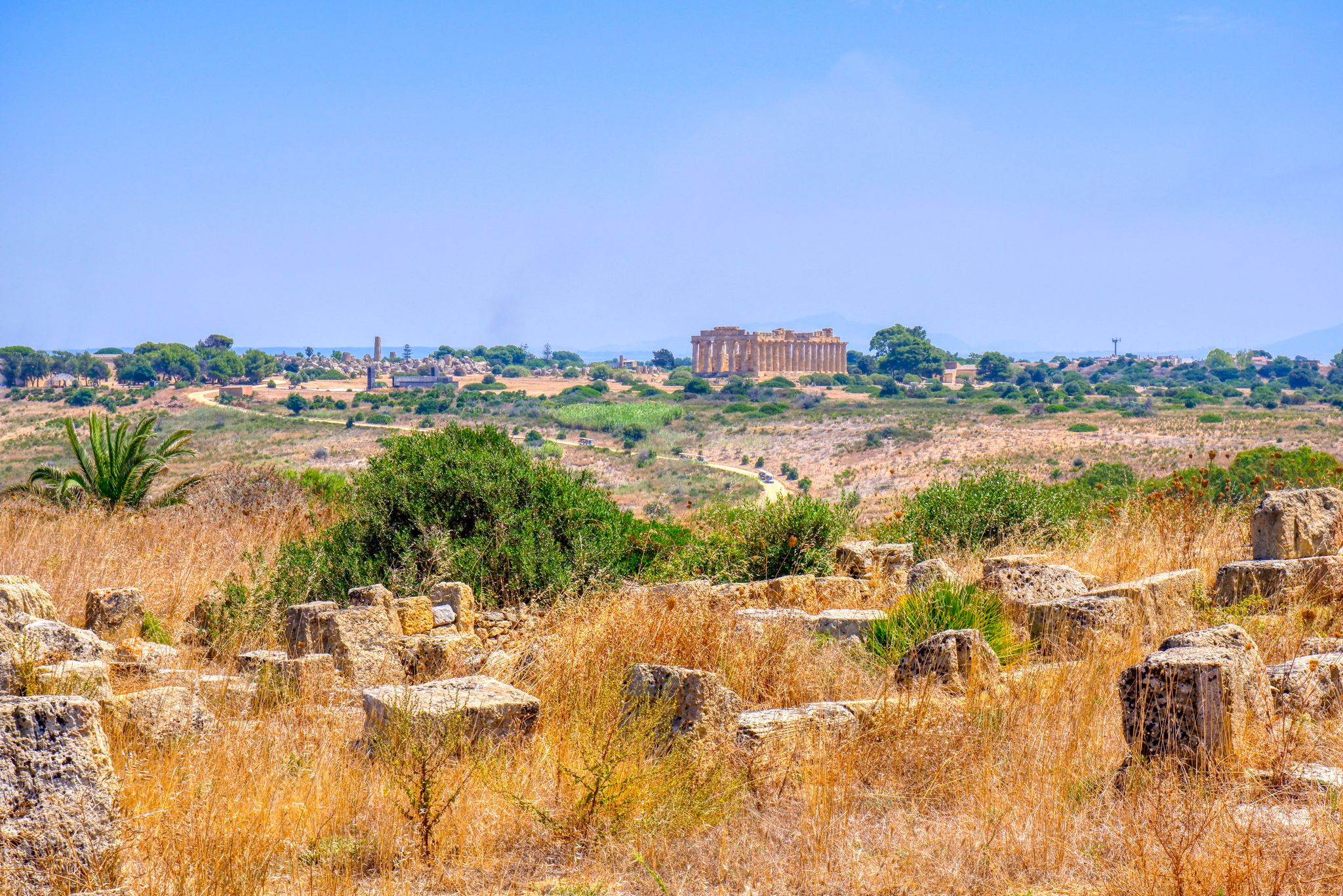
Between nature and history – Western Sicily by bike
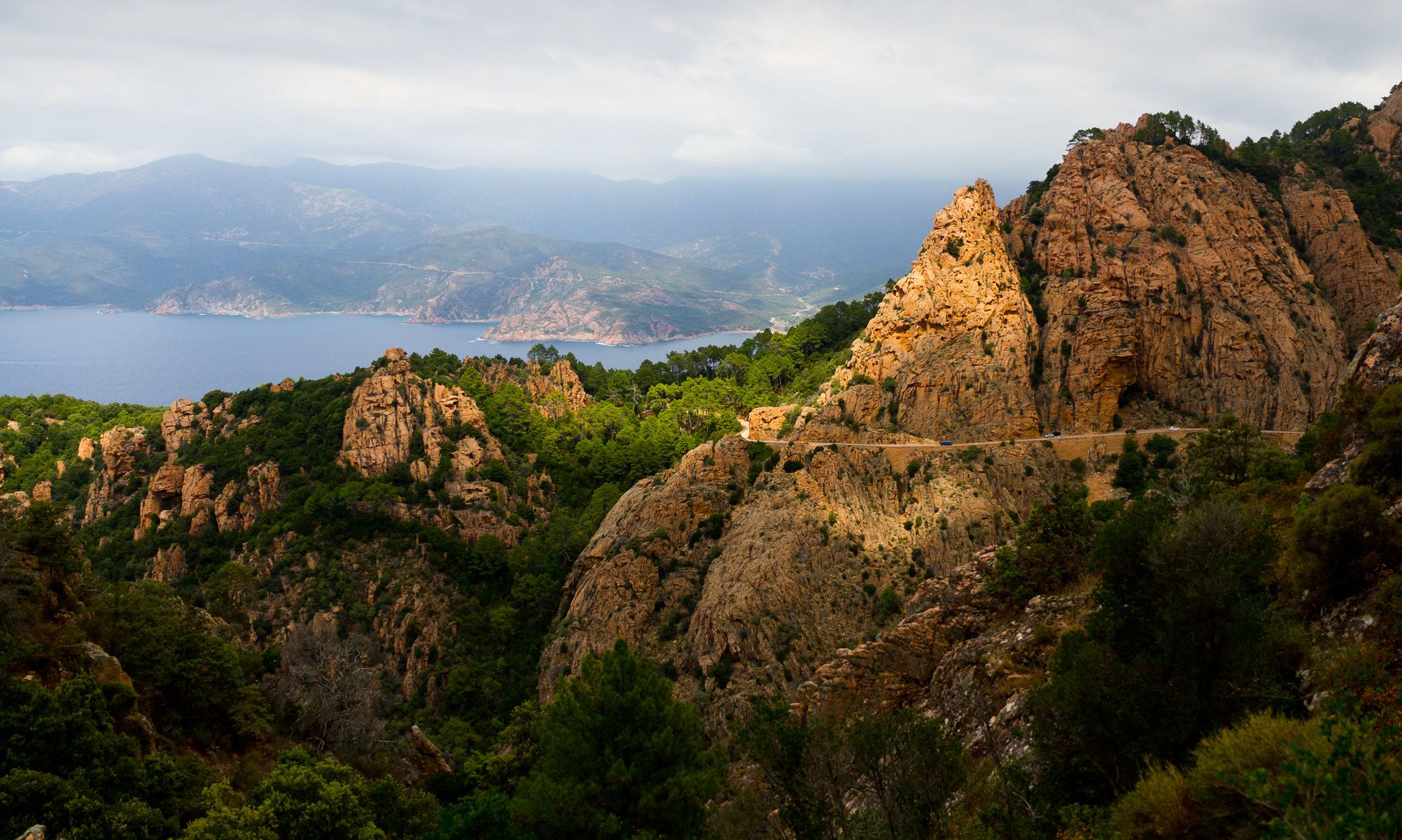
From Cape Corsica to Syracuse — three Mediterranean islands
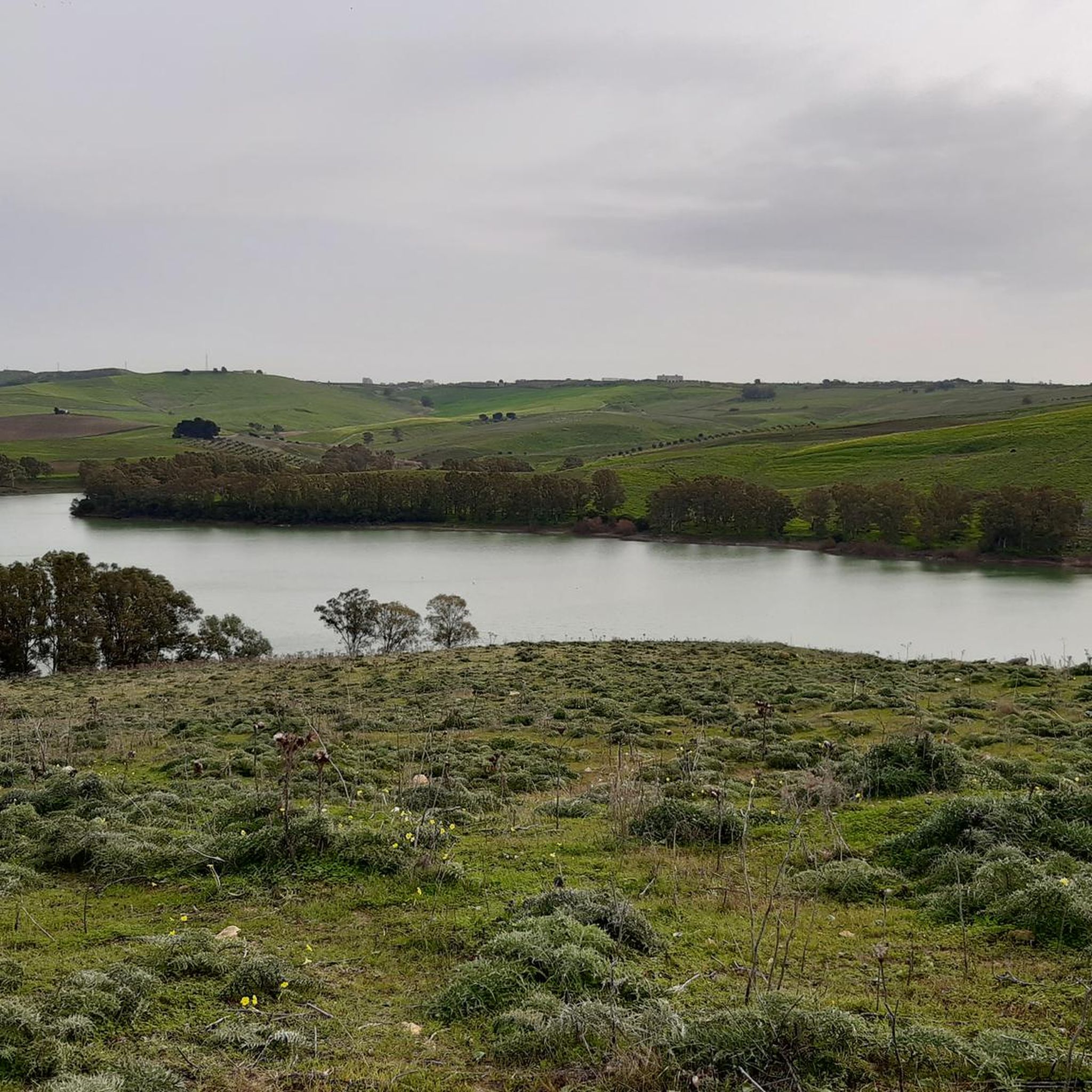
Hiking around Castelvetrano
MTB Trails around Castelvetrano
Cycling around Castelvetrano
Road Cycling Routes around Castelvetrano
Running Trails around Castelvetrano
Other adventures around Castelvetrano


Tips from the Community

A country that is absolutely worth visiting, it was the first capital of Italy, even if only for one day.
0
0

History, culture and breathtaking views of the hilly surroundings are all mixed here. The view of the Norman-Swabian castle that towers over the town is particularly impressive - a perfect destination after a challenging stage. The climb, especially in the Monte delle Rose district, is quite demanding, but the reward is worth it: a spectacular view of the old town and the castle. Salemi is not only a visual highlight, but also steeped in history. In May 1860, Giuseppe Garibaldi briefly proclaimed Salemi the first capital of a united Italy - even if the title only lasted for one day. This town combines the legacy of a turbulent past with the charm of a typical Sicilian village, which lies about 400 meters above sea level. Salemi not only offers a historical insight, but also a challenging but worthwhile route through the rural region. When you drive through the winding streets here, you can literally feel how history and the present merge into one another.
0
0

On 14 May 1860 Giuseppe Garibaldi landed in Marsala and headed towards Salemi. Here he hoisted the Italian flag, a nation that was then forming, on the Norman-Swabian castle, proclaiming Salemi the capital of Italy, an informal title that he retained for only one day. Today Salemi is a splendid town of around 10,000 inhabitants, part of the most beautiful villages in Italy according to the National Association of Italian Municipalities.
3
0

Salemi, the first capital of Italy. Sicilian village located on a hill, with a beautiful Norman castle
2
0
A historical marvel, the Norman castle
0
0
The former Mother Church, dedicated to San Nicola di Bari, collapsed following the earthquake of 1968, stood on the acropolis of the city, now Piazza Alicia, perhaps on the site of a pre-existing pagan temple, which was followed by an Arab mosque. The construction, begun in 1615 on a project by Mariano Smeriglio, was completed in 1761. The recovery intervention by the architect Alvaro Siza intended to leave the ruins of the apse as the scenic background of the square, in memory of the earthquake and as a sign of the consequent rebirth of the town. The large churchyard, between the apse and what remains of the side chapels, has become a meeting and meeting place especially for young people.
11
0
The Norman, or Norman-Swabian, Castle of Salemi is a castle built on the top of the hill where the city of Salemi stands, in the center of the Belice valley. Built by Ruggero the Norman around 1077, on pre-existing Greek-Roman fortifications . The religious inscription I.C.N.C.R.I dates back to that period. The geographer El Edrisi already wrote about it in the 12th century. It was remodeled by Federico II di Svevia in the XIII century. On 11 December 1441, a confederation was formed in the castle of Salemi consisting of Salemi, Trapani, Mazara, Monte San Giuliano, Castelvetrano and Partanna, which undertook to defend Queen Bianca of Aragon.
10
0

In Salemi, in 2010, a museum was opened showing the history of the Cosa Nostra mafia.
2
0
Frequently Asked Questions
What kind of historical sites can I explore around Castelvetrano?
The Castelvetrano area offers a diverse range of historical sites. You'll find traditional castles like the Salemi Norman Castle, which was built on pre-existing Greco-Roman fortifications. There are also significant archaeological complexes, such as the Wonderful view of Salemi, a viewpoint and historical site where Giuseppe Garibaldi hoisted the Italian flag. Additionally, the region features palaces built on older fortifications, and the renowned Selinunte Archaeological Park, one of Europe's largest, with extensive ancient Greek ruins.
Are there any family-friendly historical sites near Castelvetrano?
Yes, the region offers options suitable for families. The Salemi Norman Castle and ruins of the ancient church is categorized as family-friendly. Another excellent choice is the Grifeo Castle – Regional Museum of Prehistory of the Belice, which houses a museum and offers an engaging historical experience for all ages.
What natural features can I see when visiting historical sites in the area?
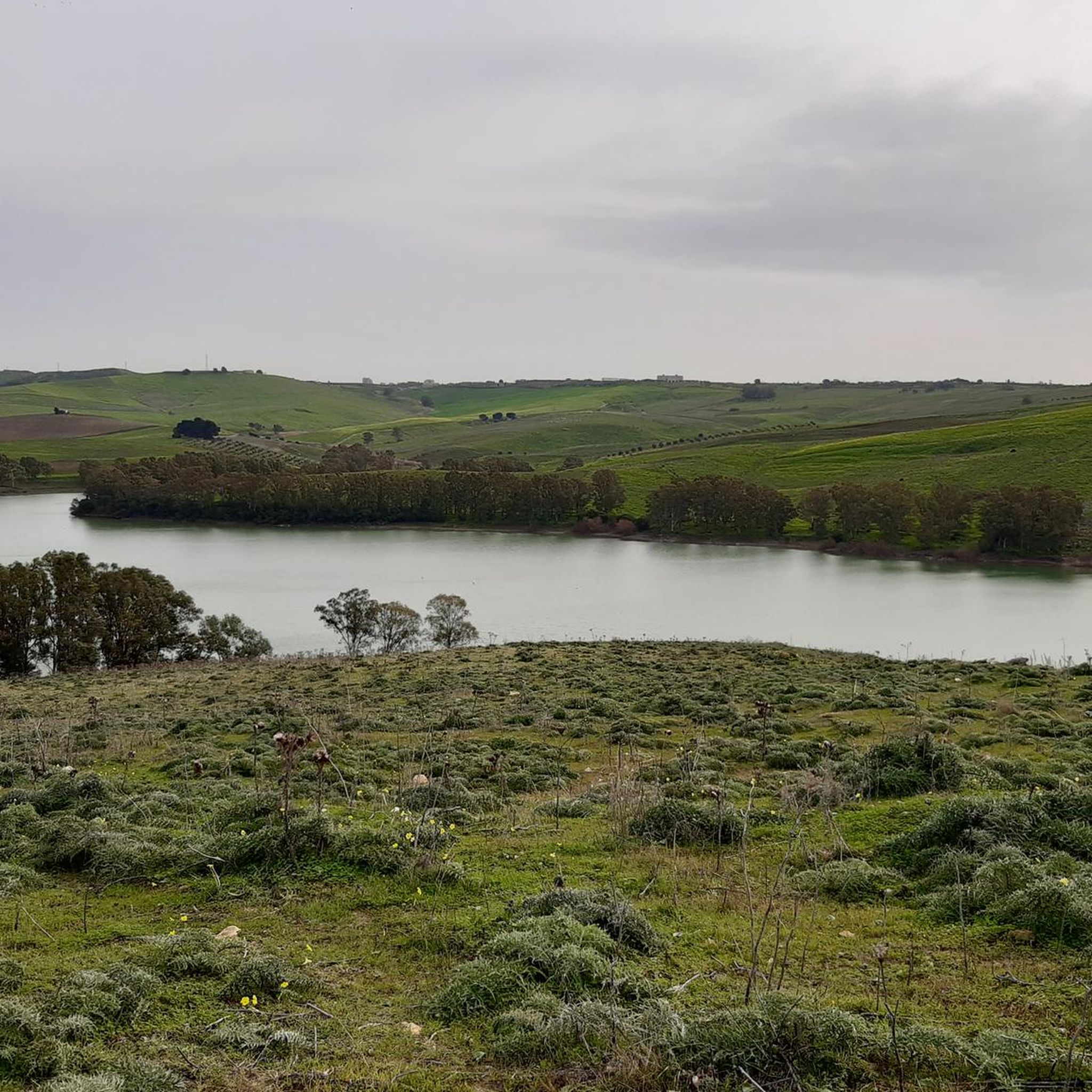
Beyond the historical structures, the Castelvetrano area is rich in natural beauty. The 'Castello della Pietra' (Castle of Stone) is primarily a naturalistic and archaeological complex featuring rugged cliffs and a bend in the Belice river, creating a microclimate with diverse flora. The area also includes the artificial lake Trinità. Many sites, like the Wonderful view of Salemi, offer panoramic vistas of the surrounding landscape.
What outdoor activities can I do near these historical sites?
The area around Castelvetrano is excellent for outdoor activities. You can find numerous routes for running, hiking, and cycling. For instance, there are several running loops around Selinunte and Triscina, as well as hiking trails within the Selinunte Archaeological Park. Cycling routes, such as the 'Selinunte Cycle Path,' also allow you to explore the region. You can find more details on these activities in the Running Trails around Castelvetrano, Hiking around Castelvetrano, and Cycling around Castelvetrano guides.
What is the significance of Salemi in the history of Italy?
Salemi holds a unique place in Italian history. On May 14, 1860, Giuseppe Garibaldi landed in Marsala and proceeded to Salemi, where he hoisted the Italian flag on the Norman-Swabian castle. He proclaimed Salemi the capital of Italy for one day, an informal but significant act during the country's unification. The Historic Centre of Salemi and the Wonderful view of Salemi highlight this historical importance.
Are there any ancient Greek ruins to visit near Castelvetrano?
Absolutely. A short distance from Castelvetrano is the Selinunte Archaeological Park, one of the largest archaeological parks in Europe. It preserves the extensive remains of the ancient Greek city of Selinunte, founded around 628 B.C. You can explore various temples and structures, including the rebuilt Temple E (Hera) and the lateral colonnade of Temple C, offering a profound glimpse into ancient Greek civilization.
What can I expect to see at the Grifeo Castle?
The Grifeo Castle in Partanna is one of the best-preserved castles in western Sicily. Its current appearance dates back to the 14th century, though its history is much older, with origins tracing back to 1091. Today, it serves as the 'Regional Museum of Prehistory of Belice,' showcasing archaeological finds from the area, including a notable 'Drilled Skull' from 5,000 years ago, suggesting ancient surgical practices.
How long does it typically take to visit these historical sites?
The duration of your visit will vary depending on the site. For extensive locations like the Selinunte Archaeological Park, you could easily spend half a day or more exploring the various temples and ruins. Smaller sites like the Salemi Norman Castle or the Grifeo Castle might take 1-2 hours each, allowing time to appreciate the architecture and museum exhibits.
What is the best time of year to visit the historical sites around Castelvetrano?
Spring (April-May) and early autumn (September-October) are generally the best times to visit. The weather is pleasant for exploring outdoor archaeological parks and castles, avoiding the intense heat of summer and the cooler, potentially wetter days of winter. Summer (June-August) can be very hot, especially at exposed sites like Selinunte, so early mornings or late afternoons are recommended if visiting during this period.
Are there any unique artifacts or exhibits related to the region's history?
Yes, the Civic Museum in Castelvetrano houses the precious bronze statue of the Ephebus of Selinunte, a 5th-century BC artifact found in the area. Additionally, the Grifeo Castle – Regional Museum of Prehistory of the Belice displays significant prehistoric finds, including ceramics, moats, and the intriguing 'Drilled Skull' from the nearby Archaeological Park of the Strait.
What do visitors enjoy most about the historical sites in the Castelvetrano area?
Visitors frequently praise the profound sense of history and the stunning views. The Wonderful view of Salemi is particularly noted for its panoramic vistas. Many appreciate the opportunity to explore towns like Salemi, which offer a cross-section of Sicilian history from the Elimi people to the Normans, and the well-preserved ancient Greek ruins at Selinunte.
Is public transport available to reach these historical sites?
While some sites within towns like Salemi are accessible, reaching all historical sites and castles around Castelvetrano, especially the more remote ones or archaeological parks, often requires a car. Public transport options might be limited or require multiple connections, so checking local bus schedules in advance or considering a rental car is advisable for comprehensive exploration.
Most popular attractions around Castelvetrano

Get inspired with the komoot mobile app


Explore more
Looking for the best castles somewhere else? Discover other guides around Castelvetrano:
