Top 4 Gorges around Massa Lubrense
Canyons around Massa Lubrense are found within a scenic area on the Sorrento Peninsula, characterized by natural beauty and diverse outdoor activities. The region features deep fissures in rock, fjords, and trails that traverse dramatic gorges. This landscape offers varied experiences, from challenging paths to unique geological formations. The area is defined by steep rocky walls and lush Mediterranean flora.
Best canyons around Massa Lubrense
- The most popular canyons is Crapolla Fjord, a gorge that features a deep fissure…
Last updated: June 30, 2026
Best Section of the Path of the Gods
Highlight (Segment) • Trail
Here is a loop option to come back to the starting point without busses and tourists : …
Tip by

Crapolla Fjord
Highlight • Gorge
Translated by Google •
Tip by

Sign up now to discover places like this
Get recommendations on the best single tracks, peaks, & plenty of other exciting outdoor places.
Sign up for free
Matermania Cave
Highlight • Cave
Tip by

Trail to Marina di Crapolla
Highlight • Trail
Translated by Google •
Tip by
From Crapolla Fjord to the Monte di Torca Oasis
Highlight (Segment) • Trail
Translated by Google •
Tip by
Start today with a free account
Your next adventure awaits.
Login or Signup
Tips from the Community

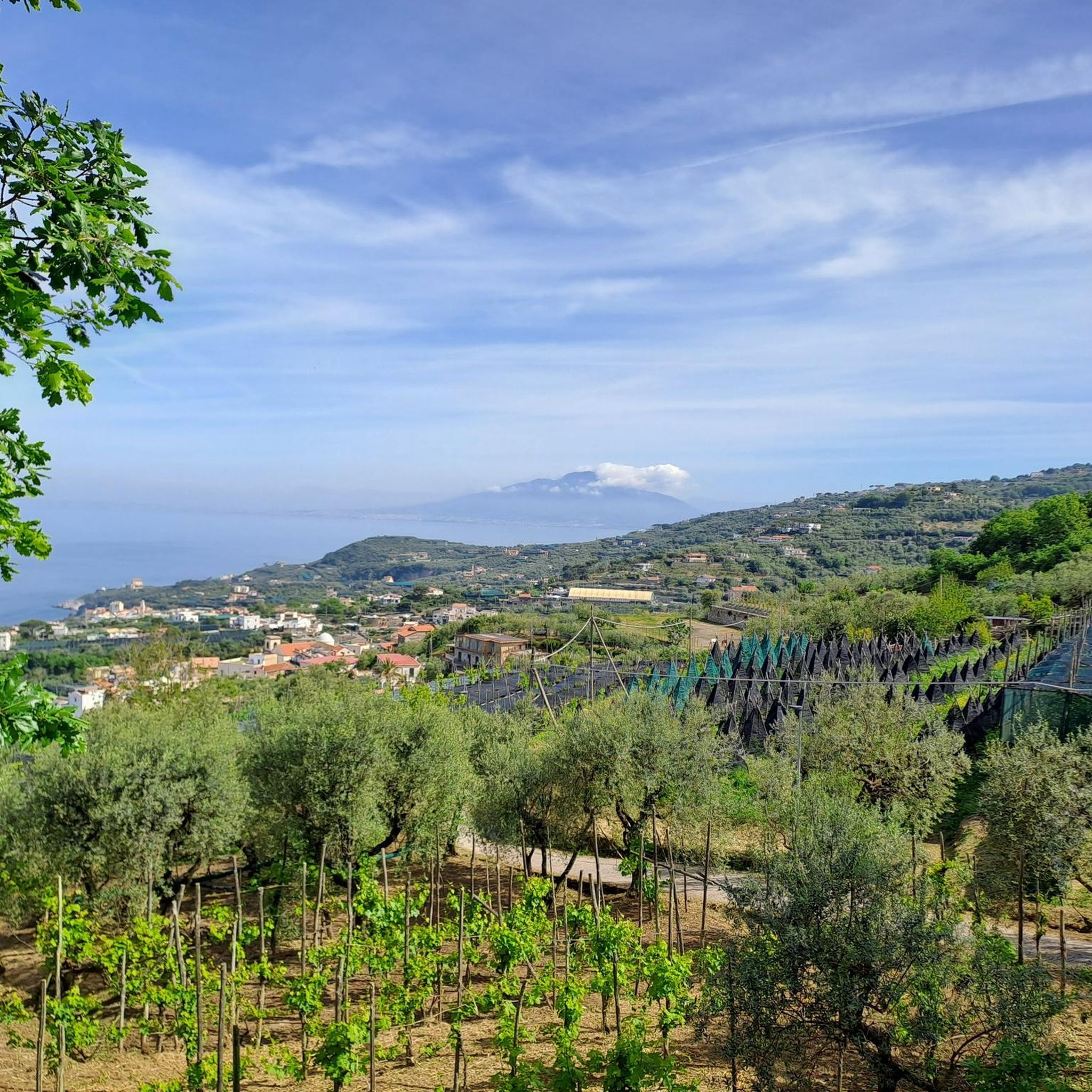
From the Crapolla fjord it is possible to return to Torca passing through the "Torca mountain oasis". You have to follow a fairly challenging path both because it is exposed in some places and because of the vegetation which sometimes hides the red marks on the rocks. On the other hand it is a very panoramic path that allows you to see the fjord from above with another angle. Furthermore, the path passes next to the Saracen watchtower and reaches the Monte di Torca Oasis where you can stop to rest. Trekking clothing and sturdy shoes are absolutely necessary.
1
0
The path to reach the Crapolla fjord starts from Torca. You have to go down and then go up 700 steps. The effort will be amply rewarded but you need to have a minimum amount of preparation to face it as well as sturdy shoes.
3
0
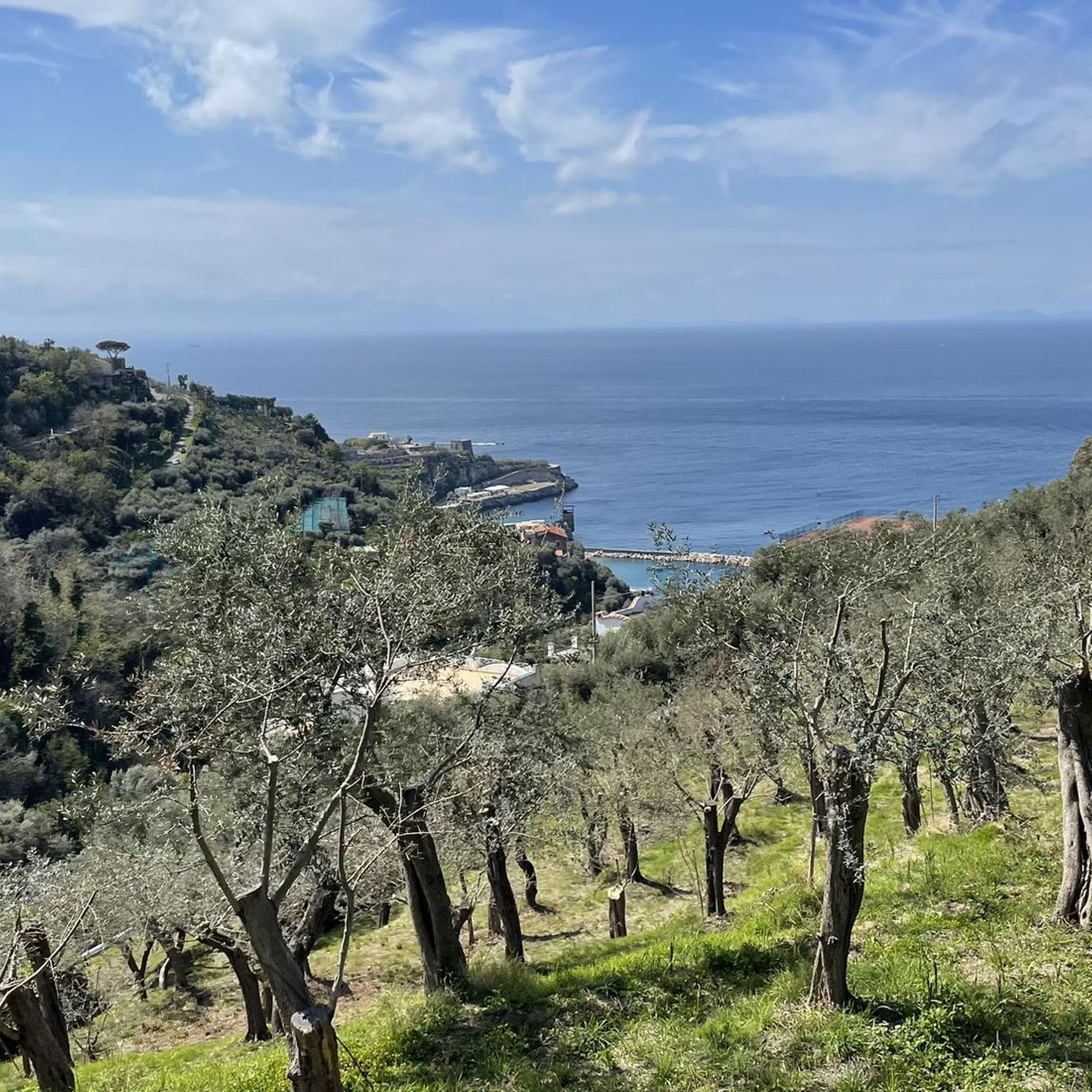
The Crapolla Fjord can only be reached on foot starting from the small square of Torca, following a well-marked blue path. It is a path of high difficulty (and therefore not recommended for those who do not like long and tiring walks). It is grafted onto an old mule track surrounded by Mediterranean flora which, at a certain point, includes a branch (this time traced with the white-red band), which includes a path made up of 700 steps leading to the fjord. After passing the chapel of San Pietro you reach the longed-for place! The Crapolla fjord in Massa Lubrense looks like a deep fissure in the rock that insinuates itself into a high cliff for a length of about 150 meters which gradually extends downwards, ending in the small beach. To the west of the inlet it is possible to see the remains of a Roman villa where portions of the walls in opus reticolatum can be recognized. .... ... Here is the complete information: https://www.aboutsorrento.com/cosa-fare/il-fiordo-di-crapolla-a-massa-lubrense/
1
1

Steep descent to the grotto but worth seeing
0
0

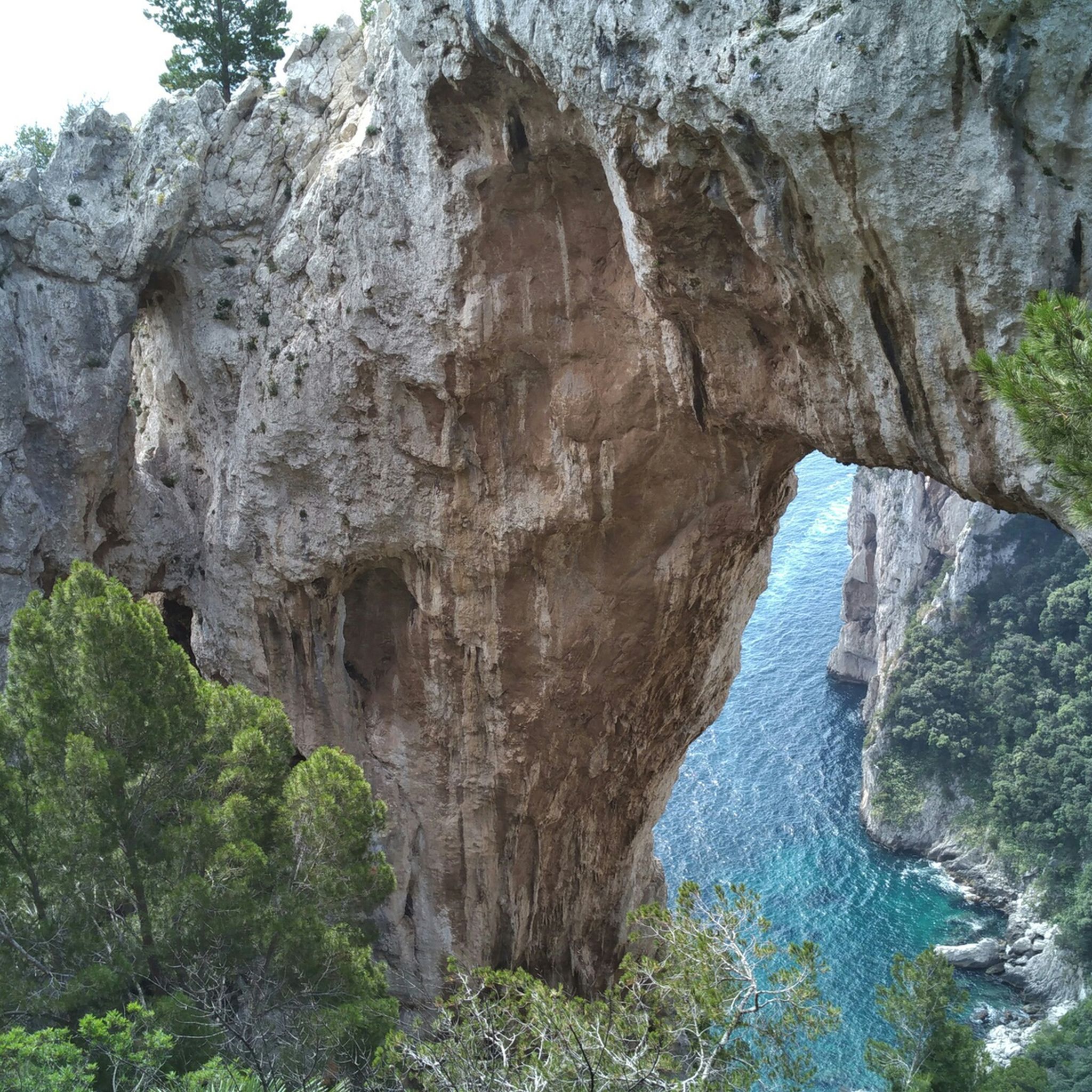
Steep steps lead below the Arco Naturale down to the Matromania Cave – a term deriving from the Latin name mater magna (Great Mother) by corruption.
0
0

The cave is commonly called Grotta di Matermania but is also known as Grotta del Matrimonio or Matromania. It is a cavity about 30 meters long and 20 meters wide, with an average height of 10 meters.
1
1

'Istenek ösvénye' is Hungarian for 'Sentiero degli Dei' or Path of the Gods. Here is a loop option to come back to the starting point without busses and tourists : https://www.komoot.de/tour/t3860227?ref=atd Sentiero degli Dei (Path of Gods) Italia, Amalfi: da Bomerano a Nocelle (Positano), é da volta il sentiero de Capo Muro é Tré Calli a Bomerano https://www.komoot.de/highlight/137157 Here a quote from a somewhat enthusiastic chap who maintains a whole website just for this little hike: "the path, set in stunning natural beauty, is a must to see, at least for who wants to deeply dig into the marvels of the Amalfi Coast. From the Path of the Gods it is possible to admire one of the most striking panoramas on Earth: halfway up the hill the path crosses, from Bomerano to Nocelle (Nocella), through the most fascinating gorges, cliffs and precipices of the Amalfi Coast. An incomparable overview of the coast from Punta Licosa, in the Cilento (part of the province of Salerno that lies on the south of the Amalfi Coast) to the Island of Capri,an ancient natural extension of Punta Campanella (watershed between the gulfs of Naples and Salerno) where the Athena loop trail, another wonderful hike, lays. The name, a little exaggerated, is due to some aerial exposed part of the path, the magnificent wide views of the sea and splendid hamlets of Vettica Maggiore (Praiano) and Furore located just below the path. From above you can admire, impending over the sea, the extremely steep and wild noses of “Sant’Angelo a Tre Pizzi”, the highest summit of the Sorrento Peninsula. The Path of the Gods, despite of the name, is an extraordinary monument to the boundless obstinacy and exertion of the humankind that, throughout the ages, has been able to colonize even the most impracticable places on the Amalfi Coast. Today, shepherds, woodsmen and farmers still use the path as it lays through hundreds of dry stonewalls, vegetable gardens, woods, lemon groves and old vineyards stolen to the mountain. Beside the path, you find caves and terraces dropping from the cliffs to the sea and deep valleys. The caves host pens, folds, depots and other constructions. Of the vertical faces, with a dolomitic look overlooking the path, you’ll admire their elegant glides, gulls, crows, peregrine and kestrel falcons, coming out their aeries. " http://www.pathofgods.com/into-the-path/inside-the-path-of-the-gods/
1
0
Frequently Asked Questions
What are the most notable gorges and canyon-like features to explore around Massa Lubrense?
The region offers several unique natural features. The Crapolla Fjord is a deep fissure in the rock, accessible via a challenging path of 700 steps. Another significant site is the Matermania Cave, also known as Grotta del Matrimonio, a large cavity with steep steps leading down to it. For a dedicated canyoning experience, Rivo Iarito (also known as Rivo Viarito) near Torca offers thrilling vertical descents, including a spectacular 50-meter drop overlooking the sea.
Are there opportunities for technical canyoning in Massa Lubrense?
Yes, for those seeking a technical canyoning adventure, Rivo Iarito (Rivo Viarito) near Torca is the primary destination. It features a total vertical drop of 200 meters with three significant descents, including a 50-meter vertical drop that provides breathtaking views of the sea. This experience requires appropriate gear and expertise.
What kind of natural features can I expect to see in the gorges around Massa Lubrense?
You will encounter steep rocky walls, lush Mediterranean vegetation, and deep fissures in the rock. Highlights like the Crapolla Fjord showcase a dramatic geological formation ending in a small beach. The Path of the Gods, while a hiking trail, also features deep gorges and offers panoramic views of Capri and the Sorrento coast.
What are some challenging trails that lead to these gorges?
The Trail to Marina di Crapolla is a challenging route that involves descending and ascending 700 steps to reach the Crapolla Fjord. Another challenging option is the path From Crapolla Fjord to the Monte di Torca Oasis, which offers panoramic views and passes a Saracen watchtower.
Are there any historical or cultural landmarks near the gorges?
Yes, near the Crapolla Fjord, you can find remains of a Roman villa with portions of walls in opus reticolatum. The Matermania Cave itself has historical significance, with its name deriving from 'mater magna' (Great Mother). Additionally, the Path of the Gods features ancient settlements and centuries-old cave houses like those at Grotta Biscotto.
What is the best time of year to visit the canyons and gorges in Massa Lubrense?
The best time to visit is generally during the spring (April-June) and autumn (September-October) when the weather is mild and pleasant for outdoor activities. Summers can be hot, especially for challenging hikes, while winters might bring more rain, affecting trail conditions and water levels for canyoning.
What outdoor activities can I do near the gorges in Massa Lubrense?
Beyond exploring the gorges, Massa Lubrense offers various outdoor activities. You can find numerous hiking trails, including routes like the Punta Campanella loop or the Baia di Ieranto loop. There are also road cycling routes, such as the Sorrentine Peninsula Loop, and running trails available. For more details, explore the hiking guide, road cycling guide, and running guide for Massa Lubrense.
Are there any viewpoints offering panoramic scenery of the gorges and coastline?
Yes, many trails in the region offer stunning viewpoints. The Trail to Marina di Crapolla and the path From Crapolla Fjord to the Monte di Torca Oasis provide rewarding views. The Path of the Gods is renowned for its breathtaking panoramas of Capri, the Monti Lattari, and the Sorrento coast, often featuring dramatic gorge scenery.
What should I wear for hiking or canyoning in Massa Lubrense?
For challenging trails and canyoning, sturdy shoes with good grip are absolutely necessary. Trekking clothing is recommended, especially for routes that are exposed or have dense vegetation. For technical canyoning like Rivo Iarito, specialized gear including wetsuits, helmets, and harnesses would be required.
How long do the canyon hikes typically take in Massa Lubrense?
The duration varies depending on the specific trail and your fitness level. For instance, reaching the Crapolla Fjord via the 700 steps is considered a long and tiring walk. Dedicated canyoning experiences like Rivo Iarito can take several hours, depending on the group's pace and technical requirements.
Is public transport available to reach the trailheads for the gorges?
While specific public transport details for each trailhead are not always readily available, Massa Lubrense is generally accessible by local bus services connecting its various hamlets. It's advisable to check local bus schedules and routes to plan your journey to areas like Torca, which is a starting point for the Crapolla Fjord trails and Rivo Iarito.
What do visitors enjoy most about the gorges and canyon-like areas in Massa Lubrense?
Visitors highly appreciate the blend of adventure and natural beauty. The challenging paths leading to hidden gems like the Crapolla Fjord, the unique geological formations of the Matermania Cave, and the thrilling vertical descents of Rivo Iarito are often cited. The panoramic views of the coastline and the Mediterranean flora also contribute to an unforgettable experience.
Most popular attractions around Massa Lubrense

Get inspired with the komoot mobile app


Explore more
Already discovered everything in this region? See additional gorges around Massa Lubrense for your next adventure:
