Top 5 Castles around Brienno
Castles around Brienno offer a glimpse into the region's rich history and strategic importance on Lake Como. This medieval village, characterized by its stone houses and narrow alleys, served as a defensive settlement. While traditional castles are not prominent, historical sites include remnants of ancient fortifications and World War I defenses. Visitors can explore a blend of medieval atmosphere and military history.
Best castles around Brienno
- The most popular castles is Villa Olmo, a historical site that features neoclassical…
Last updated: August 23, 2026
Villa Olmo
Highlight • Historical Site
The name of the villa goes back to a huge elm tree (Olmo), which according to legend was planted by Pliny the Younger and once adorned …
Showing Translation
Tip by

Torre del Soccorso (Barbarossa Tower)
Highlight • Castle
The Torre del Soccorso stands with its massive quadrangular mass in Moltrasio stone, easily recognizable among the vegetation that covers Mount Gravona close to …
Translated by Google •
Tip by

Sign up now to discover places like this
Get recommendations on the best single tracks, peaks, & plenty of other exciting outdoor places.
Sign up for free
Castellaccio Ruins
Highlight • Castle
The coat of arms of Melano represents the lake, the Castellaccio (of which the ruins are still visible) built by the Como people around the year 1000 AD.
Translated by Google •
Tip by

Tri Böcc Cave Castle Ruin
Highlight • Castle
Translated by Google •
Tip by

Start today with a free account
Your next adventure awaits.
Login or Signup
Tips from the Community

This is an ancient signal tower dating back to the 12th century. The structure was part of the defensive system of Comacina Island. After the island's destruction by the people of Como (1169), it remained abandoned for centuries. https://fondoambiente.it/luoghi/torre-del-soccorso-detta-del-barbarossa-84041?ldc
0
0

At the end of the beach promenade there is "suddenly" a huge building: Villa Olmo. Imposing park with a panoramic view of Como. The bike has to be pushed.
1
0

Villa Olmo is a perfect example of Italian neoclassical style. Its elegance and charm didn’t go unnoticed by Napoleon Bonaparte and Giuseppe Garibaldi, who were two of the most notable guests of the villa. The villa began restoration work in early 2024, so its interior will not be open to visitors for about a couple of years. The gardens that surround it are open all throughout the year. Learn more here: https://lakecomotravel.com/villa-olmo-lake-como/
3
0

Ruins of a small cave castle, clearly visible and with exposed access in the rock walls north of Mendrisio. A straight, three-story wall closes the natural cave. The main openings and probably the namesake are a high entrance and two windows. There is a cast iron window above the climb. Several embrasures and light hatches have been preserved. According to architectural criteria, the castle dates back to the 15th century. It probably served as a defensive refuge for a local leadership group. The Tanùn (Tanone), another cave on the ascent, which is closed off with a low wall, was probably related to Tri Böcc. An at least indirect connection is conceivable with the grotto hermitage of San Nicolao, which, according to tradition, was built by Loterio Rusca in 1413 in a higher rock echelon.
1
0

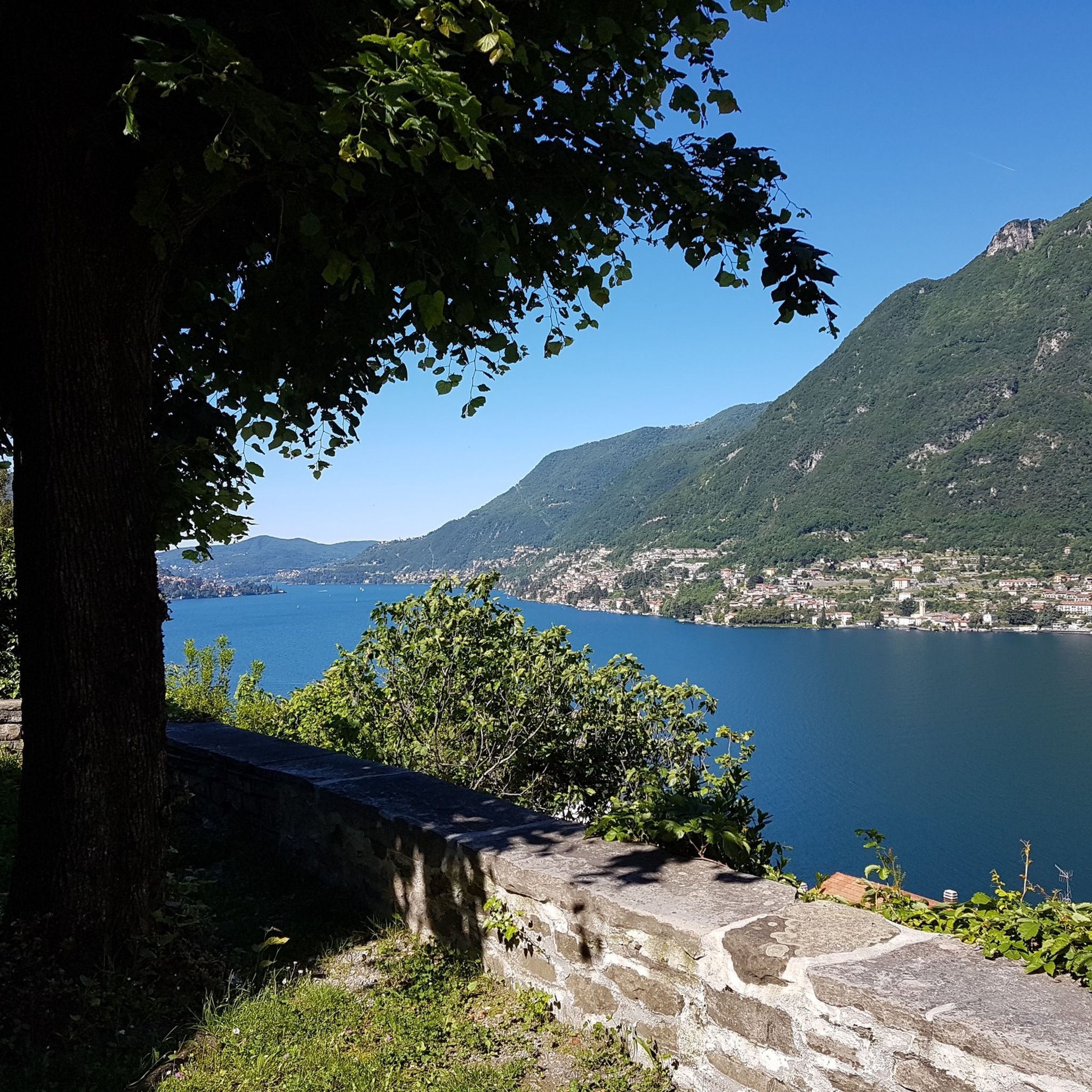
Olmi park with lake view, an enchanting place not to be missed
1
0


Property of the Italian Environment Fund. The Torre del Soccorso stands with its massive quadrangular mass in Moltrasio stone, easily recognizable among the vegetation that covers Mount Gravona close to the Comacina Island. The construction dominates the panorama of the lake since its construction, which took place between the twelfth and thirteenth centuries, as part of a larger fortified system, which included the castle of Isola Comacina and the defensive structures of Sala, Lezzeno and Cavagnola. Check the opening periods of the property on the FAI website. From the tower, a sheer view of Tremezzina and Comacina Island
0
0

Place of artistic, historical and relaxation interest Via Simone Cantoni, 1, 22100 Como CO http://www.villaolmocomo.it/ +39031576169
2
0
Frequently Asked Questions
What kind of 'castles' can I expect to find around Brienno?
Brienno, a medieval village on Lake Como, doesn't feature traditional, intact fairytale castles. Instead, you'll discover a rich history through ancient fortifications, such as the Castellaccio Ruins which date back to around 1000 AD, and defensive structures like the Torre del Soccorso (Barbarossa Tower) from the 12th-13th centuries. The village itself retains a strong medieval character, and you can also explore unique World War I fortifications from the Cadorna Line, including bunkers and tunnels.
Are there any family-friendly historical sites near Brienno?
Yes, Villa Olmo is a great family-friendly option. While not a traditional castle, this neoclassical villa features a large park perfect for strolls and often hosts cultural events and exhibitions. Its beautiful grounds and historical significance make it an enjoyable visit for all ages.
What are the most historically significant sites to visit in the Brienno area?
Beyond the village's medieval atmosphere, key historical sites include the Castellaccio Ruins, remnants of a fortification built around 1000 AD. The Torre del Soccorso (Barbarossa Tower), a 12th-13th century quadrangular tower, was part of a larger fortified system. Additionally, Brienno is home to unique World War I Cadorna Line fortifications, with preserved bunkers and tunnels under the Chiesa dell'Immacolata, offering insight into early 20th-century military history.
Can I find viewpoints with panoramic views from these historical sites?
Absolutely. The Torre del Soccorso (Barbarossa Tower) offers stunning, sheer views of Tremezzina and Comacina Island. Many historical areas within Brienno, including the location of the Chiesa dell'Immacolata and its underlying fortifications, also provide beautiful panoramic views of Lake Como.
What outdoor activities can I do near the historical sites around Brienno?
The area around Brienno is excellent for outdoor activities. You can explore various hiking trails, including the challenging 'Sentiero delle Espressioni to Monte Comana' or the 'Brienno Botanical Trail'. For those interested in longer treks, there are also mountain hikes and gravel biking routes available. You can find more details on these activities in the Hiking around Brienno, Mountain Hikes around Brienno, and Gravel biking around Brienno guides.
Are there any hidden gem historical sites or less-known fortifications?
Yes, the Tri Böcc Cave Castle Ruin is a unique hidden gem. It's a small cave castle ruin from the 15th century, clearly visible with exposed access in the rock walls north of Mendrisio. It likely served as a defensive refuge and offers a glimpse into a different type of historical fortification.
What do visitors enjoy most about Brienno's historical offerings?
Visitors particularly appreciate Brienno's authentic, less-touristy atmosphere and its immersive medieval character. The village's stone houses, narrow alleys, and ancient structures provide a sense of stepping back in time. The unique World War I Cadorna Line fortifications also offer a distinct historical attraction, providing a tangible connection to a significant period of military history in the region.
Is there public transport to reach the historical sites around Brienno?
Brienno is served by local bus routes, such as the C10 and C20, which can help you access the village and its nearby attractions. For specific sites like Villa Olmo in Como, public transport options are readily available from various points around Lake Como.
What is the best time of year to visit Brienno for exploring its historical sites?
The best time to visit Brienno and explore its historical sites is generally during the spring (April-June) and autumn (September-October) months. The weather is pleasant for walking and exploring, and the crowds are typically smaller than in the peak summer season. This allows for a more comfortable and immersive experience of the village's medieval charm and fortifications.
Are there any easy or flat walks to historical sites in Brienno?
While Brienno itself is characterized by narrow, winding alleys and stairways, offering a medieval experience, the village's layout can be hilly. For easier, flatter walks, consider exploring the grounds of Villa Olmo, which has a large, accessible park. Within Brienno, walking through the main village area offers a relatively flat experience along the lakefront, with historical elements integrated into the architecture.
Where can I find more information about Brienno's history?
For more in-depth information about Brienno's rich history, including its past as a defensive settlement and the attested presence of a 10th-century castle, you can visit the official tourism website for the village: visitbrienno.it.
Are dogs allowed on trails or at historical sites near Brienno?
Many outdoor trails around Brienno, including hiking routes, are generally dog-friendly, provided dogs are kept on a leash. For specific historical sites like Villa Olmo, dogs are typically allowed in the park areas but may have restrictions inside buildings. It's always best to check specific site regulations beforehand.
Most popular routes around Brienno
Most popular attractions around Brienno

Get inspired with the komoot mobile app


Explore more
Looking for the best castles somewhere else? Discover other guides around Brienno:
