Top 6 Caves around Colere
Best caves around Colere are predominantly historical mining sites, reflecting the region's rich industrial heritage in the Val di Scalve. While natural karst caves are not common, the area offers unique underground exploration through its disused fluorite mines. These sites provide insight into the demanding work of miners and the historical significance of mineral extraction. Visitors can explore these environments to understand the region's past.
Best caves around Colere
- The most popular caves is Pagani Cave, a cave that…
Last updated: October 16, 2026
Pagani Cave
Highlight • Cave
Translated by Google •
Tip by

Selter Ruì (Cold Hole)
Highlight • Structure
The Selter del Ruì is, …
Showing Translation
Tip by

Sign up now to discover places like this
Get recommendations on the best single tracks, peaks, & plenty of other exciting outdoor places.
Fluorite Mines Near Rifugio Albani
Highlight • Historical Site
Translated by Google •
Tip by

Lupi Mine at the Piane di Lizzola
Highlight • Historical Site
Translated by Google •
Tip by
24 Presolana Tunnel
Highlight • Cave
Translated by Google •
Tip by

Sign up for free to discover even more caves around Colere.
Already have an account?
Start today with a free account
Your next adventure awaits.
Popular around Colere
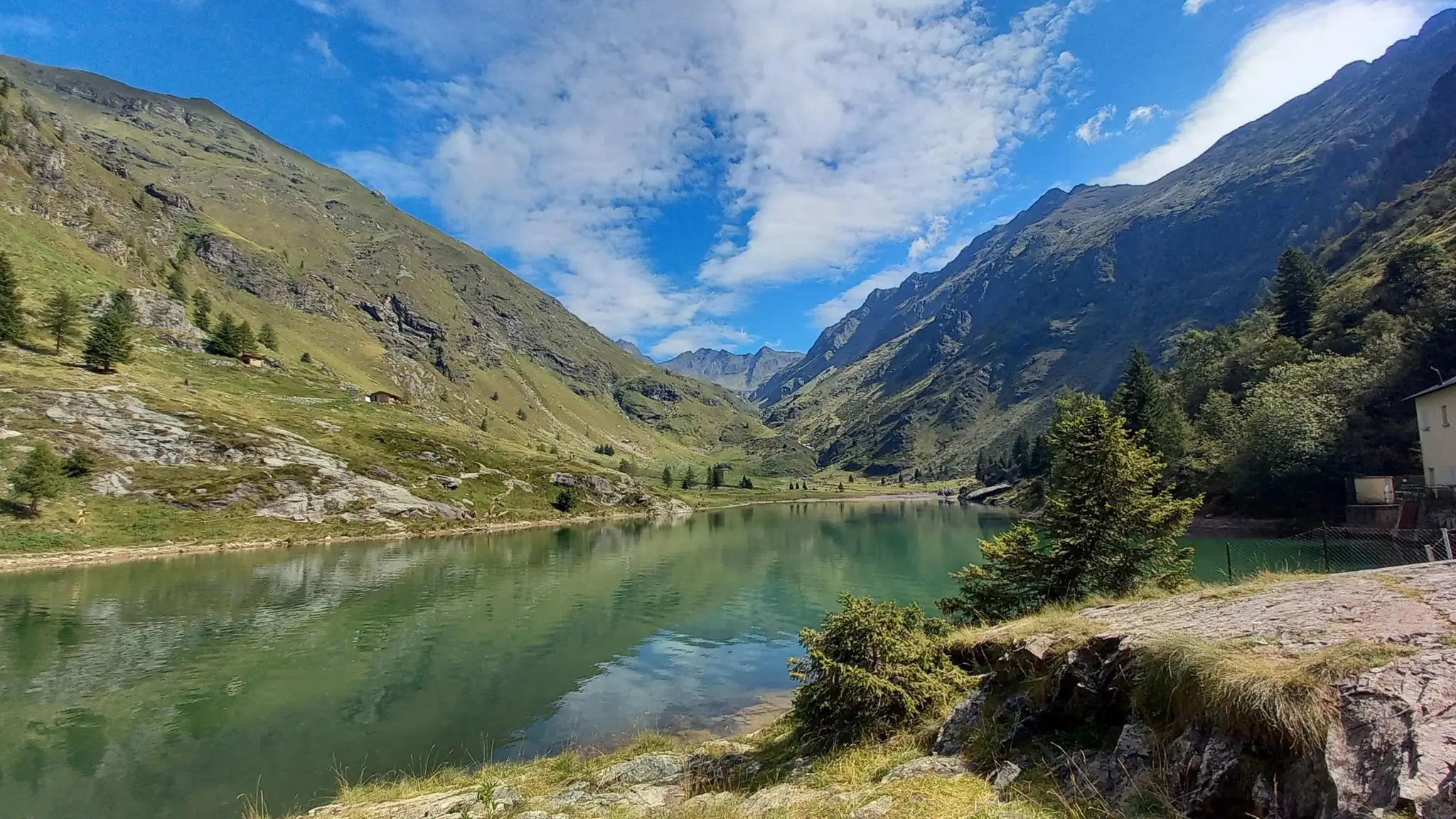
Path of the Iron Woods in Northern Italy – Via Decia
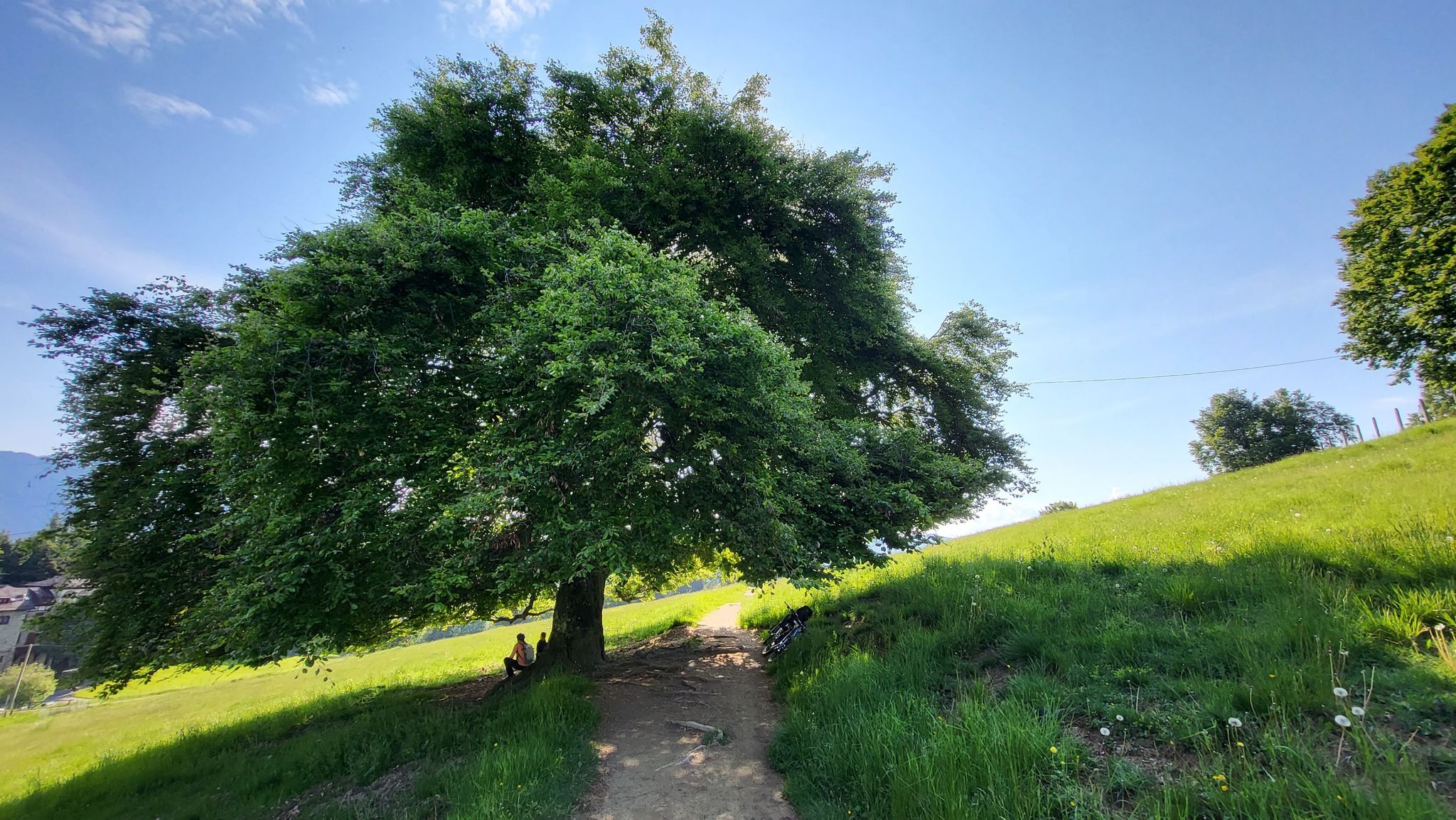
In Val di Scalve – CamminaForeste in Lombardia part 4
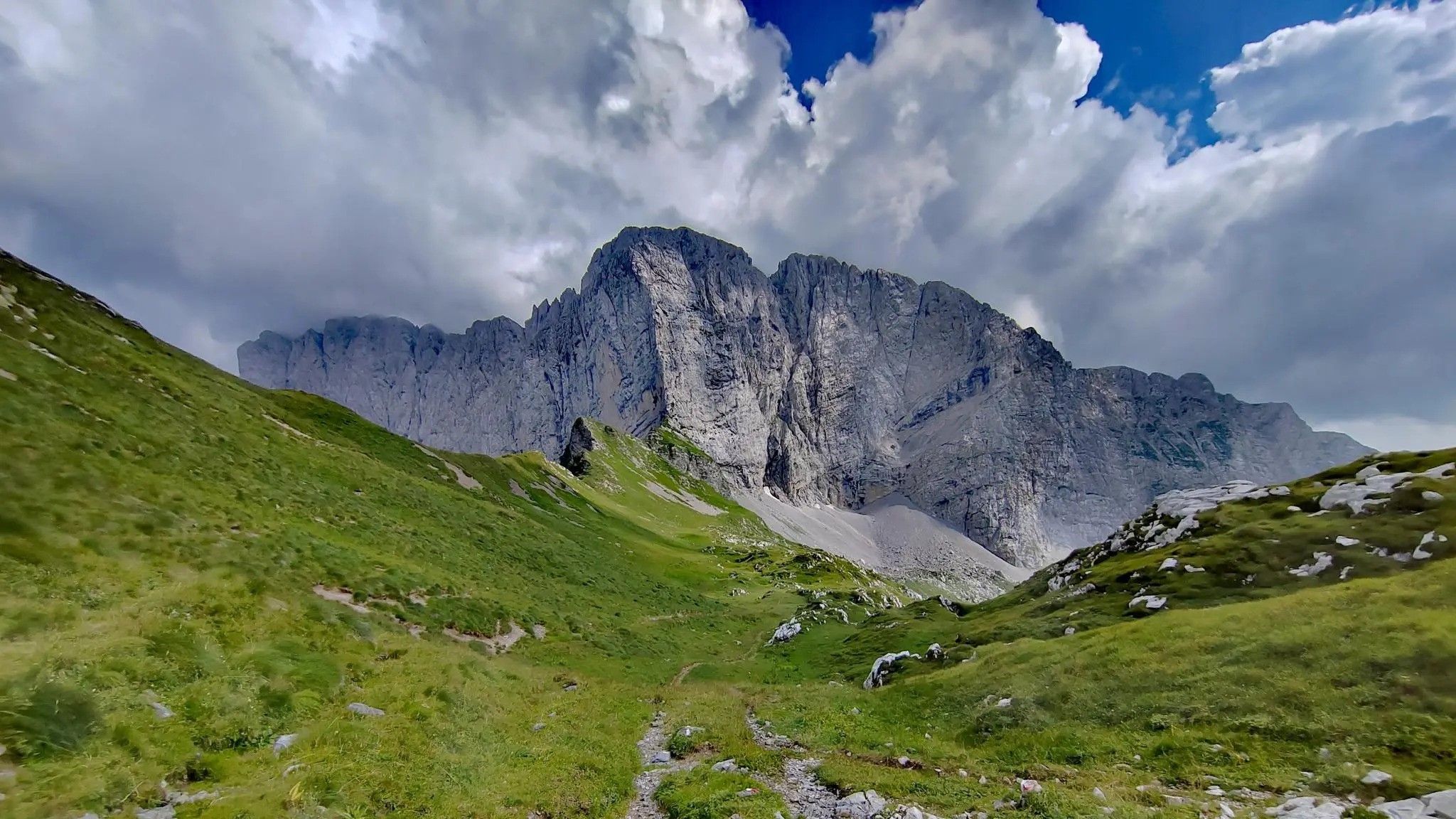
Trekking in val di Scalve – among the Piccoli Dolomiti Bergamasche
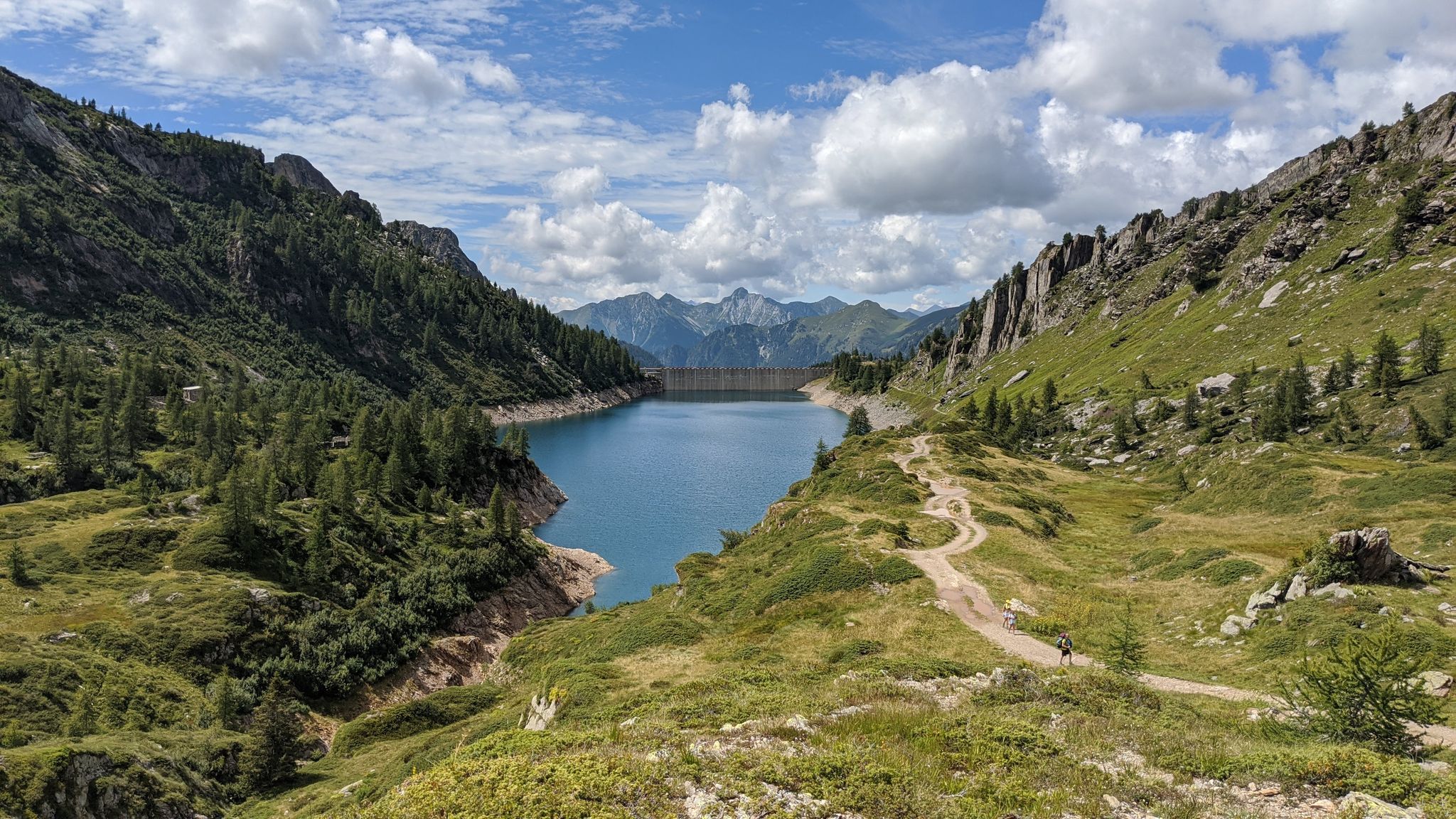
Eastern Orobie Path – a loop through Italy’s Orobie Mountains
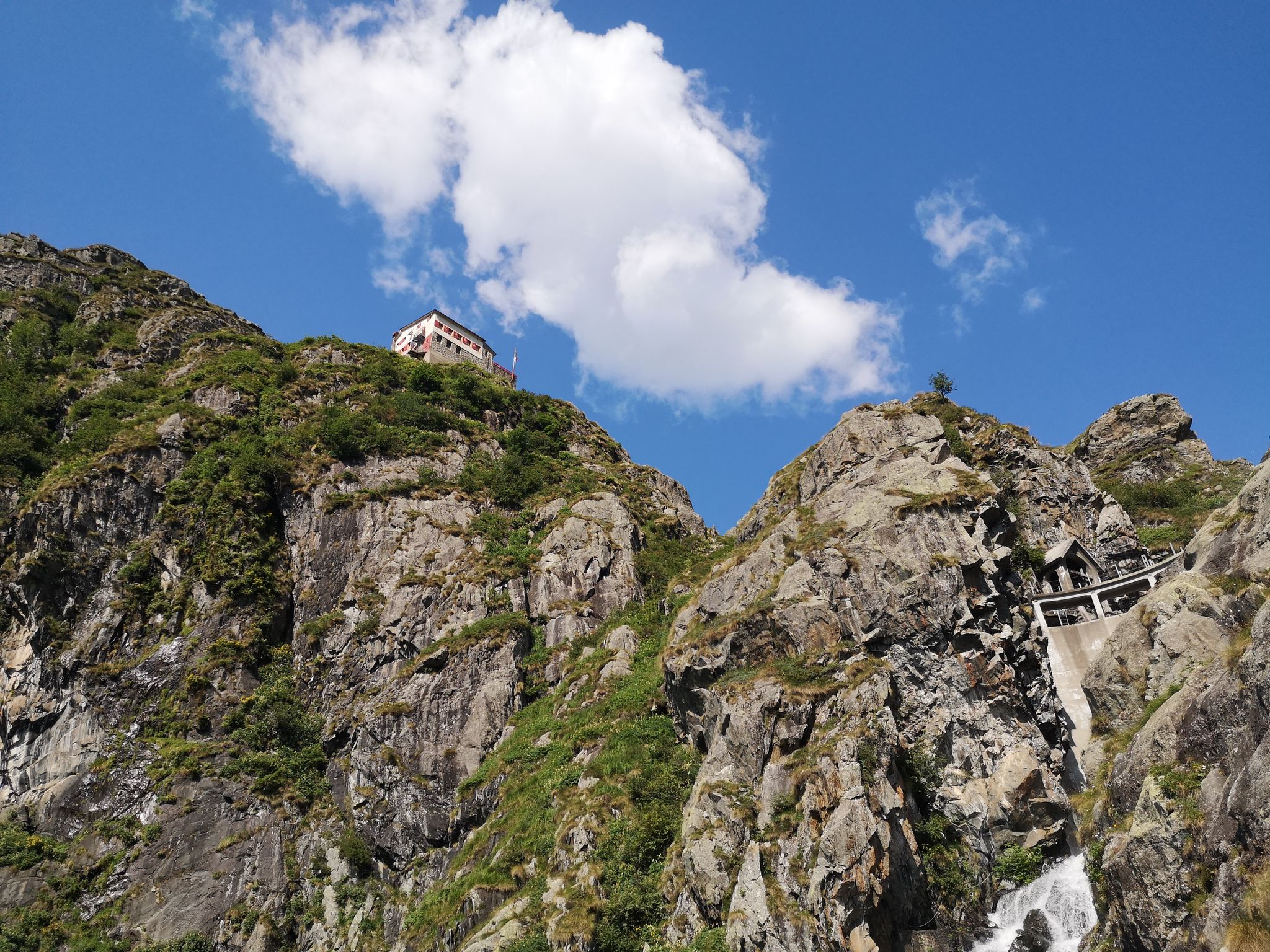
A stone's throw from Presolana – trekking in Italy’s Val Seriana
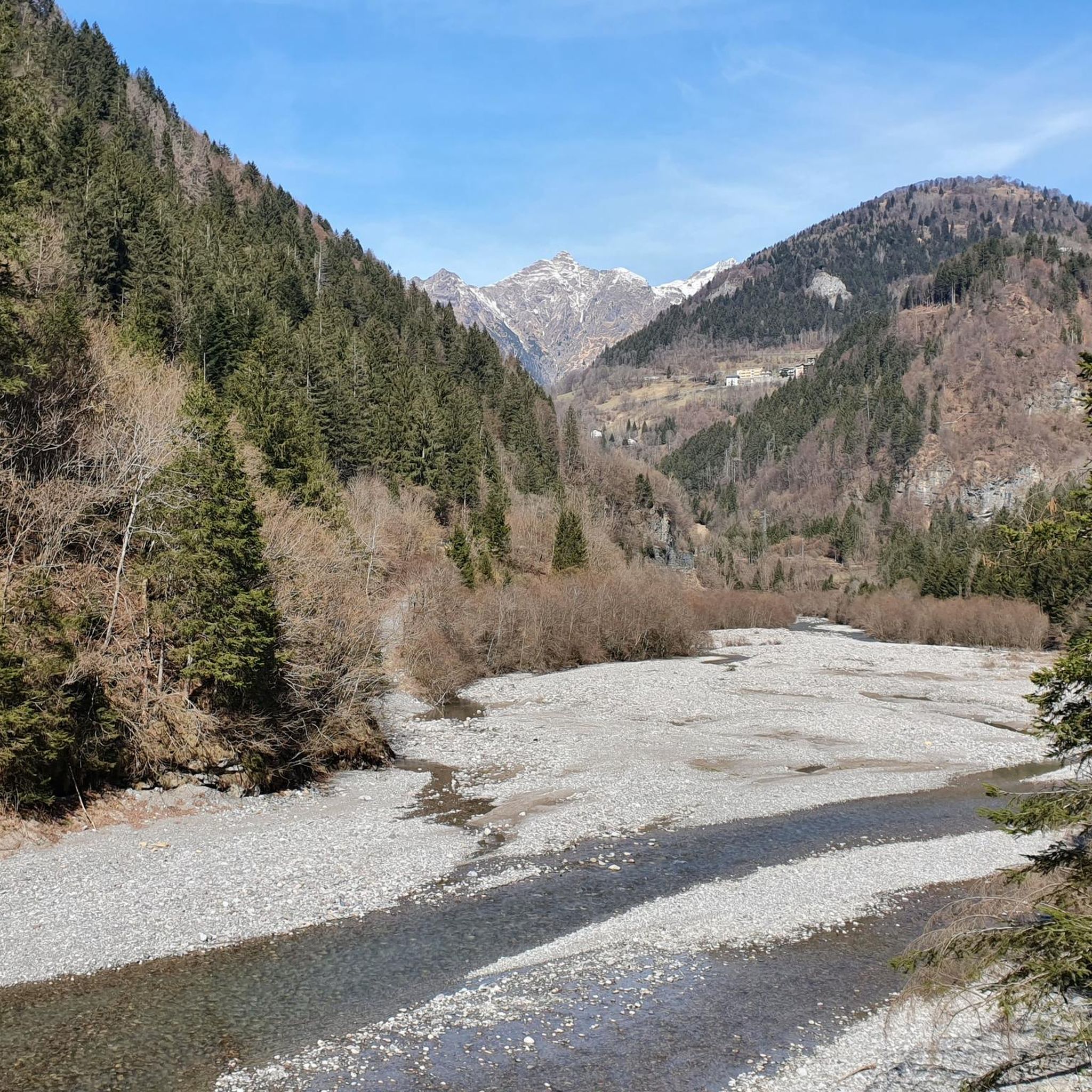
Hiking around Colere
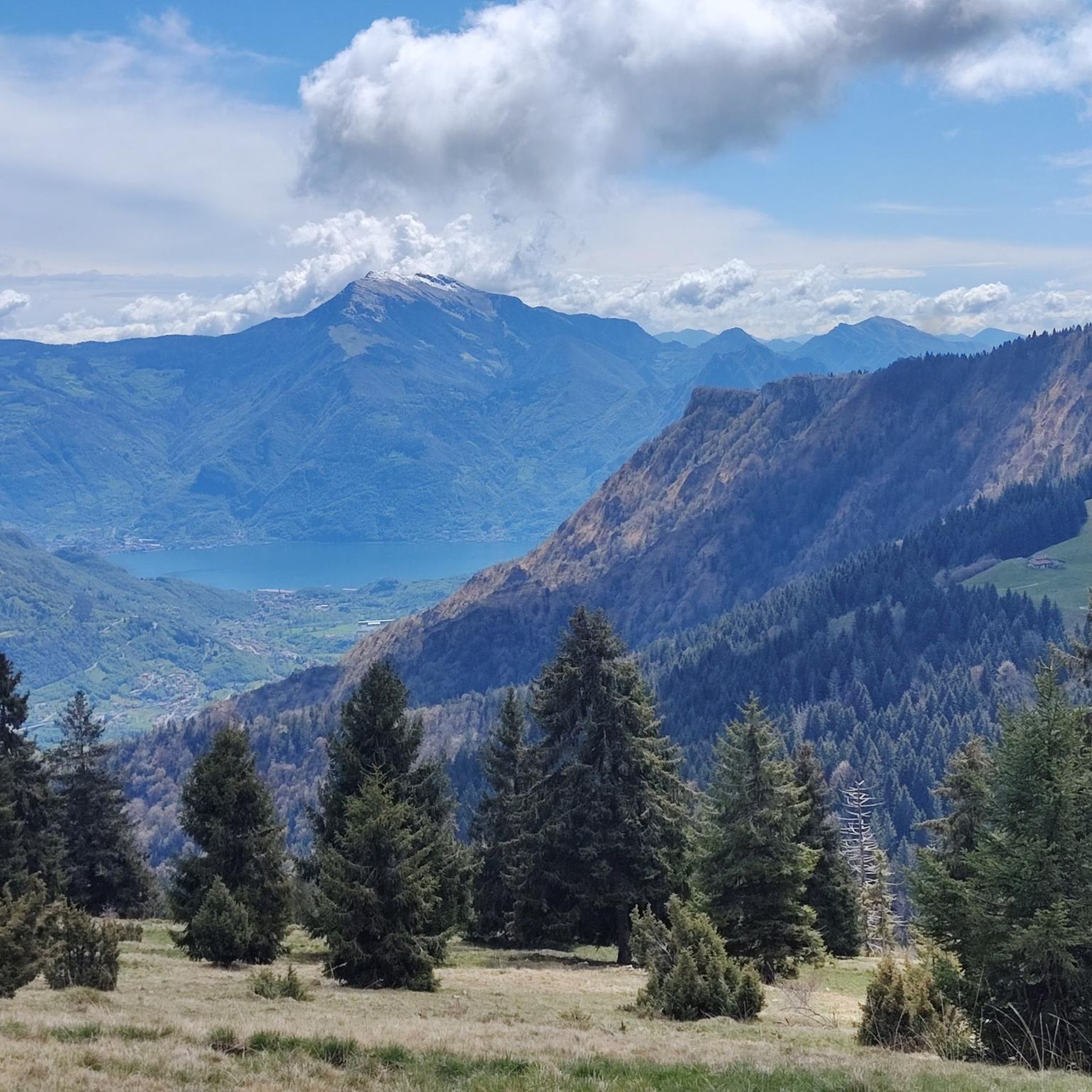
Cycling around Colere
MTB Trails around Colere
Road Cycling Routes around Colere
Running Trails around Colere
Other adventures around Colere


Tips from the Community

One of the few ancient constructions, found in the Bergamo area, in which dairy products produced at high altitude were stored for aging and conservation. The Selter del Ruì is, in its characteristic stone construction with a vaulted roof covered with earth, a close relative of the more famous Tuscan Burraie. Which, however, have the characteristic of running water in their internal tanks. Here, replaced by a cold flow of air that crosses the small construction.
11
0

natural masonry which has the characteristic of maintaining a cool and constant temperature inside
0
0
interesting work, a stop to read the sign is definitely recommended
0
0

The Selter del Ruì, also known as Buco del Freddo, is a fascinating natural phenomenon located in Valzurio, in the Seriana Valley. It is a small stone construction that uses a crack in the ground from which cold air comes out, maintaining a constant temperature between 3 and 5 degrees all year round. This "natural refrigerator" was used by farmers to store butter, dairy products and meat, and is still a place of great interest for hikers today. The path to reach it is immersed in nature and can be combined with the excursion to the Marmitte dei Giganti and the Baite del Moschel
0
0

Old mine now abandoned. The place recalls a part of the history of this territory. Very interesting are some objects used by the miners still present on the site.
0
0

The Fluorite mines are located near the Albani refuge, just below the Presolana, and ceased their activity at the beginning of 1980. The miners' huts, the now closed entrances to the mines and a small exhibition of the mining equipment are still visible. work for the extraction of ore.
2
0
The guided tour of the Lupi mine lasts about an hour and covers a distance of 3 km in the bowels of the earth. The staff provides all the necessary equipment: rubber boots, raincoat and helmet. Rich in minerals, stalactites and stalagmites, the mine is characterized by the presence of streams of water that continuously flow along the sides of the path.
3
0
Incredible natural phenomenon, thanks to a fissure in the ground that leads into the depths, the cold air from the subsoil rises to the surface in summer. The peasants exploited (and still exploit today) the phenomenon by building a small building used as a place of conservation. It may seem incredible but on 07/20/2023 around 3:00 pm the thermometer inside the club showed 5.1 degrees!! Basically a natural refrigerator.
0
0
Frequently Asked Questions
What kind of underground sites can I explore around Colere?
Around Colere, you'll primarily find historical mining sites rather than traditional natural karst caves. The region is rich in disused fluorite mines, which offer a unique opportunity to explore underground environments and learn about the area's industrial heritage. While not natural caves with typical formations, they provide a compelling and educational subterranean experience.
Are there any natural caves with formations like stalactites and stalagmites?
Yes, the Pagani Cave is a notable natural cavity. In winter, it's possible to find impressive stalactites and stalagmites inside, creating a very evocative atmosphere. The path to reach it is physically demanding but offers a breathtaking panorama.
What historical insights can I gain from visiting the caves around Colere?
The 'caves' around Colere, mainly the disused mines, offer a deep dive into the region's mining history. Sites like the Fluorite Mines Near Rifugio Albani showcase miners' huts and old equipment. The Zanalbert Mining Museum in Colere and the Gaffione mine in nearby Schilpario provide interactive educational experiences about the arduous work of miners and the evolution of mining techniques over centuries.
Are there any family-friendly options for exploring the underground sites?
While specific family-friendly ratings for each site are not available, the Zanalbert Mining Museum offers an interactive and educational space suitable for families. Guided tours, such as those at the Gaffione mine (a short drive from Colere), often cater to a general audience, making them accessible for older children and adults interested in history.
What is the best time of year to visit the caves and mines in Colere?
The best time to visit depends on your interest. For natural formations like stalactites and stalagmites in Pagani Cave, winter is ideal. For exploring the historical mines and museums, spring through autumn generally offers more comfortable weather for accessing the sites and combining your visit with other outdoor activities in the region.
What kind of tours are available for the mines?
For a comprehensive experience, consider guided tours. The Lupi Mine at the Piane di Lizzola offers guided tours lasting about an hour, covering 3 km underground, with necessary equipment like rubber boots, raincoats, and helmets provided. The Gaffione mine in Schilpario also offers guided tours, including a train ride into the mountain.
What unique historical sites, besides mines, can I find?
Beyond the mining sites, you can visit Selter Ruì (Cold Hole). This man-made historical site once served as a natural refrigerator for preserving dairy products and meat, offering a glimpse into traditional local practices.
Are there hiking trails associated with these underground sites?
Yes, many of these sites are accessible via hiking trails. For example, the path to Pagani Cave is physically demanding. The Fluorite Mines Near Rifugio Albani are located near the Albani refuge, suggesting access via mountain trails. You can find various running trails around Colere, including a difficult 8.5 km loop to Rifugio Luigi Albani.
What other outdoor activities can I do near Colere?
The Colere area offers a variety of outdoor activities. You can explore numerous road cycling routes, such as the 'Presolana Pass – Vivione Pass loop from Rusio' which is a difficult 75 km ride. For mountain biking enthusiasts, there are challenging trails like the 'Magnolini Hut – Monte Alto Summit loop from Colere'. Running trails are also abundant, including a difficult 34 km loop around Lago del Gleno. Find more options on the Road Cycling Routes around Colere and MTB Trails around Colere guides.
What should I wear or bring when visiting the mines?
When visiting mines like the Lupi Mine, you should expect to be provided with essential equipment such as rubber boots, a raincoat, and a helmet, as there can be water streams and varying temperatures underground. For other sites or tunnels like the 24 Presolana Tunnel, a phone flashlight might suffice for lighting, but always be prepared with appropriate footwear and layers for potentially cool and damp conditions.
Is there parking available near the cave and mine sites?
While specific parking details for every site are not always provided, most popular attractions in the Colere region, especially those accessible by road or near refuges, typically have designated parking areas or roadside spots. It's advisable to check local signage or information for each specific site you plan to visit.
What is the 24 Presolana Tunnel?
The 24 Presolana Tunnel is a beautiful man-made passage, approximately 50 meters long, located along the historic 'Via del Latte' (Milk Road). It overhangs the Valle dei Mulini and offers a unique experience, though a flashlight is recommended for lighting.
Most popular routes around Colere
Most popular attractions around Colere

Get inspired with the komoot mobile app


Explore more
Extend your search for the best caves by checking out these guides of the top ones around Colere:
