Top 7 Castles around Grottaglie
Best castles around Grottaglie are situated in a region defined by limestone rock formations and deep ravines, creating a unique landscape. This area is historically significant, known for its ancient origins and a prominent pottery tradition. Visitors can explore various historical sites and cultural centers that reflect the region's heritage.
Best castles around Grottaglie
- The most popular castles is Ceglie Messapica, a settlement and castle site characterized by narrow alleys and white lime walls. It is one of the…
Last updated: June 29, 2026
Ceglie Messapica
Highlight • Settlement
Translated by Google •
Tip by

Grottaglie
Highlight • Settlement
Translated by Google •
Tip by

Sign up now to discover places like this
Get recommendations on the best single tracks, peaks, & plenty of other exciting outdoor places.
Sign up for free
Carosino Castle
Highlight • Castle
Translated by Google •
Tip by

Episcopal Castle
Highlight • Castle
Translated by Google •
Tip by
Castello di Monteparano
Highlight • Castle
Translated by Google •
Tip by
Sign up for free to discover even more castles around Grottaglie.
Sign up for free
Already have an account?
Start today with a free account
Your next adventure awaits.
Login or Signup
Popular around Grottaglie
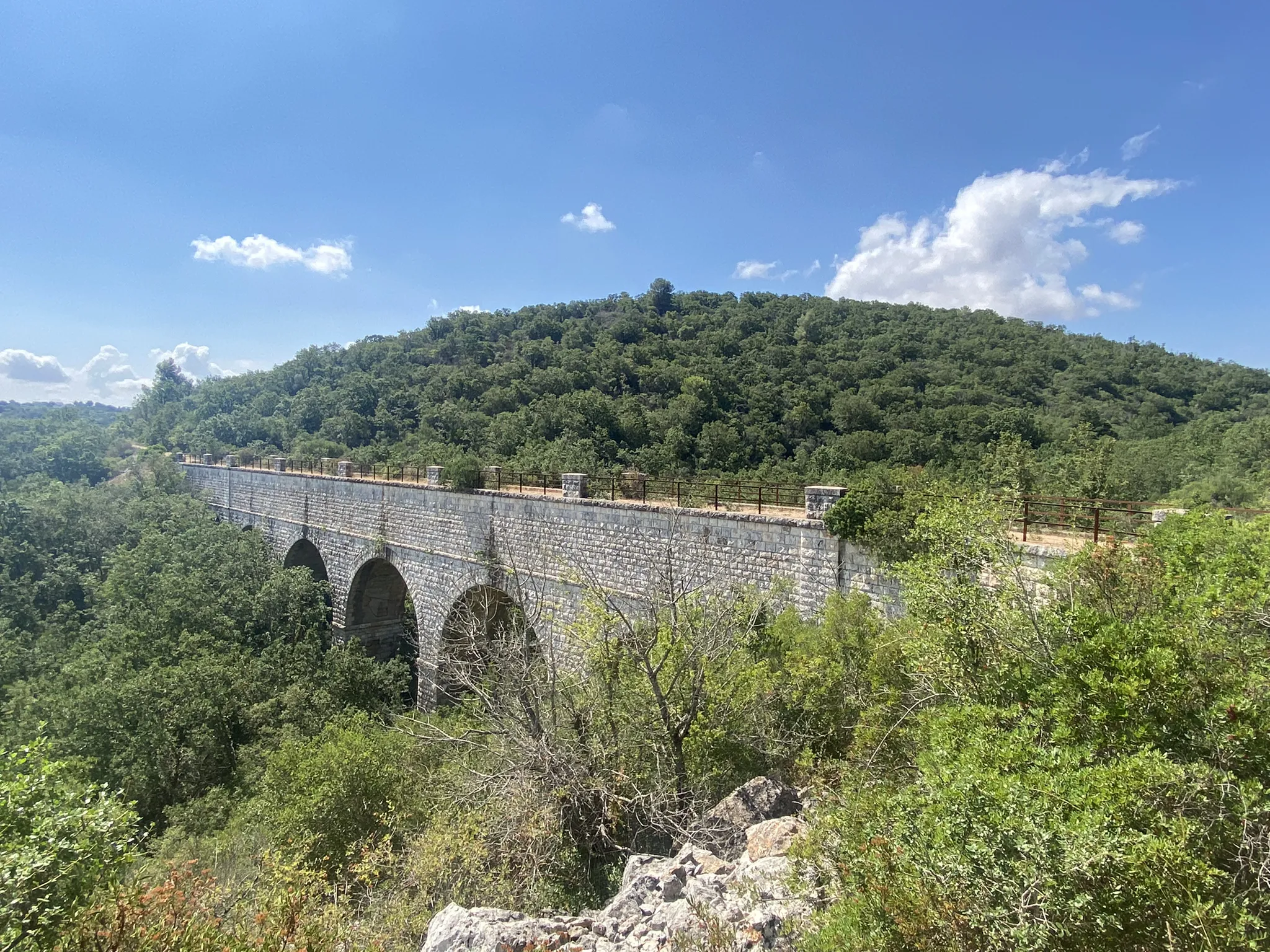
Caposele to Santa Maria di Leuca – Apulian Aqueduct Cycle Route
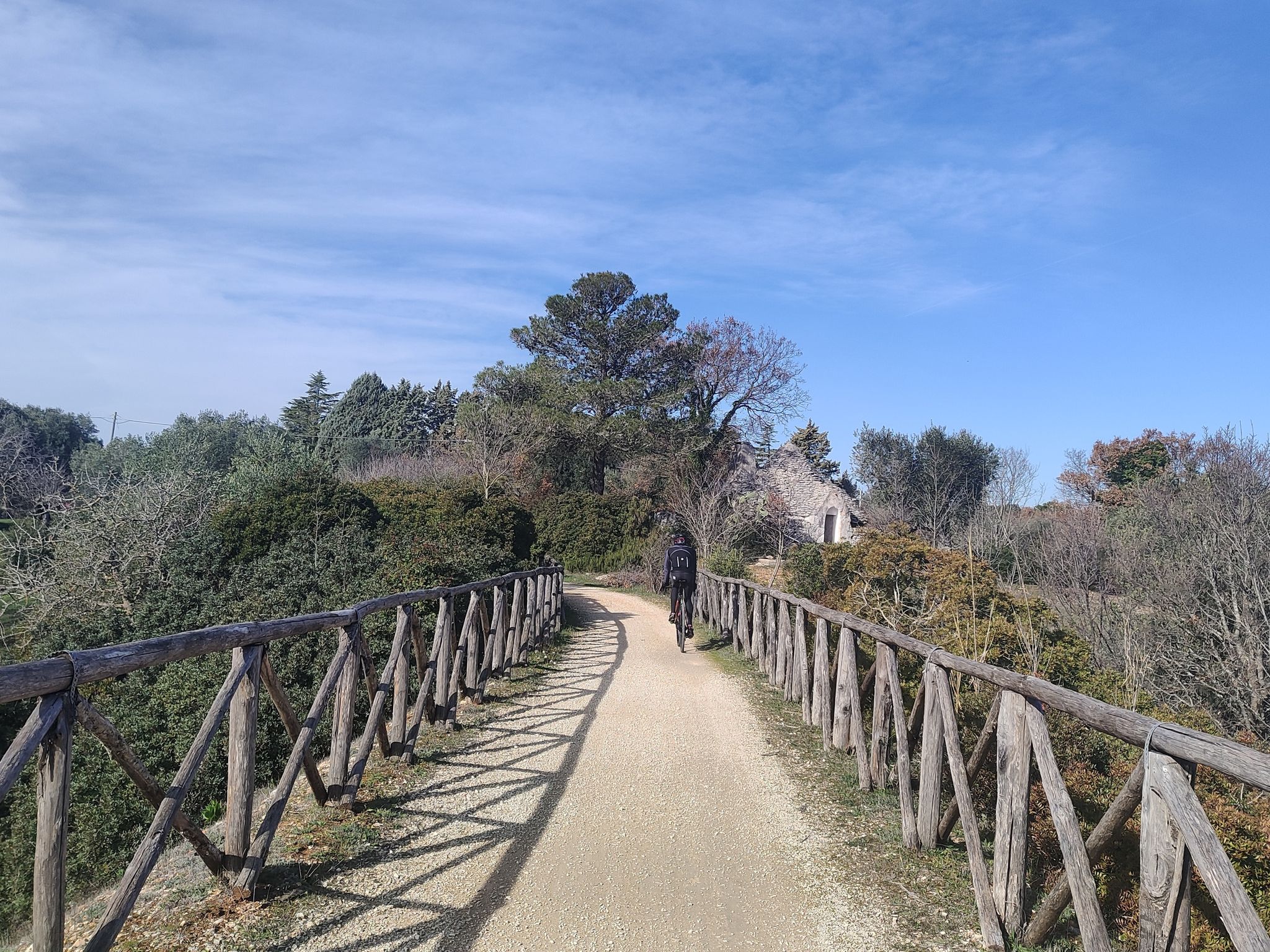
Ciclovia Anello d'oro di Puglia - Viaggio nella Puglia profonda
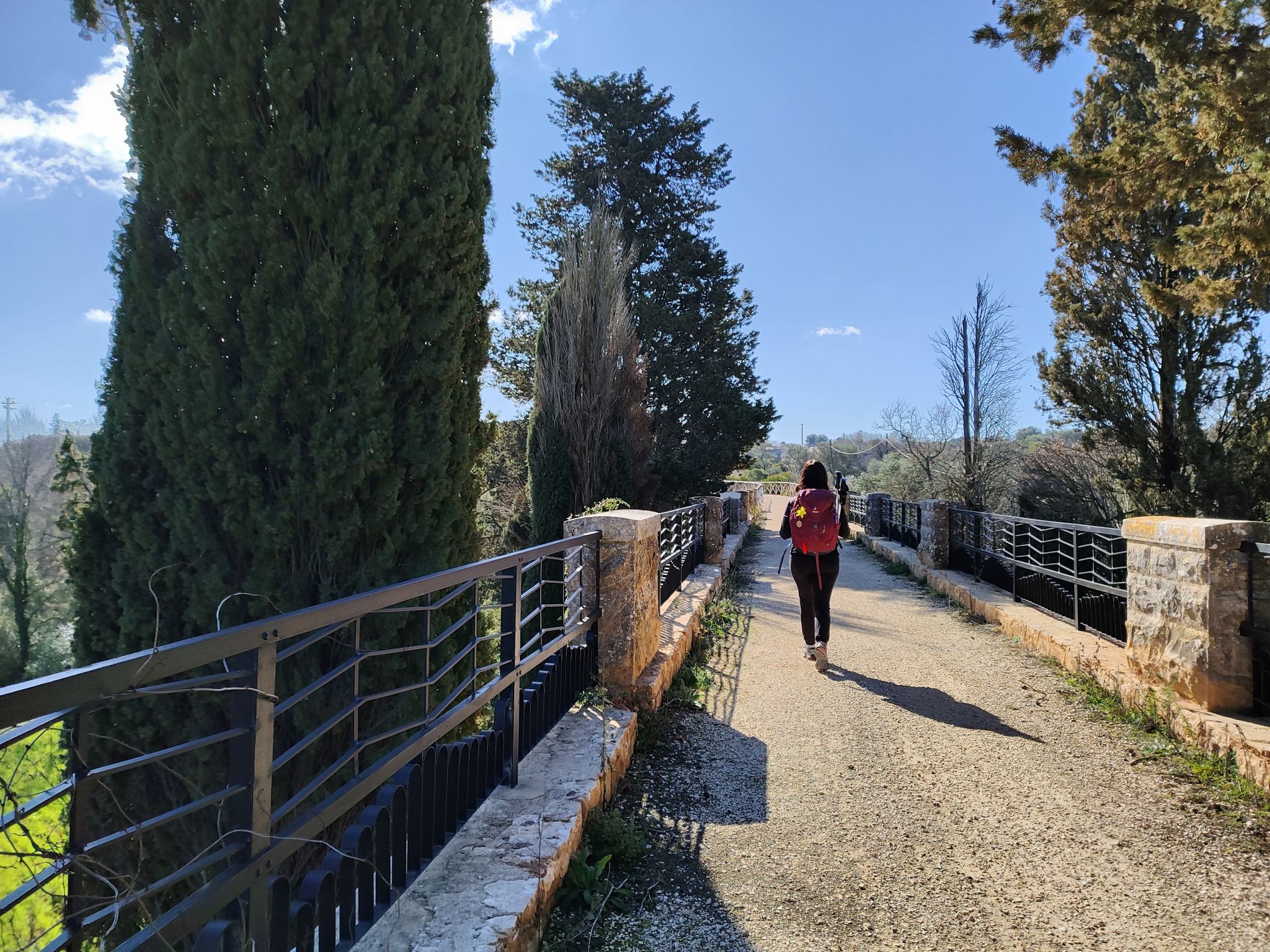
Anello d'oro di Puglia - Trekking nella Puglia profonda
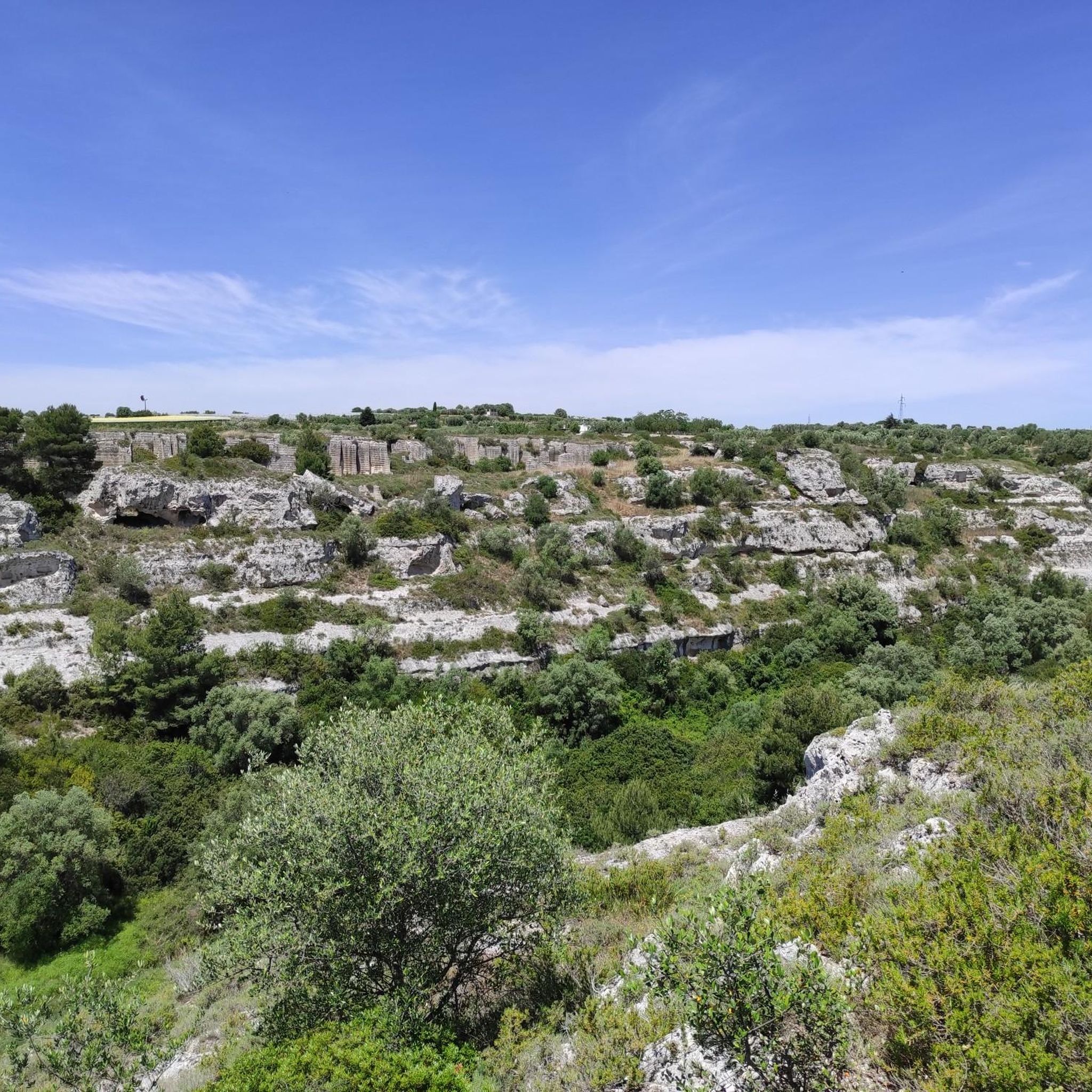
Road Cycling Routes around Grottaglie
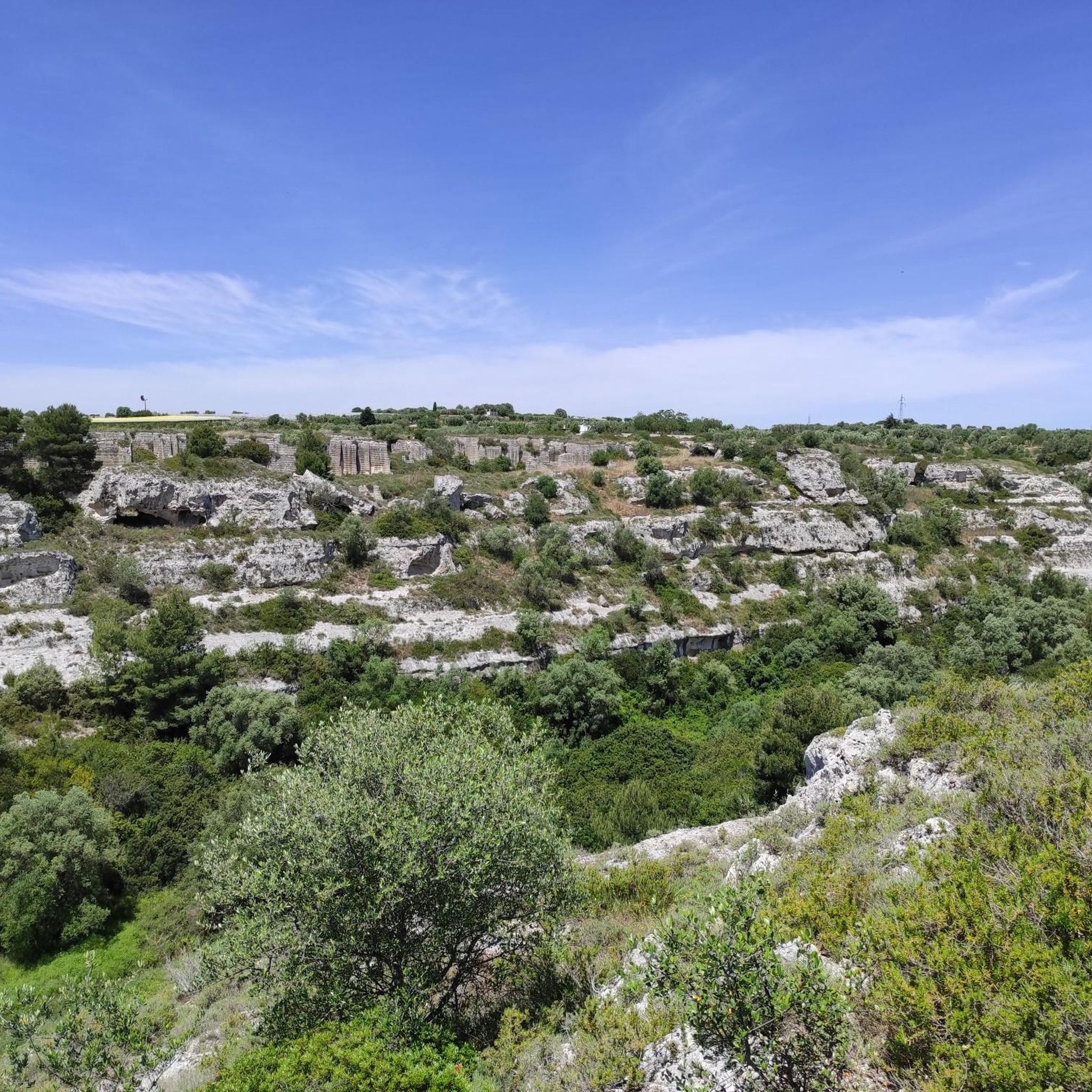
Cycling around Grottaglie
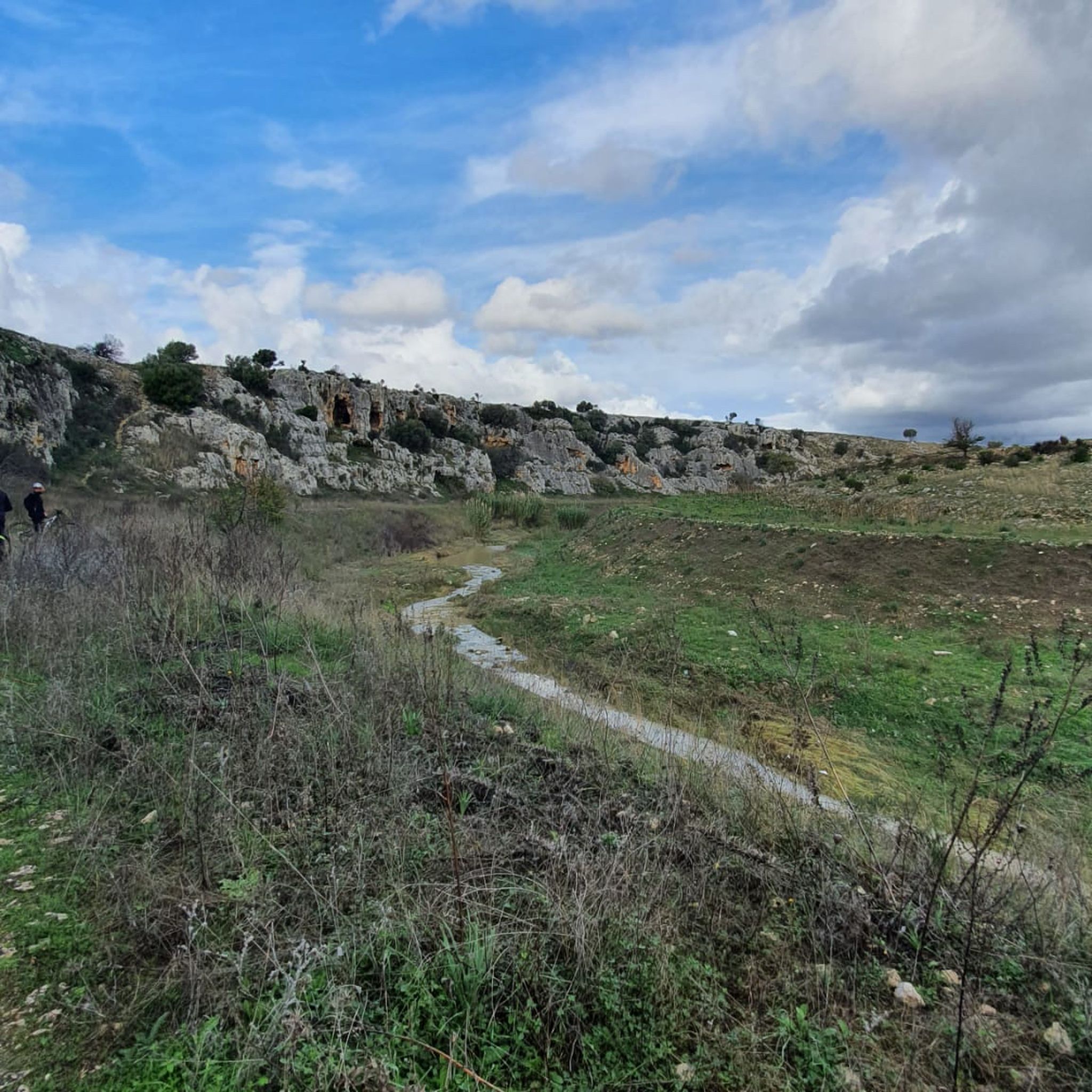
MTB Trails around Grottaglie

Gravel biking around Grottaglie
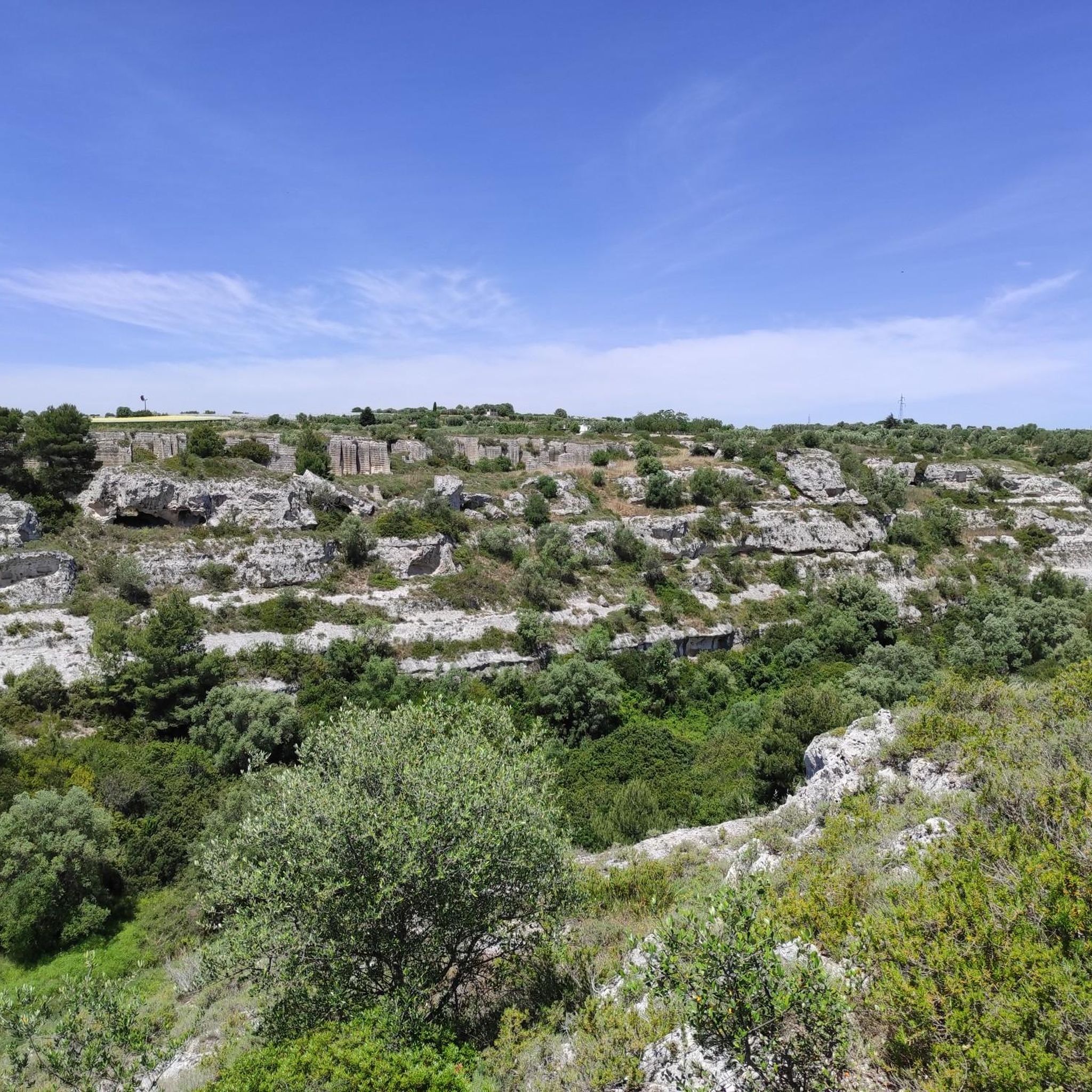
Hiking around Grottaglie
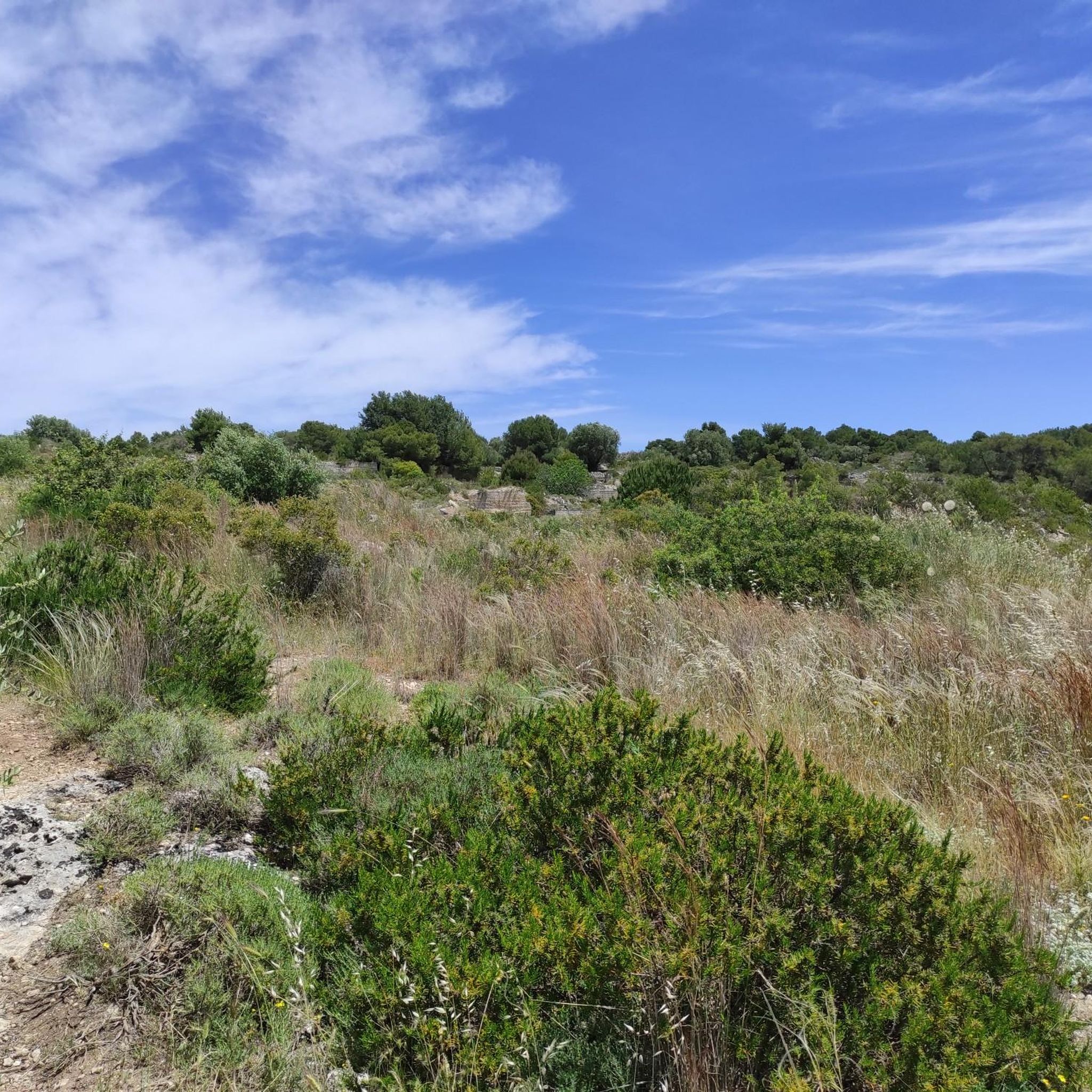
Running Trails around Grottaglie
Other adventures around Grottaglie


Tips from the Community

The fountain in the square in front is still active today.
0
0

Pretty town in the upper Salento of very ancient times (the Messapi were the people who preceded the Romanization). Characteristic for its narrow alleys that climb up to the center and for the white color of the lime walls. It is also worth a stop to visit the Castle, the medieval village and the churches (especially that of S. Anna). Not to be missed, scattered around Ceglie and in Salento, are also the "specchie", large mounds of limestone slabs which in the Neolithic age perhaps served as defense or watchtowers
1
0

Ceglie Messapica is one of the oldest municipalities in the region, located in the heart of the Itria Valley. To see: Montevicoli cave; cave of San Michele; Ducal Castle; Collegiate mother church of Santa Maria Assunta; Church of San Rocco.
0
0

The Episcopio castle of Gottaglie, at the top of the hill, the culmination, on one side, of the historic center, on the other, of the ceramics district
2
1

The castle derives from the fortified residence of the D´Ayala family, built in carparo during the 18th century. Its imposing tower stands on the main square of Monteparano, Piazza Castello. It was remodeled during the 19th century and is currently the residence of the d´Ayala family.
0
0

The castle of Carosino is an ancient ducal palace dating back to the 1400s built by the Simonetta family and then modified by the D'Ayala Valva counts in 1800. It has an imposing façade and is a national monument. It is located in the main square of the small Taranto town and today hosts cultural events.
2
0
Grottaglie is a city in the province of Taranto with the particularity of being built on a limestone rock and with the surrounding area characterized by deep ravines that form spectacular caves. With its pottery tradition, the city has an entire district and a museum dedicated to this art.
1
0
the main square of Ceglie
2
0
Frequently Asked Questions
Which castles around Grottaglie are particularly significant historically?
The most historically significant castle in Grottaglie is the Episcopal Castle, also known as Castello Episcopio. Originally built in the 13th century, it served as the residence for the Archbishops of Taranto and now houses the Museum of Ceramics. Another notable site is Ceglie Messapica, one of the oldest municipalities in the region, featuring a castle and medieval village.
Are there any family-friendly castles to visit near Grottaglie?
Yes, several castles and settlements around Grottaglie are considered family-friendly. Ceglie Messapica and Grottaglie itself are listed as family-friendly settlements with castles. The Carosino Castle is also a family-friendly historical site.
What outdoor activities can I do near the castles around Grottaglie?
The region around Grottaglie offers various cycling opportunities. You can explore routes like the 'Grottaglie and Francavilla Fontana Loop' or the 'From Grottaglie to Montemesola – loop tour' for touring bicycles. For gravel biking, consider routes such as 'Ulmo Pine Grove – Water fountain at Pineta Ulmo loop'. Road cyclists can enjoy routes like 'Grottaglie – Masseria Pilano loop'. You can find more details on these routes in the Cycling around Grottaglie, Gravel biking around Grottaglie, and Road Cycling Routes around Grottaglie guides.
What is the best time of year to visit the castles in Grottaglie?
Grottaglie and its castles can be enjoyed throughout the year. However, for comfortable exploration of the outdoor areas and surrounding landscapes, spring (April-May) and autumn (September-October) offer pleasant temperatures. The Episcopal Castle also hosts cultural events like an annual ceramics exhibition in August/September and a Nativity exhibition in December-January, which might influence your visit depending on your interests.
Can I find parking near Castello Episcopio in Grottaglie?
The Episcopal Castle is located between the historic center and the ceramics district of Grottaglie. While specific parking facilities for the castle are not detailed, parking is generally available in the vicinity of the historic center and the ceramics district. It's advisable to look for public parking areas within walking distance.
What makes Grottaglie's Castello Episcopio unique?
The Castello Episcopio is unique for its blend of medieval origins and later Baroque modifications, featuring a prominent square tower and a Baroque façade. It is also significant because it houses the Museum of Ceramics, the largest permanent museum dedicated to local ceramic art in Italy, showcasing pieces from the 8th century BC to the present day. Its strategic location next to the famous Ceramics Quarter further enhances its cultural importance.
Are there any castles around Grottaglie that are less known or 'undiscovered'?
While the Episcopal Castle in Grottaglie and Ceglie Messapica are well-known, the Carosino Castle offers a glimpse into an ancient ducal palace, often hosting cultural events in a smaller Taranto town. Another interesting, though not visitable, site is the Castle of the Counts D’Ayala-Valva in San Giorgio Ionico, a stately residence built in the 20th century with towers and battlements, surrounded by a park.
What kind of historical sites can I find near Grottaglie besides castles?
Beyond the castles, the region around Grottaglie is rich in historical sites. Ceglie Messapica, for instance, is known for its ancient Messapian origins, featuring narrow alleys, white lime walls, and ancient 'specchie' (mounds of limestone slabs). Grottaglie itself is built on limestone rock with deep ravines and spectacular caves, reflecting its ancient origins and pottery tradition.
Can I find cafes or restaurants near the castles in Grottaglie?
Yes, the Episcopal Castle in Grottaglie is situated between the historic center and the famous Ceramics District. Both areas are vibrant and offer numerous cafes, pubs, and restaurants where you can enjoy local cuisine and refreshments after your visit.
Is public transport available to reach the Castello Episcopio in Grottaglie?
Grottaglie is accessible by public transport, including local buses and a train station. The Castello Episcopio is centrally located within the town, making it reachable by walking from various points in Grottaglie's historic center or after arriving via public transport.
Are there any dog-friendly options for visiting castles or historical sites around Grottaglie?
While specific rules for dogs inside castle interiors can vary, many outdoor areas around historical sites and settlements like Ceglie Messapica and Grottaglie are generally dog-friendly for walks, especially in the surrounding natural landscapes and gravinas. Always ensure your dog is on a leash and check local regulations for specific sites.
Most popular routes around Grottaglie
Most popular attractions around Grottaglie

Get inspired with the komoot mobile app


Explore more
Looking for the best castles somewhere else? Discover other guides around Grottaglie:
