Top 3 Caves around Savogna
Caves around Savogna are located in a region characterized by its diverse subterranean landscapes, particularly within the Karst area of Friuli-Venezia Giulia. This locale offers a combination of natural geological formations and historical sites. The area provides opportunities to explore various cave types, from natural karst features to man-made tunnels.
Best caves around Savogna
- The most popular caves is Cave entrance in the Soča Valley, a cave that lies inconspicuously on the right side of the hiking trail. The…
Last updated: October 16, 2026
Cave entrance in the Soča Valley
Highlight • Cave
Translated by Google •
Tip by

Cave Rest Area
Highlight • Cave
A short detour from the wide path to Slap Kozjak leads a few meters up the slope to a small resting place in front …
Showing Translation
Tip by

Sign up now to discover places like this
Get recommendations on the best single tracks, peaks, & plenty of other exciting outdoor places.
Mine Tunnel Entrance on the Alpe-Adria Trail
Highlight • Cave
Here you can supplement your water supply, from it comes nice clear mountain water bubbled.
Translated by Google •
Tip by

San Giovanni d'Antro Cave and Church
Highlight • Cave
Translated by Google •
Tip by

World War I Shelter Caves
Highlight • Historical Site
Showing Translation
Tip by

Sign up for free to discover even more caves around Savogna.
Already have an account?
Start today with a free account
Your next adventure awaits.


Tips from the Community

🪨 Resting place at the caverns A short detour from the wide path to Slap Kozjak leads a few meters up the slope to a small resting place in front of several caverns. The tunnels driven into the rock date back to the First World War: here, above the Soča, were Italian positions of the 3rd defense line, and the caverns served as shelters and ammunition depots. Today, one sits here quietly in the shade of the forest, while below on the main path the streams of visitors head towards the waterfall – a good place for a break with a view of the river through the trees. 🪑 Seating and information board – ideal stop before or after the waterfall 🔦 The caverns are accessible, but dark and damp: bring a lamp, don't go far inside 🤫 Significantly quieter than at the waterfall itself – a particular advantage on weekends 🪜 Access from the main path is short, but stony and slippery when wet 🧭 The detour can be easily combined with the trenches (Jarki) on the east bank
0
0
🕳️ World War I Caverns Between the suspension bridge and Slap Kozjak, a dark entrance opens up on the rocky slope next to the path: a cavern of the Italian army from the time of the Isonzo Front. From 1915 to 1917, the Italians built their 3rd line of defense around Kobarid – trenches, positions, and shelters blasted into the rock, intended to provide protection from artillery fire. The structures are part of the Kobariška zgodovinska pot and the cross-border "Path of Peace" (Pot miru). During the breakthrough in October 1917, they were overrun within a few hours. 🔦 Bring a headlamp – a few meters inside it becomes pitch dark, the ground is uneven and damp ⛑️ Don't go too deep: loose rock, no safety measures 🪖 Further restored trenches (Jarki) and shelters are located downstream on the east bank and on the slope below Tonocov grad 📖 Information boards along the path explain the course of the line; the context is presented in detail in the Kobariški muzej 📸 The entrance, with a view of the green forest, makes for an atmospheric photo
1
0

In the period of the Isonzo Front, the fighting between the Austro-Hungarian and Italian armies on Mount Smerle lasted 29 months, from the beginning of June 1915 to October 24, 1917. For a large part of this period, the slope above the Pretovc mountain pasture was defended by the third battalion of the 46th infantry regiment from Saghedino in Hungary. The members of this unit built an extensive system of trenches and caves in the rocks, naming one of them after their commander, Major Maximilian Diendorfer. The cave served as a safe shelter for the soldiers and the numerous wounded. In it, they placed an altar dedicated to the Virgin Mary with the inscription: Virgin Mary, our mother, be the protector of your people.
0
0

A natural water station in the shady forest with a bench, an ideal place for a break.
1
0

The water invites you to cool off and this route is wonderful
1
0

The name of San Giovanni d'Antro (Svet Ivan u čelè in the local Slovenian dialect) identifies a cave and a church, built inside the cavity, located in the municipality of Pulfero, in Friuli-Venezia Giulia (from wikipedia https: //it.wikipedia.org/wiki/San_Giovanni_d%27Antro)
0
0

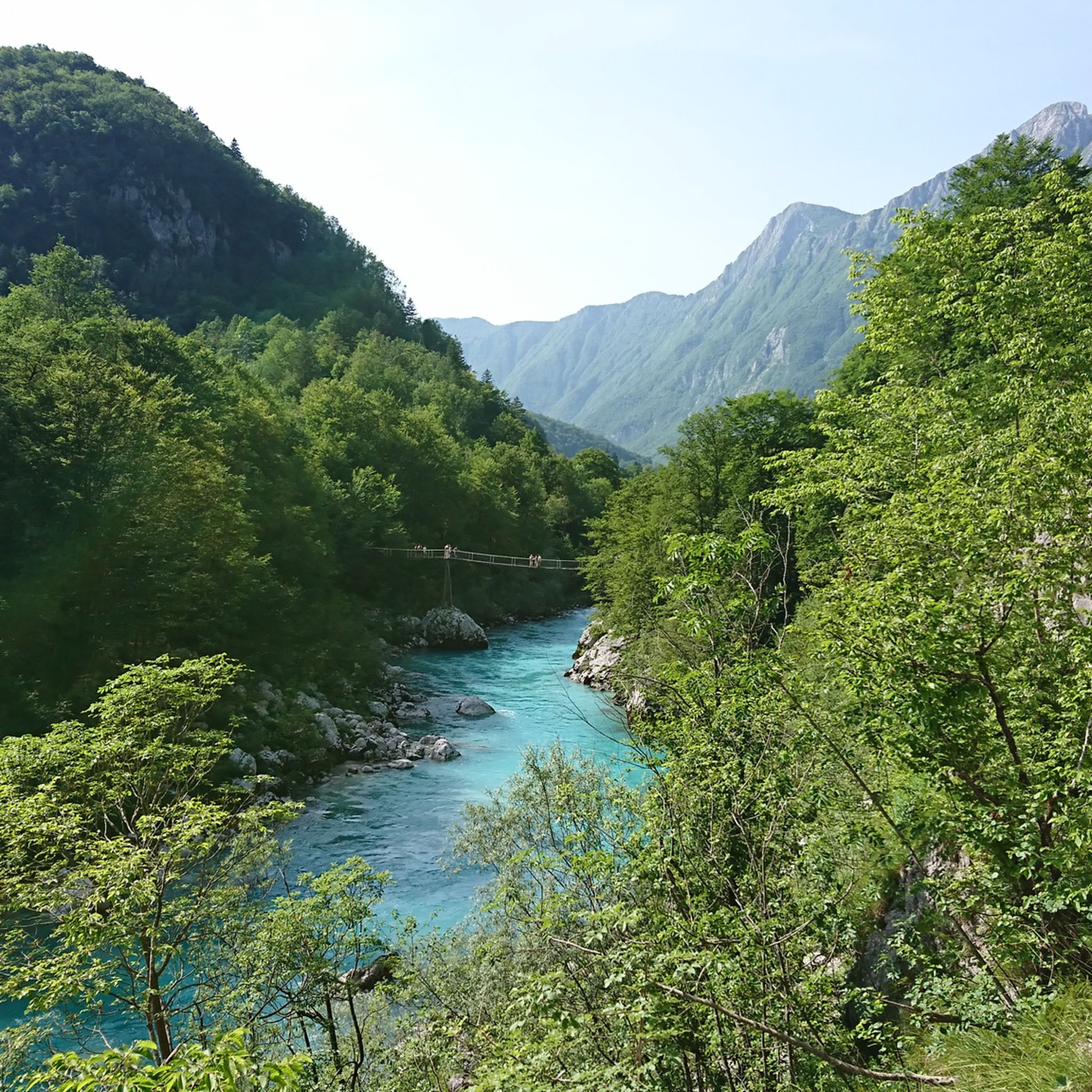
Lies inconspicuously on the right side of the hiking trail into the gorge.
1
0

Wonderfully cold water that you can run over your arms 😁
2
0
Frequently Asked Questions
What are some of the most notable caves to visit around Savogna?
The region around Savogna d'Isonzo in Friuli-Venezia Giulia offers several impressive subterranean experiences. Highlights include the monumental San Giovanni d'Antro Cave and Church, which combines natural beauty with historical and religious significance, featuring a church built into its entrance. You can also explore the Mine Tunnel Entrance on the Alpe-Adria Trail, known for its cold mountain water and potential to spot a cave salamander, or the Karst Cave with Water Pool, a small cavity with dripping water forming a puddle.
Are there any caves with historical significance near Savogna?
Yes, the area is rich in history. The San Giovanni d'Antro Cave and Church is a prime example, with a church built directly into the cave entrance and extensive chambers. Additionally, the World War I Shelter Caves offer a glimpse into the region's past, having served as safe shelters for soldiers during the Isonzo Front battles, complete with an altar dedicated to the Virgin Mary.
What natural features can I expect to see in the caves around Savogna?
The caves in the Savogna d'Isonzo area are part of the Karst region, known for its unique geological formations. You can expect to see impressive speleothems, such as stalactites and stalagmites, and natural water features. For instance, the Karst Cave with Water Pool features a small cavity with water dripping from the rock, and the Mine Tunnel Entrance offers clear mountain water and the chance to spot a Grottenolm (cave salamander).
What is the best time to visit the caves and go hiking around Savogna?
The best time to visit the caves and enjoy hiking around Savogna is generally during the spring and autumn months. The weather is typically milder and more pleasant for outdoor activities. While caves maintain a consistent cool temperature year-round, the surrounding trails are most enjoyable when temperatures are not at their summer peak or winter low.
Are there family-friendly cave tours or activities in the Savogna area?
Many of the caves in the region, such as the San Giovanni d'Antro Cave and Church, offer guided tours that are suitable for families. These tours often provide an educational experience about geology and history. For a broader family outing, consider combining a cave visit with a hike on one of the many moderate trails in the area, such as the Matajur Naturalistic Trail, which can be found in the Hiking around Savogna guide.
What outdoor activities can I do near the caves around Savogna?
Beyond cave exploration, the Savogna area is excellent for various outdoor activities. You can find numerous hiking trails, including the Monte Matajur Summit Trail, as detailed in the Hiking around Savogna guide. For cyclists, there are options for both touring and gravel biking, with routes like the Bridge over the Natisone loop or the Soča Gorge loop, which you can explore in the Cycling around Savogna and Gravel biking around Savogna guides.
How can I access the caves around Savogna by public transport or find parking?
Access to caves around Savogna often requires a combination of public transport and short walks, or personal vehicle. While specific public transport routes to each cave entrance can vary, Savogna itself has some public transport connections. For those driving, parking facilities are typically available near major cave attractions like the San Giovanni d'Antro Cave. It's advisable to check the specific cave's official website for the most up-to-date information on access and parking.
Are there any other significant cave complexes in Italy associated with the name Savogna?
While the primary focus for 'Savogna caves' is often the Friuli-Venezia Giulia region, the Toirano Caves in the province of Savona are also notable and associated with the broader 'Savogna' name context. These caves, including Bàsura Cave, are famous for preserving unique prehistoric evidence, such as footprints of *Homo sapiens* and remains of *Ursus spelaeus* (cave bear). You can find more information about these fascinating caves at italia.it.
What should I wear when visiting caves in the Savogna area?
Caves maintain a consistently cool temperature, often around 10-12°C (50-54°F), regardless of the outside weather. It's recommended to wear layers, including a light jacket or sweater, even in summer. Comfortable, sturdy walking shoes with good grip are essential, as cave paths can be damp and uneven. Some caves may also have dripping water, so a waterproof outer layer can be beneficial.
Where can I find local cafes or restaurants near the caves in Savogna?
The villages and towns surrounding the caves in the Savogna d'Isonzo area, such as Pulfero or Savogna itself, offer local cafes and restaurants where you can enjoy traditional Friulian cuisine and refreshments. These establishments are perfect for a meal or a coffee break before or after your cave exploration or hike.
Most popular routes around Savogna
Most popular attractions around Savogna

Get inspired with the komoot mobile app


Explore more
Extend your search for the best caves by checking out these guides of the top ones around Savogna:
