Top 5 Caves around Gemona Del Friuli
Best caves around Gemona Del Friuli are found within the Friuli Venezia Giulia region, an area characterized by significant karstic phenomena. This geological setting provides access to various subterranean landscapes, including natural caves and historical sites with cave-like features. The region's geology has shaped unique galleries and formations, offering insights into natural history and human interaction with the underground.
Best caves around Gemona Del Friuli
- The most popular caves is Osoppo Fortress and San Rocco Hill, a historical site…
Last updated: June 29, 2026
Resiutta Ice Cellar Tunnel
Highlight • Historical Site
Tip by

Osoppo Fortress and San Rocco Hill
Highlight • Historical Site
The route follows CAI trail marker 720. Starting from the southern entrance of Rivellino Park, you cross it to the northern entrance. Crossing the park, you can already see …
Translated by Google •
Tip by

Sign up now to discover places like this
Get recommendations on the best single tracks, peaks, & plenty of other exciting outdoor places.
Sign up for free
Vigant Abyss
Highlight (Segment) • Cave
Reaching the typical caves of this thick area is not trivial, but getting to the Vigant cave will be easy and extremely fun along this path. …
Translated by Google •
Tip by

Cuel Mulimiela Gun Emplacement
Highlight • Cave
Translated by Google •
Tip by

Old Aqueduct Trail
Highlight (Segment) • Trail
Translated by Google •
Tip by

Start today with a free account
Your next adventure awaits.
Login or Signup
Popular around Gemona Del Friuli
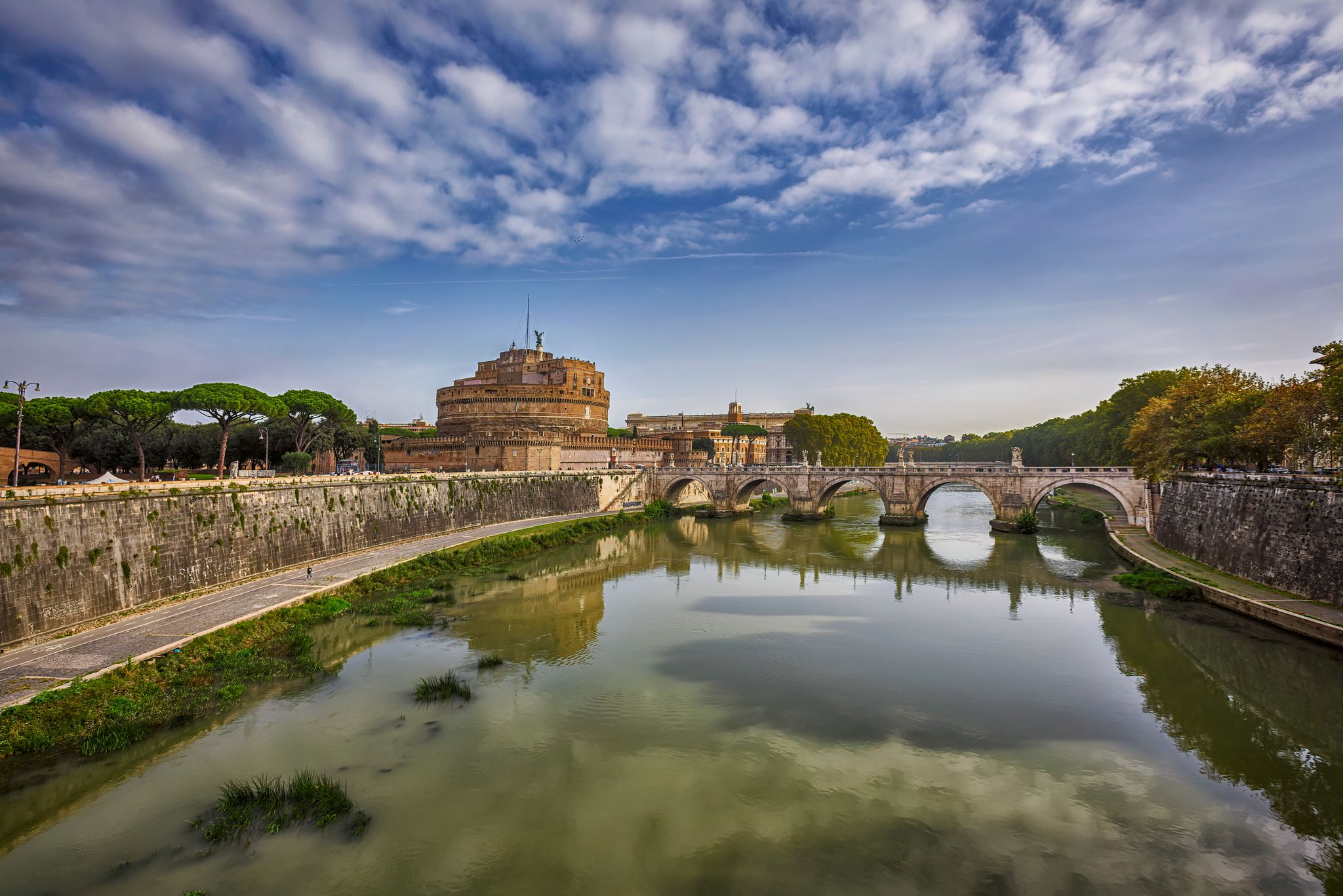
All roads lead to Rome – Romea Tiberina Cycleway
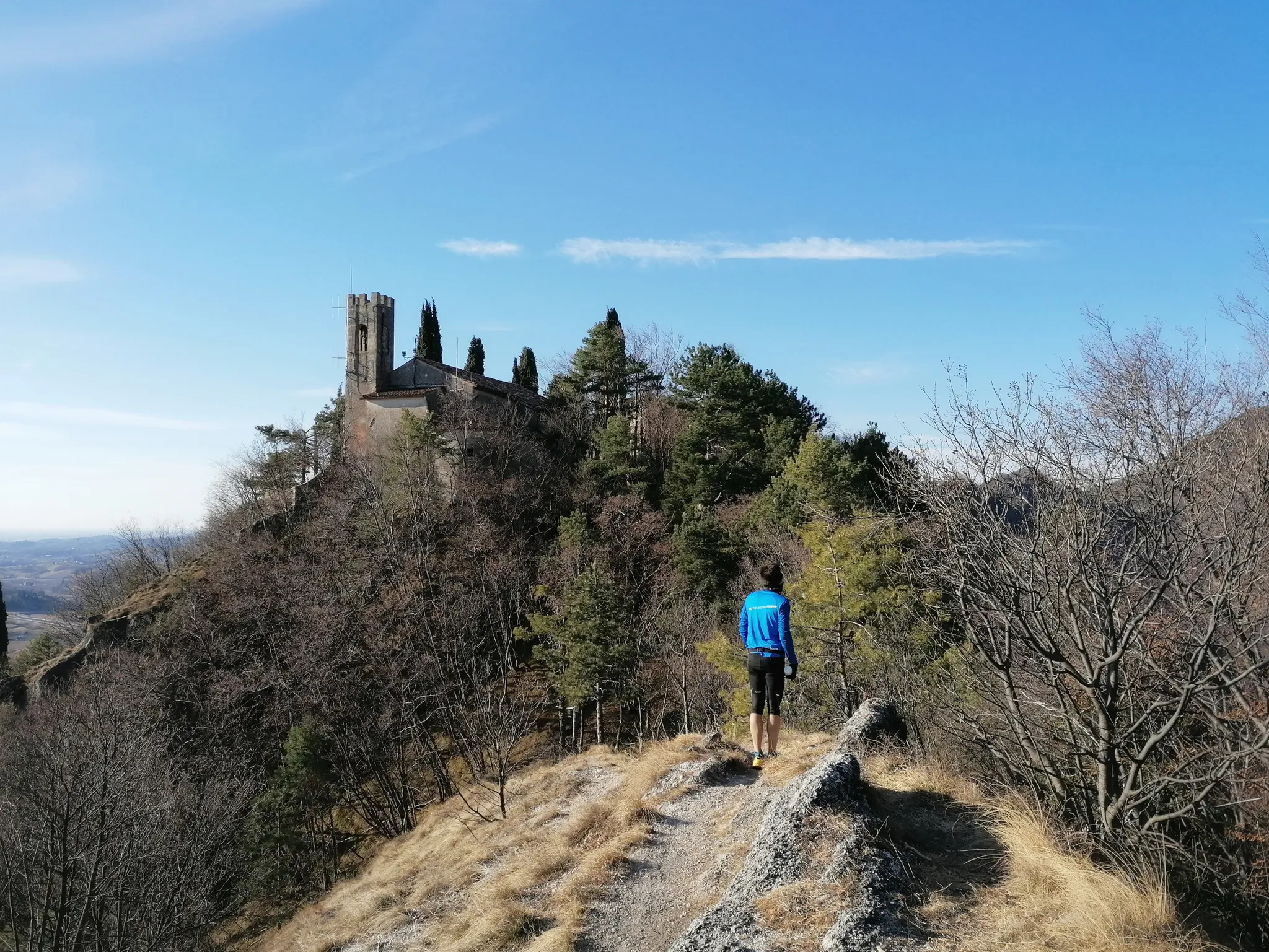
800 years of history from Gemona to Padua – Cammino di Sant'Antonio
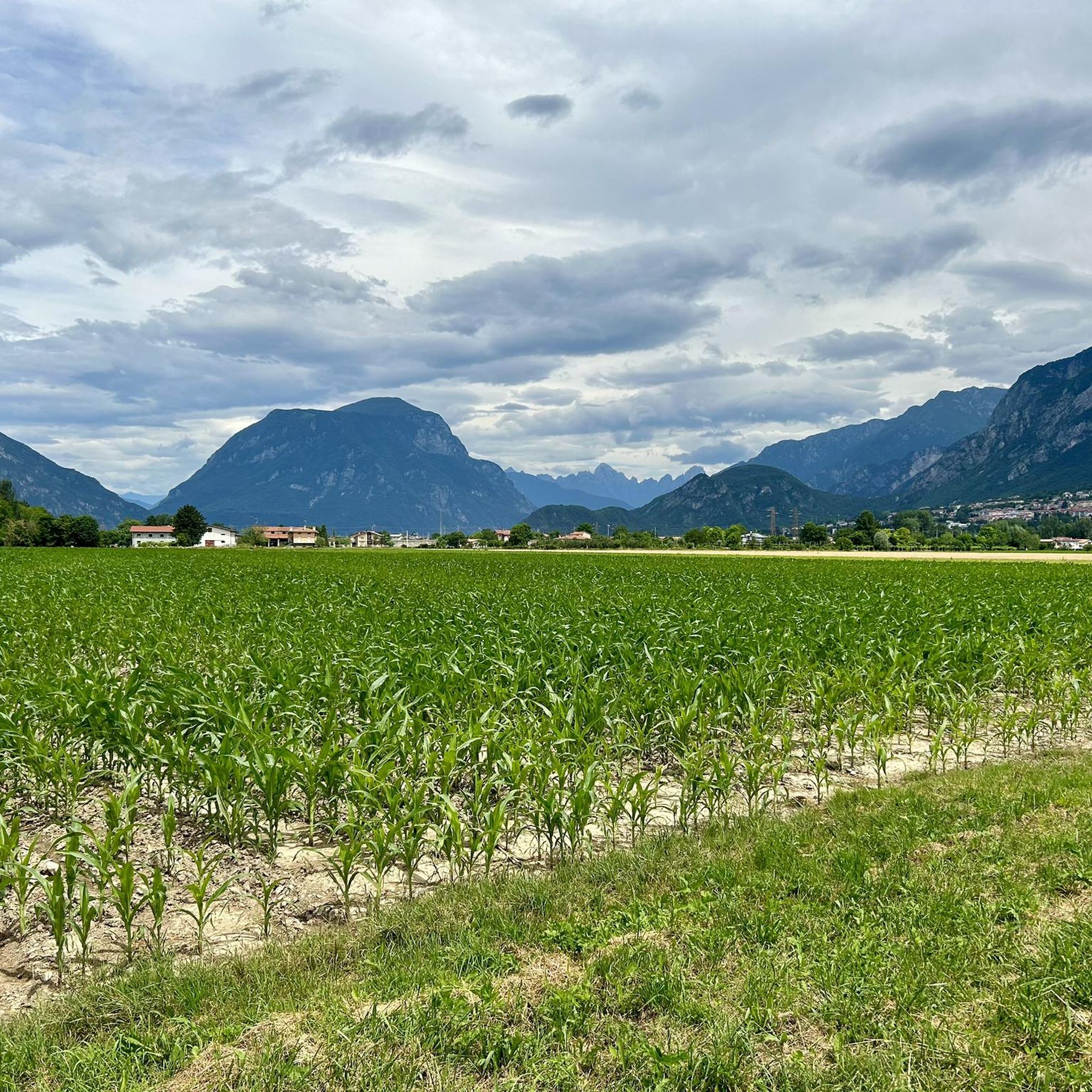
Hiking around Gemona Del Friuli
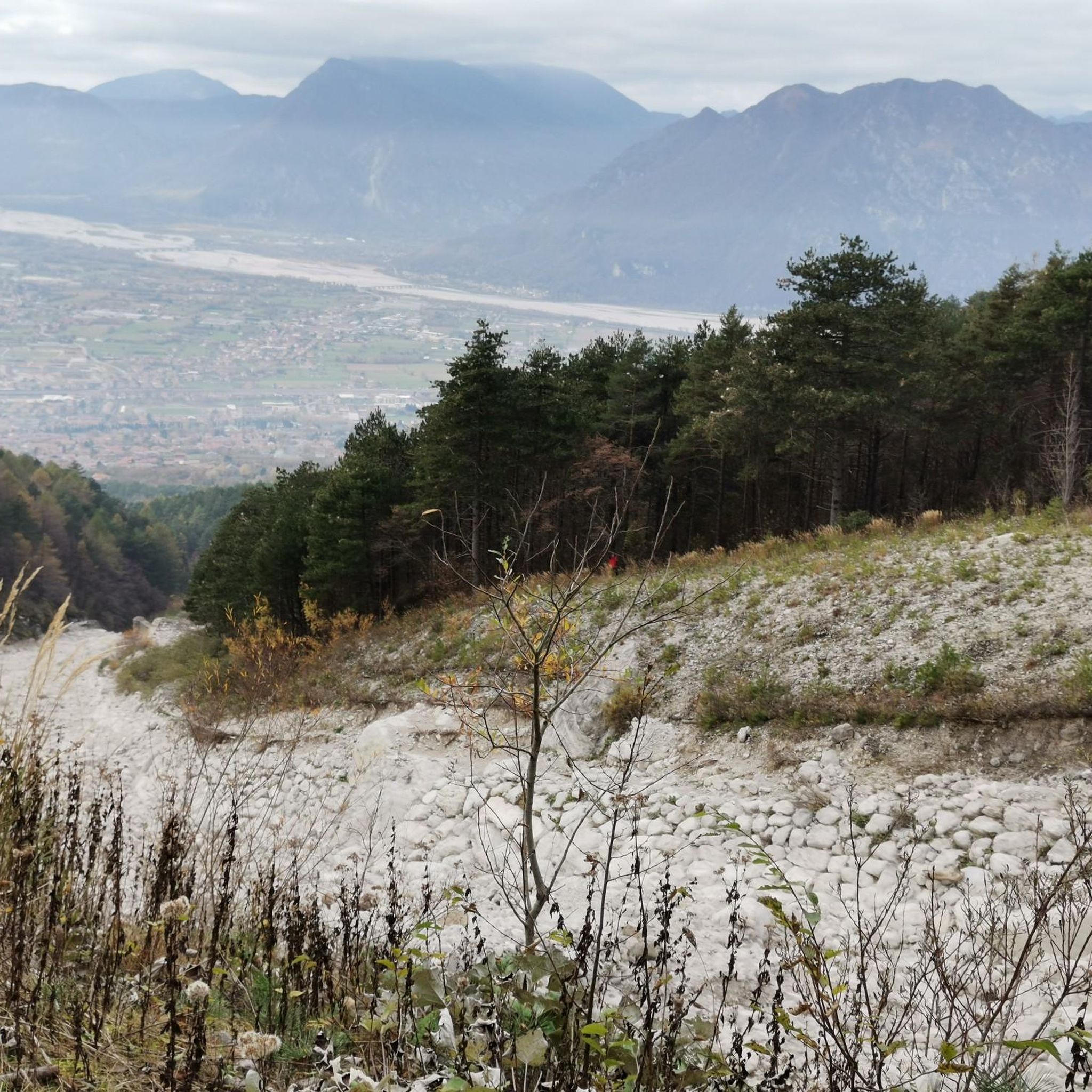
Cycling around Gemona Del Friuli
Road Cycling Routes around Gemona Del Friuli
MTB Trails around Gemona Del Friuli
Running Trails around Gemona Del Friuli

Gravel biking around Gemona Del Friuli


Tips from the Community

A pleasant journey back in time: "Mostra Miniera del Resartico" (Resiutta Mining Exhibition). In 1844, Carinthian entrepreneurs began producing beer in Resiutta, which was then part of the Habsburg Monarchy, using the excellent water of the Resia River. A tunnel was dug for this purpose, which served as a storage and cooling room for the beer. By 1900, the resources of the icehouse were no longer used, and the icehouse remained empty. In recent years, the tunnel was rediscovered. Restoration and research work now allow visitors to retrace the course of history and visit this special place. The tunnel itself features information panels that illustrate the history of this place and beer brewing in Resiutta.
0
0
A pleasant journey back in time: "Mostra Miniera del Resartico" (Resiutta Mining Exhibition). In 1844, Carinthian entrepreneurs began producing beer in Resiutta, which was then part of the Habsburg Monarchy, using the excellent water of the Resia River. A tunnel was dug for this purpose, which served as a storage and cooling room for the beer. By 1900, the resources of the icehouse were no longer used, and the icehouse remained empty. In recent years, the tunnel was rediscovered. Restoration and research work now allow visitors to retrace the course of history and visit this special place. The tunnel itself features information panels that illustrate the history of this place and beer brewing in Resiutta.
0
0
A pleasant journey back in time: "Mostra Miniera del Resartico" (Resia Mining Exhibition). In 1844, Carinthian entrepreneurs began producing beer in Resiutta, which was then part of the Habsburg Monarchy, using the excellent water of the Resia River. A tunnel was dug for this purpose, which served as a storage and cooling room for the beer. By 1900, the resources of the icehouse were no longer used, and the icehouse remained empty. In recent years, the tunnel was rediscovered. Restoration and research work now allow visitors to retrace the course of history and visit this special place. The tunnel itself features information panels that illustrate the history of this place and beer brewing in Resiutta. Source: https://discoveralpigiulie.eu/de/natura/parco/galleria-ghiacciaia-di-riesutta/#null
0
0

Beautiful place to walk and take pictures of some beautiful views. It is full of tunnels and caves. Only problem in summer if the grass is a bit high there can be ticks
0
0

Great old train, converted into a dining car.
0
0

Descent on 702B, narrow but well-equipped path, some tunnels have a maximum height of one meter, in the last km the path is interrupted due to the fall of many trees, you can still get down from the meadow, you can see the signs on the trees
0
0

https://www.komoot.com/it-it/tour/692389420 The route follows CAI trail marker 720. Starting from the southern entrance of Rivellino Park, you cross it to the northern entrance. Crossing the park, you can already see the summit of Osoppo Hill with the flag flying on the lookout. The climb to the hill begins here, on the northern slope, and at the top of the trail, take the paved road on the left that leads to the fort. After passing the gate, on the right, there is a wide view of the Tagliamento River. On Osoppo Hill, there are many ruins worth visiting, given the strategic importance of the site since Celtic times. These include the roofless church of San Pietro, protected by a semi-cylindrical metal roof, the Savoy powder magazines, the tombs of the Savorgnans, the foundations of a Napoleonic barracks, and even the fossilized footprints of a Hipparion, the ancestor of the horse. The visit continues to the southern edge of the hill, to the Piazzale delle Cupole, where the remains of the artillery batteries are located, which can also be visited inside (a flashlight is recommended). A small path leads to the southern terrace, where the view opens up. Retracing our steps, we reach the square in front of the fort, with a small lake and the Casa del Tamburo (Drum House). On the right, there's another expansive view, this time towards Gemona. From this side of the fortress, we reach the lookout, where the Italian flag flies, the highest point on the hill, offering a 360-degree panorama. To descend from the hill, we retrace our steps and, after recrossing the gate, we leave the comfortable paved road to return to the left, taking trail 720 that descends towards the village. Once we reach the level ground, we keep right to head towards Parco delle Colonie. Here, we haven't found any sign of the trail marker, but by keeping to the south side of the soccer field and easily crossing a two-meter embankment, we reach the dirt road that leads to Colle di S. Rocco. After a right bend, on the left is the access to the steps leading up to the Colle. At a viewpoint overlooking the Tagliamento River, we also find the CAI notebook to sign our visit. Following the trail, keeping right at the first fork and then left at a second, we follow the entire crest of the Colle to the little church of San Rocco, opposite which lies the final few meters of descent. Once we reach the flat again, we keep left to return, through the village, to the starting point. 13-06-2020
0
0

Beautiful walk in a magnificent place.
17
0
Frequently Asked Questions
What are the most notable natural caves near Gemona del Friuli?
The most spectacular natural cave system easily accessible from Gemona del Friuli is the Grotte di Villanova (Villanova Caves) in Lusevera, approximately 20 km away. These caves are known for being Europe's most extensive 'contact cave,' featuring over 9 kilometers of galleries with unique speleothems like stalactites, stalagmites, and calcite flowstones.
Are there any historical sites with cave-like features around Gemona del Friuli?
Yes, the region offers several historical sites with subterranean elements. You can explore Osoppo Fortress and San Rocco Hill, which features numerous tunnels and caves within its historical ruins. Another interesting site is the Resiutta Ice Cellar Tunnel, a small historical cave offering a cool environment and insights into mining history. Additionally, the Cuel Mulimiela Gun Emplacement is a historical cave above Lake Cavazzo.
What makes the Grotte di Villanova unique from a geological perspective?
The Grotte di Villanova are geologically unique as Europe's most extensive 'contact cave.' This means they formed between two different rock types, resulting in galleries and halls that vary significantly in size and morphology, creating diverse natural stone sculptures and formations.
Can I visit the Grotte di Villanova with a guide?
Yes, all visits to the Grotte di Villanova are guided and require reservations. There are typically two tourist routes available: a Standard tour lasting 1.5 hours and a Special tour lasting 2.5 hours. These tours provide insights into karst phenomena, geology, and the cave's unique environment.
What should I wear when visiting the Grotte di Villanova?
The internal temperature inside the Grotte di Villanova remains a constant 11°C (52°F). It is recommended to wear appropriate clothing for cooler temperatures and comfortable, non-slip shoes for walking on potentially damp surfaces.
Are there any family-friendly cave experiences near Gemona del Friuli?
Yes, the Resiutta Ice Cellar Tunnel is categorized as family-friendly, offering a small, accessible cave experience. The guided tours at Grotte di Villanova are also suitable for families, providing an educational and visually impressive underground adventure.
What kind of natural features can I expect to see in the caves around Gemona del Friuli?
In natural caves like the Grotte di Villanova, you can admire large galleries, expansive halls rich in concretions, and winding canyons. These are adorned with various speleothems such as stalactites, stalagmites, and calcite flowstones. The region's karstic geology also means you'll encounter unique rock formations shaped over millions of years.
What outdoor activities can I combine with a visit to the caves?
The area around Gemona del Friuli offers various outdoor activities. You can explore road cycling routes like the 'Lake Cavazzo – Venzone loop' or the 'From Gemona to Caporetto' tour. For general cycling, consider routes such as the 'Gravel sul Tagliamento e Riserva Naturale del Lago di Cromino' or the 'Venzone Earthquake Ruins' loop. Gravel biking options include the 'Cuar Mountain Hut' or 'Tagliamento River' loops. You can find more details on these activities in the Road Cycling Routes around Gemona Del Friuli, Cycling around Gemona Del Friuli, and Gravel biking around Gemona Del Friuli guides.
Are there any trails that lead to or incorporate caves?
Yes, the Vigant Abyss is accessible via the Bernadia Trail Area, which is described as an easy and fun path. Additionally, the Old Aqueduct Trail includes tunnels and is marked with CAI paths, offering a unique hiking experience that incorporates cave-like structures.
What do visitors appreciate most about the caves and subterranean sites in this region?
Visitors often appreciate the unique blend of natural beauty and historical significance. The Grotte di Villanova are praised for their magical underground world and geological wonders. Historical sites like Osoppo Fortress are valued for their views, historical ruins, and the opportunity to explore underground passages. The cool environment of the Resiutta Ice Cellar Tunnel is also a highlight for many.
Is the air quality inside the Grotte di Villanova beneficial?
Yes, the air inside the Grotte di Villanova is exceptionally pure. It is believed to be beneficial for individuals with respiratory conditions such as asthma or allergies.
Are there any other significant cave systems in the broader Friuli Venezia Giulia region?
While the Grotte di Villanova are prominent near Gemona del Friuli, the broader Friuli Venezia Giulia region is renowned for its numerous caves. This includes the Grotta Gigante, recognized as the world's largest tourist cave, though it is located further away from Gemona del Friuli.
Most popular routes around Gemona Del Friuli
Most popular attractions around Gemona Del Friuli

Get inspired with the komoot mobile app


Explore more
Extend your search for the best caves by checking out these guides of the top ones around Gemona Del Friuli:
