Top 6 Castles around San Quirino
Best castles around San Quirino are found in the municipality of Pordenone, Italy, a region with historical significance. San Quirino was notably granted to the Knights Templar in 1219, where a "little castle" served as a preceptory for pilgrims. The broader Friuli Venezia Giulia region, where San Quirino is located, features various historic castles and fortified structures.
Best castles around San Quirino
- The most popular castles is Castle of Aviano, a castle that offers panoramic views over the plain. It is a historical site appreciated for its scenic location.
- Another must-see spot is Porcia Castle, a historical site and castle. This complex includes a central keep, a Renaissance wing, and a Venetian-style building, still inhabited by the noble family.
- Visitors also love Zoppola Castle, a historical site built around the year 1000. It was originally constructed for defense against incursions and is surrounded by a castle village and a large park.
- San Quirino is known for historical residences, fortified structures, and sites with Templar connections. Visitors can explore castles with military origins and those transformed into noble residences.
- The castles around San Quirino are appreciated by the komoot community, with more than 60 upvotes and 13 photos shared by visitors.
Last updated: June 29, 2026
Porcia Castle
Highlight • Castle
Built with a military function to protect the territory from barbarian invasions, from the 12th century the castle became the permanent residence of the noble family of Porcía and Brugnera, who governed these lands for eight centuries and held important political and military positions under the Serenissima Republic of Venice.
The Castle of Porcía, still inhabited by the family, is at the center of an agricultural area of 840 hectares where fine vines and other products are grown with cutting-edge methods.
Translated by Google •
Tip by

Zoppola Castle
Highlight • Castle
Translated by Google •
Tip by

Sign up now to discover places like this
Get recommendations on the best single tracks, peaks, & plenty of other exciting outdoor places.
Sign up for free
Castello di Torre and Archaeological Museum of Western Friuli
Highlight • Castle
After the first half of the 15th century, with the Venetian conquest of Friuli, the castle was transformed into a noble residence and was involved in a vast program of architectural and artistic interventions including the fresco decoration with the Annunciation on the ground floor, attributed to Gianfrancesco da Tolmezzo (1450-1511). The staircase leading to the main floor and the loggia were probably built during the second half of the seventeenth century. Between the end of the seventeenth century and the beginning of the eighteenth century, the fresco depicting the main protagonists of the defense of Vienna from the siege of the Turks in 1683 was created in the vault of the ground floor of the tower-keep, probably to commemorate the participation of a member of the Ragogna family in the clash.
Various additions and structural modifications were made to the building during the eighteenth and nineteenth centuries. At the end of the nineteenth century, in the southern sector of the castle, the old loggia building was demolished and a new building was built, which was placed against the northern wall of the main tower. In 1926, the building was replaced with the one that still exists today.
In 1970, the Count of Ragogna died, leaving the Castello di Torre as an inheritance to the Friuli Venezia Giulia Region; in the end, after various testamentary events, the building came to the Municipality of Pordenone. After a careful restoration that took place in the early 2000s, since 2006 it has been home to the Archaeological Museum of Western Friuli.
Translated by Google •
Tip by

Castle of Aviano
Highlight • Castle
Translated by Google •
Tip by

Laghetto delle Risorgive di Porcia
Highlight • Lake
Translated by Google •
Tip by

Sign up for free to discover even more castles around San Quirino.
Sign up for free
Already have an account?
Start today with a free account
Your next adventure awaits.
Login or Signup
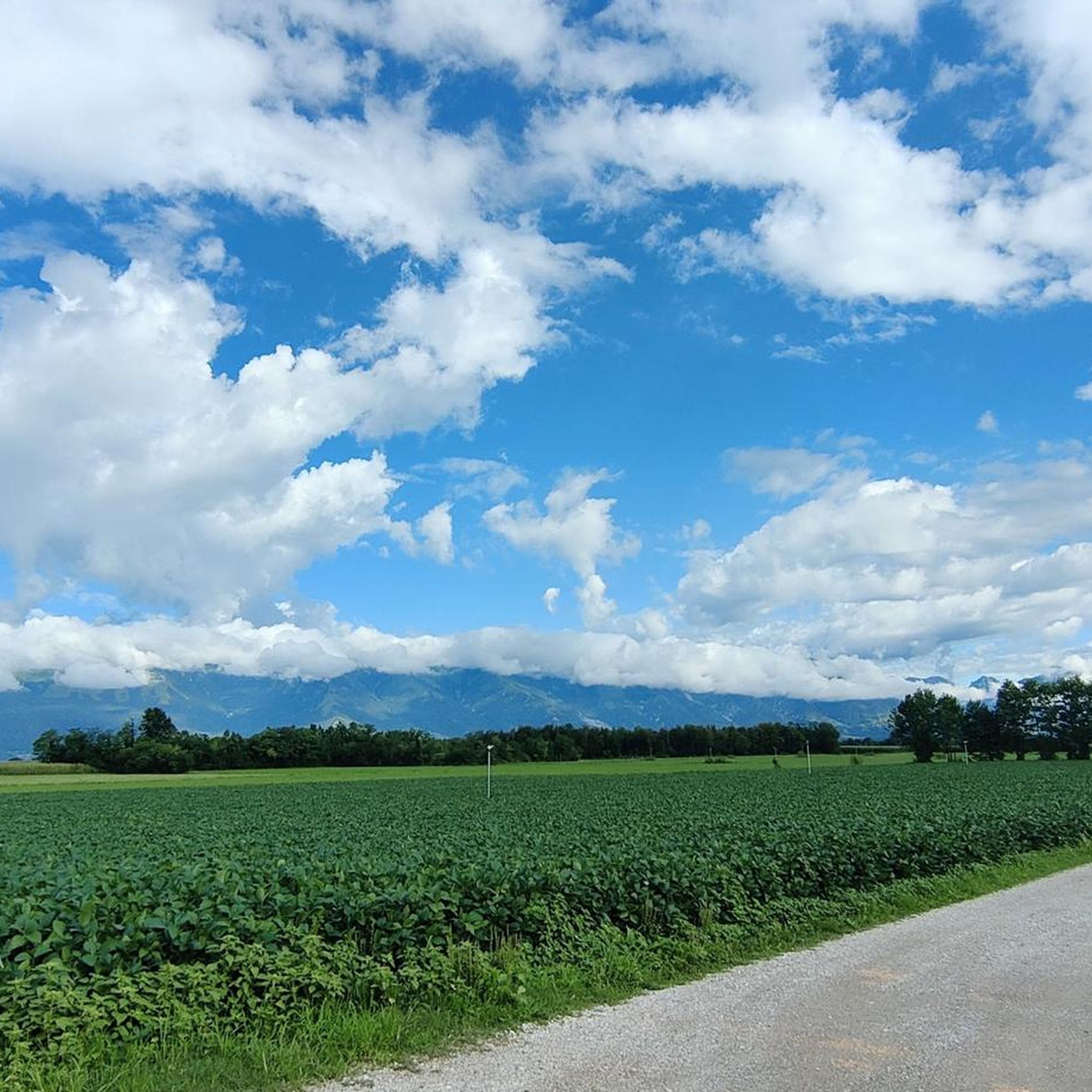
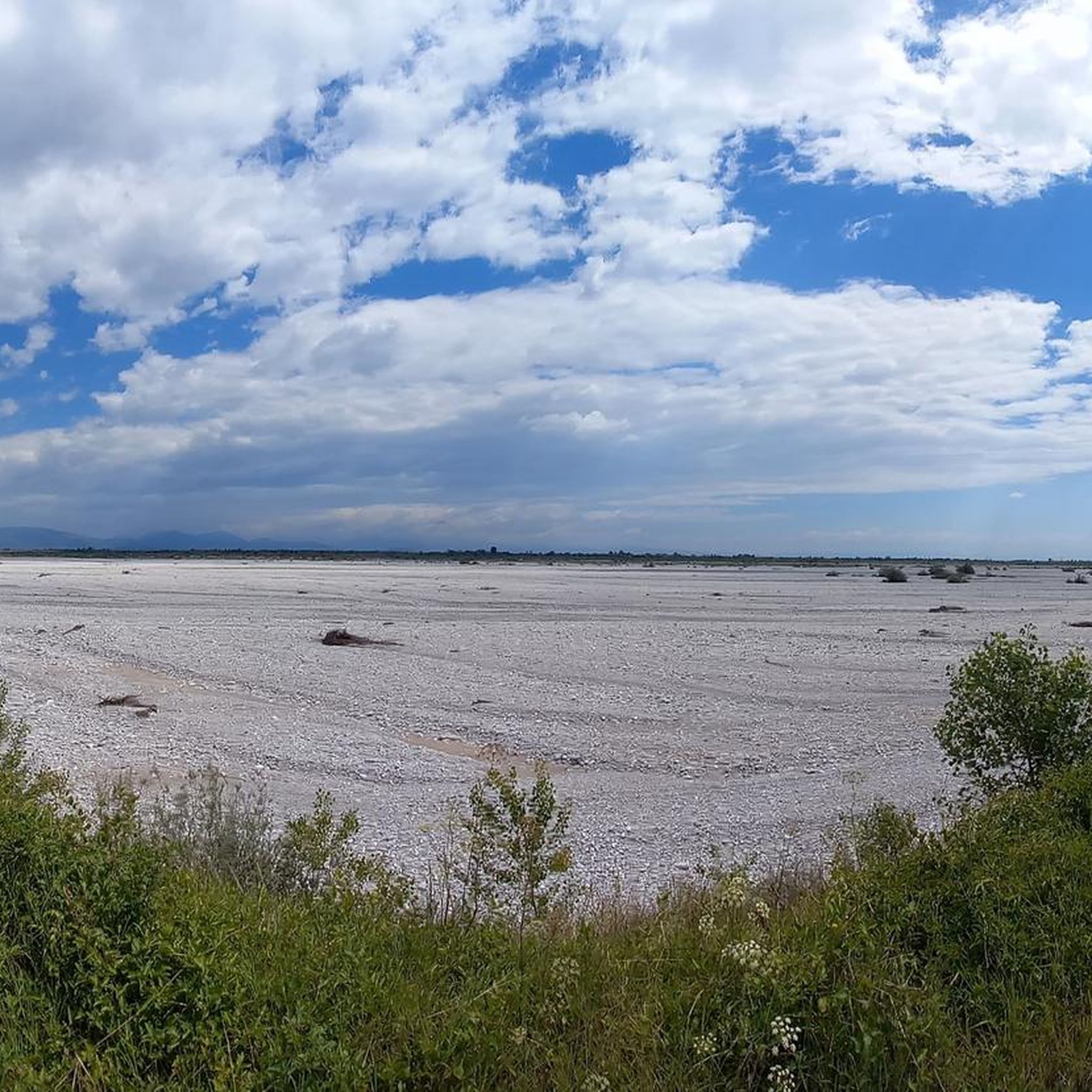
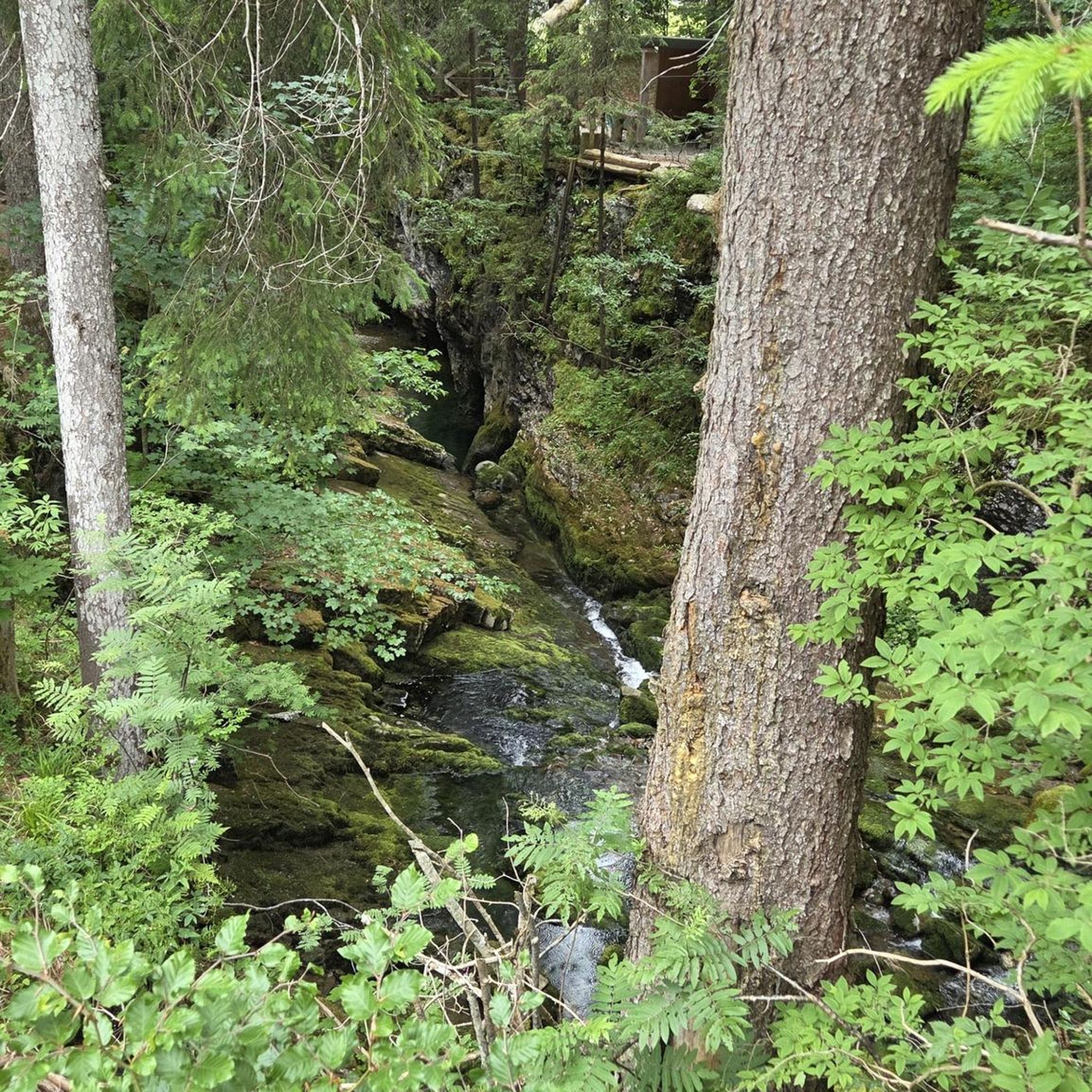
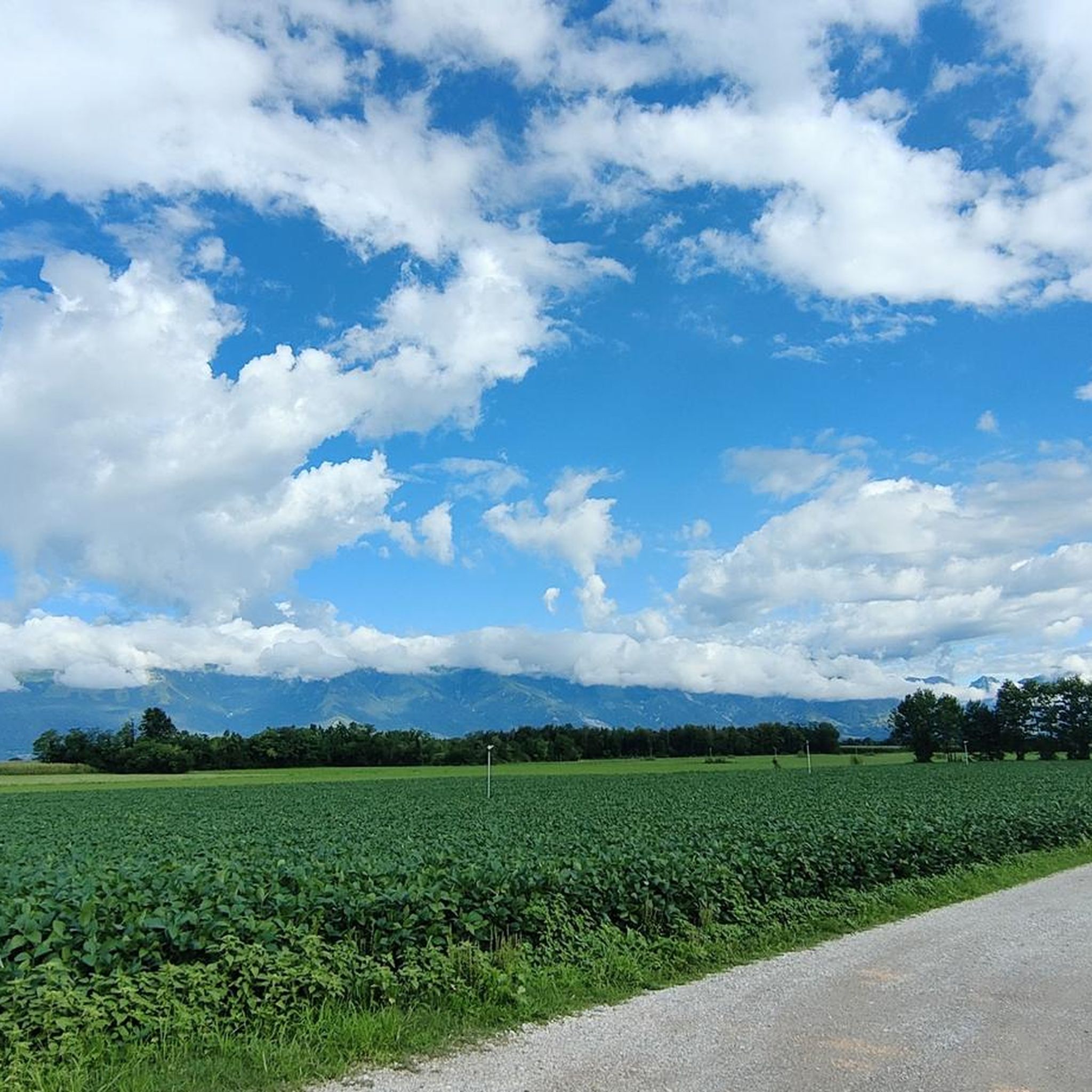
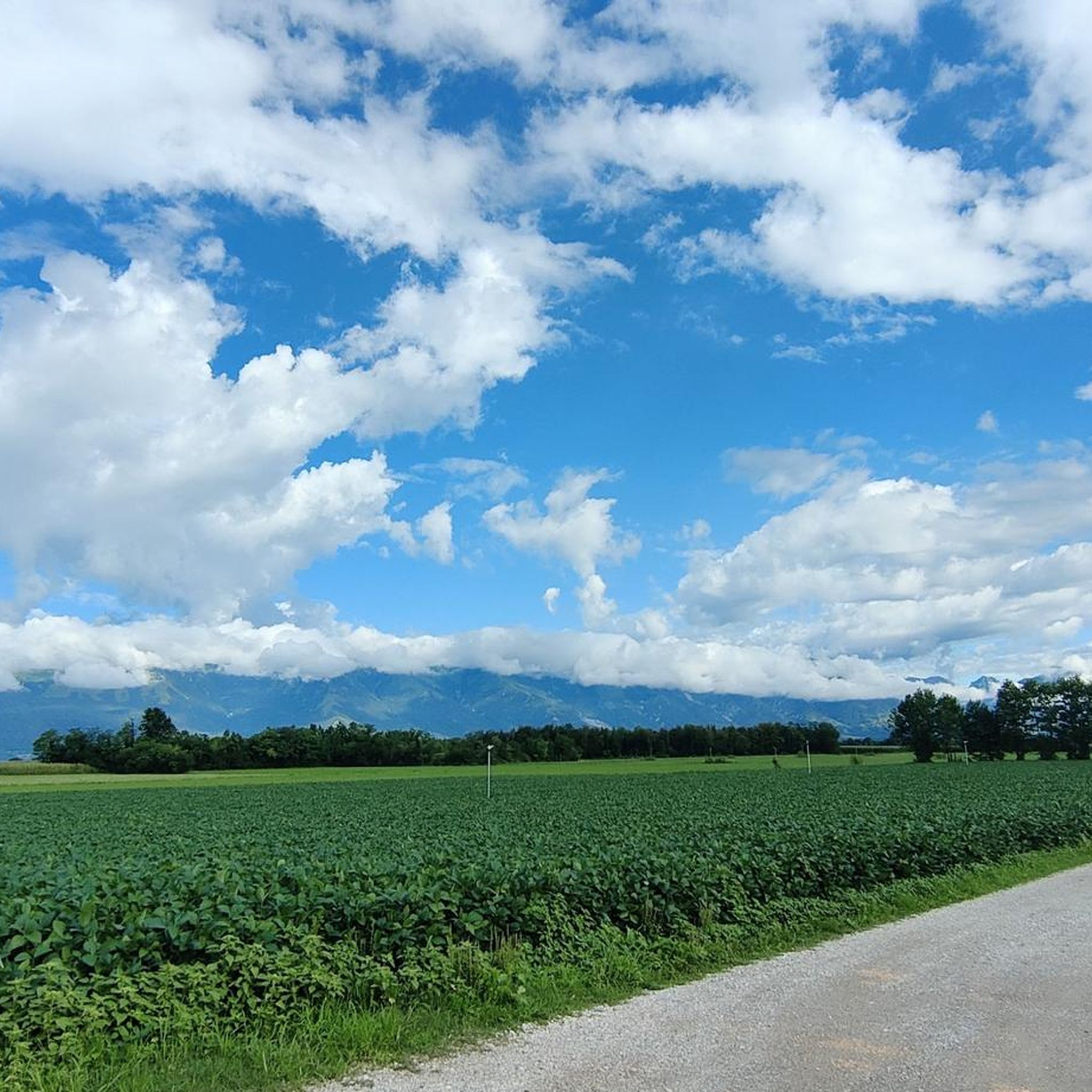
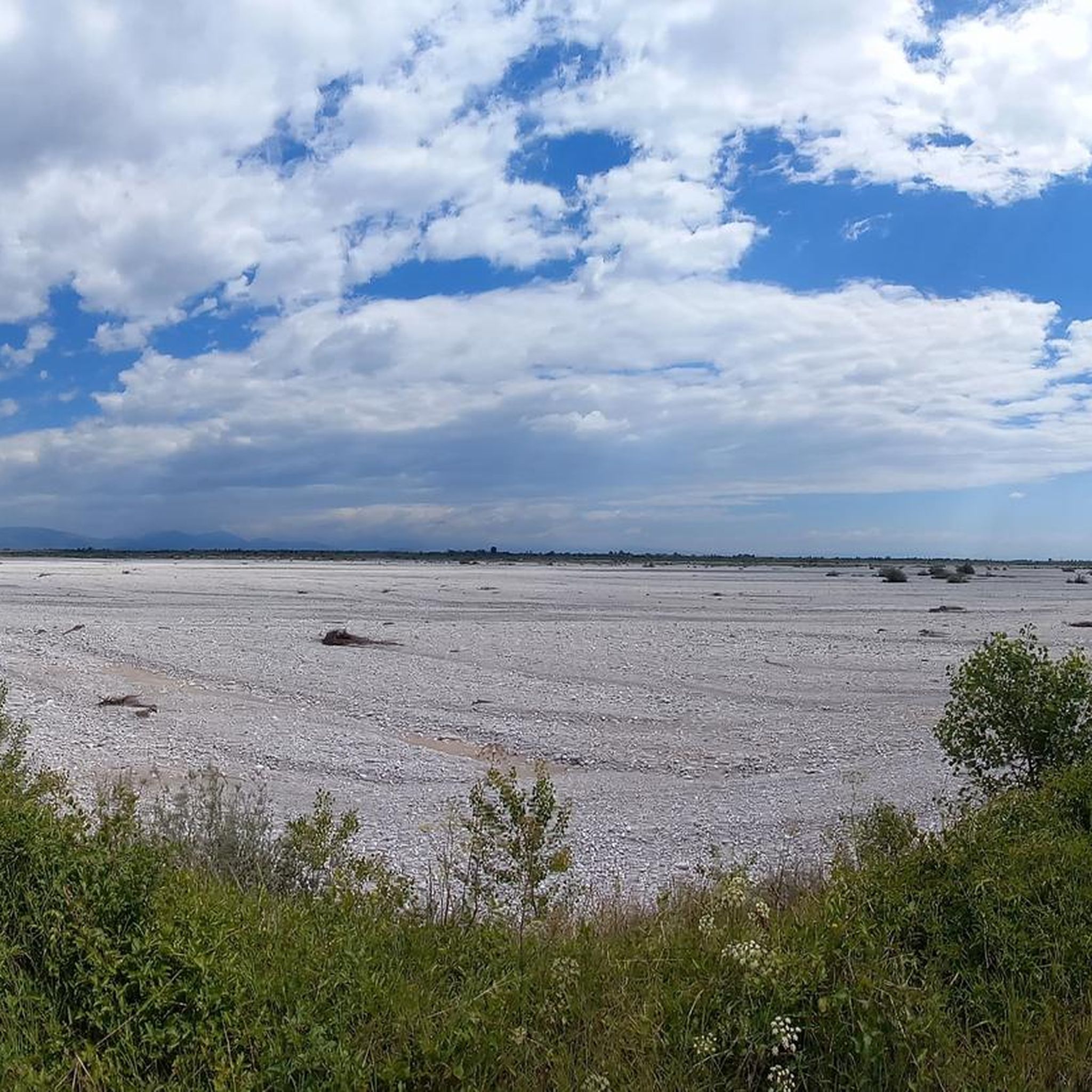
Tips from the Community

Beautiful castle in Zoppola in the direction of Grava
0
0

Beautiful castle and beautiful church. Please be respectful, people live in the houses inside.
0
0

Of Aviano Castle, only a portion of the walls and the entrance gate remain (see highlight with explanatory sign).
0
0

The Castello di Zoppola is a castle originally built in the 11th century and still owned by the Panciera family. It was surrounded by three walls and moats, some of which are still preserved, and over the centuries has housed aristocratic families such as the Habsburgs, the Valvasones, and the Pancieras. The castle is known for its rich history, including its importance as a strategic base and its frescoes by artists such as Pomponio Amalteo and Giovanni da Udine.
1
0
Castello di Aviano gives its name to the locality of the same name near Aviano.
0
0

The castle of Torre was built in the Middle Ages where the complex of the large Roman villa once stood. The oldest part of the fortification is represented by a square-based tower, characterized by mighty walls, probably built in the second half of the 13th century by the Patriarch of Aquileia, who initially entrusted it to the ancient House of the Lords of Prata. Long the object of contention between the nobles of Porcia, the Count of Gorizia and the Carraresi, in 1391 the Patriarch of Aquileia, Giovanni di Moravia, granted the castle of Torre to Giovannino di Ragogna. After the first half of the 15th century, with the Venetian conquest of Friuli, the castle was transformed into a noble residence and was involved in a vast program of architectural and artistic interventions including the fresco decoration with the Annunciation on the ground floor, attributed to Gianfrancesco da Tolmezzo (1450-1511). The staircase leading to the main floor and the loggia were probably built during the second half of the seventeenth century. Between the end of the seventeenth century and the beginning of the eighteenth century, the fresco depicting the main protagonists of the defense of Vienna from the siege of the Turks in 1683 was created in the vault of the ground floor of the tower-keep, probably to commemorate the participation of a member of the Ragogna family in the clash. Various additions and structural modifications were made to the building during the eighteenth and nineteenth centuries. At the end of the nineteenth century, in the southern sector of the castle, the old loggia building was demolished and a new building was built, which was placed against the northern wall of the main tower. In 1926, the building was replaced with the one that still exists today. In 1970, the Count of Ragogna died, leaving the Castello di Torre as an inheritance to the Friuli Venezia Giulia Region; in the end, after various testamentary events, the building came to the Municipality of Pordenone. After a careful restoration that took place in the early 2000s, since 2006 it has been home to the Archaeological Museum of Western Friuli.
0
0

Characteristic place, worth visiting!!!
0
0
Frequently Asked Questions
What is the historical significance of San Quirino regarding castles?
San Quirino holds unique historical importance due to its connection with the Knights Templar. In 1219, the area was granted to the Templars, who established a "little castle" or "magione." This site served as a crucial stop for pilgrims and crusaders traveling to the Holy Land, Rome, and Santiago de Compostela, making it the only Templar settlement in the Friuli Venezia Giulia region.
Are there any family-friendly castles to visit near San Quirino?
Yes, several castles in the area are suitable for families. The Castle of Aviano and Castello di Torre and Archaeological Museum of Western Friuli are both listed as family-friendly. The Archaeological Museum at Castello di Torre offers an educational experience for all ages.
What can I expect to see at the Knights Templar site in San Quirino?
While the original fortified structure of the Templar "little castle" may not be fully intact, a monument was erected in the early 1990s to commemorate this significant Templar settlement. You can also observe old barns that have been partially renovated or preserved, offering a glimpse into the historical complex. Its primary draw is the unique historical link to the Knights Templar and their role in medieval travel.
Which castles offer the best panoramic views?
The Castle of Aviano is highly recommended for its panoramic views over the plain. Visitors often highlight its scenic location as a major draw.
Can I visit a castle that is still inhabited by a noble family?
Yes, Porcia Castle is still inhabited by the noble family of Porcía and Brugnera. This historical complex includes a central keep, a Renaissance wing, and a Venetian-style building, offering a unique insight into centuries of aristocratic life.
What is the oldest castle near San Quirino?
Zoppola Castle was built around the year 1000, originally for defense against incursions. It is one of the oldest structures in the area, surrounded by a castle village and a large park.
Are there any castles with an archaeological museum nearby?
Yes, the Castello di Torre and Archaeological Museum of Western Friuli houses an archaeological museum. The castle itself has a rich history, evolving from a medieval fortification to a noble residence, and now serves as a cultural center showcasing the region's past.
What kind of outdoor activities can I do near the castles around San Quirino?
The region around San Quirino offers various outdoor activities. You can find numerous routes for mountain biking, road cycling, and running. For specific trails and more information, you can explore the MTB Trails around San Quirino, Road Cycling Routes around San Quirino, and Running Trails around San Quirino guides.
What do visitors appreciate most about the castles in this area?
Visitors frequently appreciate the rich history and architectural diversity of the castles, ranging from ancient defensive structures to noble residences. The scenic locations, panoramic views, and the unique connection to historical events like the Knights Templar presence are also highly valued by the komoot community.
Are there any castles known for their artistic heritage?
Zoppola Castle is known for its rich history and frescoes by artists such as Pomponio Amalteo and Giovanni da Udine. Similarly, Castello di Torre features fresco decorations, including an Annunciation attributed to Gianfrancesco da Tolmezzo.
What is the best time of year to visit the castles near San Quirino?
The spring and autumn months generally offer pleasant weather for exploring the castles and their surroundings. Temperatures are milder, and the natural landscapes are particularly beautiful. Summer can also be a good time, though it can be warmer, while winter visits might offer a different, quieter experience, but some facilities or opening hours might be reduced.
Most popular routes around San Quirino
Most popular attractions around San Quirino

Get inspired with the komoot mobile app


Explore more
Looking for the best castles somewhere else? Discover other guides around San Quirino:
