Top 4 Castles around Termoli
Castles around Termoli are primarily represented by the Castello Svevo, a significant and well-preserved fortress on the Adriatic Sea. This coastal town in Molise features a historic old town protected by walls, offering insights into medieval architecture and strategic defense. The region's landscape combines sea views with historical structures, providing a setting for exploring ancient fortifications. Its location on a promontory offers panoramic views of the Adriatic Sea and the old fishing village.
Best castles around Termoli
- The most popular…
Last updated: October 3, 2026
Svevo Castle
Highlight • Castle
Translated by Google •
Tip by

Swabian Castle of Termoli
Highlight • Castle
Historic defensive fortifications in limestone and sandstone which today host exhibitions and cultural events
Borgo Vecchio di Termoli, Via Montecastello, 86039 Termoli CB
comune.termoli.cb.it/turismo/visita-la-nostra-citta/associazione-1-il-borgo.html
08757121
Translated by Google •
Tip by

Sign up now to discover places like this
Get recommendations on the best single tracks, peaks, & plenty of other exciting outdoor places.
Old Town of Termoli
Highlight • Historical Site
Translated by Google •
Tip by

Montebello Tower
Highlight • Monument
Translated by Google •
Tip by

Start today with a free account
Your next adventure awaits.

Tips from the Community

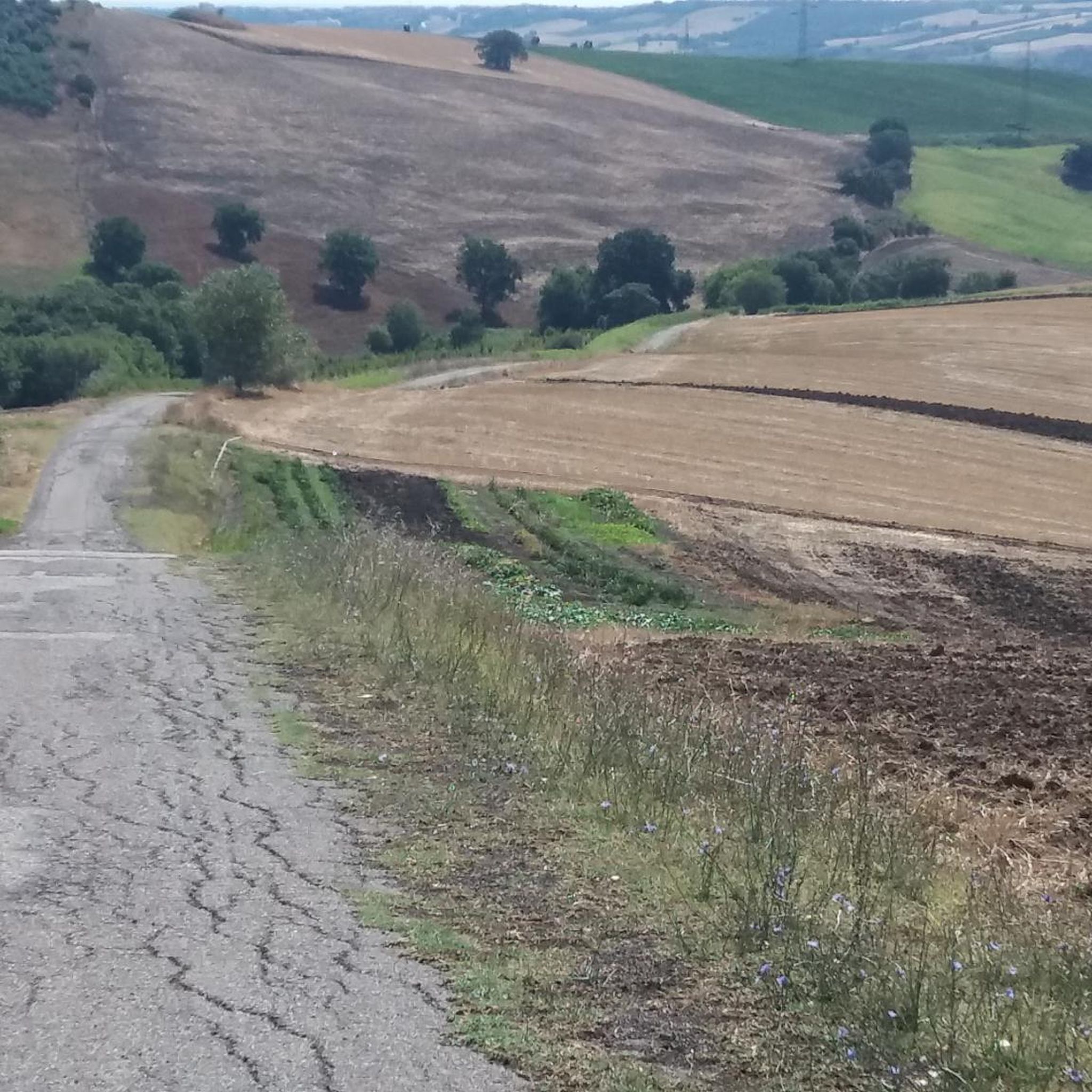
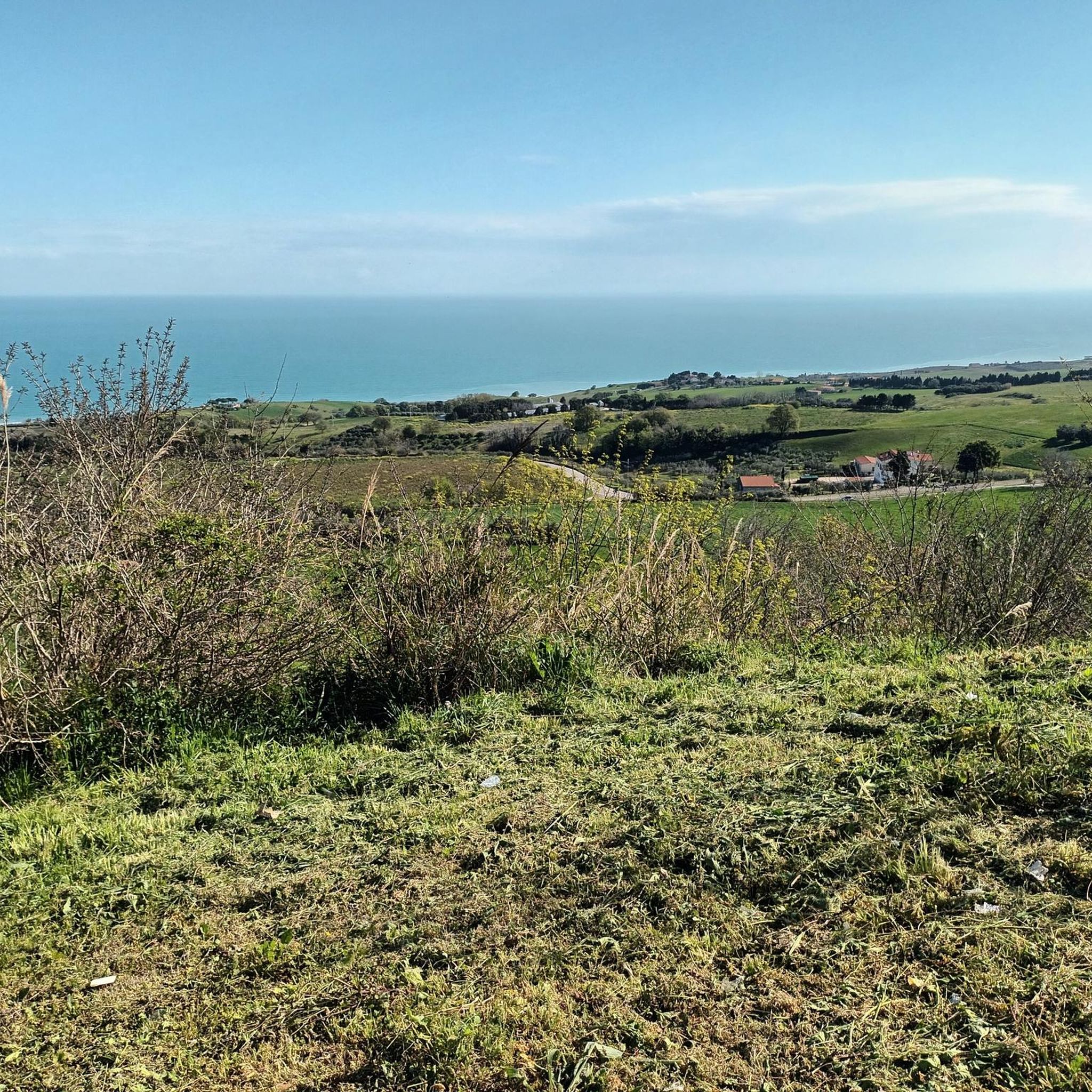
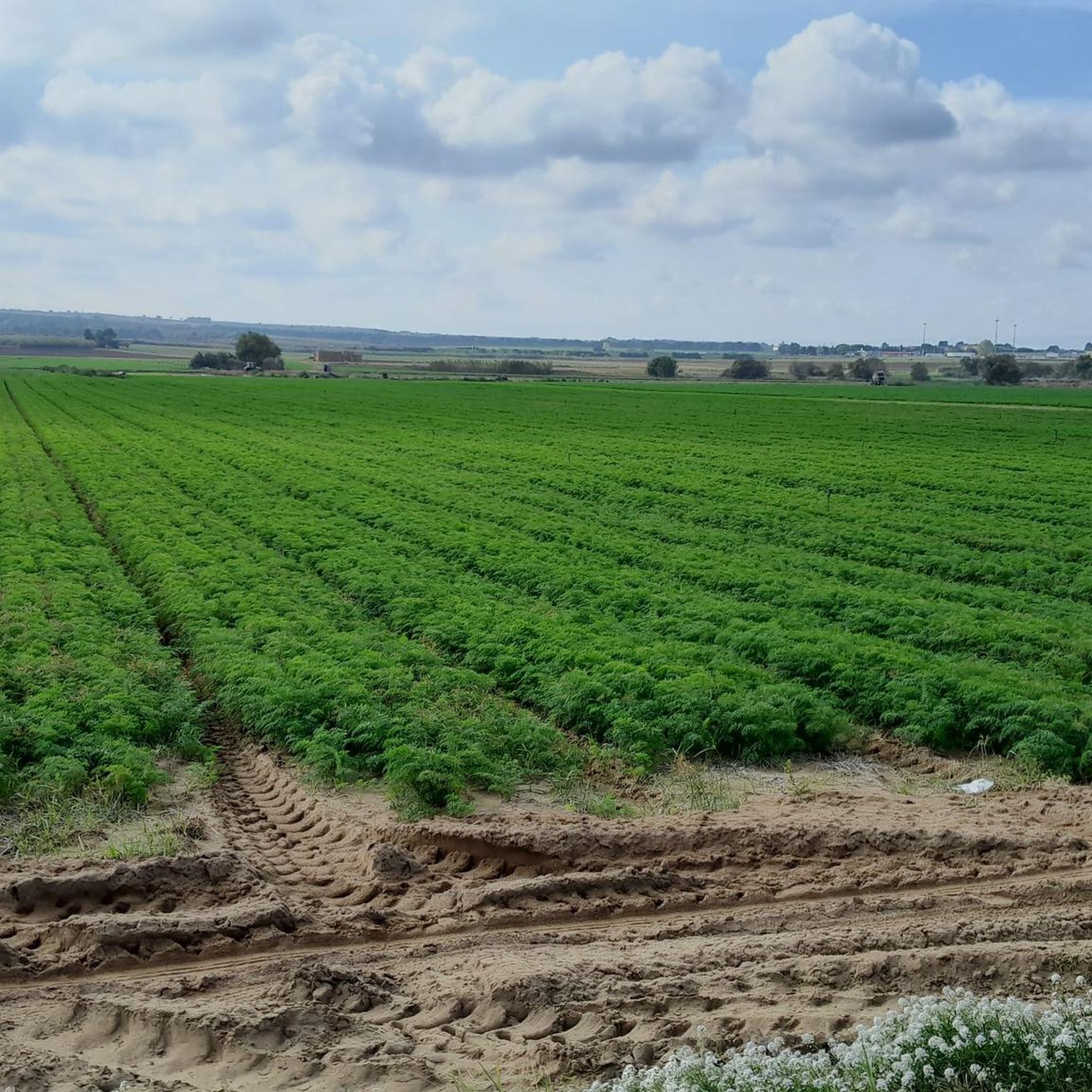
Short tour but with beautiful landscapes.
0
0

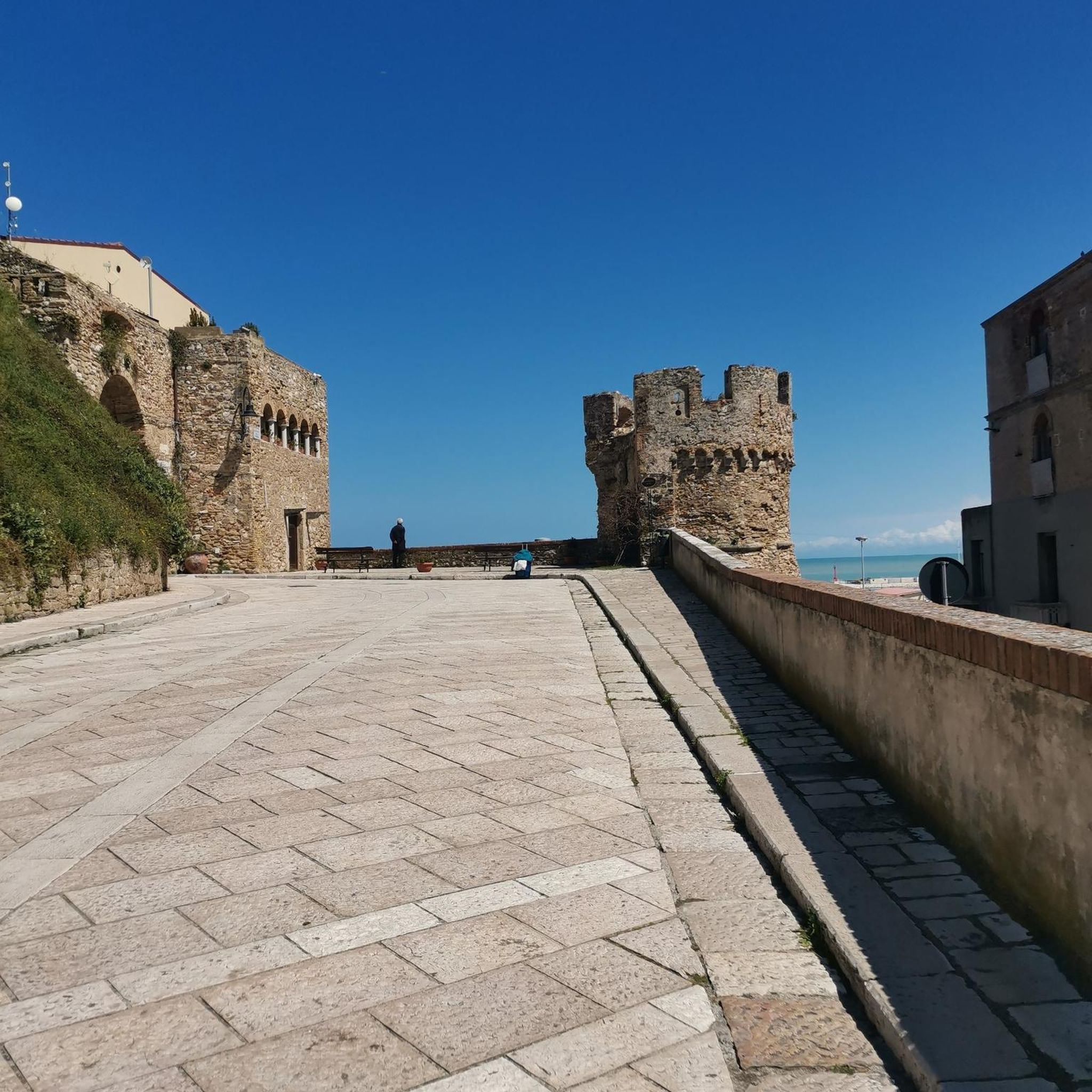
An important part of the defense system, a sturdy wall that surrounded the old village.
0
0
Also known as Torre di Vialante
0
0
A wedding favor you absolutely must visit! PS: "A Rejecelle" alley of the Borgo Antico I wasn't able to pass by bike... it's much narrower.
0
0

The Swabian castle of Termoli characterizes the image of the medieval village of the city with its profile. Its construction is traced back approximately to the XIII century, a period in which Frederick II of Swabia designed a fortification system of the south-eastern Italian borders up to Sicily, while the central Norman tower dates back to the XII century, maintaining the structural characteristics of the Norman towers existing. (Source Wikipedia.)
4
0

beautiful castle overlooking the sea and the port
3
0
Both coming from the south and from the north you have to face an annoying climb!
1
0

Castle kept in excellent condition.
11
0
Frequently Asked Questions
What is the historical significance of the castles around Termoli?
The primary castle, Svevo Castle, is a significant historical landmark. Its origins trace back to a 12th-century Norman tower, with the current structure largely built in 1240 by Emperor Frederick II. It was crucial for fortifying Italy's southeastern borders and has undergone several reconstructions. Today, it is recognized as a national monument and a regional historical museum.
Are there family-friendly historical sites to visit in Termoli?
Yes, both the Svevo Castle and the View of the Trabucchi and Termoli Old Town from the Castello Svevo Belvedere are considered family-friendly. Exploring the castle's architecture and enjoying the panoramic views can be an engaging experience for all ages.
What kind of views can I expect from the castles in Termoli?
From the Castello Svevo Belvedere, you can expect breathtaking panoramic views of the Adriatic Sea, the surrounding Old Town of Termoli, and the traditional fishing structures known as trabucchi. It's a popular spot for photography, especially at sunset.
What cultural events or activities take place at Termoli's castles?
While not always open for regular tours, the Svevo Castle occasionally hosts exhibitions, cultural events, and even civil marriage celebrations. Annually, on August 15th, a fireworks display commemorates a historic Turkish assault, adding a unique cultural highlight to the area.
Are there outdoor activities or routes near the castles in Termoli?
Yes, the area around Termoli offers various outdoor activities. You can find several hiking, MTB, and running trails. For example, there are routes like the 'Trabucco di Celestino – Svevo Castle loop' for hiking, or the 'Torre di Petacciato – Swabian Castle in Termoli loop' for MTB. You can explore more options in the hiking guide, MTB guide, and running guide for Termoli.
What other historical sites are worth exploring in Termoli besides the main castle?
Beyond the Svevo Castle, the Old Town of Termoli is a must-see. This medieval village is collected and protected by ancient walls, featuring narrow cobblestone streets, historical buildings, and the extraordinary Cathedral of Santa Maria della Purificazione. You can also find the 'A Rejecelle', one of Italy's narrowest alleys.
What are the architectural features of the Castello Svevo?
The Svevo Castle is characterized by its defensive purpose, built primarily from limestone and sandstone. It has a square base with four cylindrical corner towers and a taller parallelepiped tower at its apex. Early enhancements included a drawbridge. Inside, the first-floor rooms, known as the 'Archers' Corridor', feature barrel vaults and numerous slits for archers.
What do visitors particularly enjoy about the castles and old town of Termoli?
Visitors appreciate the excellent condition of the Svevo Castle, which serves as a symbol of the medieval village. The historic Old Town of Termoli, with its charming narrow streets and protective walls, is also highly valued. The breathtaking panoramic views from the belvedere, especially at sunset, are frequently highlighted by visitors.
Is there a specific time of year that is best to visit the castles in Termoli?
Given Termoli's coastal location, spring and early autumn generally offer pleasant weather for exploring the castles and old town, avoiding the peak heat of summer. However, the castle hosts an annual fireworks display on August 15th, which can be a unique cultural experience if visiting in summer.
Are there other defensive structures or towers near Termoli's main castle?
Yes, the region features other historical defensive structures. For instance, the Montebello Tower (also known as Torre di Vialante) is another coastal tower built to defend against Turkish attacks. It is located about 12 km from Montenero di Bisaccia and was part of a network of towers, including those in Termoli and Petacciato, to watch the Molise coast.
How can I explore the Old Town of Termoli?
The Old Town of Termoli is best explored on foot. It's a medieval village with narrow, winding cobblestone streets. You can wander through its historical buildings, discover the Cathedral of Santa Maria della Purificazione, and enjoy the charm of the pastel-colored houses. Don't miss the 'A Rejecelle', one of the narrowest alleys in Italy.
What is the best way to experience the architecture of the Castello Svevo?
To fully appreciate the architecture of the Svevo Castle, explore its exterior to see the square base, cylindrical corner towers, and the taller central tower. If accessible, venturing inside allows you to see the thick stone walls and the 'Archers' Corridor' with its barrel vaults and defensive slits, offering a glimpse into its medieval design.
Most popular attractions around Termoli

Get inspired with the komoot mobile app


Explore more
Looking for the best castles somewhere else? Discover other guides around Termoli:
