Top 7 Waterfalls around Pomarolo
Waterfalls around Pomarolo are found within the broader Trentino region, an area known for its natural landscapes. While Pomarolo itself is recognized for its apple orchards and historical landmarks, the surrounding areas offer numerous impressive cascades. These natural features are often accessible via scenic hiking trails, providing opportunities for nature observation. Visitors can explore various types of waterfalls, from natural plunges to those integrated with historical water engineering.
Best waterfalls around Pomarolo
- The most popular waterfalls is Hofentol Waterfall,…
Last updated: June 29, 2026
Zambèl Waterfall
Highlight • Waterfall
Translated by Google •
Tip by

Via Ferrata Caduti di Nassirya
Highlight (Segment) • Climb
Translated by Google •
Tip by

Sign up now to discover places like this
Get recommendations on the best single tracks, peaks, & plenty of other exciting outdoor places.
Sign up for free
Hofentol Waterfall
Highlight • Waterfall
Translated by Google •
Tip by
Rio Mous Waterfalls
Highlight • Waterfall
Translated by Google •
Tip by
Basso Alpe Laggina Route
Highlight (Segment) • Trail
Translated by Google •
Tip by

Sign up for free to discover even more waterfalls around Pomarolo.
Sign up for free
Already have an account?
Start today with a free account
Your next adventure awaits.
Login or Signup
Tips from the Community

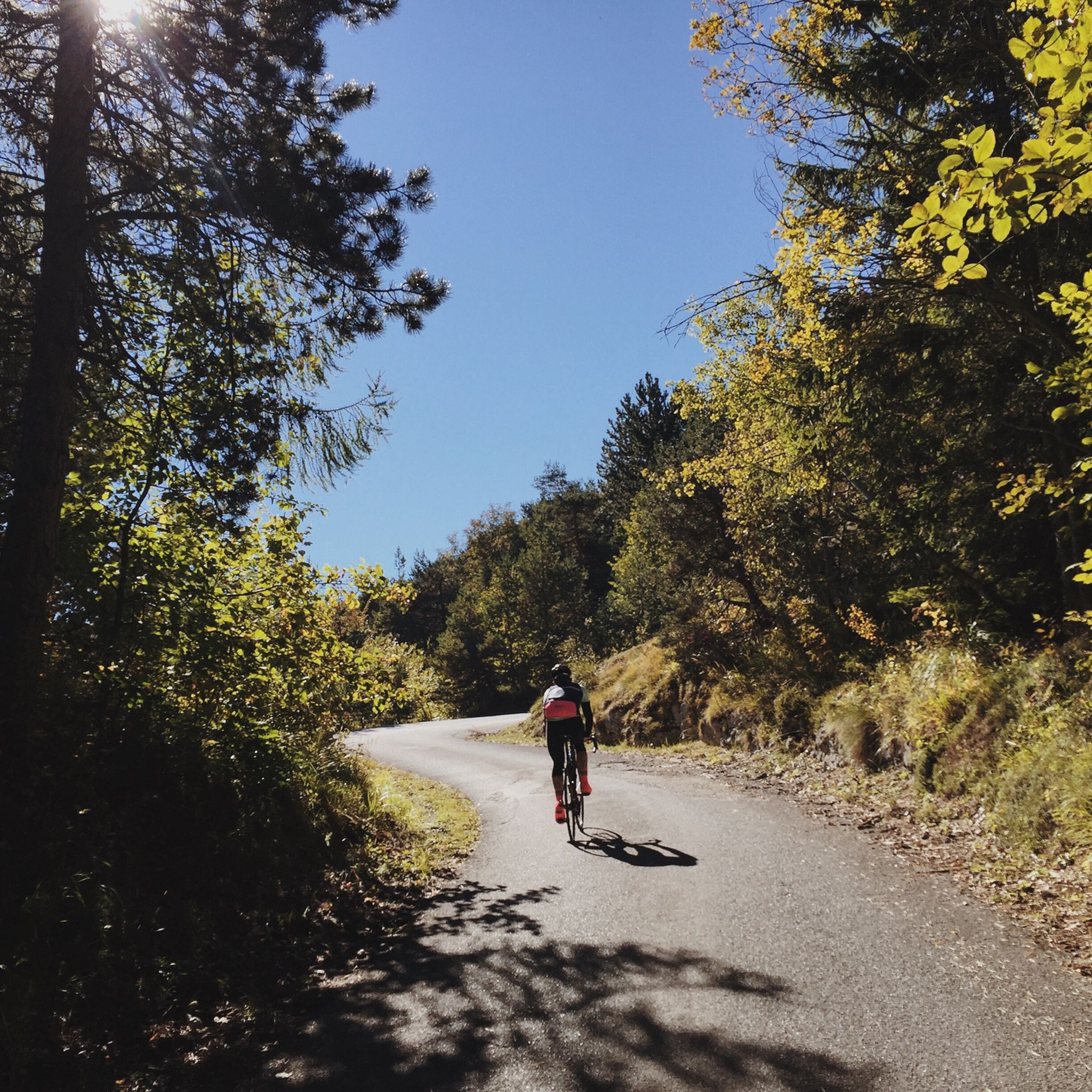
The Via Ferrata Caduti di Nassirya is an exciting adventure between rock walls and a stream that flows between mossy rocks. The route includes suspension bridges, metal ladders and vertiginous passages, with spectacular views of waterfalls.
2
1

If you haven't had enough climbing after the Ferrata Salagoni, you can continue straight away with this second section, the Ferrata Caduti di Nassirya. It leads through the upper Salagoni Gorge to the waterworks. The via ferrata is classified as Category C, as there are short sections of this difficulty. If you want to do the Ferrata Caduti di Nassirya as a standalone via ferrata tour without first climbing the Ferrata Sallagoni, you can also descend from Castello Drena and start directly. You will almost exclusively follow the stream. Footholds will keep your feet dry. However, keep an eye on the weather and avoid the trail if heavy rain is imminent.
3
0

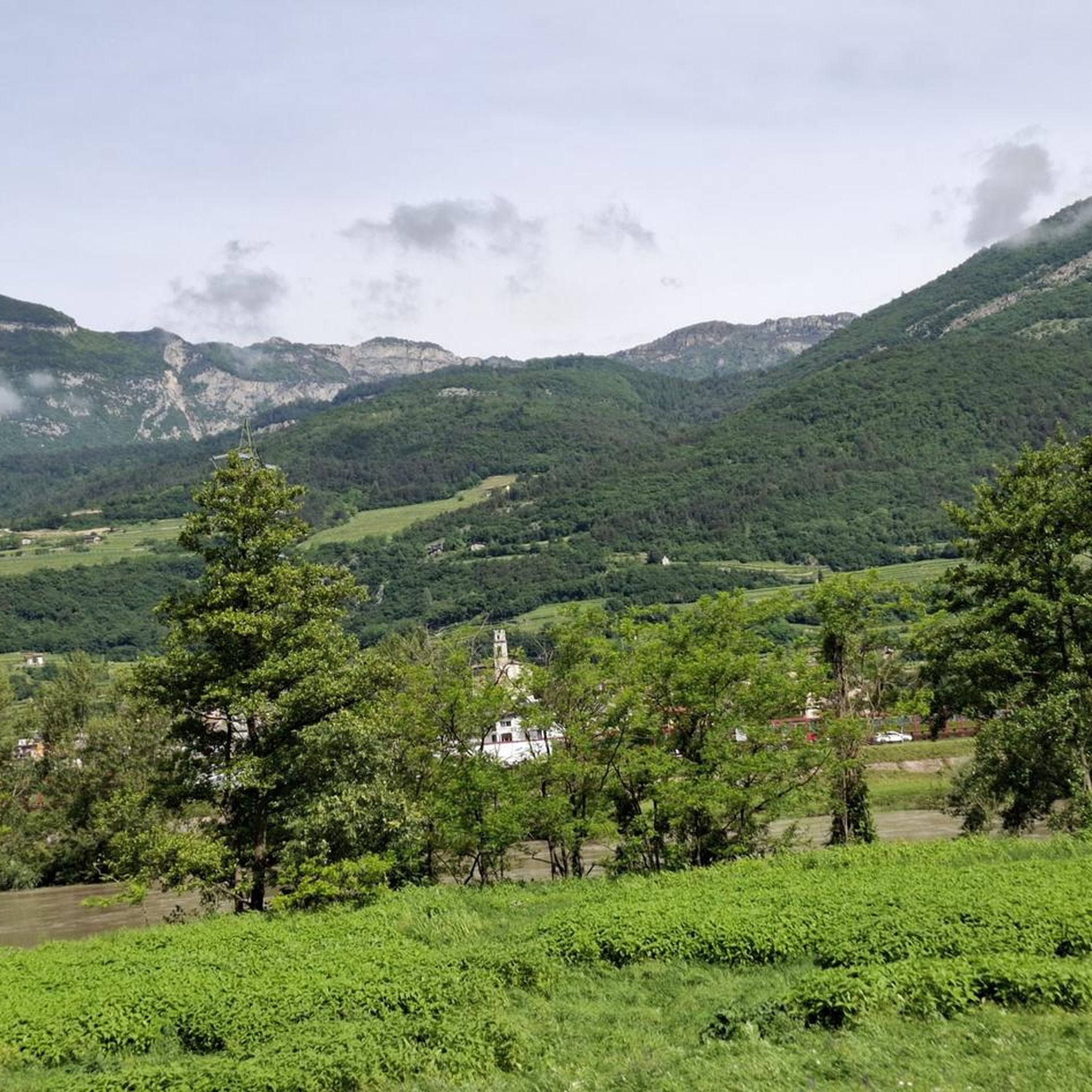
The Rio Mous waterfalls are a series of cascades between the rocks and lush vegetation of the dense Gon Forest, along the picturesque trail connecting Folgaria to Guardia. The stream flows from Serrada to join the Rio Cavallo (Rosspach in Cimbrian). You cross a beautiful, ancient stone arch bridge, which can only be appreciated by venturing off-trail. Like any torrential waterfall, it's best seen after days of rain, to experience the full force of the water rather than the meagerness of a trickle.
1
0
The Hofental Waterfall is a spectacular thirty-meter waterfall, hidden in a rocky ravine. Around the corner from the beautiful trail that runs through the Gon Forest, you'll be amazed by the rush of water cascading through lush greenery in summer, or by a spectacular frozen landscape in winter! Like any torrential waterfall, it's best visited after a rainy period, to avoid the risk of finding only a trickle flowing. https://www.alpecimbra.it/it/scopri-l-alpe-cimbra/natura-e-cultura/la-cascata-dell-ofentol/74-2245.html
2
0
The Zambel Waterfall ('el Zambelòn' in the local dialect) is an enchanting natural setting: the stream plunges briskly between high rock walls into a natural pool; the cool, clear water flows into a clearing surrounded by greenery; the sun's rays often penetrate it, creating evocative beams of light and rainbows! It's naturally at its best after rainy days. It's also known as the Calliano Waterfall (name of the nearby town), the Rio Cavallo Waterfall (from the name of the stream and the valley of the same name), or the Rosspach/Rossbach Waterfall (the Cimbrian equivalent of the river): the watercourse was so named because it descended from Folgaria in a very winding and impetuous manner, like a restless colt. The waterfall is actually an ancient artificial dam, as evidenced by the stone blocks that compose it entirely, without the use of cement. In the 15th century, the left canal (above the greenhouse) was built for agricultural purposes and likely to fill the defensive moat of nearby Castel Pietra. In the 17th century, the right industrial canal ('roggia') was also built, descending to Calliano and flowing into the Adige River. Over the centuries, it has served to provide mechanical power to countless industrial and manufacturing activities (mills, sawmills, hammer mills, spinning mills). It can be reached from below, via an easy path from Calliano, or from above, via a short route equipped with ropes and steps. In summer, the site is quite popular for cooling off and sunbathing.
1
0


When it rains heavily, the water level rises very quickly and alarmingly. I experienced that once. I've never been so wet before! 🍀🙋🏼♂️
3
0
Frequently Asked Questions
What are some impressive waterfalls to visit near Pomarolo?
While Pomarolo itself is known for its orchards, the wider Trentino region offers several stunning waterfalls. You can explore the Hofentol Waterfall, a spectacular thirty-meter cascade hidden in a rocky ravine, or the Zambèl Waterfall, known for its enchanting natural setting and historical significance as an ancient artificial dam. Further afield in Trentino, consider the impressive Nardis Waterfalls in Val di Genova or the captivating Varone Waterfall near Riva del Garda.
Are there any waterfalls near Pomarolo that are good for families?
The Zambèl Waterfall can be reached via an easy path from Calliano, making it suitable for families. In summer, its natural pool is popular for cooling off. Additionally, the Gac Waterfall near Lake Idro, though further away, is located near a park with a playground, which can be a good option for families.
When is the best time to visit the waterfalls around Pomarolo?
For waterfalls like Hofentol Waterfall and Rio Mous Waterfalls, it's best to visit after a rainy period to experience their full force. In late spring and summer, snowmelt increases the flow of many waterfalls in the Trentino region, making them particularly spectacular. Some, like Hofentol, can also offer a beautiful frozen landscape in winter.
What kind of hiking trails lead to waterfalls in the area?
You can find various hiking trails. For instance, the Zambèl Waterfall can be accessed via an easy path from Calliano, or a short route equipped with ropes and steps from above. The Rio Mous Waterfalls are found along a picturesque trail connecting Folgaria to Guardia, featuring a beautiful ancient stone arch bridge.
Can I find historical sites or unique natural features near these waterfalls?
Yes, the Zambèl Waterfall is notable not only for its natural beauty but also as an ancient artificial dam, with stone blocks dating back to the 15th and 17th centuries, used for agricultural and industrial purposes. The Orrido di Ponte Alto near Trento also features impressive waterfalls alongside historical water engineering.
Are there opportunities for wild swimming or cooling off near the waterfalls?
The natural pool at Zambèl Waterfall is a popular spot for cooling off and sunbathing in summer. Additionally, the Ampola Waterfall near Lake Idro is known for its wonderfully fresh water, ideal for a refreshing dip on hot days.
What outdoor activities can I do near the waterfalls around Pomarolo?
Beyond visiting the waterfalls, the area around Pomarolo offers diverse outdoor activities. You can explore numerous hiking trails, including moderate routes like the Cimana Hut loop. For cyclists, there are road cycling routes and challenging MTB trails, such as the Rovereto Castle loop.
Are there any hidden gem waterfalls worth discovering?
The Hofentol Waterfall is described as a spectacular thirty-meter waterfall hidden in a rocky ravine, offering a sense of discovery. The Rio Mous Waterfalls, a series of cascades within the dense Gon Forest, also provide a picturesque, less-traveled experience.
What do visitors enjoy most about the waterfalls in this region?
Visitors appreciate the natural beauty and tranquility of the waterfalls, often highlighting the rush of water, lush greenery, and the unique geological formations. The opportunity for refreshing dips in natural pools during summer and the dramatic frozen landscapes in winter are also frequently mentioned as highlights.
Are there any waterfalls that are particularly impressive after heavy rain?
Yes, both the Hofentol Waterfall and the Rio Mous Waterfalls are best visited after a rainy period to witness their full, powerful flow, rather than a mere trickle.
Where can I find more information about the broader Trentino region's waterfalls?
For more comprehensive information on the many waterfalls throughout the Trentino region, you can visit the official tourism website: visittrentino.info.
Most popular routes around Pomarolo
Most popular attractions around Pomarolo

Get inspired with the komoot mobile app


Explore more
Happy to travel a little further afield? Then browse these guides for the best waterfalls around Pomarolo:
