Top 8 Castles around Camo
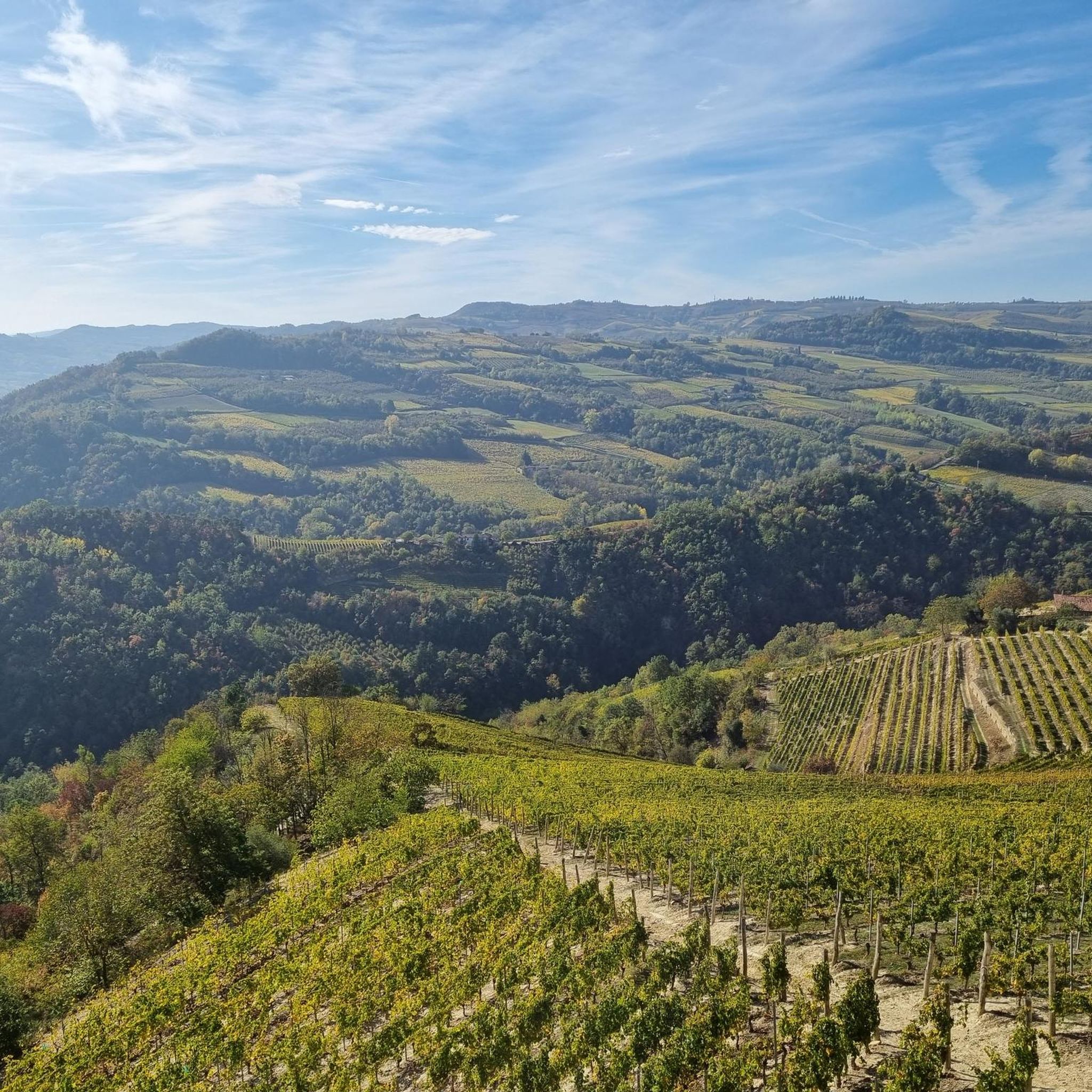
Best castles around Camo are situated in a region characterized by rolling hills and historical significance, offering a blend of architectural heritage and scenic landscapes. This area, known for its vineyards and medieval structures, provides opportunities for exploring historical sites. The castles here reflect centuries of history, from medieval origins to later architectural transformations. The region provides a variety of castles to see and explore, each with its own historical narrative and architectural style.
Best castles around Camo
- The most…
Last updated: June 29, 2026
Costigliole d'Asti Castle
Highlight • Castle
Translated by Google •
Tip by

Ascent from Canelli to Castello Gancia
Highlight (Segment) • Climb
Translated by Google •
Tip by

Sign up now to discover places like this
Get recommendations on the best single tracks, peaks, & plenty of other exciting outdoor places.
Sign up for free
Casaforte of the Counts Cotti of Ceres
Highlight • Historical Site
Translated by Google •
Tip by

Costigliole d'Asti
Highlight • Castle
Translated by Google •
Tip by

Borgomale Castle
Highlight • Castle
Translated by Google •
Tip by

Sign up for free to discover even more castles around Camo.
Sign up for free
Already have an account?
Start today with a free account
Your next adventure awaits.
Login or Signup

Tips from the Community

A cannonball on the outer wall commemorates the battles and disputes surrounding the fort.
1
0

An imposing castle, two churches, a town hall, a school, a small quiet village on the road to Savona.
0
0

Place of historical, cultural, architectural and tourist interest Piazza Castello, 12050 Borgomale CN
1
0

street art behind the castle
1
0

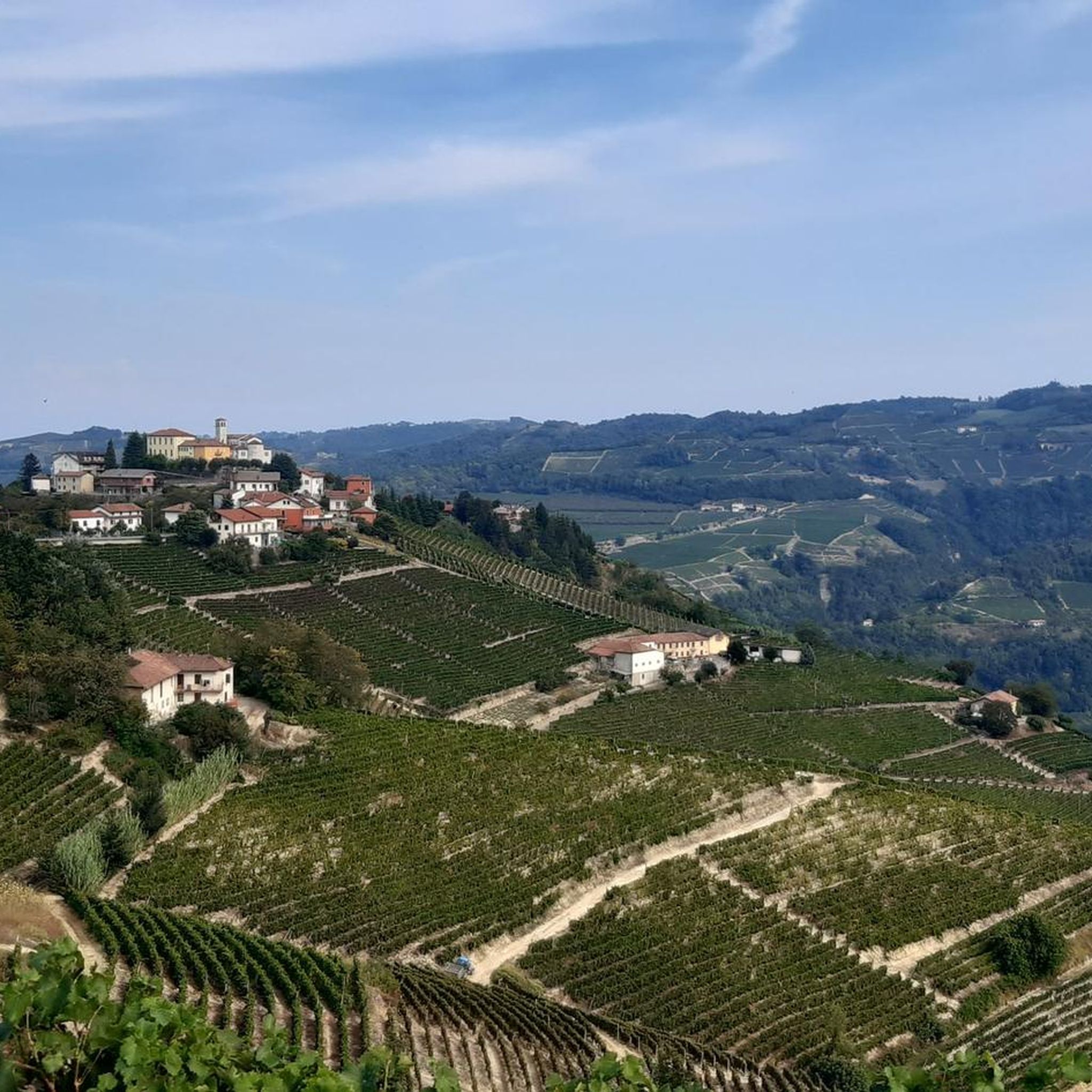
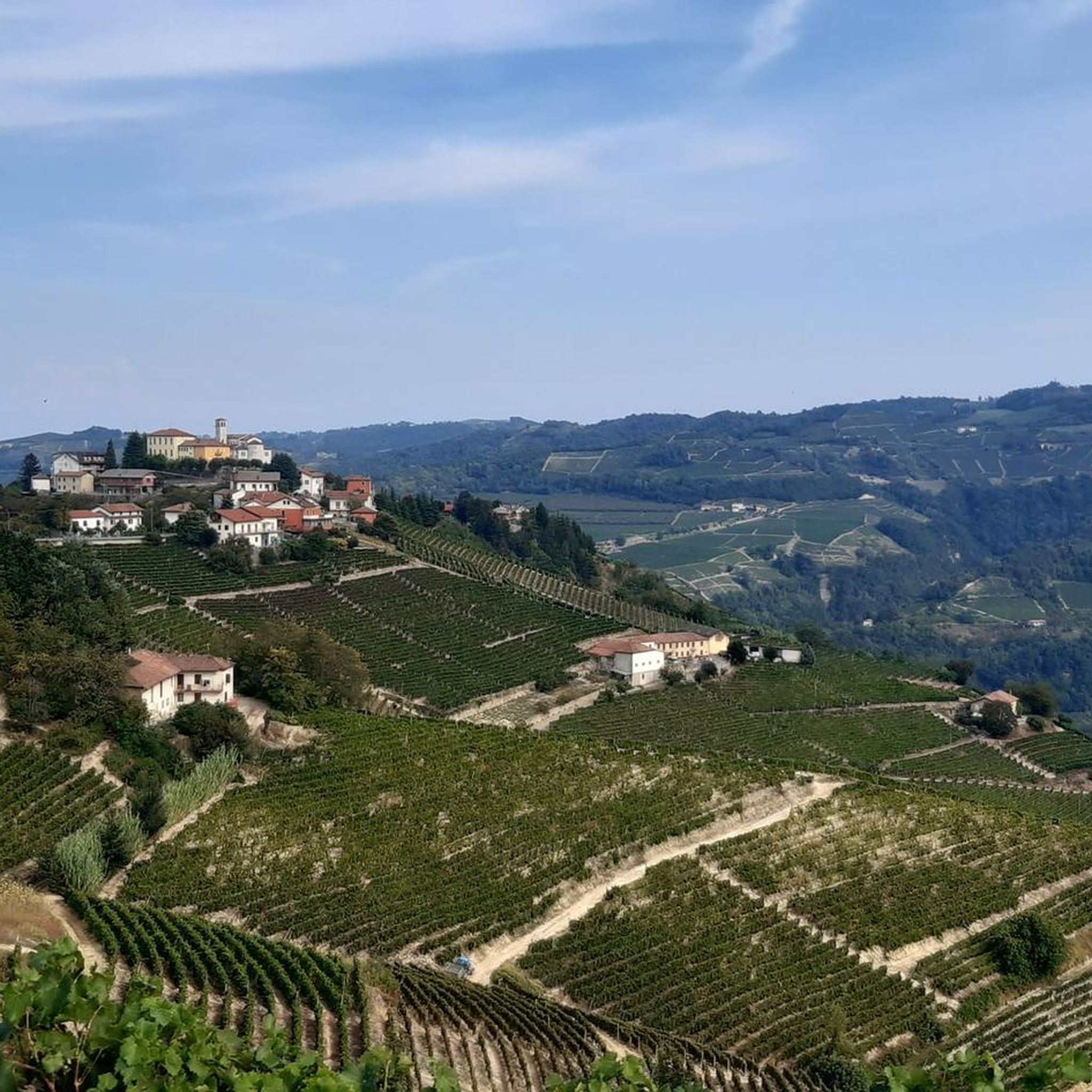
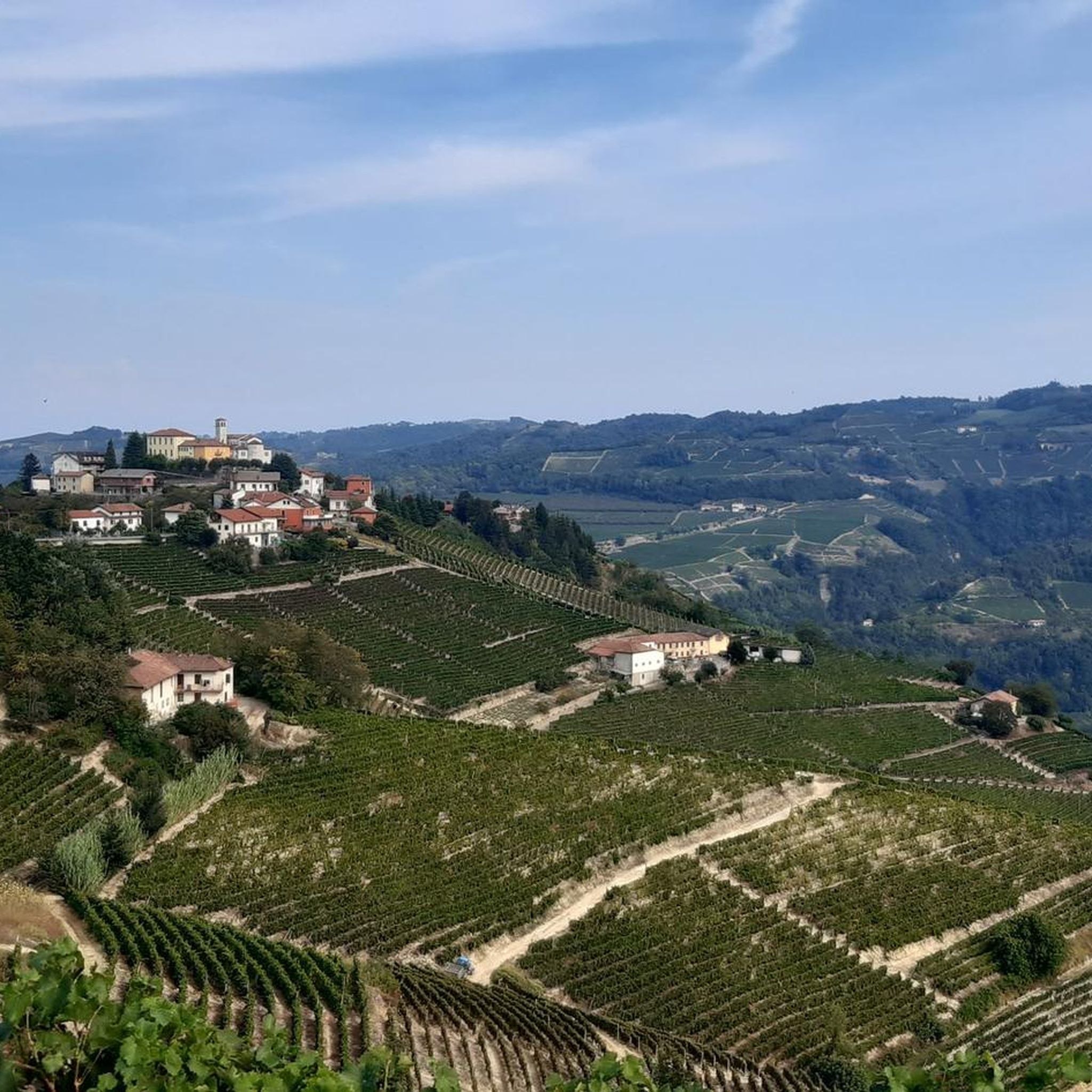
The climb that leads from Canelli to Gancia castle passes through splendid vines. This climb is steep at times and was tackled by the 2023 Giro d'Italia women. The Gancia castle is currently a private villa and cannot be visited: on the other hand, the panoramic views are magnificent.
6
1

The castle, configured in a single and imposing square volume, reveals evident architectural stylistic differences, originating from the layout choices undertaken in the 17th century by the legitimate owners. Starting from 1625, the Asinari nobles shared the rank of "counts of Costigliole" with the noble Verasis family. This complex was therefore divided between two feudal lords, who, with autonomous determination, gave rise to transformations and embellishments on subjective bases. The northern part of the manor, pertaining to the Asinari, retains the appearance derived from the interventions of the second half of the eighteenth century, duly inspired by the architectural canons propagated by Benedetto Alfieri. At the same time, the external aspect of the southern part, pertaining to the Verasis, constitutes an interesting example of neo-medieval stylistic re-proposition, dating back to the first decades of the 19th century.
5
0
The castle of Costigliole d'Asti, built in medieval times and subject to restoration over the centuries, is an important stage in the "Castelli Aperti" circuit of Lower Piedmont. In 1041, Arrigo III officially conferred possession on the Church of Asti. Subsequently, the castle passed under the authority of Bonifacio del Vasto. In 1198, it was Asti that took possession of the castle, establishing statutory regulations. Built on top of the Costigliole fortress, this mighty quadrangular castle, with a base of 60 meters on each side and a height of 25 meters, is one of the grandest in the Asti area.
8
0

Really very nice castle, Worth a visit
3
0
Frequently Asked Questions
What kind of castles can I expect to find around Camo?
The Camo region, situated in Piedmont, Italy, features a variety of castles, from medieval fortresses to restored historical sites. You'll find structures like the mighty quadrangular Costigliole d'Asti Castle, which has undergone centuries of restoration, and the imposing Borgomale Castle. Many offer panoramic views of the surrounding vineyards and hills.
Are there family-friendly castles to visit in the Camo area?
Yes, the region offers castles suitable for families. Castello di Govone is specifically noted as a family-friendly historical site, inviting visitors to explore its grounds. Costigliole d'Asti Castle is also a great option for families.
Which castles offer significant historical insights into the region?
For deep historical insights, Costigliole d'Asti Castle is a prime example, with origins dating back to medieval times and a history involving various noble families and architectural transformations up to the 19th century. The Casaforte of the Counts Cotti of Ceres, built in the 13th century, also offers a glimpse into the region's past, complete with a cannonball on its outer wall commemorating historical battles.
Can I find castles with panoramic views around Camo?
Absolutely. The region is known for castles offering panoramic viewpoints. The climb from Canelli to the private Castello Gancia, though the castle itself is not open to visitors, provides magnificent views over the splendid vineyards. Many other castles, situated on hilltops, offer expansive vistas of the Piedmont landscape.
What outdoor activities can I do near these castles?
The Camo region is excellent for outdoor activities, especially hiking, running, and mountain biking. You can explore routes like the 'Moscato Vineyard Trail to Coazzolo' or the 'UNESCO vineyard trail through Moscato region'. For more options, check out the hiking guide around Camo, the running trails around Camo, or the MTB trails around Camo.
Are there any hidden gem castles or lesser-known historical sites worth visiting?
While not explicitly 'hidden,' the Casaforte of the Counts Cotti of Ceres is a historic house near a clock tower, built in the 13th century. It's a beautiful building that has been adapted over centuries, offering a unique historical perspective without the crowds of larger castles.
What is the best time of year to visit castles in the Camo region?
The Camo region, part of Piedmont, Italy, is beautiful throughout the year. Spring and autumn offer pleasant weather for exploring, with vineyards in bloom or showcasing vibrant fall colors. Summer is also popular, though it can be warmer. Winter visits are possible, but some attractions might have reduced hours.
Are there cafes or refreshment options near the castles?
Yes, for instance, near Castello di Govone, a stop at the Vino Enobottega on Piazza Umberto is recommended for its great wine selection and non-alcoholic refreshments. Many towns hosting castles in the region will have local cafes and restaurants.
How long should I plan for a visit to a castle in the Camo area?
The duration of your visit will depend on the specific castle and your interest. For larger, more historically rich sites like Costigliole d'Asti Castle, you might want to allocate 2-3 hours to explore thoroughly. Smaller sites or those primarily offering exterior views might only require an hour. Consider additional time if you plan to explore the surrounding towns or vineyards.
Are there any castles around Camo that are dog-friendly?
While specific dog-friendly policies vary by individual castle, many outdoor areas and castle grounds in Italy are welcoming to dogs on a leash. It's always best to check the specific castle's website or contact them directly before your visit, especially if you plan to enter interior spaces.
What do visitors enjoy most about the castles around Camo?
Visitors frequently appreciate the blend of architectural heritage and scenic landscapes. The historical significance, the opportunity to explore restored sites, and the panoramic viewpoints over the vineyards are often highlighted. The komoot community has shown its appreciation with 110 upvotes and 42 photos shared across the region's castles.
Most popular attractions around Camo

Get inspired with the komoot mobile app


Explore more
Looking for the best castles somewhere else? Discover other guides around Camo:
