Top 10 Castles around Castel San Pietro Terme
Best castles around Castel San Pietro Terme are found in a town within the Metropolitan City of Bologna, known for its historical fortifications. This region features structures that once served as crucial defensive bulwarks, reflecting its strategic importance throughout history. The area offers a blend of medieval architecture and historical sites, providing insight into the past.
Best castles around Castel San Pietro Terme
- The most popular castles is Rocca Sforzesca of Imola, a castle that is a fine example…
Last updated: June 29, 2026
Rocca Sforzesca of Imola
Highlight • Castle
Translated by Google •
Tip by

Cassero and Clock Tower of Castel San Pietro Terme
Highlight • Historical Site
Translated by Google •
Tip by

Sign up now to discover places like this
Get recommendations on the best single tracks, peaks, & plenty of other exciting outdoor places.
Sign up for free
Church of San Biagio and Castle Arch, Castel de' Britti
Highlight • Religious Site
Translated by Google •
Tip by

Castello di Zena
Highlight • Castle
Translated by Google •
Tip by

Tower and Historic Village of San Pietro di Ozzano
Highlight • Historical Site
Translated by Google •
Tip by

Sign up for free to discover even more castles around Castel San Pietro Terme.
Sign up for free
Already have an account?
Start today with a free account
Your next adventure awaits.
Login or Signup
Popular around Castel San Pietro Terme
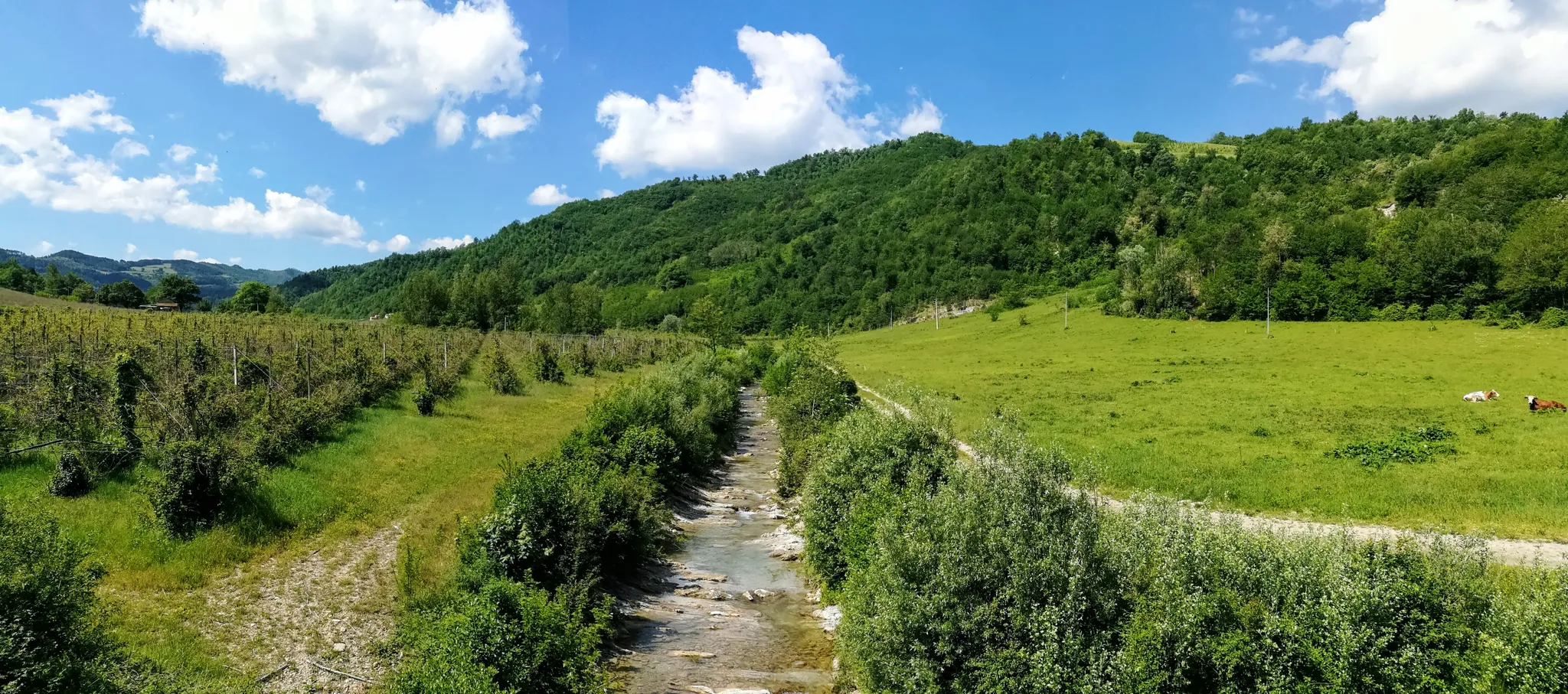
Hills, rivers and valleys - Transromagna by MTB
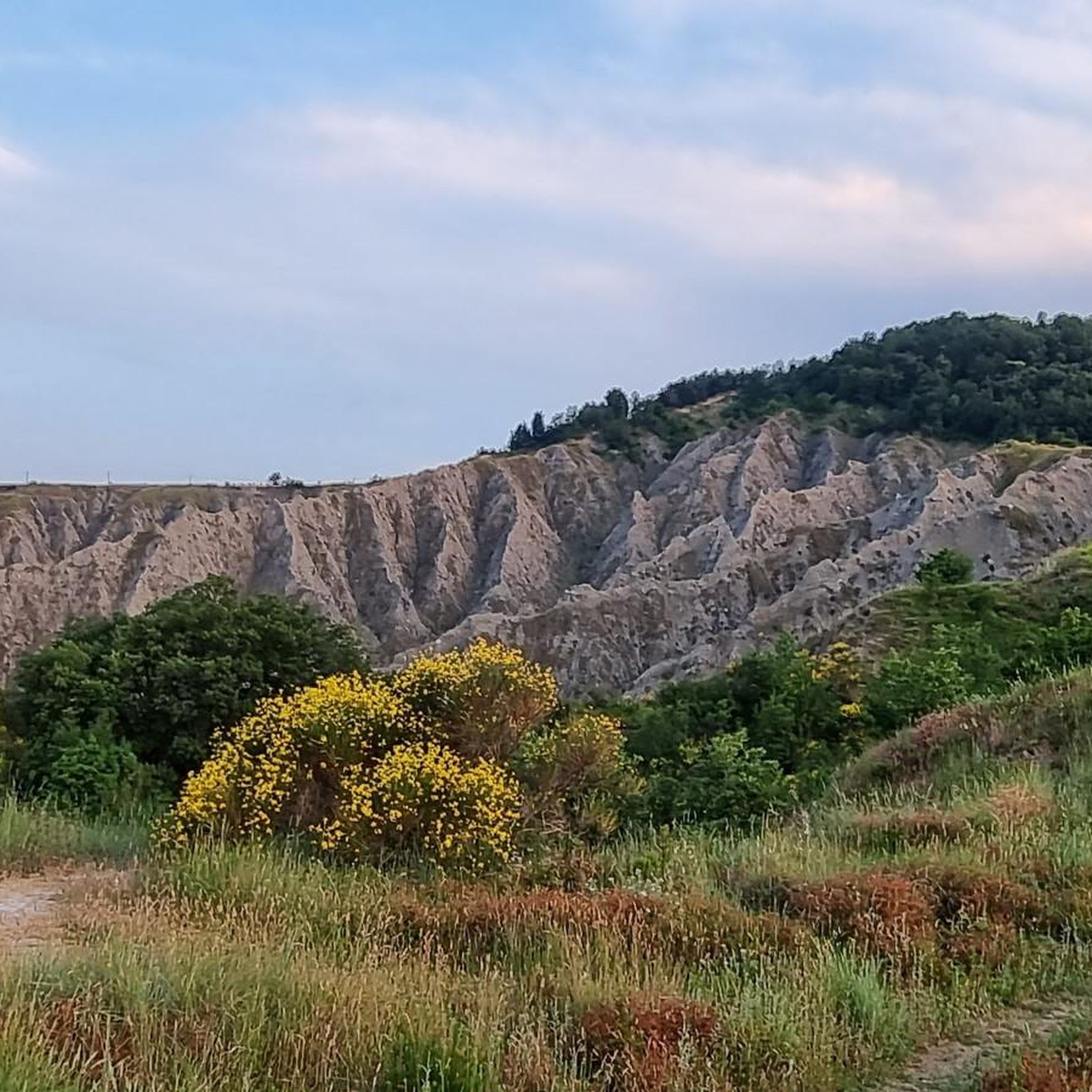
Road Cycling Routes around Castel San Pietro Terme
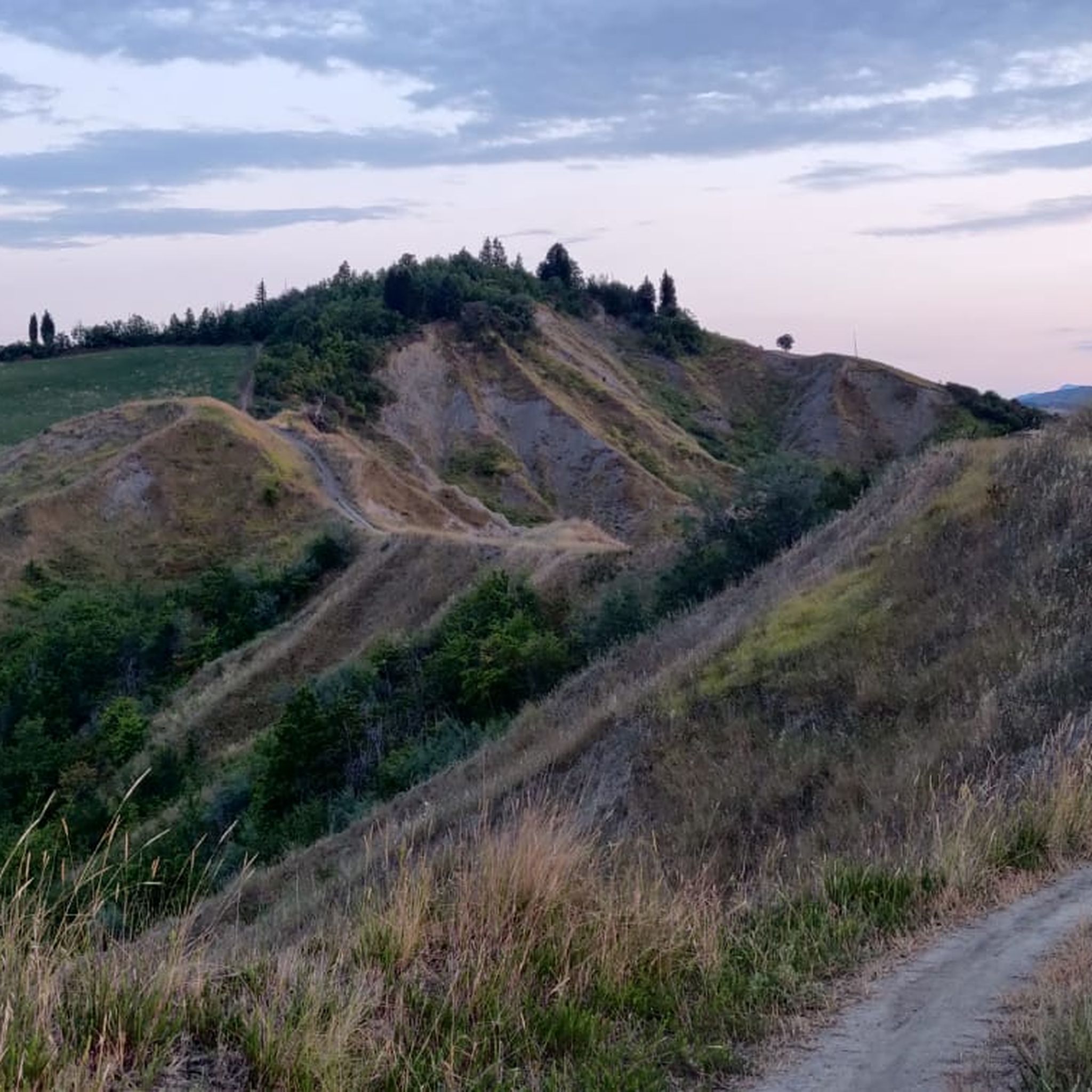
MTB Trails around Castel San Pietro Terme
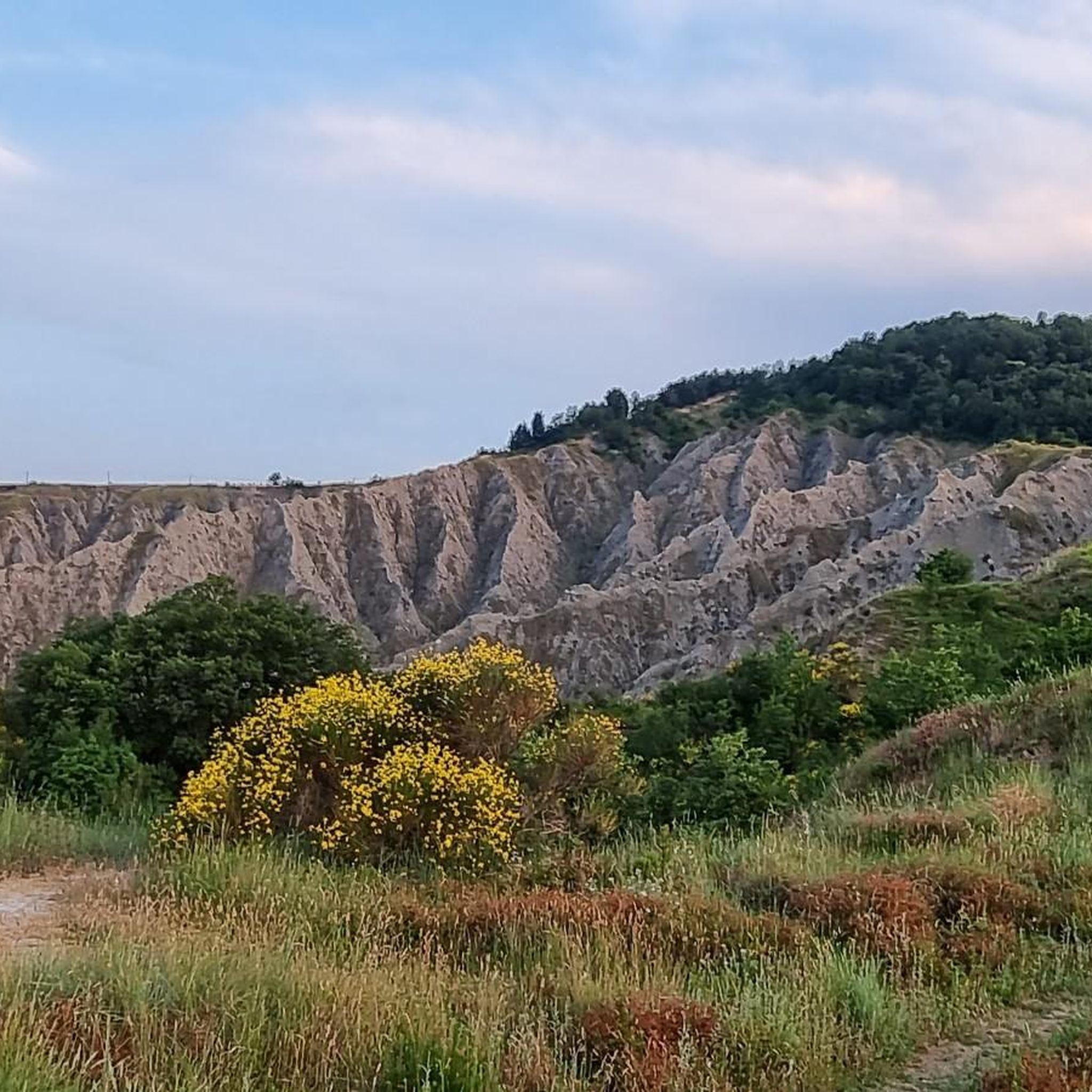
Cycling around Castel San Pietro Terme
Running Trails around Castel San Pietro Terme
Hiking around Castel San Pietro Terme

Gravel biking around Castel San Pietro Terme
Other adventures around Castel San Pietro Terme

Tips from the Community

Charming village with a turret.
0
0

Panoramic, evocative... a corner of peace!!!
4
0

Nice, I didn't know it existed! unfortunately closed
0
0

In medieval times, in this small village on the first hills of Ozzano there stood a castle built to defend the Via Emilia and the surrounding territory, dating back to at least 1099 and rebuilt in 1175. Today, part of the ancient walls and the tower remain as evidence of this past. recently restored, which over the centuries has become the symbolic building of Ozzano dell'Emilia, to the point of even appearing in the municipal coat of arms. Inside the picturesque village there is a traditional tavern of the same name and the ancient church of San Pietro.
1
0

...the origins of the fortress of Imola date back to 1261, when the municipality decided to build a fortress to defend the city. ... The fortress then had a quadrangular perimeter with nine square towers, four at the corners and four at the center of each curtain wall, plus an entrance tower on the eastern side and a mighty central keep. In the second half of the 15th century, the transformation of the medieval fortress into a new structure capable of withstanding the destructive power of modern artillery began. ... Beginning in 1480, the square corner towers were incorporated into new, thicker circular towers capable of withstanding bombardment, and construction of an internal residence began. The crisis of the Riario-Sforza lordship and the siege of the fortress launched in 1499 by Cesare Borgia, known as Valentino, decreed the return of direct papal rule. ... With the definitive annexation of Imola to the Papal States, the fortress's use as a prison intensified, a situation that continued until 1958, when restoration work began and the Sforza monument was converted into a museum. (Source: https://imolamusei.it/rocca-sforzesca/ )
2
0

The arch in front of the church is one of the few remains of the old Castle. ..."The first citation of a castle in the area dates back to 776 as castrum Gissaro quod dicitur Britu, or a castrum known as Britu and called Gissaro from the chalky relief in which it was located. In the 12th century document where it is mentioned, the castrum it is listed together with other localities as owned by the Dukes of Persiceta"... ..."Subsequently in 1137 it was conquered by the imperial troops of Lothair III, at the time at war against Bologna." In 1175 it again became a theater of war in the war between the Empire and the Commune; first sacked by the troops of Cristiano di Magonza it was then the site of a disastrous defeat for the Bolognese. In 1361 it was demolished by the Municipality of Bologna, after it had passed into the hands of Bernabò Visconti. After the 15th century the castle went into decline and already in the 18th century almost nothing remained. To date, very few testimonies remain, portions of the boundary walls and the skeleton of the entrance arch" Cit : Wikipedia
0
0

In the center of Imola stands the Rocca Sforzesca: a medieval castle. This is a fine example of fortified architecture from the Middle Ages to the Renaissance.
2
0
Tower that was part of the walls of the Castle of Ulgianum built in medieval times (around the year 1099) to defend the Via Emilia.
0
0
Frequently Asked Questions
What are the most historically significant fortifications in Castel San Pietro Terme itself?
The most historically significant fortification directly within Castel San Pietro Terme is the Cassero and Clock Tower. It marks the town's official foundation in 1199 and originally served as a crucial military defense. Today, it functions as a vibrant cultural venue, hosting exhibitions and events.
Are there any castles near Castel San Pietro Terme that offer a museum experience?
Yes, the Rocca Sforzesca of Imola is a fine example of fortified architecture from the Middle Ages to the Renaissance. This restored 14th-century stone castle houses a museum displaying pottery and weaponry, offering a deep dive into its history.
Can I visit historical sites with castle remnants that are not fully preserved castles?
Absolutely. You can visit the Church of San Biagio and Castle Arch in Castel de' Britti. Here, you can see one of the few remaining arches of an ancient castle that dates back to 776, offering a glimpse into the region's very early fortifications.
Are there any family-friendly castles or historical sites to visit in the area?
Several sites are considered family-friendly. The Rocca Sforzesca of Imola and the Cassero and Clock Tower of Castel San Pietro Terme are both suitable for families. Additionally, the Tower and Historic Village of San Pietro di Ozzano offers an interesting historical setting for all ages.
What kind of outdoor activities can I do near the castles around Castel San Pietro Terme?
The region offers a variety of outdoor activities. You can explore numerous hiking trails, such as the 'Saint Anthony's Path: Stage 10' or the 'View of Monte del Re – View of the Calanchi loop'. For cycling enthusiasts, there are routes like the 'Romagna White Roads Trail' or the 'Dozza Murals – Sillaro Panorama loop'. Mountain biking is also popular, with trails like the 'Fegatella Spring – Podere Calvanella loop'. You can find more details on these activities in the hiking guide, cycling guide, and MTB trails guide for the area.
Is there a castle that is privately owned but still offers a glimpse of its historical structure?
Yes, the Castello di Zena is a real castle with massive walls and stone towers. While it is private property and partially dilapidated, you can still get close enough to appreciate its impressive historical structure and imagine its past as a border outpost.
What is the best time of year to visit the castles and historical sites in this region?
The best time to visit the castles and historical sites around Castel San Pietro Terme is generally during the spring (April-June) and autumn (September-October) months. The weather is pleasant for exploring, and the natural landscapes, such as the Calanchi, are particularly beautiful. Summer can be warm, but still enjoyable, especially for early morning or late afternoon visits.
Are there any historical sites that were once castles but now serve a different purpose?
The Cassero and Clock Tower of Castel San Pietro Terme is a prime example. Originally a military fortification, it lost its military connotation in the 16th century and has since been transformed into a municipal theater and cultural hub, hosting various events and exhibitions.
What kind of historical architecture can I expect to see in the area?
You can expect to see a range of historical architecture, from medieval fortifications like the Rocca Sforzesca of Imola and the Cassero, to remnants of ancient castles such as the arch at Castel de' Britti. The region also features historical buildings integrated into modern uses, like the 18th-century Palazzo Bentivoglio at Palazzo di Varignana, showcasing a blend of defensive, religious, and residential historical styles.
Are there any historical sites that offer panoramic views?
The Church of San Biagio and Castle Arch in Castel de' Britti is located on a hill overlooking the modern town, offering panoramic and evocative views. Similarly, the Tower and Historic Village of San Pietro di Ozzano, a former castle defense point, also provides a viewpoint over the surrounding territory.
What do visitors generally appreciate most about the castles and historical sites in Castel San Pietro Terme?
Visitors often appreciate the tangible link to the town's medieval past, the imposing architecture of structures like the Cassero, and the historical significance of sites that once served as crucial defensive bulwarks. The blend of well-preserved fortresses and ancient ruins provides diverse historical exploration opportunities, often set within picturesque landscapes.
Is there a historical site that combines ancient castle elements with a modern luxury experience?
While not a traditional public castle, Palazzo di Varignana is a luxury resort built around historical buildings, including the 18th-century Palazzo Bentivoglio. It features four traditional towers and offers a unique experience by integrating historical architecture with modern amenities, set in the scenic Bolognese hills. Its Garden is also part of the 'Grandi Giardini Italiani' network.
Most popular routes around Castel San Pietro Terme
Most popular attractions around Castel San Pietro Terme

Get inspired with the komoot mobile app


Explore more
Looking for the best castles somewhere else? Discover other guides around Castel San Pietro Terme:
