Top 5 Castles around Borghetto D'Arroscia
Best castles around Borghetto D'Arroscia are found in the Liguria region of Italy, a municipality situated in a valley bottom. While Borghetto D'Arroscia itself does not feature significant medieval castles, the surrounding area offers historical fortifications and villages. The region's development saw families move from hilltop settlements, contributing to a landscape rich in historical context. Visitors can explore the broader Arroscia Valley for landmarks and historical sites.
Best castles around Borghetto D'Arroscia
- The most popular castles is Zuccarello Historic Village…
Last updated: June 29, 2026
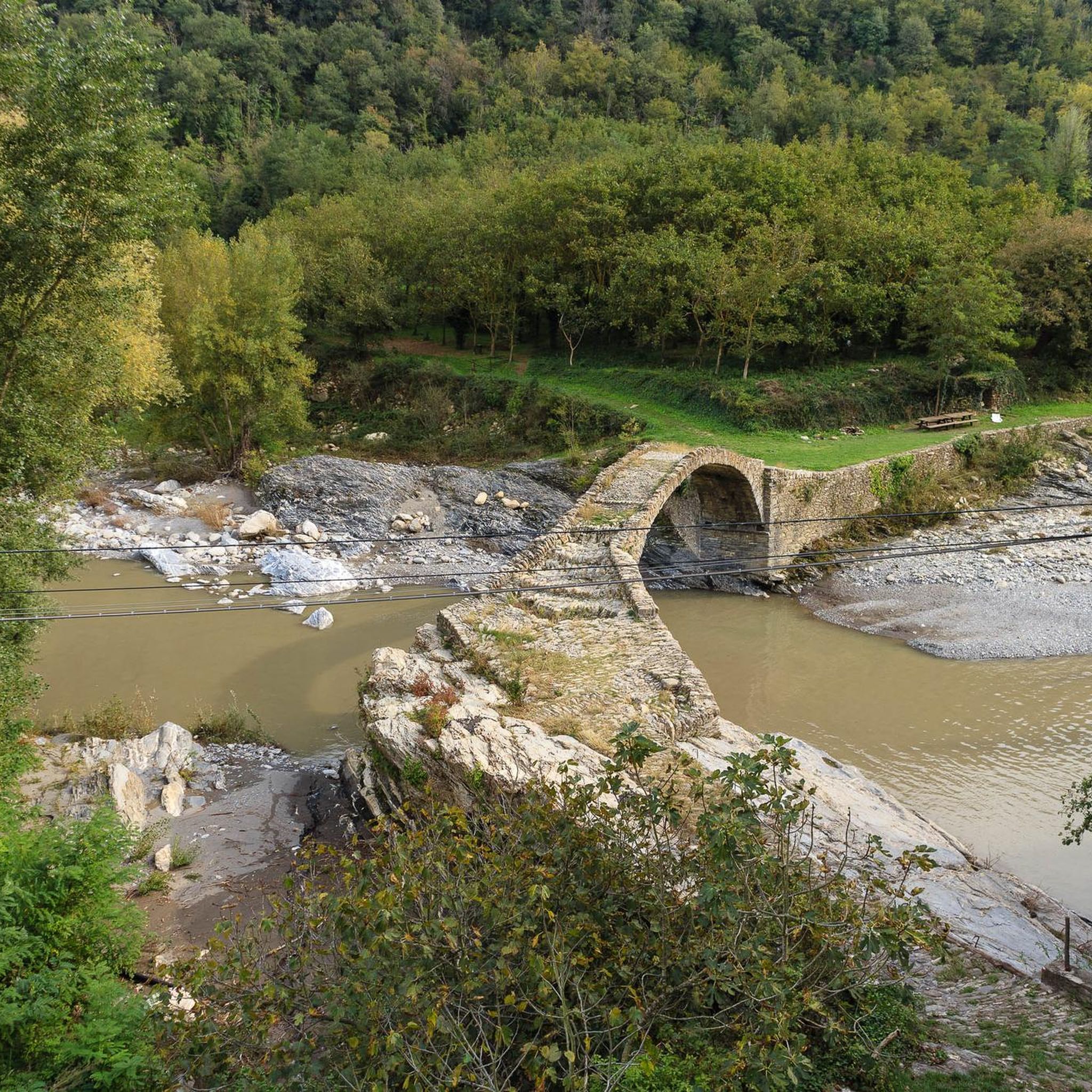
Zuccarello Historic Village
Highlight • Settlement
Translated by Google •
Tip by

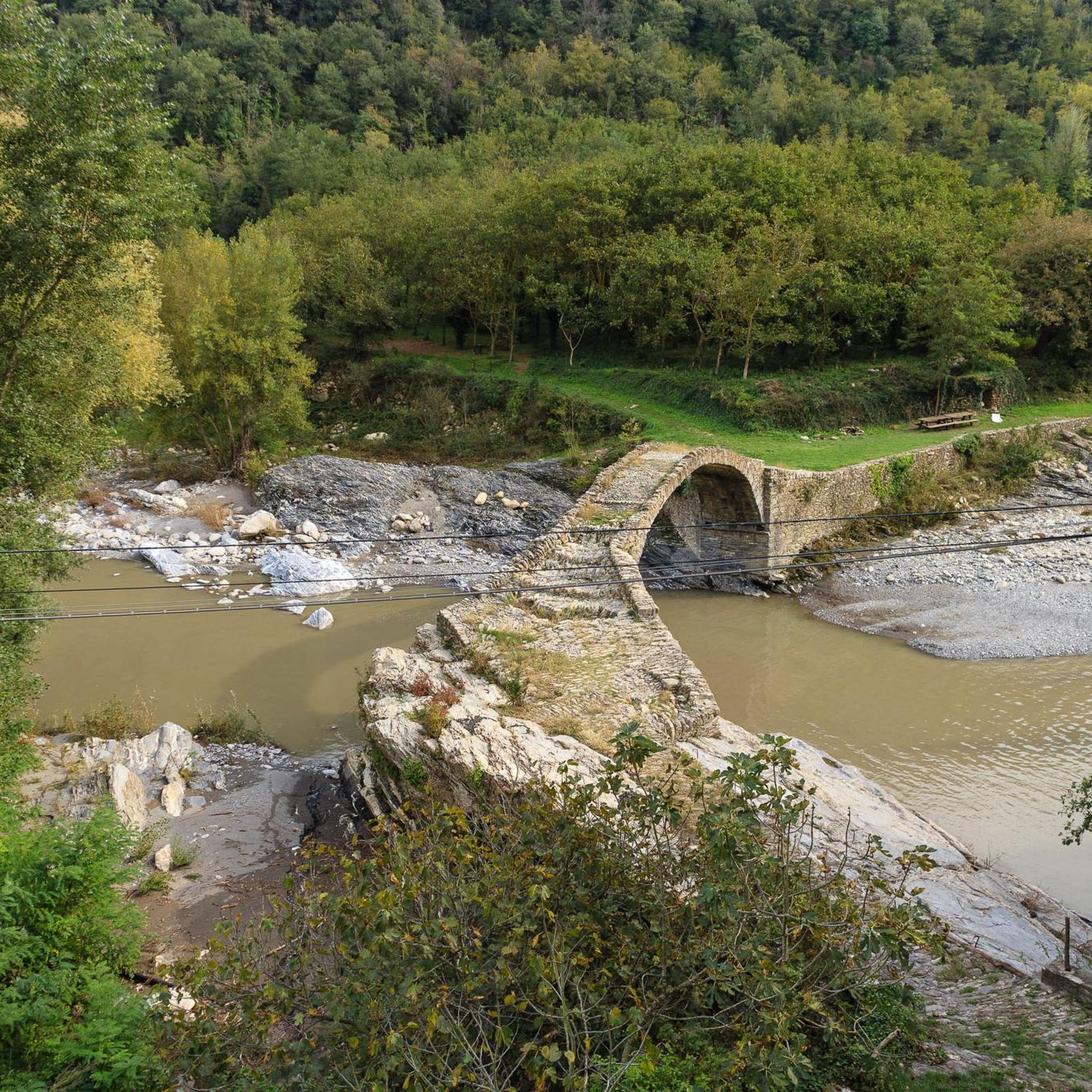
Path to Castello di Zuccarello
Highlight • Trail
Translated by Google •
Tip by

Sign up now to discover places like this
Get recommendations on the best single tracks, peaks, & plenty of other exciting outdoor places.
Sign up for free
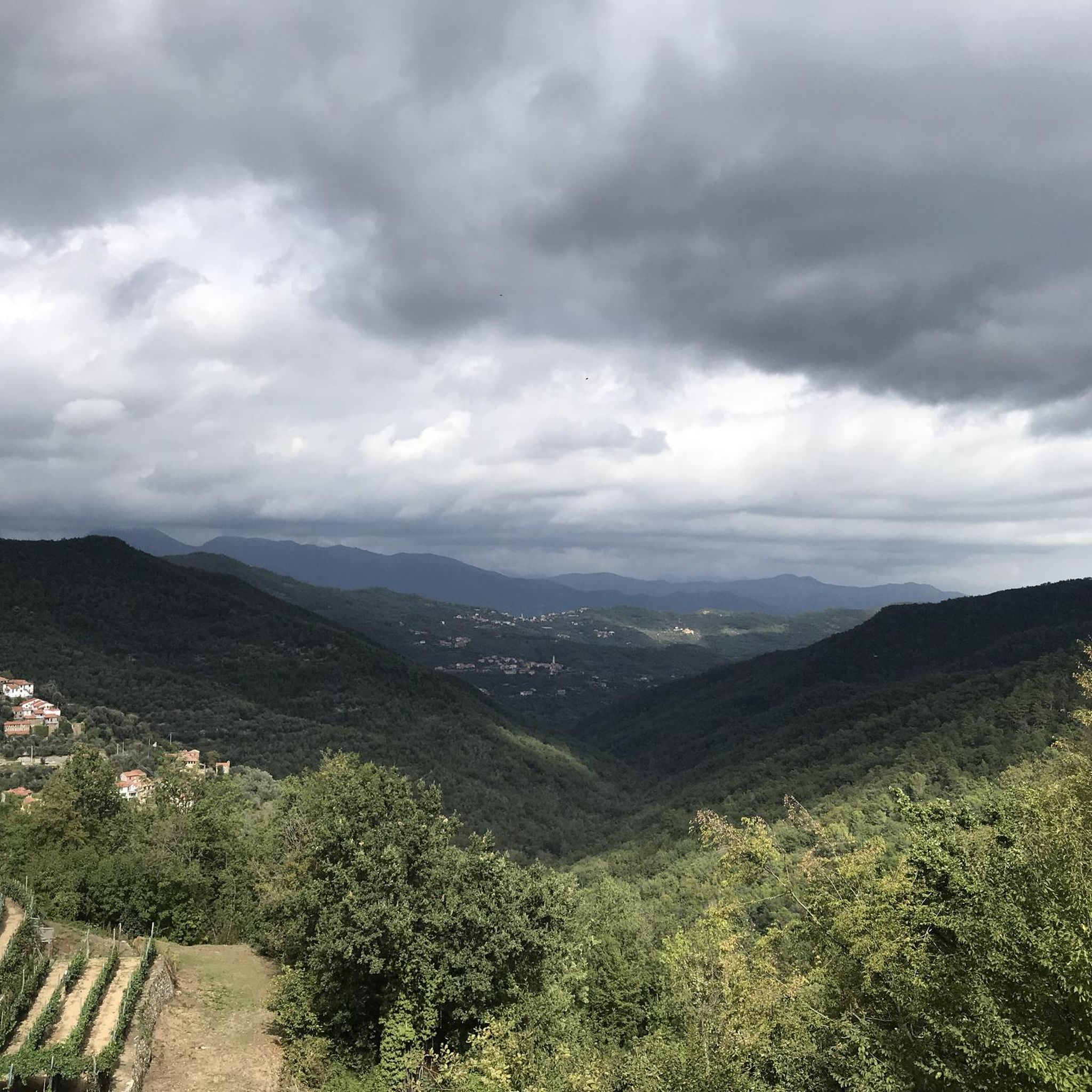
View of Alto
Highlight • Viewpoint
Translated by Google •
Tip by
Rezzo Castle
Highlight • Castle
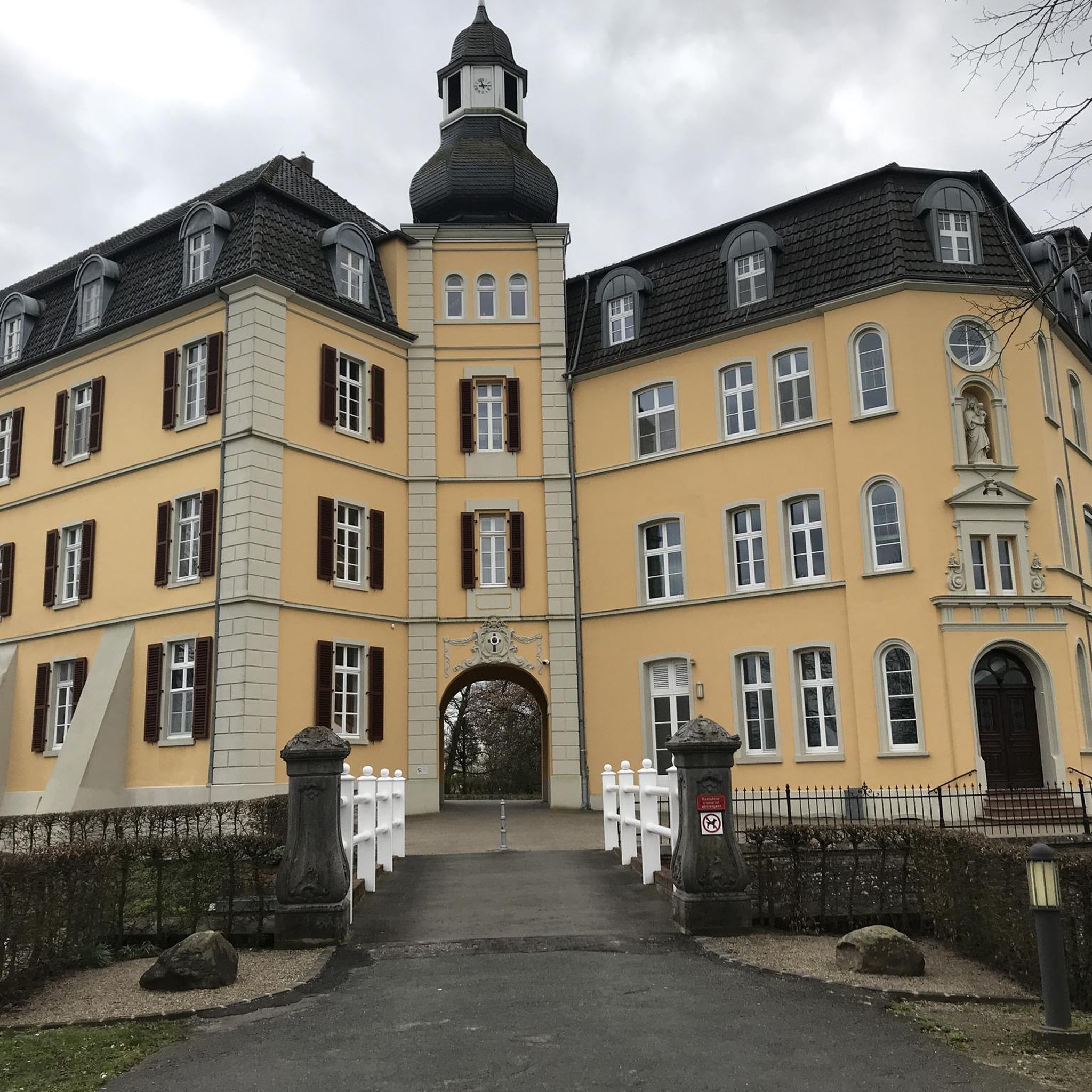
With a quadrangular plan, the castle is equipped with four watchtowers and guard posts at the corners on the first floor.
Surrounded by …
Showing Translation
Tip by

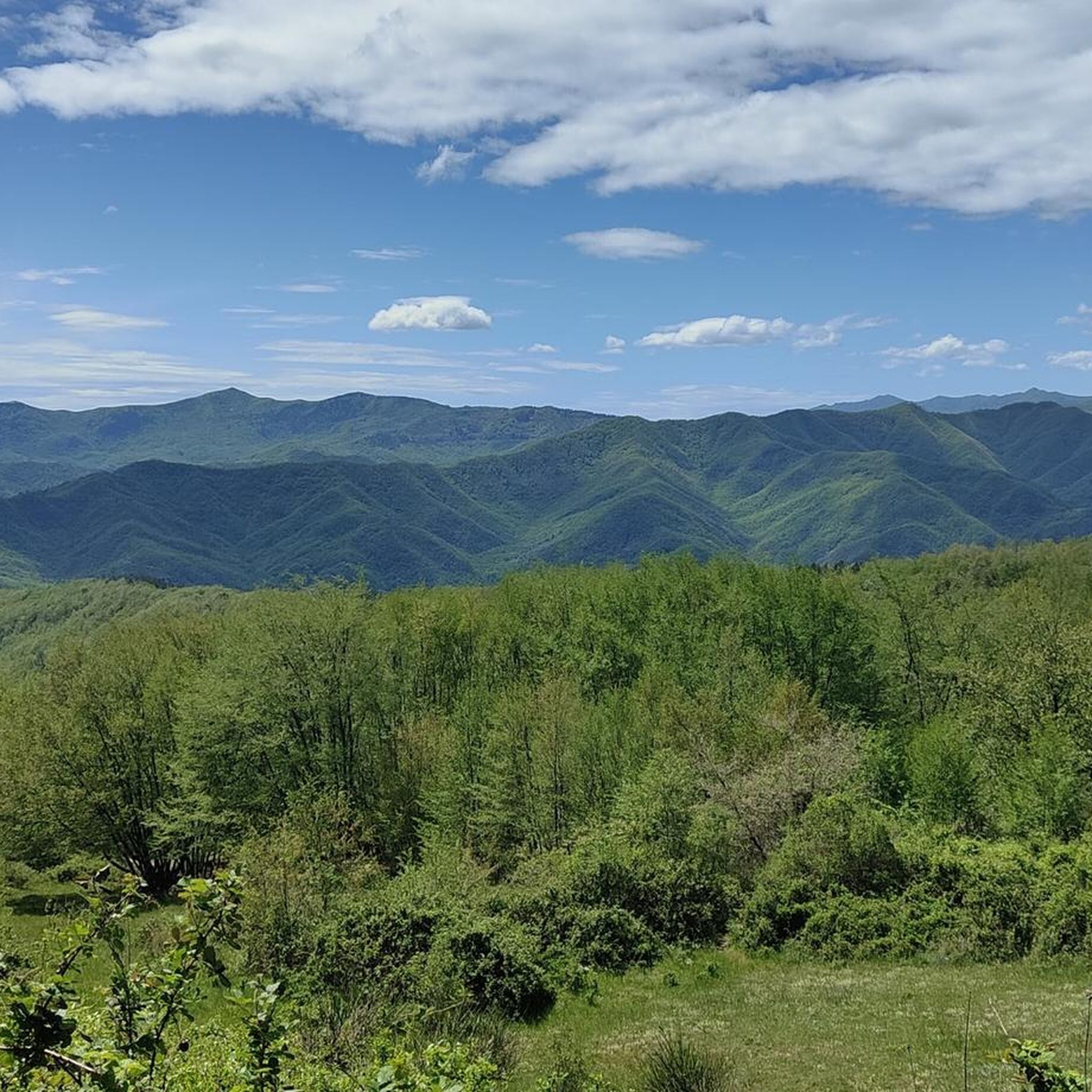
View of Castello dell'Aquila
Highlight (Segment) • Viewpoint
Translated by Google •
Tip by

Start today with a free account
Your next adventure awaits.
Login or Signup
Tips from the Community

Historic castle, great views.
0
0

Castle dating back to the 16th-17th century. With a quadrangular plan, the castle is equipped with four watchtowers and guard posts at the corners on the first floor. Surrounded by a defensive moat, the original drawbridge has been replaced by a stone staircase. The slate portal bears the inscription “NEC SILENTIO TRANSEUNDA”: no one could access the residence without knowing the password. Beyond the main door opens a vestibule decorated with medallions, coats of arms, and portraits of the Aleramo family, among the oldest lords of the castle. All the rooms of the palace have maintained their authenticity almost intact over the centuries. Among the noteworthy spaces are the room that hosted Saint Leonardo of Porto Maurizio and the ancient prisons. In the castle cellars rests the "Metodo Classico" Deperi made from Pigato grapes. At the base of the castle, vineyards of Ormeasco have been planted, a grape variety historically imposed on Rezzo by the Marquises at the end of the 13th century. The building still represents one of the most important Ligurian examples of a palace-fortress,
0
0

Zuccarello was founded by the Clavesana family in 1248, who made the castle above it the feudal centre of the valley; it was then taken over by the Del Carretto family and, in 1625, by the Republic of Genoa.
19
0

Nice ride. Easy and well marked route. Challenging descents with uneven ground and some technical passages.
0
0

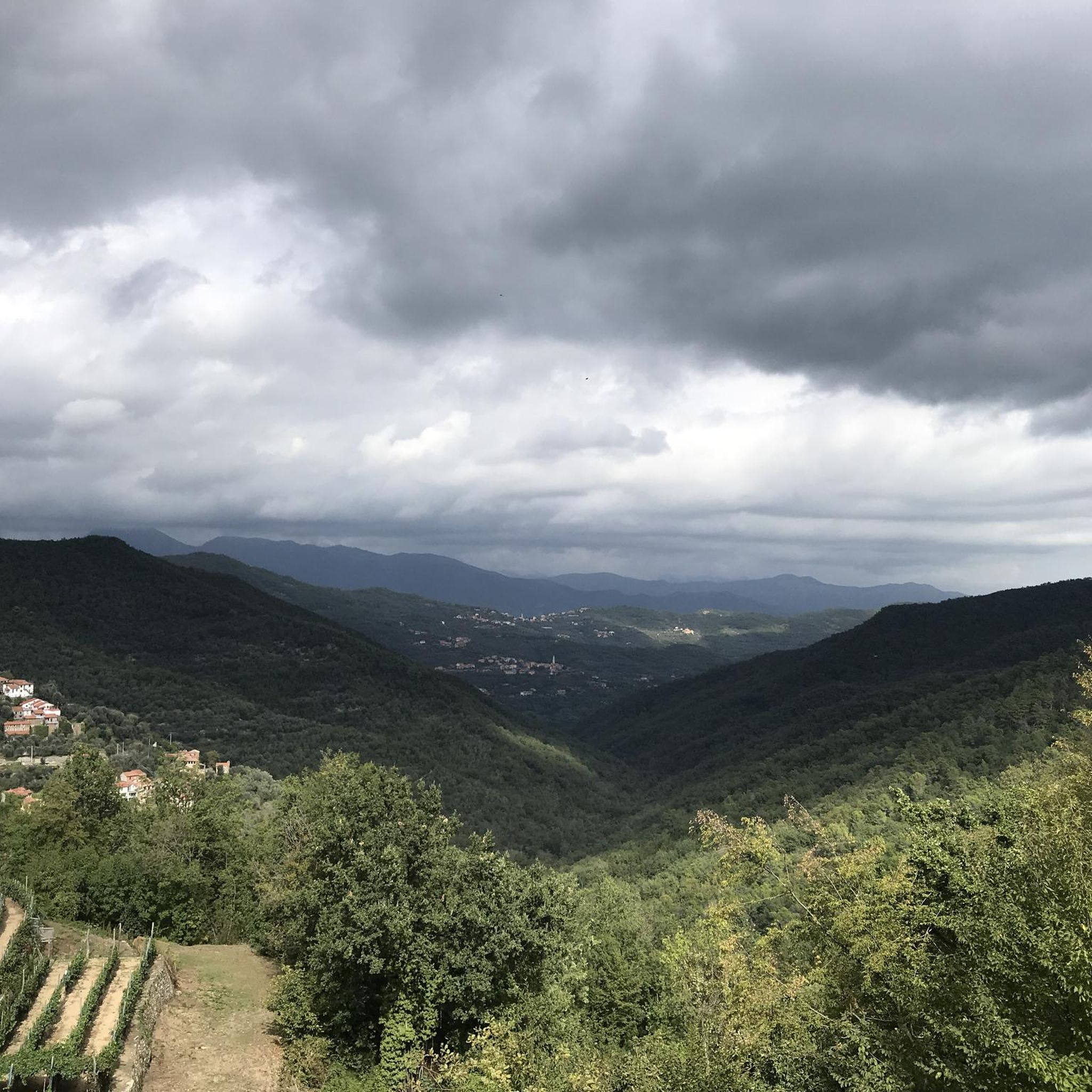
Spectacular view of the castle of the Aquila di Arroscia perched on the crest of the mountain. It can be reached after a short climb on a path starting from the church of San Giacomo (where it is possible to stock up on water)
0
0

From Nasino the road begins to climb, at times with tiring slopes, up to Alto, a beautiful panoramic point and a town full of things to see, including the well-restored historic center, the castle (which can be visited by reservation) and the church with beautiful baroque frescoes. Alto is located about halfway up the hill, but the slopes decrease from here to Caprauna.
0
0

Only the ruins remain of the castle but the view is worth the effort. If you go up from the center of Zuccarello you have to push the bike for large stretches, at the top of the cobbled road wooden barriers prohibit you from going downhill
0
0

Zuccarello is a medieval town in the Val Neva. The name derives from from Zucco or Zuccaro, which means "knoll", or rather rounded hill. It was founded on April 4, 1248 with an act signed by the Marquis of Clavesana on one side and by the population of Val Neva on the other. The foundation deed is still preserved in the historical archive of the Municipality.
0
1
Frequently Asked Questions
What historical sites can I visit near Borghetto D'Arroscia, beyond just castles?
While Borghetto D'Arroscia itself doesn't have significant medieval castles, the surrounding area offers rich history. You can explore the Zuccarello Historic Village, founded in 1248, which served as a feudal center. The village of Alto also boasts a well-restored historic center and a church with beautiful Baroque frescoes. Additionally, the proto-Romanesque church of San Pantaleo, built around the year 1000, is a significant monument in the valley, featuring frescoes and unique column carvings.
Are there actual castles to explore near Borghetto D'Arroscia, or mostly ruins?
Borghetto D'Arroscia itself does not host notable castles. However, nearby, you can find the historic village of Zuccarello, which was built around its castle. While the castle itself might not always be open, the village is a well-preserved historical site. The castle in Alto can be visited by reservation. For Castello dell'Aquila, visitors typically enjoy a spectacular view of its perched structure rather than direct exploration of its interior.
How can I reach the old castle above Zuccarello?
From the Zuccarello Historic Village, a footpath branches off leading up to the old castle. This Path to Castello di Zuccarello is known to be steep and rocky, offering magnificent views from the top. It's important to note that the path can be challenging, especially for bikes.
What kind of views can I expect when visiting the castles in this region?
The castles and their surrounding areas offer expansive and panoramic views. From the Path to Castello di Zuccarello, you'll get magnificent vistas of the valley. The View of Alto provides a panoramic perspective of the town of Alto and its castle from approximately 800 meters altitude. For Castello dell'Aquila, you'll find a spectacular view of the castle perched on a mountain crest.
Are there family-friendly activities or sites near the castles?
The Zuccarello Historic Village is considered family-friendly, offering a charming, traffic-closed environment to explore. While the path to Zuccarello's castle can be steep, the village itself is enjoyable for all ages. Exploring the historic centers of villages like Zuccarello and Alto provides an engaging experience for families interested in history and culture.
What outdoor activities can I do near these castles?
The Arroscia Valley, where these castles are located, offers a variety of outdoor activities. You can find numerous routes for mountain biking, running, and road cycling. For example, there are challenging MTB trails like the 'Colle del Prione – giro ad anello da Alto' and scenic road cycling routes such as 'Borghetto d'Arroscia – Bridge over the Arroscia Stream loop from Vessalico'. You can explore more options in the dedicated guides for MTB Trails, Running Trails, and Road Cycling Routes around Borghetto D'Arroscia.
Are there hiking trails around the castles?
Yes, there are hiking opportunities. The Path to Castello di Zuccarello is a notable trail, though steep and rocky. For a view of Castello dell'Aquila, you can take a short climb on a path starting from the church of San Giacomo. The broader Arroscia Valley also offers various hiking trails suitable for different fitness levels.
What is the best time of year to visit the castles and historical sites in the Borghetto D'Arroscia area?
The Ligurian hinterland, including the Arroscia Valley, is generally pleasant to visit during spring (April-May) and autumn (September-October) when the weather is mild and the landscapes are vibrant. Summer can be warm, but the higher altitudes offer cooler temperatures. Winter visits are possible, but some paths might be less accessible due to weather conditions.
Are there places to eat or stay near the castles?
Yes, both Zuccarello and Alto, being historic villages, offer amenities. You can find cafes and restaurants within the Zuccarello Historic Village. Alto also has local establishments. For accommodation, options are available in these villages and in Borghetto D'Arroscia itself, ranging from guesthouses to agriturismos.
Is parking available when visiting these historical sites?
Parking is generally available in the villages associated with these sites. For Zuccarello Historic Village, parking is typically found outside the traffic-closed historic center. When visiting Alto or the starting points for trails like the one to Castello dell'Aquila, you'll usually find designated parking areas in the nearby villages.
What do visitors enjoy most about the castles and historical sites around Borghetto D'Arroscia?
Visitors particularly appreciate the well-preserved historic villages like Zuccarello, noting its beautifully renovated architecture and traffic-free environment. The challenging trails leading to castle viewpoints, such as the Path to Castello di Zuccarello, are also highly rated for their magnificent views. The panoramic perspectives from spots like the View of Alto and the spectacular sight of Castello dell'Aquila are frequently praised.
Most popular routes around Borghetto D'Arroscia
Most popular attractions around Borghetto D'Arroscia

Get inspired with the komoot mobile app


Explore more
Looking for the best castles somewhere else? Discover other guides around Borghetto D'Arroscia:
