Top 7 Castles around Testico
Castles around Testico reveal the region's historical significance as a strategic military outpost in the province of Savona, Italy. Its elevated position provided crucial defensive capabilities against invaders throughout Roman and medieval times. While traditional grand castles are less common, the area features historical defensive structures and ruins that offer insight into its past. Exploring these sites provides a glimpse into the rich historical heritage and natural landscape of this Italian town and its surroundings.
Best castles around Testico
- The…
Last updated: October 2, 2026
Diano Castello
Highlight • Settlement
Translated by Google •
Tip by

Castello di Andora
Highlight • Castle
Translated by Google •
Tip by

Sign up now to discover places like this
Get recommendations on the best single tracks, peaks, & plenty of other exciting outdoor places.
View of Alto
Highlight • Viewpoint
Translated by Google •
Tip by
Bestagno Castle
Highlight • Castle
Translated by Google •
Tip by

Rezzo Castle
Highlight • Castle
With a quadrangular plan, the castle is equipped with four watchtowers and guard posts at the corners on the first floor.
Surrounded by …
Showing Translation
Tip by

Sign up for free to discover even more castles around Testico.
Already have an account?
Start today with a free account
Your next adventure awaits.
Tips from the Community

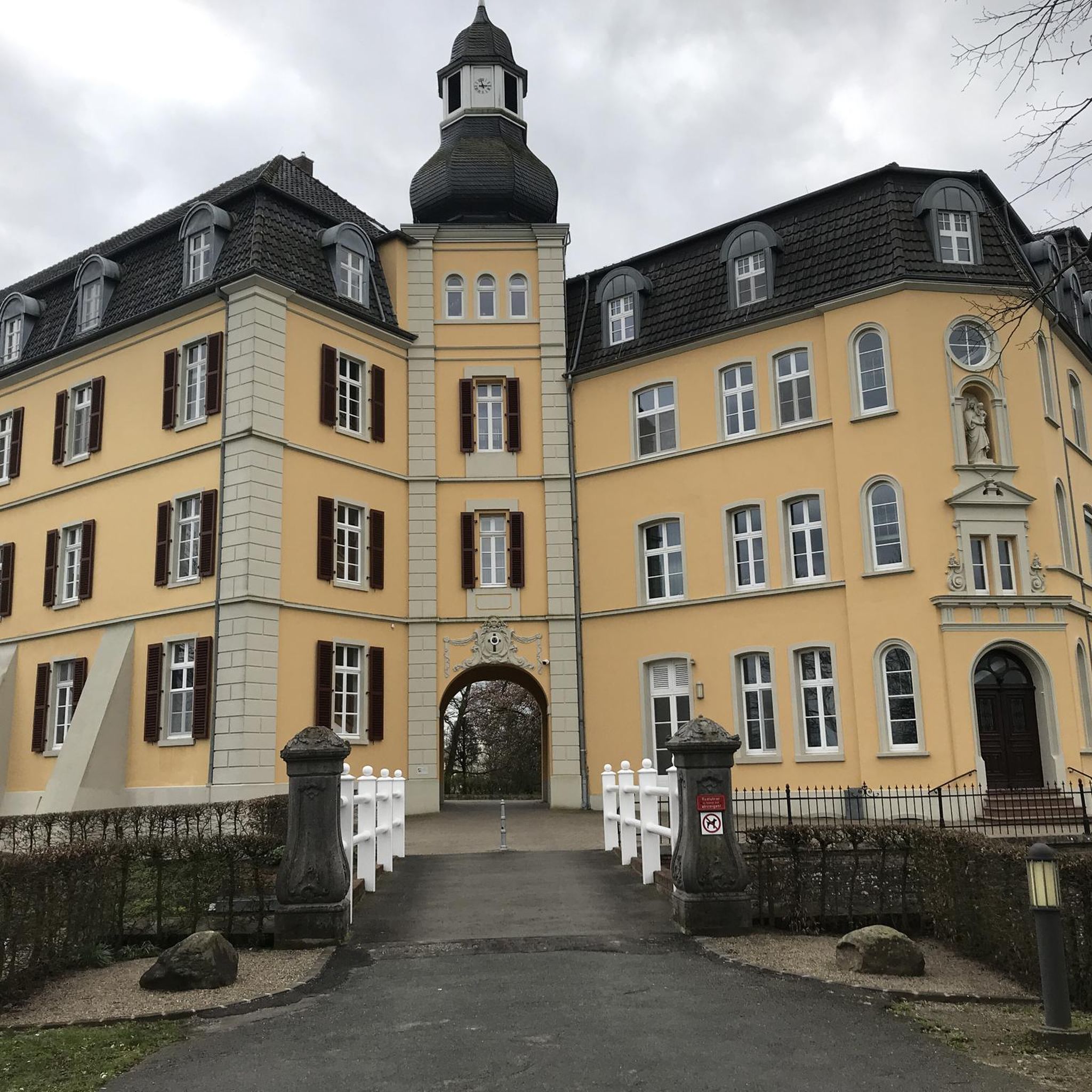
Castle dating back to the 16th-17th century. With a quadrangular plan, the castle is equipped with four watchtowers and guard posts at the corners on the first floor. Surrounded by a defensive moat, the original drawbridge has been replaced by a stone staircase. The slate portal bears the inscription “NEC SILENTIO TRANSEUNDA”: no one could access the residence without knowing the password. Beyond the main door opens a vestibule decorated with medallions, coats of arms, and portraits of the Aleramo family, among the oldest lords of the castle. All the rooms of the palace have maintained their authenticity almost intact over the centuries. Among the noteworthy spaces are the room that hosted Saint Leonardo of Porto Maurizio and the ancient prisons. In the castle cellars rests the "Metodo Classico" Deperi made from Pigato grapes. At the base of the castle, vineyards of Ormeasco have been planted, a grape variety historically imposed on Rezzo by the Marquises at the end of the 13th century. The building still represents one of the most important Ligurian examples of a palace-fortress,
0
0

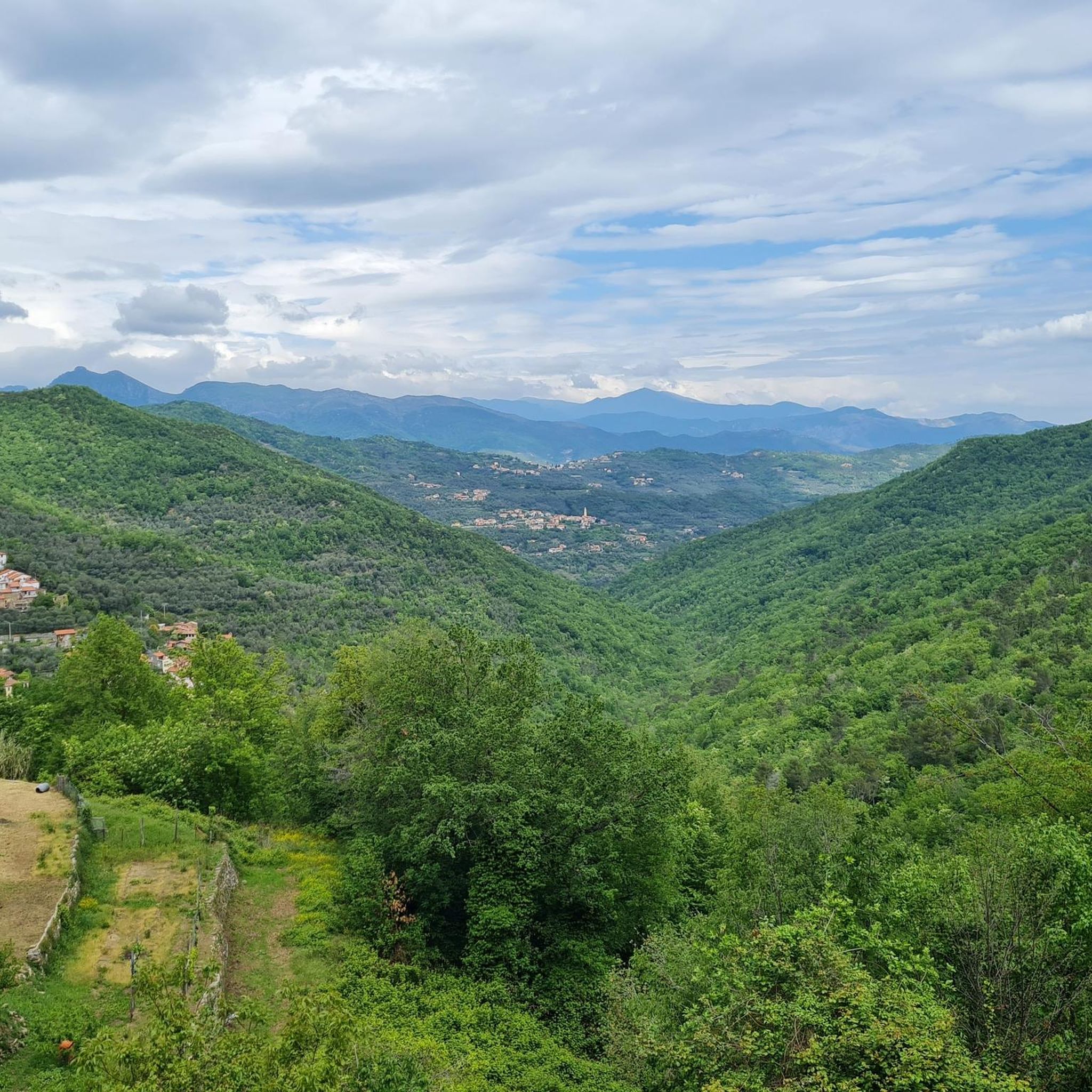
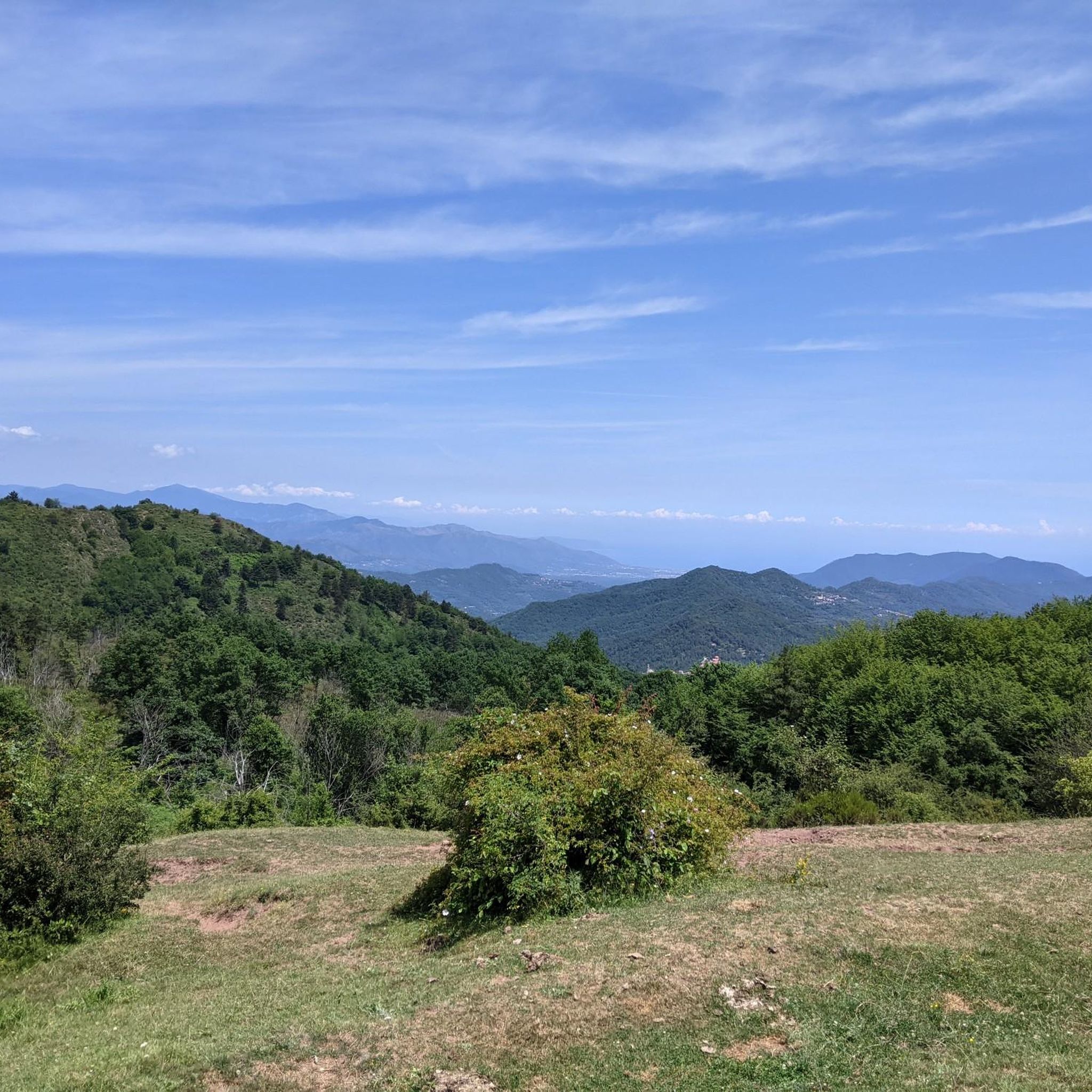
From Nasino the road begins to climb, at times with tiring slopes, up to Alto, a beautiful panoramic point and a town full of things to see, including the well-restored historic center, the castle (which can be visited by reservation) and the church with beautiful baroque frescoes. Alto is located about halfway up the hill, but the slopes decrease from here to Caprauna.
0
0

Diano Castello is the most beautiful village in the valley. It still preserves its medieval nature. At the beginning of the village, note the fresco of the siege of the Dianese Valley by the Pisans.
0
0
The castle is built on masonry structures from various periods between the 12th and 14th centuries, which bear the signs of destruction by the Spanish in 1611. An ancient stronghold and the scene of fierce battles, it constitutes, at least in its original layout, an excellent example of medieval military architecture from the 12th century. The construction of the castle probably dates back to the first half of the 10th century.
0
0

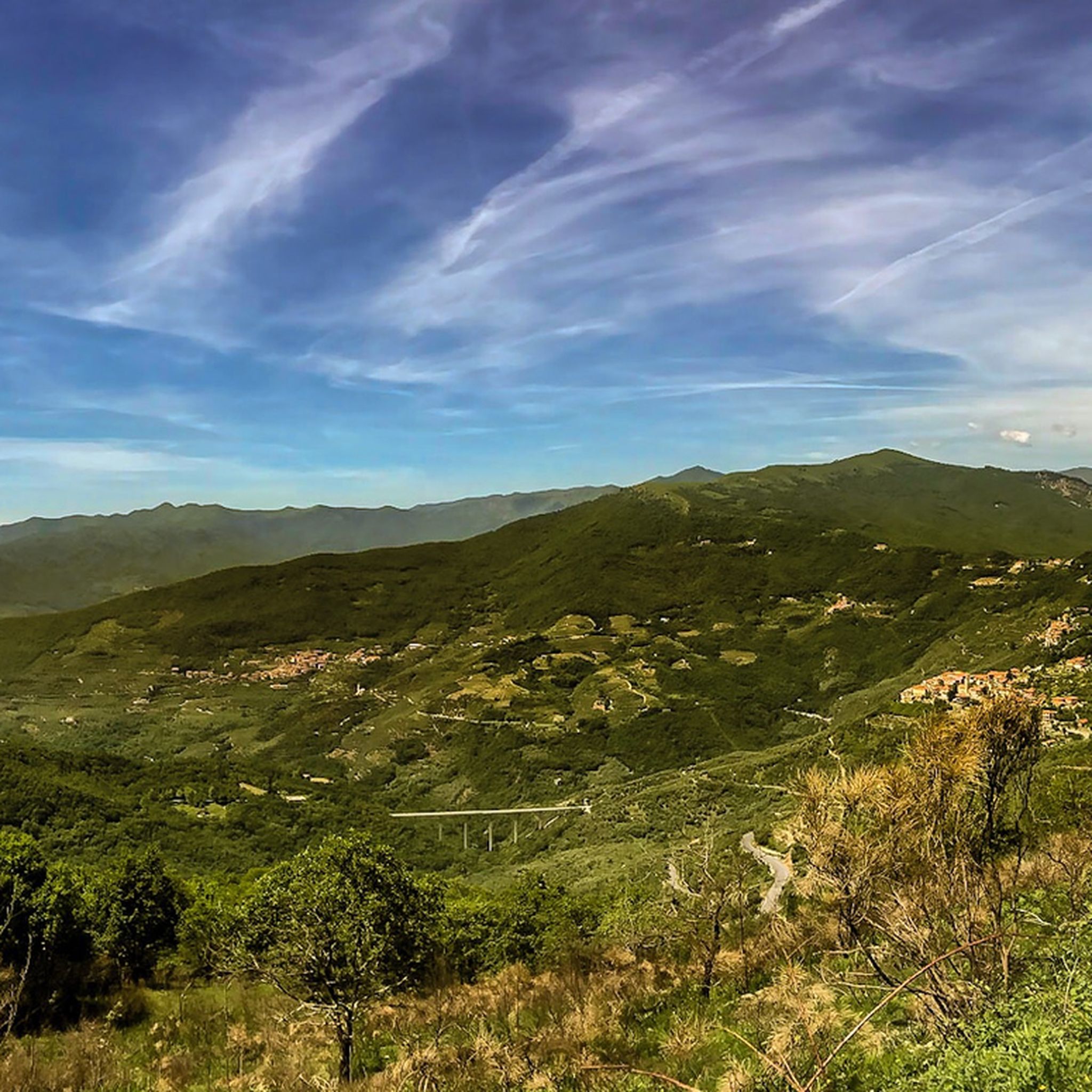
Wonderful View over Diano Marina and Cervo! With the bike, the car or the bus you can climb the hill. But it is definitely worth it👍
0
0

Diano Castello, a beautiful town also for evening visits to underground sources!
0
0

The Andora Castle is on an isolated hill in the historic village of Castello in the Ligurian municipality of Andora, in the province of Savona. Historically it is called Paraxo (Paraxu) and was the site of the first Andorean settlement. Today only the ruins of the walls and defense towers in the middle of the vegetation remain from the old complex from the 13th century. Source: Wikipedia
0
0

Frequently Asked Questions
What kind of historical sites can I expect to see around Testico?
The Testico area is rich in historical defensive structures and ruins rather than grand, well-preserved castles. You'll find remnants of ancient military outposts, medieval fortifications, and strategic viewpoints that offer insight into the region's past as a crucial defensive location. Sites like the ruins of Castello di Andora and Bestagno Castle showcase medieval military architecture, while the historical references to "Castrum Testagi" highlight the area's Roman origins.
Are there any well-preserved castles to visit near Testico?
While Testico itself is known for its strategic ruins, the nearby town of Alto features a castle that can be visited by reservation, offering a more intact historical experience. Additionally, structures like Torre Gallinara and Torre della Coscia in the surrounding Ligurian region are well-preserved defensive towers that provide tangible examples of the area's maritime defense history.
Which historical sites offer the best panoramic views?
For stunning views, the View of Alto offers panoramic vistas of the town of Alto and its historic center. Further afield, Torre Gallinara provides views of the villages of Cipressa and Arma, and the sea, while Torre della Coscia near Alassio offers sweeping views of the Alassio coastline.
Can I visit the castle in Alto?
Yes, the castle in Alto can be visited, but it typically requires a reservation. The town of Alto itself is a beautiful panoramic point with a well-restored historic center worth exploring.
What is the historical significance of Bestagno Castle?
Bestagno Castle is an excellent example of medieval military architecture, with masonry structures dating from the 12th to 14th centuries. It was an ancient stronghold and the scene of fierce battles, bearing the marks of destruction by the Spanish in 1611. Its original layout reflects 12th-century military design.
Are there ancient paths or trails associated with these historical sites?
Yes, you can find historical trails in the area. For instance, the Ancient Cobblestone Path and Ruins of Vasia Castle features a recently restored mule track, showcasing how these paths were constructed with stones without concrete. This path also offers excellent photo opportunities of the town and castle ruins.
What is the story behind the Doria Castle of Prelà?
The Doria Castle of Prelà was an ancient castle of the Doria family, strategically placed to guard the road of fortification towards the Via del Sale. It was destroyed by the Spanish and never rebuilt. While restoration efforts have been initiated, they are currently paused. The site has been cleaned and made safe, allowing visitors to appreciate its historical context.
What outdoor activities can I do near the castles around Testico?
The region around Testico offers a variety of outdoor activities. You can explore numerous hiking trails, gravel biking routes, and mountain biking trails. For hiking, consider routes like the Terre Alte trail from Ponterotto to Monte Arosio or loops around Pizzo d'Evigno. For cycling, there are challenging gravel biking routes such as the Ginestro Pass loop. You can find more details on these activities in the Hiking around Testico, Gravel biking around Testico, and MTB Trails around Testico guides.
Are there hiking trails that lead directly to these historical sites?
Yes, many of the historical sites, particularly the ruins and viewpoints, are accessible via hiking trails. For example, the Ancient Cobblestone Path and Ruins of Vasia Castle is part of a trail. The strategic locations of these sites often mean they are integrated into the natural landscape, making them ideal destinations for walks and hikes. Check the Hiking around Testico guide for specific routes.
Is it possible to reach these castles using public transport?
Reaching some of the more remote historical sites and ruins around Testico primarily relies on personal transport or walking/cycling from nearby villages. Public transport options directly to every ruin or castle might be limited. It's advisable to check local bus schedules for Testico and surrounding towns, and then plan for walks or short drives to reach specific sites.
Are there family-friendly options among the castles or historical sites?
While the sites are mostly ruins or defensive structures, exploring them can be an educational experience for families interested in history. The walks to some sites, like the Ancient Cobblestone Path and Ruins of Vasia Castle, are relatively easy and offer scenic views, making them suitable for families. Always consider the difficulty of the access trails when planning with children.
What is the best time of year to visit the castles around Testico?
The spring and autumn months are generally ideal for visiting the Testico area. The weather is milder, making outdoor activities like hiking to the historical sites more comfortable. Summers can be hot, especially for exposed ruins, while winters can be cooler and potentially rainy, though the region generally experiences a mild Mediterranean climate.
What do visitors enjoy most about the historical sites around Testico?
Visitors appreciate the unique historical context of the Testico area, which offers a glimpse into Roman and medieval defensive strategies. The ruins and strategic viewpoints provide a sense of stepping back in time, combined with beautiful natural landscapes. The opportunity to explore ancient paths and discover hidden remnants of past battles, often with panoramic views, is a significant draw.
Most popular attractions around Testico

Get inspired with the komoot mobile app


Explore more
Looking for the best castles somewhere else? Discover other guides around Testico:
