Top 5 Castles around Montone
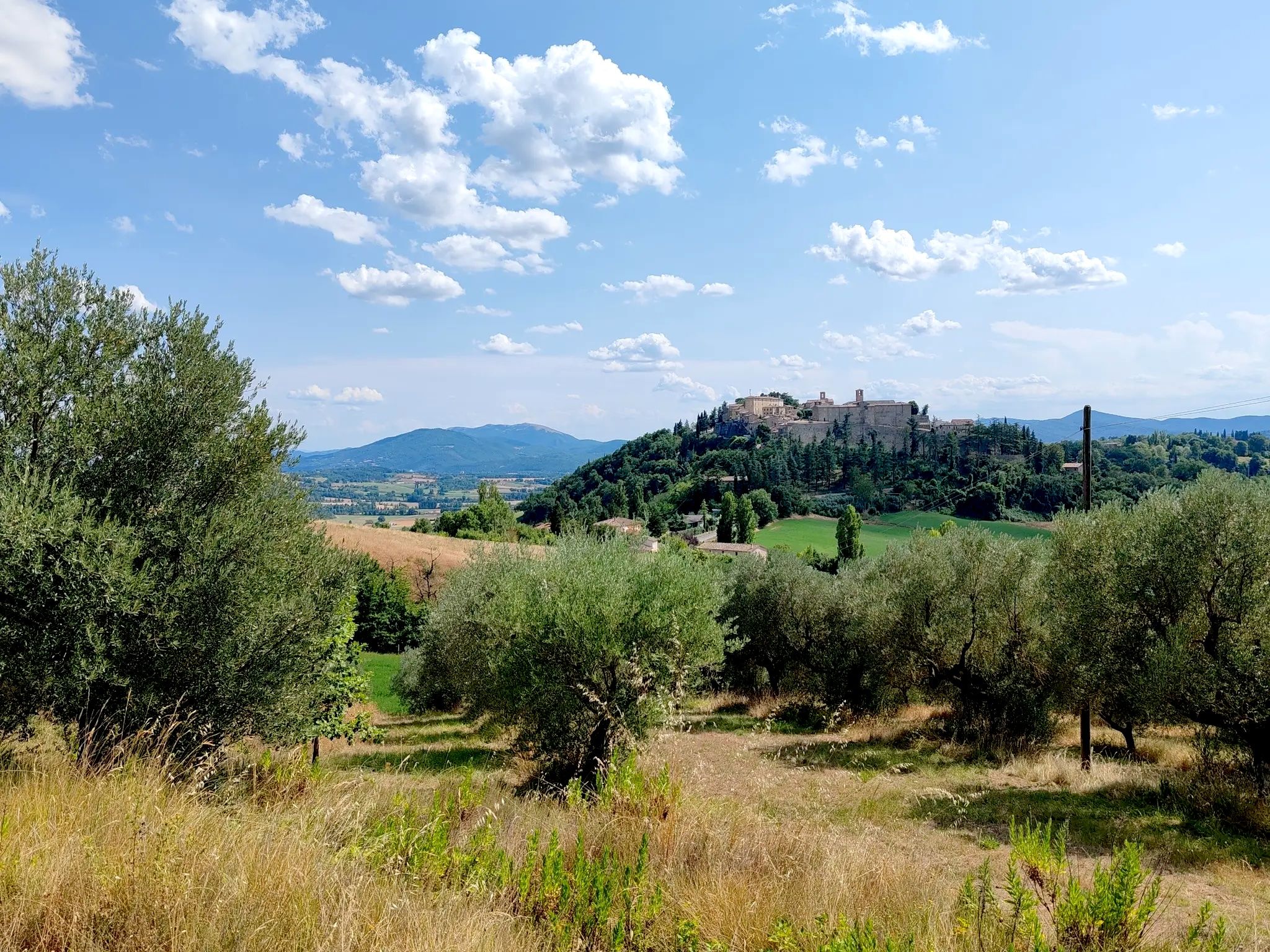
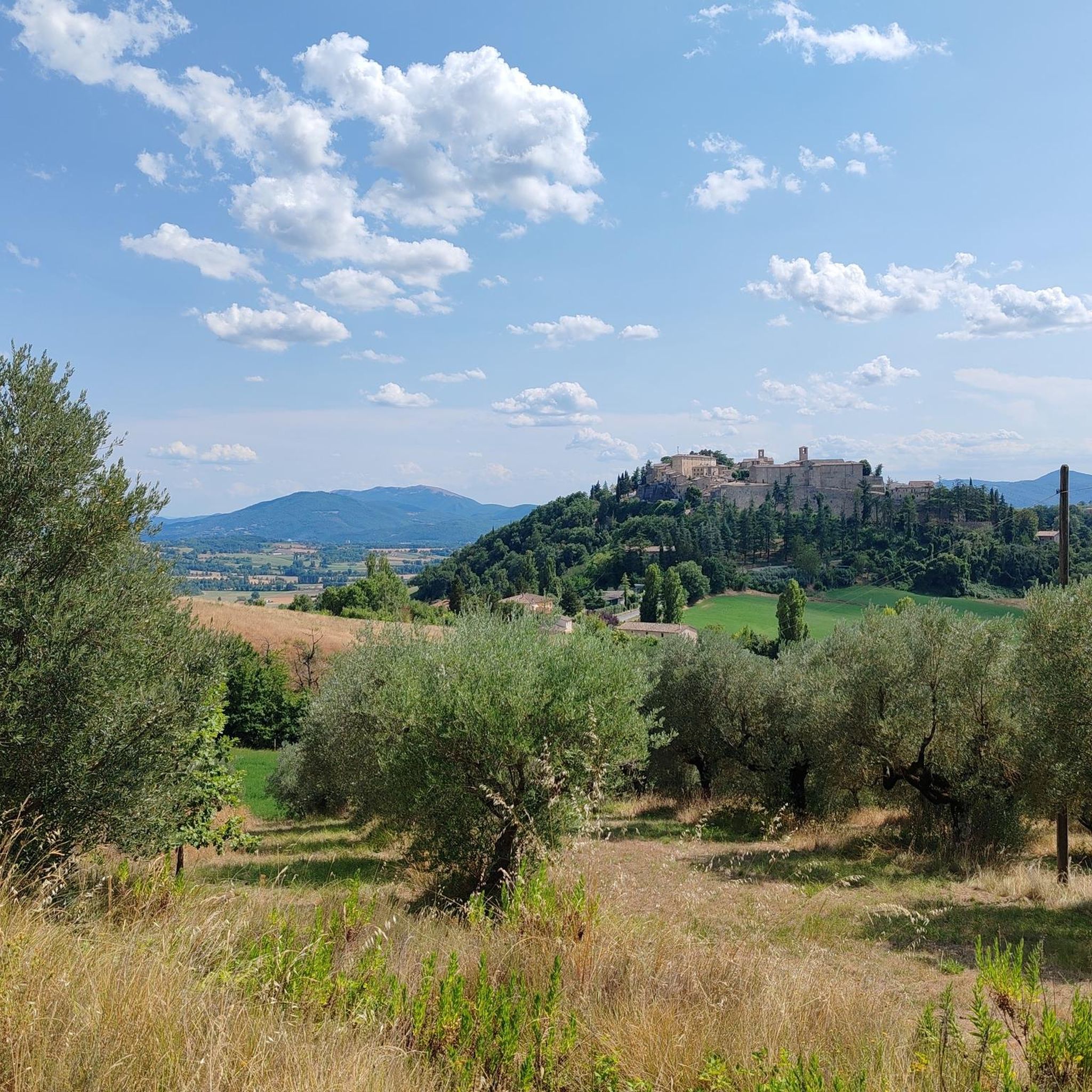
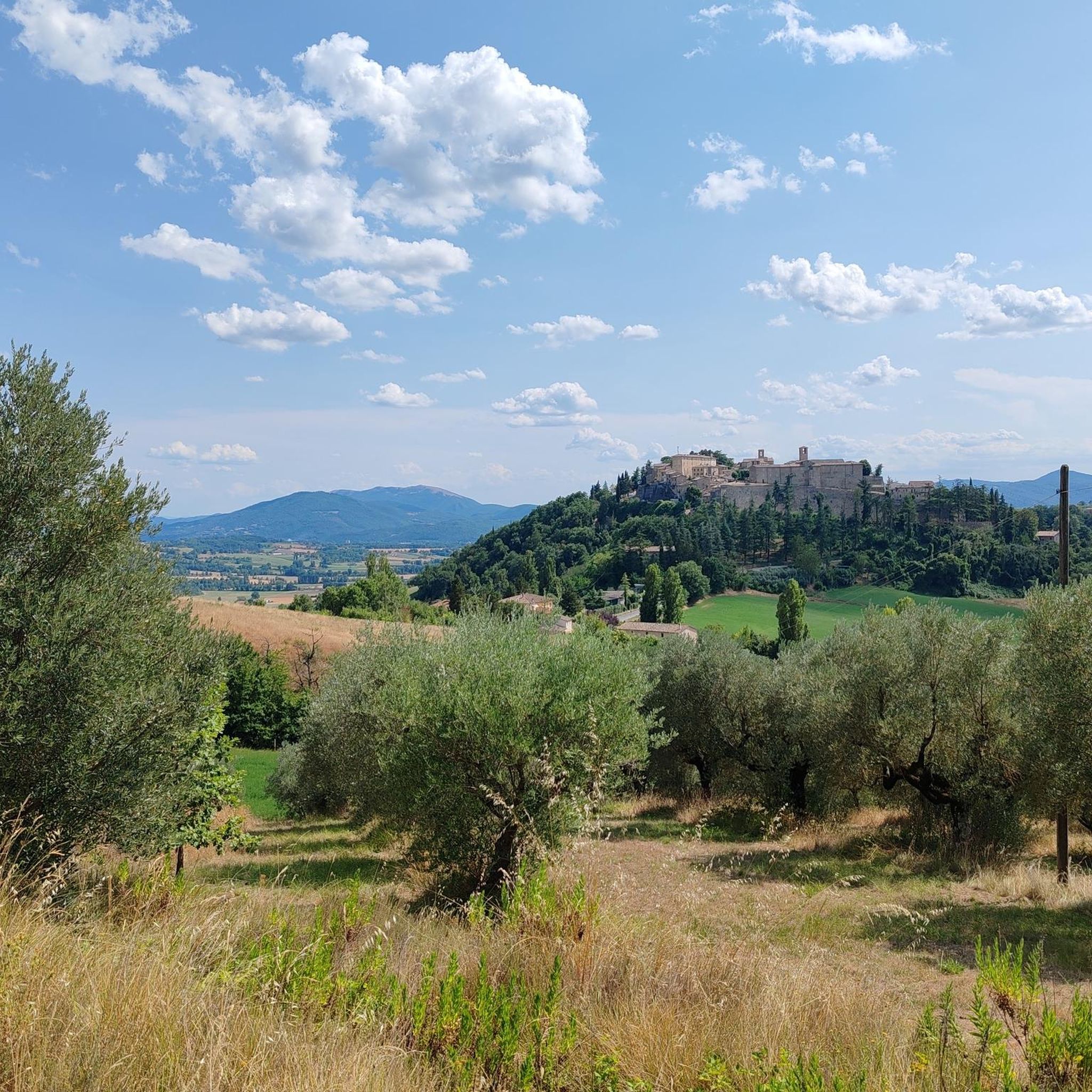
Best castles around Montone, a medieval hill town in Umbria, Italy, offers a rich history reflected in its fortifications. The area features remnants of ancient fortresses and well-preserved castles, providing insights into its strategic past. Visitors can explore sites that once defended the region and now offer panoramic views of the surrounding countryside. This region combines historical significance with natural landscapes, making it suitable for exploration.
Best castles around Montone
- The most popular castles is Fortress of Aries, a…
Last updated: June 29, 2026
Fortress of Aries
Highlight • Castle
Translated by Google •
Tip by

Rocca di Umbertide
Highlight • Castle
Translated by Google •
Tip by

Sign up now to discover places like this
Get recommendations on the best single tracks, peaks, & plenty of other exciting outdoor places.
Sign up for free
Castello di Santa Giuliana
Highlight • Castle
Translated by Google •
Tip by

Antognolla
Highlight (Segment) • Castle
Translated by Google •
Tip by

Rocca di Rasina
Highlight • Castle
Translated by Google •
Tip by
Sign up for free to discover even more castles around Montone.
Sign up for free
Already have an account?
Start today with a free account
Your next adventure awaits.
Login or Signup
Other adventures around Montone

Tips from the Community

The Aries fortress, near Montone, has very ancient origins, it was built by the Fortebracci family on the remains of an ancient fortress to defend the primitive population. There is news of it since the year one thousand, but it is from 1376 that the fortress begins to intertwine its history with the Fortebracci family. In that year Oddo III, father of the famous Braccio, conquered it, bringing it back under the hegemony of the nearby Città di Castello.
0
0

It is a private village that is not accessible, there is no point in passing by
0
0

Umbertide is located in a green valley bathed by the Tiber.
1
0

A slightly sloping stretch within the undulating road that connects San Giovanni del Pantano to Pierantonio, which winds between Monte Mussarello, Monte Santa Croce and Monte Gudiolo and where the suggestive Antognolla Castle stands out. The name derives from an ancient Perugina family and it is a building that probably dates back to around 1100 (there are no certainties in this regard). The road, while busy, is pleasant to walk on, especially on weekends
4
0

🇬🇧 Unfortunately the castle cannot be visited as it is private 🇬🇧 Private Castle, cannot be visited inside
0
0

Umbertide is located in the upper Tiber valley and is crossed by the Tiber itself and the Reggia stream. The entrance to the historic center is dominated by the mighty Rocca di Umbertide, a fortress dating back to 1389, which has always been a symbol of the city. The historic center of Umbertide is still surrounded by medieval walls in the stretches that line the waterways.
4
1

We know of the castle as early as 1223 and what appears today is the result of various transformations that have occurred over the centuries. It appears imposing with its perfect quadrilateral shape, with internal courtyard, partially rammed stone masonry, the two corner towers and the keep. Traces of the towers remain in the protrusion of the bodies but not in the height. In fact, the only one that rises above the rest of the building is the keep, however lower than the origin. Inside it, perhaps in 1700, the chapel was created. Two L-shaped bodies, two floors high, branch off from the keep, where the servants' houses are located. At the end of these is the court, the tallest one-storey U-shaped mansion. The courtyard is paved in stone, designed in a radial pattern from the rainwater drainage channels. The elevations overlooking it are very simple, enriched by an entrance ladder for the servants' homes and a double staircase for the main residence. The top floor of the latter is characterized by small square windows. The doors on the ground floor give access to service rooms which on the side of the courtyard are basements, while on the opposite side they open the windows on the ramming of the castle. In fact, the Rocca appears much higher from the outside. Inside, the distribution structure has not been altered and maintains its passing rooms; some pavements are also noteworthy. Along the south side of the building there is an Italian garden full of boxwood and laurel hedges, with terraces and stairways, which adapt it to the slope of the hill. Along the other sides there are large swaths of lawn. Further downstream, to the south, a park of pines and cypresses develops and a swimming pool has been built to the west. The Rocca di Rasina is privately owned.
0
0

UMBERTIDE is located in the upper valley of the Tiber and is crossed by the Tiber itself and the Reggia stream. We get there starting by bike from TUORO SUL TRASIMENO, immediately facing a climb that leaves the TRASIMENO lake behind us. The heat is torrid and the climb that takes us to VALICO GOSPARINI should be tackled immediately in order to leave the second part of the route, less difficult, at the hottest hours. Outside the walls of the village I see a historic building, almost hidden, I have to go back with the bike and cross the tracks. It is the Umbertide city museum housed inside the deconsecrated church of Santa Croce, a beautiful 13th-century structure. I later discover that the museum contains precious artistic works dating back to the 16th century. Among these stand out above all the Madonna and Child by Pomarancio (1577), the valuable wooden sculpture by Romano Alberti (1528) and the Deposition of the Cross by Luca Signorelli (1516), enclosed in a richly carved altarpiece. I resume pedaling and I realize that Umbertide has a characteristic historic center still surrounded by medieval walls and some stretches line streams. The bike allows us only a short visit and a few photos, but the beautiful sun and the market are an invitation to visit it calmly walking through its ancient streets, an invitation that we cannot accept! At the entrance to the town center we find the Rocca di Umbertide, a mighty fortress dating back to 1389 and a few meters away the unmistakable Church of Santa Maria della Reggia! In fact, the sixteenth-century church stands out for its octagonal shape, quite unusual for a Catholic religious building. The town is part of that incredible Apennine belt between Tuscany and Lazio where beautiful towns such as Spello, Gubbio, Foligno nestle, as well as of course the most renowned and prestigious Perugia and Assisi. If you pass this part, do not hesitate to visit it, without haste!
6
0
Frequently Asked Questions
What are some of the most notable castles to visit around Montone?
Beyond the well-known Fortress of Aries, which offers a complete medieval experience, you can also explore the Rocca di Umbertide, a mighty fortress dating back to 1389. Another interesting site is Antognolla, a castle from around 1100, noted for its picturesque setting amidst undulating roads.
Are there family-friendly castles to explore near Montone?
Yes, the Fortress of Aries and the Rocca di Umbertide are both categorized as family-friendly. Their historical significance and impressive structures can be engaging for visitors of all ages.
What kind of outdoor activities can I do near these castles?
The area around Montone's castles is excellent for outdoor activities. You can find numerous MTB trails, running routes, and gravel biking paths. For example, there are challenging MTB routes like the "Rocca d'Aries, Pieve de Saddi e Monte Sgariglio - giro ad anello" or moderate running trails such as the "Rocca di Umbertide – Monte Corona Abbey loop from Umbertide." You can find more details on these routes in the MTB Trails around Montone, Running Trails around Montone, and Gravel biking around Montone guides.
Are there good hiking or cycling routes that include castles?
Absolutely. Many paths lead to the Fortress of Aries, allowing for various ring routes starting from Montone for both hiking and MTB. There's also a cycle path along the Tiber River, ideal for gravel bikes and MTBs, which can be integrated into tours connecting municipalities like San Giustino, Città di Castello, and Umbertide to Montone.
What is the best time of year to visit the castles around Montone?
While specific weather data isn't provided, Umbria generally enjoys pleasant weather in spring (April-May) and autumn (September-October), making these seasons ideal for exploring historical sites and engaging in outdoor activities without extreme heat or cold. Summer can be warm, and winter might be cooler, but the historical sites remain accessible.
Are there any castles that offer panoramic views?
Yes, the Fortress of Aries is situated in an excellent panoramic and strategic position, offering great views of the surrounding area. The ruins of Rocca di Braccio in Montone also provide panoramic vistas from their elevated position.
What historical significance do the castles around Montone hold?
The castles around Montone, like the Fortress of Aries and the Rocca di Umbertide, are deeply rooted in the region's medieval past. They served as critical strongholds, defending the territory and enduring sieges. The Rocca di Braccio, though largely in ruins, connects to the famous condottiero Braccio Fortebraccio, highlighting Montone's strategic importance in medieval Umbria.
Are there any hidden gem castles or lesser-known fortifications worth visiting?
While not extensively detailed, the Rocca di Rasina, known since 1223, is a privately owned castle that has undergone various transformations over centuries, presenting an imposing quadrilateral shape. The Certalta Tower is another ancient fortified settlement that played a strategic role in clashes between medieval municipalities.
What do visitors enjoy the most about Montone's castle areas?
Visitors appreciate the tangible connection to Montone's medieval past, the preserved structures, and the historical depth of sites like the Fortress of Aries. The panoramic views and the opportunity to step back in time are also frequently highlighted. The surrounding natural landscapes also make it suitable for exploration, combining history with outdoor activities.
What kind of terrain can I expect on trails around Montone's castles?
The terrain around Montone's castles varies. For instance, the cycle path along the Tiber River has a gravel bottom, ideal for gravel bikes and MTBs. Some sections leading to Montone, like the Tiber cycle path, can be very steep with gradients over 18%, while alternative routes like "the road of the Woods" (SP 201 section 4) are less demanding with slopes not exceeding 8%.
Can I find cafes or pubs near the castles?
While specific cafes or pubs directly adjacent to every castle are not detailed, Montone itself is a picturesque medieval hill town. You can expect to find local amenities like cafes and pubs within the town center or nearby villages, especially around more central locations like Umbertide, which has a characteristic historic center.
How can I get more information about Montone and its region?
For additional information about Montone and the broader Umbria region, you can visit the official Umbria Tourism website. Specifically, you can find details about the Fortress of Aries and general information about Montone.
Most popular routes around Montone
Most popular attractions around Montone

Get inspired with the komoot mobile app


Explore more
Looking for the best castles somewhere else? Discover other guides around Montone:
