Top 12 Castles around Corciano
Best castles around Corciano include the well-preserved fortified settlement of Corciano itself, a picturesque medieval hilltop town in Umbria, Italy. This historic center functions as a living castle, enclosed by 13th-14th century city walls. The area offers a rich historical experience with its narrow streets, palazzos, and panoramic views of the surrounding Umbrian valleys. Visitors can explore ancient gates, historic palaces, and significant museums and churches within the town's medieval confines.
Best castles around Corciano
- The most popular castles is…
Last updated: June 29, 2026
Rocca Paolina — The Underground City
Highlight • Historical Site
Translated by Google •
Tip by

Cassero di Porta Sant'Angelo
Highlight • Historical Site
Definitely worth walking the route out of the city, taking the …
Translated by Google •
Tip by
Sign up now to discover places like this
Get recommendations on the best single tracks, peaks, & plenty of other exciting outdoor places.
Sign up for free
Antognolla Castle
Highlight • Castle
Translated by Google •
Tip by

Castle of St. Apollinaris
Highlight • Castle
Translated by Google •
Tip by

Montali Castle
Highlight • Castle
Translated by Google •
Tip by
Sign up for free to discover even more castles around Corciano.
Sign up for free
Already have an account?
Start today with a free account
Your next adventure awaits.
Login or Signup
Tips from the Community

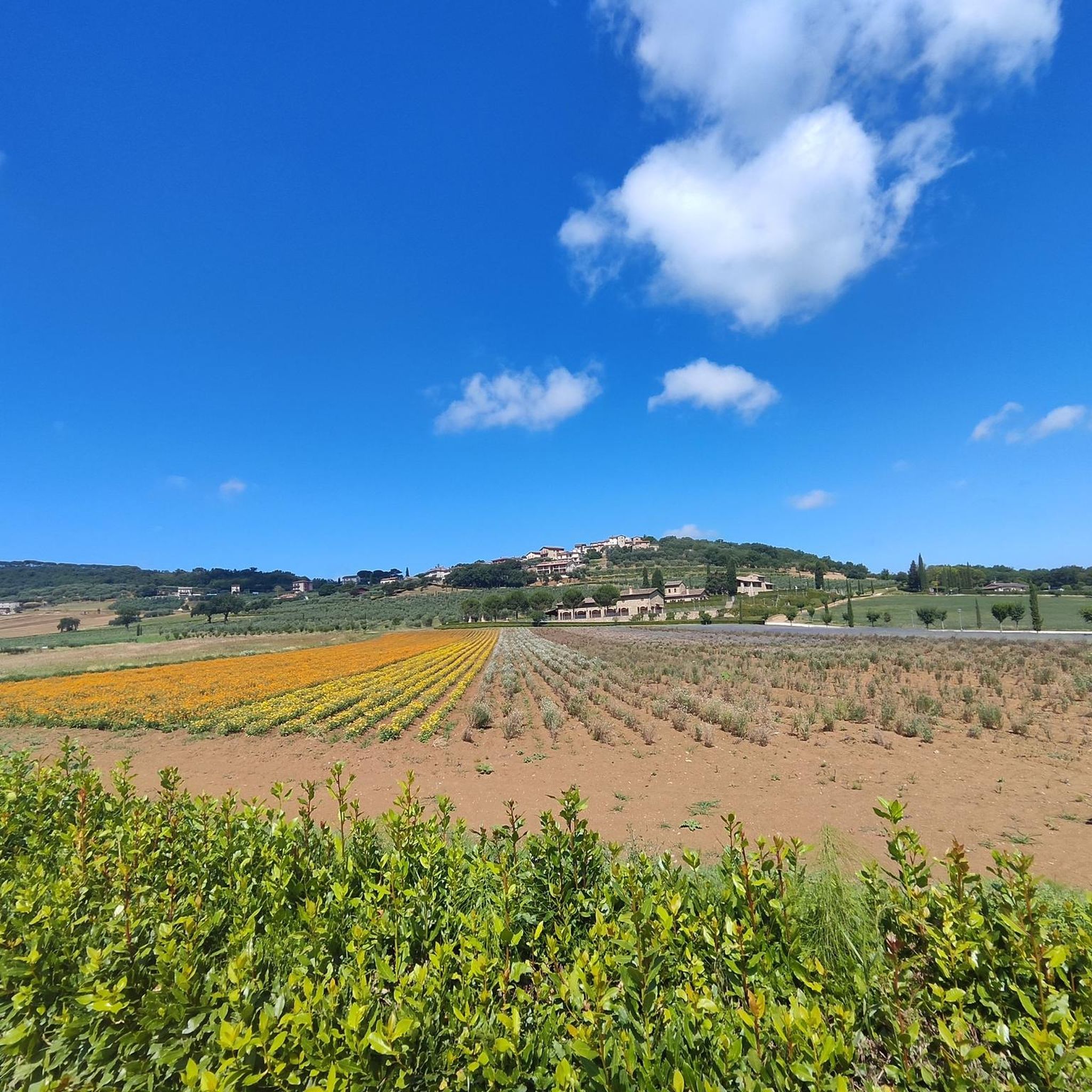
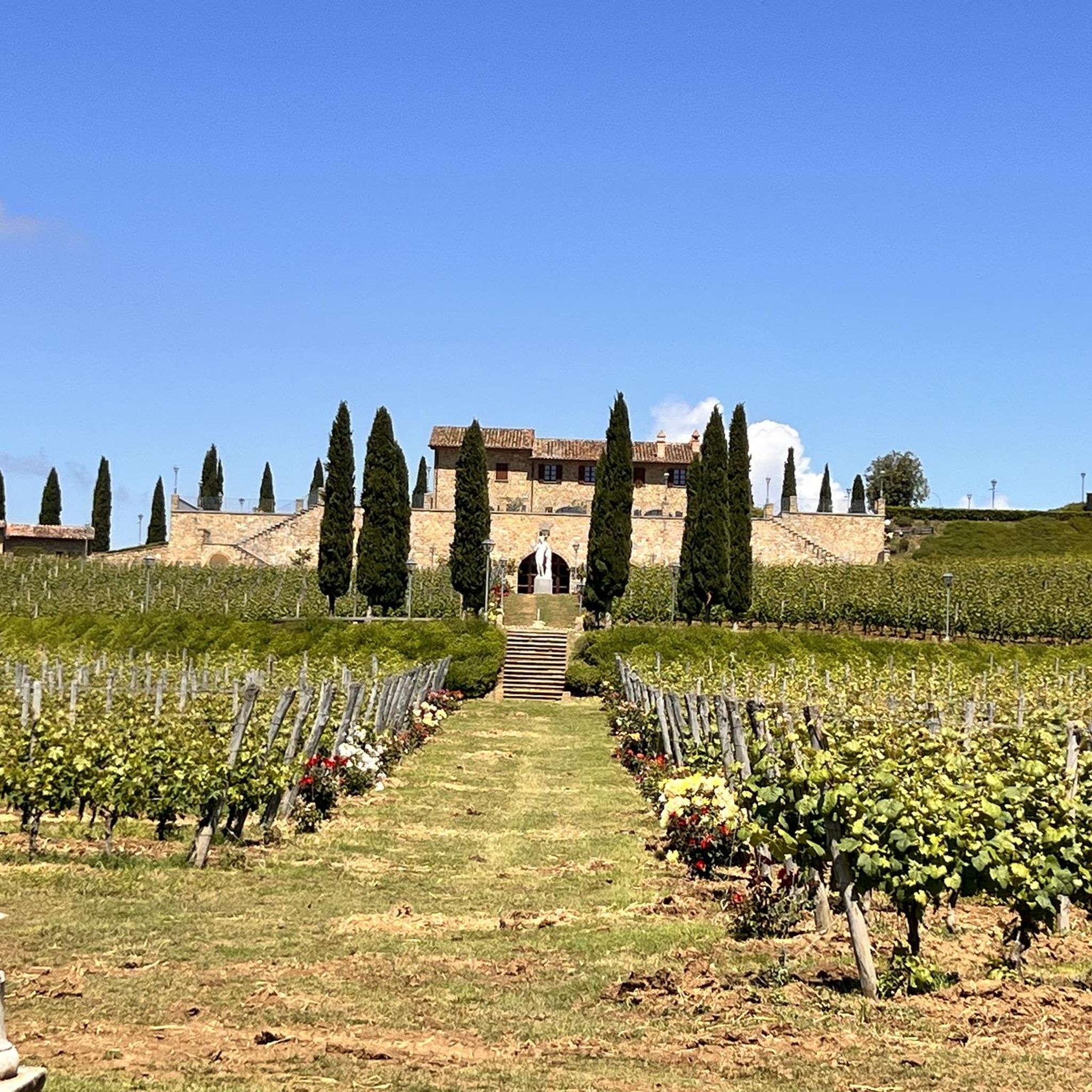
Located near the village of Spina, the Rocca di Sant'Apollinare is a place rich in history and timeless images. Once a defensive fortress, it became a place of worship and production, and today it is immersed in a centuries-old olive grove. Getting there requires a bit of effort, but the reward is guaranteed.
0
0
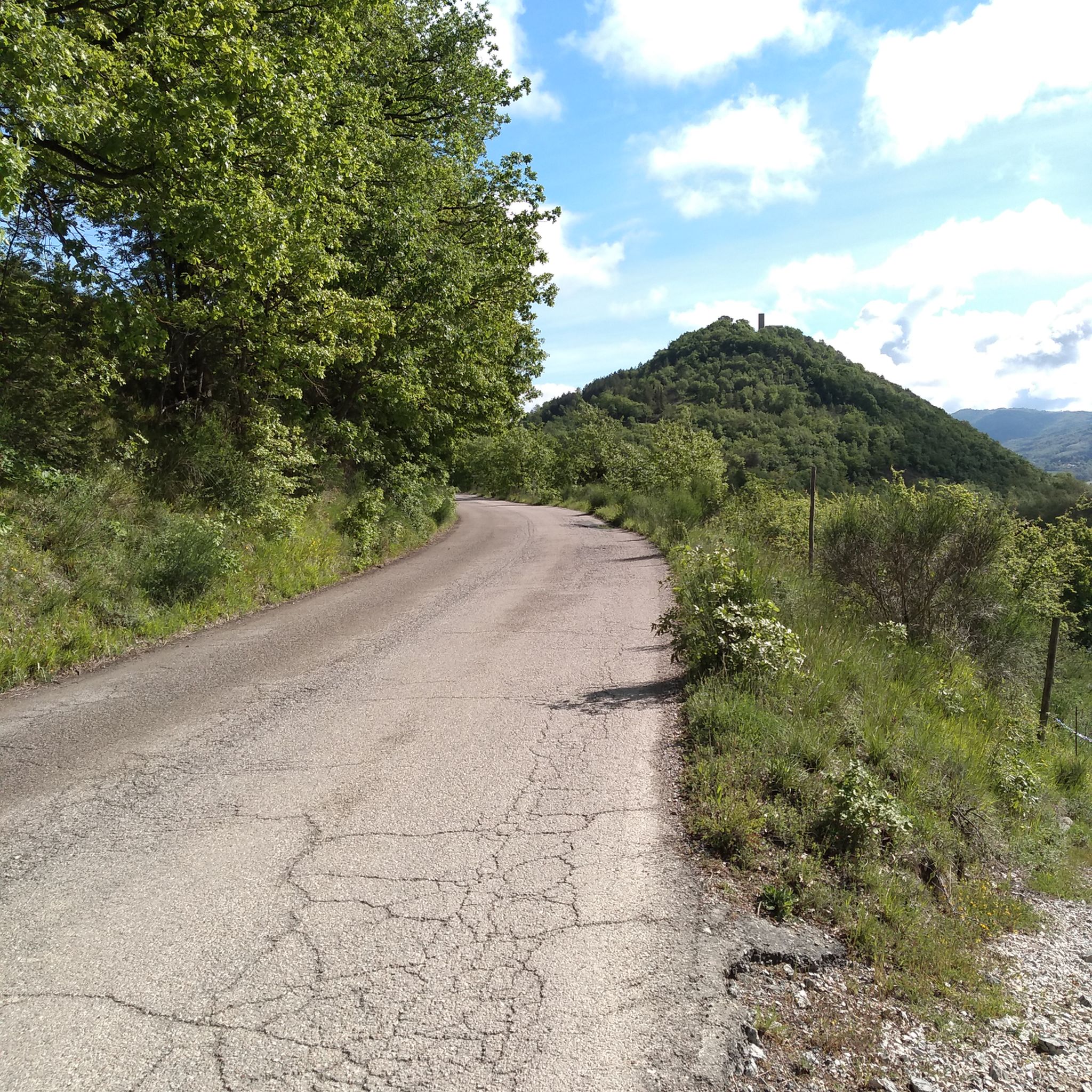
The Cassero di Porta di Sant'Angelo is one of the medieval gates of Perugia's walls, located in the Sant'Angelo district, at the end of Corso Garibaldi, adjacent to the Temple of Sant'Angelo. It's easy to reach by climbing through the streets of the university district.
0
0

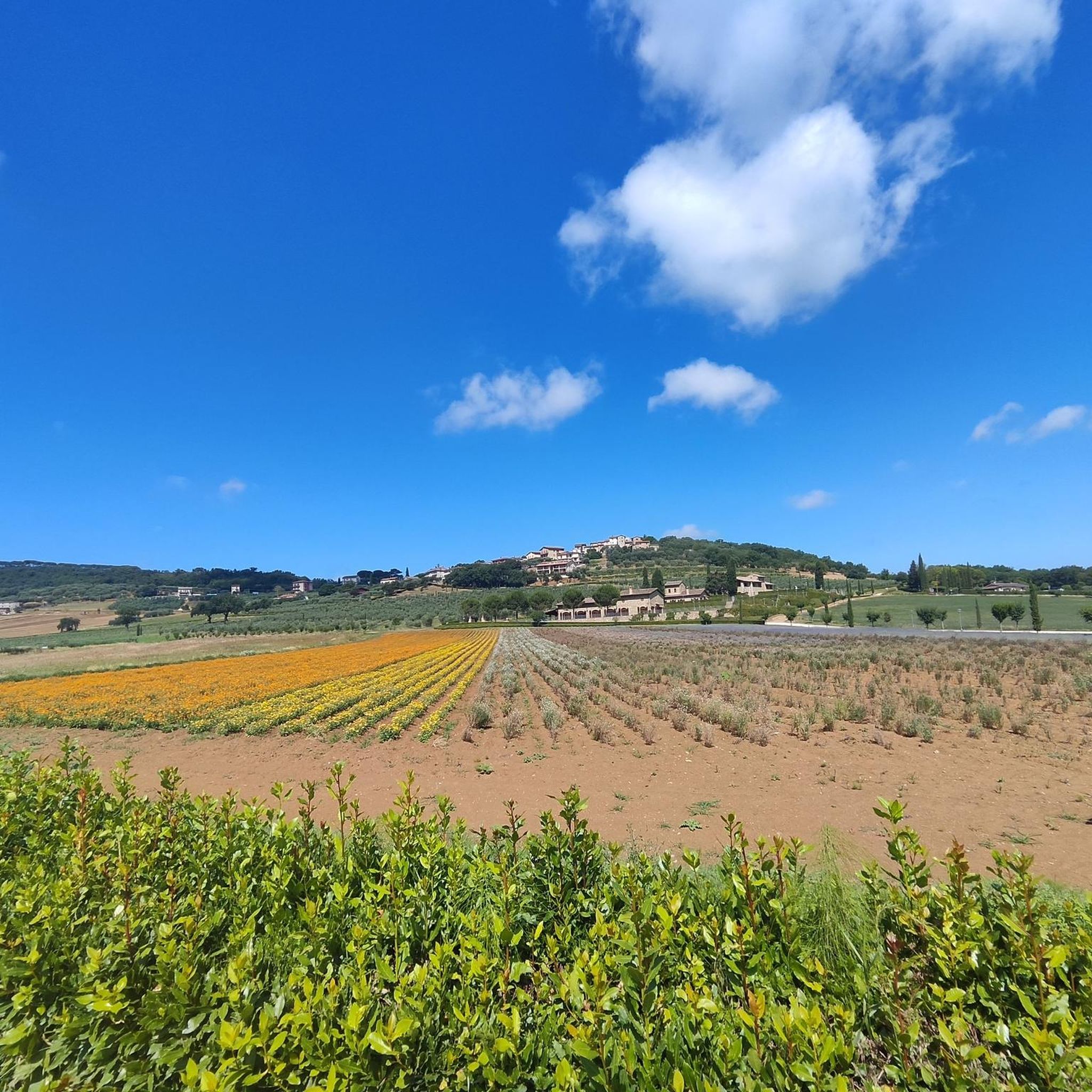
Montali Castle, located in the hills above Panicale, is a private manor surrounded by centuries-old olive groves. It retains a 12th-century tower and part of the original walls, offering a charming natural terrace with breathtaking views of Lake Trasimeno. Now a private residence, it offers 360° views that span from the Nestore Valley to the plains and the lake below.
0
0
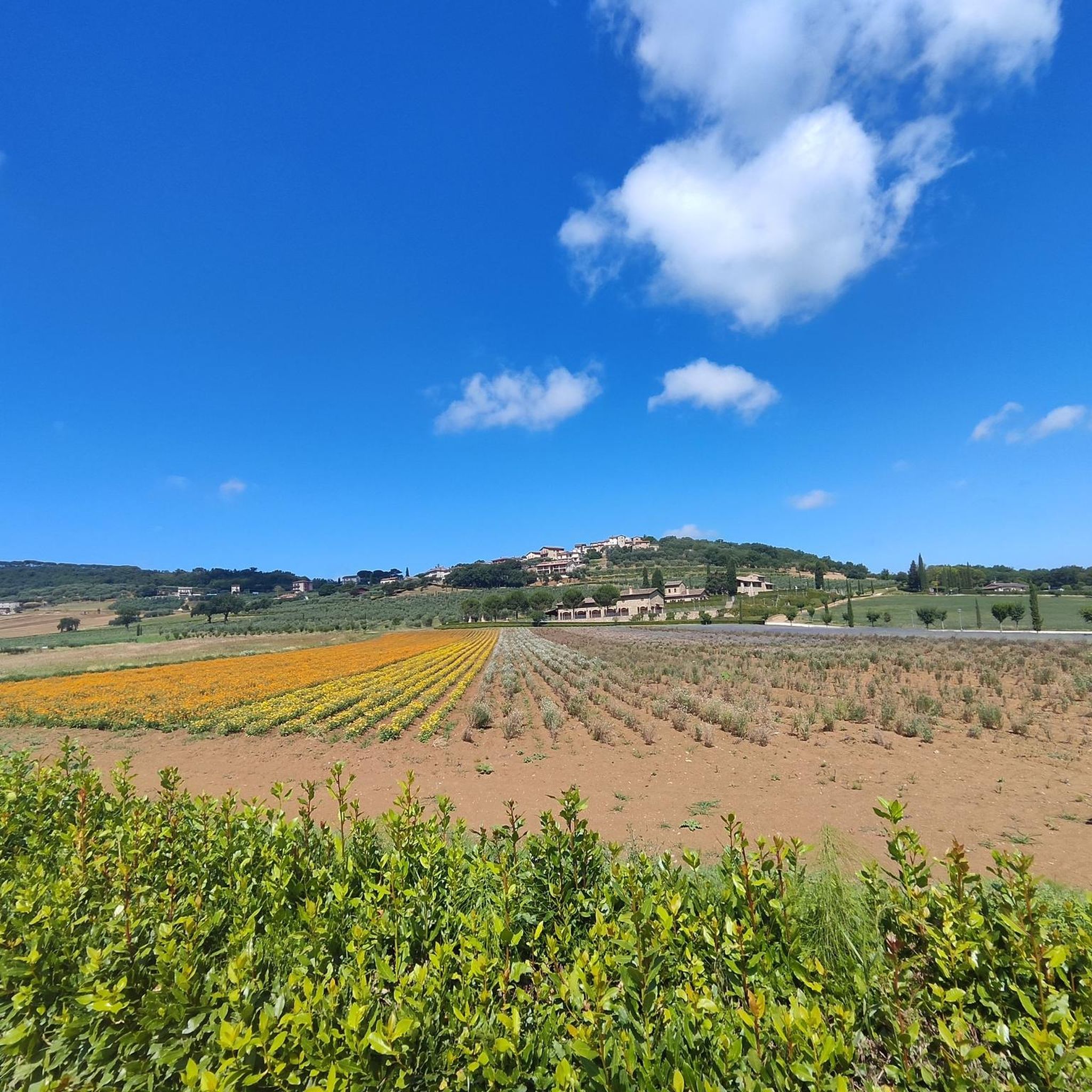
Antognolla Castle, located on the slopes of Monte Tezio and now part of an exclusive golf club, owes its name to the ancient Antognolla family of Perugia. First mentioned in 1174 for the presence of a Benedictine monastery, it became a fiefdom in 1399 at the behest of Pope Boniface IX. Over the following centuries, it was at the center of conflicts between noble families, until it passed to the Oddi family in 1628 and then to the Guglielmi family in 1836. After a period under the Agnelli family, it was recently restored to become a luxury resort.
0
0

The Cassero di Porta di Sant'Angelo is one of the medieval gates of the city walls of Perugia. It can be seen in the Gonfalone della Giustizia, a painting by Perugino (1496–1498) kept in the National Gallery of Umbria.
1
0

ARCHITECTURAL STRATIFICATIONS Visiting this area of the Rocca, where Via Bagliona meets the shorter Via alla Piazza Gran-de, the complex and fascinating interplay between the remains of the medieval quarter and the structures of the papal fortress can be seen more clearly. The limestone and travertine walls of the ground floor of the medieval buildings, the pointed arches of the entrances to houses and shops and the base of Gentile Ba-glioni's tower blend with the brick vaults that cover the streets and the great foundation columns of the fortress. The old buildings were gutted and the underground chambers of the Rocca Paolina made. The destruction of a large part of the city and the construction of the Rocca in its place was a tearing wound for Perugia, which thus lost the quarter with its most elegant houses and the church of Santa Maria dei Servi, which housed many tombs of noble families and remarkable works of art. The keystone of its entrance is still visible. One of the frescoes by Benedetto Bonfigli (second half of the 15th century) in the chapel of the Palazzo dei Priori (now part of the National Gallery of Umbria) represents precisely this area of the medieval city and remains the most important evidence of how it was before the construction of the fortress.
1
0
ROCCA PAOLINA This underground structure, known as Rocca Paolina ("Pauline Fortress"), is the result of the building on buildings that took place in different eras. In the Middle Ages (12th-16th centuries) in this district stood the tower houses of some aristocratic Perugian families. In the 15th century the most important of these buildings belonged to the Baglioni family, the most powerful in Renaissance Perugia. In 1540, after the Salt War, which broke out following the rise in the price of salt and the refusal of Perugia to accept the rule of the Pope, Perugia lost its independence and was annexed to the Papal States. Pope Paul II had a fortress built to definitively subjugate the city and commissioned the architect Antonio da Sangallo the Younger to build it in this area, raising it above the medieval buildings. The fortress was called "Rocca Paolina" because Paul Ill ordered its construction. To speed up the works, which were completed in 1543, the fortress did not completely eliminate the existing buildings, but instead integrated them, preserving many parts (walls, corners, streets, arches), creating the effect of a practically unique underground city. The ancient road network, and in particular the long Via Bagliona that runs through the entire fortress, is still clearly visible today; in the Middle Ages these streets were of course open to the sky, and above the buildings rose tall towers, the instruments and symbols of power and prestige. Only one of the many towers that existed in the medieval city remains intact today in another area of the historic center, the Torre degli Sciri (or Torre degli Scalzi), but more or less considerable fragments can still be identified of about thirty of the forty towers remembered by tradition.
2
0

From the Partigiani car park, the big surprise! Escalators take you back a thousand years. You enter a medieval landscape with buildings and narrow streets that are as intact as they were centuries ago.
1
0
Frequently Asked Questions
What makes Corciano itself a notable 'castle' to visit?
The entire historic center of Corciano functions as a magnificent medieval castle, enclosed by high city walls dating back to the 13th-14th centuries. This fortified village offers a rich historical experience with its narrow streets, palazzos, towers, gardens, and churches, all contributing to its intact medieval charm. You can explore ancient gates like Porta Santa Maria and Porta San Francesco, historic palaces such as the Palazzo Comunale, and significant museums and churches within its walls.
Are there any unique historical sites near Corciano that offer a different kind of 'castle' experience?
Yes, Rocca Paolina — The Underground City in Perugia is a fascinating Renaissance fortress built between 1540 and 1543. It features a mysterious series of tunnels and arched foundations, offering a unique urban experience with escalators leading into the city. It feels like entering a lost world, with secret doors revealing shops and art exhibitions.
Which castles around Corciano offer impressive architectural features or panoramic views?
Montali Castle, located in the hills above Panicale, retains a 12th-century tower and part of its original walls, providing breathtaking views of Lake Trasimeno. Although a private manor, its exterior and surroundings are quite scenic. Additionally, the medieval walls of Corciano itself offer panoramic views of the surrounding Umbrian valleys.
What are some significant historical gates or fortifications to see in the area?
Beyond Corciano's own impressive city gates, you can visit Cassero di Porta Sant'Angelo in Perugia. Built in 1479, this impressive city gate marks the end point of Perugia's second medieval city fortifications and is definitely worth seeing for its historical significance and architecture.
Are there any castles near Corciano that have been transformed or have unique modern uses?
Antognolla Castle, located on the slopes of Monte Tezio, is now part of an exclusive golf club and has been restored to become a luxury resort. While its origins date back to at least 1174, it has been transformed over centuries and now offers a blend of historical grandeur and modern amenities.
What kind of historical context can I expect from the castles around Corciano?
The castles in this region, like the Castle of St. Apollinaris, often have origins dating back to the 10th century and were designed as military buildings to defend cities like Perugia. They were part of a network of fortifications, witnessing centuries of conflicts between noble families and playing a crucial role in the region's history.
Are there any castles near Corciano that are not open to the public but are still significant landmarks?
Yes, the Castle of Pieve del Vescovo, located approximately one kilometer from Corciano, is an imposing quadrangular structure with four towers. Built at the end of the 14th century, it's a significant historical landmark in the Corciano area, visible and appreciated for its contribution to the region's rich medieval heritage, even though it is not currently open to visitors.
What outdoor activities can I do near these castles?
The area around Corciano offers various outdoor activities. You can find numerous running trails, road cycling routes, and hiking paths. For example, there are several moderate to difficult running loops, scenic road cycling routes with views of Lake Trasimeno, and hiking trails like the 'Le Troscie Forest Trail'. You can explore more options on the Running Trails around Corciano, Road Cycling Routes around Corciano, and Hiking around Corciano guide pages.
Are there family-friendly castle experiences in the Corciano area?
Many of the historical sites and castles in the region, including the medieval village of Corciano itself, are considered family-friendly. Exploring the narrow streets, ancient walls, and historical buildings can be an engaging experience for all ages. Rocca Paolina — The Underground City and Cassero di Porta Sant'Angelo are also listed as family-friendly options.
What kind of views can I expect when visiting castles around Corciano?
The castles and fortified villages in the Corciano area often boast stunning panoramic views. From Corciano's city walls, you can see across the Umbrian valleys, from Mount Amiata to Todi, and from Lake Trasimeno to Mounts Tezio and Acuto. Montali Castle also offers a charming natural terrace with breathtaking views of Lake Trasimeno.
What are some of the oldest historical elements I can find in Corciano's medieval village?
Within Corciano's medieval village, you can find city walls dating back to the 13th-14th centuries. The Palazzo del Capitano del Popolo and Palazzo dei Priori both date back to the 13th century. The Church-cum-museum of San Francesco contains frescoes from the late 13th and early 14th centuries, offering a deep dive into the artistic and religious heritage of the region.
Where can I find significant artworks or religious history within Corciano's fortified village?
The Church of Santa Maria Assunta within Corciano's medieval walls houses important artworks, including Perugino's 'Assumption' (1513) and Benedetto Bonfigli's banner (1472). Additionally, the Gothic-style Church-cum-museum of San Francesco contains frescoes from the late 13th and early 14th centuries and an underground burial area with family coats of arms.
Most popular routes around Corciano
Most popular attractions around Corciano

Get inspired with the komoot mobile app


Explore more
Looking for the best castles somewhere else? Discover other guides around Corciano:
