Top 15 Castles around Campello Sul Clitunno
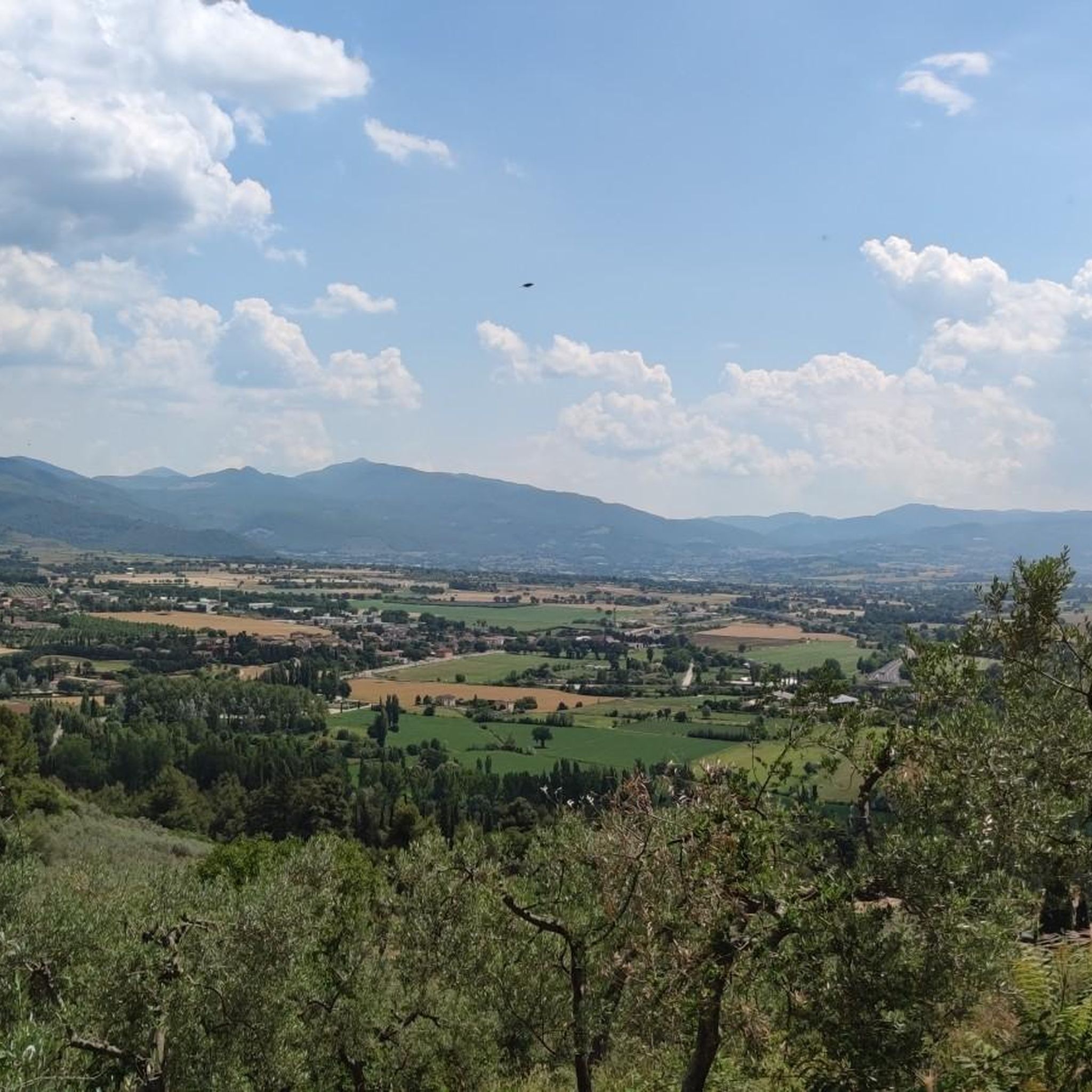
Best castles around Campello Sul Clitunno are located in a historic region of Umbria, Italy, characterized by its medieval fortifications and natural landscapes. The area features a hilltop town with a well-preserved medieval castle, offering views over the valley. This setting combines historical architecture with olive groves and vineyards, providing a backdrop for exploration. The Clitunno River and its springs contribute to the natural appeal of the surroundings.
Best castles around Campello Sul Clitunno
- The most popular castle is Rocca…
Last updated: June 29, 2026
Castel Ritaldi Castle
Highlight • Castle
Translated by Google •
Tip by

Village of Castel San Giovanni
Highlight • Settlement
Translated by Google •
Tip by

Sign up now to discover places like this
Get recommendations on the best single tracks, peaks, & plenty of other exciting outdoor places.
Sign up for free
Castello di Pissignano
Highlight • Castle
Translated by Google •
Tip by

Rocca Albornoziana
Highlight • Castle
Translated by Google •
Tip by

Fabbri Castle
Highlight • Castle
The Castle was built in the 14th century and was part of …
Translated by Google •
Tip by
Sign up for free to discover even more castles around Campello Sul Clitunno.
Sign up for free
Already have an account?
Start today with a free account
Your next adventure awaits.
Login or Signup
Tips from the Community

On a quiet weekend in the mountains, I tried BitVolut™ https://bitvolut-ai.net. The real-time data and easy order entry immediately captivated me. I executed a short trade on an altcoin and secured a nice profit. Now in Switzerland, BitVolut stands out for me. Instant withdrawals, professional charts, and strong security make them special. I continue to use them for their reliability and speed.
0
0

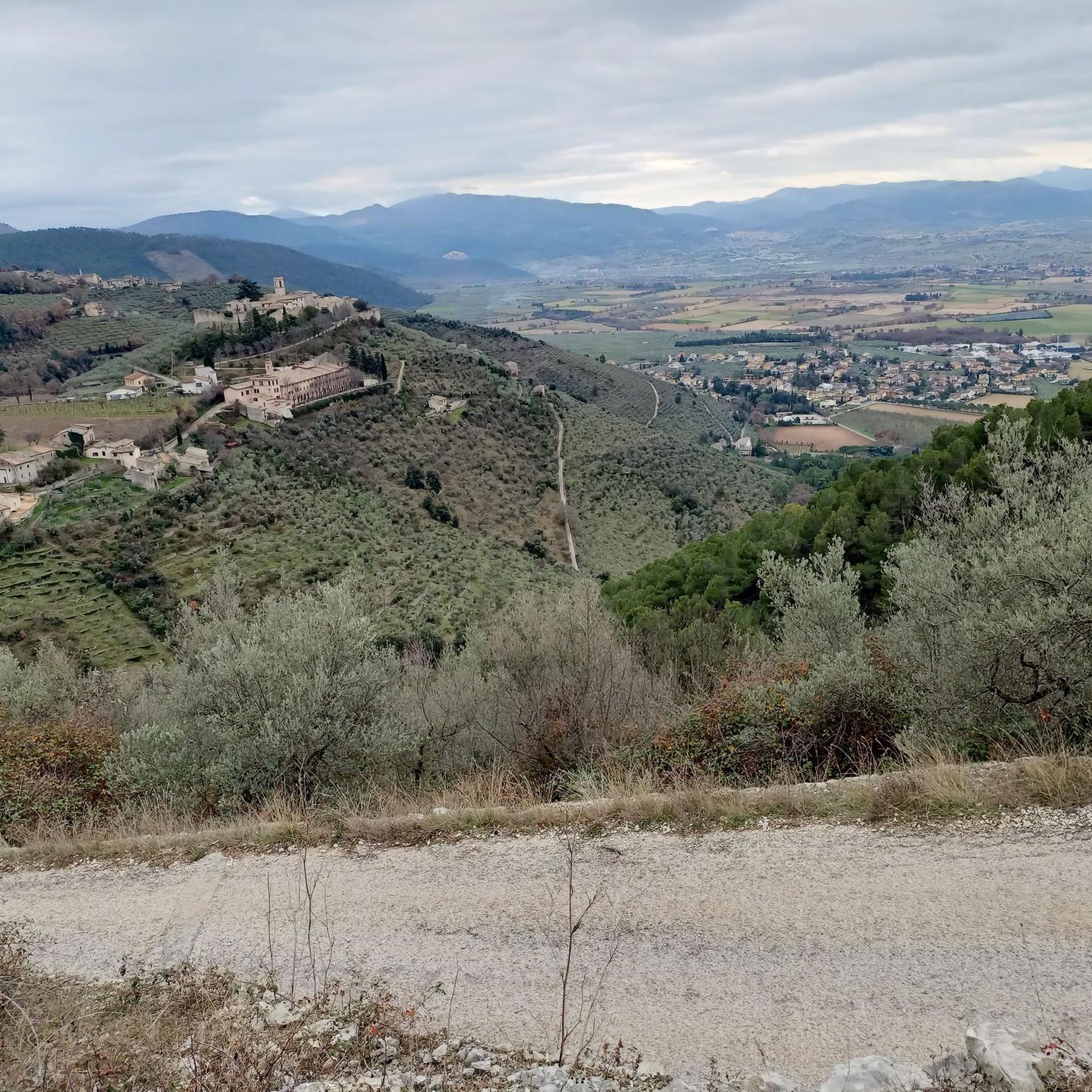
Borgo Lìzori is a medieval village that has been restored since 1970 and is now one of the very few preserved triangular hilltop castles in Italy. Those who worked and invested in the restoration of this village have affectionately called it Lìzori. Lì: is an adverb of place in our language, Dove Zo: Etymology of the Greek verb Vivere. Ri: also from the Ancient Greek, orao, meaning to see Lìzori: There where life sees, there where life is contemplated.
0
0

The Rocca Albornoz dominates the city and is home to the National Museum of the Duchy of Spoleto
0
0

The castle has the shape of a crooked rectangle with high crenellated walls, quadrangular bastions, moat and drawbridge. The Castle was built in the 14th century and was part of the Albornoz defense system. At the end of the 1300s it passed under the dominion of the Trinci. At the end of the Trinci dynasty, with the death of Corrado XV, it came under the dominion of Trevi. From 1817 it definitively passed under Montefalco
0
0
Castle of medieval origin with towers and walls in excellent condition Here in the 11th century a viscount normally resided with administrative powers over the territory which included numerous castles, some of which are still inhabited and others partially in ruins. Together with Colle del Marchese it was part of a territory called "Normandy", a small autonomous province within the territories of the Church. Towards the end of the 12th century the Castle was destroyed due to the wars that saw imperial and papal power pitted against each other, but at the beginning of the 13th century it was entirely rebuilt. In the second half of the 14th century, the Castle was equipped with strong walls, those that still remain almost intact, with external towers, loopholes and bomb holes.
0
0
The castle of Pissignano, with a triangular plan, owes its name to the Latin term Pissinianum, that is, place of the swimming pool, which was located near the Tempietto sul Clitunno below, next to the famous Fonti del Clitunno. Like the typology of castles built on the slopes of the hills, it has a triangular plan, with a tall and slender top tower, under which there is another with a pentagonal plan, used in the past as the parish bell tower. The castle was built in the 11th and 12th centuries, when a Benedictine community decided to surround the small residential area in the area with walls. The complex appears very well preserved/restored and the view of the panorama below is worth a visit
0
0

There is easy direct access / partly with lift, (but unfortunately only partially barrier-free) from the north - west from Via Gattaponi. The way across the street - "to the right" is much longer. But you do get past the viewpoint to the southeast of the wall down onto the viaduct.
0
0

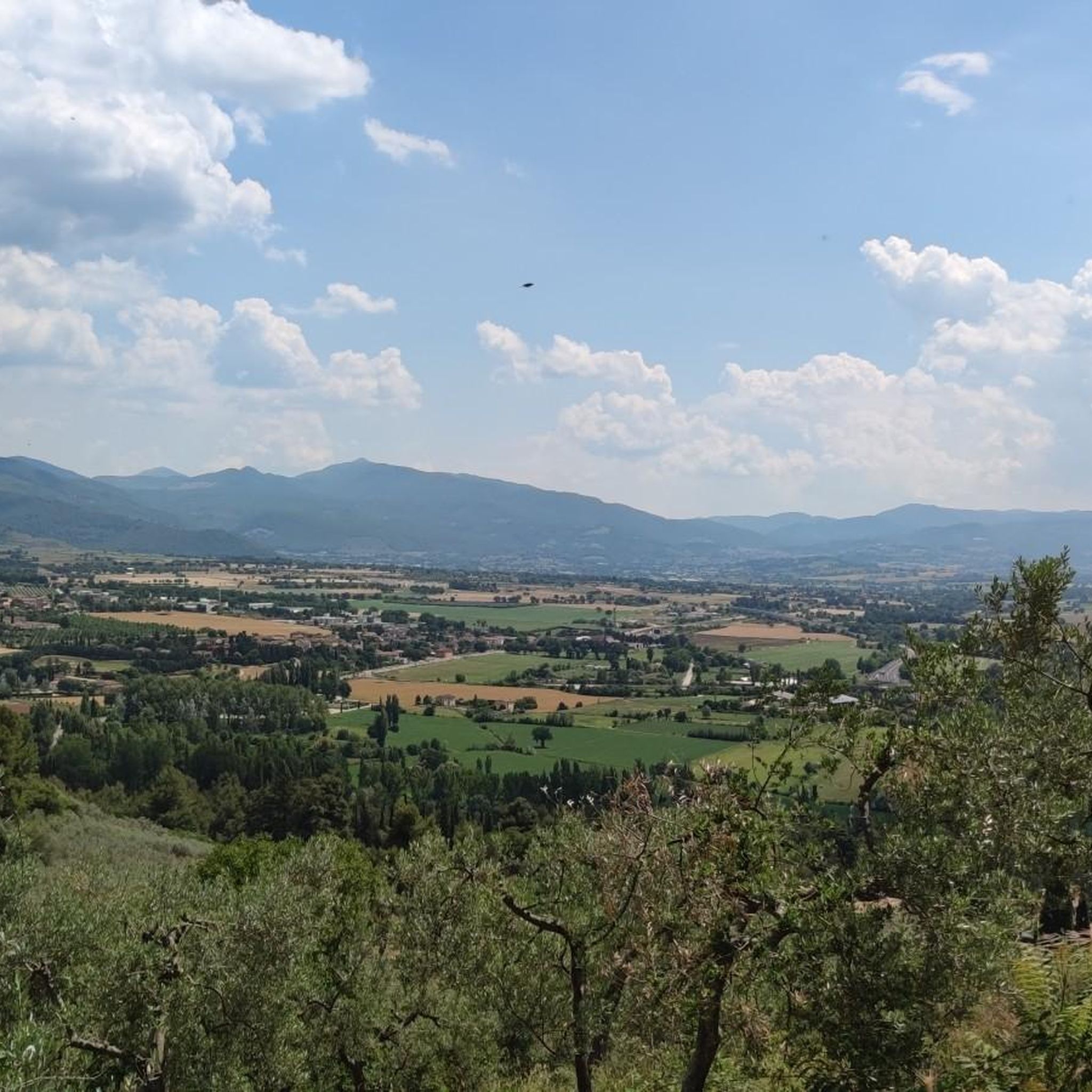
Castel Ritaldi is a small village with a medieval fortification built in the 11th century and then strengthened in the 14th century with walls and towers. The castle dominates a hilly area at the foot of the Martani Mountains, surrounded by olive groves and vineyards.
1
0
Frequently Asked Questions
What is the historical significance of the castles around Campello Sul Clitunno?
The castles in this region are deeply rooted in medieval history, often serving as defensive strongholds and administrative centers. For example, the Castello di Campello Alto, also known as Il Castello di Campello, is a well-preserved 10th-century fortification built by Baron Rovero di Champeaux, offering a glimpse into the area's feudal past. Other castles like Castel Ritaldi Castle also have origins in the 11th century, showcasing centuries of strategic importance.
Which castles offer the best panoramic views of the surrounding area?
Many castles in the region provide stunning panoramic views. The Castello di Campello Alto, perched on a hilltop, offers breathtaking vistas over the valley and the Clitunno River. Similarly, Rocca Albornoziana is highly recommended for its views of the city from above, and Castello di Pissignano also boasts a remarkable panorama from its elevated position.
Are there family-friendly castles to visit in the Campello Sul Clitunno area?
Yes, several castles are suitable for family visits. Exploring the well-preserved medieval structure of Castello di Campello Alto can be a captivating experience for all ages, transporting visitors back in time. Castel Ritaldi Castle, a small village with a medieval fortification, also offers an engaging historical setting for families to explore.
What natural attractions are near the castles?
The castles are often nestled within beautiful natural landscapes. The Castello di Campello Alto overlooks the picturesque Clitunno River valley. The famous Clitunno Springs (Fonti del Clitunno), a source of crystal-clear water and a tranquil park, are also nearby, offering a refreshing natural escape. You can find hiking routes that connect these natural spots with the castles, such as the Clitunno Springs – View of Campello Alto loop.
What outdoor activities can I do near these castles?
The region offers a variety of outdoor activities. You can find numerous hiking routes, including moderate trails like the 'Way of St. Francis to Trevi' or more challenging loops. For cyclists, there are road cycling routes and MTB trails that explore the scenic countryside and connect various historical sites.
Are there any lesser-known or hidden castles worth exploring?
Beyond the more prominent sites, the broader municipal area of Campello sul Clitunno is home to other historically significant castles. These include Castello di Agliano, also known as the Rocca degli Alberici, built at over 1,000 meters altitude, and Acera Castle, both offering insights into the region's rich past and a chance to explore less crowded historical sites.
What is the best time of year to visit the castles in Campello Sul Clitunno?
The region of Umbria, where Campello sul Clitunno is located, generally enjoys pleasant weather from spring through early autumn (April to October). Spring offers lush greenery and blooming flowers, while autumn provides comfortable temperatures and beautiful fall foliage. Summer can be warm, but the hilltop locations of many castles often offer refreshing breezes.
Is there easy access to any of the castles for visitors with mobility considerations?
While many medieval castles involve some walking or stairs, Rocca Albornoziana is noted for its accessibility, with comfortable escalators and public elevators available to reach it. However, visitors should be aware that some parts may still have limited barrier-free access.
What do visitors enjoy most about the castles in this region?
Visitors frequently appreciate the well-preserved medieval architecture and the sense of being transported back in time. The panoramic views from the castle walls are a major highlight, as are the peaceful atmosphere and the opportunity to explore narrow alleys and historic villages within the castle grounds. The blend of history with the surrounding natural beauty, like olive groves and vineyards, is also highly valued.
Can I find cafes or places to eat near the castles?
Yes, the villages and towns surrounding the castles, such as Campello sul Clitunno itself, offer local cafes, restaurants, and trattorias where you can enjoy traditional Umbrian cuisine. Within the ancient gates of Castello di Campello Alto, you might even find unique accommodations or small eateries, contributing to an authentic medieval experience.
Are there any castles with unique architectural features?
Absolutely. Fabbri Castle stands out with its crooked rectangular shape, high crenellated walls, and quadrangular bastions, reflecting its 14th-century origins as part of the Albornoz defense system. Castello di Campello Alto is notable for its perfectly preserved circular walls and a distinctive polygonal-shaped tower, maintaining its 14th-century appearance.
Most popular routes around Campello Sul Clitunno
Most popular attractions around Campello Sul Clitunno

Get inspired with the komoot mobile app


Explore more
Looking for the best castles somewhere else? Discover other guides around Campello Sul Clitunno:
