Top 4 Gorges around Montefiascone
Best canyons around Montefiascone are found in the broader Lazio region, characterized by gorges and ravines carved into volcanic tuff rock. Montefiascone itself is situated on the rim of a volcanic caldera overlooking Lake Bolsena. These geological formations are a result of the area's volcanic past and the erosive power of its waterways. The region offers a blend of natural beauty and historical significance, with many sites accessible from Montefiascone.
Best canyons around Montefiascone
- The most popular canyons is Etruscan…
Last updated: August 23, 2026
Etruscan cut - road carved into the rock
Highlight • Historical Site
Translated by Google •
Tip by

Tagliata di Santo Antonio
Highlight • Gorge
Translated by Google •
Tip by

Sign up now to discover places like this
Get recommendations on the best single tracks, peaks, & plenty of other exciting outdoor places.
Sign up for free
View of the Calanchi Valley
Highlight • Viewpoint
Translated by Google •
Tip by

Sabbiona Road (Lubriano Tuff Cut)
Highlight (Segment) • Gorge
Translated by Google •
Tip by

Start today with a free account
Your next adventure awaits.
Login or Signup

Other adventures around Montefiascone

Tips from the Community

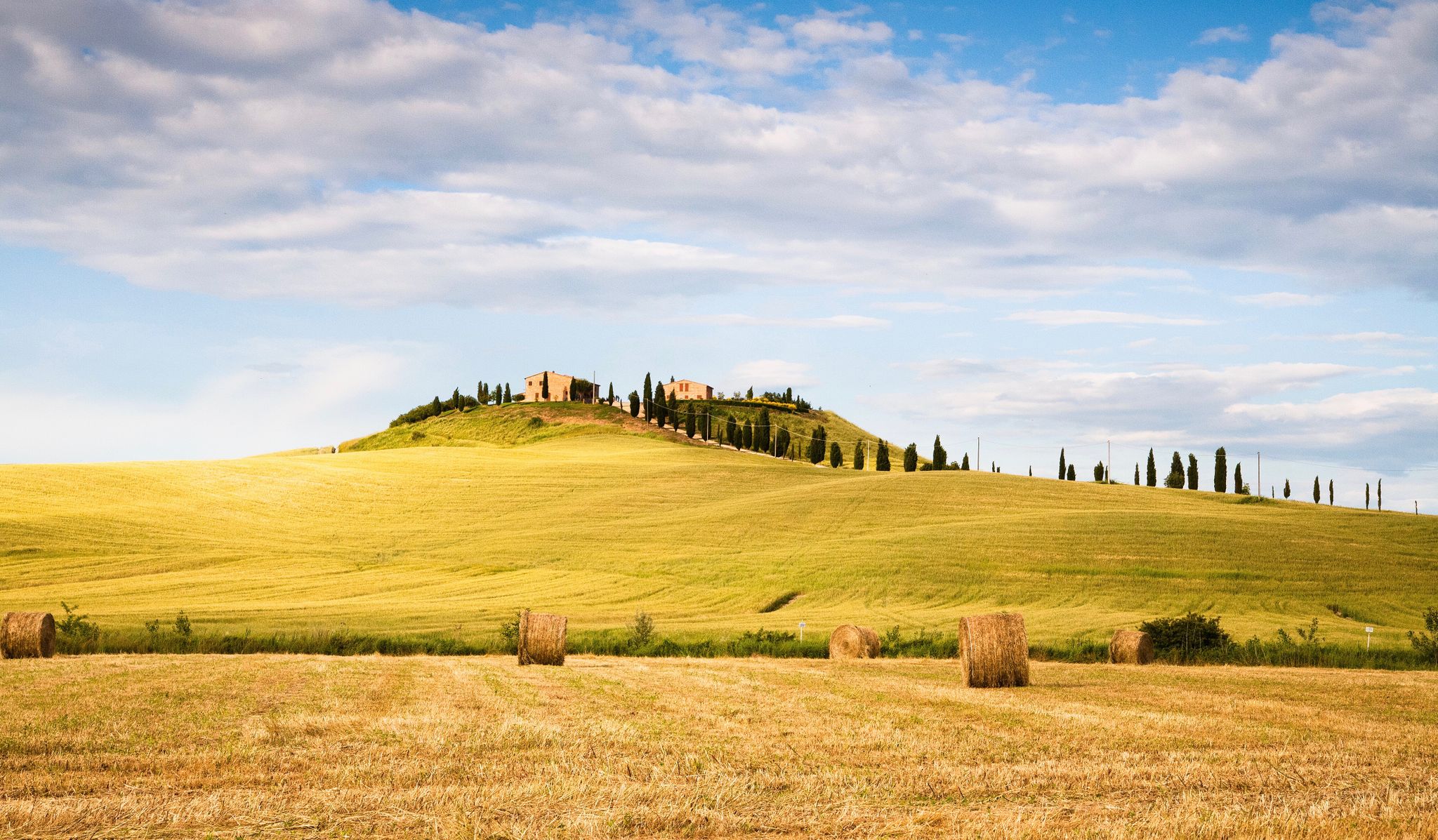
From the village, you have a wonderful view over the rugged ridges of the valle dei calanchi.
0
0

The Signorino road, of Etruscan origin, is a deep underground passage carved into the tuff that connects the Signorino district (named after a 15th-century family) to Porta Faul. It winds between high tuff walls that reach 12 meters at their highest points. It is also known as Cava S. Antonio (St. Anthony's Cave) after a shrine dedicated to the saint located on one of its walls. Along the road there is a cave called the Devil 's Cave , and some legends tell of strange nocturnal processions of Lucumoni (ancient Etruscan priests). For this reason, especially during the Middle Ages, crosses were carved on the tuff walls to protect travelers from the devil. The shrine dedicated to St. Anthony may have served this purpose.
0
0
The Signorino road, of Etruscan origin, is a deep underground passage carved into the tuff that connects the Signorino district (named after a 15th-century family) to Porta Faul. It winds between high tuff walls that reach 12 meters at their highest points. It is also known as Cava S. Antonio (St. Anthony's Cave) after a shrine dedicated to the saint located on one of its walls. Along the road there is a cave called the Devil 's Cave , and some legends tell of strange nocturnal processions of Lucumoni (ancient Etruscan priests). For this reason, especially during the Middle Ages, crosses were carved on the tuff walls to protect travelers from the devil. The shrine dedicated to St. Anthony may have served this purpose.
0
0

The Tagliata Etrusca is one of the most fascinating passages connecting the historic center of Viterbo with the surrounding countryside. It is an ancient road carved directly into the tuff, a typical Etruscan work, striking for its imposing vertical walls and the evocative atmosphere that permeates the landscape. Leaving from Porta Faul, the Tagliata leads out of the city along a route that was once a transit route and is now frequented by wayfarers, pilgrims, and the curious. It is a place that combines nature, history, and archaeology, offering visitors a journey back in time to the most ancient roots of Tuscia.
1
0

A beautifully constructed path through the tuff rock. Very impressive and interesting.
1
0

Wonderful view of the city of Civita and calanchi
1
0
Gullies are particular forms of erosion created by atmospheric agents, in particular by rainwater, in the Pliocene clays deposited in several stages by the ocean, especially around two million years ago.
1
0

Very beautiful road, well maintained and not particularly demanding, this passage is particular, the cut in the tuff deserves a photo.
1
0
Frequently Asked Questions
What are the most notable gorges and canyons near Montefiascone?
The Lazio region, near Montefiascone, features several impressive gorges carved into volcanic tuff. Key areas include the Corchiano Gorges Natural Monument, known for its dramatic cliffs and ancient hydraulic works; Marturanum Regional Park, which combines deep gorges with Etruscan necropolises; and the Treja Valley Regional Natural Park, famous for the Monte Gelato waterfalls and rich archaeological remains.
Are there historical or archaeological sites within these canyons?
Yes, the canyons around Montefiascone are rich in history. The Corchiano Gorges feature rock columbaria and ancient hydraulic works. Marturanum Regional Park is particularly significant for its numerous Etruscan necropolises and rock tombs integrated into the natural environment. Additionally, the Treja Valley Regional Natural Park contains Faliscan and Etruscan archaeological remains, as well as medieval churches.
What kind of natural features can I expect to see in the gorges near Montefiascone?
These gorges, carved into volcanic tuff, offer diverse natural beauty. You'll find vertical cliffs, natural bridges, and waterfalls, such as those at Monte Gelato in the Treja Valley. The areas boast lush hygrophilous vegetation, mixed deciduous woodlands, and a high biodiversity of birds, amphibians, and rock flora. You can also observe lava outcrops and unique geological formations like the 'calanchi' (badlands) from viewpoints such as the View of the Calanchi Valley.
Are there family-friendly hiking options in the canyons around Montefiascone?
Yes, several parks offer trails suitable for families. The Treja Valley Regional Natural Park, for instance, has a network of marked trails, including options suitable for various skill levels and families. These trails often lead past mills, natural viewpoints, and the Monte Gelato waterfalls, providing engaging experiences for all ages.
What is the best time of year to visit the gorges and canyons?
The gorges and canyons in the Lazio region are generally pleasant to visit during spring and autumn when temperatures are milder, and the vegetation is vibrant. Summer can be hot, but the shaded canyon floors offer some respite. Winter visits are possible, but some trails might be muddy or slippery after rain.
What outdoor activities can I do near these canyons?
Beyond exploring the gorges themselves, the Montefiascone area offers various outdoor activities. You can find numerous hiking trails, including routes like the 'Via Francigena: Montefiascone and Lake Bolsena Loop'. There are also MTB trails and running trails around Lake Bolsena and through the surrounding countryside.
Are there any unique man-made features carved into the rock in these areas?
Yes, the region is famous for its 'tuff cuts' or 'tagliate', ancient roads carved directly into the volcanic rock. Examples include the Etruscan cut - road carved into the rock and the Tagliata di Santo Antonio, both near Viterbo. The Sabbiona Road (Lubriano Tuff Cut) is another well-maintained example, offering a striking passage through the tuff.
Do I need permits to hike in the gorges and canyons?
Generally, permits are not required for hiking on marked trails within the regional parks like Corchiano, Marturanum, or Treja Valley. However, it's always advisable to check the official websites of specific parks or monuments for any updated regulations or special access requirements, especially for guided tours or specific activities.
Can I bring my dog on the trails in these canyon areas?
Many natural parks in Italy, including those in Lazio, are dog-friendly, often requiring dogs to be on a leash. For specific rules regarding the Corchiano Gorges Natural Monument, Marturanum Regional Park, or the Treja Valley Regional Natural Park, it's best to consult their official websites or local visitor centers for the most current pet policies.
What should I bring for a hike in the Montefiascone canyons?
For a comfortable and safe hike, bring sturdy hiking shoes, sufficient water, snacks, and sun protection (hat, sunscreen). Depending on the season, layers of clothing are recommended. A map or GPS device is also useful, as some trails can be less marked. If exploring ancient sites, a flashlight might be helpful for darker sections.
Are there options for wild swimming in or near the canyons?
While the gorges feature waterways and waterfalls, designated wild swimming spots are not widely promoted due to safety and environmental concerns. The Monte Gelato waterfalls in the Treja Valley are popular for photography, but swimming might be restricted. For swimming, Lake Bolsena, near Montefiascone, offers designated beaches and safer options.
Most popular routes around Montefiascone
Most popular attractions around Montefiascone

Get inspired with the komoot mobile app


Explore more
Already discovered everything in this region? See additional gorges around Montefiascone for your next adventure:
