Top 5 Gorges around Canepina
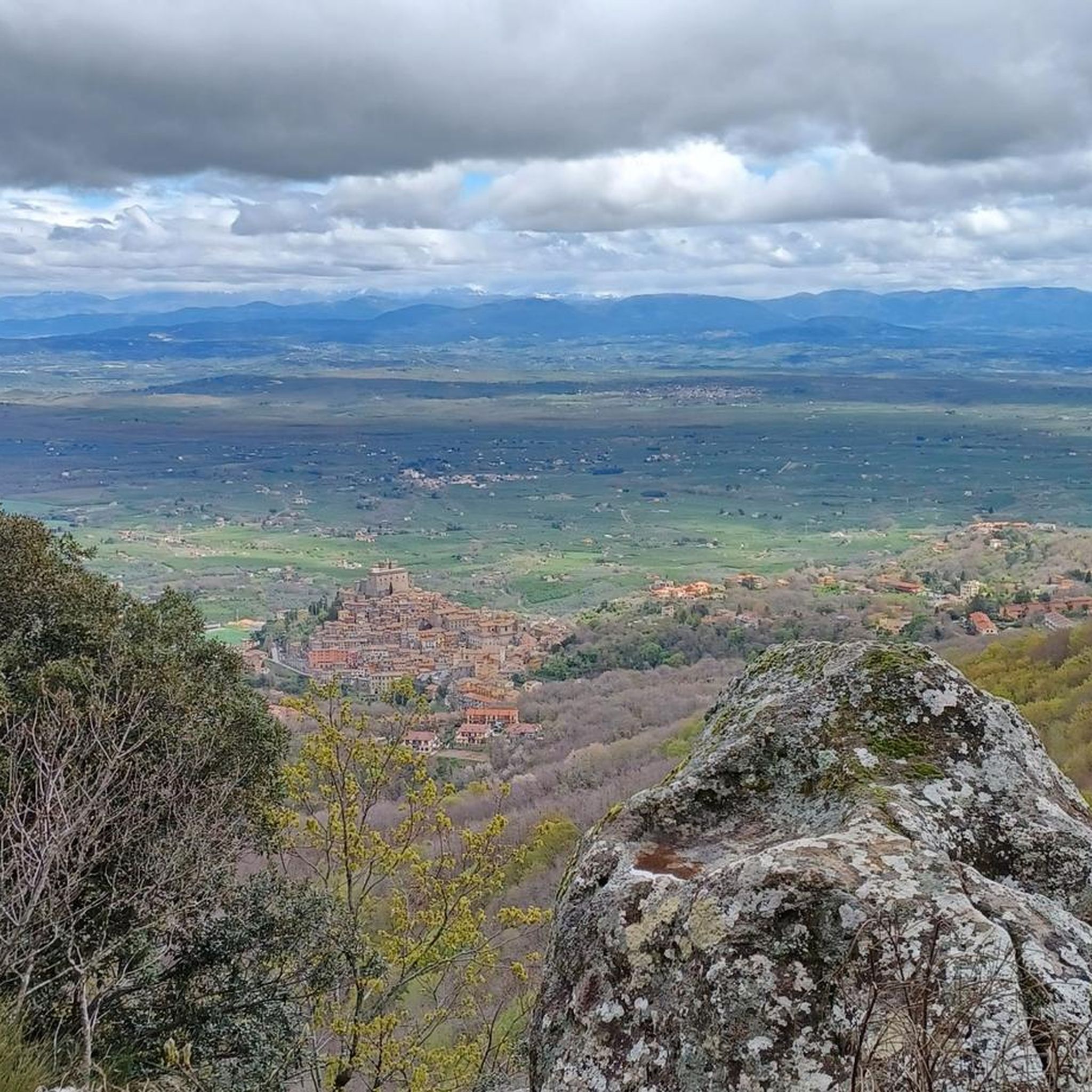
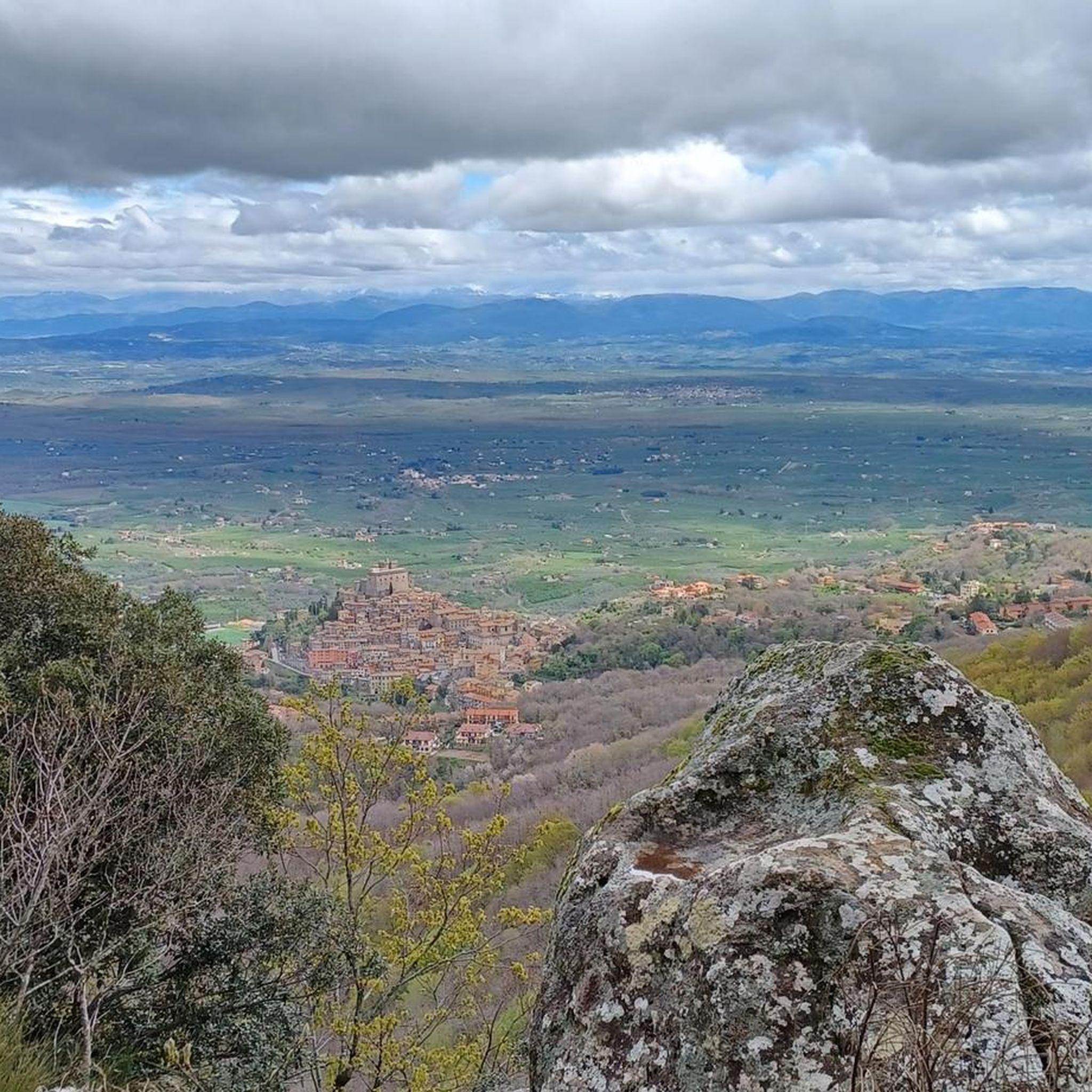
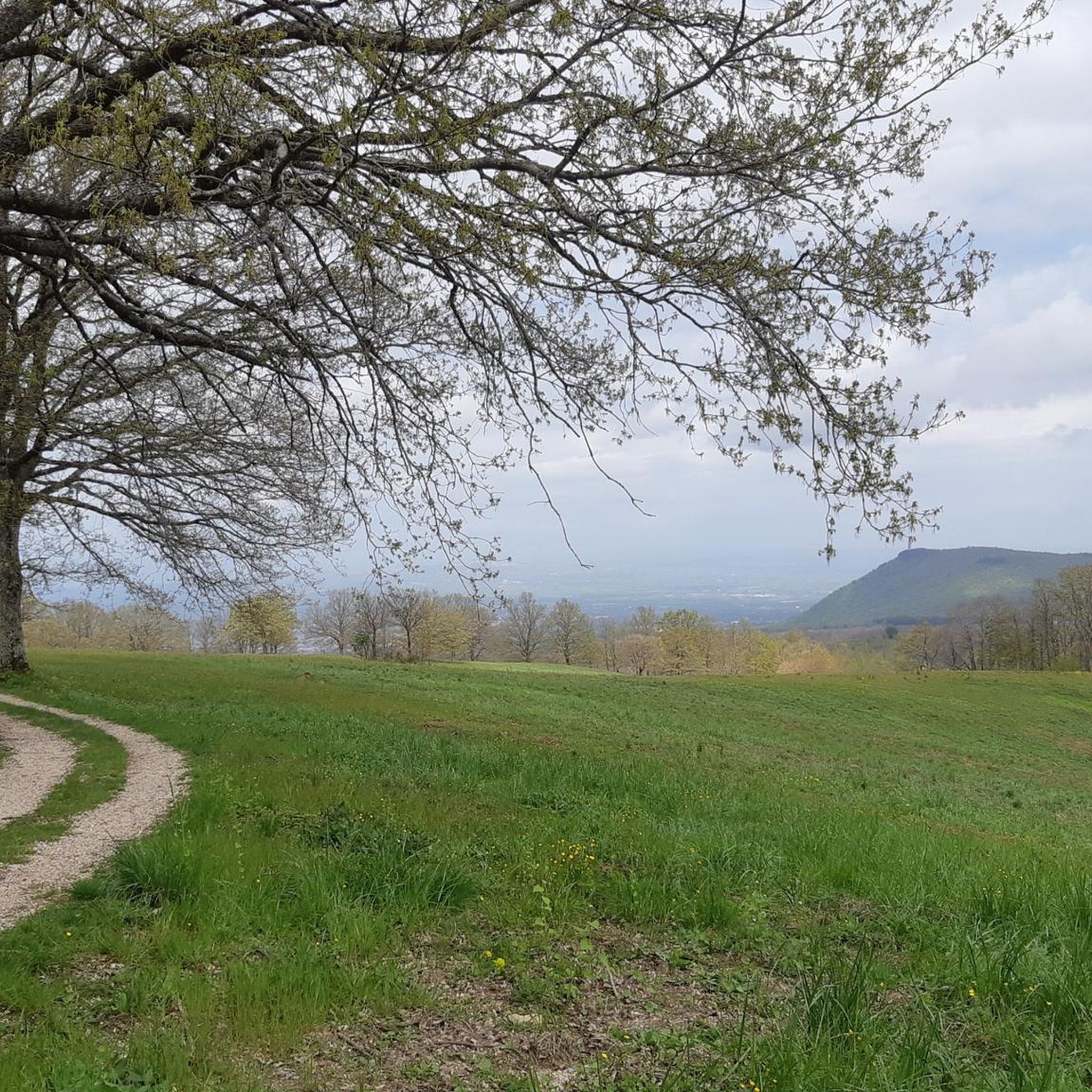
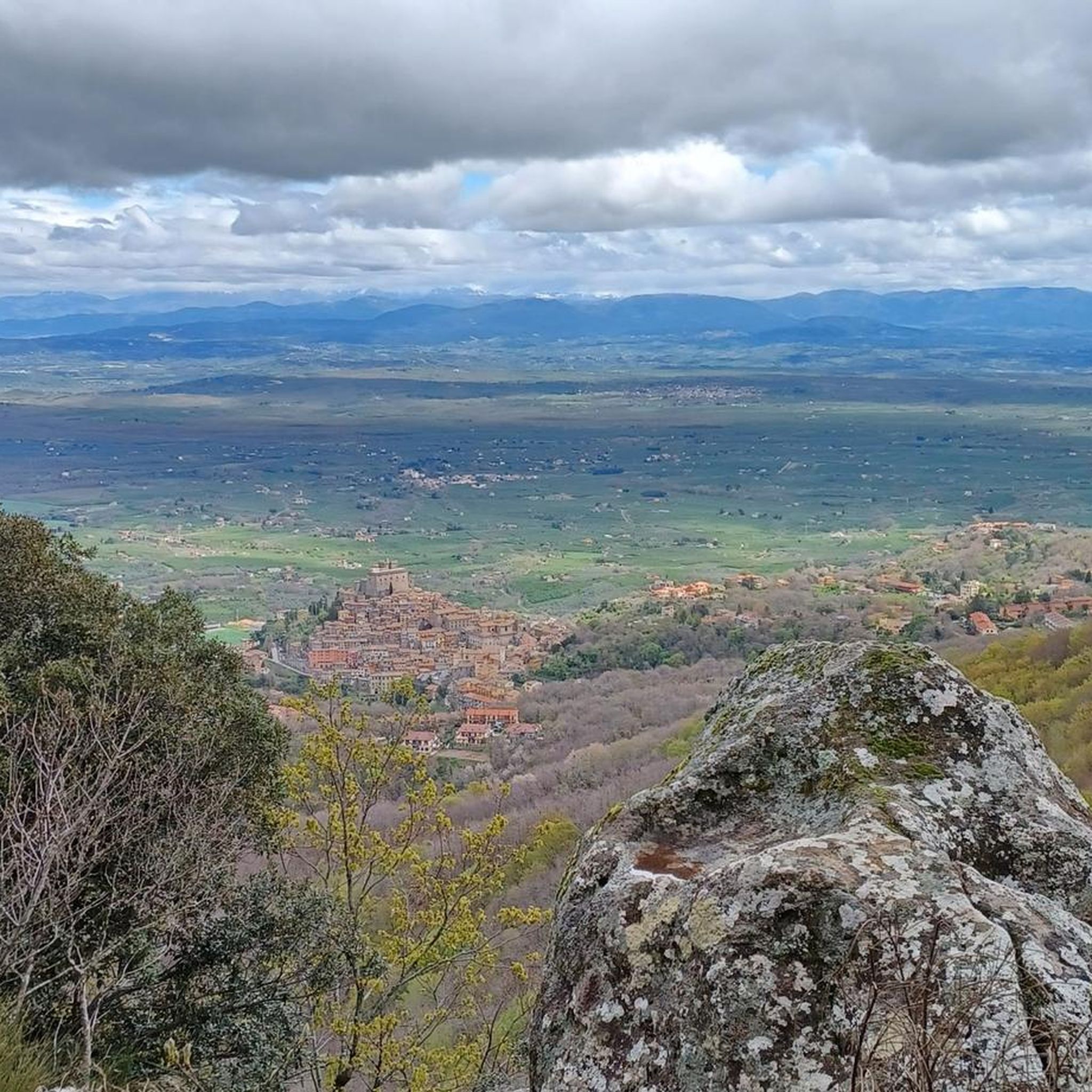
Best canyons around Canepina are found in the surrounding Monti Cimini region, characterized by volcanic terrain and deep gorges carved into tuff rock. This area is known for its natural monuments and archaeological sites, offering insights into Faliscan, Etruscan, and Roman history. The landscape features impressive rock formations, ancient hollowed paths, and historical settlements. Exploring these natural features provides opportunities to experience both geological formations and historical pathways.
Best canyons around Canepina
- The most popular canyons is Corchiano Historic Village…
Last updated: August 23, 2026
Corchiano Historic Village and Gorges
Highlight • Settlement
Translated by Google •
Tip by

Etruscan cut - road carved into the rock
Highlight • Historical Site
Translated by Google •
Tip by

Sign up now to discover places like this
Get recommendations on the best single tracks, peaks, & plenty of other exciting outdoor places.
Sign up for free
Tagliata di Santo Antonio
Highlight • Gorge
Translated by Google •
Tip by

Vie Cave of Corchiano
Highlight • Natural Monument
Translated by Google •
Tip by

Channel Carved in the Rock
Highlight • Structure
Showing Translation
Tip by

Sign up for free to discover even more gorges around Canepina.
Sign up for free
Already have an account?
Start today with a free account
Your next adventure awaits.
Login or Signup

Tips from the Community

From this point on, it was difficult for me to continue on my MTB; I continued on foot to the stream. Since there was a lot of water and it was impossible to continue, we turned back.
0
0

The Signorino road, of Etruscan origin, is a deep underground passage carved into the tuff that connects the Signorino district (named after a 15th-century family) to Porta Faul. It winds between high tuff walls that reach 12 meters at their highest points. It is also known as Cava S. Antonio (St. Anthony's Cave) after a shrine dedicated to the saint located on one of its walls. Along the road there is a cave called the Devil 's Cave , and some legends tell of strange nocturnal processions of Lucumoni (ancient Etruscan priests). For this reason, especially during the Middle Ages, crosses were carved on the tuff walls to protect travelers from the devil. The shrine dedicated to St. Anthony may have served this purpose.
0
0
The Signorino road, of Etruscan origin, is a deep underground passage carved into the tuff that connects the Signorino district (named after a 15th-century family) to Porta Faul. It winds between high tuff walls that reach 12 meters at their highest points. It is also known as Cava S. Antonio (St. Anthony's Cave) after a shrine dedicated to the saint located on one of its walls. Along the road there is a cave called the Devil 's Cave , and some legends tell of strange nocturnal processions of Lucumoni (ancient Etruscan priests). For this reason, especially during the Middle Ages, crosses were carved on the tuff walls to protect travelers from the devil. The shrine dedicated to St. Anthony may have served this purpose.
0
0

The Tagliata Etrusca is one of the most fascinating passages connecting the historic center of Viterbo with the surrounding countryside. It is an ancient road carved directly into the tuff, a typical Etruscan work, striking for its imposing vertical walls and the evocative atmosphere that permeates the landscape. Leaving from Porta Faul, the Tagliata leads out of the city along a route that was once a transit route and is now frequented by wayfarers, pilgrims, and the curious. It is a place that combines nature, history, and archaeology, offering visitors a journey back in time to the most ancient roots of Tuscia.
1
0

A beautifully constructed path through the tuff rock. Very impressive and interesting.
1
0

Walking along via S. Egidio, you will find the beginning of this short but very suggestive path inside a "via cava" (roads dug through the tuff that connected the bottom of the valley with the territories above and, in other areas, were also used to drain excess water from agricultural land). This via cava is full of caves dug directly into the tuff, probably used as stables or cellars to store wine or food.
0
0
Corchiano is a small town in the province of Viterbo, apparently similar to many others, a little modest... and yet, it has become famous for some events, such as the infiorata, which is held at the end of May and sees the entire town involved in decorating a good part of the streets of the town with flower petals, colored sawdust, coffee grounds and in general any material that can be colored and applied in designs of great beauty. Then, in December, the living nativity scene takes place in a natural setting of great suggestion, finally, the exploration on foot of the ravines should not be overlooked, a true natural monument and archaeological site of great interest... in short, a place that is worth visiting. The difficulty in walking the paths, all equipped, is generally T (tourist) and suitable for all age levels.
1
0

Path carved into the tuff that connects the Signorino district (named after a 15th century family) to Porta Faul
2
0
Frequently Asked Questions
What makes the canyons around Canepina unique?
The canyons around Canepina, particularly the Forre di Corchiano, are unique due to their volcanic origin, featuring impressive high tuff walls carved by rivers like the Rio Fratta. They are not only geological wonders but also significant archaeological sites, preserving evidence of human settlement from the Stone Age through Faliscan, Etruscan, and Roman periods. This blend of dramatic natural scenery and rich history makes them a natural monument unique in Europe.
What historical and archaeological sites can be found in the canyons near Canepina?
The canyons are rich in history. You can explore prehistoric caves, Faliscan tombs carved into the rock, and ancient hollowed paths known as 'vie cave'. Notable sites include the Etruscan cut - road carved into the rock, which is an ancient road directly into the tuff, and the Vie Cave of Corchiano, which are ancient roads and caves dug into the tuff.
Are there any specific natural monuments or protected areas to visit?
Yes, the Forre di Corchiano is recognized as a natural monument and is part of the 250-hectare Natural Monument and WWF Oasis of Pian Sant'Angelo. This area protects the unique ecological environment influenced by the volcanic geology and deep gorges.
What kind of geological features characterize the canyons in this region?
The canyons are primarily characterized by their volcanic geology. They feature deep cuts into the geological strata, with towering tuff (volcanic rock) walls. These formations were created by erosion from rivers, resulting in dramatic landscapes with wild greenery amidst the high rock faces.
Are there family-friendly hiking options in the canyons near Canepina?
Yes, several areas offer family-friendly options. The Corchiano Historic Village and Gorges are suitable for various age levels, with paths generally rated as tourist difficulty. The Carchiano Gorges also offer a suggestive, family-friendly route that includes a picnic area.
What are some notable trails or paths to explore in the canyons?
You can explore ancient hollowed paths and trails carved into the tuff. The Etruscan cut - road carved into the rock offers an impressive passage with vertical walls. Another notable path is the Tagliata di Santo Antonio, a beautifully constructed path through the tuff rock, connecting the Signorino district to Porta Faul.
What outdoor activities can I do near the canyons around Canepina?
Beyond exploring the canyons, the region offers various outdoor activities. You can find numerous routes for gravel biking, running, and cycling in the surrounding Monti Cimini area, which features densely wooded areas and volcanic terrain.
Are there opportunities for wild swimming in the canyons?
While the Carchiano Gorges are crossed by a river, specific designated wild swimming spots are not explicitly mentioned in the available information. It's advisable to check local regulations and safety conditions before attempting any wild swimming.
What is the best time to visit the canyons near Canepina?
The region's natural beauty can be enjoyed across seasons. For comfortable hiking and exploring, spring and autumn generally offer pleasant temperatures. The Forre di Corchiano also hosts a suggestive Living Nativity Scene every Christmas, offering a unique winter experience.
Are dogs allowed on the trails in the canyons?
The available information does not explicitly state restrictions on dogs for all trails. However, as a general rule for natural areas, it's recommended to keep dogs on a leash and ensure you clean up after them to preserve the natural environment and respect other visitors.
Where can I find parking when visiting the canyons?
For the Forre di Corchiano, parking is typically available near the historic village of Corchiano, which serves as a gateway to the gorges. For other specific trails, it's best to check local signage or trailheads for designated parking areas.
Are there any cultural events held in the canyons?
Yes, the evocative natural setting of the Forre di Corchiano serves as the backdrop for significant local events, such as the suggestive Living Nativity Scene staged every Christmas, which draws many visitors to the area.
Most popular attractions around Canepina

Get inspired with the komoot mobile app


Explore more
Already discovered everything in this region? See additional gorges around Canepina for your next adventure:
