Top 7 Castles around Tarquinia
Best castles around Tarquinia are found within a historic town in central Italy, known for its Etruscan heritage and medieval center. The area features historical fortifications and prominent medieval towers, reflecting its past as a strategic settlement. These structures offer insight into Tarquinia's defensive systems and architectural history. Exploring these sites provides a tangible connection to the region's medieval period.
Best castles around Tarquinia
- The most popular castles is Fort Michelangelo, a castle that is an imposing 16th-century fortification…
Last updated: August 23, 2026
Fort Michelangelo
Highlight • Castle
Translated by Google •
Tip by

Frangipane Fortress of Tolfa
Highlight • Castle
Translated by Google •
Tip by

Sign up now to discover places like this
Get recommendations on the best single tracks, peaks, & plenty of other exciting outdoor places.
Sign up for free
Belvedere della Ripa
Highlight • Viewpoint
Translated by Google •
Tip by

Castello dell'Abbadia di Vulci
Highlight • Castle
Translated by Google •
Tip by

Tolfa Castle and Panoramic Views
Highlight • Castle
Translated by Google •
Tip by

Sign up for free to discover even more castles around Tarquinia.
Sign up for free
Already have an account?
Start today with a free account
Your next adventure awaits.
Login or Signup

Tips from the Community

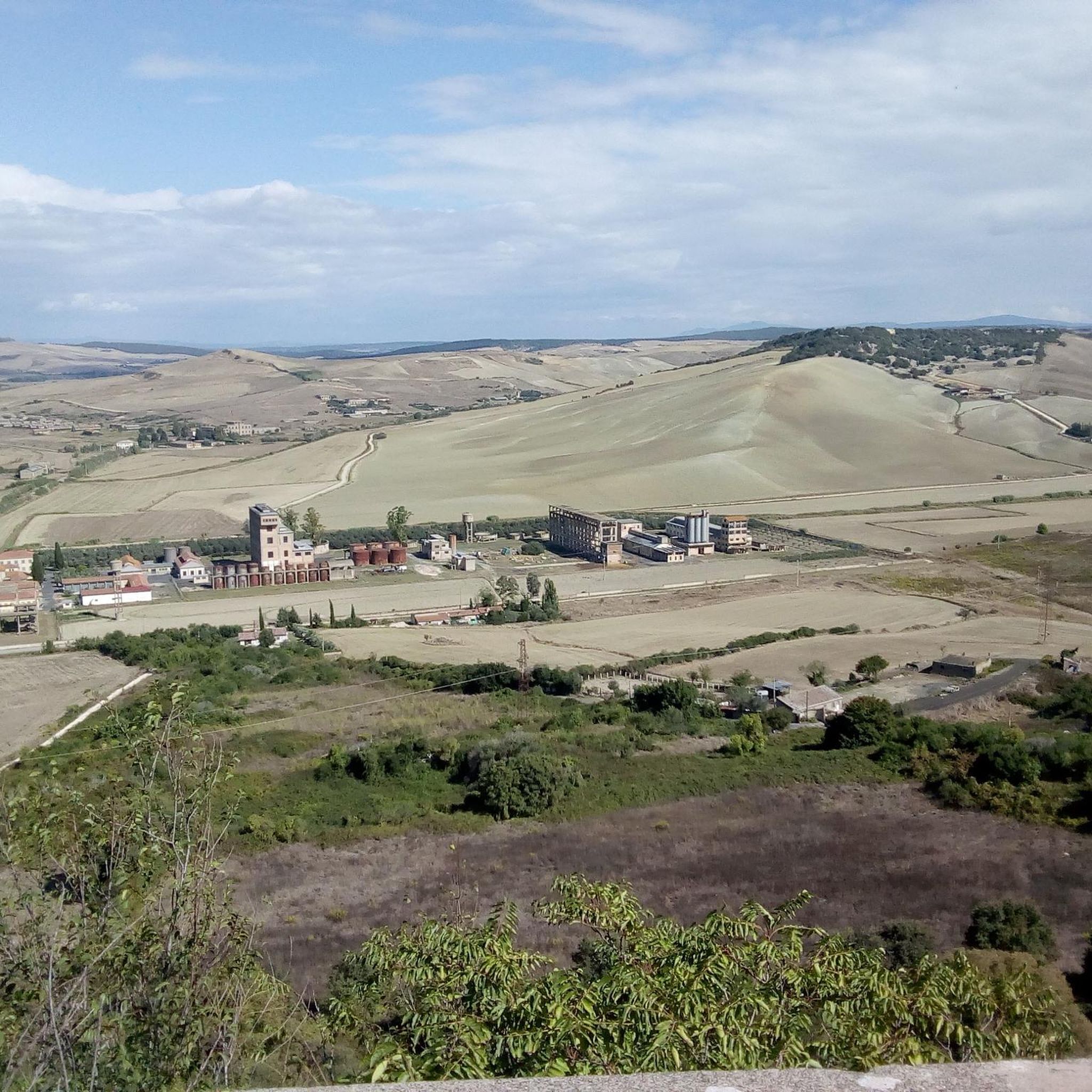
Panoramic viewpoint on the hills adjacent to the city of Tarquinia
0
0

🥴 Look to the left of the image, how awful! 5 cruise ships
0
0

Can only be viewed from the outside
0
0
This fortress, located directly on the harbor, is a 16th-century landmark. It can only be viewed from the outside. The fortress has been involved in numerous battles. It suffered severe damage during World War II but was later restored. It currently serves as the headquarters of the harbor authority. The fortress itself was completed in 1535. Its floor plan is rectangular, with sides measuring 100 by 82 meters. There are circular towers at the corners.
1
0

Coffee break and terrace landscape.
0
0

Imposing fortifications at the port. Here is the cruise terminal - so this viewing point is unmissable for seafaring tourists. The fort itself is not free to enter.
7
0

The Castello dell'Abbadia di Vulci was built in the 3rd century BC. to protect a bridge over the Fiora river built by the Romans on the pre-existing foundations of another bridge of the Etruscan people. Walking is an experience that crosses centuries of history.
1
0
Frequently Asked Questions
What kind of 'castles' can I expect to see around Tarquinia?
Tarquinia is known more for its historical fortifications, prominent medieval towers, and well-preserved town walls rather than grand, standalone castles. These structures, such as the Fort Michelangelo and the medieval towers within Tarquinia's historic center, offer a glimpse into its past as a strategic and defended settlement. You'll find impressive defensive systems and architectural features that tell the story of the town's medieval period.
Are there any specific medieval towers or fortifications worth visiting in Tarquinia's historic center?
Yes, within Tarquinia's historic center, the Town Walls and Defensive System are notable, showcasing two distinct phases of construction from the 9th to 12th centuries. The Torre di Matilde di Canossa (Matilda of Canossa Tower) is a significant landmark with a circular layout, offering panoramic views from its top. Other incorporated towers like Torre Cialdi also contribute to the town's medieval skyline.
What are some of the most popular fortified sites near Tarquinia?
Beyond Tarquinia's own fortifications, visitors often enjoy Fort Michelangelo, an imposing 16th-century fortification at the port. Another popular spot is Frangipane Fortress of Tolfa, which offers panoramic views from its square. The settlement of Tuscania also features visible medieval architecture.
Are there family-friendly activities related to the fortifications in Tarquinia?
Exploring Tarquinia's medieval town walls and climbing towers like the Torre di Matilde di Canossa can be a thrilling experience for families, offering historical insight and breathtaking views. The town of Tuscania is also considered family-friendly, with its mix of historical periods to explore.
What outdoor activities can I do near these historical sites?
The area around Tarquinia offers various outdoor activities. You can find numerous running trails, road cycling routes, and hiking paths. For instance, there's a 'Ring tour from Tarquinia to Pian di Civita passing through the Etruscan Necropolis' for hiking, or a 'Tarquinia and Tuscania, in the cradle of the Etruscans' route for road cycling. You can explore more options on the hiking guide, road cycling guide, or running guide for Tarquinia.
Are there hiking trails that incorporate Tarquinia's medieval walls or fortifications?
Yes, you can find walking routes that allow you to explore Tarquinia's medieval town walls and fortifications. These trails offer a deeper understanding of the town's strategic importance and its historical boundaries. For specific routes, check the hiking guide for Tarquinia.
What is the best time of year to visit the fortifications around Tarquinia?
The best time to visit Tarquinia and its fortifications is generally during the spring (April-June) and autumn (September-October) months. The weather is typically mild and pleasant for exploring on foot, offering comfortable conditions for climbing towers and walking along the town walls. Summers can be hot, while winters are cooler but still offer a unique, less crowded experience.
Are there any viewpoints offering scenic vistas of Tarquinia and its surroundings?
Absolutely. The Belvedere della Ripa offers breathtaking views of Tarquinia and the surrounding Lazio expanses. Additionally, climbing the Torre di Matilde di Canossa provides panoramic views of the countryside and the town itself, highlighting its strategic position.
Can I visit the Church of Santa Maria in Castello, which is related to Tarquinia's fortified past?
Yes, the Church of Santa Maria in Castello is a crucial site for understanding Tarquinia's fortified history. Located in the oldest area of Tarquinia, Castrum Corgnetum, this Romanesque church was once the town's cathedral. Its proximity to Porta Castello and the Matilde di Canossa Tower underscores its historical importance within the fortified section. It offers an authentic jump into the past, showcasing medieval religious and architectural history.
Is <a href="https://www.komoot.com/highlight/4842831" target="_blank" rel="noopener">Castello dell'Abbadia di Vulci</a> worth visiting, and what is its historical significance?
Yes, Castello dell'Abbadia di Vulci is worth visiting. Built in the 3rd century BC, it was originally constructed to protect a bridge over the Fiora river. This bridge itself was built by the Romans on the foundations of an even older Etruscan bridge. Visiting this site is an experience that allows you to walk through centuries of history, connecting Etruscan, Roman, and medieval periods.
What do visitors enjoy most about the fortifications and medieval sites around Tarquinia?
Visitors particularly enjoy the tangible connection to Tarquinia's medieval period that these sites provide. The ability to explore ancient town walls, climb towers for panoramic views, and witness the evolution of urban defense systems is highly appreciated. The historical context and the blend of Etruscan and medieval heritage make for a rich and immersive experience.
Are there any dog-friendly options for visiting Tarquinia's medieval town and fortifications?
While specific access rules for individual towers or indoor sections of fortifications may vary, exploring the medieval town of Tarquinia and walking along its external walls is generally dog-friendly. Many outdoor areas and walking routes around Tarquinia, including some hiking trails, welcome dogs. It's always advisable to keep dogs on a leash and check local signage for any restrictions.
Most popular routes around Tarquinia
Most popular attractions around Tarquinia

Get inspired with the komoot mobile app


Explore more
Looking for the best castles somewhere else? Discover other guides around Tarquinia:
