Top 8 Caves around Caprarola
Best caves around Caprarola are found in a region characterized by volcanic landscapes and historical human activity. Caprarola, located in Italy's Lazio region, offers a diverse range of subterranean sites. These include natural geological formations and ancient human-made excavations. The area is known for its connection to Lake Vico and the Monti Cimini, providing a unique blend of natural and historical exploration opportunities.
Best caves around Caprarola
- The most popular caves is Sutri Etruscan Necropolis, a historical site featuring…
Last updated: June 29, 2026
Devil’s Well Cave (Monte Venere)
Highlight • Cave
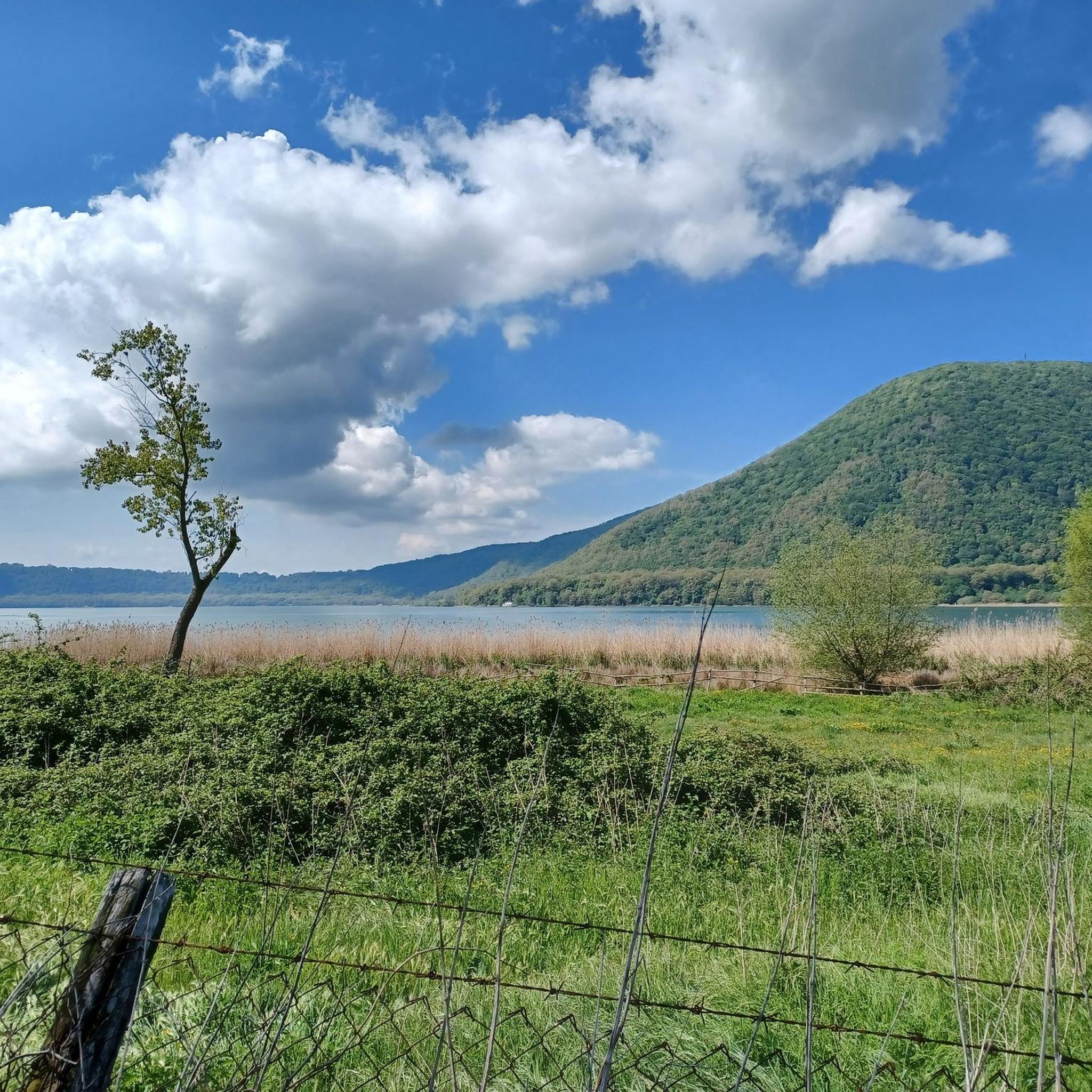
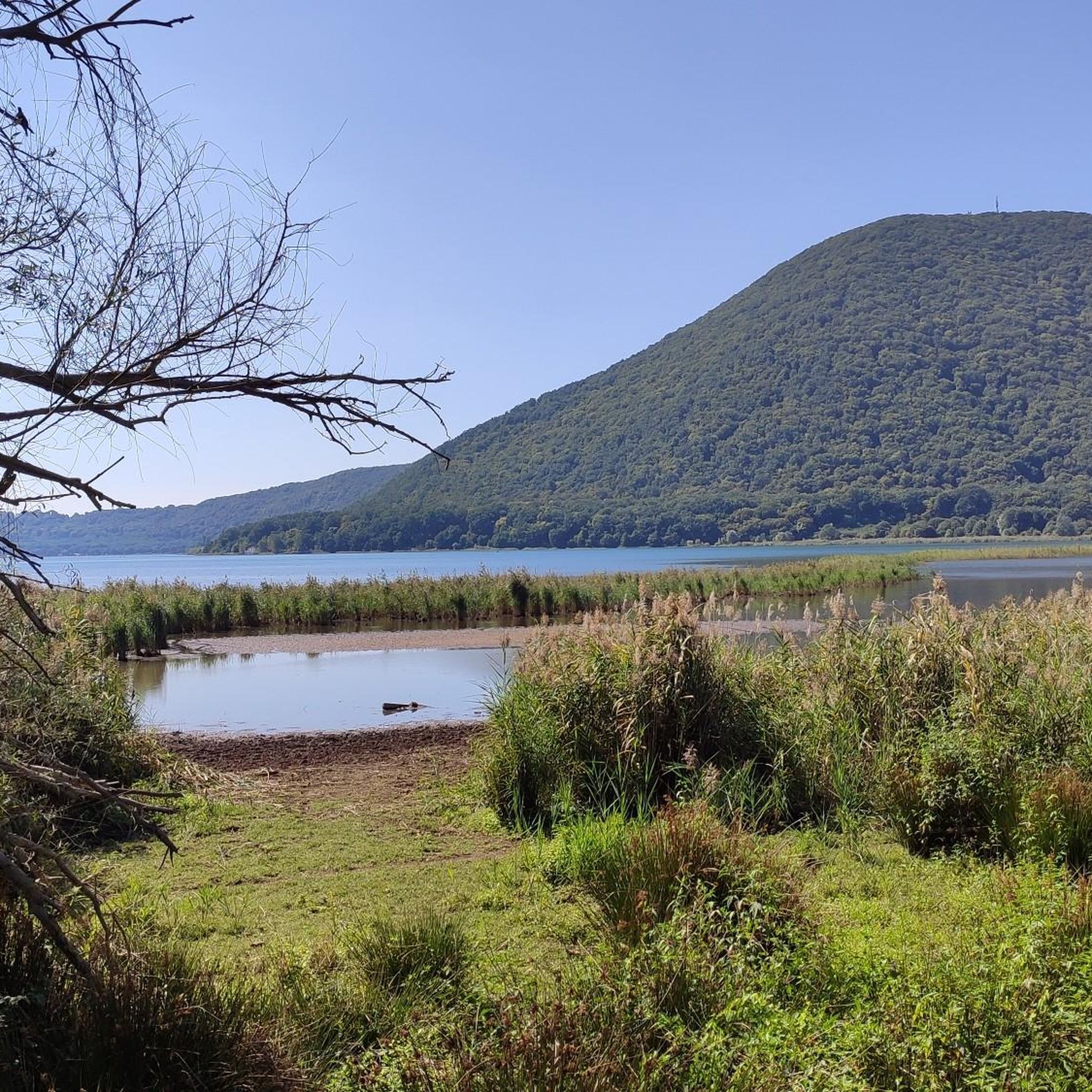
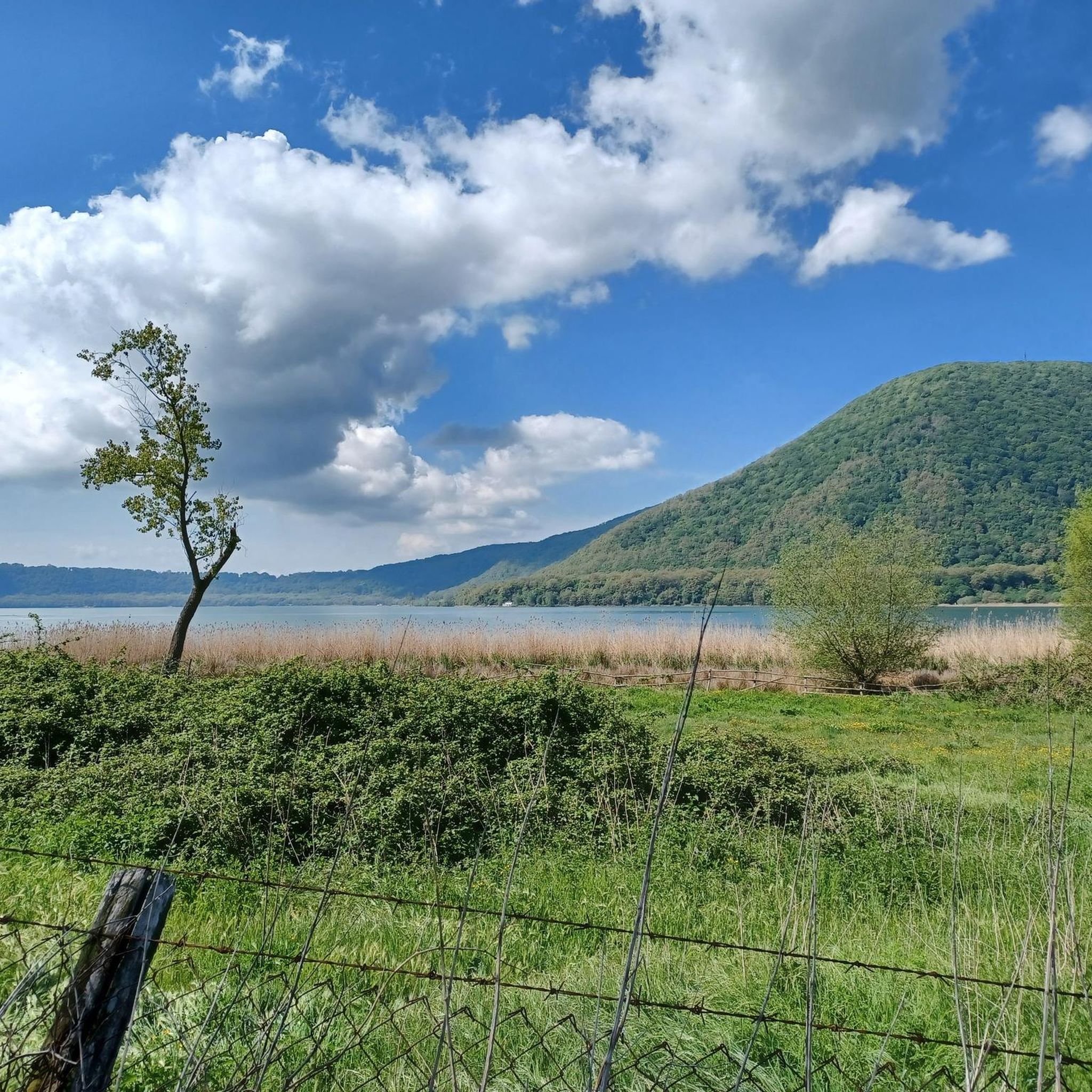
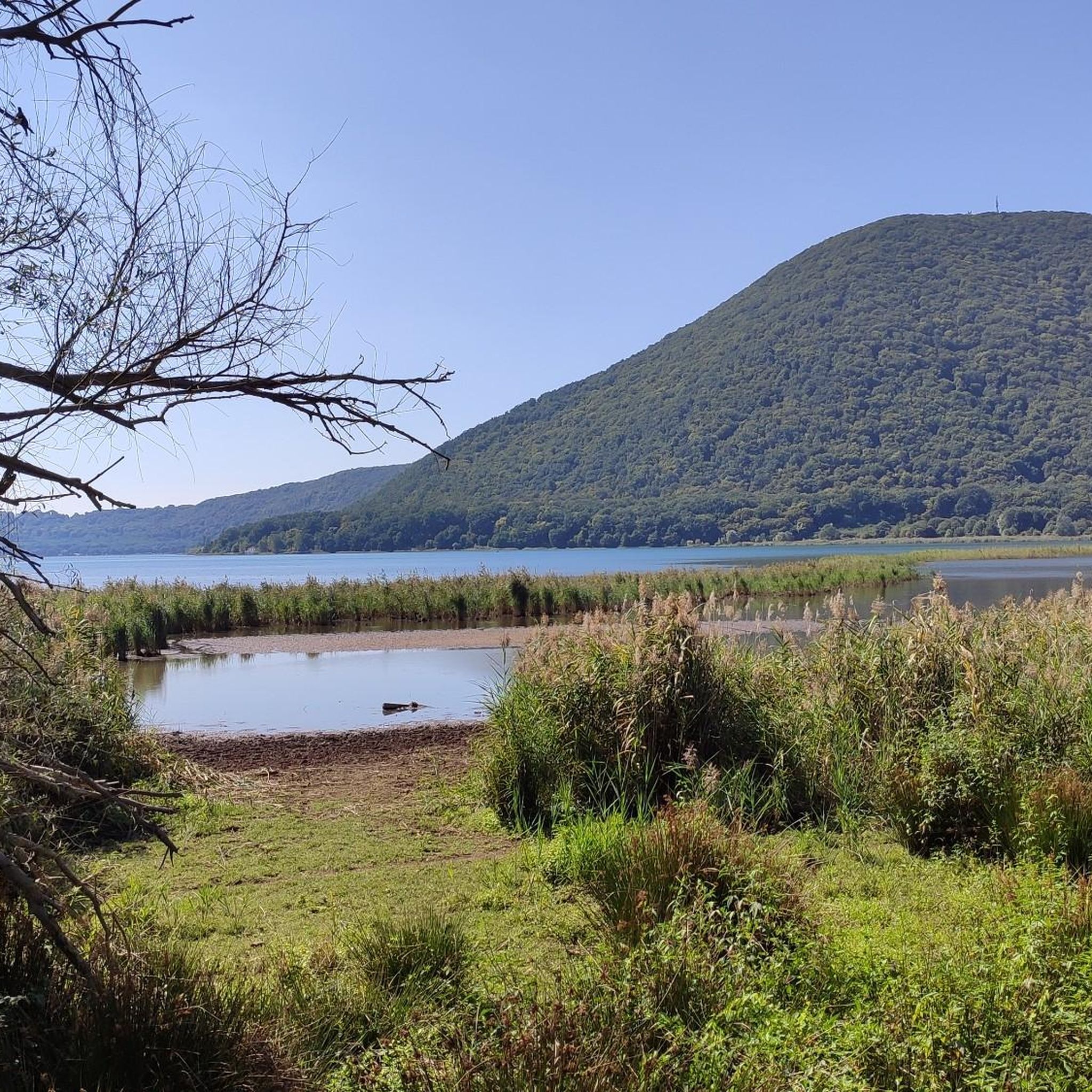
It is a mountain of volcanic origin that reaches a height of 835 m asl.
Translated by Google •
Tip by

Church of Madonna del Parto (Mithraeum of Sutri)
Highlight • Religious Site
Translated by Google •
Tip by

Sign up now to discover places like this
Get recommendations on the best single tracks, peaks, & plenty of other exciting outdoor places.
Sign up for free
Vie Cave of Corchiano
Highlight • Natural Monument
Translated by Google •
Tip by
Tomb of the Stag (Tomba del Cervo)
Highlight • Historical Site
Translated by Google •
Tip by

Sutri Etruscan Necropolis
Highlight • Historical Site
They are a testimony of the past and it is possible to visit them following a well-signposted archaeological route
Translated by Google •
Tip by

Sign up for free to discover even more caves around Caprarola.
Sign up for free
Already have an account?
Start today with a free account
Your next adventure awaits.
Login or Signup

Tips from the Community

Following this path, just before reaching the devil's well, it is not clear where to go, the path disappears and also the white and red signs. We had to go a bit by intuition and take a very steep climb in the woods to get there. Once we reach the well, the path continues easily until the end.
0
1

Be careful not to lean out!
0
0

Walking along via S. Egidio, you will find the beginning of this short but very suggestive path inside a "via cava" (roads dug through the tuff that connected the bottom of the valley with the territories above and, in other areas, were also used to drain excess water from agricultural land). This via cava is full of caves dug directly into the tuff, probably used as stables or cellars to store wine or food.
0
0

The beautiful Sutri
0
0

The Chiesa della Madonna del Parto in Sutri is a unique church carved entirely out of tuff stone. Dating from the 13th-14th centuries, this church was originally a Mithraeum, a temple dedicated to the Eastern god Mithras, from the 3rd century. The church has a square vestibule with frescoes depicting the Madonna and Saints, San Cristoforo and events related to the life of San Michele del Gargano. The main space is divided by tuff pillars into three naves. The church is now an important part of the urban park of the ancient city of Sutri.
2
0

it was born as a temple and then as a church
4
0

Ancient Church. Was previously a temple of the Mithraic cult. You can even see the gutter through which the blood of the bull victims drained
2
0

Please don't enter into the cavity "Pozzo del Diavolo". It's a shelter for bats and people inside could create noise that disturbes colonies. It is also dangerous to enter: we must report several accidents occourred in this point. Download the official guide to the Vico Lake Nature Reserve at http://www.parchilazio.it/vico-pubblicazioni-413-guida_ufficiale_della_riserva_naturale_lago_di_vico
2
0
Frequently Asked Questions
What types of caves can I explore around Caprarola?
The Caprarola region offers a diverse range of subterranean sites. You can explore natural geological formations like the unique volcanic Devil’s Well Cave (Monte Venere), as well as ancient historical sites and man-made excavations. These include Etruscan necropolises with tufa caves and large quarries carved out for construction, such as the Cave Farnesiane.
Are there any historical or archaeological caves to visit near Caprarola?
Yes, the area is rich in historical and archaeological sites. The Sutri Etruscan Necropolis features tufa caves that are part of an archaeological park. Another significant site is the Tomb of the Stag (Tomba del Cervo) within the necropolis of San Giuliano, known for its monumental dimensions and an ancient engraving of a wolf attacking a deer.
Can I visit a volcanic cave in the Caprarola area?
Absolutely. The Devil’s Well Cave (Monte Venere) is the only known volcanic cave in Italy's Lazio region. Located above Lake Vico, it's approximately 10 meters deep and 40 meters long, offering a unique geological experience. Archaeological finds from the 5th and 4th centuries B.C. were also discovered here.
What are the Cave Farnesiane and how can I visit them?
The Cave Farnesiane, including Grotta di Marzecca and Grotta Giocarelli, are large man-made excavations near Caprarola. They were created in the 16th century to extract material for the construction of the impressive Palazzo Farnese. These 'stripped and decaying cathedrals' offer a fascinating insight into the scale of historical human enterprise. While they are freely accessible, their exact access points might require local inquiry as they are less formally managed than other sites.
Are there any caves near Caprarola that were once religious sites?
Yes, the Church of Madonna del Parto (Mithraeum of Sutri) is a unique church carved entirely out of tuff stone. Dating from the 13th-14th centuries, it was originally a Mithraeum, a temple dedicated to the Eastern god Mithras from the 3rd century. You can still see features like the gutter through which blood of bull victims drained.
What kind of hiking trails are available near the caves around Caprarola?
The area around Caprarola offers various hiking opportunities. For example, near the Devil’s Well Cave, you can find routes like the 'Devil’s Well Cave loop from Riserva Naturale Regionale Lago di Vico' (moderate, 7.38 km) or an easier 'Devil’s Well Cave loop from ZSC Monte Venere' (easy, 4.58 km). You can find more hiking options in the Hiking around Caprarola guide.
Are there any unique 'hollow roads' or ancient pathways to explore?
Yes, the Vie Cave of Corchiano are a natural monument featuring ancient 'hollow roads' (vie cave). These are vertical cuts dug through the tuff by ancient civilizations, connecting valleys with higher territories. Many of these pathways also contain caves dug directly into the tuff, likely used as stables or cellars.
What should I know about accessing the Devil’s Well Cave (Monte Venere)?
The Devil’s Well Cave is freely accessible and can be reached by a 40-minute walk from the picnic area near Fontana Canale. It's located on the southern slopes of Monte Venere, within a beautiful beech forest. However, it's important to note that entering the cavity is discouraged as it's a shelter for bats and can be dangerous, with several accidents reported. You can still appreciate its unique volcanic formation from the entrance.
Are there any family-friendly activities or caves suitable for children?
While specific 'family-friendly' categories aren't always assigned to caves, historical sites like the Sutri Etruscan Necropolis offer a well-signposted archaeological route that can be engaging for families. The sheer scale and history of the man-made Cave Farnesiane might also capture children's imaginations. Always consider the difficulty and safety warnings for any specific cave or trail.
What do visitors appreciate most about the caves around Caprarola?
Visitors often appreciate the unique blend of natural and historical exploration opportunities. The volcanic origin of the landscape, the ancient Etruscan sites, and the impressive man-made excavations like the Cave Farnesiane all contribute to a rich experience. The Devil’s Well Cave, in particular, is noted for its unique geological features and the surrounding beautiful beech forest.
Are there any running trails near the caves?
Yes, there are running trails in the vicinity. For instance, you can find routes like the 'Lake Vico – Monte Venere Beech Forest loop from Caprarola' (difficult, 15.26 km) which takes you through the natural beauty of the area. More options are available in the Running Trails around Caprarola guide.
Most popular attractions around Caprarola

Get inspired with the komoot mobile app


Explore more
Extend your search for the best caves by checking out these guides of the top ones around Caprarola:
