Top 14 Caves around Ronciglione
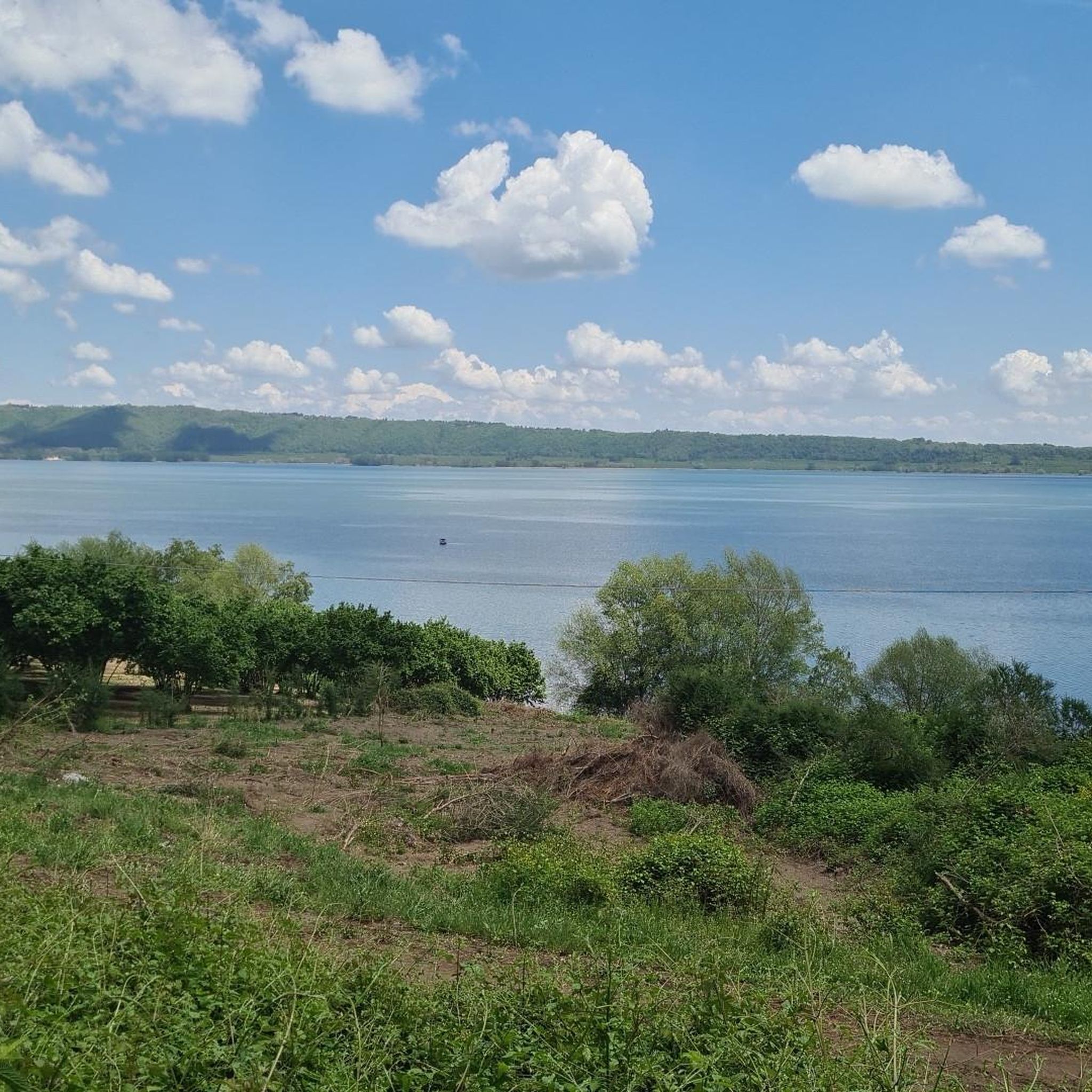
Best caves around Ronciglione are found in a region characterized by its volcanic origins and rich history, situated near the picturesque Lake Vico. The area features diverse natural landscapes, including volcanic mountains and ancient forests. This setting provides a unique backdrop for exploring various geological formations and historical sites. The caves in this vicinity offer insights into both natural processes and ancient civilizations.
Best caves around Ronciglione
- The most popular caves is Sutri Etruscan Necropolis, a historical site featuring…
Last updated: June 29, 2026
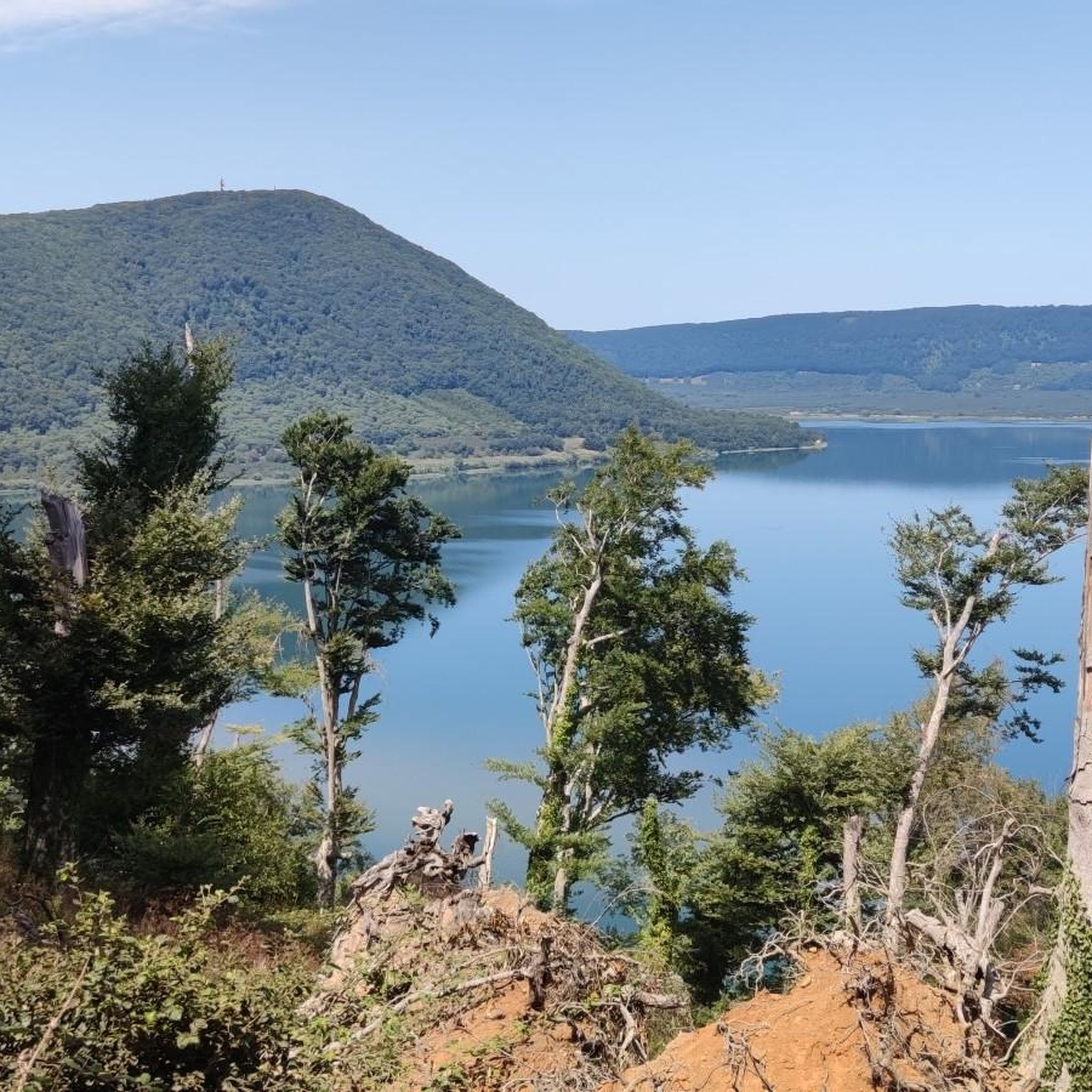
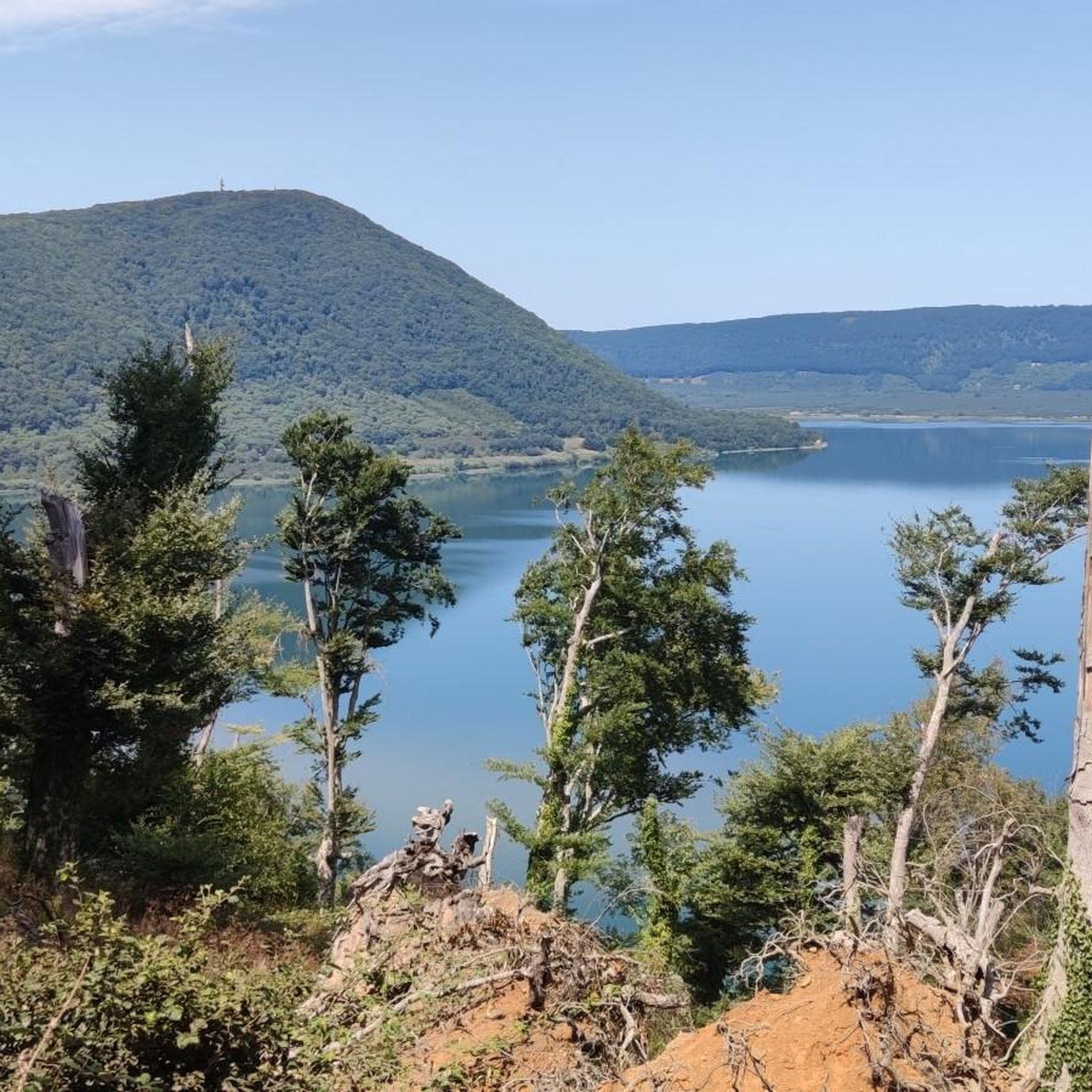
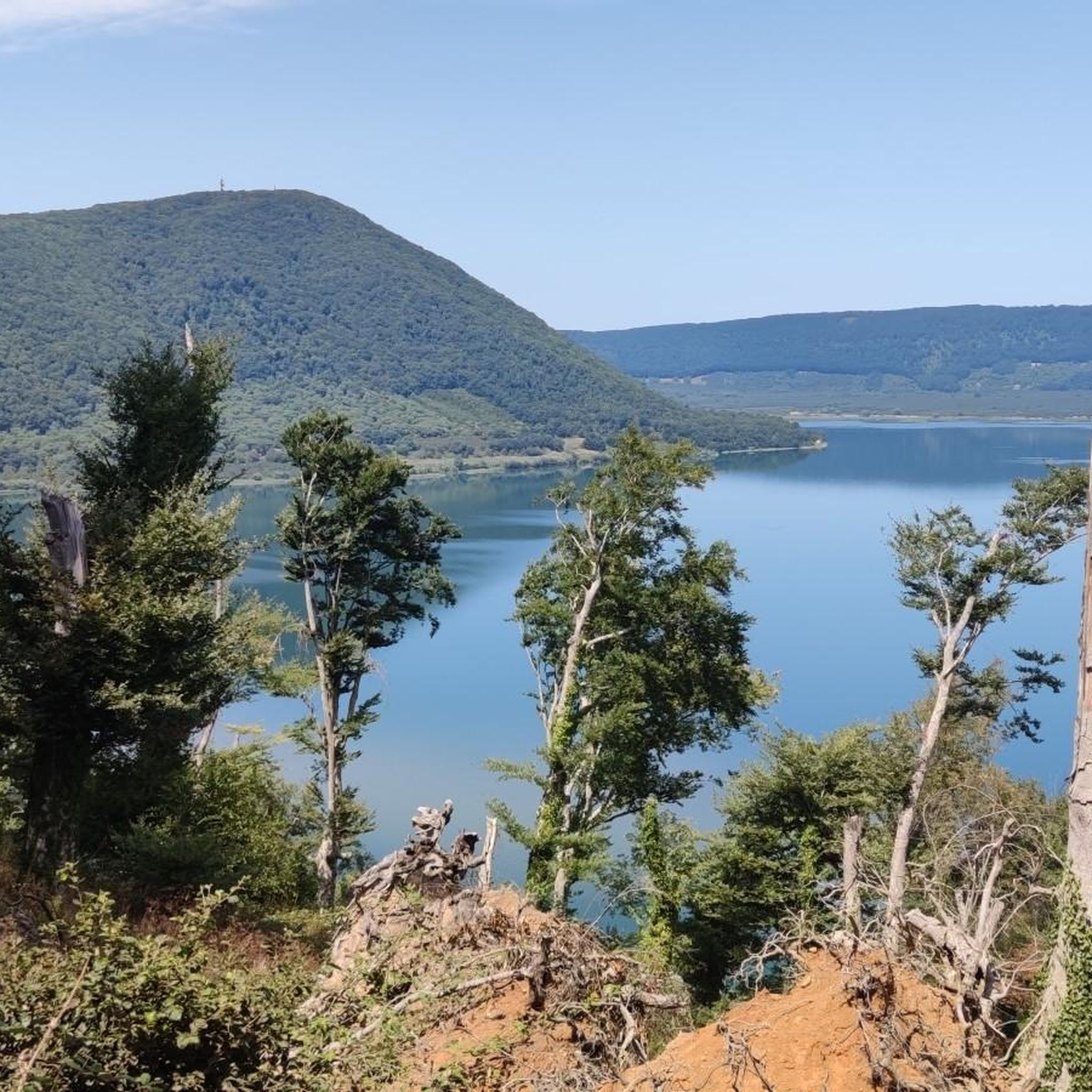
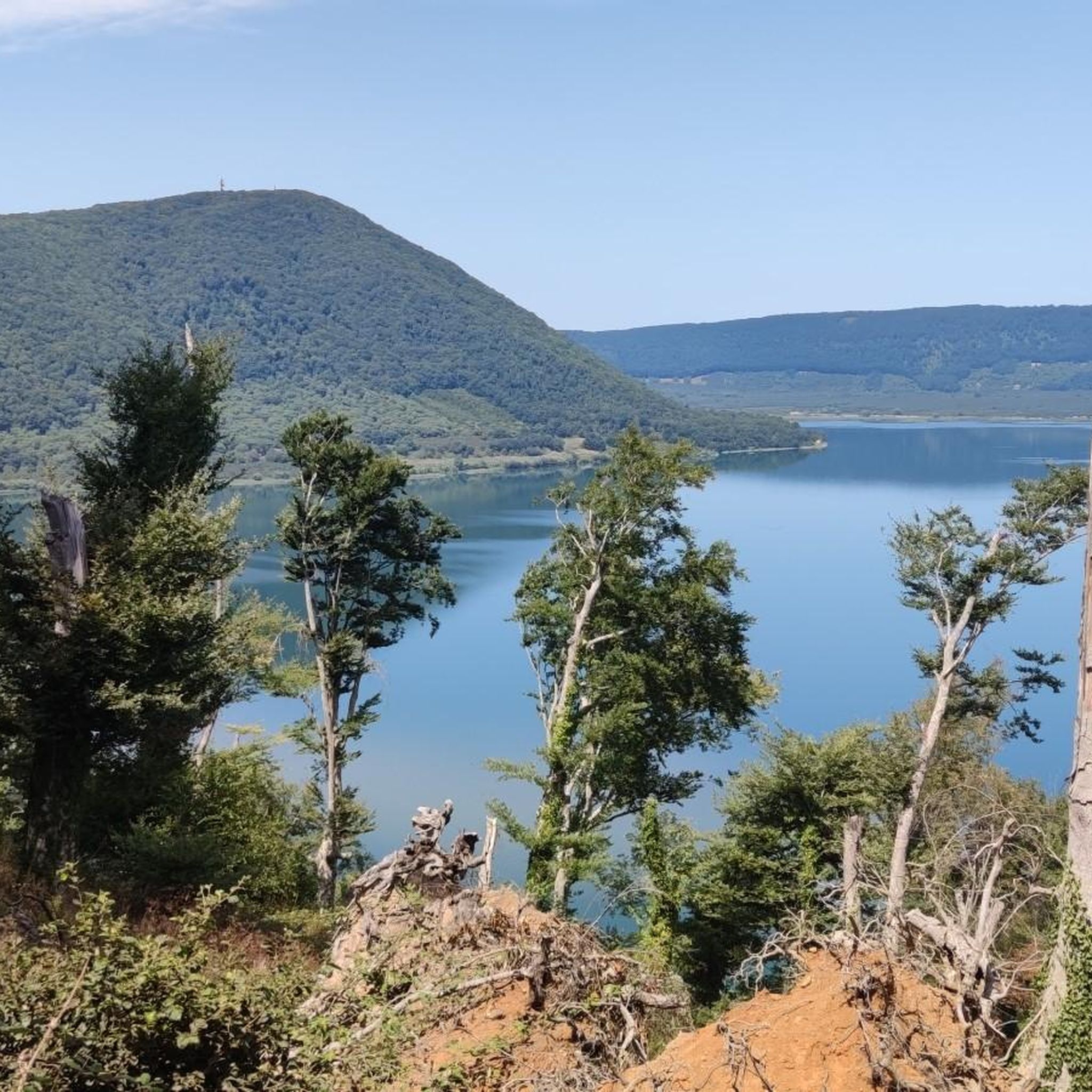
Devil’s Well Cave (Monte Venere)
Highlight • Cave
It is a mountain of volcanic origin that reaches a height of 835 m asl.
Translated by Google •
Tip by

Church of Madonna del Parto (Mithraeum of Sutri)
Highlight • Religious Site
Translated by Google •
Tip by

Sign up now to discover places like this
Get recommendations on the best single tracks, peaks, & plenty of other exciting outdoor places.
Sign up for free
Vie Cave of Corchiano
Highlight • Natural Monument
Translated by Google •
Tip by
Tomb of the Stag (Tomba del Cervo)
Highlight • Historical Site
Translated by Google •
Tip by

Sutri Etruscan Necropolis
Highlight • Historical Site
They are a testimony of the past and it is possible to visit them following a well-signposted archaeological route
Translated by Google •
Tip by

Sign up for free to discover even more caves around Ronciglione.
Sign up for free
Already have an account?
Start today with a free account
Your next adventure awaits.
Login or Signup

Tips from the Community

Following this path, just before reaching the devil's well, it is not clear where to go, the path disappears and also the white and red signs. We had to go a bit by intuition and take a very steep climb in the woods to get there. Once we reach the well, the path continues easily until the end.
0
1

Be careful not to lean out!
0
0

Walking along via S. Egidio, you will find the beginning of this short but very suggestive path inside a "via cava" (roads dug through the tuff that connected the bottom of the valley with the territories above and, in other areas, were also used to drain excess water from agricultural land). This via cava is full of caves dug directly into the tuff, probably used as stables or cellars to store wine or food.
0
0

The beautiful Sutri
0
0

The Chiesa della Madonna del Parto in Sutri is a unique church carved entirely out of tuff stone. Dating from the 13th-14th centuries, this church was originally a Mithraeum, a temple dedicated to the Eastern god Mithras, from the 3rd century. The church has a square vestibule with frescoes depicting the Madonna and Saints, San Cristoforo and events related to the life of San Michele del Gargano. The main space is divided by tuff pillars into three naves. The church is now an important part of the urban park of the ancient city of Sutri.
2
0

it was born as a temple and then as a church
4
0

Ancient Church. Was previously a temple of the Mithraic cult. You can even see the gutter through which the blood of the bull victims drained
2
0

Please don't enter into the cavity "Pozzo del Diavolo". It's a shelter for bats and people inside could create noise that disturbes colonies. It is also dangerous to enter: we must report several accidents occourred in this point. Download the official guide to the Vico Lake Nature Reserve at http://www.parchilazio.it/vico-pubblicazioni-413-guida_ufficiale_della_riserva_naturale_lago_di_vico
2
0
Frequently Asked Questions
What unique geological features can I find in the caves around Ronciglione?
The region around Ronciglione is known for its volcanic origins. You can explore unique formations like the Devil’s Well Cave (Monte Venere), which is the only known volcanic cave in Lazio. Additionally, many historical sites, such as the Sutri Etruscan Necropolis and the Vie Cave of Corchiano, feature caves carved into soft tufa rock.
Are there any historical or archaeological caves to explore near Ronciglione?
Yes, the area is rich in historical caves. The Sutri Etruscan Necropolis offers tufa caves as part of a well-signposted archaeological route. You can also visit the Tomb of the Stag (Tomba del Cervo) within the necropolis of San Giuliano, known for its ancient relief depiction. The Church of Madonna del Parto (Mithraeum of Sutri) is a unique church carved entirely out of tuff stone, originally a Mithraic temple.
What is the best time to visit the caves around Ronciglione?
Spring and autumn are generally the best times to visit. The weather is milder, making outdoor exploration and hiking to the cave entrances more comfortable. Summer can be hot, while winter might bring colder temperatures and potentially wet conditions, especially inside the caves.
Are the caves around Ronciglione family-friendly?
Many of the historical sites with caves, like the Sutri Etruscan Necropolis, are suitable for families, offering an educational and accessible experience. The Devil’s Well Cave (Monte Venere) is accessible via a well-worn path, though some climbing over boulders might be involved, which could be challenging for very young children.
What kind of trails lead to the caves, and what is their difficulty?
Trails leading to the caves vary. For instance, the Devil’s Well Cave (Monte Venere) is reached via a well-worn path, which can be rocky in places. The Sutri Etruscan Necropolis offers a well-signposted archaeological route that is generally easy to navigate. Some routes, like those around the Vie Cave of Corchiano, involve walking through ancient excavated paths.
Can I bring my dog to the caves or nearby trails?
Many outdoor areas and trails leading to the caves are dog-friendly, especially those in natural settings like Monte Venere or the paths around Lake Vico. However, specific rules might apply to archaeological sites or inside certain cave structures. It's always best to keep dogs on a leash and clean up after them.
What outdoor activities can I do near these caves?
The region offers a variety of outdoor activities. You can find numerous running trails, including loops around Lake Vico and Monte Venere. There are also excellent road cycling routes, such as the Lake Vico ring tour, and challenging MTB trails, particularly in the Monte Fogliano area.
How long does it typically take to explore the caves near Ronciglione?
The time required varies by site. Exploring a single cave like the Devil’s Well Cave (Monte Venere) might take less than an hour, not including the hike to get there. Larger archaeological complexes like the Sutri Etruscan Necropolis, which includes multiple tufa caves and other ruins, could easily take 2-3 hours to fully appreciate.
Are there any hidden or less-known caves worth discovering?
While the Devil’s Well Cave (Monte Venere) is well-known for its uniqueness, the region's volcanic landscape and ancient history suggest many smaller, less-documented tufa caves and rock-cut structures exist, especially along ancient routes like the Vie Cave of Corchiano. These often require more adventurous exploration.
What should I wear when visiting the caves?
Comfortable hiking shoes with good grip are essential, as paths can be uneven or rocky. Layers of clothing are advisable, as cave interiors can be cooler than the outside temperature. For some caves, a headlamp or flashlight can be useful, especially if you plan to venture deeper into less-lit sections.
Is there parking available near the cave sites?
Parking availability varies. For popular sites like the Sutri Etruscan Necropolis, designated parking areas are usually available. For more natural or remote caves like the Devil’s Well Cave (Monte Venere), you might find parking at trailheads or nearby picnic areas, often requiring a short hike to the cave entrance.
What do visitors enjoy most about the caves around Ronciglione?
Visitors frequently appreciate the blend of natural beauty and historical intrigue. The geological uniqueness of the volcanic caves, the ancient archaeological findings within the tufa caves, and the scenic locations overlooking Lake Vico or nestled within ancient forests are often highlighted. The opportunity to combine cave exploration with hiking in a beautiful natural setting is a major draw.
Most popular routes around Ronciglione
Most popular attractions around Ronciglione

Get inspired with the komoot mobile app


Explore more
Extend your search for the best caves by checking out these guides of the top ones around Ronciglione:
