Top 7 Caves around San Valentino In Abruzzo Citeriore
Caves around San Valentino In Abruzzo Citeriore are situated in the Abruzzo region of Italy, characterized by its mountainous terrain and rich natural features. The area is known for its karst formations and historical cave systems, many of which are part of the Majella National Park. These geological landmarks often combine natural beauty with cultural and archaeological significance, offering insights into ancient human activity and religious practices. The region provides a diverse landscape for exploring underground environments.
Best caves around…
Last updated: July 13, 2026
Hermitage of Saint Bartholomew in Legio
Highlight • Religious Site
Translated by Google •
Tip by

Sant'Angelo Cave
Highlight • Cave
Translated by Google •
Tip by

Sign up now to discover places like this
Get recommendations on the best single tracks, peaks, & plenty of other exciting outdoor places.
Sign up for free
Hermitage of St. John at the Orfento
Highlight • Religious Site
Translated by Google •
Tip by
Hermitage of Sant'Onofrio of Serramonacesca
Highlight • Religious Site
Translated by Google •
Tip by
Cantrella Cave
Highlight • Cave
Translated by Google •
Tip by
Sign up for free to discover even more caves around San Valentino In Abruzzo Citeriore.
Sign up for free
Already have an account?
Start today with a free account
Your next adventure awaits.
Login or Signup
Popular around San Valentino In Abruzzo Citeriore
Tips from the Community

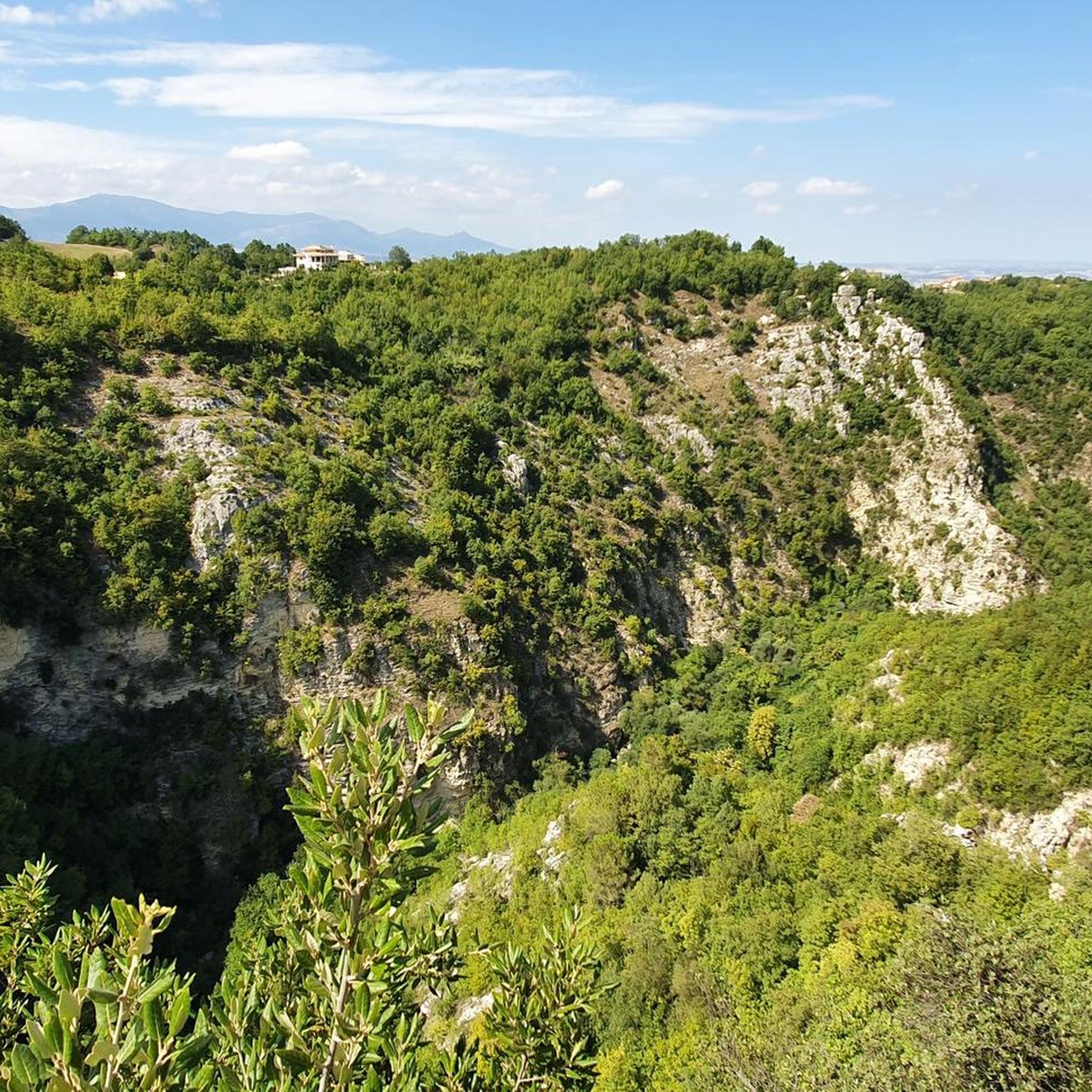
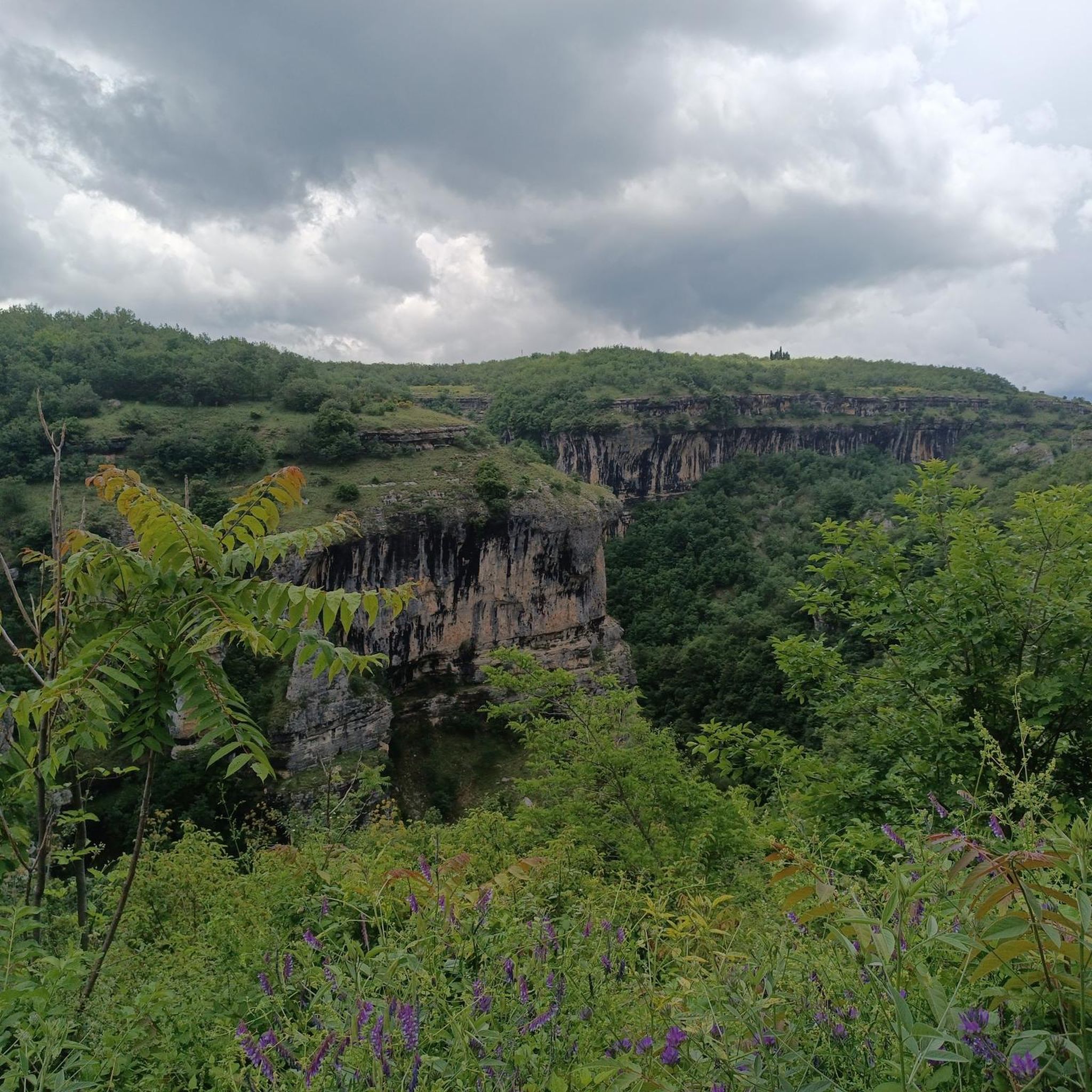
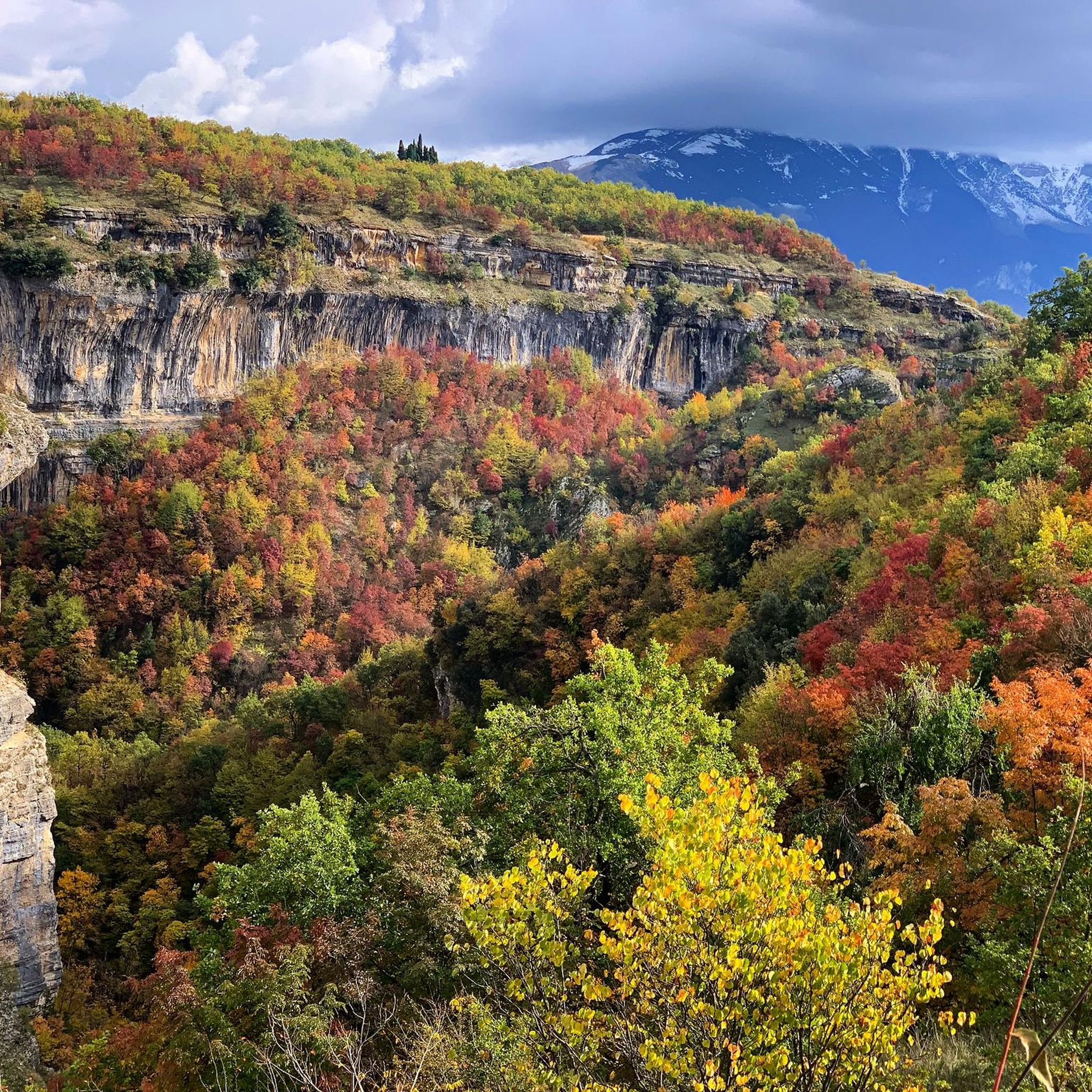
The Hermitage of San Bartolomeo in Legio is located in the Majella National Park, between the villages of Abbateggio and Roccamorice. It is a very evocative hermitage, set on the rocky wall of the Vallone dello Spirito, where the Capo La Vena stream flows. The hermitage's oratory is almost entirely embedded in the rock. There is also a 16th-century altar with a niche containing an 19th-century wooden statue depicting the saint. On August 25th, San Bartolomeo is celebrated in Roccamorice, and on this occasion, the villagers carry the wooden statue of the saint in procession from the hermitage to the village church.
1
0

Nature. Spirituality. Effort. Journey. Joy
0
0

Amazing place!!!
0
0


The Cave of Sant'Angelo di Lettomanoppello in the Vallone di Sant'Angelo is a place of uncertain origin, mentioned in the Decrees of the First Holy Visit of the bishop of Chieti in 1844. It is believed that the hermitage is dated thanks to the presence of a statue of San Michele Arcangelo similar to that of San Tommaso in Caramanico, dating back to the XIII century. According to legend, the hermitage was inhabited by a man of holiness, but he mysteriously disappeared leaving behind the statue of the angel. In front of the rocky outcrop where a church once stood, today only a rectangular enclosure remains called the Bed of Sant'Angelo. Furthermore, in front of the church is the Fonte del Garzillo.
2
0
The Hermitage of San Giovanni all'Orfento is an ideal place to go in the summer, when it's cooler in the mountains. Here the snow persists from October to April, so keep that in mind when choosing your shoes. If you love forest walks, the trails around here are great. The entrance to the Hermitage is not for the faint of heart, but the feeling you get at the end is worth it. Plan to bring food with you, as the walks can be long and there is nothing at the top.
3
0

The hermitage is made up of two elements: the church and the part of the house. The hypothesis is that the origins go back to the use of the cave for prayer, then transformed into agro-pastoral use. The church was rebuilt in 1948.
3
0
The Hermitage of San Bartolomeo was built inside a wall of the San Bartolomeo valley, and was frequented by Pope Celestine V.
2
0
Frequently Asked Questions
What are some of the most notable caves to explore in the Abruzzo region?
Beyond the immediate vicinity of San Valentino in Abruzzo Citeriore, the broader Abruzzo region offers several impressive cave systems. These include the Grotta dei Callerelli, known for its suspected prehistoric rock paintings, the spectacular Stiffe Caves with their underground river and waterfalls, the historic Grotta del Cavallone accessed by cable car, and the extensive Pietrasecca Caves which feature archaeological finds and bat colonies.
What makes the Grotta dei Callerelli a unique place to visit?
The Grotta dei Callerelli is distinguished by five perfectly circular holes at its entrance, thought to have been used for gunpowder preparation. It is also recognized as a UNESCO geo-site and features suspected prehistoric rock paintings, including an impression of a right hand. Visits are guided and require advance booking.
Are there caves with significant historical or religious importance around San Valentino In Abruzzo Citeriore?
Yes, the area is rich in historical and religious cave sites. Notable examples include the Hermitage of Saint Bartholomew in Legio, built into a valley wall and frequented by Pope Celestine V, the Sant'Angelo Cave, an ancient hermitage with a statue of San Michele Arcangelo, and the Hermitage of St. John at the Orfento, known for its challenging access and rewarding experience.
What kind of natural features can I expect to see in the caves of Abruzzo?
The caves in Abruzzo showcase diverse natural formations. The Stiffe Caves are famous for their 'active resurgence' with an underground river, waterfalls, lakes, stalactites, and stalagmites. The Grotta del Cavallone also features lakes, tunnels, and magnificent stalactites and stalagmites. The Pietrasecca Caves offer a labyrinth of stalactites, stalagmites, lakes, and streams, along with resident bat colonies.
What is the best time to visit the Stiffe Caves?
The Stiffe Caves are particularly impressive in spring when the underground waterfalls are at their most powerful due to increased water flow. The caves maintain a constant temperature of around 10°C (50°F), making them a cool and refreshing escape during the summer months.
Are there any family-friendly cave experiences in the Abruzzo region?
The Stiffe Caves are a major tourist attraction and generally considered family-friendly, offering a well-developed tourist itinerary through impressive caverns. The Grotta del Cavallone, with its unique cable car access, also adds an adventurous element that can be exciting for families.
What unique access methods are there for caves in the region?
Access to the Grotta del Cavallone, located at an altitude of 1300 meters, is uniquely via cable car, adding an adventurous start to your exploration. For the Hermitage of St. John at the Orfento, the entrance is known to be challenging, but the experience is considered very rewarding.
What outdoor activities can I combine with a visit to the caves?
The region around San Valentino In Abruzzo Citeriore offers numerous outdoor activities. You can find various hiking routes, such as the moderate 'From Roccamorice to Eremo di San Bartolomeo' or 'View of the Orta Gorge – Scura Cave loop'. There are also extensive cycling and road cycling routes available. For more details on routes, you can explore the hiking guide or cycling guide for the area.
Are there any caves that offer adventurous exploration options?
Yes, the Pietrasecca Caves offer various itineraries, including adventurous options that involve walking in knee-deep water. This system is a labyrinth of natural formations and has yielded significant archaeological finds, making it an exciting choice for those seeking a more immersive experience.
What do visitors enjoy most about the caves and hermitages in this area?
Visitors frequently praise the unique blend of nature, spirituality, and history. The Hermitage of Saint Bartholomew in Legio is noted for its interesting location and well-maintained paths. The Hermitage of St. John at the Orfento is celebrated for the feeling of joy and reward after a challenging journey through nature.
Are there any archaeological discoveries associated with the caves in Abruzzo?
Yes, the Pietrasecca Caves have yielded significant archaeological finds, including ancient Roman coins and Pleistocene-era bones of bears, lynxes, cave lions, and deer. The Grotta del Cavallone also historically provided shelter to prehistoric humans and shepherds. Additionally, the Grotta dei Callerelli has suspected prehistoric rock paintings.
What is the <a href="https://www.komoot.com/highlight/3914373" target="_blank" rel="noopener">Cantrella Cave</a> known for?
The Cantrella Cave, or Grotta di Cantrella, was historically used for agricultural purposes. In the past, it served as forage for sheep and for the cultivation of various crops like tomatoes, beans, and grapes, highlighting its practical significance to local communities.
Most popular routes around San Valentino In Abruzzo Citeriore
Most popular attractions around San Valentino In Abruzzo Citeriore

Get inspired with the komoot mobile app


Explore more
Extend your search for the best caves by checking out these guides of the top ones around San Valentino In Abruzzo Citeriore:
