Top 5 Caves around Bolognano
Best caves around Bolognano are situated in the Orta Valley, within Italy's Maiella National Park. This region is characterized by its karstic landscape, featuring numerous natural cavities and historical sites. The area offers a blend of geological formations and archaeological significance, with caves that have served various purposes throughout history. Bolognano provides access to several notable cave systems, some with historical and religious importance.
Best caves around Bolognano
- The most popular caves is Hermitage of Saint Bartholomew in Legio,…
Last updated: June 29, 2026
Hermitage of Saint Bartholomew in Legio
Highlight • Religious Site
Translated by Google •
Tip by

Sant'Angelo Cave
Highlight • Cave
Translated by Google •
Tip by

Sign up now to discover places like this
Get recommendations on the best single tracks, peaks, & plenty of other exciting outdoor places.
Sign up for free
Hermitage of Sant'Onofrio of Serramonacesca
Highlight • Religious Site
Translated by Google •
Tip by
Cantrella Cave
Highlight • Cave
Translated by Google •
Tip by
San Michele Cave
Highlight • Cave
Translated by Google •
Tip by

Sign up for free to discover even more caves around Bolognano.
Sign up for free
Already have an account?
Start today with a free account
Your next adventure awaits.
Login or Signup
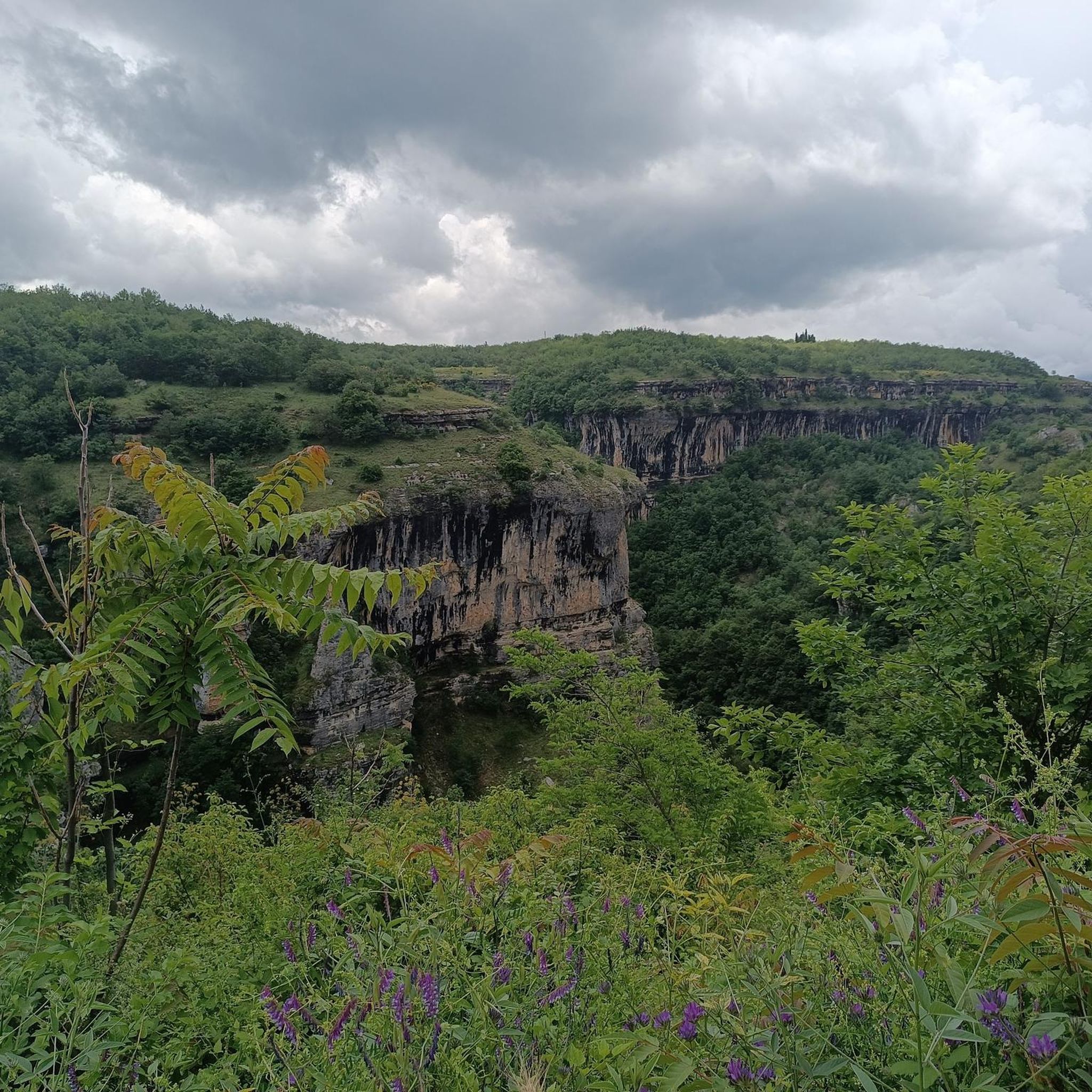
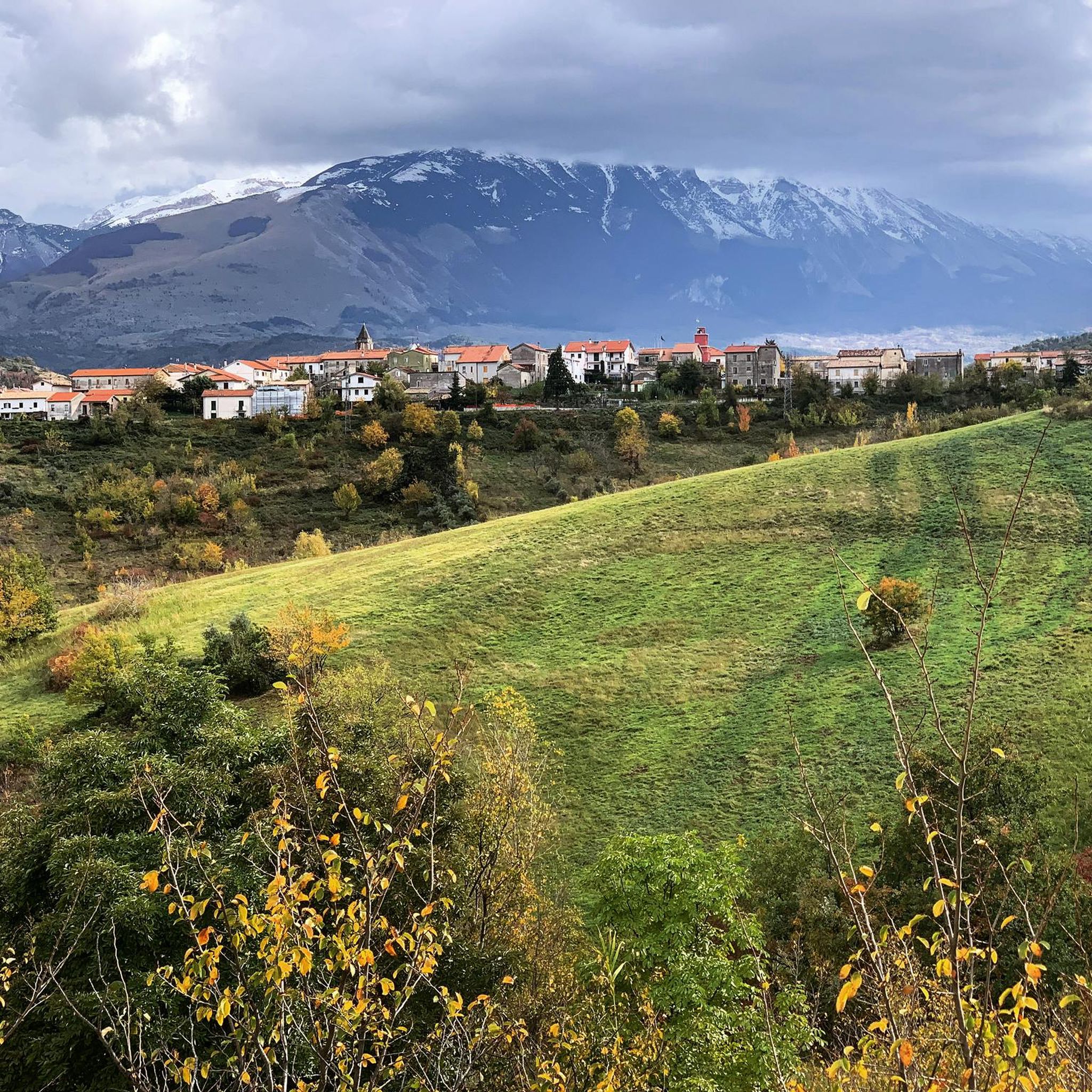
Other adventures around Bolognano

Tips from the Community

The Hermitage of San Bartolomeo in Legio is located in the Majella National Park, between the villages of Abbateggio and Roccamorice. It is a very evocative hermitage, set on the rocky wall of the Vallone dello Spirito, where the Capo La Vena stream flows. The hermitage's oratory is almost entirely embedded in the rock. There is also a 16th-century altar with a niche containing an 19th-century wooden statue depicting the saint. On August 25th, San Bartolomeo is celebrated in Roccamorice, and on this occasion, the villagers carry the wooden statue of the saint in procession from the hermitage to the village church.
1
0

It is a wonderful place located a few steps from the Roccacasale Tower, the view is beautiful
0
0
The cave is located just before the Torre di Roccacasale, it is worth a visit and can be reached by a wonderful "singletrack"
0
0


The Cave of Sant'Angelo di Lettomanoppello in the Vallone di Sant'Angelo is a place of uncertain origin, mentioned in the Decrees of the First Holy Visit of the bishop of Chieti in 1844. It is believed that the hermitage is dated thanks to the presence of a statue of San Michele Arcangelo similar to that of San Tommaso in Caramanico, dating back to the XIII century. According to legend, the hermitage was inhabited by a man of holiness, but he mysteriously disappeared leaving behind the statue of the angel. In front of the rocky outcrop where a church once stood, today only a rectangular enclosure remains called the Bed of Sant'Angelo. Furthermore, in front of the church is the Fonte del Garzillo.
2
0

The hermitage is made up of two elements: the church and the part of the house. The hypothesis is that the origins go back to the use of the cave for prayer, then transformed into agro-pastoral use. The church was rebuilt in 1948.
3
0
The Hermitage of San Bartolomeo was built inside a wall of the San Bartolomeo valley, and was frequented by Pope Celestine V.
2
0
In the past, the Grotta di Cantrella was used for forage for sheep, for the cultivation of tomatoes, beans and grapes.
1
0
Frequently Asked Questions
What types of caves can I explore near Bolognano?
The Bolognano area, situated in the Maiella National Park, offers a diverse range of caves. You can find karstic formations like Grotta Scura, which is a fossil river, as well as several significant hermitage caves such as Hermitage of Saint Bartholomew in Legio, Hermitage of Sant'Onofrio of Serramonacesca, and Sant'Angelo Cave. These sites blend natural geological processes with rich human history, from prehistoric settlements to religious retreats.
Are there any archaeological caves I can visit in the region?
Yes, Grotta Scura is a notable archaeological site near Bolognano, revealing evidence of human activity during the Neolithic era and serving as a shelter during World War II. While Grotta dei Piccioni is an internationally important Neolithic sanctuary, it is currently closed to visitors due to structural damage from the 2009 earthquake.
What is the accessibility like for caves near Bolognano?
Accessibility varies by cave. For instance, Grotta Scura can be reached via an easy, short nature walk of about 15-20 minutes roundtrip from Bolognano. Many of the hermitage caves, like Hermitage of Saint Bartholomew in Legio, are accessible via well-maintained paths, though some may involve more demanding sections.
Can I take a guided tour of the caves?
Yes, guided speleological tours are available for Grotta Scura. These often require reservations through the Maiella National Park's information center and may include protective equipment like helmets with headlamps for deeper exploration.
Are there family-friendly caves or activities suitable for children?
Grotta Scura offers an accessible and relatively short nature walk to its entrance, making it suitable for families. The blend of natural beauty, geological wonder, and historical intrigue can be engaging for children. Always check specific tour requirements for younger visitors.
What unique geological features can I expect to see?
The region is characterized by its karstic landscape. Grotta Scura, for example, is a karstic cavity formed by the Orta River, featuring impressive views over the Orta Valley and a surrounding canyon with imposing vertical walls. You'll observe formations shaped by millions of years of natural processes.
What historical significance do the caves around Bolognano hold?
Many caves in the area are historically significant. Grotta Scura has Neolithic archaeological importance and served as a WWII shelter. Hermitage caves like Hermitage of Saint Bartholomew in Legio and
What outdoor activities can I combine with a cave visit?
The area around Bolognano is excellent for outdoor activities. You can find numerous hiking and cycling routes. For example, there are moderate hiking trails like the Orta River Gorge loop or the View of the Orta Gorge – Scura Cave loop. For cycling, options range from moderate to difficult, including routes like the Pescara Gorge loop. You can find more details on hiking and cycling guides for Bolognano.
What should I wear when visiting caves in Bolognano?
Even in summer, caves maintain a cooler, constant temperature, so it's advisable to wear layers. Sturdy, closed-toe shoes with good grip are essential for walking on potentially uneven or damp surfaces. If you plan on a guided speleological tour, specific gear like helmets and headlamps will likely be provided or recommended.
Is there a specific time of year that is best to visit the caves?
The caves in the Maiella National Park can generally be visited throughout the year, though spring and autumn offer pleasant weather for the outdoor walks to reach them. During winter, some paths might be affected by snow or ice, and during summer, the cooler cave temperatures offer a refreshing escape from the heat. Always check local conditions and opening hours, especially for guided tours.
Are there any lesser-known or 'hidden gem' caves worth exploring?
Beyond the more prominent sites, the region is dotted with numerous natural cavities. Cantrella Cave, for instance, has a history of agricultural use, while San Michele Cave offers a wonderful view and is located near the Torre di Roccacasale, reachable by a scenic singletrack.
Most popular attractions around Bolognano

Get inspired with the komoot mobile app


Explore more
Extend your search for the best caves by checking out these guides of the top ones around Bolognano:
