Top 7 Caves around San Martino Sulla Marrucina
Best caves around San Martino Sulla Marrucina are found in a region known for its diverse subterranean formations. While the town itself is historically linked to the unique Grotta della Neve, the wider Abruzzo area offers a variety of natural and historical grottoes. These caves provide insights into geological processes, ancient human habitation, and local historical events. The landscape around San Martino Sulla Marrucina features both natural limestone formations and man-made cave structures.
Best caves around San Martino Sulla Marrucina
…Last updated: June 29, 2026
Bocca di Valle Memorial
Highlight • Monument
Translated by Google •
Tip by

Hermitage of Sant'Onofrio of Serramonacesca
Highlight • Religious Site
Translated by Google •
Tip by

Sign up now to discover places like this
Get recommendations on the best single tracks, peaks, & plenty of other exciting outdoor places.
Sign up for free
Grotta dei Pulcini
Highlight • Cave
Translated by Google •
Tip by
Sant'Angelo Cave
Highlight • Cave
Translated by Google •
Tip by
Cerrone Hut
Highlight • Cave
Translated by Google •
Tip by

Sign up for free to discover even more caves around San Martino Sulla Marrucina.
Sign up for free
Already have an account?
Start today with a free account
Your next adventure awaits.
Login or Signup
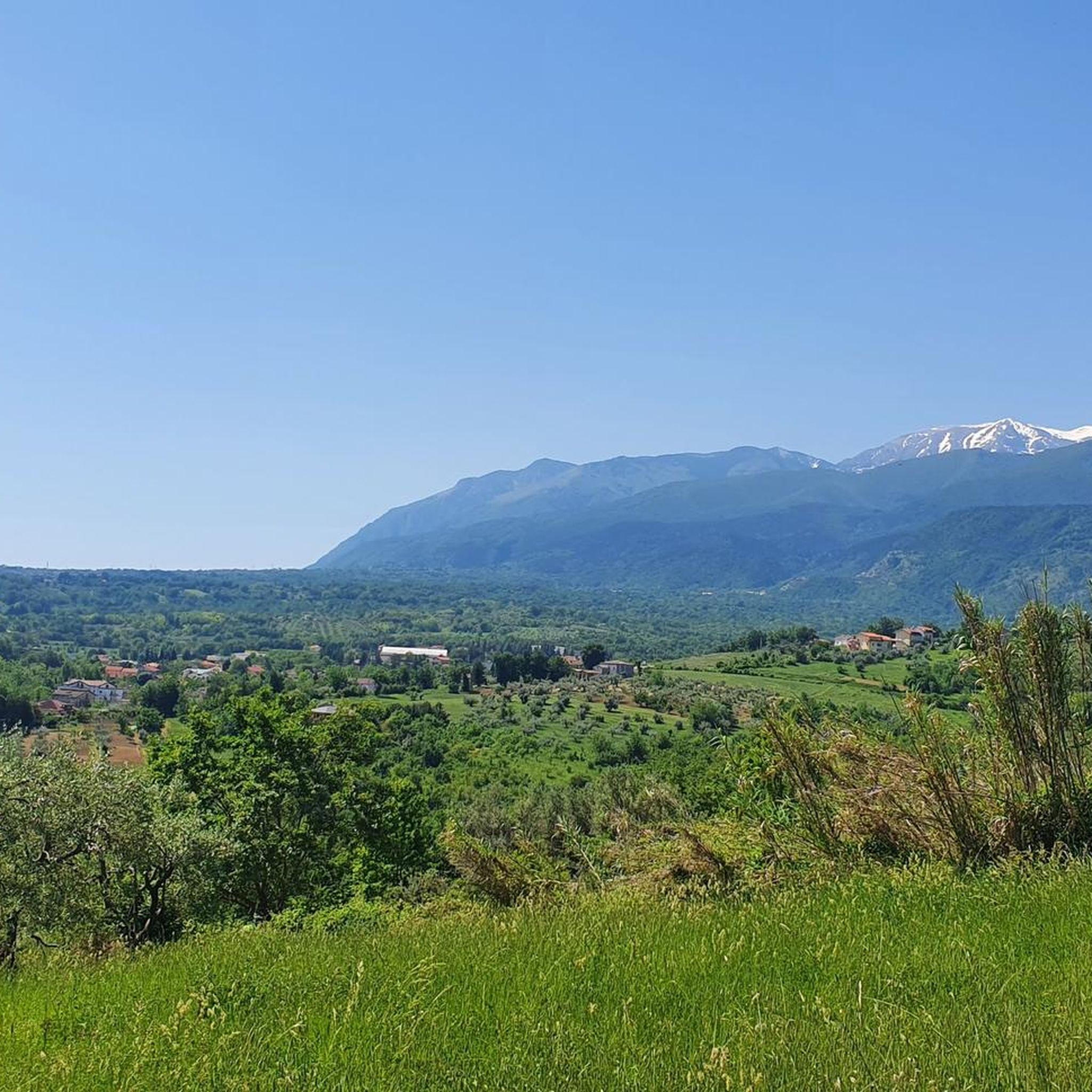
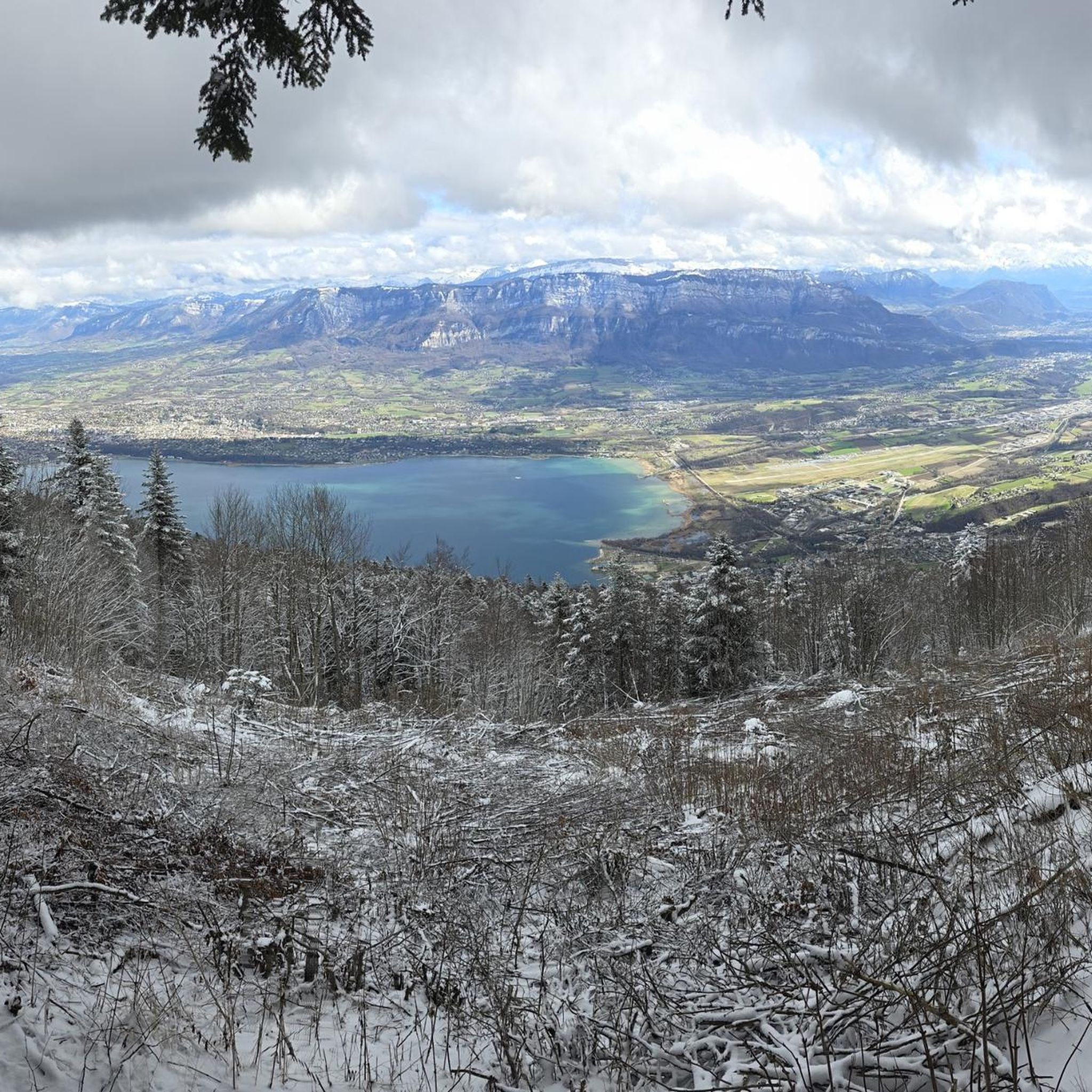
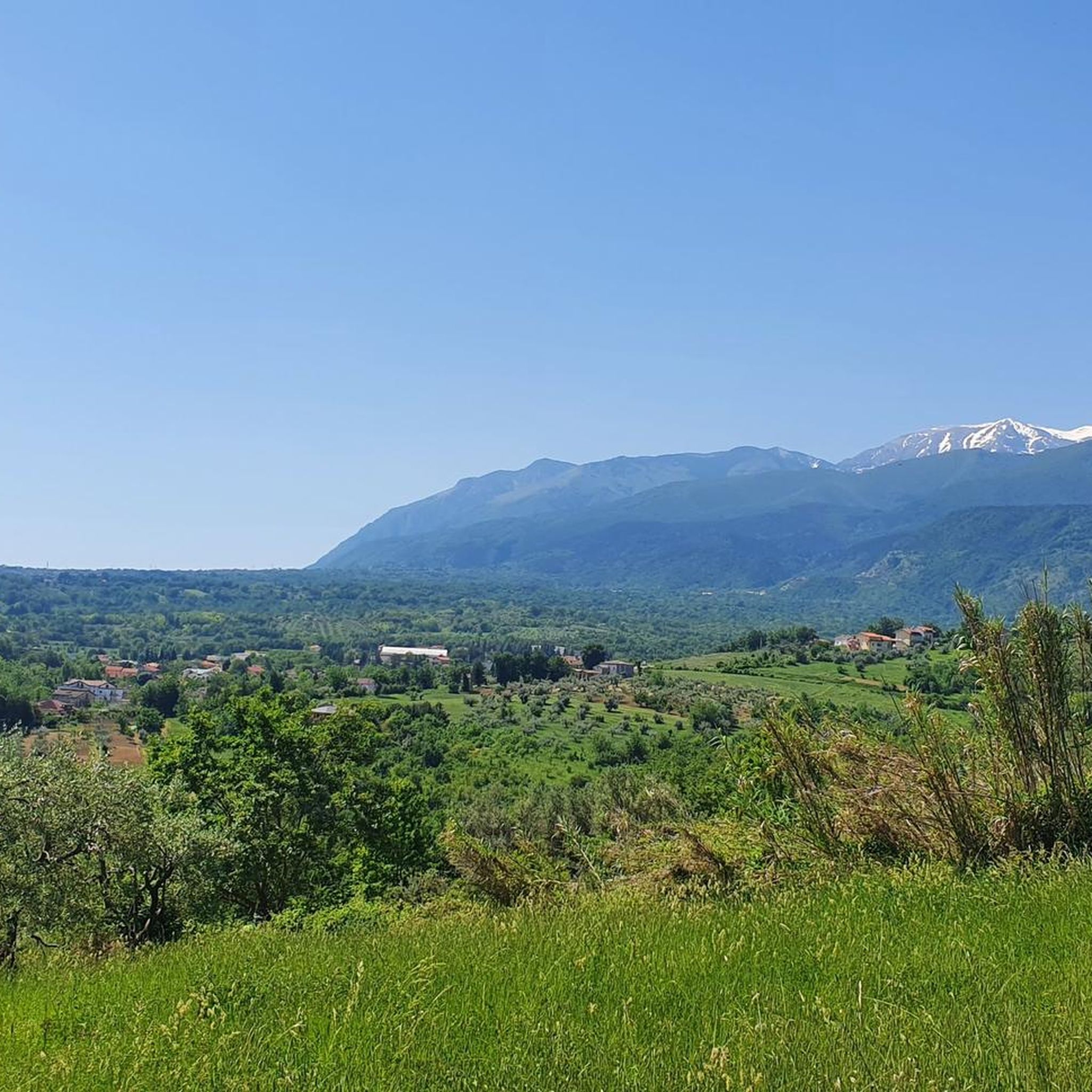
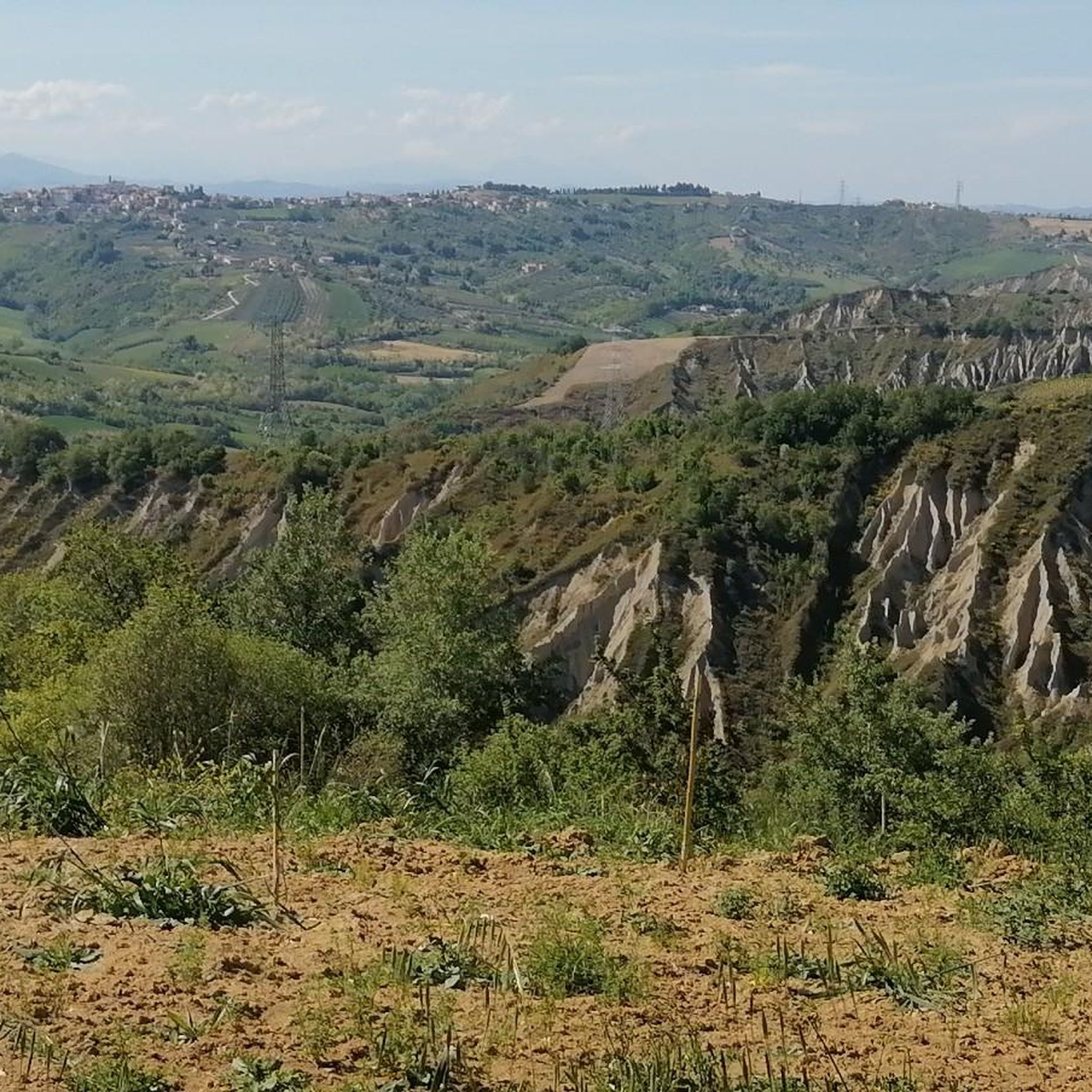
Tips from the Community


It was said of Him that he died smiling. Andrea Bafile, born in Monticchio, a hamlet of L'Aquila, on 7 October 1878 and died on the Piave front in the night between 11 and 12 March 1918. Below is why he was buried in Guardiagrele (CH). He had to be buried in the monumental cemetery of Venice, Gabriele D'Annunzio pushed hard for this to happen, but two Abruzzo people prevailed over him who managed to bring the body back and buried it, in 1923, with an impressive ceremony at in which around 10 thousand people took part, in the shrine dug in Guardiagrele (Chieti), in the bowels of the Majella. It was Raffarle Paolucci of Orsogna and the Honorable Cristini of Guardiagrele who ensured that instead of any unknown soldier it was Andrea Bafile himself who was buried in the shrine, considering him the example of courage and heroism belonging to three military corps: the Navy, Aviation and Infantry. And it is not clear why no intercession was received from L'Aquila, his hometown. Guardiagrele thus had the honor of hosting Bafile's body, in Bocca di Valle, in a cave which is a place full of suggestions, decorated with the delicate enamelled colors of the majolica by the Ortonese artist Basilio Cascella, three gigantic ceramic panels made up of 1400 tiles, a masterpiece of the art of the founder of the Cascella family. The Guardiagrele cave was dug with the economic participation of all of Abruzzo and Molise, a sort of subscription by both regions, every single citizen paid their own donation to pay homage to the soldier Andrea Bafile. When as a child I asked why a sailor was buried in the mountains, popular wisdom replied that he likes to admire the sea from the mother mountain, the Majella. On 29 and 30 September 2023, at the Bocca di Valle shrine in Guardiagrele, the celebrations for the centenary of the transfer of the remains of Lieutenant Andrea Bafile, hero and gold medal for military valour, with the presence of the Undersecretary of State for Defense with delegation to the Navy, Matteo Perego of Cremnago, together with the commander of the Southern Maritime Command, Admiral. of Division Flavio Biaggi, representing the Navy General Staff, who will join the other civil and military authorities present for the commemoration of the Hero.
1
0

The Cave-shrine of Bocca di Valle is located in the eastern Maiella and is a military shrine in memory of the soldiers who died during the Great War. It is an important historic and memorial site, where their sacrifice can be reflected and honored.
2
0
The Grotta dei Pulcini is a cave with splendid stalactites and stalagmites. It is possible to observe it from the outside and enjoy a truly breathtaking surrounding panorama. It is easily reachable from Piana delle Melle.
0
0

The hermitage is made up of two elements: the church and the part of the house. The hypothesis is that the origins go back to the use of the cave for prayer, then transformed into agro-pastoral use. The church was rebuilt in 1948.
3
0
The Grotta Sant'Angelo is located about 800 meters high, under a huge rock and with an entrance 35 meters wide. The church is first mentioned in 1221.
1
0

Curious cave carved into a rock, easily reachable by an easy and short path that starts from the Passo Lanciano car park called the Cerratina ring.
0
0
Frequently Asked Questions
What types of caves can I explore around San Martino Sulla Marrucina?
The region around San Martino Sulla Marrucina offers a diverse range of caves, including historically significant sites like the Grotta della Neve, natural geological wonders such as Grotta Nera with its unique formations, and archaeological sites like Grotta Scura. You'll also find memorial caves, like the Bocca di Valle Memorial, and former prayer caves, such as the Hermitage of Sant'Onofrio of Serramonacesca.
What is the historical significance of the Grotta della Neve near San Martino Sulla Marrucina?
The Grotta della Neve is historically significant for its role in the clandestine production of gunpowder during the 18th century. Local 'polverieri' used the cave's natural resources, including saltpeter, to create gunpowder with a secret recipe. This resourcefulness was famously demonstrated in 1799 when the town used these homemade explosives to repel Napoleonic troops, making it a unique part of the town's heritage.
Are there any caves with unique natural formations in the region?
Yes, the Grotta Nera (Black Cave), located on the eastern side of the Majella mountain, is renowned for its exceptional 'tray' stalactites, which are considered the largest ever described in Italy. These formations, along with stalagmites and cave pearls, are formed by unique biological processes, resulting in soft, ivory-white 'mountain milk' deposits. Its distinct microclimate contributes to these unusual natural phenomena.
Which caves offer archaeological insights or tell stories of ancient human habitation?
The Grotta Scura (Dark Cave) near Bolognano is an important archaeological site with relics indicating human occupation during the Neolithic era. Additionally, it served as a shelter for locals and a defensive position for German forces during World War II, offering layers of historical significance.
Can you tell me more about the Bocca di Valle Memorial?
The Bocca di Valle Memorial is a man-made, octagonal cave that serves as a military shrine. It commemorates soldiers from Abruzzo who died in the First World War, preserving the remains of Lieutenant Andrea Bafile. The shrine features a marble sarcophagus and ceramic panels depicting Pietà and Sacrifice, making it a significant historical and memorial site.
Is Grotta dei Pulcini suitable for families?
Yes, Grotta dei Pulcini is considered family-friendly. It's easily reachable from Piana delle Melle and offers splendid stalactites and stalagmites that can be observed from the outside, along with breathtaking panoramic views of the surrounding area.
What is special about Sant'Angelo Cave?
The Sant'Angelo Cave is a historical and religious site located about 800 meters high, under a large rock. It features a wide entrance and is notable for its church, which was first mentioned in historical records in 1221, highlighting its long-standing spiritual significance.
Where is Cerrone Hut and what makes it interesting?
The Cerrone Hut is a curious cave carved into a rock. It's easily accessible via a short and easy path that starts from the Passo Lanciano car park, known as the Cerratina ring. Its accessibility and unique carved nature make it an interesting stop for visitors.
What outdoor activities can I do near these caves?
The area around San Martino Sulla Marrucina offers various outdoor activities. You can find numerous running trails, including routes like 'Ascent to Monte Campanaro' or 'Guardiagrele – Bocca di Valle Fountain loop'. There are also cycling routes, such as 'Wolf Statue loop' or 'Guardiagrele – Bocca di Valle Memorial loop'. For more details, explore the Running Trails around San Martino Sulla Marrucina or Cycling around San Martino Sulla Marrucina guides.
What do visitors enjoy most about the caves around San Martino Sulla Marrucina?
Visitors appreciate the diverse experiences offered by the caves, from the historical depth of sites like the Bocca di Valle Memorial, which commemorates fallen soldiers, to the natural beauty of Grotta dei Pulcini with its stalactites and panoramic views. The blend of history, geology, and opportunities for reflection makes the region's caves a compelling destination.
Are there any religious or spiritual cave sites in the area?
Yes, the Hermitage of Sant'Onofrio of Serramonacesca is a significant religious site. It consists of a church and living quarters, believed to have originated as a prayer cave. The Sant'Angelo Cave also houses a church first mentioned in 1221, indicating its long history as a spiritual place.
Most popular routes around San Martino Sulla Marrucina
Most popular attractions around San Martino Sulla Marrucina

Get inspired with the komoot mobile app


Explore more
Extend your search for the best caves by checking out these guides of the top ones around San Martino Sulla Marrucina:
