Top 5 Caves around Castelnuovo Di Porto
Best caves around Castelnuovo Di Porto reveal a region rich in ancient history and natural formations. This medieval village north of Rome features unique cave systems and archaeological sites, showcasing Etruscan and Roman engineering within a diverse landscape. The area is characterized by volcanic tuff formations and karst phenomena, including deep sinkholes. These subterranean features offer insights into historical human activity and geological processes.
Best caves around Castelnuovo Di Porto
- The most popular caves is Fosso degli Olmetti Waterfall and…
Last updated: July 13, 2026
Fosso degli Olmetti Waterfall and Etruscan Aqueduct
Highlight • Waterfall
Translated by Google •
Tip by

Ponte Sodo
Highlight • Cave
Translated by Google •
Tip by

Sign up now to discover places like this
Get recommendations on the best single tracks, peaks, & plenty of other exciting outdoor places.
Sign up for free
Tomba Campana (Etruscan Tomb of the Lions)
Highlight • Historical Site
Translated by Google •
Tip by
Gattaceca and Barco Nature Reserve
Highlight • Forest
Translated by Google •
Tip by

Faliscan Necropolis Cavone of Monte Li Santi
Highlight • Historical Site
Translated by Google •
Tip by

Sign up for free to discover even more caves around Castelnuovo Di Porto.
Sign up for free
Already have an account?
Start today with a free account
Your next adventure awaits.
Login or Signup

Tips from the Community

To reach the shooting point, you must deviate from the main trail and tackle a steep descent on extremely slippery and uneven terrain. In case of bad weather or rain, access is prohibited or absolutely not recommended.
0
0
The Ponte Sodo is an Etruscan hydraulic structure, a tunnel approximately 70 meters long carved into the rock in the Veio Park, which allowed the Valchetta (ancient Cremera) stream to flow during high water, preventing flooding. Today, it is not easily accessible on your own and is often visited on guided excursions organized by the park, although access is restricted in some areas. It can be admired from a path that descends along the stream, but crossing it may require wading into cold water. To reach the photo point, you must deviate from the main path and tackle a steep descent on extremely slippery and uneven terrain. In case of bad weather or rain, access is prohibited or absolutely not recommended.
0
0

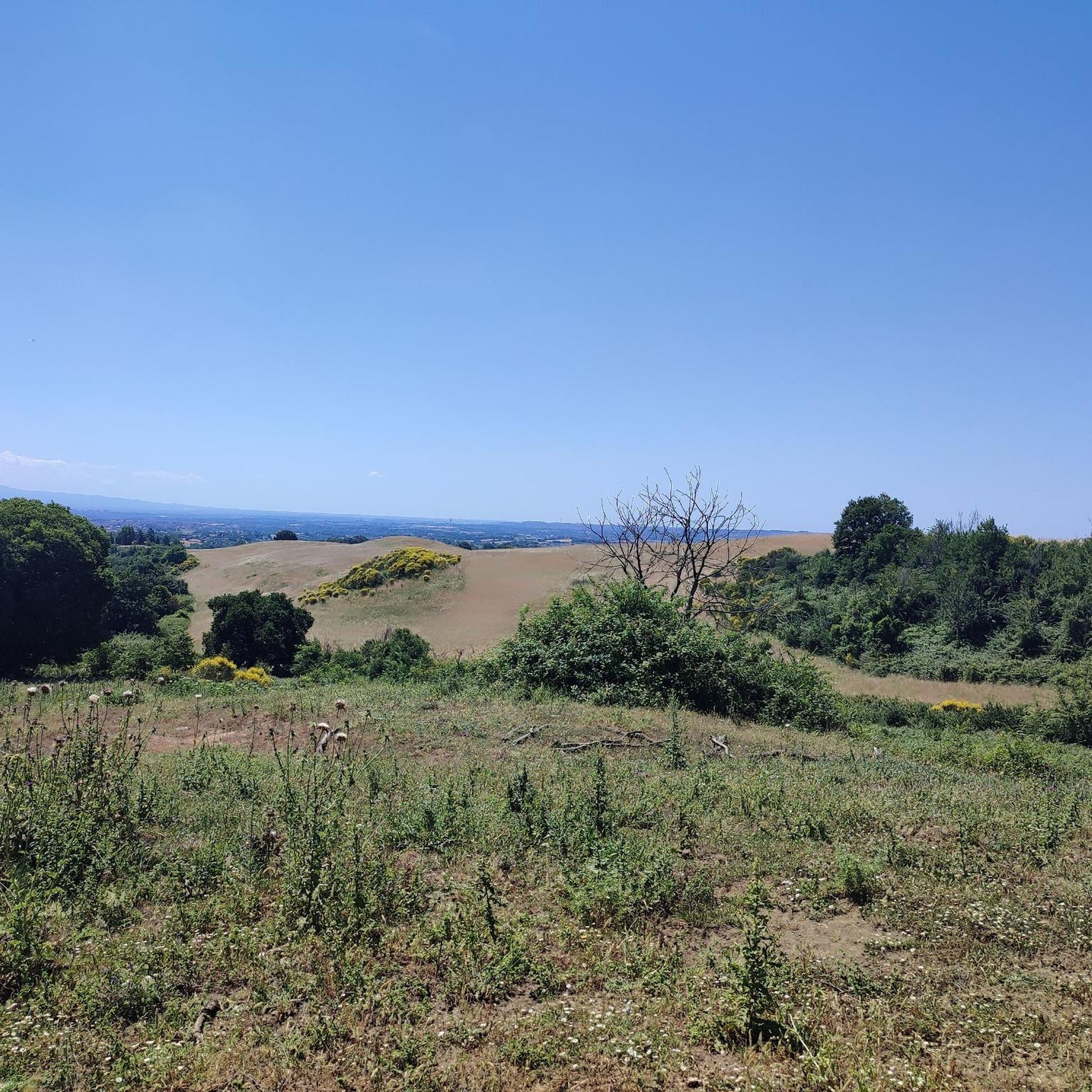
The nature reserve extends over about a thousand hectares between the Tiber Valley and the Cornicolani Mountains, in the Roman Sabina. The landscape is hilly, with pasture areas, crops and fragments of woods, remnants of the original forests. The area is known for its botanical value and for karst phenomena such as caves and sinkholes, including the Pozzo del Merro, one of the deepest in the world. The reserve also preserves historical evidence, from prehistory to the Middle Ages.
1
0

Suggestive waterfall deriving from an ancient Etruscan aqueduct, with a side tunnel that can be visited (not recommended for claustrophobics). You can get there from the (private) Selvotta car park. All the landscape around the waterfall is really worth the trip.
0
0

Between Calcata and Mazzano you can admire in several points ancient tombs and structures of the Etruscan people of the Falisci.
0
0

This Etruscan tomb was discovered by Giovanni Pietro Campana in 1843 and named after him.
2
0

a little hidden place but if you find it it's really gorgeous
1
0
however it is a closed door, nothing particular unfortunately
1
0
Frequently Asked Questions
What historical sites can I explore among the caves around Castelnuovo Di Porto?
The region is rich in history. You can visit the Fosso degli Olmetti Waterfall and Etruscan Aqueduct, which features a water diversion tunnel carved by the Etruscans. Another significant site is the Ponte Sodo, an impressive 70-meter tunnel of ancient hydraulic engineering. The Faliscan Necropolis Cavone of Monte Li Santi offers insights into ancient burial practices with its rock-cut tombs, and the Tomba Campana (Etruscan Tomb of the Lions) provides a direct link to the Etruscan civilization.
What natural features are prominent in the cave areas of Castelnuovo Di Porto?
The area is characterized by volcanic tuff formations and karst phenomena. The Gattaceca and Barco Nature Reserve is known for its diverse landscape, including caves and sinkholes, such as the Pozzo del Merro, one of the world's deepest. You can also find the scenic Fosso degli Olmetti Waterfall.
Are there family-friendly options for exploring caves or historical sites in the region?
Many of the sites, such as the Fosso degli Olmetti Waterfall and Etruscan Aqueduct, are accessible for families. Exploring the ancient aqueduct tunnel can be an engaging experience for children. The Gattaceca and Barco Nature Reserve also offers opportunities for nature walks suitable for families, though specific cave access might vary in difficulty.
What is the best time of year to visit the caves around Castelnuovo Di Porto?
Spring and autumn generally offer the most pleasant weather for exploring the outdoor historical sites and natural reserves. Temperatures are milder, making hiking and walking more comfortable. Summer can be hot, while winter might bring colder, wetter conditions, potentially affecting accessibility to some areas.
What kind of outdoor activities can I do near the caves?
Beyond exploring the caves, Castelnuovo Di Porto offers a variety of outdoor activities. You can find numerous hiking trails, such as the moderate 'Cistern of Castellaccio – Monte Calvio loop from Magliano Romano' or the easy 'Magnesiaca Spring – Cistern of Castellaccio loop from Magliano Romano'. For cycling enthusiasts, there are MTB trails like the 'Monte Gelato Waterfalls – Roman Cistern of Casalaccio loop from Castelnuovo di Porto' and gravel biking routes. You can find more details on these activities in the Hiking around Castelnuovo Di Porto, MTB Trails around Castelnuovo Di Porto, and Gravel biking around Castelnuovo Di Porto guides.
Are there any specific tips for visiting the Fosso degli Olmetti Waterfall and Etruscan Aqueduct?
Visitors often recommend entering the parking area of the adjacent Selvotta children's park and following the sound of the water. You can venture a few meters inside the aqueduct's water diversion tunnel. While the site is very suggestive, be aware that the water quality might not always be ideal, and the komoot navigator directions can be a bit imprecise, so some orientation might be needed.
What should I know about the difficulty of exploring the caves and historical sites?
Many sites, like the Fosso degli Olmetti Waterfall and Etruscan Aqueduct, are generally considered intermediate in difficulty, involving some walking and exploration. The Ponte Sodo can be challenging to find but is very rewarding. Always check specific highlight details for any warnings or recommendations regarding terrain or accessibility.
Is parking available near the cave sites?
Parking availability varies by site. For the Fosso degli Olmetti Waterfall and Etruscan Aqueduct, visitors suggest using the parking area of the adjacent Selvotta children's park. For other, more remote sites, parking might be less formal or require a short walk from a nearby road. It's advisable to check specific location details before your visit.
Are there any hidden or lesser-known caves worth discovering?
Beyond the well-known sites, the area boasts immense Roman-era quarries, often described as 'spectacular' and 'immense'. These subterranean spaces are significant archaeological sites, showcasing the extensive scale of Roman excavation and their connection with the natural environment. While not always explicitly named as 'caves' in the same way, they offer a profound sense of history and natural exploration.
What is the significance of the Gattaceca and Barco Nature Reserve in relation to the caves?
The Gattaceca and Barco Nature Reserve is a key area for understanding the region's natural subterranean formations. It spans about a thousand hectares and is known for its diverse landscape and karst phenomena, including various caves and sinkholes. It also preserves historical evidence from prehistory to the Middle Ages, making it a blend of natural and historical interest.
How long does it typically take to explore the main cave-related attractions?
The time required varies per site. For instance, exploring the Fosso degli Olmetti Waterfall and Etruscan Aqueduct might take an hour or two, allowing time to walk to the site and explore the tunnel. Larger areas like the Gattaceca and Barco Nature Reserve could easily fill half a day or more, depending on how much hiking and exploration you wish to do. Plan for a few hours per major site to fully appreciate them.
Can I reach the caves and historical sites using public transport?
While Castelnuovo Di Porto itself is accessible by public transport, reaching the specific cave and historical sites often requires further travel, sometimes involving local buses or a taxi, or a walk from the nearest public transport stop. Many of these natural and archaeological sites are located in more rural or less developed areas, making a car the most convenient option for direct access.
Most popular routes around Castelnuovo Di Porto
Most popular attractions around Castelnuovo Di Porto

Get inspired with the komoot mobile app


Explore more
Extend your search for the best caves by checking out these guides of the top ones around Castelnuovo Di Porto:
