Top 5 Caves around San Polo Dei Cavalieri
Best caves around San Polo Dei Cavalieri, situated within the Monti Lucretili Regional Natural Park, presents a landscape characterized by natural karst phenomena and historical sites. The area combines rugged natural beauty with cultural significance, including ancient hermitages and man-made grottoes. Visitors can explore a variety of cave types, from natural geological formations to intricately designed artificial grottoes. This region offers a blend of outdoor exploration and historical discovery.
Best caves around San Polo Dei Cavalieri
- The most popular caves…
Last updated: June 29, 2026
Gattaceca and Barco Nature Reserve
Highlight • Forest
Translated by Google •
Tip by

Caves at Villa Gregoriana
Highlight • Cave
Translated by Google •
Tip by

Sign up now to discover places like this
Get recommendations on the best single tracks, peaks, & plenty of other exciting outdoor places.
Sign up for free
Sirens' Cave
Highlight • Cave
Translated by Google •
Tip by

Benedictine Hermitages of San Cosimato
Highlight • Historical Site
Translated by Google •
Tip by

Caves Along the Trail
Highlight • Cave
Translated by Google •
Tip by

Sign up for free to discover even more caves around San Polo Dei Cavalieri.
Sign up for free
Already have an account?
Start today with a free account
Your next adventure awaits.
Login or Signup
Popular around San Polo Dei Cavalieri
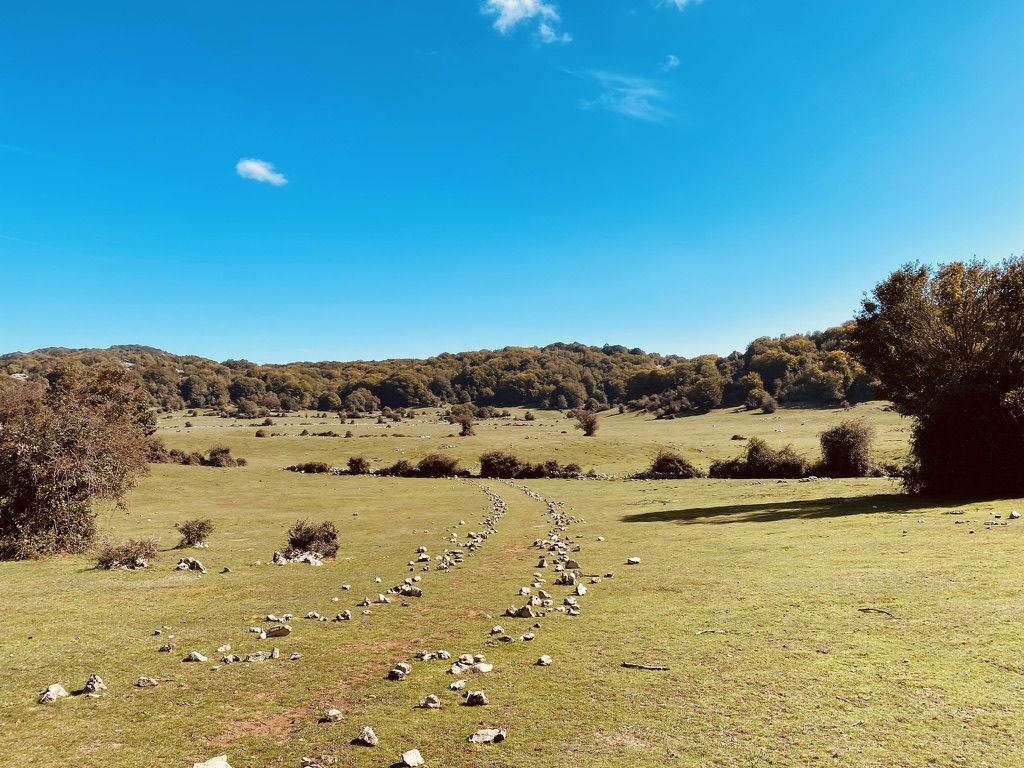
The ice mountain – hikes in Italy’s Lucretili Mountains
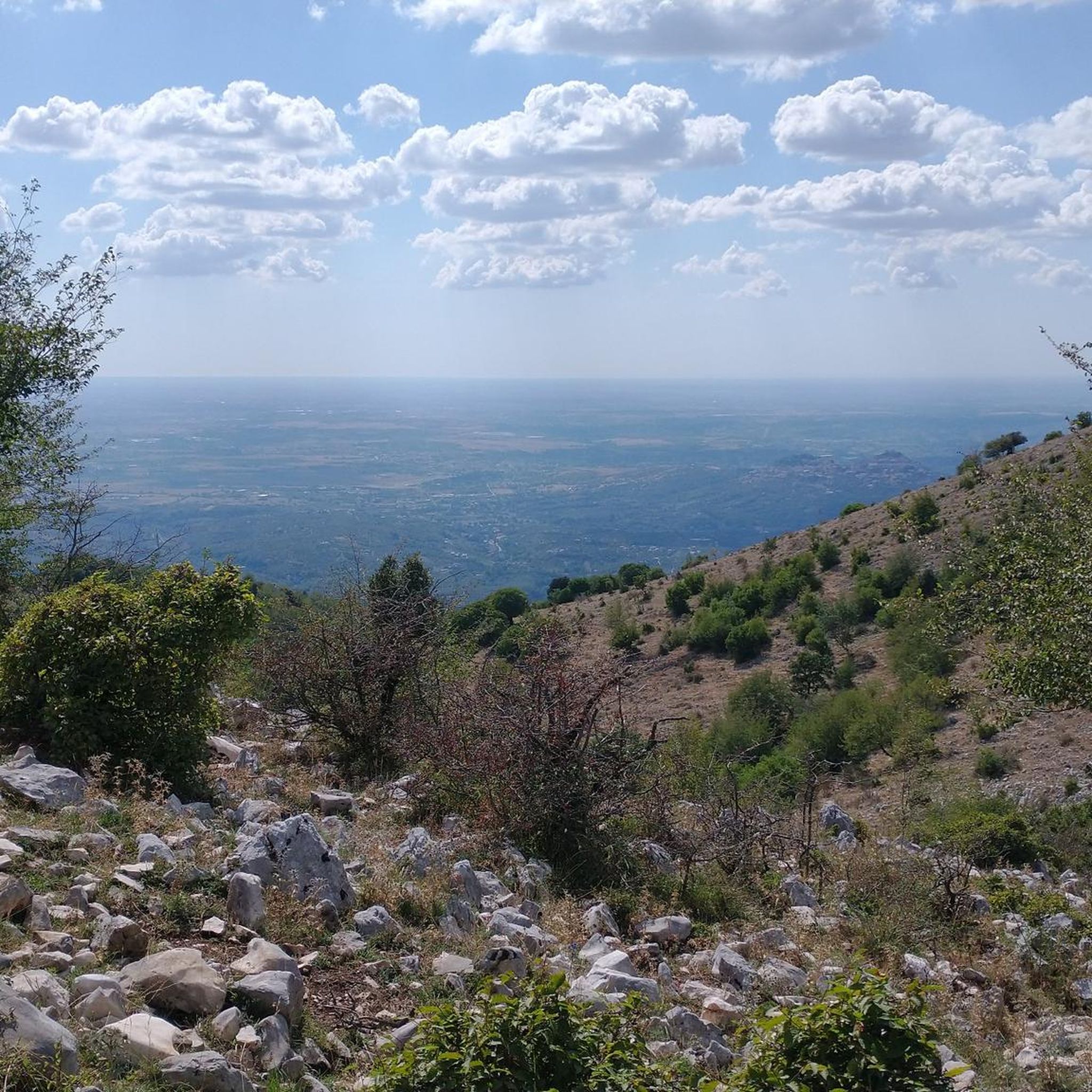
Hiking around San Polo Dei Cavalieri
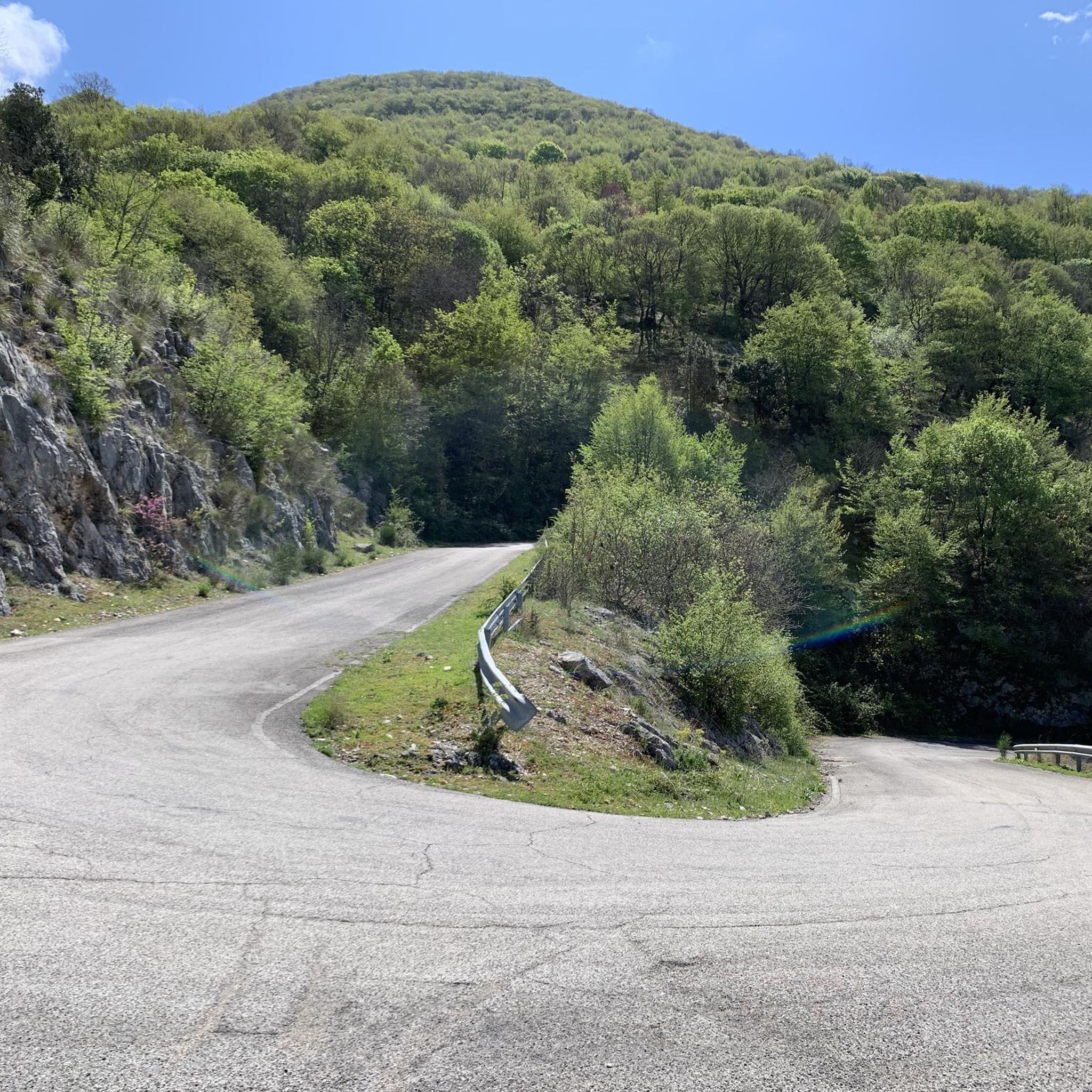
Road Cycling Routes around San Polo Dei Cavalieri
Cycling around San Polo Dei Cavalieri
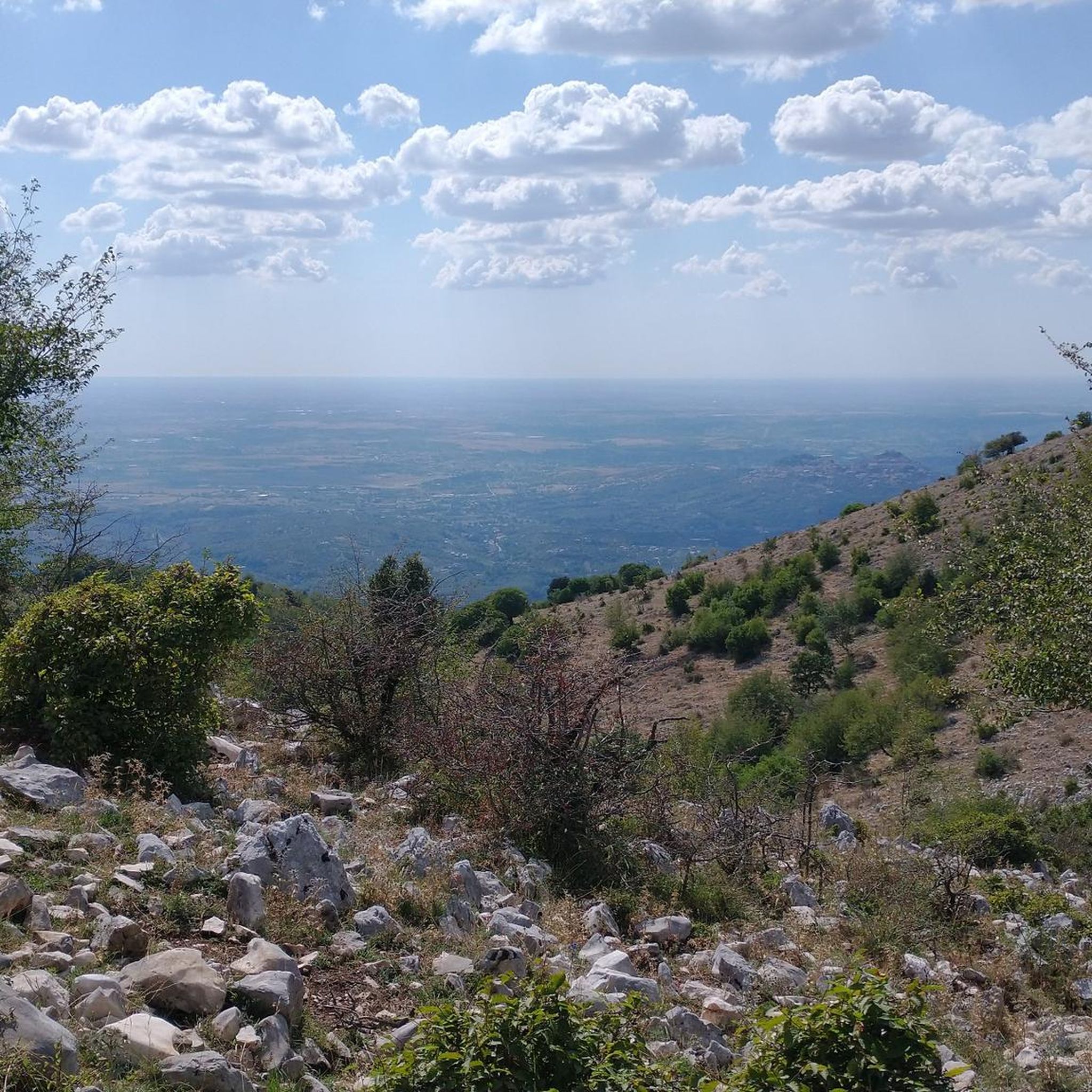
MTB Trails around San Polo Dei Cavalieri
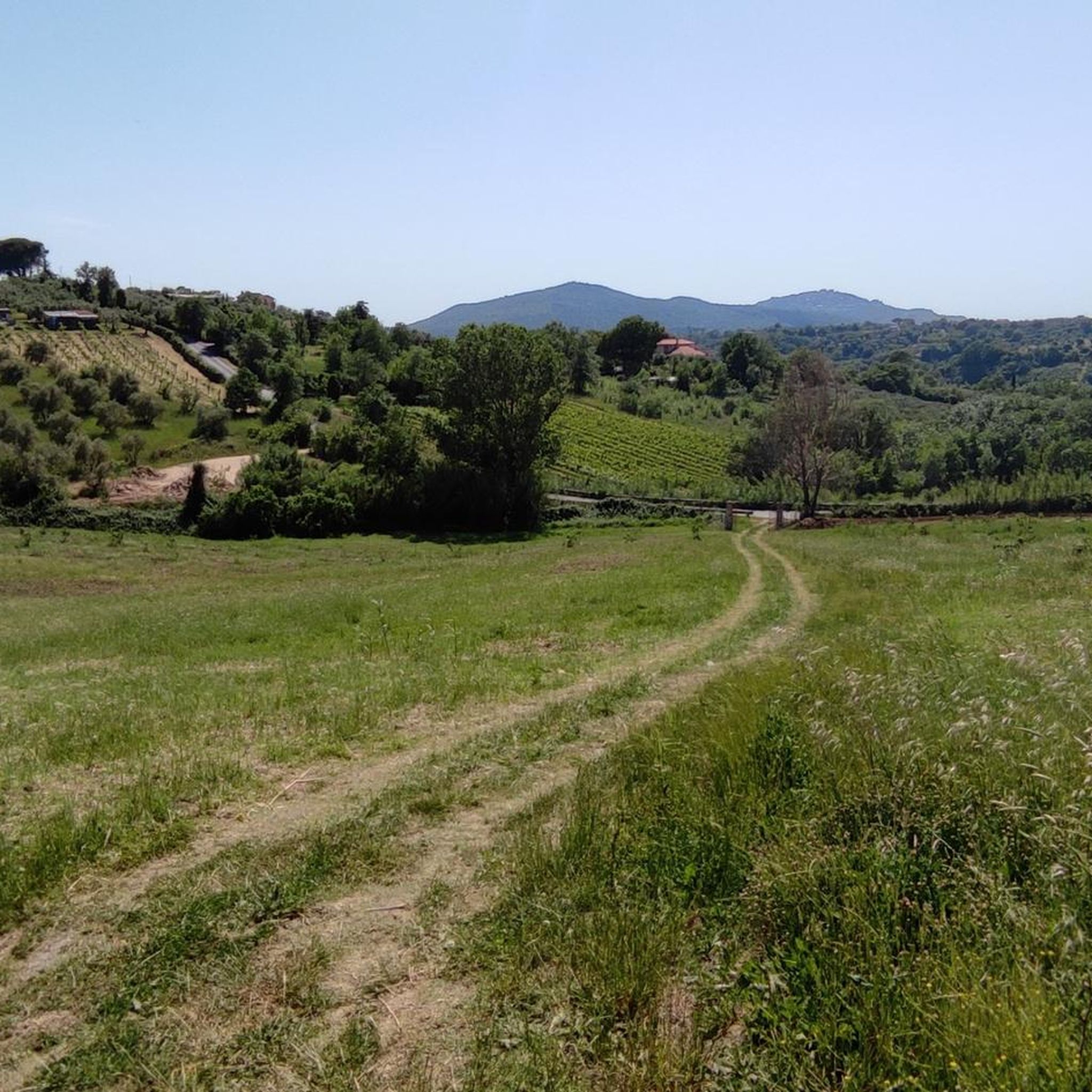
Running Trails around San Polo Dei Cavalieri

Gravel biking around San Polo Dei Cavalieri
Other adventures around San Polo Dei Cavalieri

Tips from the Community

The Grotta delle Sirene is a natural cavity carved by the action of the Aniene river. The name derives from local tradition and not from archaeological findings.
1
0
This place is wonderful, if you come to Tivoli you must visit it! Some advice: - It's better if you come in the morning so there will be more light. After a certain time in the afternoon, I believe that not much light will reach the lower part of the park. - It's better to bring hiking shoes and not flip-flops or smooth shoes because some parts of the trail are tricky.
1
0

A unique historical and spiritual complex, carved into the rock along the walls of the Aniene valley. These hermitages are linked to the figure of Saint Benedict of Norcia, who stayed there briefly in 503. During his time at San Cosimato, it is said that the monks attempted to poison him, but the vessel containing the poison miraculously shattered when Benedict blessed it with the sign of the cross. The caves, accessible via a staircase carved into the rock, include a rock chapel dedicated to Saint Michael the Archangel, rich in frescoes, and an ossuary. The convent above, built later by Benedictine monks, was dedicated to the saintly doctors Cosma and Damiano. This place combines history, art and spirituality in a suggestive naturalistic context.
0
0

Slightly hidden and covered by bush but still interesting to observe along the way
0
0

The nature reserve extends over about a thousand hectares between the Tiber Valley and the Cornicolani Mountains, in the Roman Sabina. The landscape is hilly, with pasture areas, crops and fragments of woods, remnants of the original forests. The area is known for its botanical value and for karst phenomena such as caves and sinkholes, including the Pozzo del Merro, one of the deepest in the world. The reserve also preserves historical evidence, from prehistory to the Middle Ages.
1
0

A place full of surprises and wonderful views! Challenging due to the climbs and steps but absolutely worth it!
2
0
You enter the park of Villa Gregoriana
2
0

A natural cave into which the Aniene river flows after giving a show of its wonderful waterfalls.
4
0
Frequently Asked Questions
What types of caves and grottoes can I explore around San Polo Dei Cavalieri?
The area around San Polo Dei Cavalieri offers a mix of experiences. You can find natural karst formations, such as those within the Monti Lucretili Regional Natural Park, and intricately designed man-made grottoes, like those at Villa d'Este in Tivoli. Historical sites, including ancient hermitages carved into rock, also feature cave-like structures.
Are there any historical or cultural cave sites in the region?
Yes, the region is rich in historical cave sites. The magnificent Villa d'Este in Tivoli, a UNESCO World Heritage Site, features elaborate artificial grottoes that are masterpieces of Renaissance artistry and hydraulic engineering. Additionally, the Benedictine Hermitages of San Cosimato offer a unique historical and spiritual complex carved into the rock, linked to Saint Benedict of Norcia.
What natural features can I expect to see in the caves around San Polo Dei Cavalieri?
You can encounter diverse natural features. For instance, Sirens' Cave is a natural formation where the Aniene river flows after its waterfalls, offering a view of the river's interaction with the landscape. The Gattaceca and Barco Nature Reserve is known for its botanical value and karst phenomena, including caves and sinkholes.
Are there family-friendly caves or grottoes near San Polo Dei Cavalieri?
For a family-friendly experience, the man-made grottoes at Villa d'Este in Tivoli are generally accessible and offer a culturally rich visit with beautiful gardens and water features. While some natural caves in the Monti Lucretili Park are challenging, the grottoes at Villa d'Este provide an engaging experience for most visitors.
What is the access difficulty for natural caves in Monti Lucretili Regional Natural Park?
Many natural caves within the Monti Lucretili Regional Natural Park, such as La Grotta di Peter Pan and Grotta di Frat'Antò, are primarily known to speleologists. They often have narrow entrances, require technical skills, and are not intended for general public visitation due to their difficult access.
What outdoor activities can I do near these caves?
The area around San Polo Dei Cavalieri, particularly within the Monti Lucretili Regional Natural Park, is excellent for various outdoor activities. You can find numerous hiking trails, as well as road cycling routes and running trails, allowing you to explore the natural beauty of the park.
Are there specific hiking trails that include caves or grottoes?
Yes, some hiking routes will lead you past interesting cave formations. For example, the Caves at Villa Gregoriana are part of a historical park with challenging climbs and steps, offering rewarding views and natural monuments. You might also encounter Caves Along the Trail, which are slightly hidden but interesting to observe during a hike.
What is the best time to visit the caves and grottoes in this region?
The best time to visit largely depends on the specific site. For outdoor natural caves and hiking, spring and autumn offer pleasant temperatures. For sites like Villa d'Este, which are less weather-dependent, any time of year can be enjoyable, though spring and early summer allow for the gardens to be in full bloom.
Are permits required for visiting any of the caves or natural reserves?
For publicly accessible sites like Villa d'Este or Villa Gregoriana, entry tickets are typically required. For the more challenging natural caves within the Monti Lucretili Regional Natural Park, general public access is often restricted due to safety and environmental concerns, and specialized equipment or permits for speleological exploration would be necessary. Always check specific site requirements before planning your visit.
What do visitors enjoy most about the caves and natural sites around San Polo Dei Cavalieri?
Visitors appreciate the blend of natural beauty and historical significance. The challenging climbs and rewarding views at sites like Caves at Villa Gregoriana are highly rated. The unique historical and spiritual context of the Benedictine Hermitages of San Cosimato also draws significant interest, combining history, art, and spirituality in a suggestive natural setting.
Is public transport available to reach the cave areas or Monti Lucretili Regional Natural Park?
While San Polo Dei Cavalieri itself is accessible, reaching specific cave sites or trailheads within the Monti Lucretili Regional Natural Park by public transport can be challenging. It's advisable to check local bus schedules or consider private transport options for greater flexibility, especially for more remote natural areas. Tivoli, home to Villa d'Este and Villa Gregoriana, is generally well-connected by public transport from Rome.
Most popular routes around San Polo Dei Cavalieri
Most popular attractions around San Polo Dei Cavalieri

Get inspired with the komoot mobile app


Explore more
Extend your search for the best caves by checking out these guides of the top ones around San Polo Dei Cavalieri:
