Top 4 Castles around Guglionesi
Best castles around Guglionesi are found within a region rich in medieval history and strategic fortifications. While Guglionesi itself features remnants and sites of former castles, the broader Molise area offers well-preserved examples. The town's past includes a 10th-century "incastellamento" phenomenon, where entire villages served as fortifications. Visitors can explore these historical layers, connecting with the strategic development of the area.
Best castles around Guglionesi
- The most popular castles is Svevo Castle, a castle that is a symbol of…
Last updated: June 29, 2026
Svevo Castle
Highlight • Castle
Translated by Google •
Tip by

Swabian Castle of Termoli
Highlight • Castle
Historic defensive fortifications in limestone and sandstone which today host exhibitions and cultural events
Borgo Vecchio di Termoli, Via Montecastello, 86039 Termoli CB
comune.termoli.cb.it/turismo/visita-la-nostra-citta/associazione-1-il-borgo.html
08757121
Translated by Google •
Tip by

Sign up now to discover places like this
Get recommendations on the best single tracks, peaks, & plenty of other exciting outdoor places.
Sign up for free
Old Town of Termoli
Highlight • Historical Site
Translated by Google •
Tip by

Swabian Castle of Termoli
Highlight • Castle
Translated by Google •
Tip by

Petacciato Historic Center and Viewpoint
Highlight • Historical Site
Translated by Google •
Tip by

Sign up for free to discover even more castles around Guglionesi.
Sign up for free
Already have an account?
Start today with a free account
Your next adventure awaits.
Login or Signup
Tips from the Community

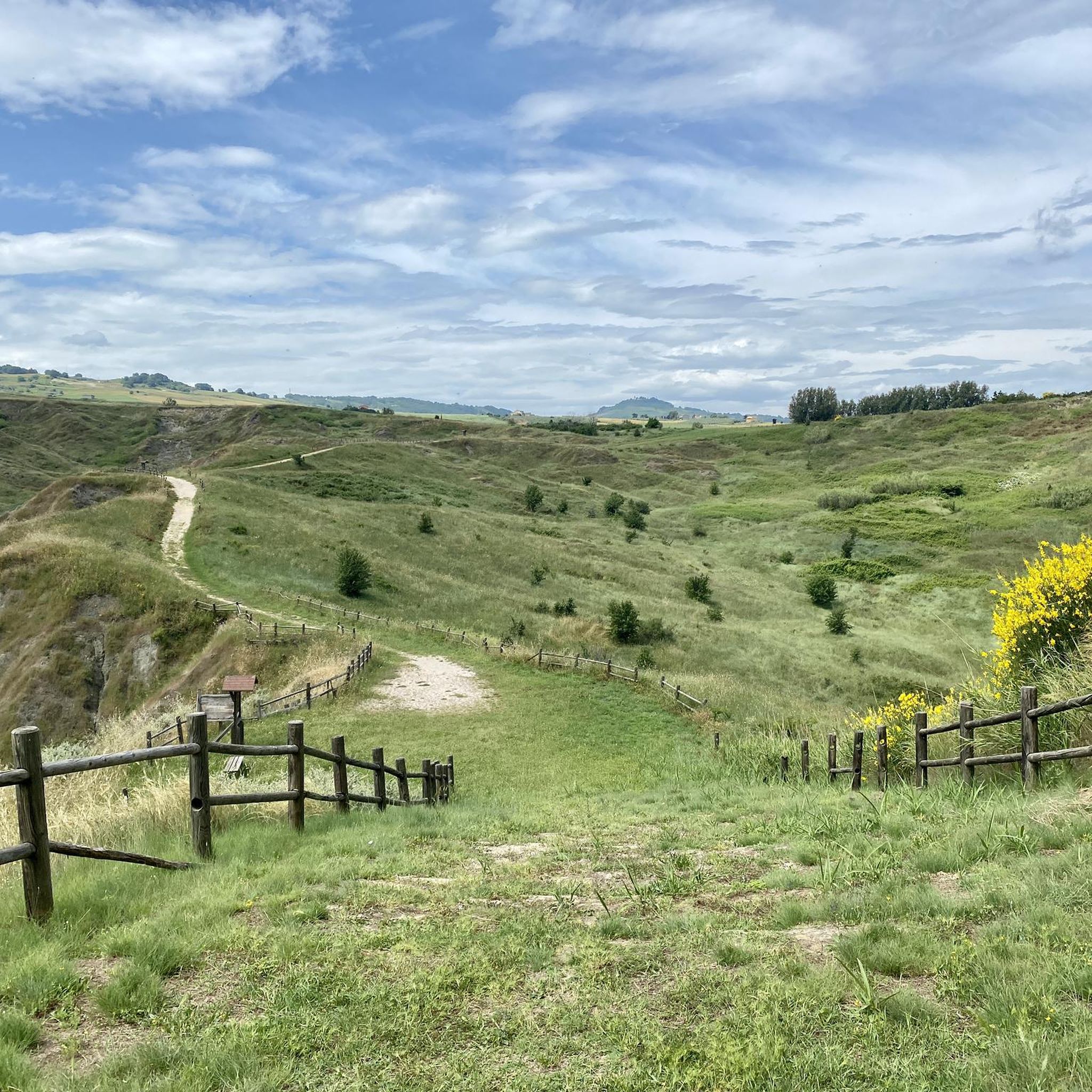
Short tour but with beautiful landscapes.
0
0

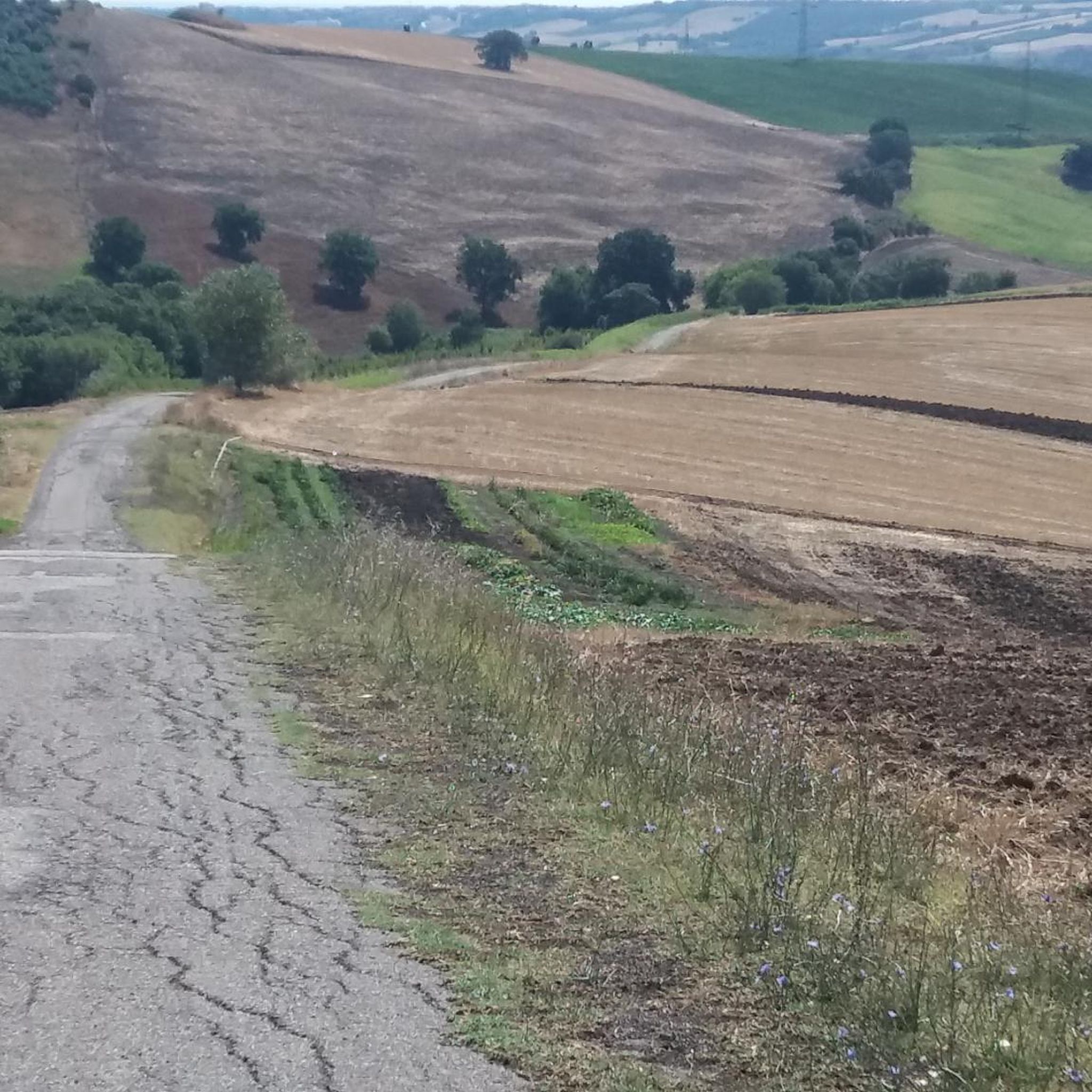
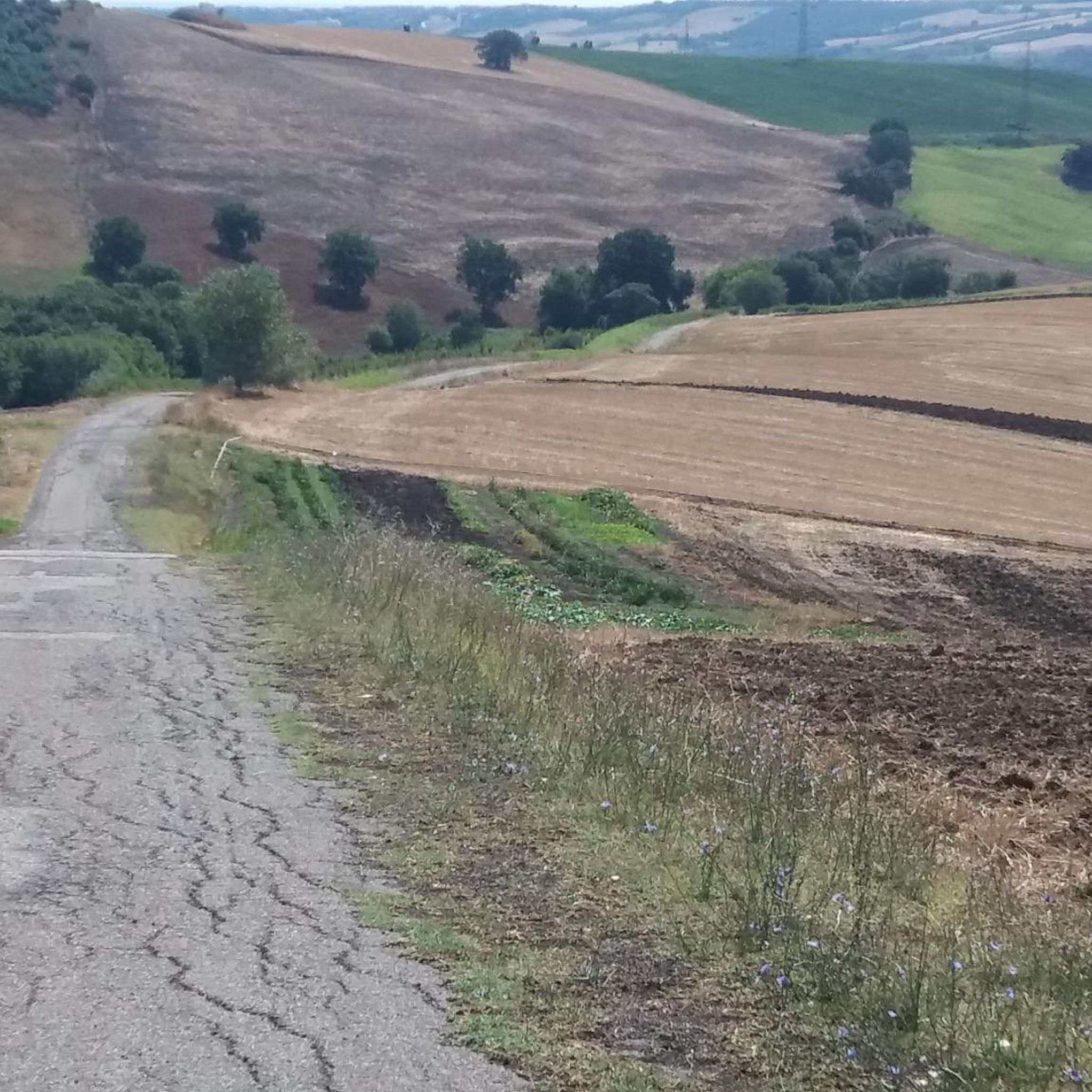
Outside the town centre, there is a nice stretch of mixed dirt and light asphalt which, with not too demanding descents and climbs, makes you lose yourself on the Molise hills, worth trying.
0
0

An important part of the defense system, a sturdy wall that surrounded the old village.
0
0
Breathtaking panorama, the Gargano promontory and the Majella.
0
0
Natural areas Behind the beach there is a system of dunes among the most valuable on the Adriatic coast and a vast pine forest subject to environmental protection. On 15 May 2012 Petacciato received the "Blue Flag" for the first time, an award given to the best European beaches for water quality, services and ecosystem protection[5], an award awarded again until 2016
0
0
Monuments and places of interest Norman castle: it is located in the highest part of the old town, and dates back to the 11th century. In 1463 the fiefdom refused to submit to the Vasto authority of Antonio Caldora and was set on fire. Destroyed several times by Saracen and Turkish incursions, in the 16th century, following the last Ottoman attack, the castle was restored as a Renaissance palace, equipped with some neo-Gothic embellishments in the 19th century. The rectangular structure has the shape of a noble palace, whose medieval features are found in the top adorned with corbels and in the access portal, with lateral hinges, since it was in the past connected to a drawbridge. Church of Santa Maria di Petacciato: built in Apulian Romanesque style in the 13th century with the restoration of Frederick II, the church was dedicated to San Rocco until 1967, and has a single nave. Subsequently another one was added, together with the three analyses[unclear]. The bell tower is a sturdy tower that stands out above the town. The very small and intimate façade is a Renaissance reworking of the right side of the church, squeezed between the bell tower and the civilian homes. Torre di Petacciato: coastal tower of the defensive system against the Turks, commissioned by Charles V in the 16th century. The tower today is a ruin, split in two, in need of restoration. Church of San Rocco: built in 1967, inaugurated by Msgr. Giovanni Proni, is located in the modern part of the town, along Viale Pietravalle.
0
0
The history of Petacciato is very ancient, but at the same time of uncertain origin, as there is partially dubious documentation. In pre-Roman times it was occupied by the Frentani, a people of uncertain origin. In fact, according to some historians these descended from the Samnites, for others, however, from the Liburnians, the Sabines or the Etruscans. Its names have also been multiple: Petazio, of Greco-Roman origin, means wide-brimmed hat, Potare, which means "to drink in abundance", probably due to the presence of numerous springs in its territory, as well as Betavium, "Petacciata" , "Pitacciato" etc. The territory of Petacciato has always been disputed by various peoples and bandits. It suffered attacks from the Goths (5th century), the Byzantines (6th century), the Lombards (7th century). The coastal center has been destroyed several times by earthquakes; those that occurred in the years 1117, 1125, 1456 are worth mentioning. The latter, in particular, on the night between 4 and 5 December, caused a terrible destruction of the town with the consequent death of numerous inhabitants. A few years of poverty and abandonment of the country followed. In 1463 Petacciato was again razed to the ground by the Angevins, in battle against the Aragonese who Petacciato, together with Guglionesi, a neighboring town, had strenuously defended. Only towards the middle of the 16th century did Petacciato experience moments of prosperity again. In fact, there were settlements of Slavic people who guaranteed the repopulation of the territory. It was annexed to the University of Guglionesi, but in 1618 the Feudo di Petacciato was sold and taken over by the Duke of Celenza (Abruzzo) Giulio Cesare Caracciolo in 1619. These contributed to strengthening that phase of repopulation and economic recovery of the country. Towards the end of the 16th century Petacciato was invaded by the Turks, becoming a refuge for bandits. In its long and troubled history, Petacciato also experienced the dominion of the D'Avalos, a noble Neapolitan family who contributed significantly to restoring economic, social, cultural and religious development to the town. Petacciato, despite its thousand-year history, only became an independent municipality on 30 December 1923, breaking away from Guglionesi.
0
0
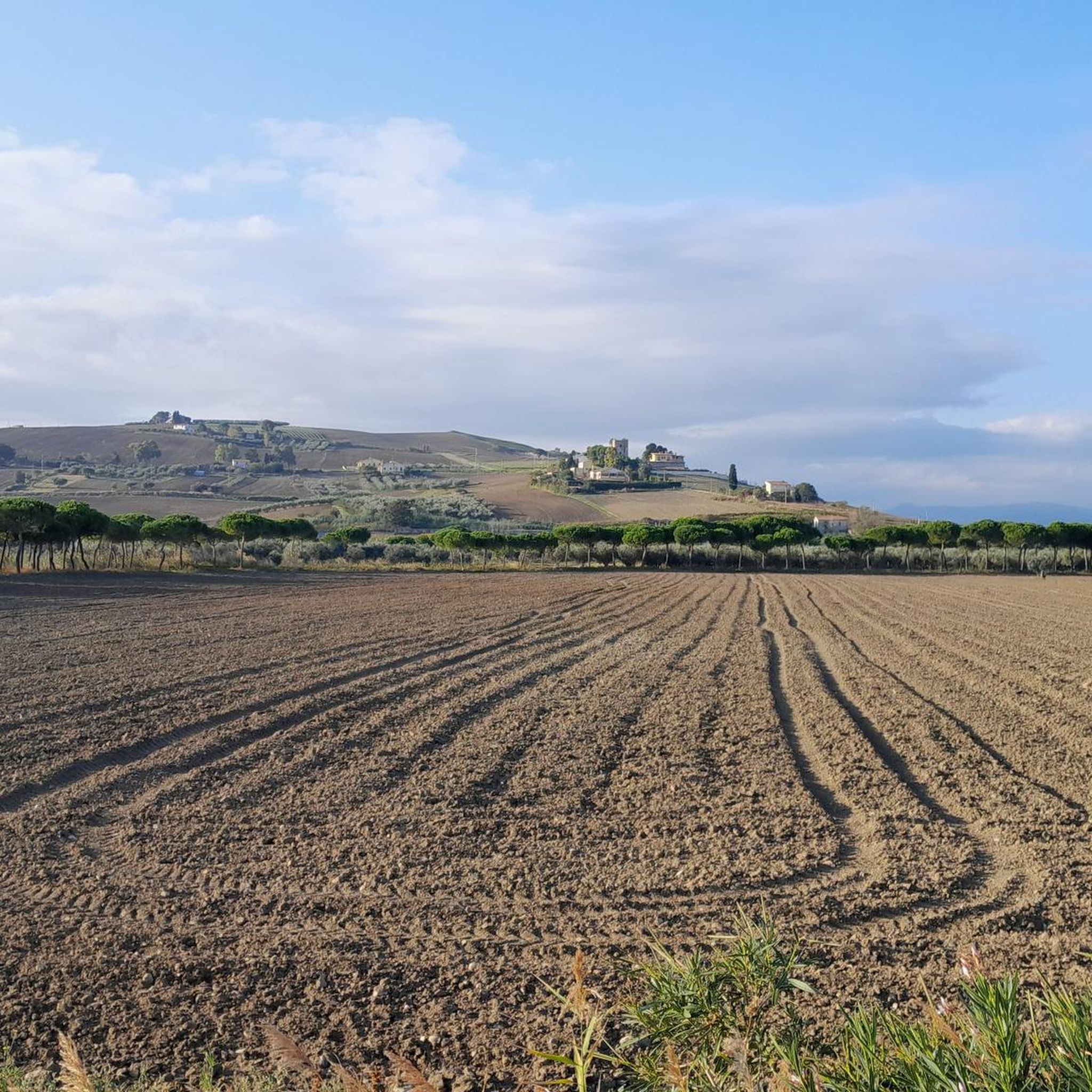
I arrived by bike in this small village, tackling the 225m that separate it from sea level, going up from the valley that separates it from the municipality of Montenero di Bisaccia. A good workout or a little help with assisted pedaling is recommended.
0
0
Frequently Asked Questions
What kind of castles can I expect to find around Guglionesi?
While Guglionesi itself primarily offers historical ruins and sites of former castles, such as the remnants along Via Capitano Verri and the site of the second castle in Castellara (now home to the Convent of the Cappuccini), the broader Molise region provides well-preserved examples. The area reflects a rich history of fortification, including the 10th-century 'incastellamento' phenomenon where entire villages were designed as defenses.
Are there any well-preserved castles near Guglionesi that I can visit?
Yes, for well-preserved castles, you should visit nearby Termoli. The most notable is the Svevo Castle, an impressive 13th-century structure designed by Frederick II of Swabia. It functions as a regional historical museum and offers panoramic views.
What is the historical significance of the castles in the Guglionesi area?
The castles and fortifications around Guglionesi are historically significant as they were part of a strategic defense network. Guglionesi once had two castles and eighteen watchtowers, though they were largely destroyed in 1496. The region also participated in the 'incastellamento' phenomenon, where entire villages were built as fortifications, highlighting a period when the very fabric of settlements provided defense against invaders like the Saracens and later, the Turks.
Are there other historical sites besides castles in the area?
Absolutely. Beyond the castles, the Old Town of Termoli is a must-see historical site. It's a medieval village protected by ancient walls, offering narrow streets and historical architecture. Additionally, the Montebello Tower (also known as Torre di Vialante) is a coastal defense tower with possible Norman origins, part of a network against Turkish attacks.
What are the best viewpoints near the castles?
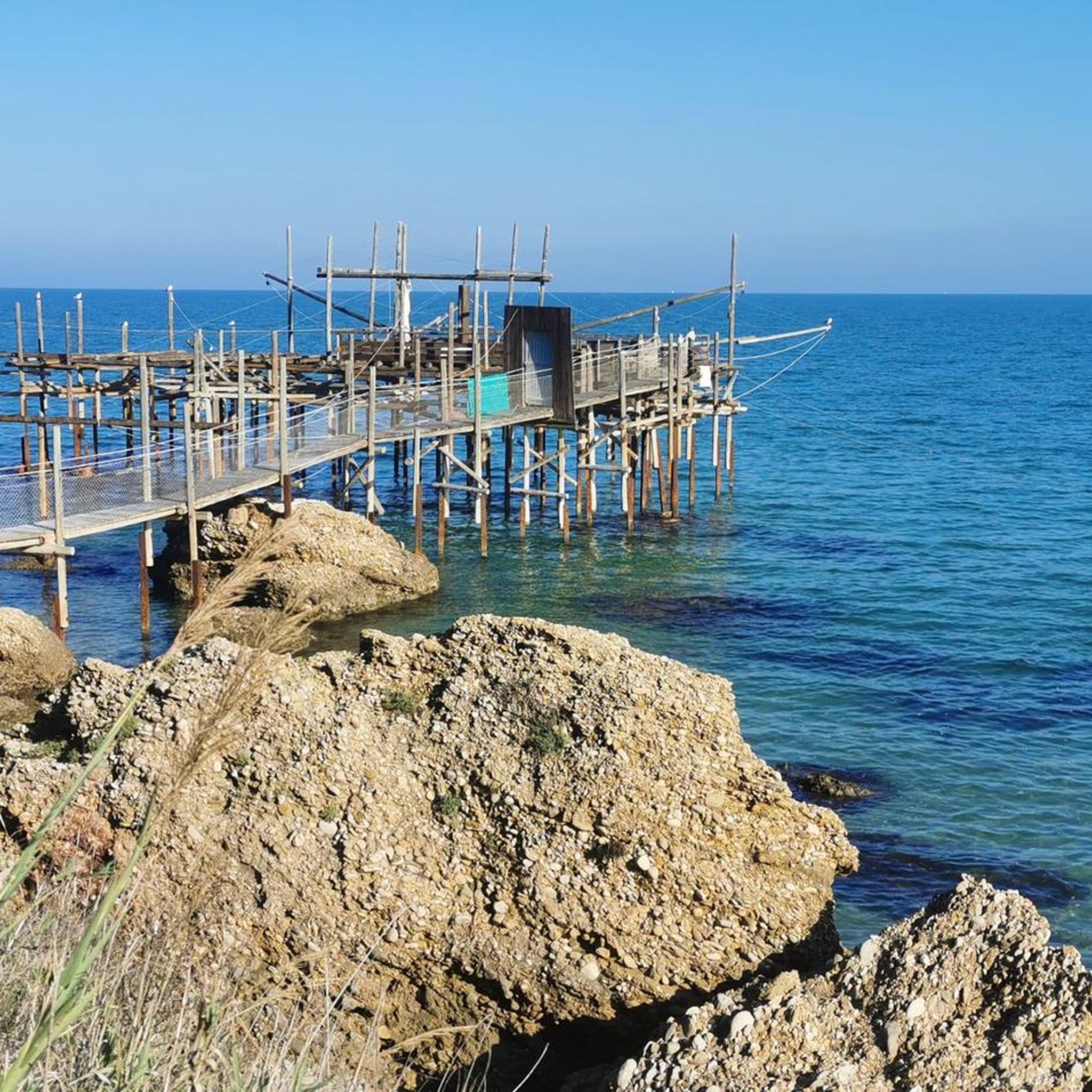
Near the Svevo Castle in Termoli, you can find the View of the Trabucchi and Termoli Old Town from the Castello Svevo Belvedere. This spot offers breathtaking panoramas of the sea, the traditional fishing structures known as 'trabucchi,' and the charming old town, especially beautiful at sunset.
Are there family-friendly castles to visit around Guglionesi?
Yes, the Svevo Castle in Termoli is considered family-friendly. Its well-preserved state and status as a regional historical museum make it an engaging visit for all ages. The View of the Trabucchi and Termoli Old Town from the Castello Svevo Belvedere is also a great spot for families to enjoy the scenery.
What is the best time to visit the castles around Guglionesi?
The Molise region generally enjoys pleasant weather from spring to early autumn (April to October). Visiting during these months allows for comfortable exploration of the outdoor ruins and the well-preserved castles, as well as enjoying the coastal views without extreme heat or cold.
Are there hiking trails near the castles around Guglionesi?
Yes, there are several hiking opportunities in the region. For example, you can explore trails like the 'Calanchi di Montenero Loop' or routes around Termoli such as 'Trabucco di Celestino – Svevo Castle loop'. You can find more details and routes on the Hiking around Guglionesi guide.
What other outdoor activities can I do near the castles around Guglionesi?
Beyond hiking, the area offers excellent opportunities for cycling. You can find various MTB trails, including loops connecting Termoli and Portocannone, or road cycling routes like the 'Guglionesi Historic Center – Termoli Seafront Cycle Path loop'. Explore these options in the MTB Trails around Guglionesi and Road Cycling Routes around Guglionesi guides.
What do visitors particularly enjoy about the castles and historical sites in this region?
Visitors often appreciate the excellent condition of the Svevo Castle and its role as a symbol of Termoli's medieval village. The historical depth of the Old Town of Termoli, with its protective walls and charming streets, is also highly praised. The panoramic views from the belvedere near the castle are frequently highlighted as superb, especially at sunset.
Is there parking available at Svevo Castle in Termoli?
While specific parking facilities directly at the castle are not detailed, Termoli's old town, where the Svevo Castle is located, has parking options in its vicinity. It's advisable to look for public parking areas outside the historic center and walk in, as the old town itself has narrow streets.
Most popular attractions around Guglionesi

Get inspired with the komoot mobile app


Explore more
Looking for the best castles somewhere else? Discover other guides around Guglionesi:
