Top 7 Castles around Zagarolo
Best castles around Zagarolo are found in a region characterized by its historical significance and varied landscape. Zagarolo, a medieval town built on a tufa bluff, offers a blend of cultural heritage and natural settings. The area features historical edifices that have evolved from defensive fortresses to grand palaces and cultural centers. These structures are often situated in charming towns, providing insights into centuries of Italian history.
Best castles around Zagarolo
- The most popular castles is Brancaccio Castle in San…
Last updated: October 2, 2026
Brancaccio Castle in San Gregorio da Sassola
Highlight • Castle
Translated by Google •
Tip by

Rocca Pia of Tivoli
Highlight • Castle
Translated by Google •
Tip by

Sign up now to discover places like this
Get recommendations on the best single tracks, peaks, & plenty of other exciting outdoor places.
Castel San Pietro Romano
Highlight • Settlement
Translated by Google •
Tip by

Castello di Corcolle
Highlight • Castle
It was a transition fortress of the late fifteenth century, towards the affirmation of the "modern fortification". …
Translated by Google •
Tip by

Rocca dei Colonna
Highlight • Castle
Translated by Google •
Tip by

Sign up for free to discover even more castles around Zagarolo.
Already have an account?
Start today with a free account
Your next adventure awaits.

Tips from the Community

La Rocca Pia is an imposing 15th-century fortress located in the very historic center of Tivoli, in Lazio. Built starting in July 1461 by order of Pope Pius II Piccolomini (from whom it takes its name), the fortress was created with the dual objective of militarily controlling the strategic access routes to the city and reaffirming papal authority over the citizenry after long periods of unrest and internal clashes, particularly between the Guelphs and Ghibellines factions and the powerful Colonna and Orsini families. The project, completed under the pontificate of Pope Alexander VI, is traditionally attributed by the only historical source (Vasari) to Filarete and his disciples.
0
0

Vicolo Barchetto, 00019 Tivoli RM, Italy
10
0

Tivoli's Rocca Pia, an imposing Renaissance fortress located in the city center, was built by Pope Pius II Piccolomini starting in 1461 to defend the city and control the population. The structure is characterized by four large circular towers of varying heights, connected by high crenellated walls. Over the course of its history, the Rocca has alternated defensive functions with those of a papal barracks and, for a long time, a prison until 1960. It is currently a tourist attraction located near Piazza Garibaldi and the Bleso amphitheater. WEBSITE: https://visittivoli.it/sito-turistico/rocca-pia/
2
0


The Rocca dei Colonna was erected on the highest point of the acropolis in 970 AD. The initial building had a square plan with corner towers also with a square base, and housed a cylindrical tower used as a prison. Some famous people were imprisoned there, including San Berardo, bishop of the Marsi, Jacopone da Todi and Corradino di Svevia. Over the centuries, the fortress was destroyed several times; in 1482, the fortress was renovated and the event is remembered by the inscription on the turret of the small bridge "magnificus dominus Stephanus Columna readificavit civitatem cum monte et arte MCDLXXXII".
0
0

Today it is managed by the farm of the same name which welcomes visitors with rooms and a restaurant.
0
0
In Piazza Garibaldi, the heart and arrival point of the Via Tiburtina in the city, the Rocca Pia castle dominates, symbol of the city of Tivoli.
3
0

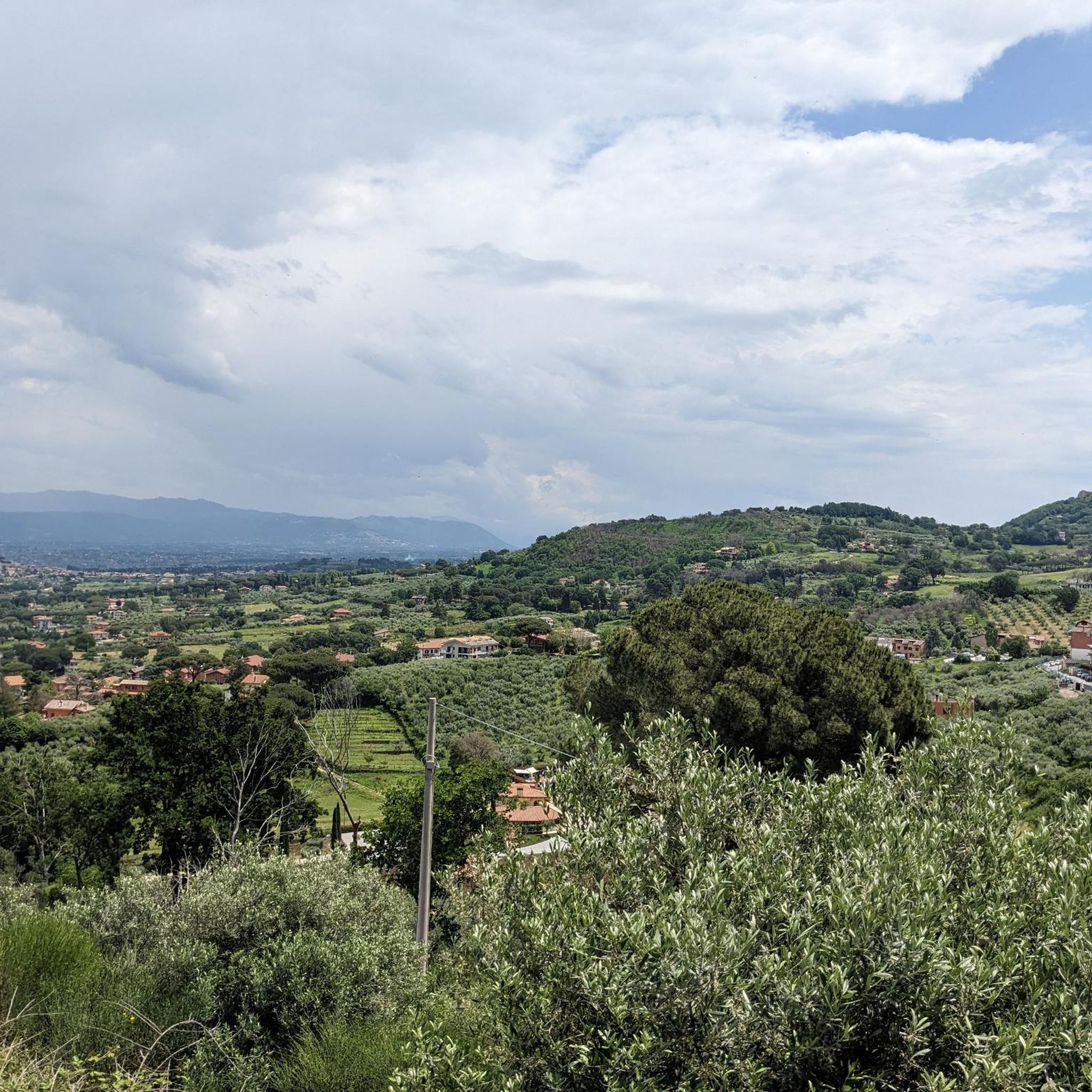
Gorgeous landscapes
0
0
Frequently Asked Questions
What is the most historically significant castle in Zagarolo itself?
The most significant historical edifice in Zagarolo is the Palazzo Rospigliosi. Originally a 12th-century defensive fortress for the Colonna family, it was transformed into a grand ducal palace. It's renowned for its artistic masterpieces, including paintings by Giovanni Bianchi and works by the Zuccari brothers, and even hosted Caravaggio. Today, it houses the Museo del Giocattolo (Toy Museum) and serves as a cultural hub.
Which castles near Zagarolo are recommended for history enthusiasts?
For history enthusiasts, Palazzo Rospigliosi in Zagarolo offers a deep dive into centuries of Italian history, showcasing the influence of prominent families and artistic movements. Additionally, Castel San Pietro Romano is a settlement with a long history dating back to the late Bronze Age, evolving from an acropolis to a Benedictine monastery and a Colonna family castrum.
Are there family-friendly castles to visit near Zagarolo?
Yes, several castles offer family-friendly experiences. The Palazzo Rospigliosi in Zagarolo houses the Museo del Giocattolo (Toy Museum), one of the largest in Italy, making it a unique and engaging cultural experience for families. Rocca Pia of Tivoli and Castello di Corcolle are also categorized as family-friendly historical sites.
What kind of outdoor activities can I do near the castles around Zagarolo?
The region around Zagarolo offers various outdoor activities. You can find numerous running trails, such as a moderate 7.2 km loop from Colonna Galleria or a 10.9 km loop from Ex ferrovia Roma-Fiuggi-Alatri-Frosinone. For cycling, there are gravel biking routes like the difficult 49.7 km Ariccia – Ariccia Bridge loop, and road cycling routes including the challenging 76.5 km Capranica Prenestina – Monte Guadagnolo loop. You can explore more options on the Running Trails around Zagarolo, Gravel biking around Zagarolo, and Road Cycling Routes around Zagarolo guide pages.
What do visitors enjoy most about the castles and villages around Zagarolo?
Visitors particularly enjoy the characteristic medieval atmosphere and scenic views. For instance, Brancaccio Castle in San Gregorio da Sassola is praised for its beautiful views and the opportunity to relax at local bars. The ancient village of San Vittorino is also highlighted as a spectacular and beautiful place to visit.
Are there any castles with notable architectural features near Zagarolo?
Yes, Rocca Pia of Tivoli is known for its distinctive architectural grandeur, boasting four splendid towers, with the tallest exceeding 36 meters in height. The Palazzo Rospigliosi in Zagarolo also features two long wings and a richly decorated nymphaeum, showcasing its evolution from a fortress to a majestic palace.
What is the best time of year to visit the castles around Zagarolo?
While specific opening hours for all castles vary, the region generally offers a pleasant experience during spring and autumn when the weather is mild, ideal for exploring historical sites and enjoying outdoor activities. Summer can be warm, but many sites offer shade, and winter provides a quieter, often picturesque, experience, though some attractions might have reduced hours.
Are there viewpoints or natural features near the castles?
Yes, several castles offer excellent viewpoints. Brancaccio Castle in San Gregorio da Sassola is noted for its scenic views. Castel San Pietro Romano is perched on Mount Ginestro, offering panoramic views. Additionally, the Cannuccete Valley near Castel San Pietro Romano is a protected natural area with typical Lazio flora and fauna, and remains of a pre-Roman aqueduct.
Can I find cafes or places to eat near the castles?
Yes, you can often find cafes and places to eat in the charming towns where these castles are located. For example, near Brancaccio Castle in San Gregorio da Sassola, visitors can enjoy a drink at small outdoor bars. The Palazzo Rospigliosi in Zagarolo is situated within the town, offering access to local amenities. Castello di Corcolle currently houses an accommodation facility with a restaurant.
How long should I plan for a visit to the castles near Zagarolo?
The duration of your visit depends on the castle and your interests. For a comprehensive experience at the Palazzo Rospigliosi, including the Toy Museum, you might spend half a day. Smaller castles or villages like Brancaccio Castle or Historic village of San Vittorino could be explored in a few hours. A full day could allow you to visit one main site and combine it with exploring the surrounding town or a nearby route.
Is public transport available to reach castles around Zagarolo?
While Zagarolo itself is accessible by public transport, reaching individual castles in the surrounding area might require a combination of public transport and local connections, or a car. Zagarolo is a short drive from Rome, and local buses or trains connect to nearby towns. For detailed public transport information to specific sites, it's best to check local transport schedules.
Most popular routes around Zagarolo
Most popular attractions around Zagarolo

Get inspired with the komoot mobile app


Explore more
Looking for the best castles somewhere else? Discover other guides around Zagarolo:
