Top 3 Castles around Spinazzola
Best castles around Spinazzola are situated in the Puglia region of Italy, an area defined by the Alta Murgia National Park. This landscape features outcropping limestone, diverse flora, and historical remnants. The region's past includes significant Norman and Swabian influences, evident in its numerous fortifications. Spinazzola itself is historically linked to ancient routes like the Appian Way, making it a location of strategic importance.
Best castles around Spinazzola
- The most popular castles is Castel del Monte, a castle that…
Last updated: August 23, 2026
Castel del Monte
Highlight • Castle
Translated by Google •
Tip by

Rocca del Garagnone
Highlight • Castle
To reach …
Translated by Google •
Tip by

Sign up now to discover places like this
Get recommendations on the best single tracks, peaks, & plenty of other exciting outdoor places.
Sign up for free
Monteserico Castle
Highlight • Castle
Translated by Google •
Tip by

Minervino Murge
Highlight • Settlement
Translated by Google •
Tip by

the summit of the Rocca
Highlight • Summit
Translated by Google •
Tip by
Sign up for free to discover even more castles around Spinazzola.
Sign up for free
Already have an account?
Start today with a free account
Your next adventure awaits.
Login or Signup


Tips from the Community

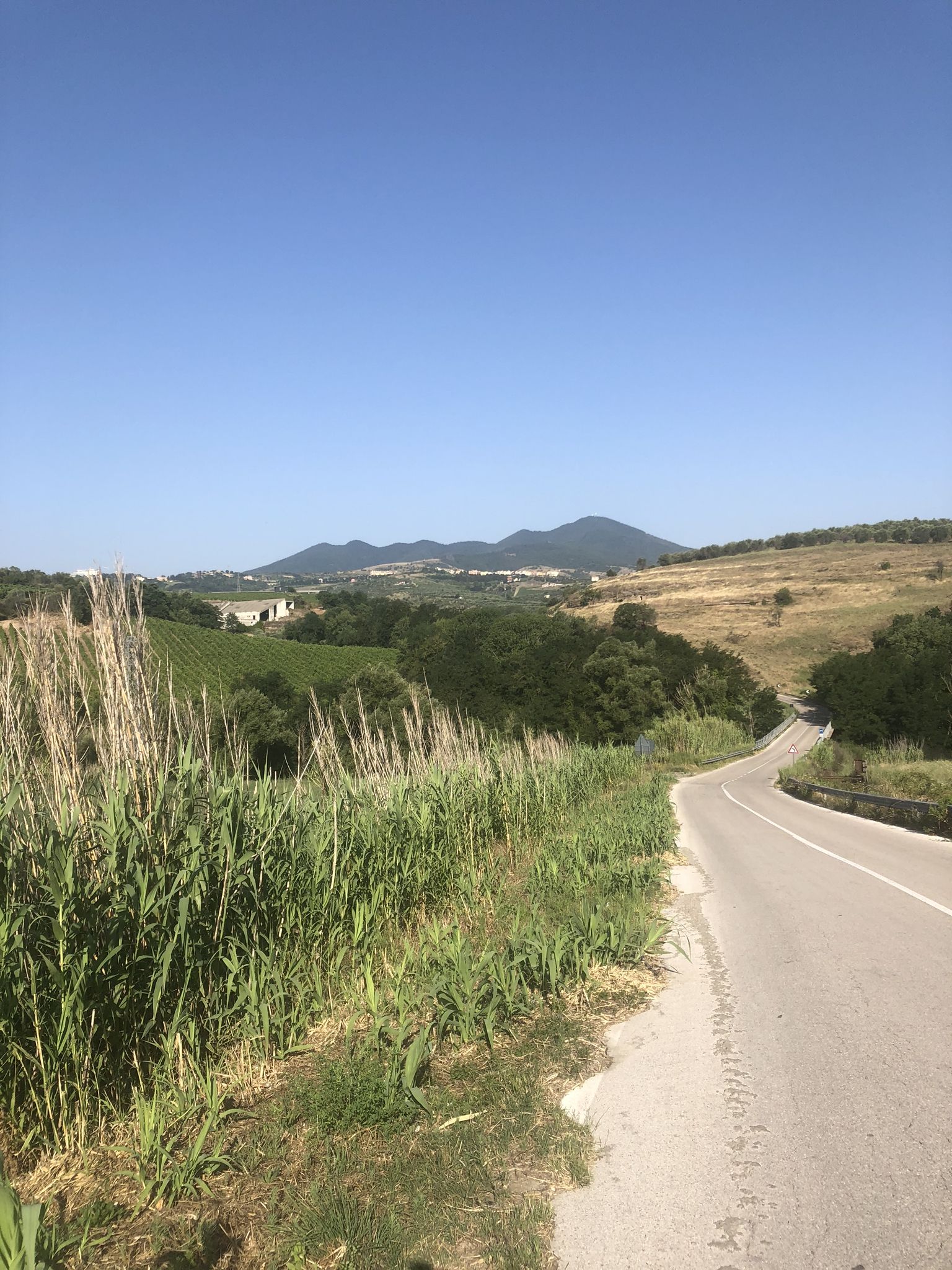
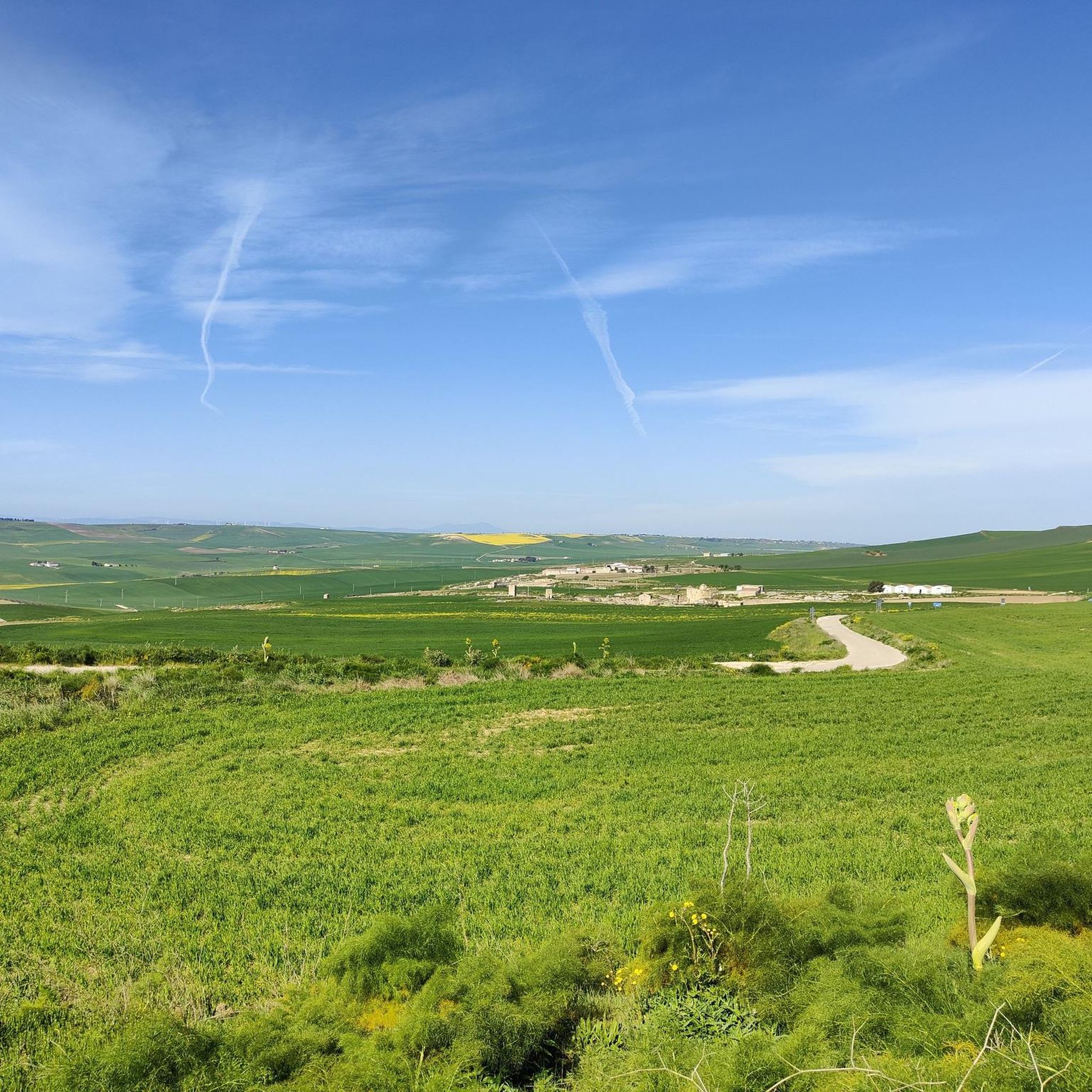
Pleasant and enjoyable historic center with its architecture and views over the valley with Mount Vulture, a wonderful neighbor Great effort to get up by bike or on foot but the panorama repays everything
0
0

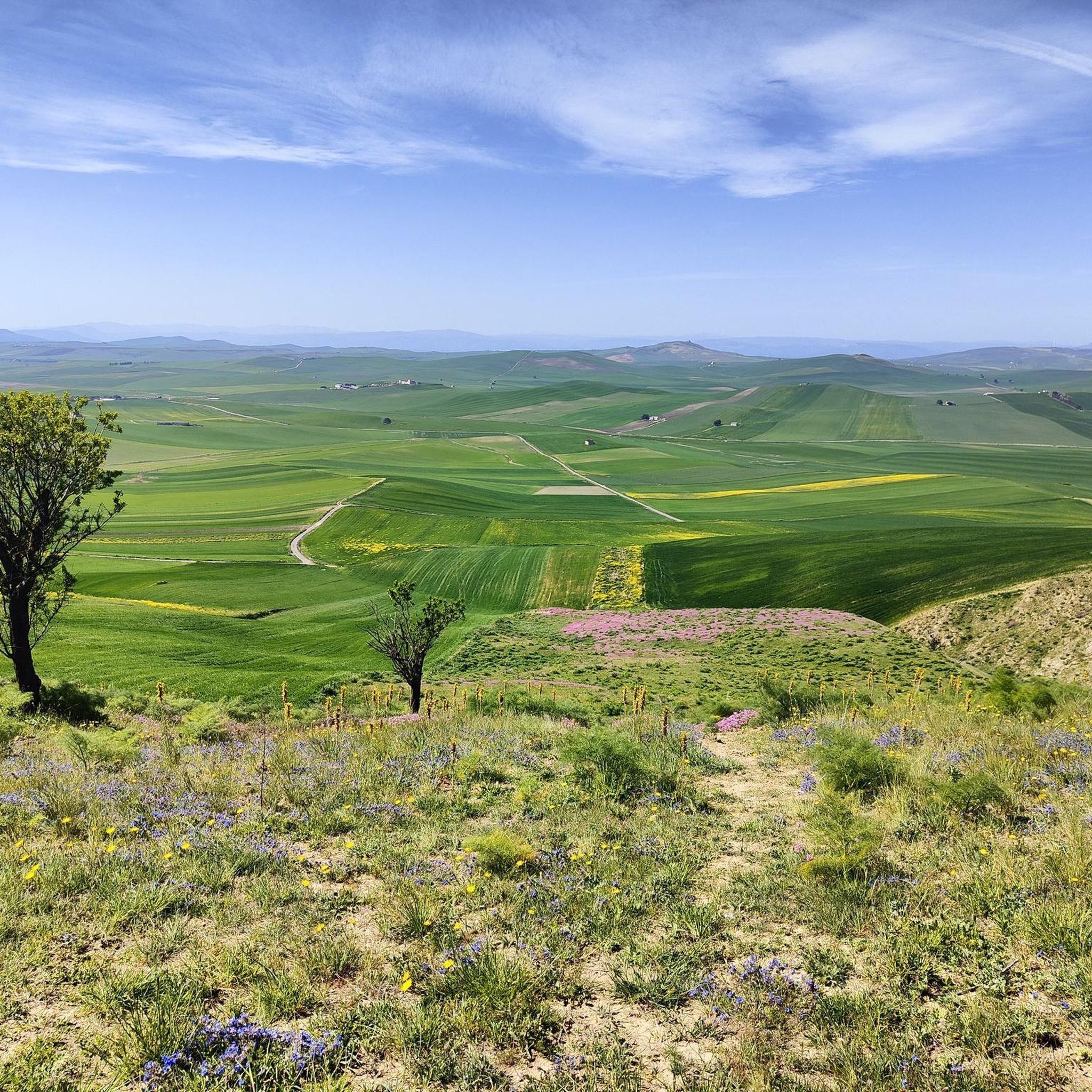
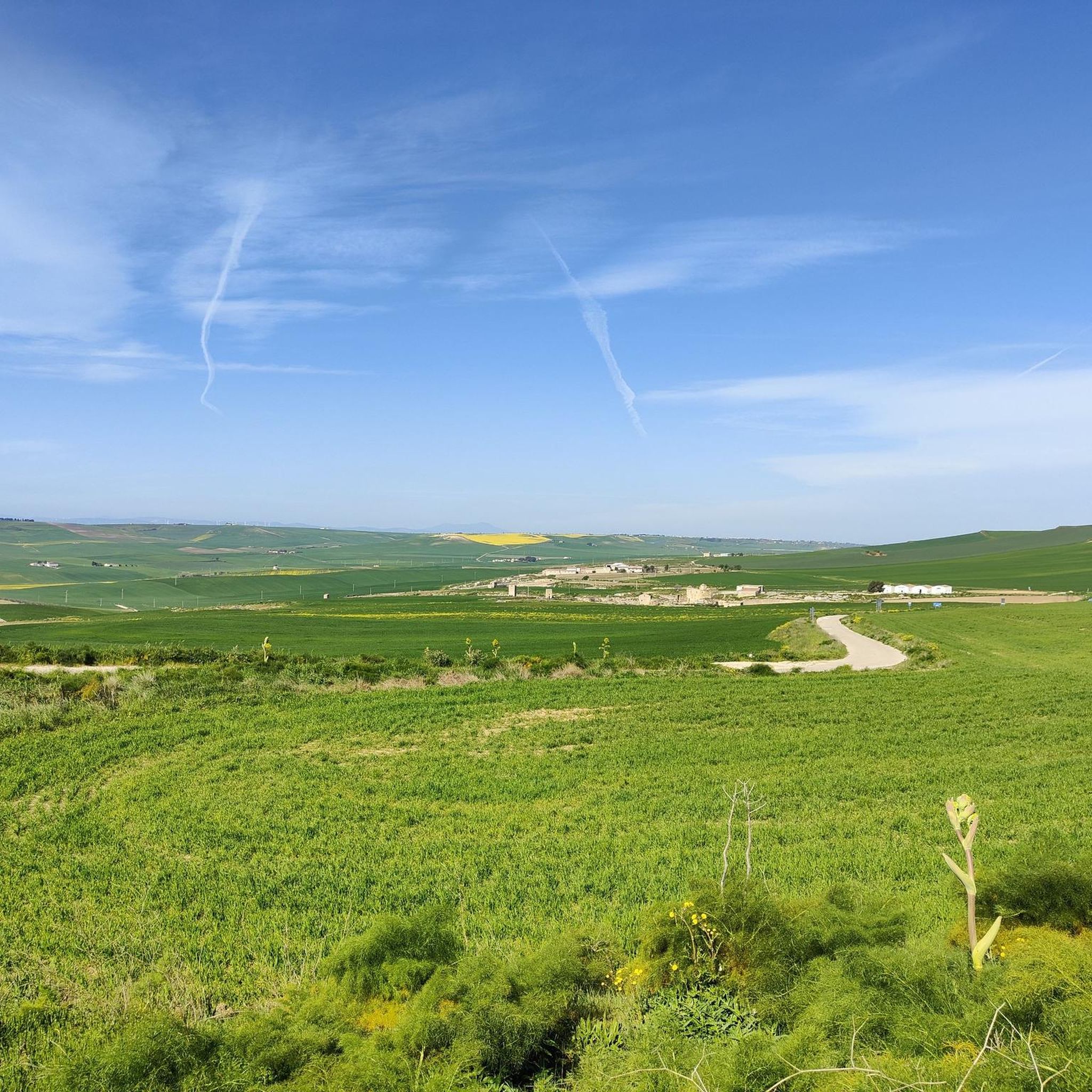
splendid view from the highest point of the Rocca del Garagnone, to get there you travel along a road with a nice slope, but the result is beyond satisfactory
0
0

Minervino Murge rises over 400 m above sea level on the western side of the Murge. The city is rich in history and some evidence of it can still be visited, including the Norman castle, the Romanesque cathedral and the votive lighthouse.
1
0

Minervino Murge is located on the western side of the Murge, at more than 400 meters above sea level. The city has ancient origins and preserves historical and artistic testimonies from various eras, including the Norman castle, the Romanesque cathedral and the votive lighthouse. From the views of the town you can enjoy an impressive view of the Tavoliere delle Puglie and the area is also famous for the production of the Minervino DOC red wine.
1
0

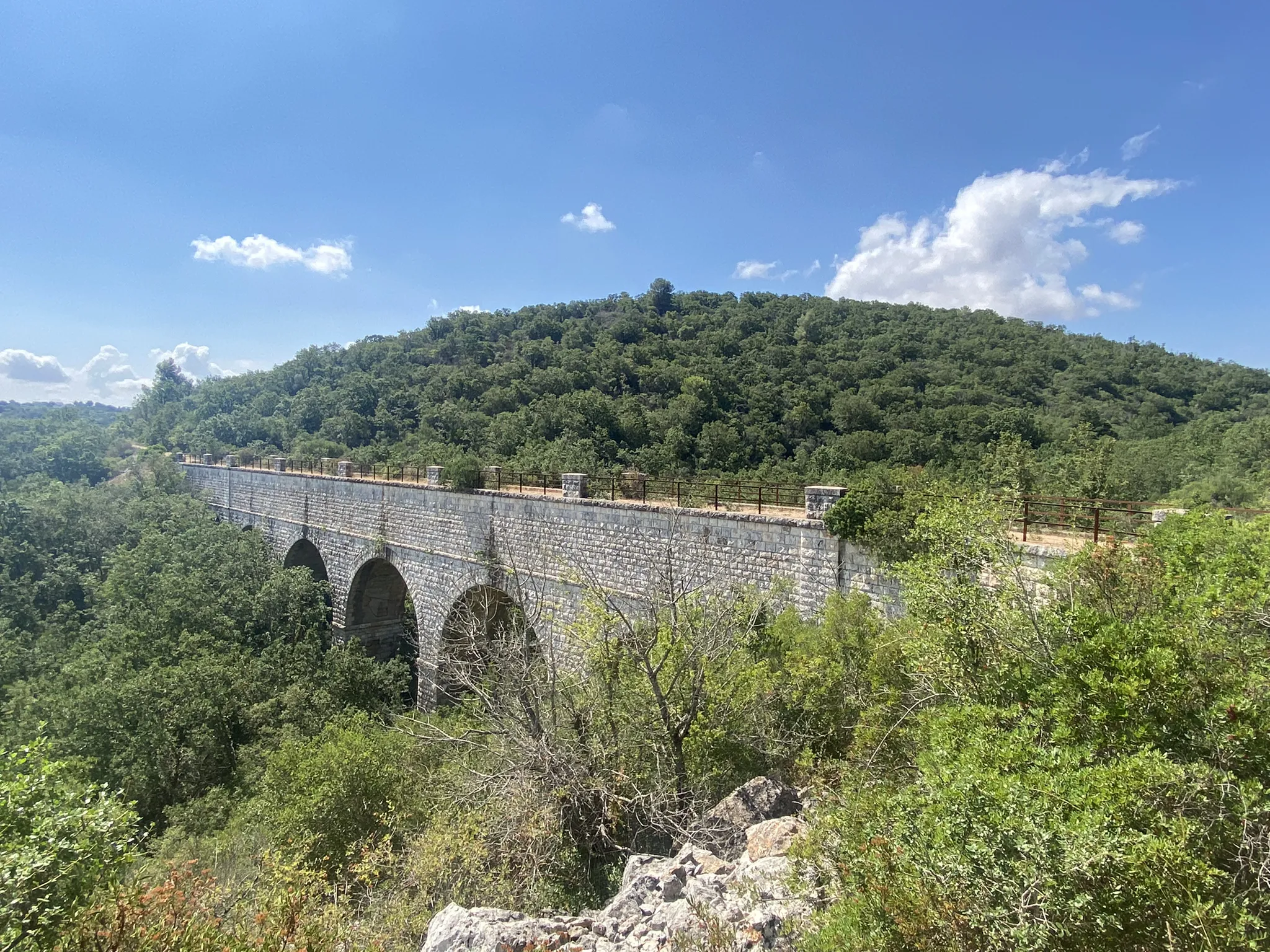
Of the ancient village, only the small church remains today, not far from the castle, dedicated to the Madonna. The castle of Monteserico belonged in the following centuries to various local noble lords. From the 17th to the end of the 18th century, it was owned by the Genoese Grimaldi dei Doria and some descendants of the Sancia family. It remained abandoned, therefore, for more than half a century, until in 1857 it was purchased by local barons, the dell’Agli-Cetti, when, however, it had already become an uninhabitable place.
2
0
The manor is accessed via a ramp paved with cobblestones. After the entrance portal, you enter a square courtyard that separates the keep from the external mass that encloses it. Originally the entrance was located exactly on the opposite side to the current one, opened only in recent times (19th century), and consisted of an ogival door with stone frames. The ground floor plan is divided into two parts with an arch supporting a pointed barrel vault. The two upper floors are accessed via a spiral staircase.
2
0
Around 980, Otto II, after invading Puglia, ordered that defense posts be created at the borders of the occupied regions, also to serve as supply points for the planned expedition to Calabria. The Castle was then transformed into a fortress.
2
0
Frequently Asked Questions
What are the main historical castles in the Spinazzola area?
The Spinazzola area is rich in historical fortifications. Beyond the well-known Castel del Monte, you can explore the ruins of Rocca del Garagnone, a medieval fortress strategically positioned along the Appian Way. There are also sparse remnants of the original Castello Normanno in Spinazzola itself, which was rebuilt and later demolished.
What makes the castles around Spinazzola historically significant?
The castles in this region, particularly Rocca del Garagnone and the former Castello Normanno, played crucial roles during the Norman and Swabian eras. They were part of a defensive network, controlled commercial routes like the Appian Way, and served as administrative centers or hunting lodges for figures like Frederick II. Their history reflects the strategic importance of the Alta Murgia region.
What can I expect to see at <a href="https://www.komoot.com/highlight/269030" target="_blank" rel="noopener">Castel del Monte</a>?
Castel del Monte is a 13th-century fortress built by Frederick II of Swabia and is a UNESCO World Heritage Site. Located on a hill within the Alta Murgia National Park, it's known for its unique octagonal shape and well-preserved medieval architecture. Visitors can explore its interior and enjoy panoramic views of the surrounding landscape.
What are the unique features of <a href="https://www.komoot.com/highlight/3051095" target="_blank" rel="noopener">Rocca del Garagnone</a>?
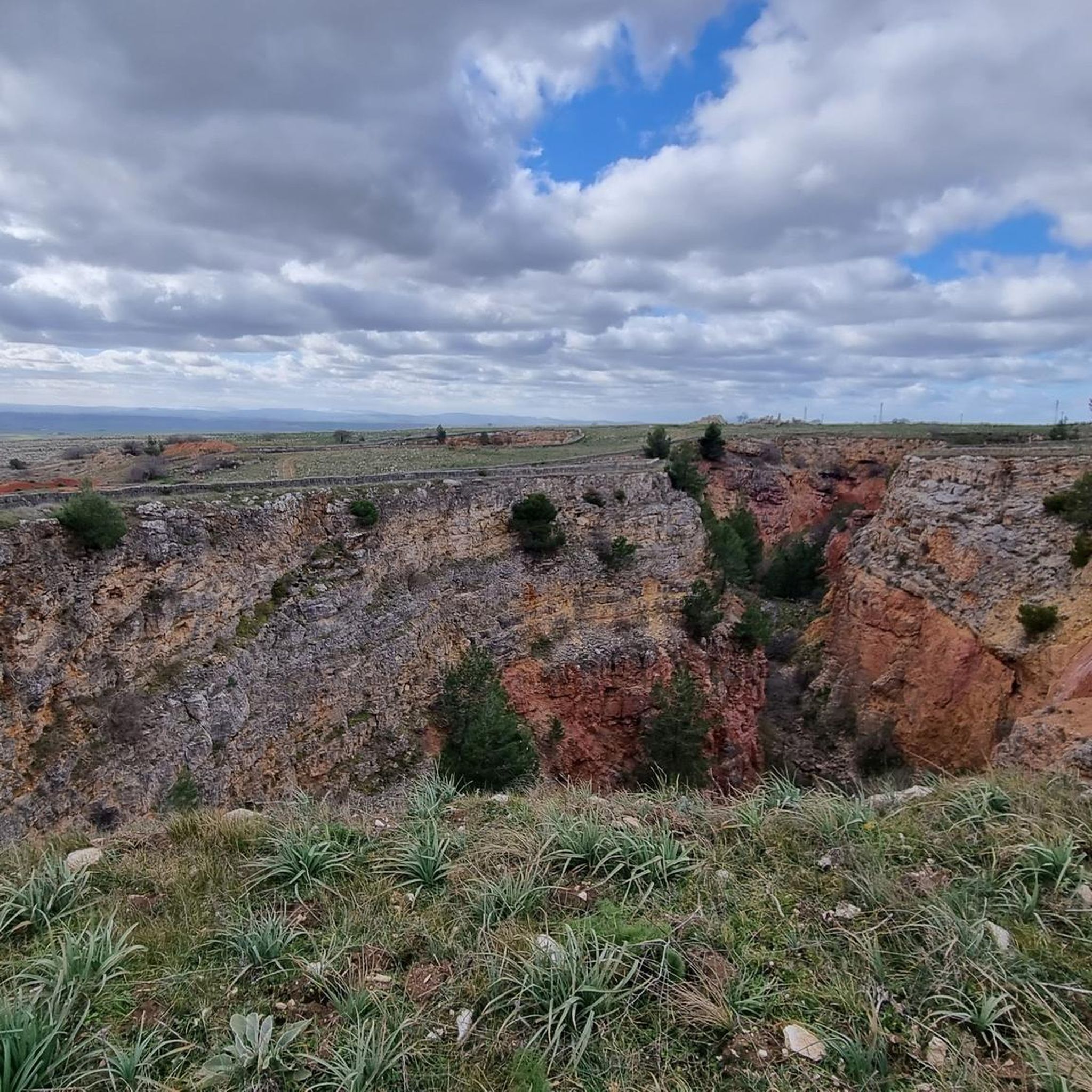
Rocca del Garagnone is a ruined medieval fortress known for its 'invisibility' – it was constructed using local stone to blend seamlessly with the landscape. Despite being largely destroyed by an earthquake in 1731, visitors can still explore some underground rooms and defensive wall sections that merge with rock formations. Its elevated position offers breathtaking panoramic views of the Apulian countryside.
Are there any other notable castles or historical sites to visit near Spinazzola?
Yes, Monteserico Castle is another significant site. Built in Norman times and renovated by Frederick II, it features a central quadrangular tower and a lower enclosure. It's located on a peak about 15 km from Genzano di Lucania, offering historical insights and commanding views. The town of Minervino Murge also preserves a Norman castle and Romanesque cathedral.
What outdoor activities can I do near the castles around Spinazzola?
The area around Spinazzola's castles, particularly within the Alta Murgia National Park, offers various outdoor activities. You can find numerous routes for cycling, running, and hiking. For instance, there are cycling routes like the 'Roman Bridge – Bauxite Mines of Spinazzola loop' and hiking trails such as the 'Bauxite Mines of Spinazzola loop'. You can find more details on these activities in the Cycling around Spinazzola, Running Trails around Spinazzola, and Hiking around Spinazzola guides.
Are there hiking trails around the castles?
Yes, especially around Rocca del Garagnone and Castel del Monte, which are situated within the Alta Murgia National Park. You can find trails like the 'Il Cavone Sinkhole – Panoramic view of Bosco Acquatetta loop' or the 'Bauxite Mines of Spinazzola loop'. Some paths to reach the castle ruins can be rough, so appropriate footwear is recommended. Explore more hiking options in the Hiking around Spinazzola guide.
What natural features and wildlife can I observe near these castles?
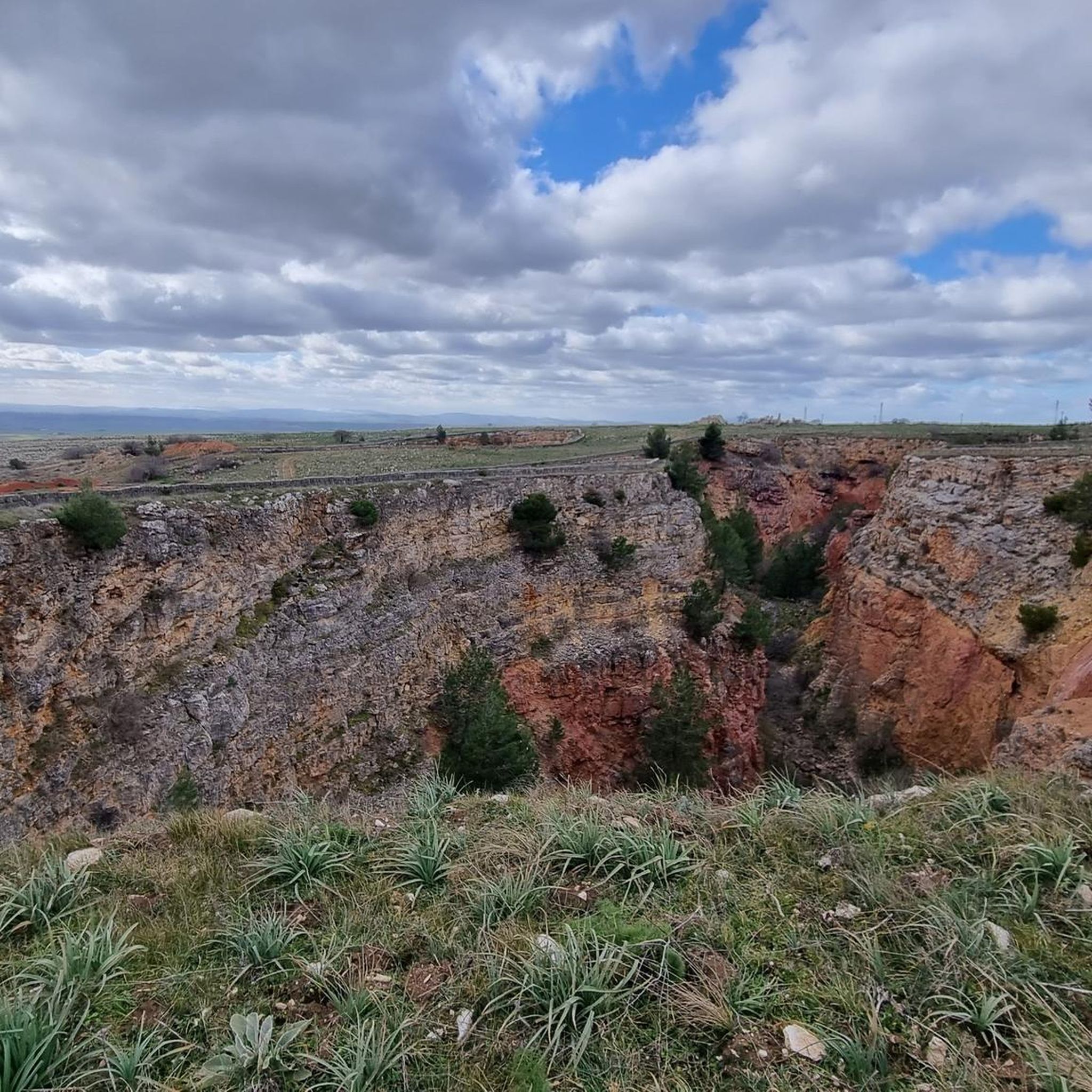
The castles are set within the Alta Murgia National Park, an area characterized by outcropping limestone, vibrant orchids, and aromatic plants. This diverse habitat supports various raptors. The landscape around Rocca del Garagnone, for example, features a mix of stone, woods, and arid steppe, offering a unique natural experience alongside historical exploration.
Is the area around Spinazzola's castles family-friendly?
Yes, several castles and nearby areas are considered family-friendly. Castel del Monte is a popular destination for families, offering an engaging historical experience. The surrounding Alta Murgia National Park also provides opportunities for easy walks and exploring nature, making it suitable for family outings.
What is the best time to visit the castles around Spinazzola?
While specific opening hours and ticket information for all sites are not provided, generally, the spring and autumn months offer pleasant weather for exploring the outdoor ruins and hiking trails in the Alta Murgia National Park. Summers can be hot, and winters might be chilly, but each season offers a unique perspective on the landscape and historical sites.
Are there any dog-friendly trails or areas near the castles?
The Alta Murgia National Park, where many of these castles are located, often has dog-friendly trails. While specific regulations for each castle may vary, many outdoor routes and natural areas allow dogs on a leash. It's always advisable to check local signage or park regulations for the most current information before visiting with your pet.
Where can I find information about parking or public transport to the castles?
For sites like Castel del Monte, parking facilities are typically available nearby. For more remote ruins like Rocca del Garagnone, access might involve following less-maintained paths, making personal transport or mountain bikes recommended. Public transport options to the more isolated castle sites are generally limited, so planning private transportation is often the most convenient way to explore the region's castles.
Most popular attractions around Spinazzola

Get inspired with the komoot mobile app


Explore more
Looking for the best castles somewhere else? Discover other guides around Spinazzola:
