Top 4 Caves around Quarto
Caves around Quarto are primarily found within the Phlegraean Fields, a large volcanic caldera in Italy's Metropolitan City of Naples. This region features a variety of natural and artificial underground formations. These sites offer insights into the area's geological processes and historical human activity. The subterranean landscape around Quarto provides diverse exploration opportunities.
Best caves around Quarto
- The most popular caves is Naples Underground, a cave that features an extensive network of tunnels and chambers beneath Naples, with sections…
Last updated: October 16, 2026
Naples Underground
Highlight • Cave
Translated by Google •
Tip by

San Lorenzo Maggiore Underground Roman Ruins
Highlight • Historical Site
Translated by Google •
Tip by

Sign up now to discover places like this
Get recommendations on the best single tracks, peaks, & plenty of other exciting outdoor places.
Grotta di Seiano
Highlight • Cave
Translated by Google •
Tip by

Hermitage of Santa Maria Pietraspaccata
Highlight • Religious Site
Translated by Google •
Tip by

Sibyl's Cave
Highlight • Cave
Tip by

Start today with a free account
Your next adventure awaits.
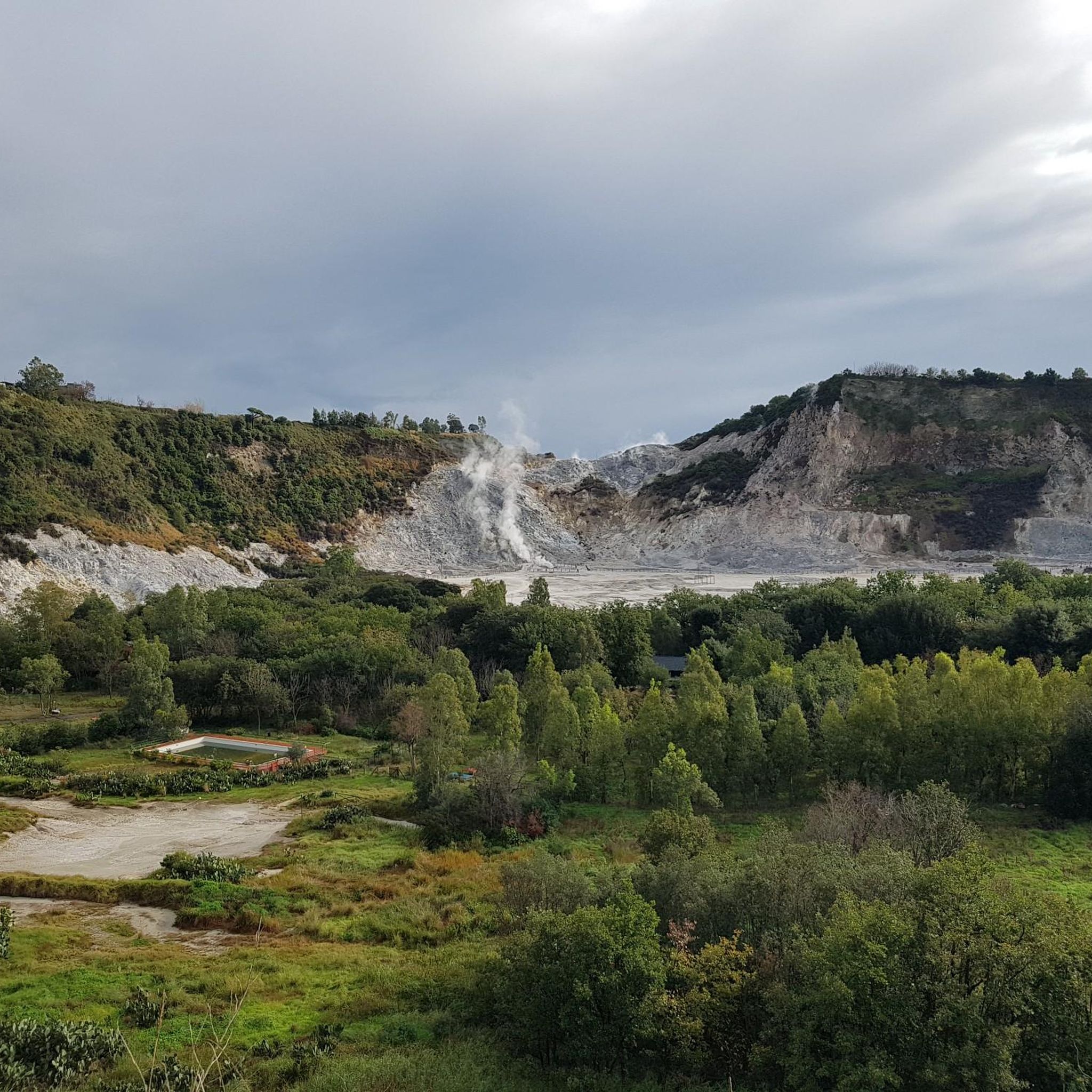
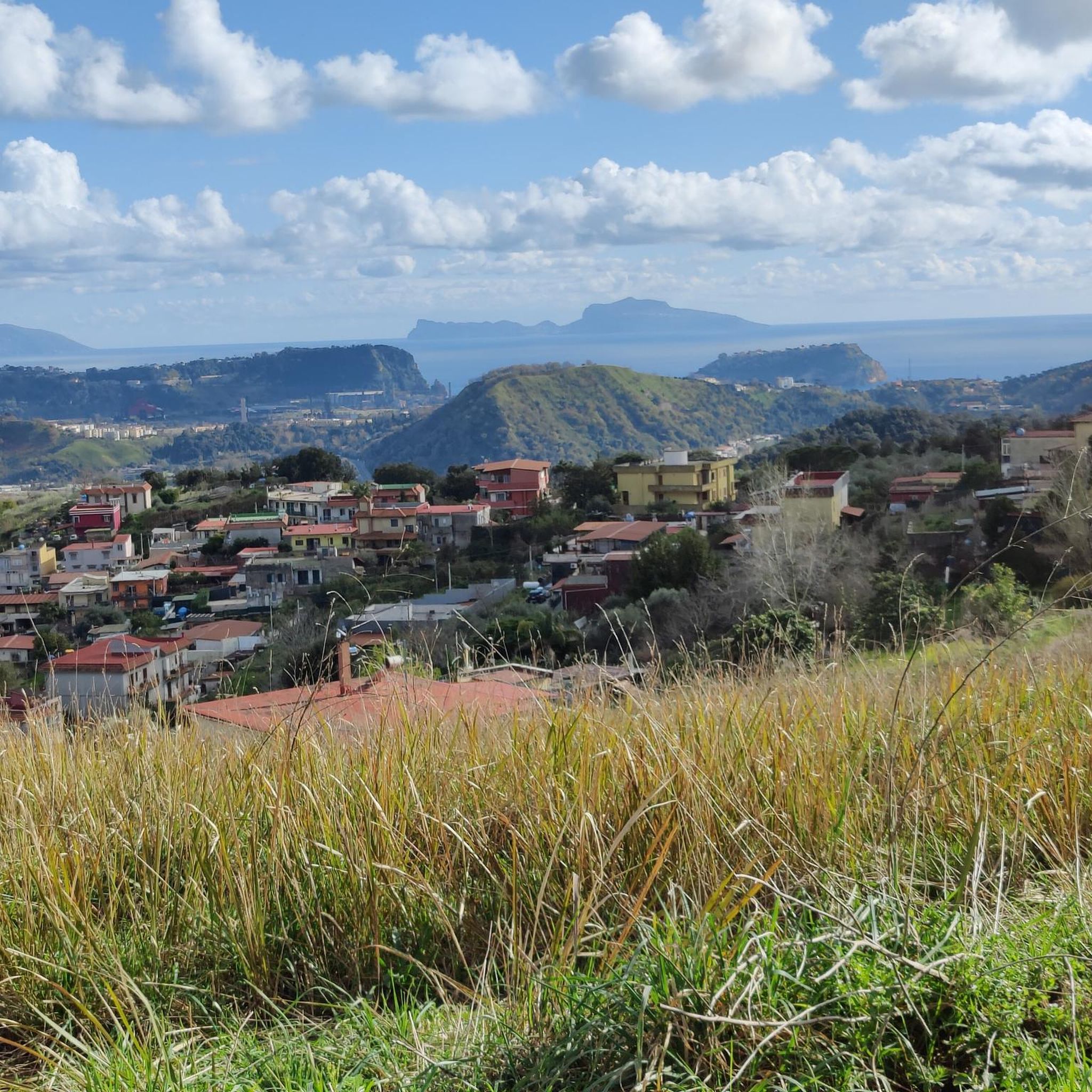
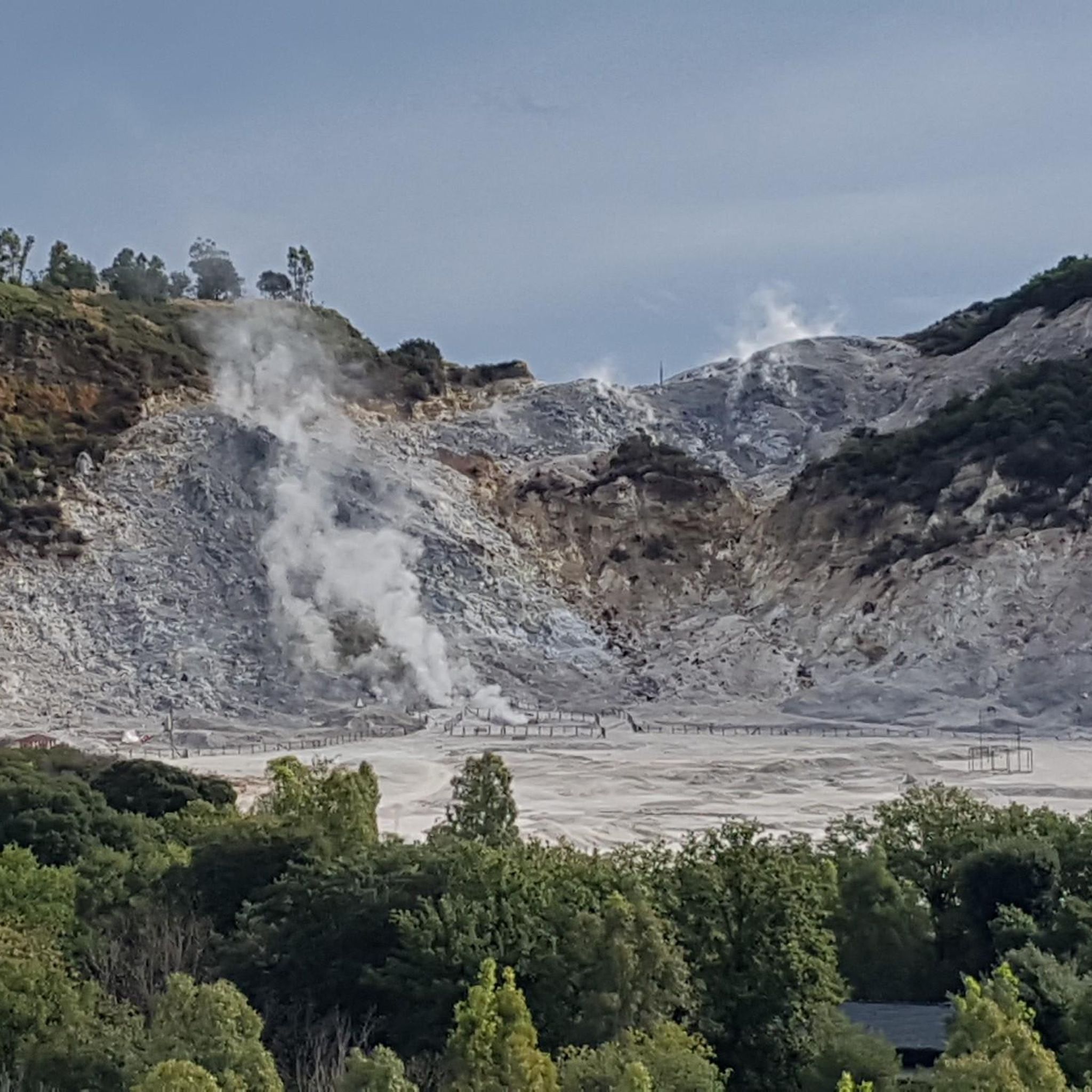
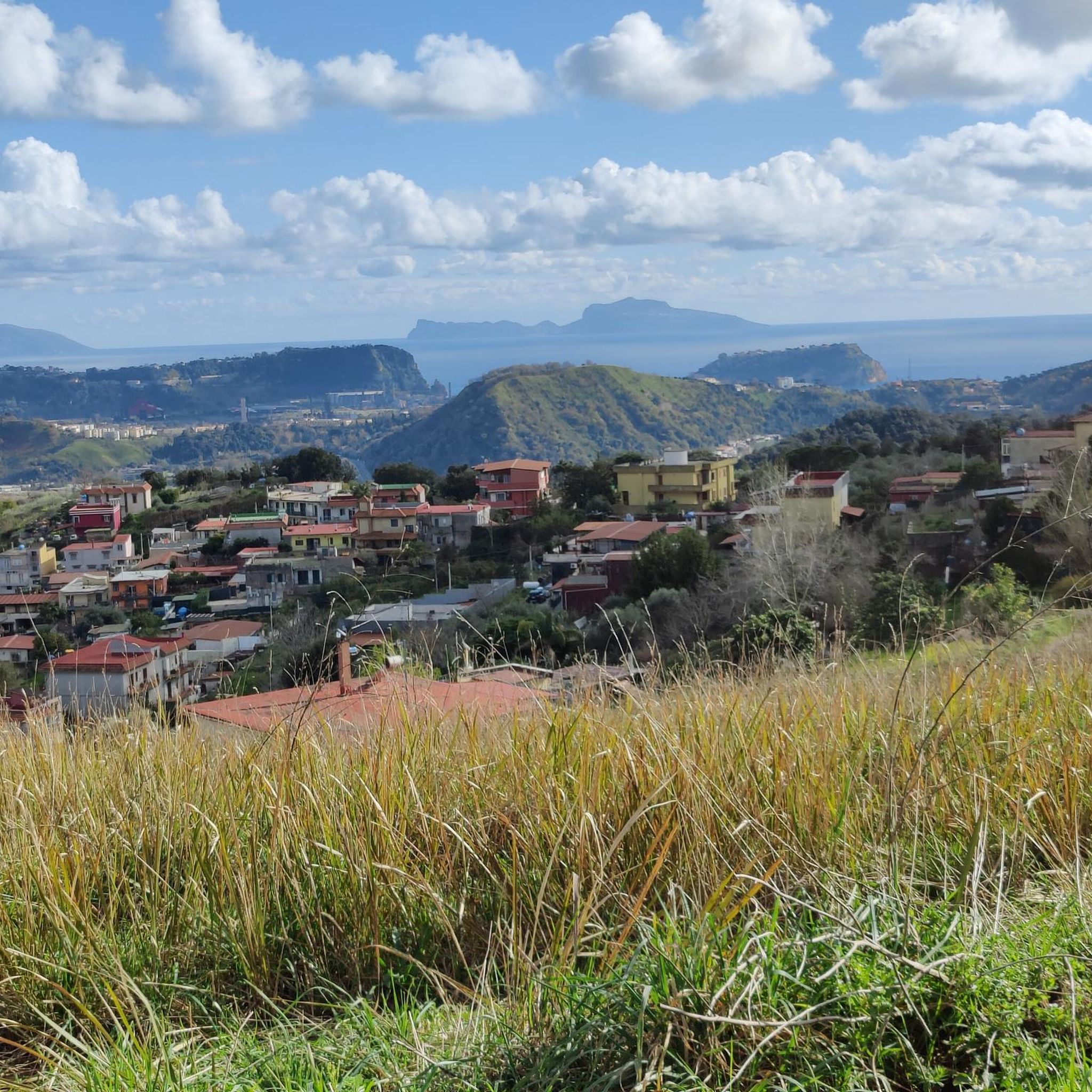
Tips from the Community

Path to get there almost completely closed by vegetation and full of garbage, with the entrance to the cave which is anyway closed by a grate. Not worth the detour
0
0

A route in ancient Neapolis where you can walk along a street from that era with its shops and appreciate the Cryptoporticus and the Macellum. https://www.laneapolissotterrata.it
1
0

The semi-rock hermitage of Santa Maria Pietraspaccata is nestled within a centuries-old chestnut grove, the “Bosco della Salandra”, in the dense forest rich in flora and fauna extraordinary treasures are hidden: the “Ciaurriello“, a Roman mausoleum still preserved today, the “Grotta del Brigante“, and countless other archaeological finds yet to be discovered. The hermitage is located in Marano di Napoli and constitutes an archaeological-architectural unicum in Campania, it is partially dug into the side of a deep hydrographic furrow that from the Camaldoli hill flows into the bottom of the Quarto crater, with jumps of over one hundred meters. Its caves develop on multiple levels and probably represent a primitive rock settlement dating back to the Neolithic. It was an obligatory stop for shepherds during the transhumance, in fact, it overlooks an ancient Osco-Samnite sheep track (also cut into the tuff bank) that connected the highest Neapolitan hill with the Phlegraean-Campanian countryside. In Roman times, the caves were incorporated into an overlying villa, with probable function of mithraeum and nymphaeum. The tuff ridge involved is ingeniously sculpted in such a way as to intercept, with studied channels and inclined planes, both rainwater and spring water to be regimented in two large cisterns. Other channels accompanied the excess water to the bottom of the gully, where a suggestive stream flows that transforms into a rushing torrent during the rains. The hermitage-tower was added at the end of the 16th century in order to incorporate the aforementioned caves. The structure is crossed vertically by a fault fracture from which it is not excluded that thermal steam came out in ancient times. Discovered in 1992 by a group of volunteers organized by Prof. Carlo Palermo, who then formed the Archeoclub Maraheis, it was brought to light by them by manually removing hundreds of cubic meters of material that had fallen from the overlying cliff. The work, which lasted several years, has highlighted the strong archaeological value of the site and has recovered numerous finds from the Neolithic, from the 1st-2nd century AD and others from the medieval period. Most of these are located at the Archaeological Museum of Naples. In the early Middle Ages it was perhaps used by Basilian monks, as would be deduced from the very ancient title of SS. Salvatoriello, given to the main cave, later transformed into a tiny chapel. The place then evolved structurally from a primitive cenoby, becoming a true sanctuary to which people flock from all over the surrounding area. Over time, various hermits followed, then the Franciscan friars (the Madonna with Child and two adoring friars are frescoed in the apse, strongly reminiscent of Giotto), then the Jesuits and still other hermits, until 1800. After that date, it fell into a state of abandonment and almost total decay. In the sights of building speculation, the monumental complex suffered attacks of all kinds: the continuous landslides from the overlying ridge, the damage to the load-bearing structure with the removal of blocks and the dumping of waste of all kinds aimed above all to discourage any cultural activity in situ and above all the visits of both local believers and scholars. The praiseworthy initiative of the FAI ignites new hopes.
0
0

In the off-season (end of October) I was even able to get a guided tour at 2pm without booking in advance.
2
0

Many ancient passages, sometimes narrow, sometimes wide
1
0

Napoli sotterranea is a parallel city born together with the current city and extends under the entire historic center at a depth of over 40 meters. The Official and Authorized route of Napoli Sotterranea starts from Piazza San Gaetano 68, on Via dei Tribunali next to the Basilica di San Paolo Maggiore.
1
0

Stairs lead from the Chiesa di San Lorenzo Maggiore seven meters below today's street level. In just a few minutes you can travel back in time almost 2,000 years to the middle of a completely preserved Roman commercial and residential street.
1
0
Frequently Asked Questions
What types of underground sites can I explore around Quarto?
The area around Quarto, particularly within the Phlegraean Fields, offers a diverse range of underground sites. These include extensive ancient aqueducts, Roman tunnels, early Christian catacombs, and even artificial caves steeped in mythology. You'll find a mix of natural geological formations and impressive man-made structures that showcase millennia of history and human ingenuity.
Which are the most popular underground attractions near Quarto?
Among the most popular sites are Naples Underground, an extensive network of tunnels and chambers beneath Naples, and Grotta di Seiano, an impressive Roman tunnel. Visitors also highly appreciate the San Lorenzo Maggiore Underground Roman Ruins, which reveal ancient Roman streets seven meters below current ground level.
Are there any historical underground sites to visit near Quarto?
Yes, the region is rich in historical underground sites. Beyond the Roman ruins at San Lorenzo Maggiore and the engineering marvel of Grotta di Seiano, you can explore the ancient Naples Underground, which includes Greek and Roman aqueducts and WWII air raid shelters. The Catacombs of San Gennaro in Naples also offer a profound historical and spiritual experience as an early Christian burial site.
What is unique about the geological formations in the Phlegraean Fields caves?
The Phlegraean Fields are a large volcanic caldera, meaning the underground formations are heavily influenced by volcanic activity. This results in unique tuff rock structures, which allowed for the creation of vast spaces in sites like the Catacombs of San Gennaro. The region also features approximately 200 coastal caves, many of which combine natural beauty with historical human intervention, often partially submerged due to bradyseism (ground movement).
Are there family-friendly options for exploring caves around Quarto?
Many of the historical underground sites, such as Naples Underground and the Catacombs of San Gennaro, offer guided tours that can be engaging for families, providing an educational and adventurous experience. The Sibyl's Cave at the Archaeological Park of Cumae also offers a fascinating journey into classical mythology that can captivate younger visitors.
What outdoor activities can I do near these caves?
Beyond exploring the underground, the area around Quarto offers various outdoor activities. You can find numerous hiking trails, including easy routes like the Astroni Trail, or moderate options around Lake Averno. For cyclists, there are road cycling routes, such as the Lake Avernus loop, and challenging MTB trails like those around Bosco Contessa. You can find more details on these activities in the Hiking around Quarto, Road Cycling Routes around Quarto, and MTB Trails around Quarto guides.
What is the best time of year to visit the caves around Quarto?
The underground sites maintain a relatively constant temperature year-round, making them suitable for visits in any season. However, for a more comfortable overall experience, especially if combining with outdoor activities or exploring the surrounding archaeological parks, spring (April-June) and autumn (September-October) offer pleasant weather with milder temperatures and fewer crowds than the peak summer months.
Are there any less crowded or 'hidden gem' underground sites near Quarto?
While sites like Naples Underground are popular, the Hermitage of Santa Maria Pietraspaccata offers a more secluded and unique experience. This semi-rock hermitage, nestled in a centuries-old chestnut grove, features caves that probably represent a primitive rock settlement dating back to the Neolithic period, with Roman and medieval additions. It's a site with deep historical and archaeological value, less frequented than the major attractions.
What should I know about accessibility for the underground sites?
Accessibility varies significantly between sites. Many ancient underground structures involve stairs, uneven surfaces, and narrow passages. For example, the San Lorenzo Maggiore Underground Roman Ruins require descending stairs. It's advisable to check specific accessibility information directly with each attraction before planning your visit, especially if you have mobility concerns.
Can I find cafes or other amenities near the cave attractions?
Yes, most major underground attractions, especially those located within or close to Naples (like Naples Underground and the Catacombs of San Gennaro), are situated in areas with abundant cafes, restaurants, and other amenities. Even sites like the Archaeological Park of Cumae or the Grotta di Seiano are typically within reasonable distance of local towns where you can find refreshments and facilities.
What kind of historical engineering can be seen in the caves?
The region showcases remarkable historical engineering. The Grotta di Seiano is an 800-meter-long Roman tunnel excavated through a hill, demonstrating ancient Roman mastery of construction. Naples Underground features extensive Greek and Roman aqueducts and cisterns, highlighting sophisticated water management systems from antiquity. The Sibyl's Cave at Cumae also shows how artificial caves were designed with various ramifications for light, air, and water collection.
Are there any specific safety considerations for visiting these caves?
When visiting underground sites, it's generally recommended to wear comfortable walking shoes, as surfaces can be uneven or slippery. Some passages might be narrow or dimly lit. Always follow the instructions of guides, especially in sites like Naples Underground or the Catacombs of San Gennaro, where tours are often mandatory. For natural coastal caves, be aware of tides and potential rockfalls.
Most popular attractions around Quarto

Get inspired with the komoot mobile app


Explore more
Extend your search for the best caves by checking out these guides of the top ones around Quarto:
