Top 4 Castles around Terzigno
Best castles around Terzigno are found in a region known for its archaeological heritage and proximity to Mount Vesuvius. Terzigno, situated at the foot of Mount Vesuvius, is part of the Vesuvius National Park area. The municipality is recognized for its Roman-era rustic villas, such as those found at Cava Ranieri, which offer insights into ancient peasant life. The Territorial Archaeological Museum of Terzigno (MATT) further showcases the historical findings from the region.
Best castles around Terzigno
- The most popular castles is Lettere Castle, a castle that was built around the 10th century to defend the borders of the northern part of the Duchy of Amalfi. This historical site offers a panoramic position, allowing control over the area from Castellammare to the Gulf of Naples.
- Another must-see spot is Castello Village of Palma Campania, a settlement that represents the original nucleus of the Palmese community. This village developed on a hill overlooking the town and includes historical castle elements.
- Visitors also love Palazzo Mediceo di Ottaviano, a historic structure built in the Lombard era before the year 1000. This castle, which once belonged to a branch of the Florentine Medici family, features a charming park and houses the administration of the Vesuvio National Park.
- Terzigno is known for historical castles, ancient settlements with castle elements, and historic palaces. The area offers a variety of historical sites to explore, ranging from medieval fortresses to renovated noble residences.
- The castles around Terzigno are appreciated by the komoot community, with 14 upvotes and 25 photos shared by visitors.
Last updated: June 29, 2026
Lettere Castle
Highlight • Castle
Translated by Google •
Tip by

Palazzo Mediceo di Ottaviano
Highlight • Castle
Translated by Google •
Tip by

Sign up now to discover places like this
Get recommendations on the best single tracks, peaks, & plenty of other exciting outdoor places.
Sign up for free
Castello Village of Palma Campania
Highlight • Settlement
buonapalmacampania.it/borgo-castello
Translated by Google •
Tip by

Sarno Castle and Fortifications
Highlight • Castle
In the following centuries the castle hosted King Manfredi of Swabia several times, who was buried there together with his son after having lost his life during the battle of Tagliacozzo. Later the castle passed into the hands of the Angevins and the County of Sarno ended up under the control of the Kingdom of Naples. In the 15th century, before passing to the Aragonese, the castle was occupied by the Orsini family, to whom we owe the building of the Bear Tower, still visible today. In these years the castle was the scene of the famous conspiracy of the barons and the Torre dell'Orso proved to be decisive for the fate of the battle of Sarno.
The history of the Sarno fortress ends in the 17th century: in 1647 it was destroyed during the repressive actions against the revolts triggered by Masaniello. Also for this reason today the fortress is a set of almost unrecognizable ruins, which emerge scattered here and there in the mountain vegetation, where the central body of the castle is more intact and still viable, albeit with great attention and effort.
Translated by Google •
Tip by

View of Castello di Lettere
Highlight • Viewpoint
Translated by Google •
Tip by

Sign up for free to discover even more castles around Terzigno.
Sign up for free
Already have an account?
Start today with a free account
Your next adventure awaits.
Login or Signup

Tips from the Community

The Palazzo Mediceo is a historic structure built in the Lombard era before the year 1000 in Ottaviano, a municipality in the province of Naples, and later belonged to a branch of the Florentine Medici family. In the second half of the 20th century it ended up in the hands of the Camorra, and was then returned to the city of Ottaviano in 1995. From the garden you can enjoy a beautiful view of the nearby Parish of San Michele Arcangelo. From November to April it is open from Thursday to Sunday from 10 am to 1 pm and from 2 pm to 5 pm. From May to October it is open from Monday to Friday from 10 am to 1 pm and from 4 pm to 8 pm. On Saturday and Sunday instead from 11 am to 2 pm and from 4 pm to 8 pm. During this period it hosts beautiful Christmas markets in the evening, with shows and various related initiatives.
0
0

The trail has been cleared and is now easily accessible.
0
0

A beautiful, high-lying castle with a charming park all around. The administration of the Vesuvio National Park is located in the gatehouse at the entrance.
2
0

The Castle of Lettere and the remains of the cathedral represent the vestiges of ancient Lettere, when the territory was still part of the Duchy of Amalfi
0
0

The castle of Lettere was built around the tenth century to defend the borders of the northern part, it ensured control of the two sides of the Lattari Mountains.
1
0

The castle has an ancient and troubled history, about 1300 years long. In the 6th century the Longobards, coming from Benevento, settled in the area and less than a century later the castle was built, of which today only a few run-down ruins remain. As per practice in the Middle Ages, the first inhabited nucleus developed around the fortress, what is now known as Borgo San Matteo. In the following centuries the castle hosted King Manfredi of Swabia several times, who was buried there together with his son after having lost his life during the battle of Tagliacozzo. Later the castle passed into the hands of the Angevins and the County of Sarno ended up under the control of the Kingdom of Naples. In the 15th century, before passing to the Aragonese, the castle was occupied by the Orsini family, to whom we owe the building of the Bear Tower, still visible today. In these years the castle was the scene of the famous conspiracy of the barons and the Torre dell'Orso proved to be decisive for the fate of the battle of Sarno. The history of the Sarno fortress ends in the 17th century: in 1647 it was destroyed during the repressive actions against the revolts triggered by Masaniello. Also for this reason today the fortress is a set of almost unrecognizable ruins, which emerge scattered here and there in the mountain vegetation, where the central body of the castle is more intact and still viable, albeit with great attention and effort.
23
0

Beautiful perspective of the castle of Lettere
6
0
The Castle of Lettere was built by the Duchy of Amalfi during the 10th century to defend its northern borders and was part of a network of fortifications that ensured the Amalfi people control of the two sides of the Lattari mountains. The site, in fact, still enjoys a splendid panoramic position that allowed you to control the area from the port of Castellammare to the mouth of the Sarno and the entire Gulf of Naples, but also the Sarno Valley dominated by Vesuvius and the Sarno mountains up to to Pagani-
22
0
Frequently Asked Questions
What historical sites, beyond traditional castles, can I explore around Terzigno?
While Terzigno doesn't feature medieval castles in the conventional sense, the area is rich in archaeological heritage. You can visit the Roman villas at Cava Ranieri, which offer insights into ancient peasant life and agriculture. The Territorial Archaeological Museum of Terzigno (MATT) provides context for these findings, showcasing artifacts and frescoes. Villa Bifulco is another significant historical building in the municipality.
Are there any family-friendly historical sites or 'castles' near Terzigno?
Yes, several sites are considered family-friendly. Lettere Castle is suitable for families, offering historical exploration and panoramic views. Palazzo Mediceo di Ottaviano, with its charming park and historical significance, is also a great option for families.
What kind of views can I expect from the castles around Terzigno?
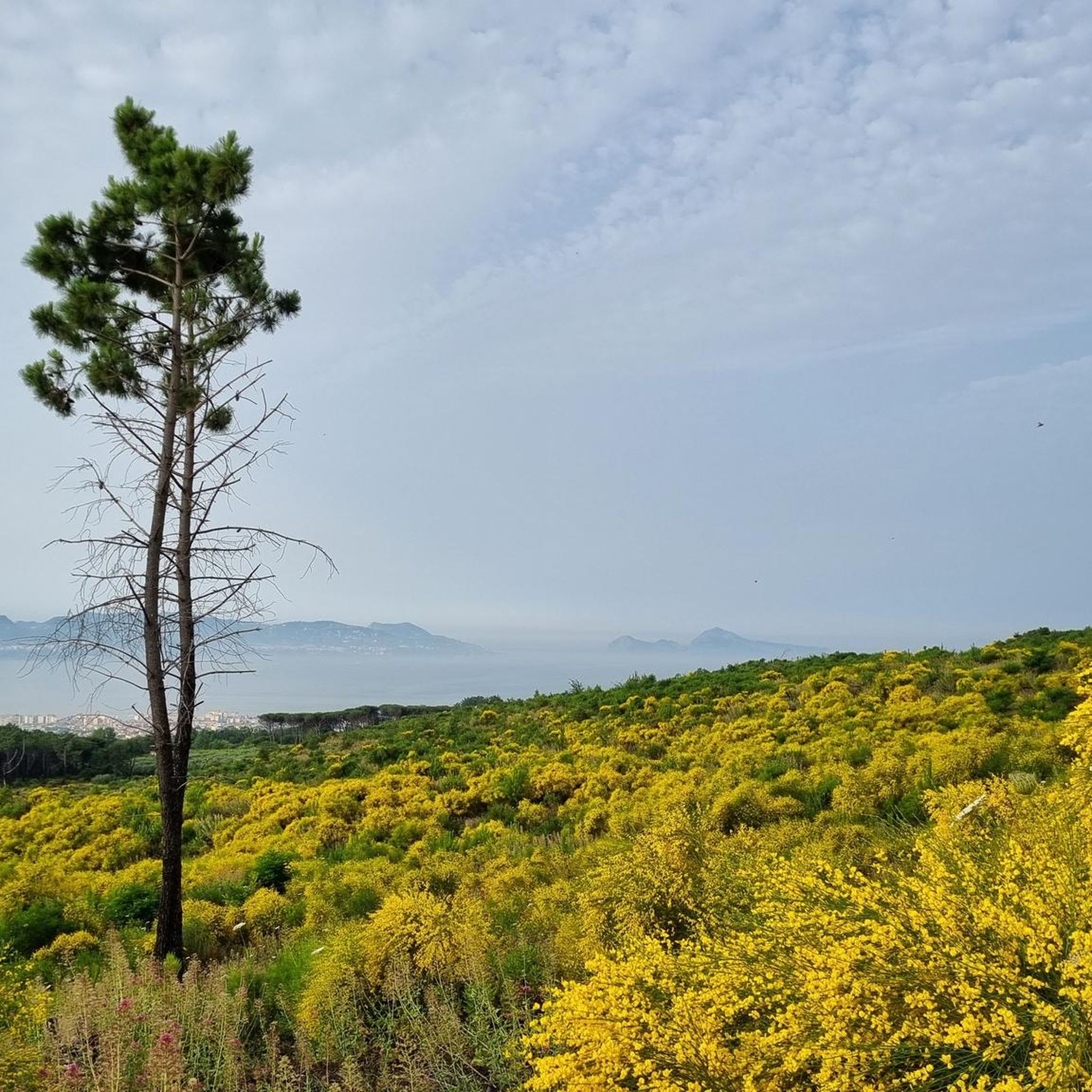
The historical sites around Terzigno offer diverse and often spectacular views. From Lettere Castle, you can enjoy a splendid panoramic position overlooking the area from Castellammare to the Gulf of Naples, and the Sarno Valley dominated by Vesuvius. The Castello Village of Palma Campania, situated on a hill, also provides excellent viewpoints over the town.
What outdoor activities are available near the historical sites around Terzigno?
The region around Terzigno, particularly being at the foot of Mount Vesuvius and part of the Vesuvius National Park, offers numerous outdoor activities. You can find excellent hiking trails, including routes like 'Trail 2: Along the Cognoli' or the 'Valle dell'Inferno and Cognoli di Ottaviano Loop'. There are also running trails and gravel biking routes for various skill levels.
What is the historical significance of Palazzo Mediceo di Ottaviano?
The Palazzo Mediceo di Ottaviano is a historic structure built in the Lombard era before the year 1000. It later belonged to a branch of the Florentine Medici family, adding a rich layer of noble history. Today, it notably houses the administration of the Vesuvio National Park, blending historical heritage with modern conservation efforts.
Can I visit the Roman villas at Cava Ranieri?
Yes, archaeological excavations at Cava Ranieri have uncovered three rustic Roman villas. These sites offer a unique glimpse into peasant life in the Pompeian countryside, including evidence of ancient vineyards and olive groves. The Territorial Archaeological Museum of Terzigno (MATT) provides further context and exhibits related to these discoveries.
What is the best time of year to visit the historical sites and engage in outdoor activities around Terzigno?
The best time to visit is generally during the spring (April-June) and autumn (September-October) months. During these periods, the weather is typically mild and pleasant, ideal for exploring historical sites and enjoying hiking or biking in the Vesuvius National Park. Summers can be very hot, and winters can be cooler and wetter.
Are there any challenging historical sites or trails for experienced visitors?
For those seeking a more challenging experience, the Sarno Castle and Fortifications offer an ancient and rugged exploration. While mostly ruins, visiting requires attention and effort due to the terrain. Additionally, some hiking routes in the Vesuvius National Park, such as the 'Gran Cono del Vesuvio dai Cognoli di Ottaviano – loop trail', are rated as difficult.
What is the Castello Village of Palma Campania?
The Castello Village of Palma Campania represents the original nucleus of the Palmese community. It developed on a hill overlooking the town and incorporates historical castle elements, offering a blend of ancient settlement history and scenic views.
Is there public transport available to reach the historical sites or Vesuvius National Park from Terzigno?
While specific direct routes to every historical site might vary, public transport options are available to reach the Vesuvius National Park area from Terzigno. It's advisable to check local bus schedules or consider regional train connections to nearby towns, often followed by local transport or a short taxi ride to reach specific destinations.
What can I learn about ancient Roman life at the Territorial Archaeological Museum of Terzigno (MATT)?
The Territorial Archaeological Museum of Terzigno (MATT) is a valuable resource for understanding the ancient history of the region. It showcases archaeological treasures, including artifacts and frescoes, from the Roman villas unearthed in Cava Ranieri. The museum's exhibitions reconstruct the historical context of these discoveries, offering insights into daily life, agriculture, and culture in the Pompeian area during the Roman era.
Are there any historical sites that offer a good overview of the region's defensive past?
Lettere Castle is an excellent example of the region's defensive past. Built around the 10th century by the Duchy of Amalfi, it was strategically positioned to defend its northern borders and control the two sides of the Lattari Mountains, offering command over the area from Castellammare to the Gulf of Naples.
Most popular routes around Terzigno
Most popular attractions around Terzigno

Get inspired with the komoot mobile app


Explore more
Looking for the best castles somewhere else? Discover other guides around Terzigno:
