Top 8 Gorges around San Giorgio Ionico
Best canyons around San Giorgio Ionico are found within the "Terra delle Gravine" region, characterized by deep, canyon-like geological formations. These "gravine" are ancient riverbeds carved into limestone, featuring gorges, caves, and unique ecosystems. The area provides insights into historical human presence, with sites dating from the Neolithic Age through the Bronze and Iron Ages. San Giorgio Ionico is situated near these natural and historical landscapes.
Best canyons around San Giorgio Ionico
- The most popular canyons include Gravina di Riggio…
Last updated: October 16, 2026
Gravina di Riggio
Highlight • Gorge
Translated by Google •
Tip by

Bucito Cave
Highlight • Cave
Translated by Google •
Tip by

Sign up now to discover places like this
Get recommendations on the best single tracks, peaks, & plenty of other exciting outdoor places.
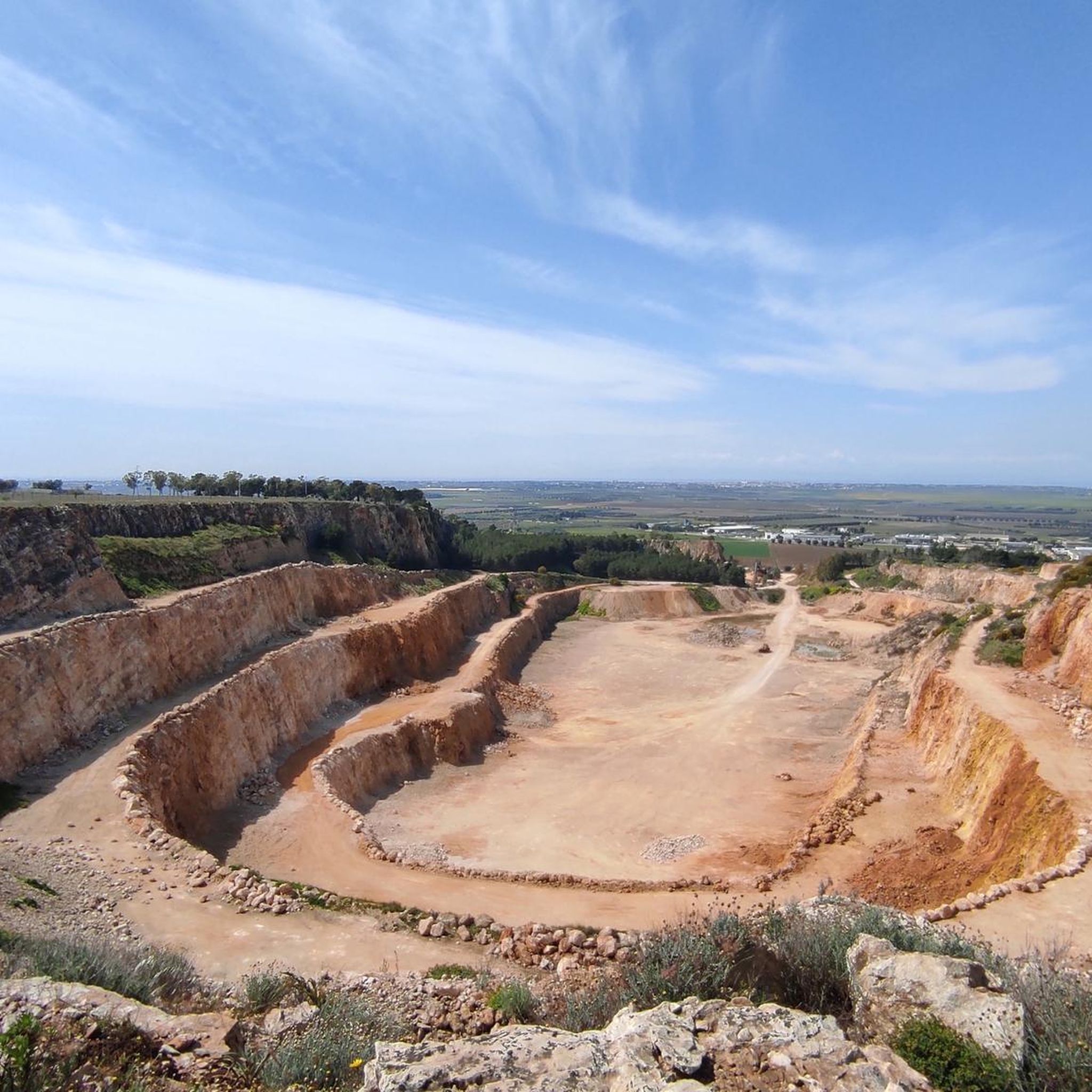
Fantiano Quarries
Highlight • Structure
Translated by Google •
Tip by
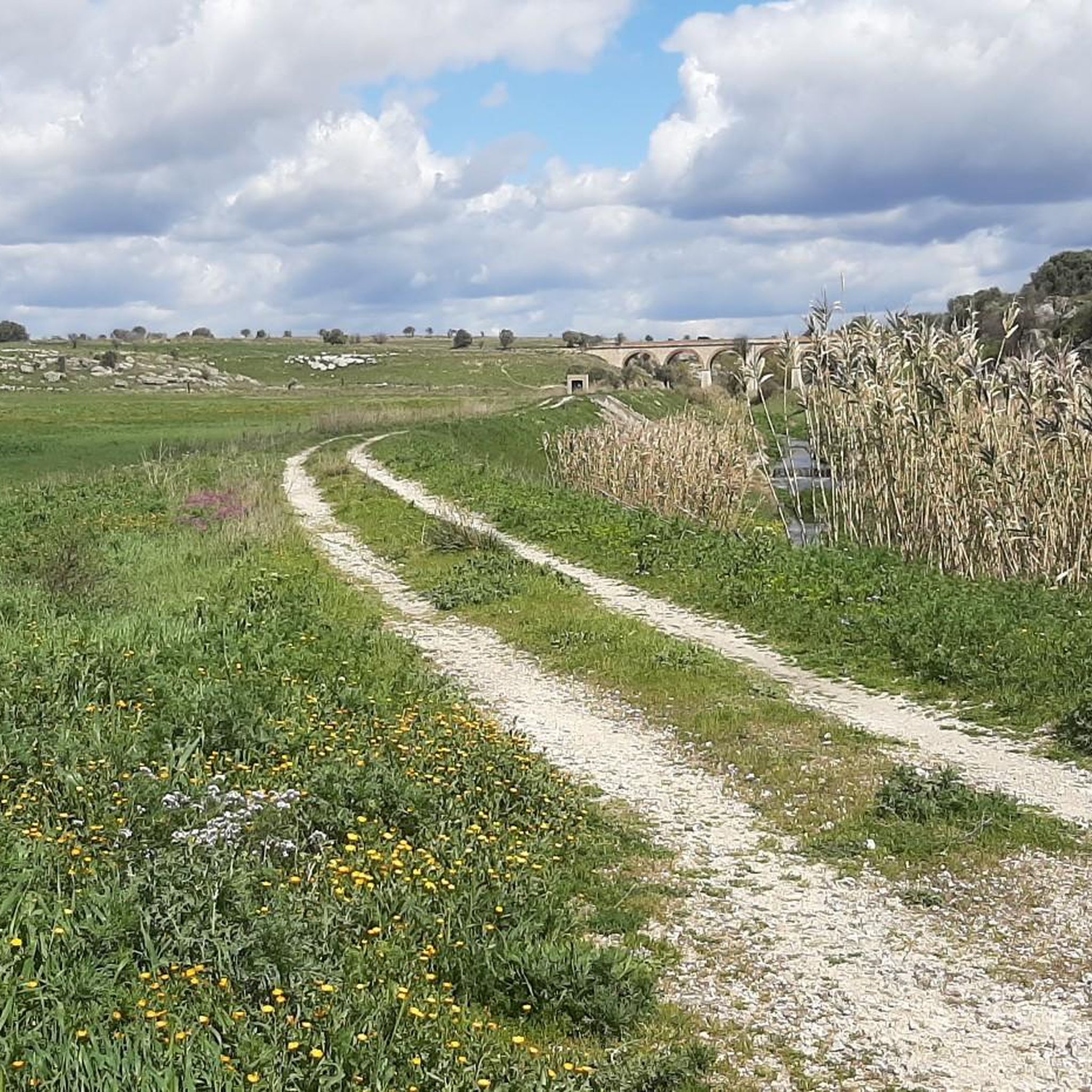
Canale d'Aiedda
Highlight • River
Translated by Google •
Tip by
The Great Quarry
Highlight • Gorge
It seems that time has stopped. Great stopping point.
Always open.
Suitable for everyone.
Translated by Google •
Tip by

Sign up for free to discover even more gorges around San Giorgio Ionico.
Already have an account?
Start today with a free account
Your next adventure awaits.

Tips from the Community

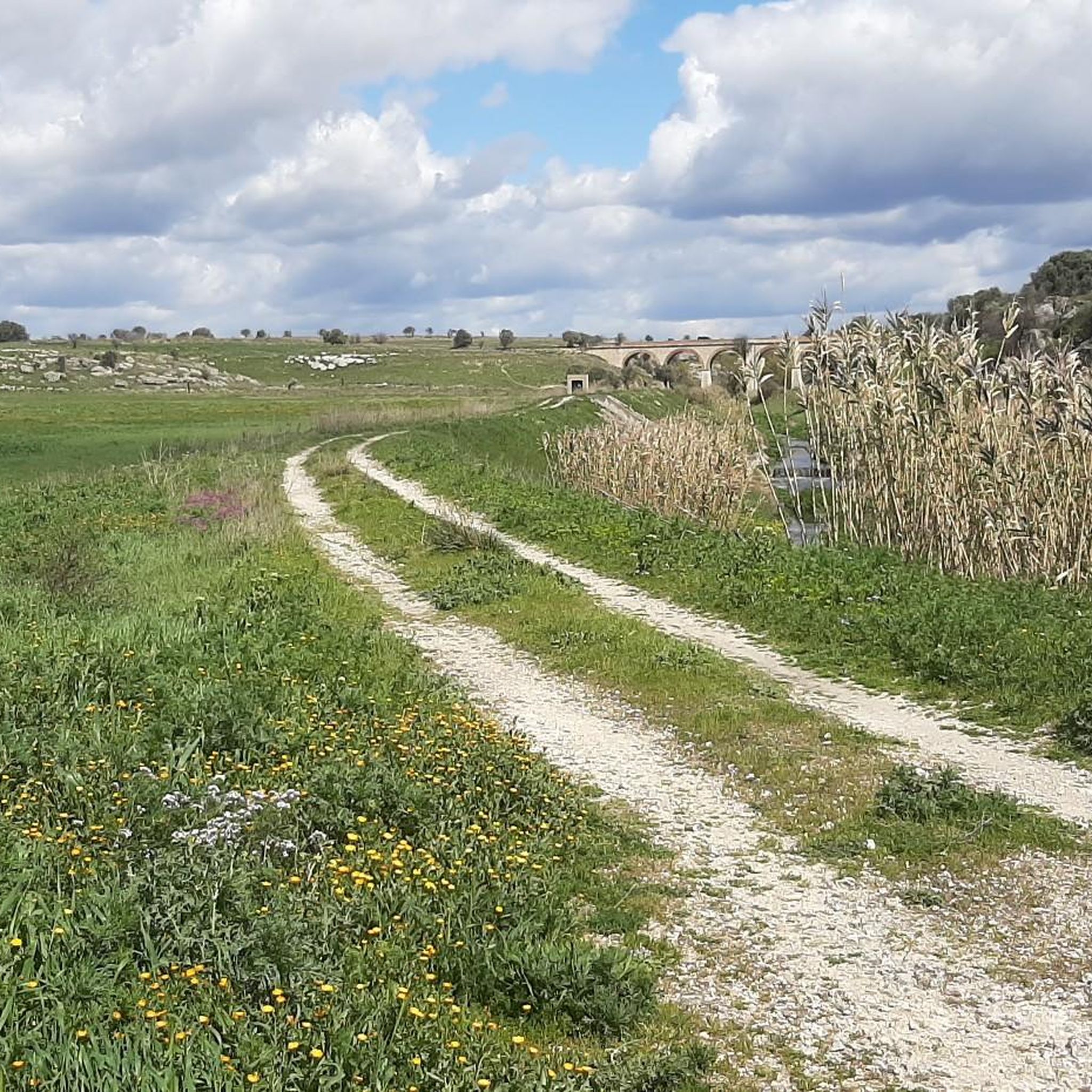
A valley with a small lake, a small natural waterfall—unique in Puglia—and numerous historical sites, from prehistory to the 10th century. A small paradise that many may not know, yet it lies within our territory. We're talking about the Gravina di Riggio, a place of great natural and historical value. A few kilometers from the city, the Gravina di Riggio is a deep valley characterized by a waterfall, a small lake, and a small stream, as well as numerous relics related to the phenomenon of "living in caves." Of particular note is "il Caggione," a circular chasm located near the waterfall. On its sheer walls, a cave village spread across three levels of caves is clearly visible. The remains of a fortification wall, some graffiti, and fragments of pottery date back to the Greek and Roman periods. Finally, the area was heavily inhabited during the Middle Ages, as evidenced by the two frescoed rock churches, the cenobitic hermitage, the pit burials, and a village with communal facilities such as water cisterns and a granary. The Gravina di Riggio rises 4 kilometers from Grottaglie, in the province of Taranto, and is a valley 1,300 meters long and 25 meters deep. In addition to being home to many animal and plant species, it is famous for its caves, some of natural origin, others man-made. The Gravina di Riggio is unique for its waterfall, which after a 15-meter drop feeds a small lake and a stream. The Church-Crypt of the Savior, with frescoes from the 10th and 11th centuries, is also beautiful. A special place not to be missed.
0
0
"The Bucito Cave", in Grottaglie I'll make a very brief introduction: generally the manifestations of worship in caves, here, refer to what is the devotion for the Archangel Michael (quis ut Deus). And we owe this to the Lombards who made him their national saint. I would not leave out, however, the Byzantines of Puglia among whom this saint enjoyed enormous popularity. "The Grottaglie area, like other places in the area, has been inhabited by man since the most remote times. In fact, in some districts (Bucito, Coluccio and Lonoce) roughly worked stone tools, splinters and processing residues have been found, belonging to the Paleolithic, that is, to the period of the Ancient Stone. The Buccito Cave (or Coluccio), near Grottaglie, is located at an important road junction, closely connected to the Tratturo Martinese. These are the oldest signs of the presence of man in our territory. In the Neolithic Age (from the mid-5th to the first centuries of the 4th millennium BC) the first agricultural villages began to emerge (Bucito and Caprarica). Caves and natural caverns were then used in all phases of the Bronze and Iron Ages, especially in the villages of Riggio, Lonoce, Fullonese and Pensieri. In the last period of the Bronze Age, the agricultural economy took over from pastoralism, so the ravines were gradually abandoned to form small urban-type settlements. This process was however stifled with the foundation of Taranto by Spartan colonists (towards the end of the 8th century BC)” (From metropolis.it) Why is it called that? The cave takes its name from the Greek term βοῦς, βοός- bus,- or “ox” and οἰκία or “house, shelter, dwelling” and therefore, originally, indicated a place of shelter for these animals. The Greek etymology is evidence of both Magna Graecia, of Byzantine d+-++-homination and of the subsequent presence of the Basilian monks in our territory For some years, in this cave, the mass of December 24th was celebrated. Suggestive! A custom that would be nice to resume, both for our religion and for our traditions.
0
0
The Cave is part of the Gravine di Grottaglie and is located in the Terra delle Gravine Regional Park. The Bucito cave (also known as the Coluccio cave) is located in an important road junction, closely connected to the Tratturo Martinese, an ancient primary communication route until the 19th century in Puglia. On a boulder adjacent to the cave there are two statuettes, one of Padre Pio da Pietrelcina and one of Jesus Christ. Until a few years ago, in the Bucito cave, on the night of December 25, the inhabitants of Grottaglie and the surrounding area flocked there for the Christmas vigil and for the celebration of the Midnight Christmas Mass.
0
0

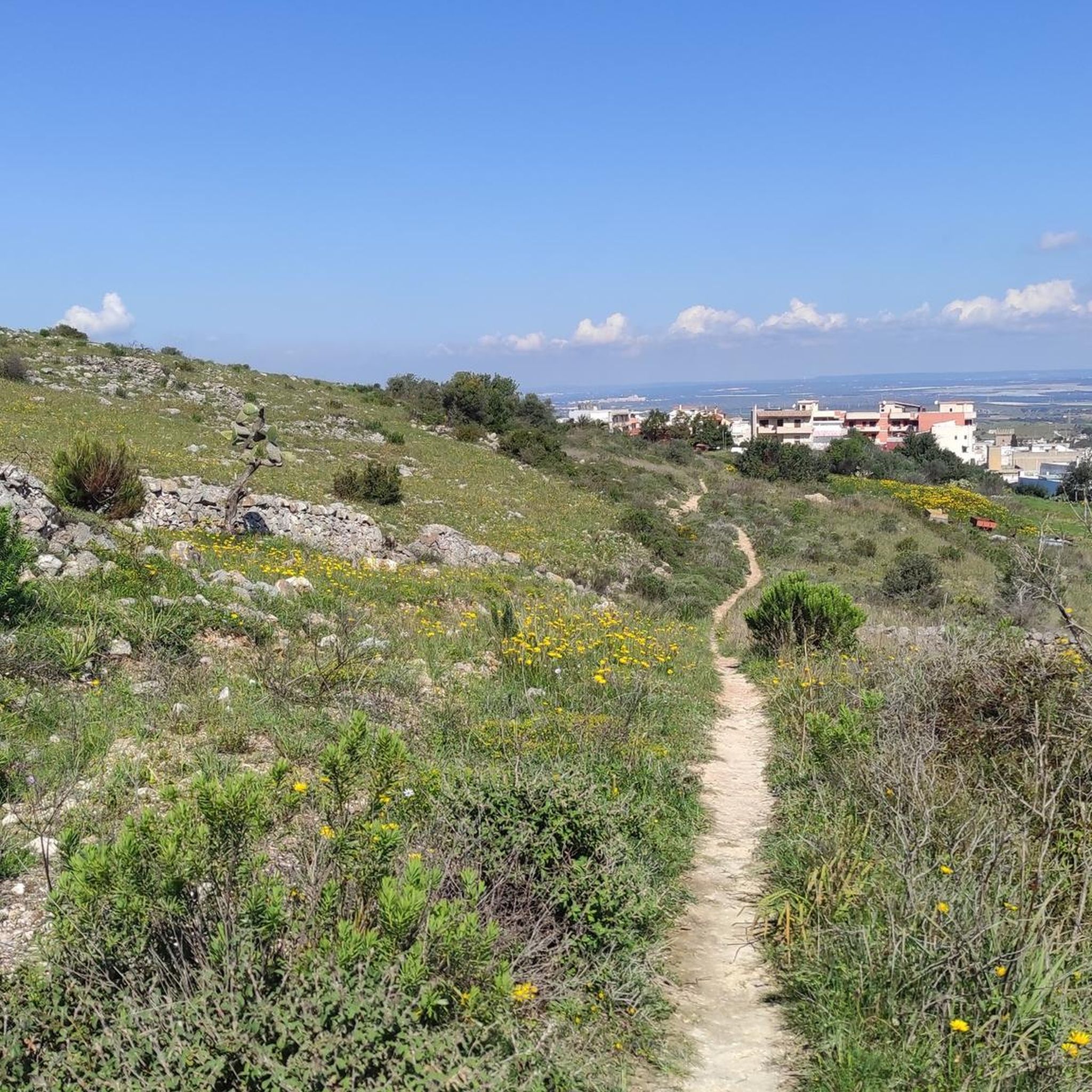
It is better to take the path on the Paolo VI bank because on the Taranto side the vegetation is very thick in some places and it is impossible to pass.
0
0
For safety reasons, the Riggio ravine cannot be visited independently, since it is a private property to which access is forbidden, but it is possible to visit it during groups organized by Millenari di Puglia to be able to enjoy the beauty and uniqueness of these places safely and with the help of an expert guide.
0
0
Along the itinerary you will be able to discover secret passages that lead to fascinating panoramic caves and frescoed caves which preserve some of the oldest paintings in southern Italy, dating back to the 10th century AD, and in which it is still possible to read and admire some scenes of saints, Christian crucifixions and symbols. In rainy periods it is possible to observe a suggestive waterfall that descends into the ravine and collects the water in a small natural pool where the amphibians can find a place to reproduce
0
0
Near the city of Grottaglie it is possible to visit one of the most evocative ravines of the Terra delle Gravine Regional Park: the Gravina di Riggio. It is one of those places that must be visited and experienced at least once in a lifetime. Millennials of Puglia, thanks to the collaboration of the owners of the ravine, makes the Gravina di Riggio, one of the naturalistic, landscape and historical-archaeological wonders of Puglia, safe to visit.
0
0

Frequently Asked Questions
What are the main types of canyon-like formations found near San Giorgio Ionico?
The region around San Giorgio Ionico is part of the "Terra delle Gravine" (Land of Ravines), characterized by deep, canyon-like geological formations called "gravine." These are ancient riverbeds carved into limestone, featuring gorges, caves, and unique ecosystems. Additionally, you can find former tufa quarries, like the Fantiano Quarries, which have been reclaimed by nature and offer a distinct, stepped landscape.
Are there any historical or cultural sites within the canyons near San Giorgio Ionico?
Yes, the gravine often contain significant historical and cultural sites. For example, the Gravina di Riggio features the Church-Crypt of the Savior with frescoes dating back to the 10th and 11th centuries. The Bucito Cave, part of the Gravine di Grottaglie, shows ancient human presence from the Neolithic Age through the Bronze and Iron Ages and has been a site for religious celebrations.
What unique natural features can I expect to see in the gravine?
The gravine are rich in biodiversity and offer unique natural sights. The Gravina di Riggio, for instance, is known for its 15-meter waterfall that feeds a small lake and stream. Many gravine feature ancient caves, some natural and some man-made, and diverse plant and animal species within their deep gorges.
What is the best time of year to visit the canyons around San Giorgio Ionico?
The best time to visit the gravine is generally during the spring and autumn months when the weather is milder. After heavy rains, some paths, particularly in places like Gravina di San Biagio and Fantiano Quarries, can become flooded or more technical, offering a distinct experience for those prepared for it.
Are there family-friendly trails in the canyons near San Giorgio Ionico?
While some sections of the gravine can be challenging, many areas offer paths suitable for families. It's advisable to check specific trail conditions, especially after rain, as some routes may become technical or flooded. The unique landscapes, like those at the Fantiano Quarries, can be fascinating for children due to their stepped terraces and paths.
Can I bring my dog to the gravine and canyon areas?
Many natural outdoor areas in the Terra delle Gravine Regional Park are generally dog-friendly, especially on marked trails. However, it's always recommended to keep dogs on a leash and to check for any specific local regulations or restrictions at individual sites, particularly around sensitive ecosystems or private access points.
What kind of outdoor activities can I do near the canyons?
Beyond exploring the gravine themselves, the area around San Giorgio Ionico offers various outdoor activities. You can find numerous routes for gravel biking, running, and road cycling. These routes often pass through scenic landscapes and offer different difficulty levels.
Are there any challenging trails for experienced hikers?
Yes, some gravine offer more challenging experiences. For example, the paths excavated in the Fantiano Quarries can become very technical after rain. Similarly, sections of the path inside Gravina di San Biagio can be technical, especially when wet, making them suitable for those seeking a more adventurous hike.
Is access to the gravine always open to the public?
Access to some gravine, like the Gravina di Riggio, may be located on private land, requiring collaboration with owners or guided tours for safe visitation. It's advisable to check local information or inquire with local tourism services regarding access and any necessary permits for specific areas.
What is the Parco delle Tagliate and how is it related to canyons?
The Parco delle Tagliate (Park of the Cuts) in San Giorgio Ionico is a unique area formed from old tufa quarries. While not a natural canyon, the extraction methods created deep "cuts" and stepped terraces in the rock, resembling a canyon-like environment. Nature has reclaimed these quarries, forming suggestive paths and a unique natural amphitheater, offering insight into local proto-industrial archaeology.
Are there any waterfalls in the canyons near San Giorgio Ionico?
Yes, the Gravina di Riggio is notable for its waterfall, which plunges 15 meters to feed a small lake and stream, adding to the natural beauty of the ravine.
What should I bring when visiting the gravine?
When visiting the gravine, it's recommended to wear sturdy hiking shoes, especially as paths can be uneven or technical, and potentially wet after rain. Bringing water, snacks, and sun protection is always a good idea. For those exploring historical sites, a flashlight might be useful for caves or crypts.
Most popular routes around San Giorgio Ionico
Most popular attractions around San Giorgio Ionico

Get inspired with the komoot mobile app


Explore more
Already discovered everything in this region? See additional gorges around San Giorgio Ionico for your next adventure:
