Top 7 Caves around San Marzano Di San Giuseppe
Caves around San Marzano Di San Giuseppe are characterized by significant rupestrian complexes and archaeological sites. The area features a landscape where natural ravines, known as "lame," host human-carved structures and ancient settlements. These sites offer a journey through centuries of human activity, from the Bronze Age to medieval religious devotion. The blend of natural caves and historical structures creates a unique environment for exploration.
Best caves around San Marzano Di San Giuseppe
- The most popular caves is Sanctuary of…
Last updated: June 29, 2026
Sanctuary of Madonna delle Grazie
Highlight • Religious Site
Translated by Google •
Tip by

Archaeological Park of the Messapian Walls
Highlight • Historical Site
It is possible to visit the park of the Messapian walls and the Plinian source with a very prepared guide who made this …
Translated by Google •
Tip by

Sign up now to discover places like this
Get recommendations on the best single tracks, peaks, & plenty of other exciting outdoor places.
Sign up for free
Rock Church of the Holy Trinity
Highlight (Segment) • Religious Site
Translated by Google •
Tip by
Lama del Fullonese Cave Dwellings
Highlight • Cave
Translated by Google •
Tip by
Living Nativity of San Marzano
Highlight • Historical Site
Translated by Google •
Tip by
Sign up for free to discover even more caves around San Marzano Di San Giuseppe.
Sign up for free
Already have an account?
Start today with a free account
Your next adventure awaits.
Login or Signup
Popular around San Marzano Di San Giuseppe
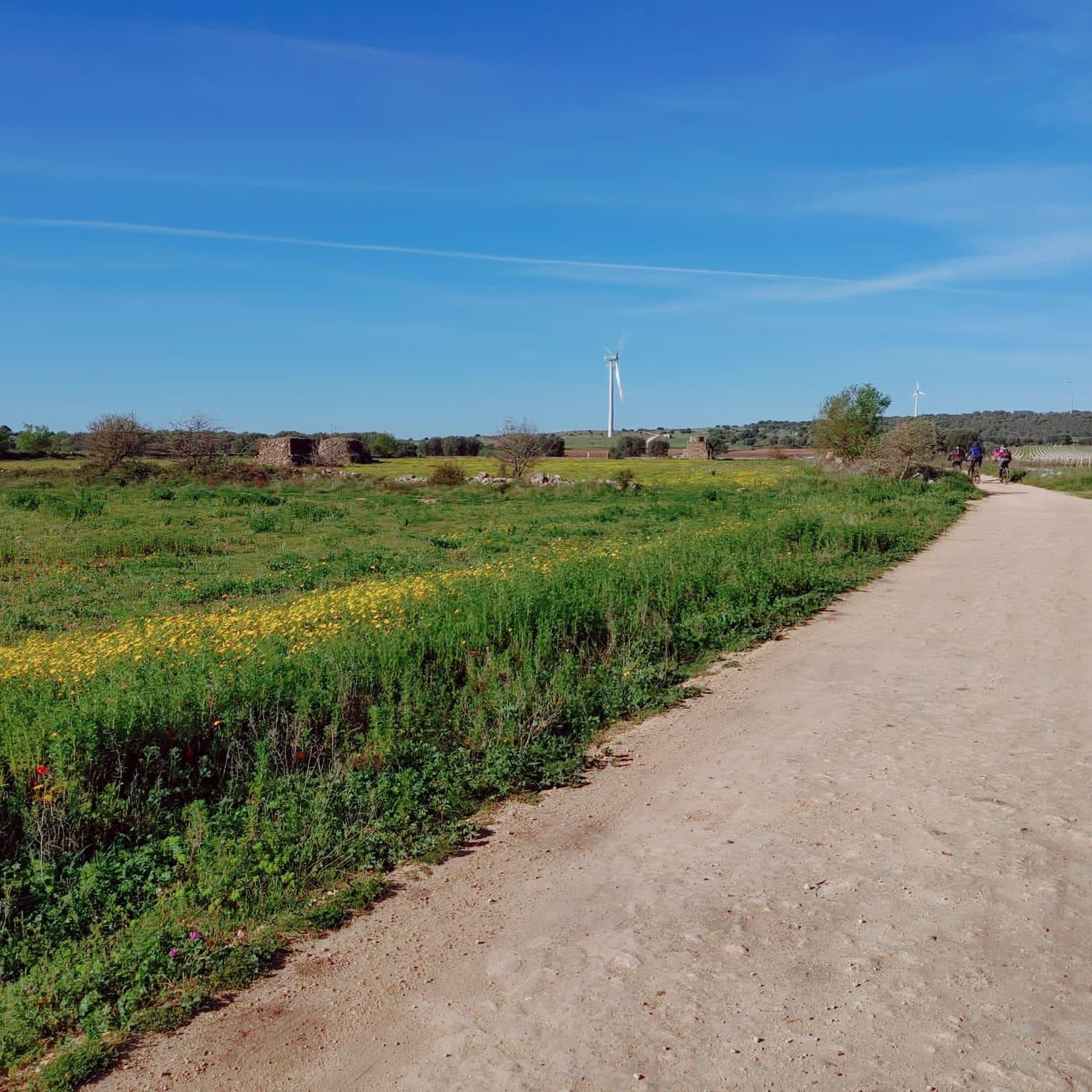
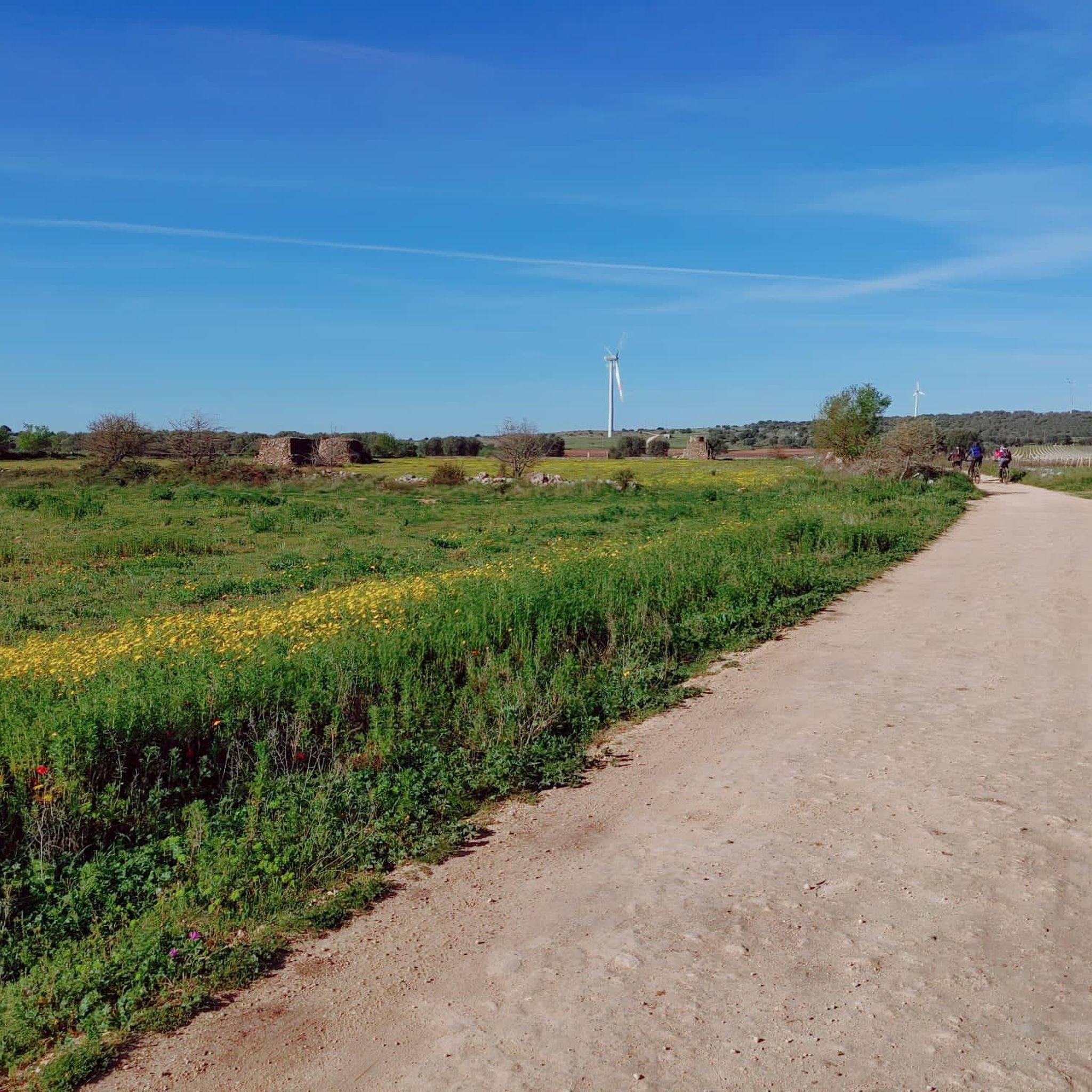

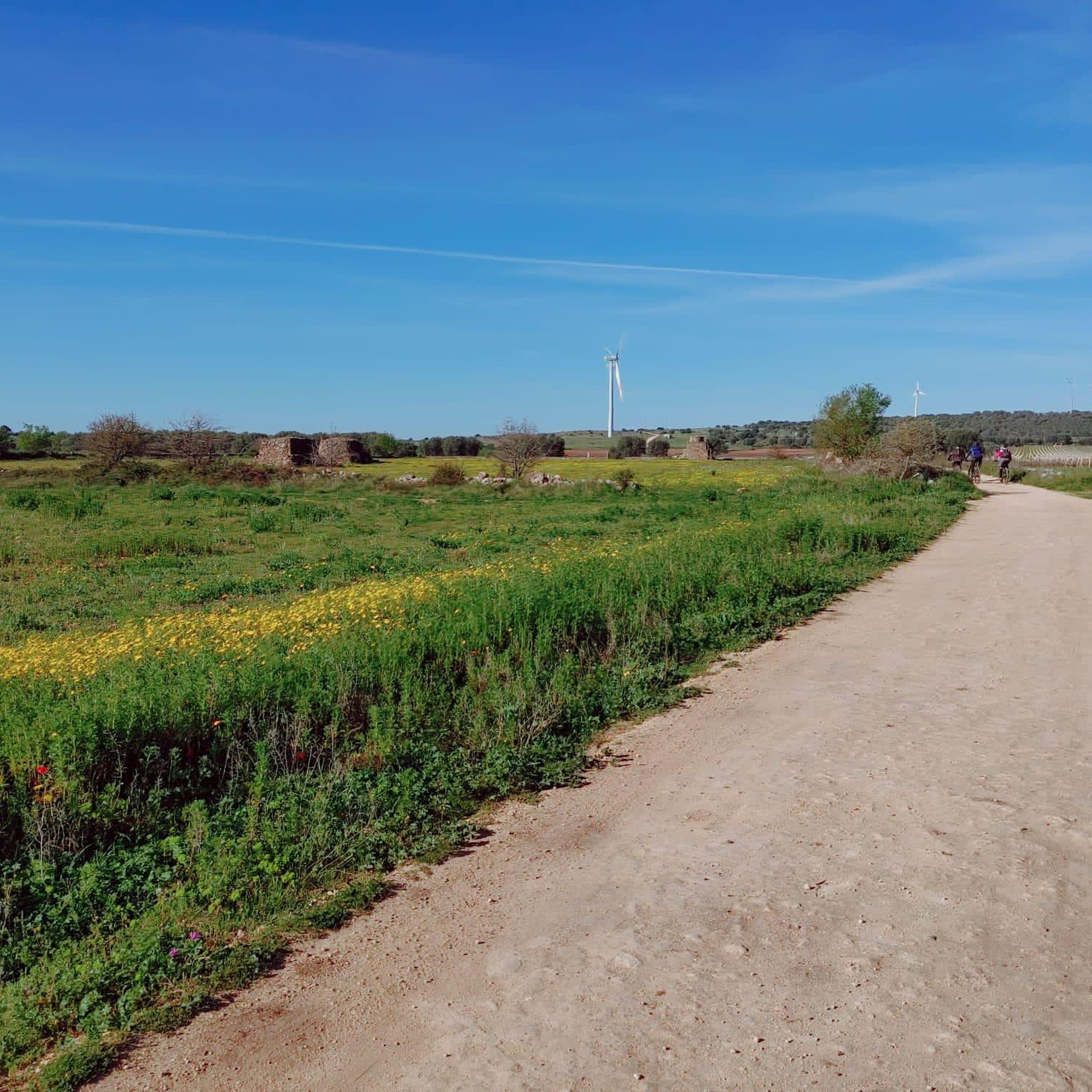
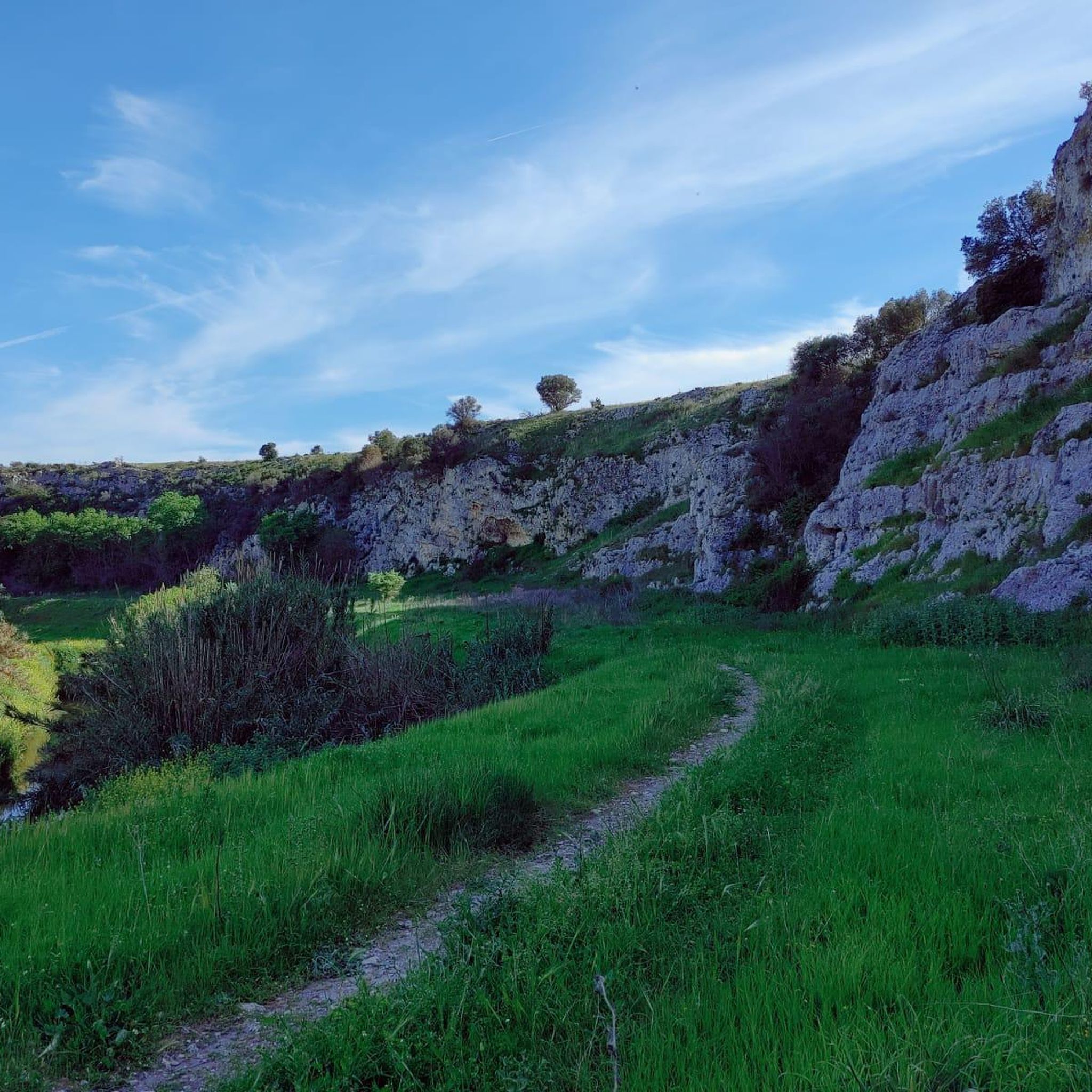
Tips from the Community

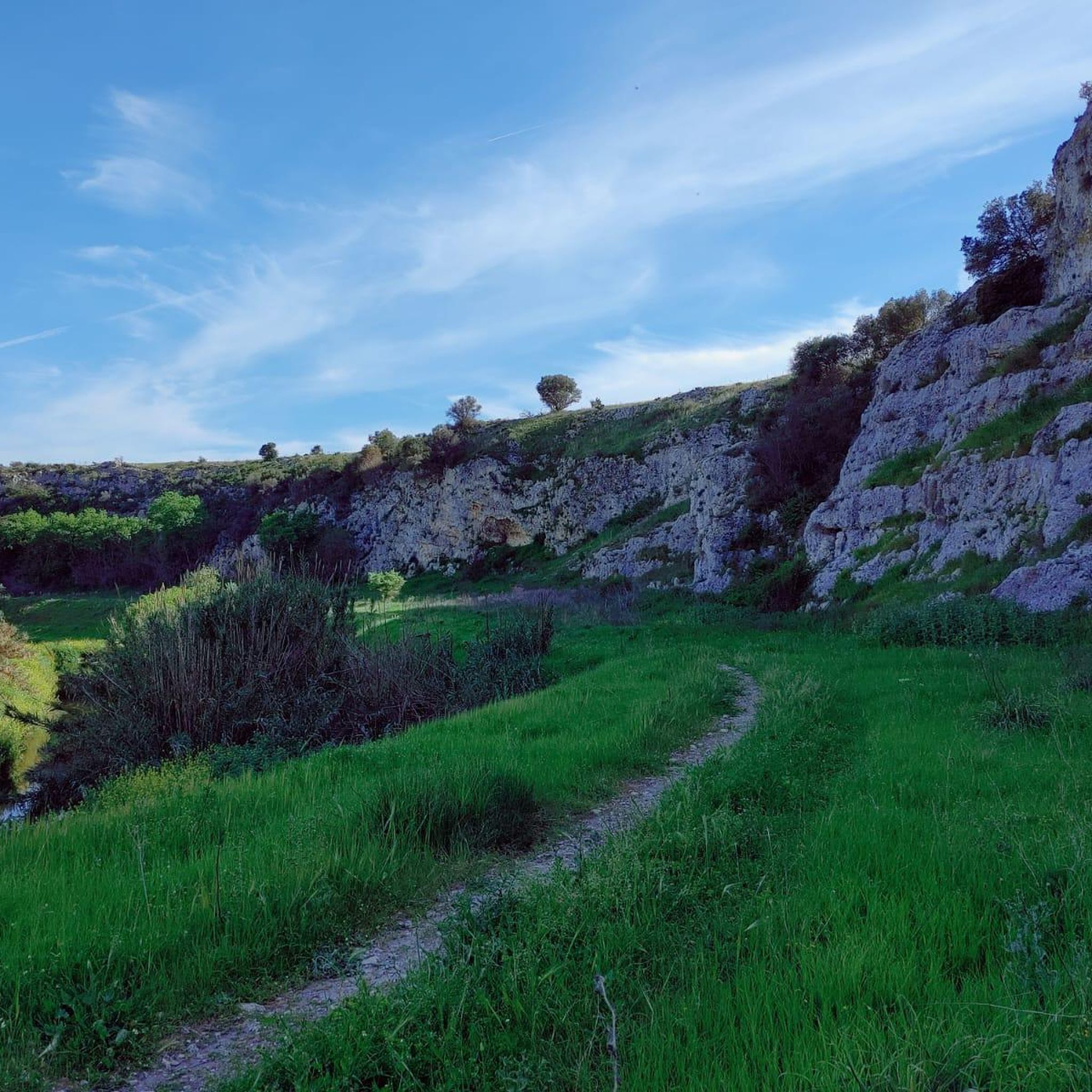
Trail recommended for expert hikers due to the presence of stepped differences in height.
0
0
800 meters long and up to 40 meters deep, it is rich in spontaneous vegetation consisting of Mediterranean scrub, olive trees, oaks and carob trees. Like many blades dug by water in the karst rocks, this one has also been shaped by men over the centuries. In fact, there is a rock settlement consisting of numerous caves dug into the rock along the slopes of the blade, used at least until the 13th century. The settlement, in addition to the dwellings in the caves arranged on several levels, also included three rock churches and a cistern for collecting water. On the northern slope, the church of Saints Peter and Paul, dating back to the 6th-7th century, is still recognizable, further expanded with wall structures in the 16th century and dedicated to San Pietro dei Giudei. The Fullonese name of the locality probably derives from the trade of tanners and dyers practiced by a small colony of Jews, exiles following the destruction of Oria in 977, who in this place, due to the abundance of water and natural pools, found ideal conditions for settling.
0
0
West of the urban center of Grottaglie, at the foot of Mount Fellone, stands the Lama del Fullonese, a ravine full of caves dug into the rock that were once used as a refuge by man since the Paleolithic. Here a Jewish community from Oria, fleeing from the brutal Saracen raids of the late 10th century, found refuge and all the elements necessary to continue the artisanal activity of tanning leather. From a naturalistic point of view, the Fullonese is a set of different habitats with a biodiversity sensitive to the various microclimates present that leaves visitors amazed by the colors and scents. If in the area, I recommend you stop by 😉
0
0
The Fonte Pliniano is still one of the symbols of the city (it is also represented in the city coat of arms);[8] almost certainly dating back to the Messapian era,[8] it was described by Pliny the Elder (from whom it subsequently took its name)[9] in his Naturalis Historia. It is a well located inside a natural cave 18 metres in diameter[8] and 8 metres wide[8] which can be reached by going down 20 steps dug into the rock.[8] A square skylight opens on the vault of the cave, a cylindrical structure from which an almond tree emerges (according to centuries-old legend)[9] from which the light necessary to illuminate the room penetrates. Water from an underground aquifer flows perpetually from the well and the adjacent basin.[8] In ancient times the Fonte Pliniano was also used as a place of worship for a Messapian deity
0
0
Wonderfully restored archaeological park. The night visit is spectacular! Not to be missed
0
0
A very suggestive experience that I recommend. It is possible to visit the park of the Messapian walls and the Plinian source with a very prepared guide who made this tour very interesting. The park has been renovated and restored and it is beautiful to be able to admire so much culture and history.
0
0
Stunning and relaxing landscape, excellent for going as a couple to have a bit of relaxation. Very green and excellent to visit
0
0
Stunning and relaxing landscape, excellent for going as a couple to have a relaxing time. Very green and excellent to visit
0
0
Frequently Asked Questions
What kind of caves can I explore around San Marzano di San Giuseppe?
The area is known for its significant rupestrian complexes and archaeological sites. You'll find natural ravines, called "lame," that host human-carved structures, ancient settlements, and rock-cut churches. These sites offer a blend of natural caves and historical structures.
What is the most historically significant cave site in the area?
The Sanctuary of Madonna delle Grazie is a highly significant rupestrian complex. It's carved into a ravine and features ancient frescoes, with human activity dating back to the Bronze Age. It served as a central hub for religious, economic, and cultural life during the Middle Ages.
Are there any archaeological sites with caves to visit?
Yes, the Archaeological Park of the Messapian Walls includes a natural cave housing the Plinian source. This ancient well, described by Pliny the Elder, is accessible by descending 20 steps into the rock and is a symbol of the city.
Can I find cave dwellings or ancient settlements?
Absolutely. The Lama del Fullonese Cave Dwellings, west of Grottaglie, is a ravine filled with caves used as refuges since the Paleolithic. It once housed a Jewish community and features rock settlements, including churches and a cistern, with some trails being challenging.
Are there family-friendly cave experiences in San Marzano di San Giuseppe?
Yes, the Sanctuary of Madonna delle Grazie is considered family-friendly. Additionally, the Living Nativity of San Marzano, set within the same ravine, offers an evocative and family-friendly historical experience, especially during the Christmas period.
What kind of geological features characterize the caves in this region?
The caves are primarily found within "lame," which are natural ravines formed in karst rocks. These geological formations have been shaped by water over centuries and often contain a mix of natural cave structures and human-modified rock shelters and dwellings.
What is the best time of year to visit the caves around San Marzano di San Giuseppe?
Puglia generally enjoys mild weather, making spring (April-May) and autumn (September-October) ideal for exploring, as temperatures are pleasant for outdoor activities. Summers can be hot, while winters are mild but might have more rainfall.
Are there any rock churches besides the Sanctuary of Madonna delle Grazie?
Yes, you can also visit the Rock Church of the Holy Trinity. This small church is situated on a plateau, with a cave located beneath it, which holds a local legend and is part of a traditional procession.
What outdoor activities can I do near these cave sites?
The region offers various outdoor activities. You can find numerous MTB Trails, Running Trails, and Road Cycling Routes around San Marzano di San Giuseppe, allowing you to explore the surrounding landscapes.
What do visitors enjoy most about the caves and historical sites here?
Visitors often appreciate the unique blend of natural beauty and rich history. The evocative settings, ancient frescoes, and the journey through centuries of human settlement, from the Bronze Age to medieval religious devotion, are frequently highlighted as captivating aspects.
Are there any specific considerations for visiting the Lama del Fullonese Cave Dwellings?
The Lama del Fullonese Cave Dwellings trail is recommended for expert hikers due to the presence of stepped differences in height. It's a challenging but rewarding experience for those interested in its historical and natural biodiversity.
Is it possible to visit the caves with a guide?
For sites like the Archaeological Park of the Messapian Walls, a prepared guide can enhance the experience, providing insights into the culture and history of the Messapian walls and the Plinian source. It's advisable to check local tour options for guided visits.
Most popular routes around San Marzano Di San Giuseppe
Most popular attractions around San Marzano Di San Giuseppe

Get inspired with the komoot mobile app


Explore more
Extend your search for the best caves by checking out these guides of the top ones around San Marzano Di San Giuseppe:
