Top 7 Castles around Tuglie
Castles around Tuglie offer a glimpse into the historical architecture of the Salento region. While Tuglie itself features the significant Palazzo Ducale, nearby towns host notable fortified structures. The area is characterized by its historical residences, ranging from palatial estates to medieval fortresses. These sites provide insight into the region's past, from noble families to strategic defense.
Best castles around Tuglie
- The most popular castles is Gallipoli Castle and the Ravelin, a castle that is almost completely surrounded by…
Last updated: October 16, 2026
Gallipoli Castle and the Ravelin
Highlight • Castle
Translated by Google •
Tip by

Baronial Palace of Collepasso
Highlight • Castle
Translated by Google •
Tip by

Sign up now to discover places like this
Get recommendations on the best single tracks, peaks, & plenty of other exciting outdoor places.
Palazzo d'Aquino
Highlight • Historical Site
Translated by Google •
Tip by
Angevin-Aragonese Castle
Highlight • Castle
Showing Translation
Tip by

Galatone Castle
Highlight • Castle
Translated by Google •
Tip by
Sign up for free to discover even more castles around Tuglie.
Already have an account?
Start today with a free account
Your next adventure awaits.
Tips from the Community

On the island of Gallipoli, you should absolutely not just stroll around but also stay for 1-2 days! The sunset, visible from the numerous terraces of the fortress wall, is hard to beat ⭐️⭐️⭐️⭐️⭐️ An overnight stay in the middle of the old town was the perfect starting point for this 👍👍
0
0

The delicacies of the sea presented in the boat's hull, as when fishing
1
0

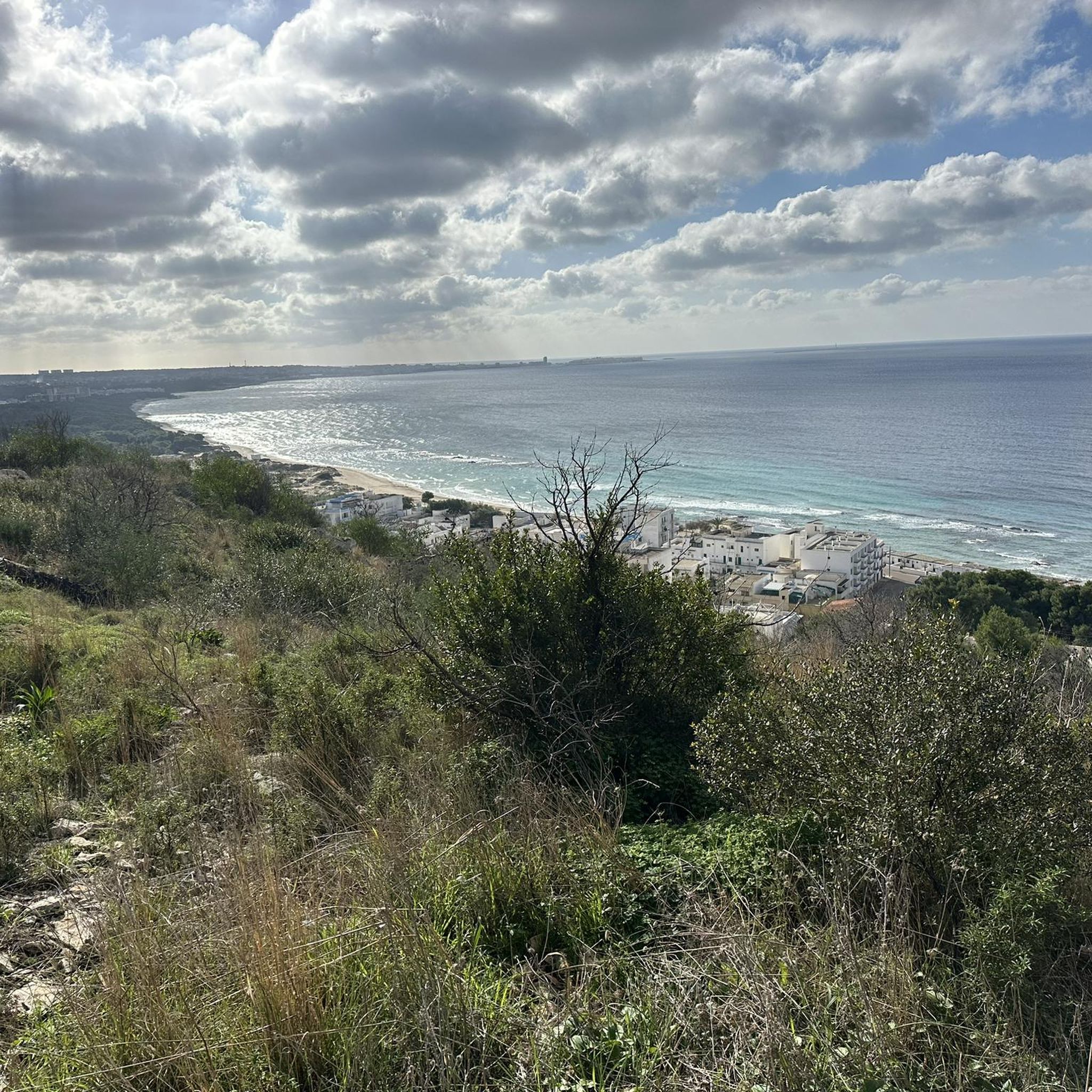
The Castle of Gallipoli is a splendid fortress on the sea, famous for its isolated Rivellino and its large barrel-vaulted halls.
0
0
The Angevine-Aragonese Castle is the gateway to the old town of Gallipoli, which lies on an island off the mainland and is connected by a bridge. Worth seeing
1
0

A symbol of Galatone, it is one of the most characteristic baroque references of Salento. A treasure chest to see and enjoy. Part of the Ciclonica Circuit https://cicloturismo.puglia.it/ciclovia-salento-ionico/
0
0

It is a classic fortified structure deeply renovated over the centuries on a pre-existing Byzantine and medieval structure.
1
0
Built on the foundations of an ancient Byzantine defensive tower and remodeled several times starting from the 16th century until the 18th century, the period in which it took on its current form desired by the feudal lord Oronzo Leuzzi. Declared a building of cultural interest since 1987, it deserves to be visited without any doubt.
1
0

Among the most fascinating aspects of Puglia there are undoubtedly the large palaces, castles and farms, symbols of a past of nobles and slaves. Among these, the Baronial Palace of Collepasso stands out, of still uncertain origins but whose artistic and historical value is very evident. Built with typical Lecce stone, the clean square shapes date back to the Norman-Swabian domination, while the square in front is very reminiscent of the Spanish "plaza de armas".
2
0
Frequently Asked Questions
What types of historical structures can I explore around Tuglie?
Around Tuglie, you'll find a variety of historical structures, ranging from ducal palaces to medieval fortresses and baronial residences. While Tuglie itself is home to the significant Palazzo Ducale, nearby towns feature impressive fortified structures. These include the formidable Castello di Gallipoli, the historically rich Baronial Palace of Collepasso, and the grand Palazzo d'Aquino in Casarano.
Are there any castles near Tuglie that are particularly family-friendly?
Yes, several historical sites around Tuglie are suitable for families. The Castello di Gallipoli is a great option, offering a captivating experience with its strategic location and historical transformations. The Baronial Palace of Collepasso also welcomes families, providing insight into the region's past through its architecture and cultural activities.
What historical insights can I gain from visiting the castles and palaces in this region?
Visiting these sites offers a deep dive into the Salento region's history. The Palazzo Ducale in Tuglie, for instance, houses the Museum of Rural Culture, showcasing agricultural life from the 17th century to WWII. The Castello di Gallipoli reveals centuries of strategic importance and architectural evolution under various rulers. The Baronial Palace of Collepasso illustrates the transformation of feudal estates from defensive forts to noble residences.
What outdoor activities can I do near the castles around Tuglie?
The area around Tuglie offers various outdoor activities. You can find numerous road cycling routes, such as the 'Sea View in Gallipoli' loop or the 'Ancient Olive Trees of Salento' loop. For gravel biking, explore routes like 'Mozza Tower' or 'Gallipoli Old Town and Harbor'. Hiking enthusiasts can enjoy trails like the 'Gallipoli Old Town and Harbor' loop or the 'Spiaggia delle Conchiglie' loop. For more details on these routes, visit the Hiking around Tuglie, Road Cycling Routes around Tuglie, and Gravel biking around Tuglie guides.
Is the Castello di Gallipoli accessible for strollers or wheelchairs?
The Castello di Gallipoli has undergone transformations over the centuries. While some areas, particularly the ramparts and older sections, might present challenges due to stairs and uneven surfaces, many parts of the castle, including exhibition spaces and courtyards, are generally accessible. It's advisable to check their official website or contact them directly for the most current accessibility information regarding strollers and wheelchairs.
What are the opening hours and ticket information for the Palazzo Baronale di Collepasso?
The Palazzo Baronale di Collepasso, now a cultural hub, hosts various activities. Specific opening hours and ticket information can vary depending on exhibitions or events. It's recommended to check the official website of the Municipality of Collepasso or contact the palace directly for the most up-to-date visitor information.
Can I reach the castles around Tuglie using public transport?
Public transport options are available to reach some of the historical sites. For example, the Palazzo Ducale in Tuglie has a unique railway stop for the Ferrovie del Sud Est, making it easily accessible by train. For other locations like Gallipoli and Collepasso, local bus services connect towns in the Salento region. Planning your route in advance using local transport schedules is recommended.
Are there any cafes or restaurants near these historical sites?
Yes, you'll find cafes and restaurants in the towns where these historical sites are located. Gallipoli, with its popular Castello and old town, offers numerous dining options. Collepasso and Casarano also have local eateries where you can enjoy traditional Salento cuisine before or after your visit.
What makes the Palazzo Ducale in Tuglie unique?
The Palazzo Ducale in Tuglie is unique for several reasons. While not a defensive castle, it's a significant 17th-century palatial structure that now houses the Museum of Rural Culture and Popular Salento Traditions. It features reconstructed environments, historical artifacts, an original 'palmento' (grape fermentation basin), and extensive gardens. Uniquely, it has its own dedicated railway stop, making it very accessible.
What kind of views can I expect from the Castello di Gallipoli?
From the ramparts and towers of the Castello di Gallipoli, you can enjoy breathtaking panoramic views. These include sweeping vistas of the Adriatic Sea, the charming coastline of Gallipoli, and the historic old town, offering a picturesque perspective of the region.
Are dogs allowed at the historical sites around Tuglie?
Policies regarding dogs can vary significantly between historical sites. While some outdoor areas or palace grounds might be dog-friendly, access to indoor museum sections or sensitive historical interiors is often restricted. It's best to check the specific dog policy for each location, such as the Castello di Gallipoli or the Palazzo Baronale di Collepasso, directly with their management before your visit.
What is the best time of year to visit the castles and palaces near Tuglie?
The best time to visit the castles and palaces near Tuglie is typically during the spring (April-May) and autumn (September-October) months. During these periods, the weather is pleasant, avoiding the intense heat of summer and the cooler, potentially wetter days of winter. This allows for comfortable exploration of both indoor and outdoor areas, including any nearby walking routes.
Most popular attractions around Tuglie

Get inspired with the komoot mobile app


Explore more
Looking for the best castles somewhere else? Discover other guides around Tuglie:
