Top 18 Caves around Acquarica Del Capo
Best caves around Acquarica Del Capo, now part of Presicce-Acquarica in the province of Lecce, Italy, offer a blend of natural geology and historical human activity. This Salento region features notable underground attractions, including natural grottoes and ancient "tajate" (quarries). These sites provide insight into the area's natural formations and its past, from ancient worship to tufa stone extraction. The landscape is characterized by its unique rock formations and historical significance.
Best caves around Acquarica Del Capo
- The most popular…
Last updated: June 29, 2026
Grotta delle Fate
Highlight • Cave
Translated by Google •
Tip by

Crypt of the Crucifix
Highlight • Religious Site
Translated by Google •
Tip by

Sign up now to discover places like this
Get recommendations on the best single tracks, peaks, & plenty of other exciting outdoor places.
Sign up for free
Grotta di San Pantaleone
Highlight • Cave
Translated by Google •
Tip by

Rock Settlement of Macurano
Highlight • Historical Site
Translated by Google •
Tip by

Crypt of the Crucifix of Ugento
Highlight • Religious Site
Translated by Google •
Tip by
Sign up for free to discover even more caves around Acquarica Del Capo.
Sign up for free
Already have an account?
Start today with a free account
Your next adventure awaits.
Login or Signup
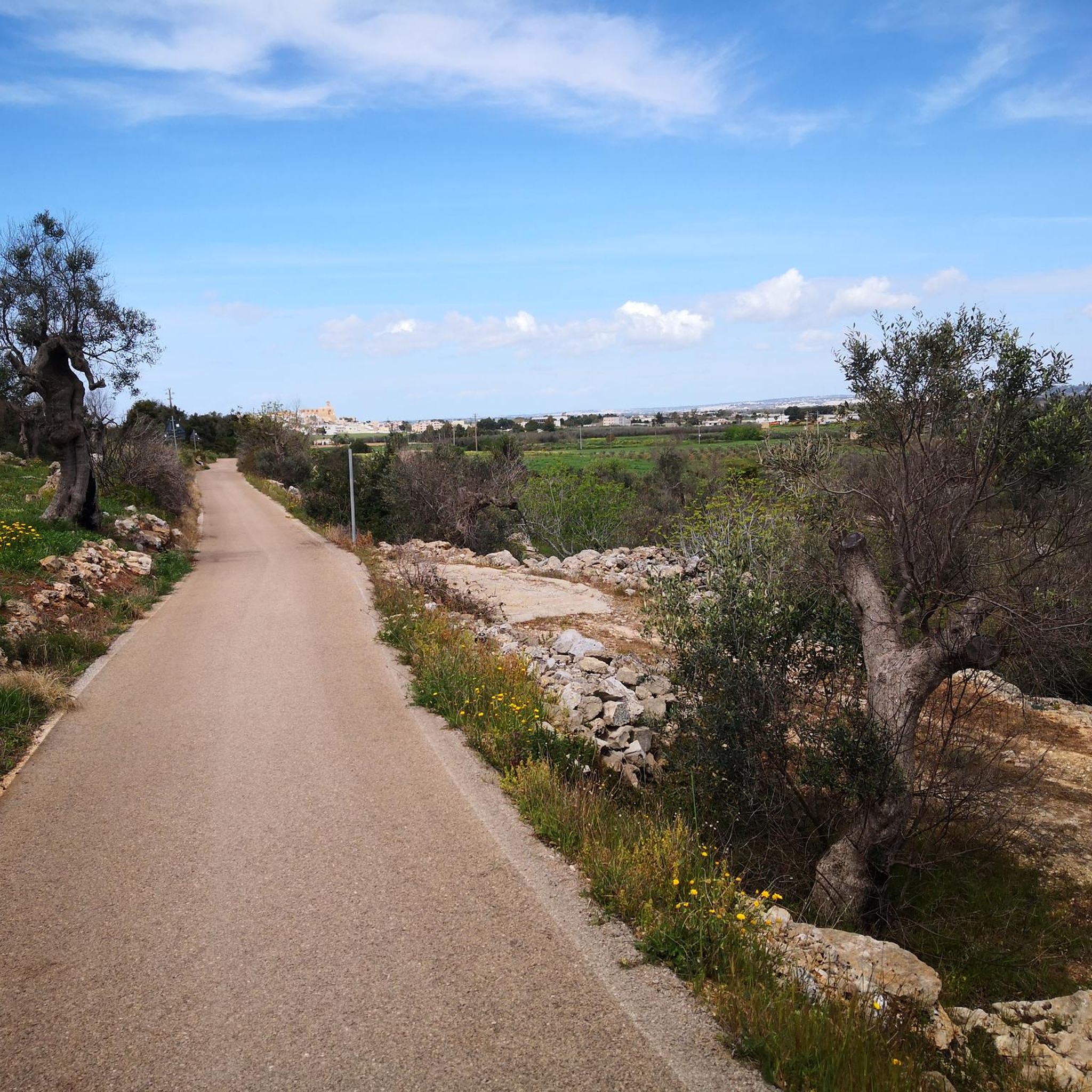
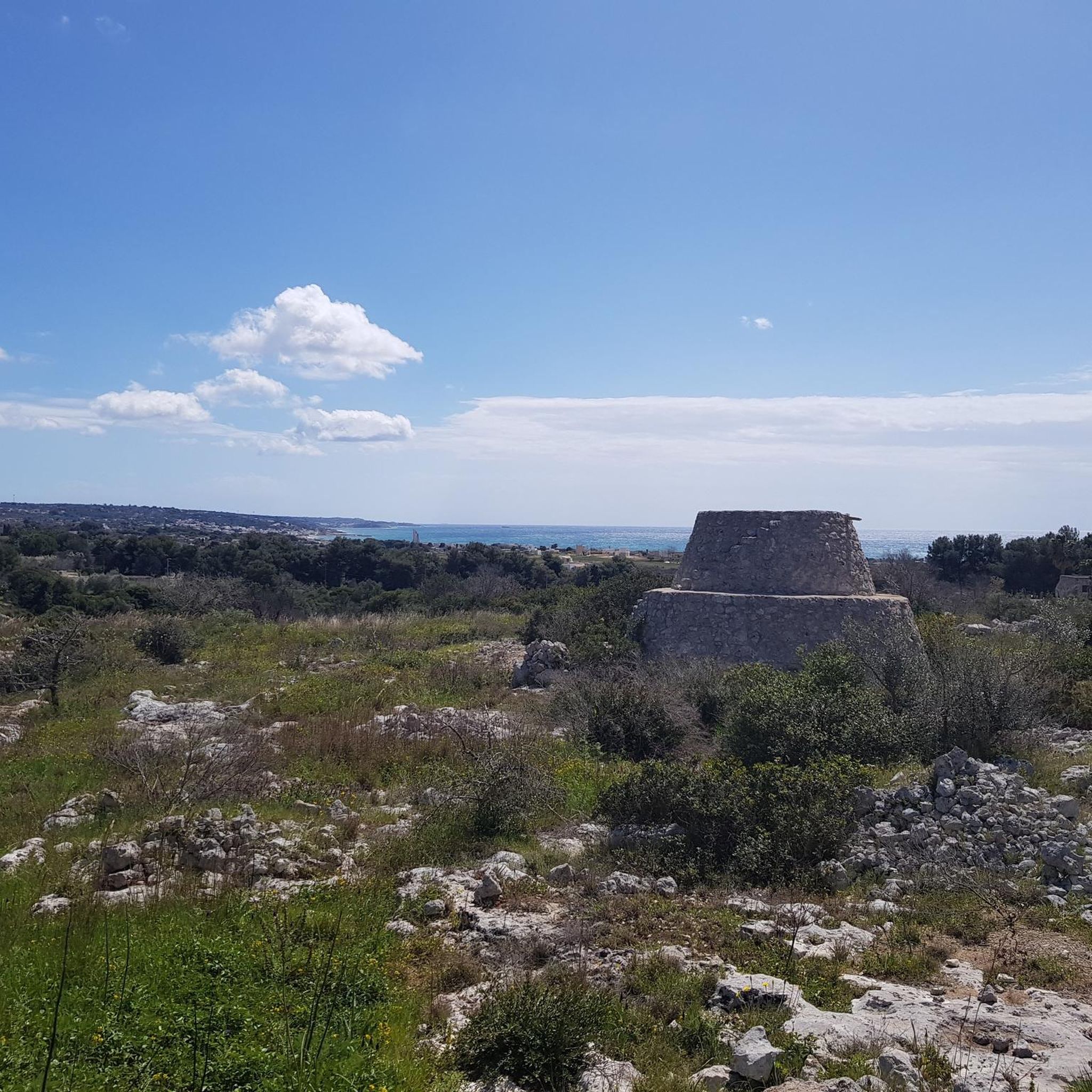
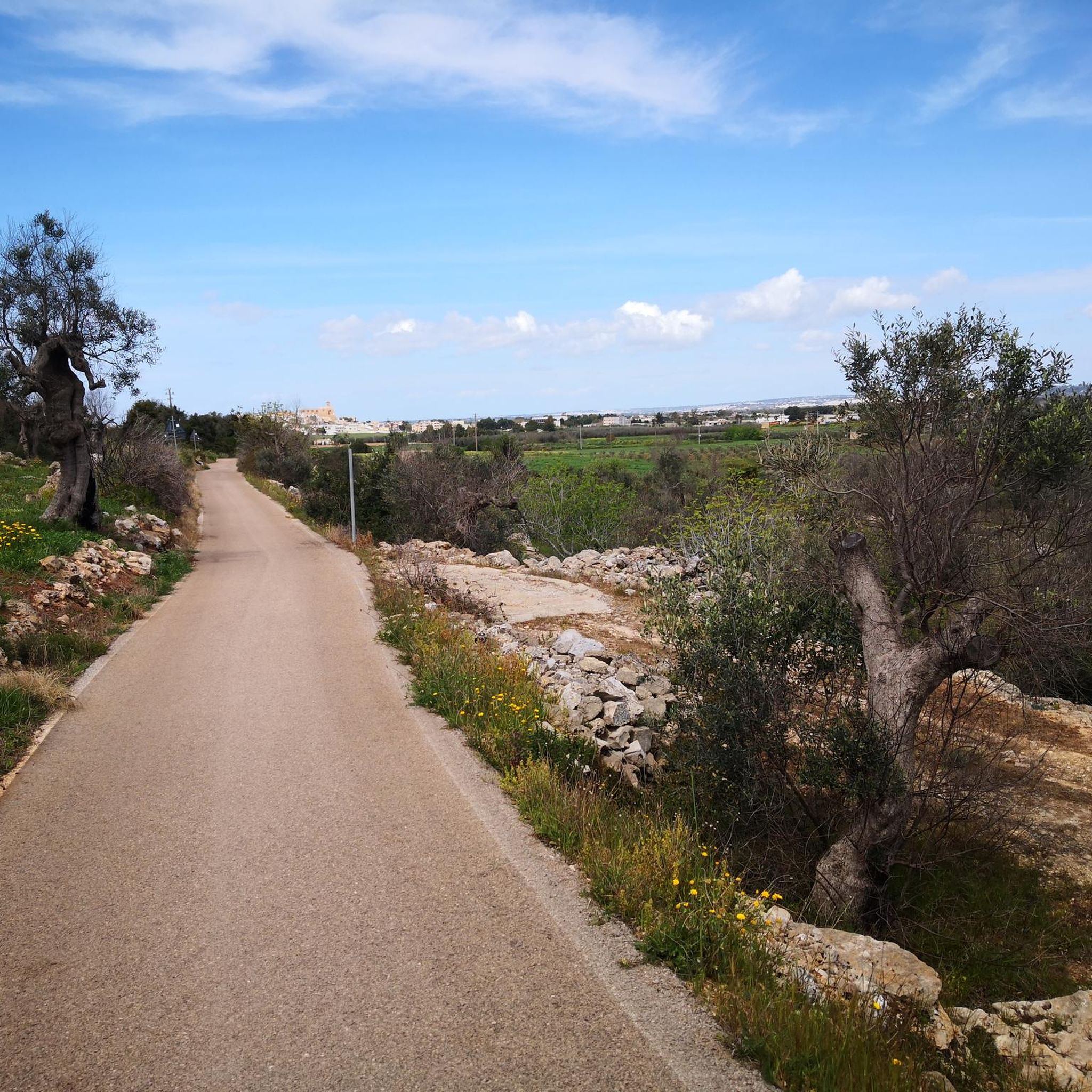
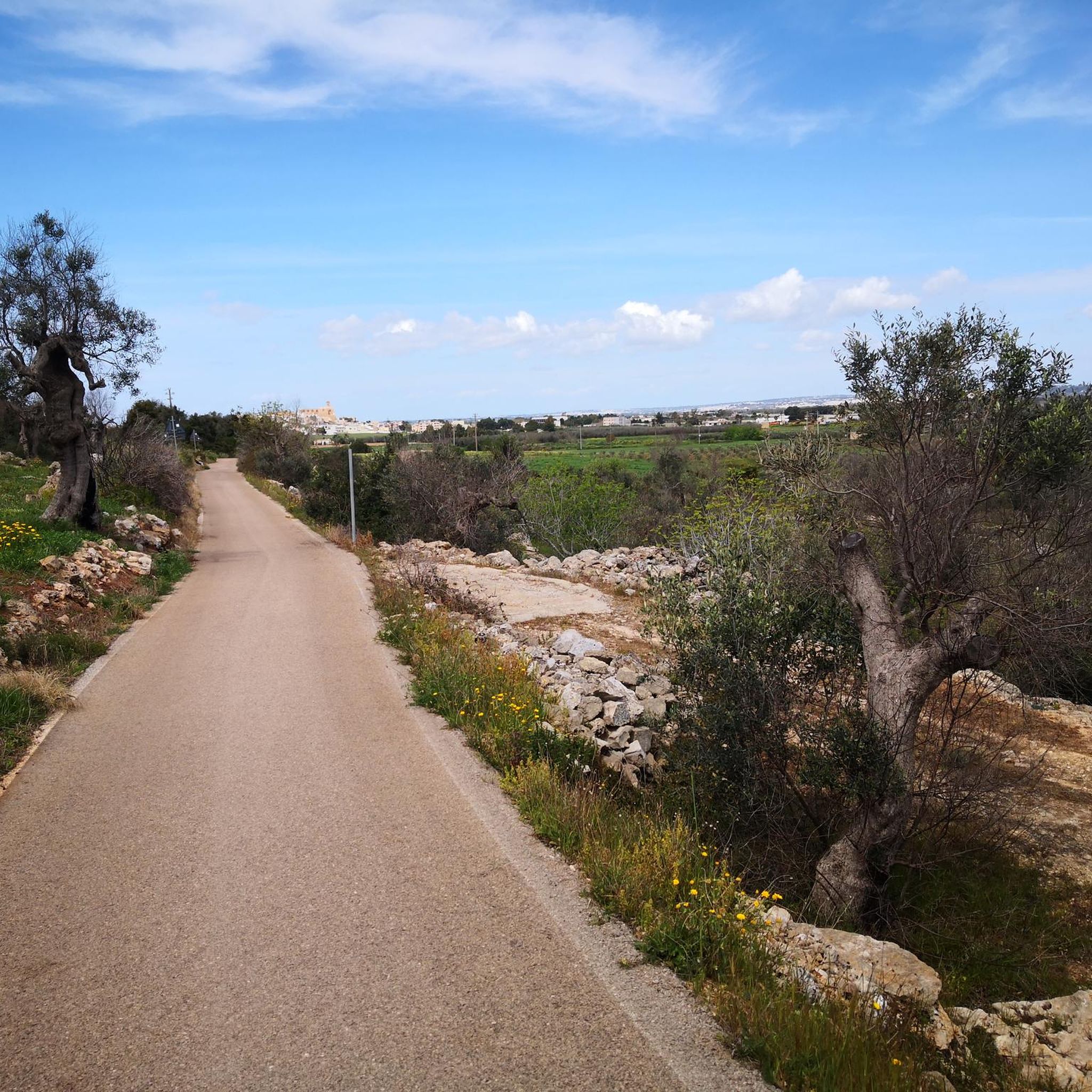
Tips from the Community

singletrack not to be missed!
0
0
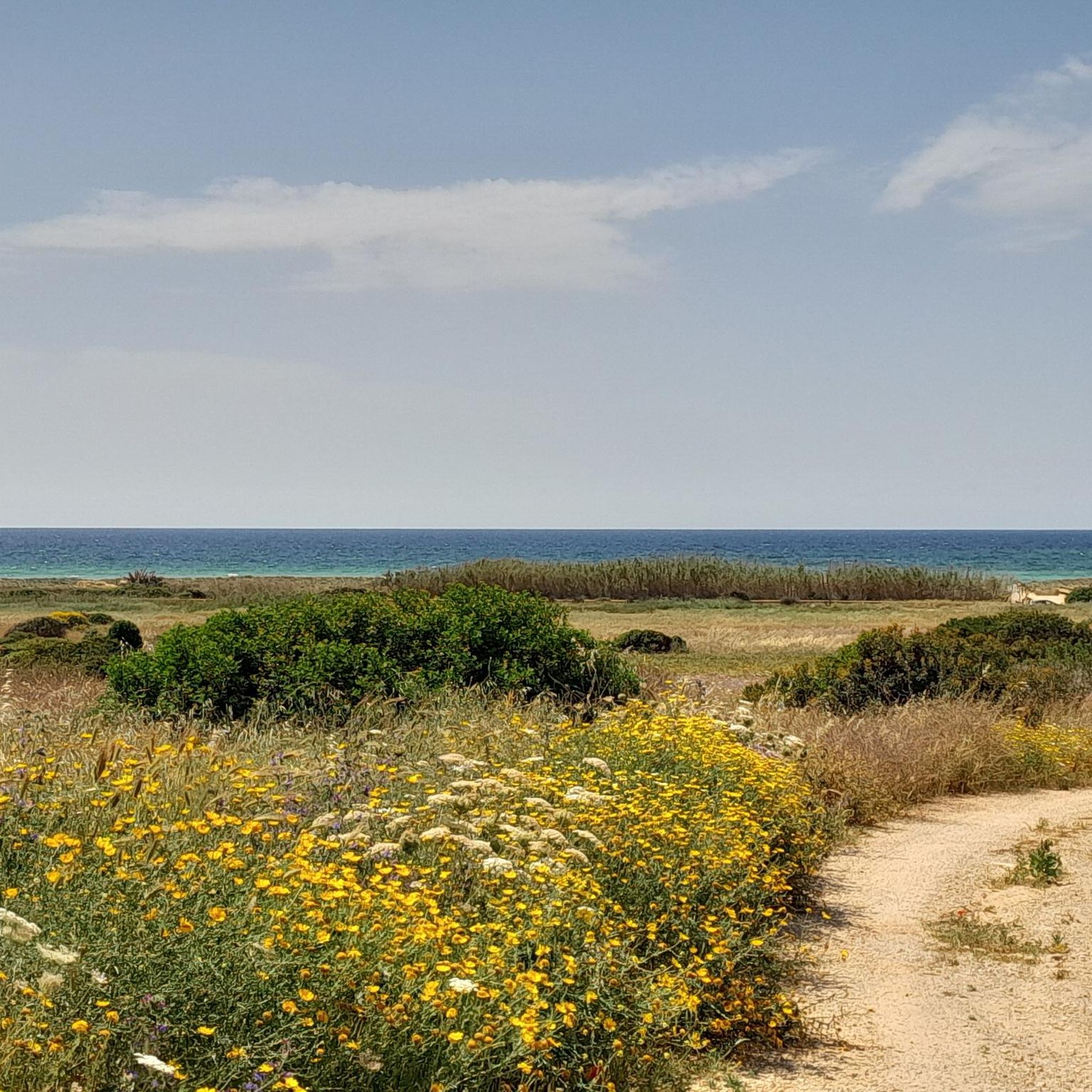
the point is magnificent, from here several single tracks wind down to the sea or into the countryside and you can enjoy a splendid view of the Ionian coast
0
0

beautiful and very suggestive route.
0
0

The cave of San Pantaleone is a rock crypt located on the eastern side of the Canale dei Fani. It is an ancient place of worship of Byzantine monks, who took refuge in this area in the Middle Ages to escape persecution. The cave is divided into two rooms and has on the right wall of the entrance the remains of a fresco depicting the holy martyr Pantaleone.
2
1

Inserted in the Salento Bizantino collection https://www.komoot.com/it-it/collection/1811756/-salento-bizantino - Normally closed, no possibility of peeking inside from some window. No indication about opening times and/or days despite the recent restoration. Contact the new archaeological museum of Ugento to understand how and when to visit it. https://it.wikipedia.org/wiki/Cripta_del_Crocifisso https://www.provincialecce.com/VirtualTour/Ugento-Cripta-del-Crocefisso/Ugento-Cripta-del-Crocefisso.asp https://www.youtube.com/watch?v=oqdZ-VgviWg
0
0

On the highest point of the Serra di Casarano, in the Manfio district in the Ruffano area, stands the characteristic Crypt of the Crucifix, or of Santa Costantina, a cavity of natural origin transformed by the Byzantines into a place of worship around the year 1000.
0
0
Frequently Asked Questions
What types of caves can I explore around Acquarica Del Capo?
The area offers a diverse range of underground sites, including natural grottoes with unique formations, historical rock settlements, and ancient crypts carved into the rock. You can find natural caves like Grotta Antonietta with its intricate stalactites, or historical sites such as the Rock Settlement of Macurano.
Are there any historically significant caves or rock-cut sites in the region?
Yes, Acquarica Del Capo is rich in historical underground sites. Notable examples include the Crypt of the Crucifix of Ugento, a cave transformed into a place of worship, and the Crypt of the Crucifix, completely carved into the rock with visible frescoes. The Grotta di Santa Maria della Grotta is also a historically significant pilgrimage destination with ancient graffiti.
What natural features can I expect to see in the caves?
Many caves showcase impressive natural formations. Grotta Antonietta, for instance, features intricate sail-shaped stalactites and stalagmites. Grotta Sartrea is known for its hundreds of stalactites. The Grotta delle Fate also contains an underground system with tunnels and ancient graffiti.
Are there any caves with religious significance?
Absolutely. The Crypt of the Crucifix of Ugento and the Crypt of the Crucifix are both religious buildings and historical sites. The Grotta di San Pantaleone is a rock crypt that served as a place of worship for Byzantine monks, featuring remains of a fresco.
What are the 'Tajate' and are they worth visiting?
The 'Tajate' are not natural caves but historical open-air quarries where tufa stone was extracted. They are significant cultural and historical sites, recognized for their sculpted forms created by human effort and time. They offer a unique glimpse into the region's past industry and have even served as backdrops for films.
What kind of wildlife might I encounter in the caves?
In some caves, like Grotta di Santa Maria della Grotta, you might encounter small white mice, spiders, and cave crickets. These creatures are often unafraid of human presence, offering a glimpse into the cave ecosystem.
Are there hiking trails near the caves around Acquarica Del Capo?
Yes, there are several hiking opportunities in the vicinity. You can find various routes, including those that pass by caves. For detailed options, explore the Hiking around Acquarica Del Capo guide, which includes routes like 'The trail in the Canale dei Fani'.
Can I find mountain biking trails near these cave sites?
Yes, the area around Acquarica Del Capo offers mountain biking trails. You can discover routes in the MTB Trails around Acquarica Del Capo guide, with options ranging from easy to difficult, such as the 'Monumental Cross of Casale' loop.
What is the best time of year to visit the caves in this region?
The Salento region generally enjoys a mild climate. Spring and autumn offer pleasant temperatures for exploring both the caves and the surrounding outdoor areas, avoiding the peak heat of summer. However, many historical crypts and rock settlements can be visited year-round.
Are there any caves that are particularly challenging to access?
Some natural caves, like Grotta Antonietta, have small fissure entrances that require crawling. The Grotta delle Fate is described as being on a 'technical' trail and has environments that are difficult to visit due to past landslides, suggesting a more adventurous experience.
What should I wear for cave exploration in Acquarica Del Capo?
For most cave visits, especially those involving walking or light exploration, comfortable clothing and sturdy, closed-toe shoes with good grip are recommended. If you plan to explore more challenging natural grottoes, consider clothing that can get dirty and potentially a headlamp.
Are there any running trails that incorporate views or access to caves?
Yes, you can find running trails in the area that offer scenic views and pass near some natural features. The Running Trails around Acquarica Del Capo guide provides options like the 'Grotta delle Fate – Apiario Valentini loop'.
Most popular routes around Acquarica Del Capo
Most popular attractions around Acquarica Del Capo

Get inspired with the komoot mobile app


Explore more
Extend your search for the best caves by checking out these guides of the top ones around Acquarica Del Capo:
