The 7 Most Amazing Peaks in Parc National De Pirin
Mountain peaks in Parc National De Pirin, a UNESCO World Heritage Site in southwestern Bulgaria, are known for their majestic presence and diverse ecosystems. The park features a range of peaks, from the high marble summits of the northern section to the granite formations in the south. This region offers varied experiences for hikers and mountaineers, with many peaks providing extensive panoramic views. It is a notable area for its unique karst topography and glacial lakes.
Best mountain peaks in…
Last updated: October 16, 2026
Vihren Peak
Highlight • Summit
I suggest to climb it from Kazanite and the return back to Vihren hut throught Kabata
Tip by

Vihren Peak and Glacier Base
Highlight • Summit
Tip by

Sign up now to discover places like this
Get recommendations on the best single tracks, peaks, & plenty of other exciting outdoor places.
Polezhan Peak
Highlight • Summit
Tip by
Sinanitsa Peak
Highlight • Summit
Tip by

Sivria Peak
Highlight • Summit
Tip by

Sign up for free to discover even more peaks in Parc National De Pirin.
Already have an account?
Start today with a free account
Your next adventure awaits.
Tips from the Community

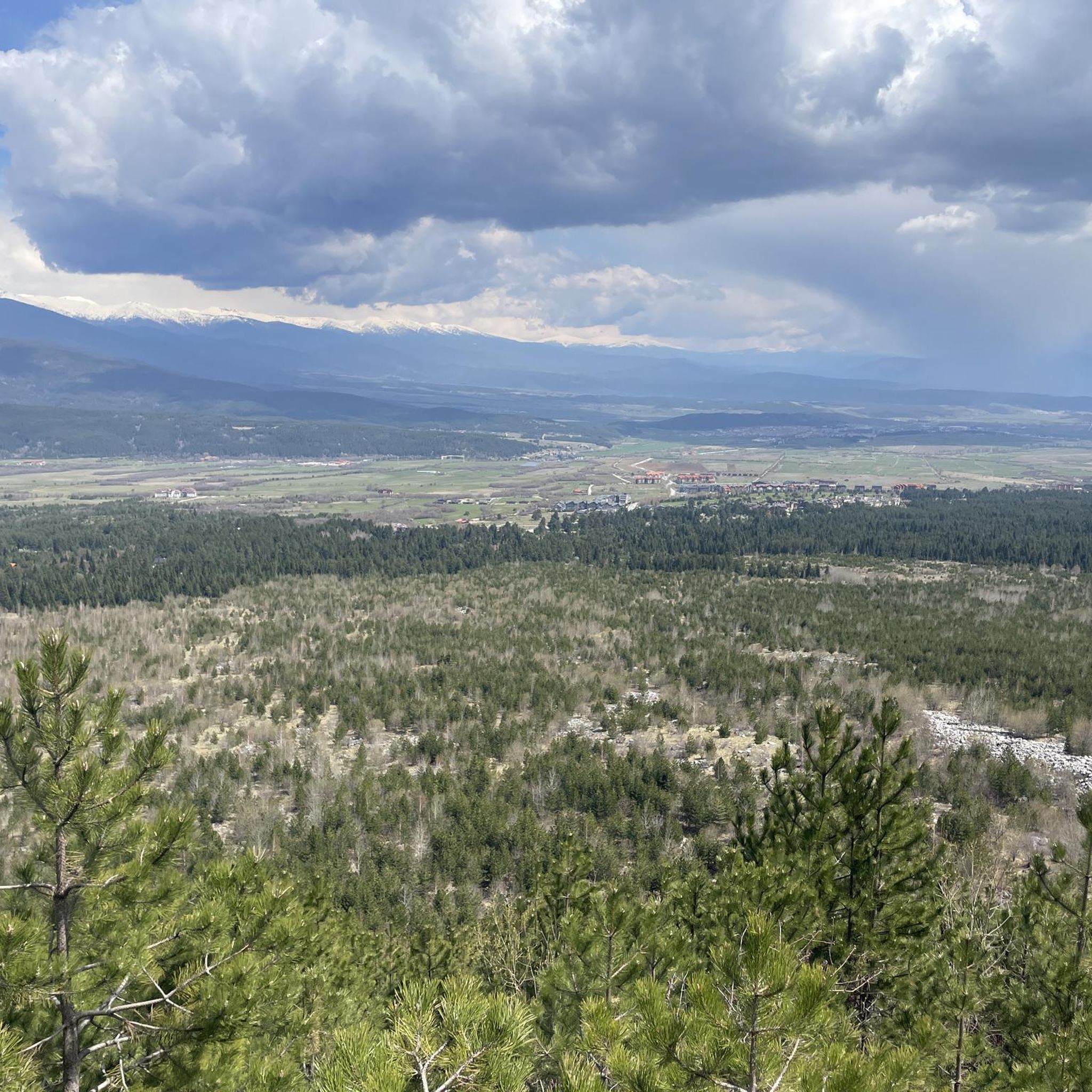
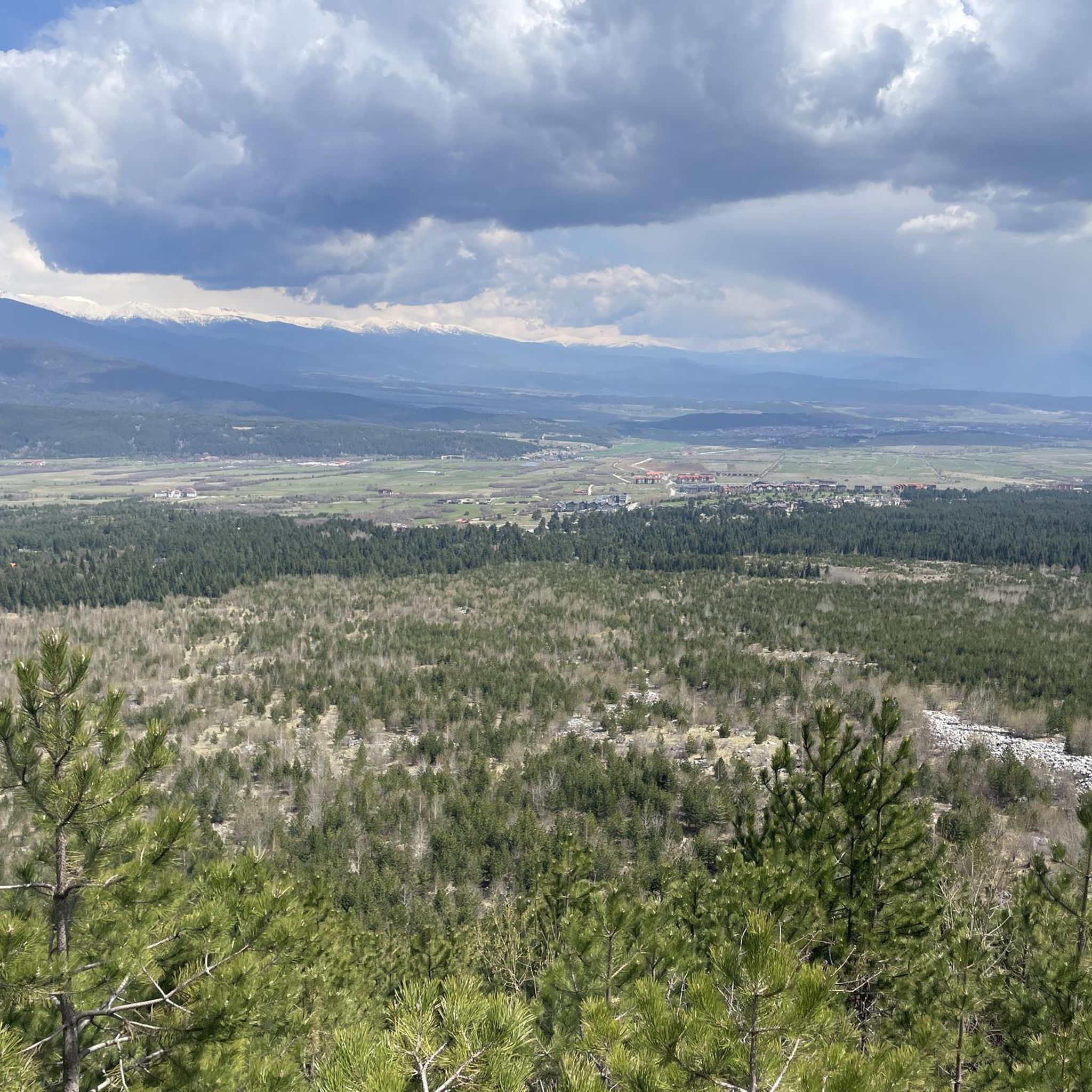
Great trail up and back to the peak, has some slight technical sections. The peak itself is spacious and opens up a remarkable 360 view
0
0

You should definitely not attempt this hike if you are not an expert hiker. The hike is very dangerous and the photos are from another era. The summit is full of extremely complicated and unstable rocks. I do trail running and hiking regularly and I definitely had trouble on this route. You should definitely not bring a non-expert.
0
0

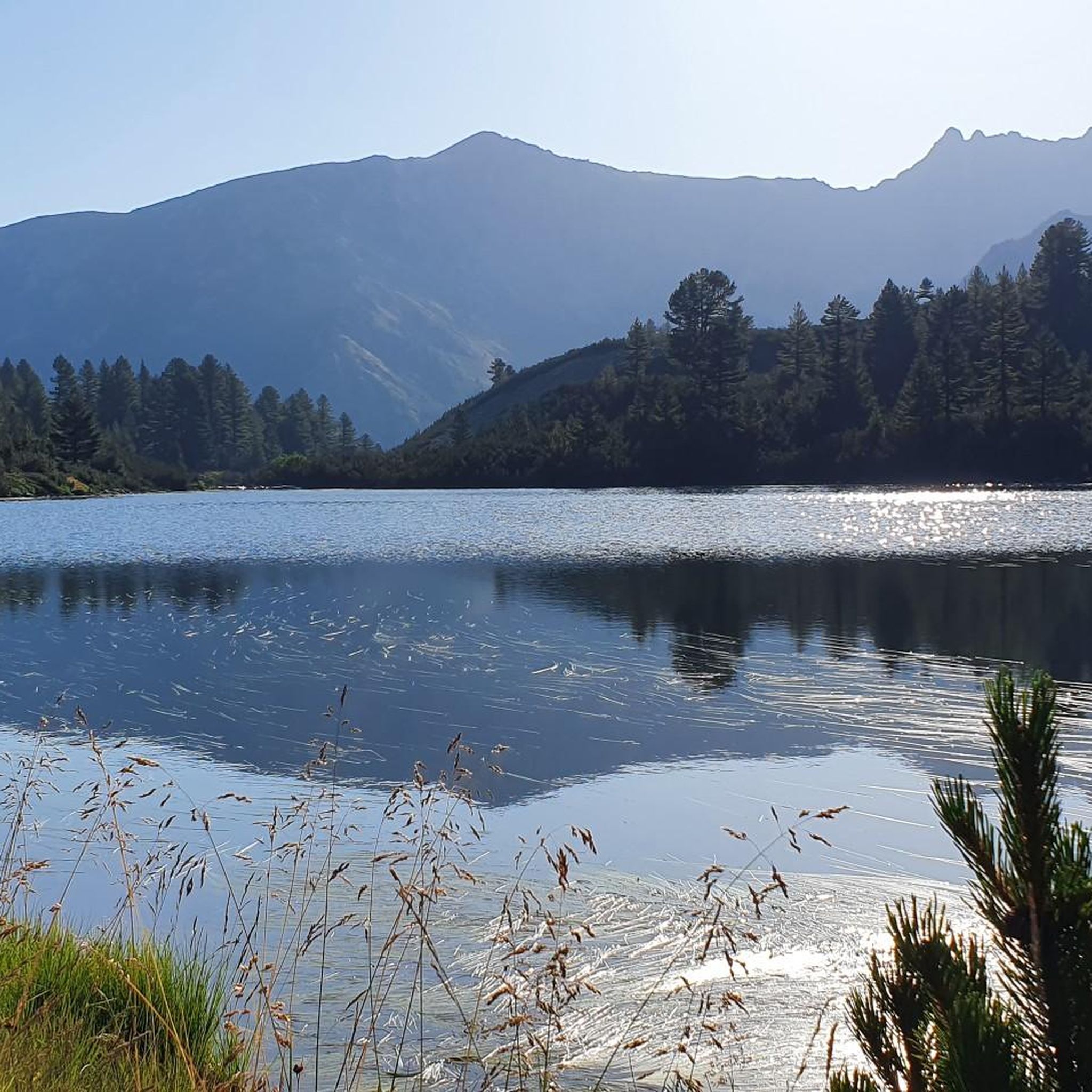
Polezhan Peak. Panoramic. Medium difficulty.
0
0


Second highest mountain in Bulgaria, so when the weather is good you can enjoy a very far-reaching view. The section of road between the Banderitsa campsite and the Vihren hut is closed from 8 a.m. to 4 p.m. (one-way street, controlled by the police), so start as early as possible. It is also worth being at the summit around 9 a.m. to 10 a.m., otherwise, depending on the weather, clouds can cover the summit.
1
0
The decline once you reach the peak is dangerous. The path is not labeled and there is no clear way to defend safely due to the loose rocks. My friend and I reached the peak and turned around rather than attempt it. I would say this is an expert hike, with a lot of technical skills and equipment needed.
0
0

I do not recommend to climb this peak at all. Too dangerous. The view is not so good. A much better view is from Dzhano peak. The path from Sivria to Dzhano is too hard and dangerous.
1
0

From the top you have a great view of the rest of the Pirin Mountains. Definitely worth going all the way up. It takes about two and a half to three hours.
0
0
Frequently Asked Questions
What are some of the most notable mountain peaks in Parc National De Pirin?
Parc National De Pirin is home to several majestic peaks. Among them, Vihren Peak stands as the highest in the Pirin Mountains and the second highest in Bulgaria, offering extensive panoramic views. Polezhan Peak is another popular choice, known for its beautiful alpine vistas of Vihren and Popovo Lake. Other significant peaks include Kutelo, Banski Suhodol, and Todorka, each offering unique features and challenges.
How challenging are the mountain peaks in Parc National De Pirin?
The difficulty varies significantly across the peaks. Peaks like Vihren Peak are considered challenging, with steep sections and requiring good physical condition. The area around Vihren Peak and Glacier Base can involve bouldering. Kutelo and Banski Suhodol are also for experienced hikers, especially due to the narrow Koncheto ridge. However, there are also routes suitable for beginners, such as certain ascents to Polezhan Peak, which offers rewarding views without extreme difficulty.
What unique natural features can I expect to see on the peaks?
The peaks in Parc National De Pirin showcase diverse natural features. Vihren Peak, composed of marble, has a distinctive pyramidal form and is home to Europe's southernmost glacial mass, the Snezhnika glacieret. Kutelo and Banski Suhodol are also marble peaks, connected by the famous narrow karst ridge, Koncheto. Todorka, a granite peak, features three distinct summits and is surrounded by lakes like Todorini Ochi. You can also find rare flora such as the Pirin primrose and edelweiss, and high-alpine fauna like Balkan chamois and golden eagles.
When is the best time to visit the mountain peaks in Parc National De Pirin?
The summer months (June to September) are generally considered the best time for hiking the peaks, offering more stable weather conditions and accessible trails. However, weather can change dramatically in seconds, even in summer. During winter, peaks like Todorka are popular for skiing and snowboarding due to well-maintained pistes, while Polezhan Peak is popular for backcountry skiing, though avalanche danger should be considered.
Are there family-friendly mountain peaks or trails in Parc National De Pirin?
While many of the highest peaks are challenging, Parc National De Pirin does offer easier hiking options. For family-friendly experiences, you can explore routes like the 'Holy Trinity Church, Bansko – Old Town of Bansko loop' or the 'Scenic Forest Trail loop from Bansko'. These are generally shorter and less strenuous, providing an opportunity to enjoy the natural beauty without tackling extreme elevations. You can find more easy hikes in the Easy hikes in Parc National De Pirin guide.
What outdoor activities can I do near these mountain peaks?
Beyond peak bagging, the area around Parc National De Pirin offers a variety of outdoor activities. You can find numerous hiking trails, including those leading to waterfalls, as detailed in the Waterfall hikes in Parc National De Pirin guide. For cyclists, there are road cycling routes available, such as those listed in the Road Cycling Routes in Parc National De Pirin guide, offering scenic rides through the region.
How difficult is it to hike Vihren Peak?
Hiking Vihren Peak is considered a challenging and exhausting experience, especially the final kilometer which is steep. There are different ascent options; climbing from Kazanite is steeper and less convenient for descent. The north side ascent is partially secured with a steel cable but is not overly difficult or exposed. Hikers should be prepared for significant elevation gain, carry at least 2 liters of water as there are no water sources on the way, and be aware that weather conditions can change rapidly.
What is the difficulty and duration for hiking Kutelo Peak?
Kutelo is the second highest peak in Pirin and offers a challenging alpine traverse, particularly if you include the iconic Koncheto ridge, which is only 70 cm wide in some places. This route is recommended for experienced hikers seeking challenging routes and remarkable scenery. The duration of the hike depends on the starting point and the specific route taken, but it typically involves a full day of strenuous activity.
Are there options for advanced mountaineering in Pirin National Park?
Yes, for advanced mountaineers, the Pirin National Park offers challenging terrain. The northeastern slopes of Kutelo feature alpine climbing tracks. The Koncheto ridge, connecting Kutelo to Banski Suhodol, is a technically demanding section. Additionally, the Sivria Peak is described as an expert hike requiring technical skills and equipment due to dangerous, unstable rocks and an unlabeled path for descent.
What do visitors enjoy most about the mountain peaks in Parc National De Pirin?
Visitors consistently praise the breathtaking panoramic views from the summits, especially from Vihren Peak and Polezhan Peak. The sense of accomplishment after a challenging climb, the unique alpine scenery, and the opportunity to observe rare wildlife and flora are also highly valued. Many find the experience of being in such a pristine natural environment, with its dramatic landscapes and glacial lakes, to be unforgettable.
What are the parking options near the trailheads for the peaks?
For popular peaks like Vihren Peak, it is advisable to park near Vihren hut early in the morning (around 7 a.m.) during peak season. Later in the day, the parking can become full, and the road between Banderitsa campsite and Vihren hut may be closed by police from 8 a.m. to 4 p.m. (one-way street). It's always best to arrive early to secure a spot and avoid restrictions.
Can I reach Jangal Peak easily?
The easiest way to reach Jangal Peak (2730 m) is from Tevno Lake shelter. The transition typically takes about 1.5 hours. Be aware that the marking for this route is unofficial, indicated by orange dots.
Most popular routes in Parc National De Pirin
Most popular attractions in Parc National De Pirin

Get inspired with the komoot mobile app


Explore more
See even more amazing summits in Parc National De Pirin with these guides:
