Top 8 Caves in Hohe Wand Nature Park
Best caves in Hohe Wand Nature Park are found within the Gutenstein Alps of Lower Austria, a region characterized by its limestone bedrock. This geological composition is conducive to the formation of numerous subterranean features. The park's natural attractions include impressive rocky cliffs and diverse landscapes, alongside its extensive cave systems. These natural formations offer varied experiences for visitors exploring the Hohe Wand Nature Park.
Best caves in Hohe Wand Nature Park
- The most popular caves is Einhornhöhle (Unicorn Cave)…
Last updated: July 13, 2026
Einhornhöhle (Unicorn Cave)
Highlight • Cave
More information is available at wieneralpen.at/urlaubszielen-in-den-wiener-alpen-discoveren/a-einhorn-tropfsteinhoehle.
Translated by Google •
Tip by

Frauenluckensteig (Hohe Wand)
Highlight • Climb
Translated by Google •
Tip by
Sign up now to discover places like this
Get recommendations on the best single tracks, peaks, & plenty of other exciting outdoor places.
Sign up for free
Wildenauersteig, Hohe Wand
Highlight • Climb
Translated by Google •
Tip by

Frauenlucke Chimney Ladder (Hohe Wand)
Highlight • Climb
Translated by Google •
Tip by

Trümmer Cave
Highlight • Cave
Translated by Google •
Tip by

Sign up for free to discover even more caves in Hohe Wand Nature Park.
Sign up for free
Already have an account?
Start today with a free account
Your next adventure awaits.
Login or Signup
Popular around Hohe Wand Nature Park
Alpine hiking on Vienna’s doorstep – Rax-Schneeberg Group Mountains
Out of town, up the mountain – Vienna's backyard
Hut fun in Austria’s Schneebergland
Family adventures in Vienna's local mountains
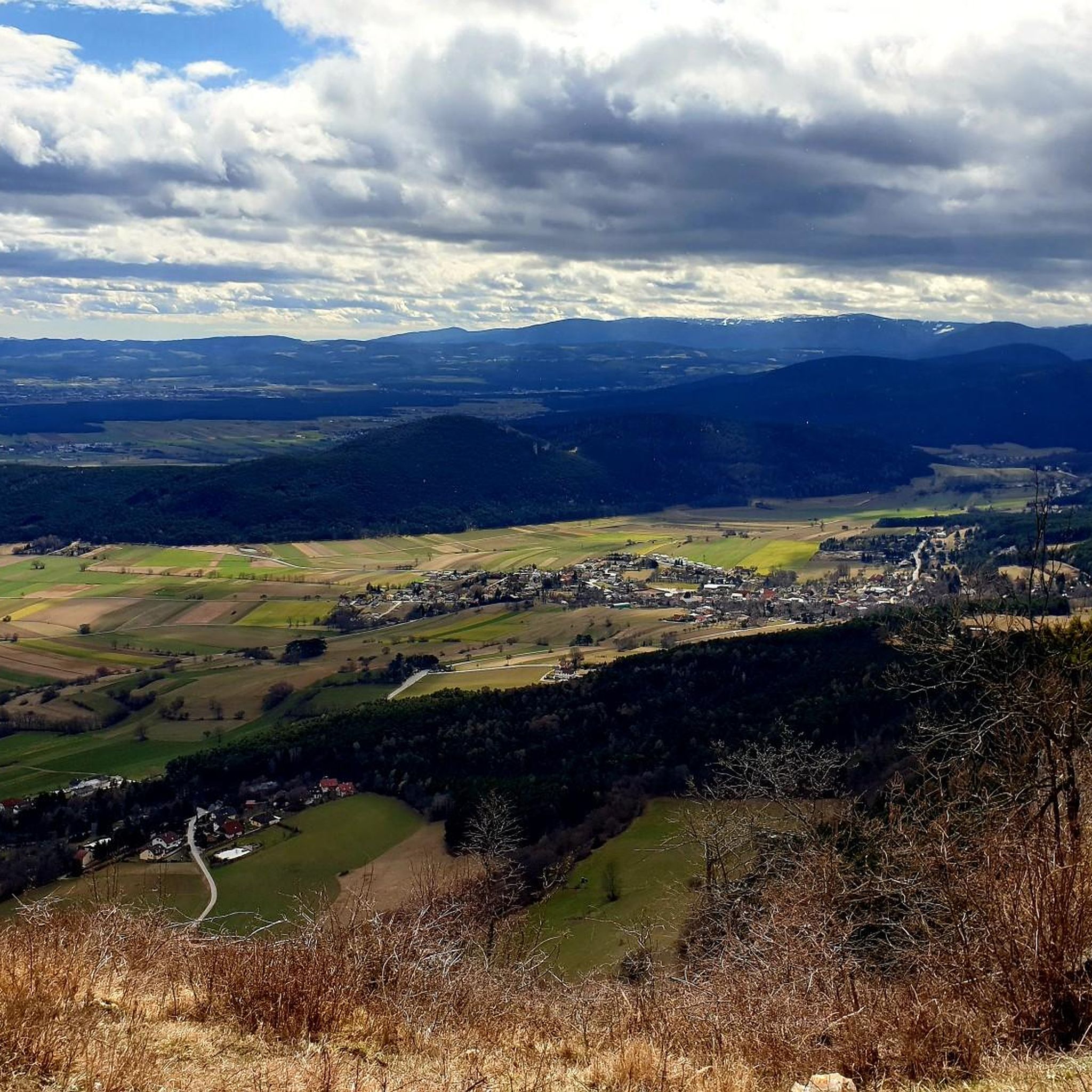
Hiking in Hohe Wand Nature Park
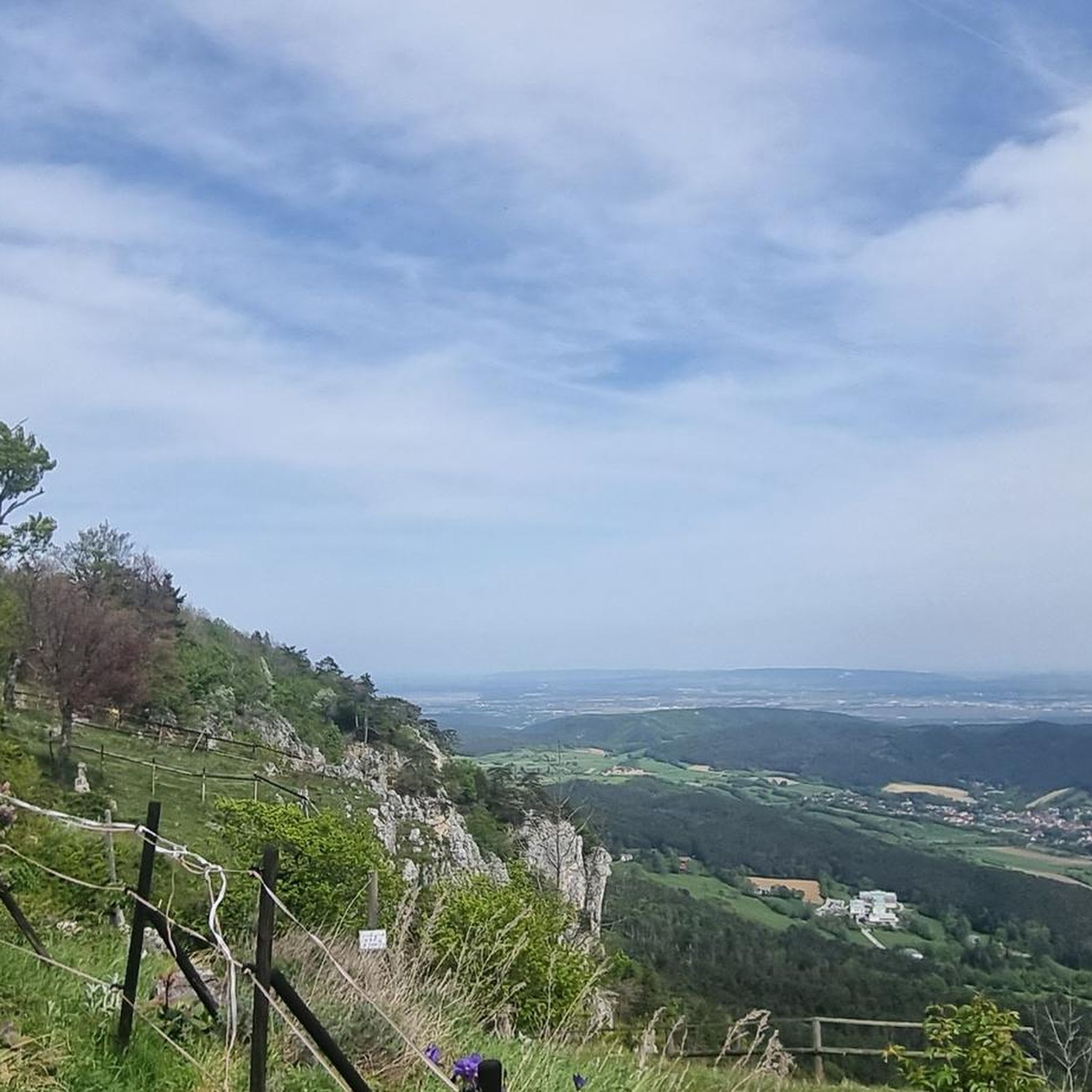
Mountain Hikes in Hohe Wand Nature Park
MTB Trails in Hohe Wand Nature Park
Cycling in Hohe Wand Nature Park
Road Cycling Routes in Hohe Wand Nature Park
Running Trails in Hohe Wand Nature Park
Other adventures in Hohe Wand Nature Park


Tips from the Community

The cave was discovered in 1927 by Otto Langer sen. and opened as a show cave in 1930. During World War II, the cave served as a place of refuge. In 1958, it was accessible again as a show cave. In 1964, the installations were modernized by Otto Langer jun.
0
0
Access: It is accessible via various hiking trails, often as part of a circular hike on the Hohe Wand. Character: It is a rock formation that, as the name suggests, was formed by fallen rock fragments.
0
0

The Unicorn Cave was closed and locked with a gate.
4
0

The correct title for this highlight is probably: Rubble Cave and not January 7th!
1
0

great for a hiking trip from the Dreistetten castle ruins
0
0

Slings and carabiners are only recommended for the backpack/cave
0
0

The Wildenauersteig (D, 1+) on the Hohe Wand is an old, classic via ferrata that works almost entirely without steel cable insurance. It is secured so well with iron clamps that you can also use these climbing aids to secure it with the via ferrata set. The climb is impressive because of its steepness and the spectacular vertical cave, the exit of which you can only squeeze through with your backpack removed. In terms of landscape, this climb is an experience and much less traveled than the mountain club via ferrata that runs parallel to it. Tip: In addition to the via ferrata equipment, take a sling + carabiner to secure the backpack in the cave. Ibex sightings are possible. Source: https://www.alpenvereinaktiv.com/mobile/de/tour/wildenauersteig-d-/118759336/
1
0
Frequently Asked Questions
What types of caves can I explore in Hohe Wand Nature Park?
Hohe Wand Nature Park offers a diverse range of underground experiences. You can visit accessible show caves like the Einhornhöhle (Unicorn Cave) with guided tours, or explore natural cave tunnels such as the Pechersteiglein Cave Tunnel. For more adventurous visitors, there are challenging via ferratas that incorporate caves, like the Frauenluckensteig (Hohe Wand), which features a 15-meter iron ladder through a vertical cave shaft.
Are there any family-friendly caves in the Hohe Wand Nature Park?
Yes, the Einhornhöhle (Unicorn Cave) is a great option for families. As a show cave, it is well-developed for tourism, often featuring illuminated paths and guided tours to showcase its geological formations like stalagmites and stalactites, making it accessible for general visitors and children.
When is the best time to visit the Unicorn Cave?
The Einhornhöhle (Unicorn Cave) is open from Easter to the end of September, specifically on Sundays and public holidays, typically from 9 a.m. to 5 p.m. It's advisable to check local schedules for exact opening times before your visit.
What should I expect when visiting the Eisenstein Cave?
The Eisenstein Cave offers a more adventurous experience. Visitors are typically required to wear a helmet, overalls, boots, and use a carbide lamp. The tour, lasting about an hour, involves climbing over loamy steps and four iron ladders. It's not recommended for children under 10 or individuals with heart and circulatory problems due to its challenging nature. The cave maintains a constant temperature of 13 degrees Celsius and 100% humidity.
Are there any caves that are part of climbing routes?
Yes, several challenging climbing routes in Hohe Wand Nature Park incorporate caves. The Frauenluckensteig (Hohe Wand) and the Frauenlucke Chimney Ladder (Hohe Wand) both feature a 15-meter high, vertical iron ladder through a cave shaft. The Wildenauersteig, Hohe Wand also includes a spectacular vertical cave that requires removing your backpack to squeeze through.
What geological features are prominent in the caves of Hohe Wand Nature Park?
The caves in Hohe Wand Nature Park are primarily formed within limestone bedrock, which is conducive to the formation of various geological features. In show caves like the Unicorn Cave, you can observe stalagmites and stalactites. The region's caves also feature impressive rock formations, natural tunnels, and vertical shafts, showcasing the geological history of the area.
What outdoor activities can I do near the caves in Hohe Wand Nature Park?
Beyond cave exploration, Hohe Wand Nature Park offers numerous outdoor activities. You can find a variety of hiking trails, from easy hikes to more challenging routes. There are also waterfall hikes and opportunities for gravel biking. Many trails offer stunning views and connect to other natural attractions within the park.
Are there any natural cave tunnels I can walk or climb through?
Yes, the Pechersteiglein Cave Tunnel is a notable natural monument and trail feature where visitors can climb through a rock tunnel. It's part of the Pechersteiglein route and offers a unique experience for hikers.
What is the Cserny Cave and how can I access it?
The Cserny Cave is located near the Felsenpfad (cliff path) within the Hohe Wand Nature Park. While specific details about guided tours or visitor access are not as extensively detailed as for other caves, its proximity to the Felsenpfad suggests it may be accessible to hikers exploring this scenic route.
How many caves are there in the Hohe Wand Nature Park area?
The Hohe Wand Nature Park is known for its rich underground landscape, encompassing over 180 caves. This extensive network of subterranean features contributes significantly to the park's natural attractions.
What is the Höhlturmhöhle known for?
The Höhlturmhöhle, situated near Wöllersdorf, is notable for its size. It is considered one of the largest caves in the Mandling-Waxeneck area, boasting a length of 180 meters and a depth of 28 meters.
Most popular routes in Hohe Wand Nature Park
Most popular attractions in Hohe Wand Nature Park

Get inspired with the komoot mobile app


Explore more
Extend your search for the best caves by checking out these guides of the top ones in Hohe Wand Nature Park:
