Top 5 Gorges in Valles Occidentales
Best canyons in Valles Occidentales are located within a natural park in the Aragonese Pyrenees, characterized by mountainous landscapes, U-shaped valleys, and karstic formations. This region offers diverse geological features carved by glacial activity and rivers. Notable canyons like Boca del Infierno and Foz de Biniés provide opportunities for both recreational activities and nature observation. The park's environment supports a variety of ecosystems and offers scenic beauty for visitors.
Best canyons in Valles Occidentales
- The most popular canyons is Valle…
Last updated: June 29, 2026
Valle de los Sarrios
Highlight (Segment) • Gorge
Legend has it that a …
Translated by Google •
Tip by

Boca del Infierno Gorge
Highlight • Gorge
Translated by Google •
Tip by

Sign up now to discover places like this
Get recommendations on the best single tracks, peaks, & plenty of other exciting outdoor places.
Sign up for free
Garganta del Infierno
Highlight • Gorge
Translated by Google •
Tip by

Selva de Oza Valley
Highlight • Gorge
Translated by Google •
Tip by
Cirque of Aspe
Highlight • Gorge
Translated by Google •
Tip by
Start today with a free account
Your next adventure awaits.
Login or Signup
Popular around Valles Occidentales
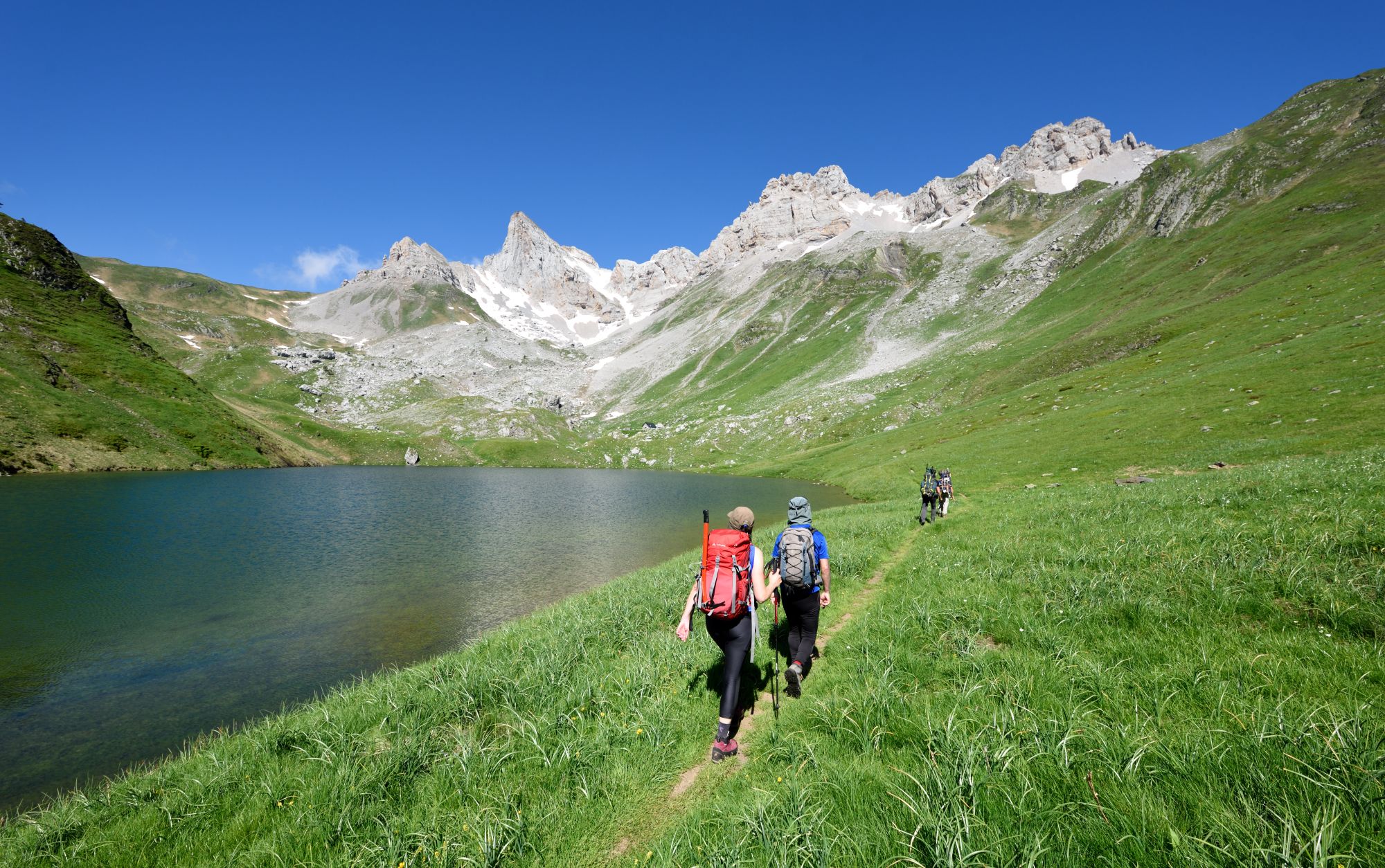
Classic Swallows Route in Spain – Mountains with history
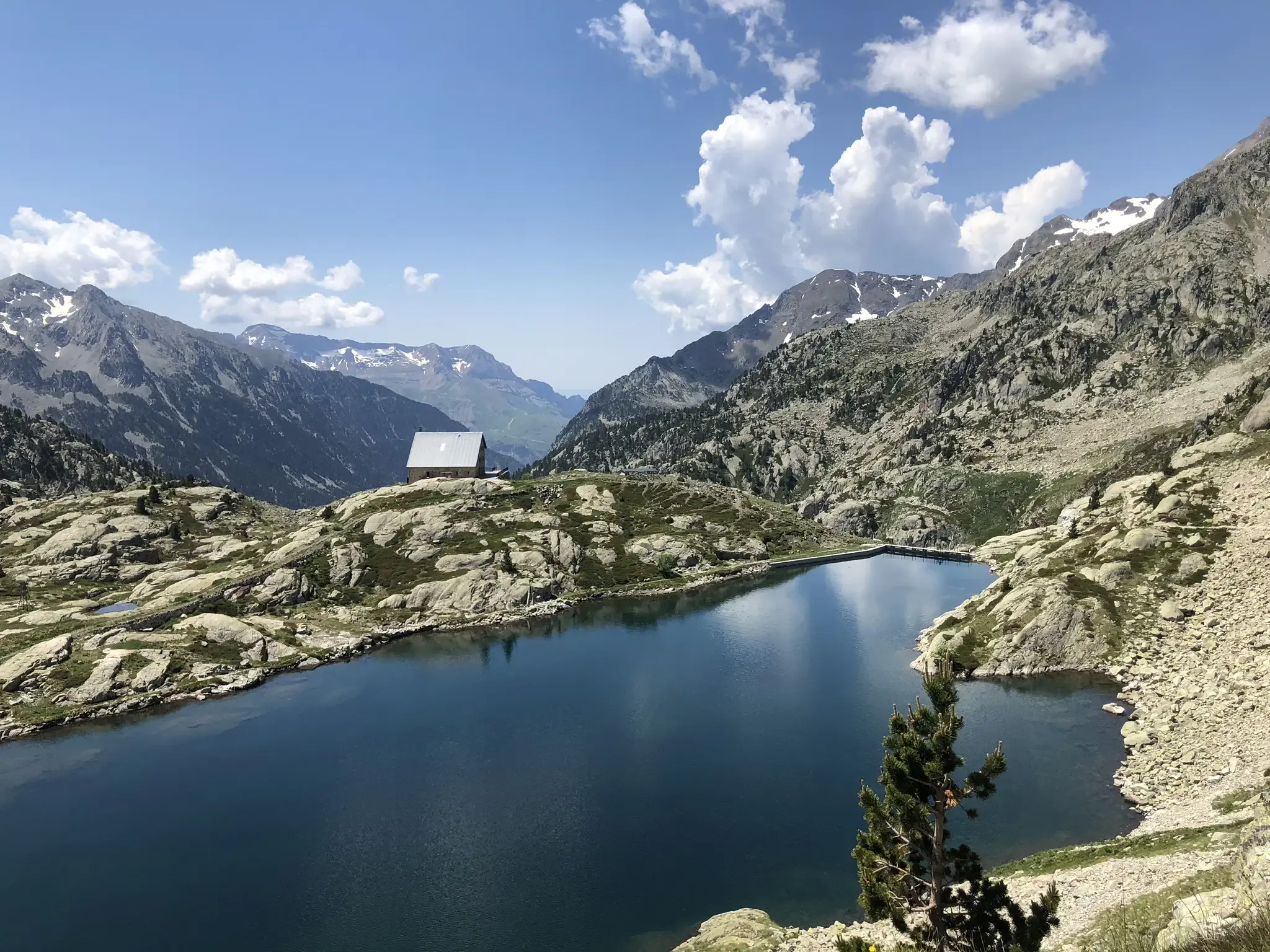
Aragon along the Pyrenean Trail – GR 11
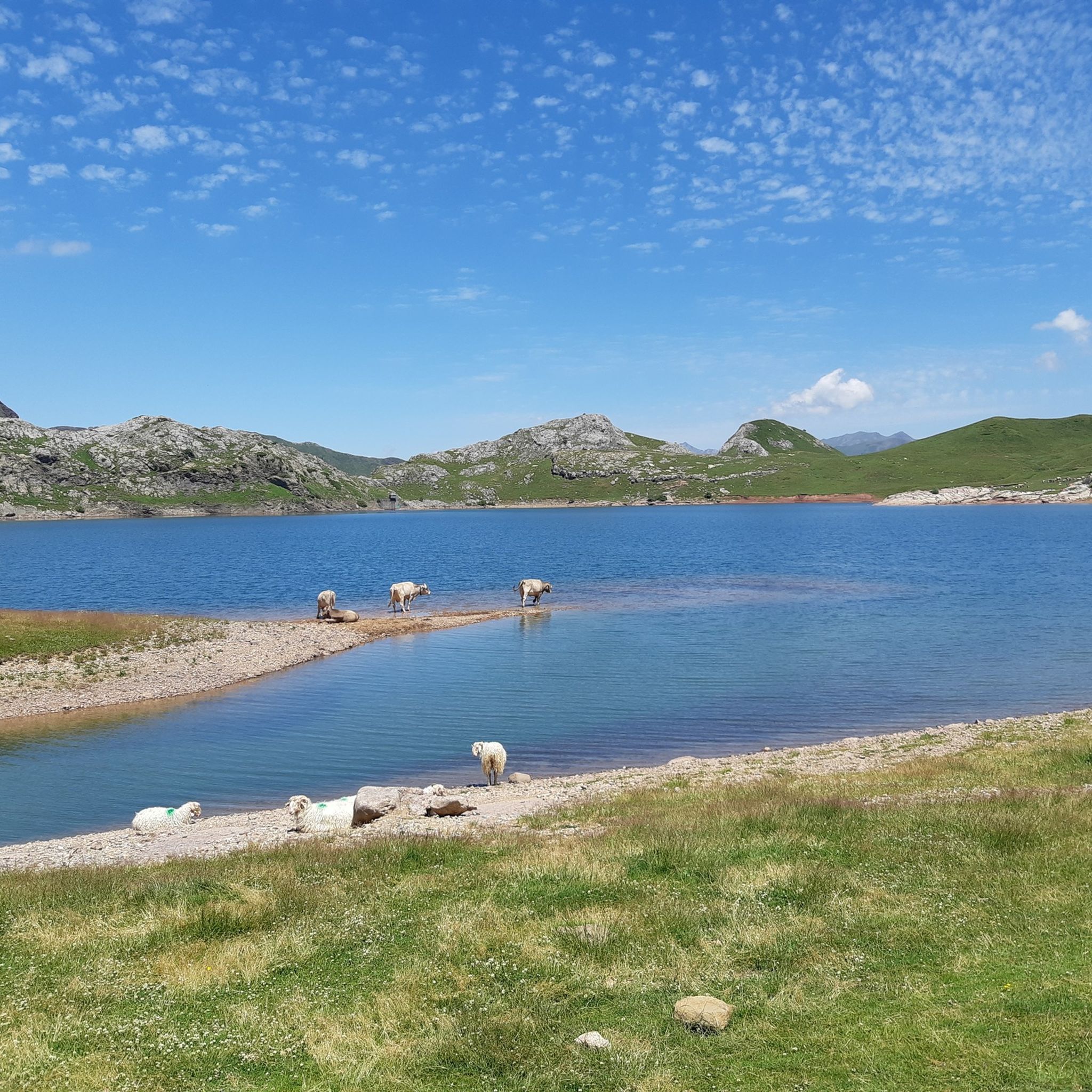
Hiking in Valles Occidentales
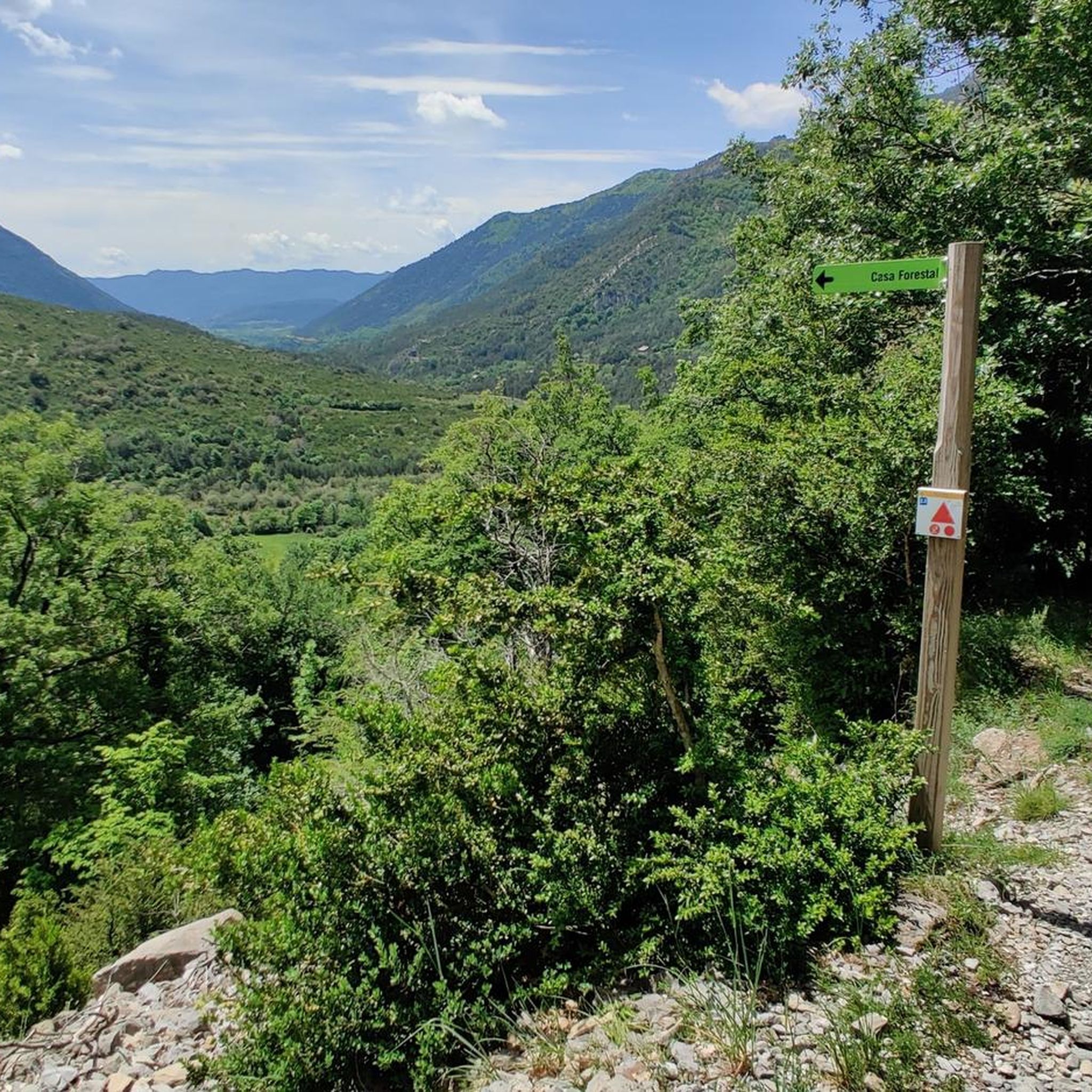
Running Trails in Valles Occidentales
Road Cycling Routes in Valles Occidentales
Cycling in Valles Occidentales
MTB Trails in Valles Occidentales

Mountain Hikes in Valles Occidentales

Gravel biking in Valles Occidentales


Tips from the Community

It is a gorge that allows access to the Oza Valley. Its entire route is spectacular. It is a MUST of the Pyrenees, both for the tranquility of the area, for its landscapes, and for the beauty of the route with the river next to it. One of my discoveries this year. The climb is very steep, with some ramps, but always very easy, which allows you to enjoy the gorge even more.
0
0

Impressive valley inherited from glacial modeling and this fact can be seen through the U-shaped valley. The river leads the valley towards the meanders of Aguas Tuertas.
0
0
Section of road that goes from the town of Siresa towards La Mina refuge. The road is part of the Valle de Hecho and where it winds through the small gorge formed by the Aragon River between strata spaces and a beautiful road.
0
0

The Aspe cirque is a hanging valley to the north of the Aspe peak and, in fact, enclosed by a limestone wall formed by three peaks: Llena del Bozo, Llena de la Garganta and Aspe. From here, the climb to Aspe can be approached as an alternative to the more frequented southern slope.
0
0
The Valle de los Sarrios is a perfectly drawn glacial valley below the steep Cirque de l'Ibón. It is comfortable to walk and visually imposing. Legend has it that a shepherd often frequented the valley and that wild chamois ended up joining his flock. The shepherd passed away, but they say that it is usual to find chamois next to some stones where the shepherd used to sit down to rest, right in the middle of the valley.
0
0

Great U-shaped hanging Valley with stunning geological features (anticline)
0
0

Spectacular road, between the cliff and the river
1
0
Frequently Asked Questions
What are some notable canyons for visitors in Valles Occidentales?
Valles Occidentales features several impressive canyons. The Valle de los Sarrios is a visually imposing glacial valley. The Boca del Infierno Gorge offers a spectacular road alongside the river, leading to the tranquil Oza Valley. Another section, Garganta del Infierno, winds through a small gorge formed by the Aragon River, providing beautiful views within the Valle de Hecho. Additionally, the Foz de Biniés is known for its dramatic 200-meter-high rock walls and ecological value.
Are there canyons suitable for beginners or families in Valles Occidentales?
Yes, the Barranco de Boca del Infierno (part of the Boca del Infierno Gorge) is highly recommended for beginners and families interested in canyoning. Its obstacles, including jumps and rappels, can be adapted to different skill levels, making it an accessible and exciting experience. It also has a short 5-minute approach from Siresa.
What kind of natural features can I expect to see in the canyons of Valles Occidentales?
The canyons in Valles Occidentales showcase diverse natural features, from perfectly drawn glacial valleys like Valle de los Sarrios to river-carved passages. You'll encounter crystal-clear waters, impressive rock walls, and narrow openings. The Foz de Biniés, for example, is known for its imposing 200-meter-high walls and unique geological formations, while the Boca del Infierno features sections with an almost subterranean atmosphere.
What is the best time of year to visit the canyons in Valles Occidentales?
The best time to visit the canyons in Valles Occidentales generally aligns with warmer, drier months, typically from late spring through early autumn (May to October). This period offers more favorable weather conditions for outdoor activities like canyoning and hiking, with less risk of high water levels or snow. Always check local weather forecasts before your visit.
Do I need permits for canyoning or hiking in Valles Occidentales?
Valles Occidentales is a Natural Park, and while general hiking often doesn't require specific permits for marked trails, certain activities like canyoning might have regulations or require permits, especially for commercial operators or specific routes. It's advisable to check with local park authorities or guided tour operators for the most current information regarding permits for canyoning activities.
What wildlife can be observed in the canyons of Valles Occidentales?
The canyons and surrounding areas are rich in wildlife. The Foz de Biniés, in particular, is a Site of Community Importance and home to diverse species, including otters, the South-west European Nase, Lammergeiers, and Egyptian Vultures. The entire Valles Occidentales Natural Park provides a habitat for various Pyrenean fauna, making it a great spot for wildlife observation.
Are there options for wild swimming in the canyons?
Some canyons, like the Barranco de Boca del Infierno, feature swimming areas as part of the canyoning experience, including a 75-meter stretch surrounded by rock walls. While specific designated wild swimming spots within the technical canyoning routes might be limited, the crystal-clear waters of the rivers forming these gorges offer opportunities for refreshing dips in suitable, safe locations. Always exercise caution and be aware of currents and water levels.
What other outdoor activities can I do near the canyons in Valles Occidentales?
Beyond canyoning, the Valles Occidentales region offers a wide range of outdoor activities. You can explore numerous hiking trails, from easy walks to challenging mountain hikes. For example, you can find various easy hikes or more demanding mountain hikes. The area is also popular for trail running, with several running trails available. The Selva de Oza, near Boca del Infierno, is an excellent area for hiking and enjoying the mountainous landscape.
Where can I find amenities or accommodation near the canyons?
The Valles Occidentales Natural Park is surrounded by charming traditional villages that offer amenities and accommodation. Towns like Ansó, Hecho, and Siresa (near Boca del Infierno) provide options for lodging, restaurants, and cafes. These villages also offer a glimpse into the rich cultural heritage of the Aragonese Pyrenees.
How accessible are the canyons in Valles Occidentales?
Accessibility varies by canyon. The Barranco de Boca del Infierno, for instance, is highly accessible with a short 5-minute approach from Siresa. The Boca del Infierno Gorge itself features a scenic road that allows access to the Oza Valley. The Foz de Biniés is also easily accessible for walking and enjoying nature. While some areas are reachable by car, public transport options within the natural park might be limited, so planning private transport is often recommended.
What should I bring for a canyoning trip in Valles Occidentales?
For a canyoning trip, essential gear typically includes a wetsuit, helmet, harness, and appropriate footwear (closed-toe shoes with good grip). It's also wise to bring a waterproof bag for personal items, water, and snacks. If you're going with a guided tour, much of the technical equipment will be provided, but always confirm with your operator. For general canyon exploration or hiking, comfortable hiking shoes, water, sun protection, and layers of clothing are recommended.
Are there less crowded canyons to explore in the region?
While specific data on 'less crowded' canyons isn't always available, exploring areas slightly off the main tourist routes or visiting during off-peak seasons (outside of peak summer holidays) can often lead to a more serene experience. The Valles Occidentales Natural Park has numerous ravines and gorges; consulting local guides or park information might reveal lesser-known spots that offer tranquility away from the more popular canyoning destinations.
Can I bring my dog to the canyons or natural park?
Valles Occidentales is a Natural Park, and regulations regarding dogs can vary. Generally, dogs are often permitted on trails but must be kept on a leash to protect wildlife and ensure the safety of other visitors. Specific rules might apply to sensitive areas or during certain seasons (e.g., nesting periods). For canyoning activities, it's best to check with tour operators or park authorities directly, as technical routes might not be suitable or permitted for dogs.
Most popular routes in Valles Occidentales
Most popular attractions in Valles Occidentales

Get inspired with the komoot mobile app


Explore more
Already discovered everything in this region? See additional gorges in Valles Occidentales for your next adventure:
