Top 6 Caves in Cañón Del Río Lobos
Best caves in Cañón Del Río Lobos are found within a natural park renowned for its dramatic karst landscape. This region, primarily in Soria, Spain, features a terrain carved by the Río Lobos, resulting in numerous subterranean formations. The geological activity has created a diverse network of caves, offering opportunities for exploration. The park's unique geological features include aquifers, stalactites, and stalagmites.
Best caves in Cañón Del Río Lobos
- The most popular caves is Cueva Grande (Río Lobos Canyon),…
Last updated: June 29, 2026
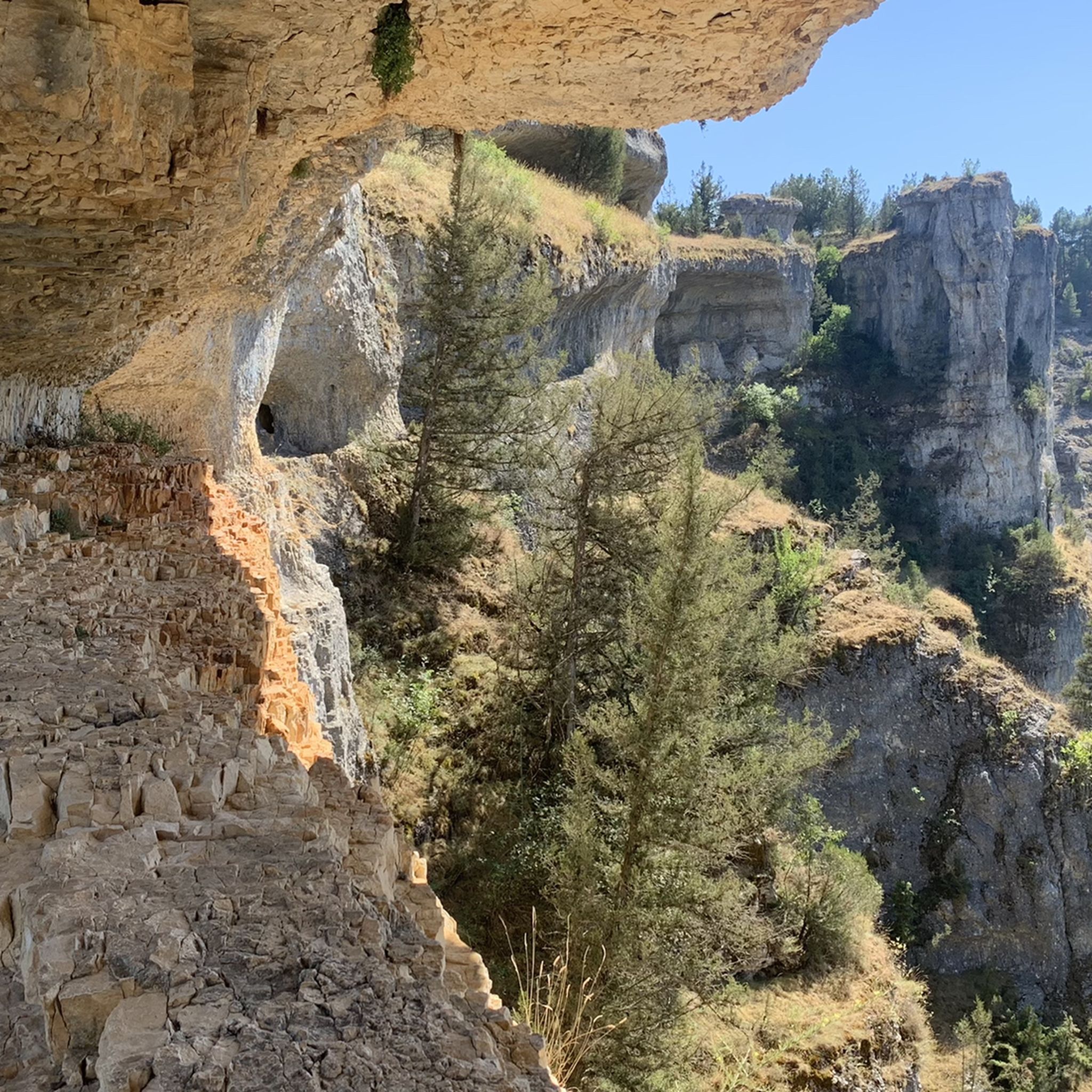
Cueva Grande (Río Lobos Canyon)
Highlight • Cave
Translated by Google •
Tip by

Entrance Trail to Cañón del Río Lobos from Casarejos (GR-86)
Highlight (Segment) • Trail
Translated by Google •
Tip by

Sign up now to discover places like this
Get recommendations on the best single tracks, peaks, & plenty of other exciting outdoor places.
Sign up for free
Devil's Eye (Natural Rock Arch)
Highlight • Natural Monument
Translated by Google •
Tip by

View of the Hermitage of San Bartolomé from Cueva Grande
Highlight • Cave
Translated by Google •
Tip by
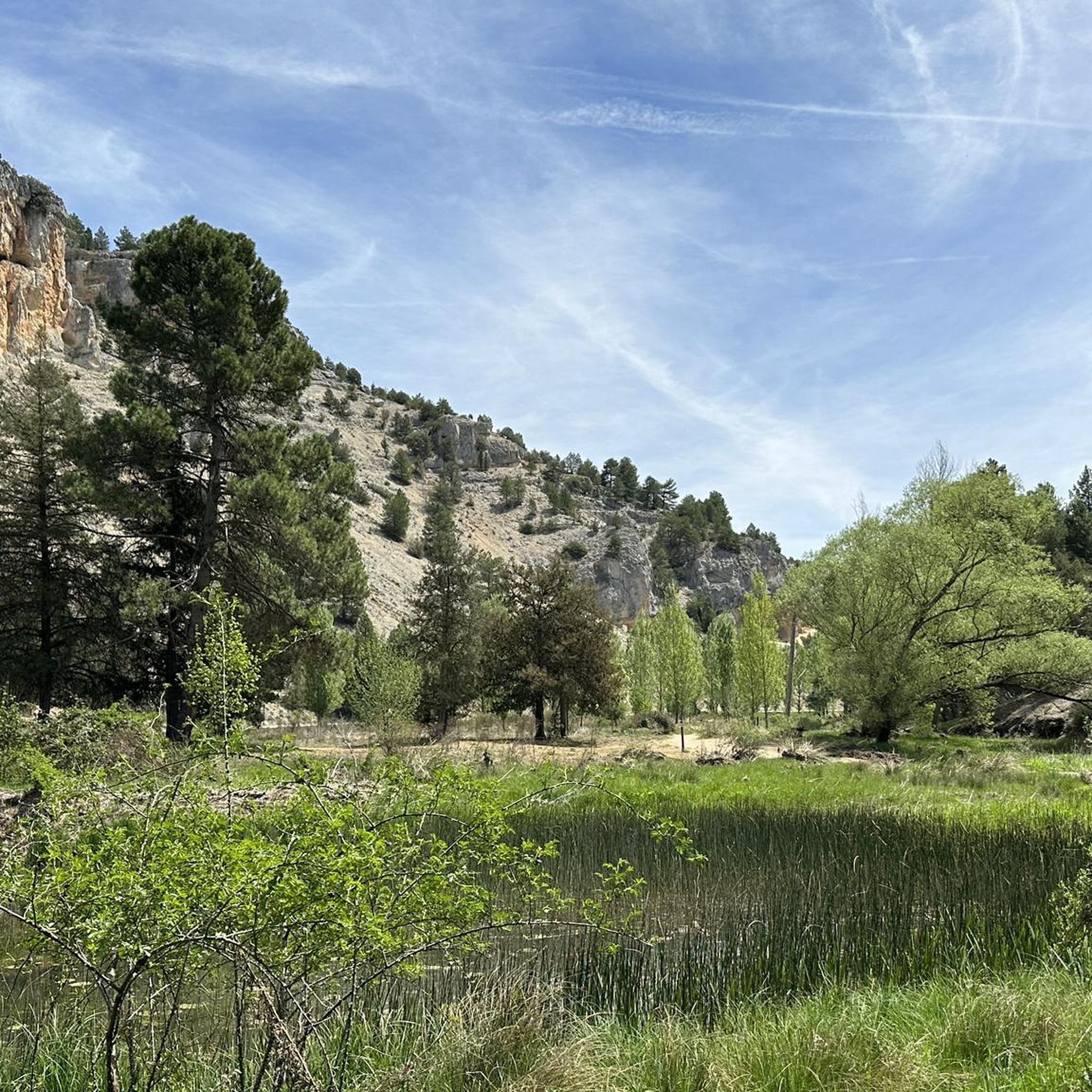
La Torca Ancha
Highlight • Cave
Translated by Google •
Tip by
Sign up for free to discover even more caves in Cañón Del Río Lobos.
Sign up for free
Already have an account?
Start today with a free account
Your next adventure awaits.
Login or Signup

Tips from the Community

Spectacular area for hiking routes
0
0
The LOBOS River canyon is worth visiting
0
0
The large cave, a large cavity in an idyllic landscape, which is the surroundings of the hermitage of San Bartolomé
0
1
The number of times I've climbed up there
0
0

Impressive cave created by nature over millions of years
1
0
A geological peculiarity: a chasm of considerable depth in the middle of the landscape. That's why it's fenced in
1
1

Very interesting and beautiful descent into the Lobos River canyon from San Leonardo.
0
0

In my case I used it to get out of the Canyon. In some sections you have to put your feet on the ground because the stones (pebbles) make it impossible for you to continue, but it is very very beautiful and cool.
0
0
Frequently Asked Questions
What types of caves can I explore in Cañón Del Río Lobos?
The Cañón Del Río Lobos Natural Park features a diverse network of caves, chasms, and rock arches, all sculpted by underground water over millennia. You'll find large natural cavities like Cueva Grande (Río Lobos Canyon), as well as unique geological formations such as the Devil's Eye (Natural Rock Arch). The park is known for its aquifers, stalactites, and stalagmites.
Are there any caves suitable for beginners or those new to caving?
Yes, Cueva de la Galiana is an excellent option for beginners and those with average physical fitness, including children from 10 years old. It offers guided tours like the "Ruta Iniciación" to introduce visitors to the underground world without significant physical demands. For more adventurous beginners, the "Ruta Aventura" provides a slightly more challenging experience.
Which caves offer historical insights or unique views?
Cueva Grande (Río Lobos Canyon) is known for its historical significance, with evidence of prehistoric engravings on its roof. From within Cueva Grande, you can also enjoy a picturesque view of the Hermitage of San Bartolomé, framed by the cave's entrance. This unique perspective is highlighted by View of the Hermitage of San Bartolomé from Cueva Grande.
Are there family-friendly caves in Cañón Del Río Lobos?
Cueva de la Galiana is considered family-friendly, especially for children aged 10 and above, offering guided tours that are not overly physically demanding. Its large entrance and mostly horizontal passages make it accessible for families looking to explore a cave together.
What is the Cueva de la Galiana, and what makes it special?
Cueva de la Galiana, also known as Cueva Galiana Baja, is one of the most well-known cavities in the Cañón del Río Lobos, estimated to be at least 700,000 years old. It features a large entrance, extends for over a kilometer, and showcases various speleothems like gours, columns, stalagmites, stalactites, and flowstones. It's special for its accessible introduction to speleology and its constant temperature of around 15 degrees Celsius.
What outdoor activities can I do near these caves?
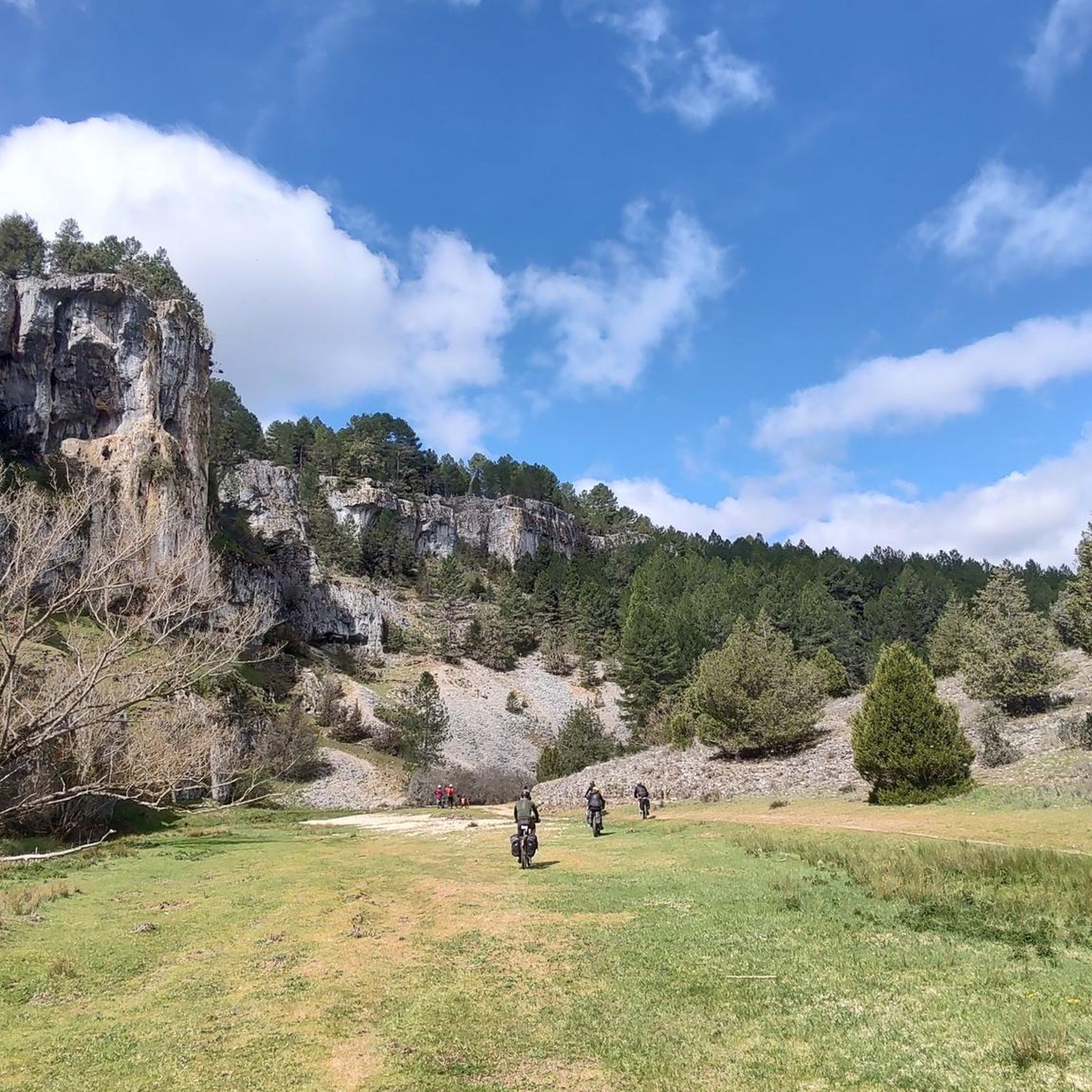
The Cañón Del Río Lobos area offers various outdoor activities. You can find numerous routes for hiking, including trails that lead to the caves and viewpoints. There are also options for gravel biking and cycling, with routes like the "Natural Rock Arch – Cueva Grande loop" for cyclists.
Do I need permits to visit caves in Cañón Del Río Lobos?
For general access to the natural park and its main attractions like Cueva Grande (Río Lobos Canyon), specific permits are not typically required. However, for guided tours into caves like Cueva de la Galiana, especially for more adventurous routes, booking with an authorized guide or company is necessary. It's always advisable to check with local visitor centers for the most current regulations.
What is the best time of year to visit the caves in Cañón Del Río Lobos?
The caves maintain a constant temperature, making them accessible year-round. However, the overall experience of visiting the Cañón Del Río Lobos Natural Park is often best during spring and autumn when the weather is mild for hiking and exploring the surrounding landscape. Summer can also be pleasant, offering a cool escape inside the caves from the heat.
Are there any challenging cave explorations in the region?
Yes, for those seeking a challenge, the "Ruta Aventura" in Cueva de la Galiana involves navigating through tight passages (gateras) and climbing with ropes to reach areas like the "Sala del Bosque." Additionally, the highlight La Torca Ancha is described as a challenging chasm, though it is fenced for safety.
What unique geological formations can be found in the caves of Cañón Del Río Lobos?
The caves in Cañón Del Río Lobos are rich in diverse geological formations. Cueva de la Galiana, for example, features gours, columns, stalagmites, stalactites, and flowstones. The entire park is a testament to karst landscape, with underground water sculpting numerous caves, chasms, and impressive rock arches like the Devil's Eye (Natural Rock Arch).
What should I bring for a cave visit in Cañón Del Río Lobos?
For general cave visits, especially if you're exploring on your own, a headlamp or flashlight is essential. Sturdy footwear with good grip is recommended due to potentially uneven or damp surfaces. If you plan on guided tours that involve more adventurous caving, specialized equipment will likely be provided by the tour operator, but comfortable clothing suitable for a constant 15-degree Celsius temperature is advisable.
Where can I find parking and access points for the caves?
Access to the Cañón Del Río Lobos Natural Park is generally well-marked, with various parking areas available depending on which part of the park you wish to explore. For caves near the Hermitage of San Bartolomé, such as Cueva Grande (Río Lobos Canyon), there are designated parking areas nearby. It's best to consult a detailed map of the natural park or local visitor information for specific access points.
Most popular routes in Cañón Del Río Lobos
Most popular attractions in Cañón Del Río Lobos

Get inspired with the komoot mobile app


Explore more
Extend your search for the best caves by checking out these guides of the top ones in Cañón Del Río Lobos:
